The best walks and hikes around Kührener Teich
4.6
(3422)
12,445
hikers
362
hikes
Hiking around Kührener Teich offers a network of trails primarily characterized by its serene lake landscapes, nature reserves, and surrounding woodlands. The region features gentle terrain with minimal elevation changes, making it suitable for easy hikes and family friendly hikes. Trails often provide views of Lanker Lake and pass by historical estates, offering a mix of natural beauty and cultural points of interest.
Best hiking trails around Kührener Teich
- The most popular hiking route is Kührener Teich Nature Reserve – Bench with a View of Lanker Lake loop from Kühren, a 3.4 miles (5.5 km) trail that takes 1 hour 25 minutes to complete, offering views of Lanker Lake.
- Another top favourite among local hikers is Wahlstorf Manor – View of Lake Lanker loop from Naturschutzgebiet Kührener Teich und Umgebung, an easy 2.4 miles (3.9 km) path. This circular walk explores the nature reserve and passes Wahlstorf Manor.
- Local hikers also love the View of Lake Lanker – Wahlstorf Manor loop from Naturschutzgebiet Kührener Teich und Umgebung, a 4.3 miles (7.0 km) trail leading through the nature reserve and past Wahlstorf Manor, often completed in about 1 hour 48 minutes.
- Hiking around Kührener Teich is defined by lake views, nature reserve paths, and gentle woodland trails. The network offers options for different ability levels, with a focus on easy hikes and circular walks.
- The routes in Kührener Teich are highly rated by the komoot community with an average score of 4.6 stars from nearly 3,000 reviews. More than 11,000 hikers have used komoot to explore Kührener Teich's varied terrain.
Last updated: July 5, 2026
13
hikers
5.51km
01:25
20m
20m
Easy hike. Great for any fitness level. Easily-accessible paths. Suitable for all skill levels.
4.7
(23)
74
hikers
Easy hike. Great for any fitness level. Easily-accessible paths. Suitable for all skill levels.

Sign up for free
4.3
(16)
61
hikers
Easy hike. Great for any fitness level. Easily-accessible paths. Suitable for all skill levels.
4.7
(7)
19
hikers
4.12km
01:03
20m
20m
Easy hike. Great for any fitness level. Easily-accessible paths. Suitable for all skill levels.
5.0
(1)
13
hikers
Moderate hike. Good fitness required. Easily-accessible paths. Suitable for all skill levels.
Get access to more routes and recommendations from other explorers.
Sign up for free
Already have an account?
Our route recommendations are based on thousands of hikes, rides, and runs completed by other people on komoot.
Start today with a free account
Your next adventure awaits.
Login or Signup

Tips from the Community

View of Gut Wahlstorf and outbuildings
0
0

The Scottish Highland Cattle, Highland Cattle or Kyloe (Scottish Gaelic: Bò Gàidhealach "Gaelic Cattle") is a breed of domestic cattle. It is the oldest registered cattle breed (1884).
10
0

This peace... almost unbearable ;-)
0
1
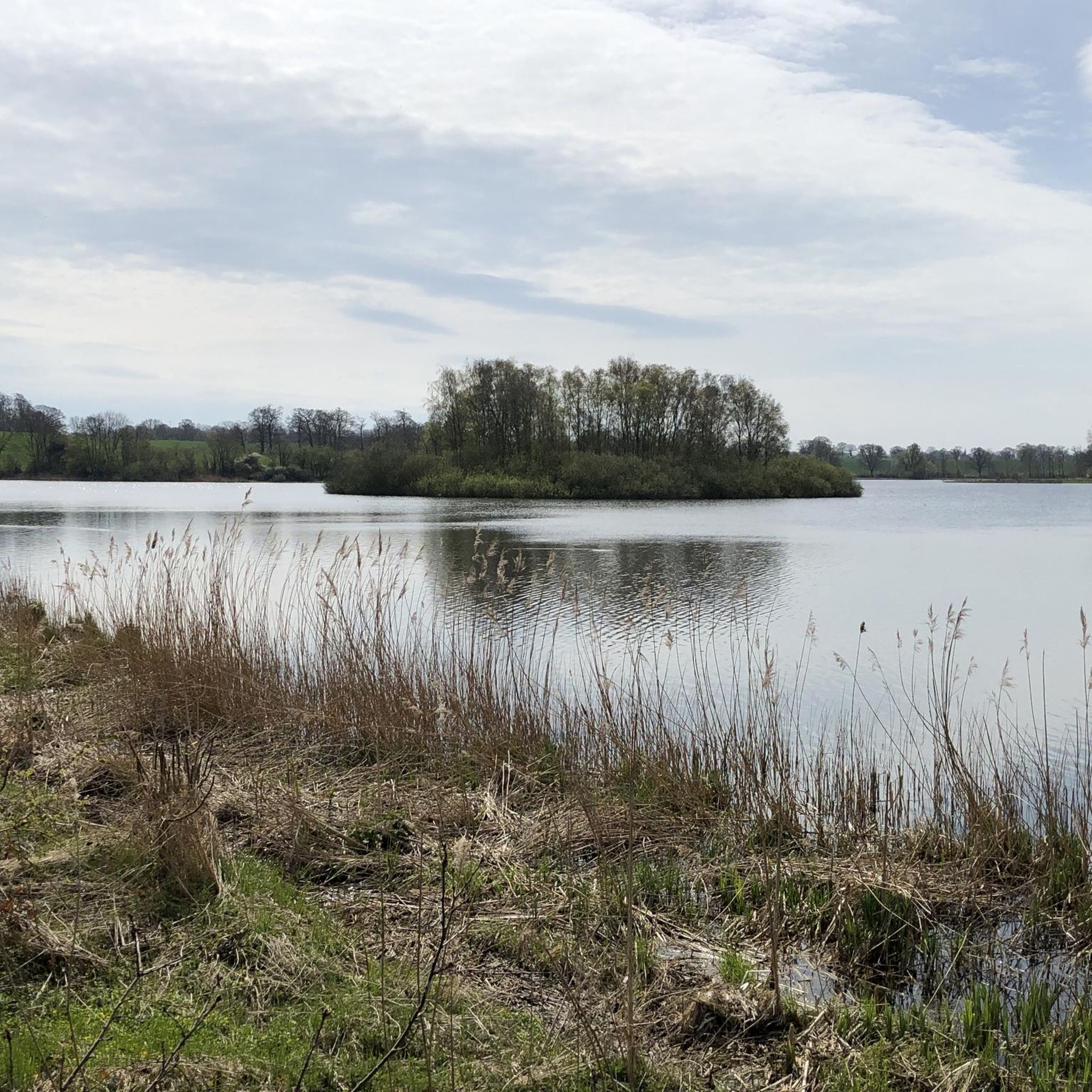
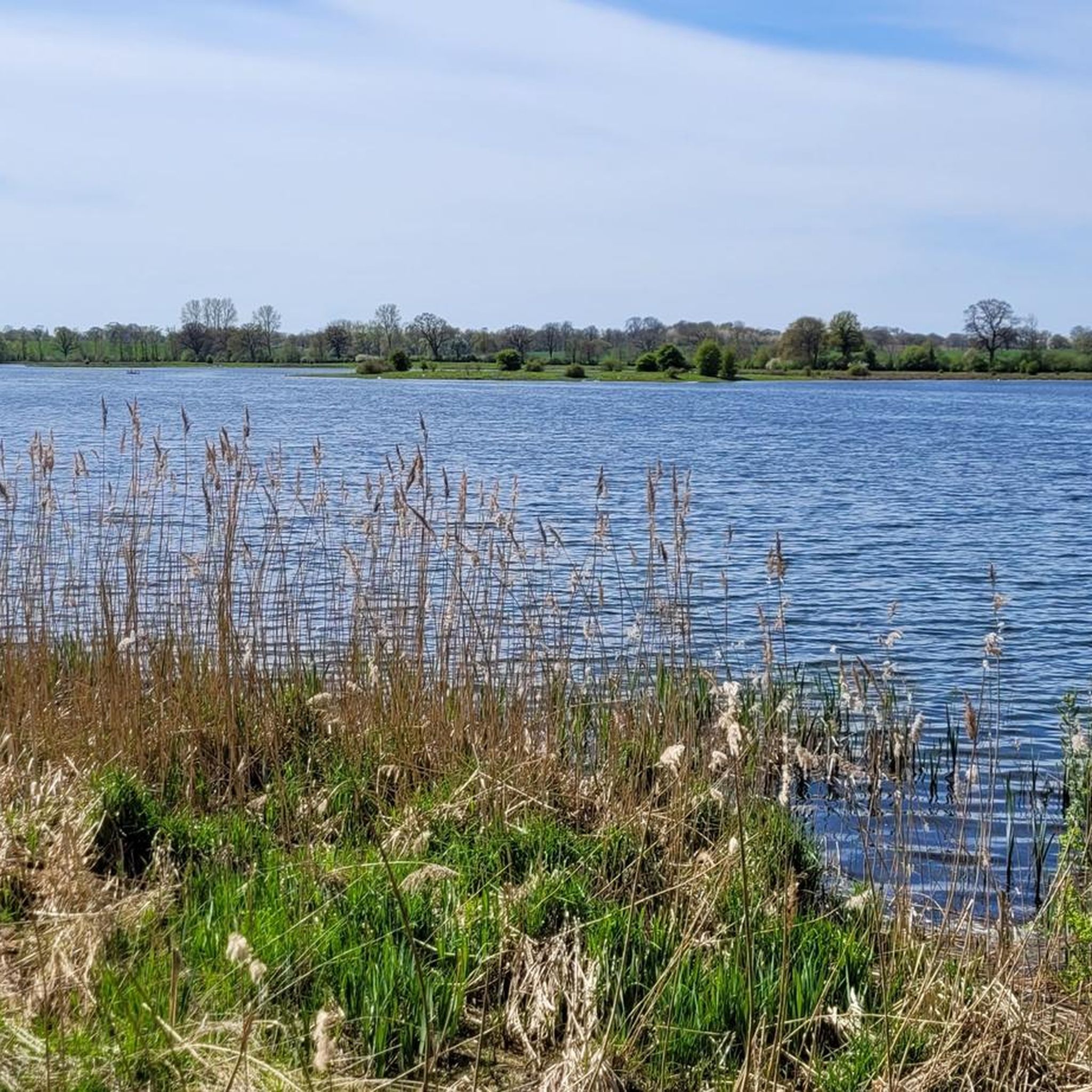
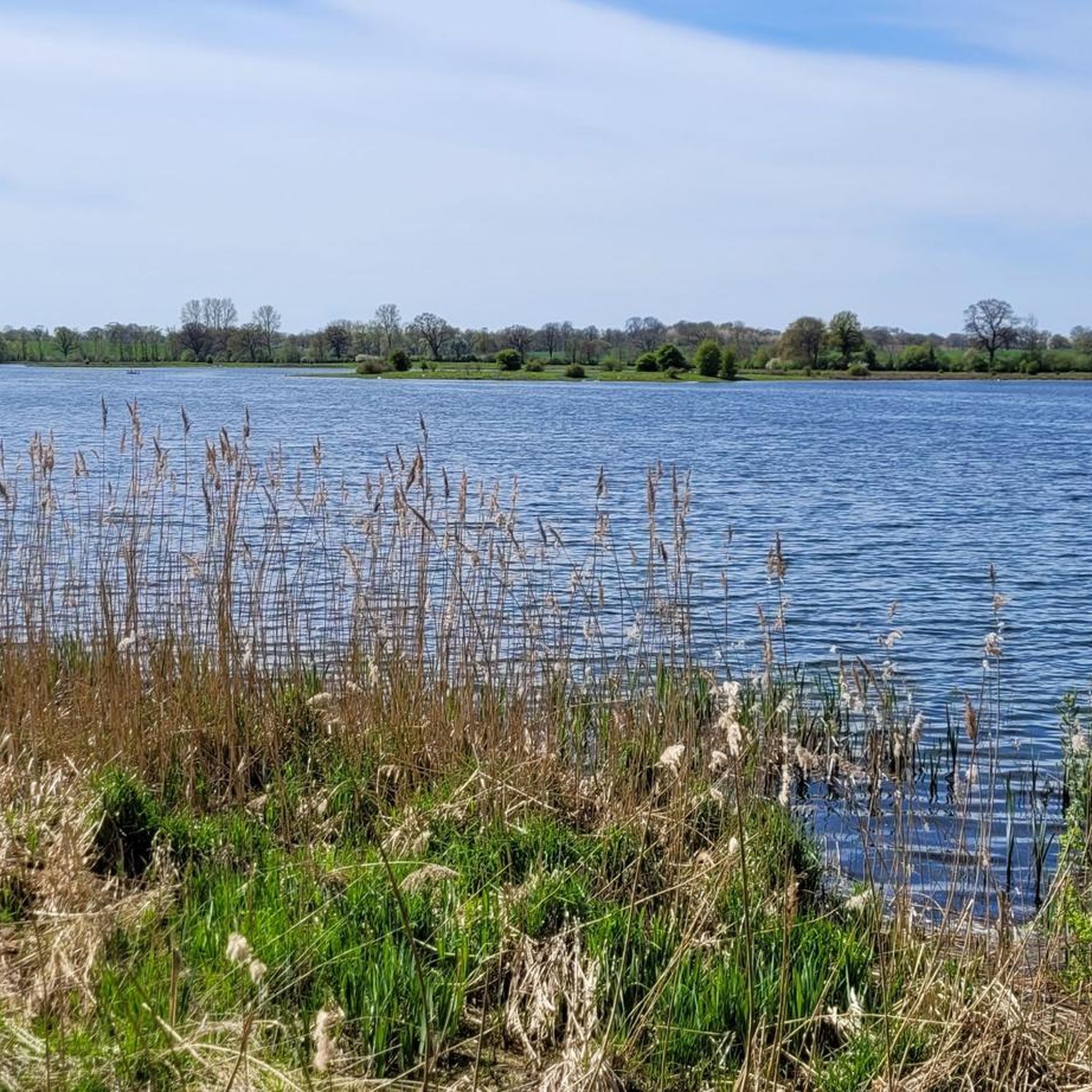
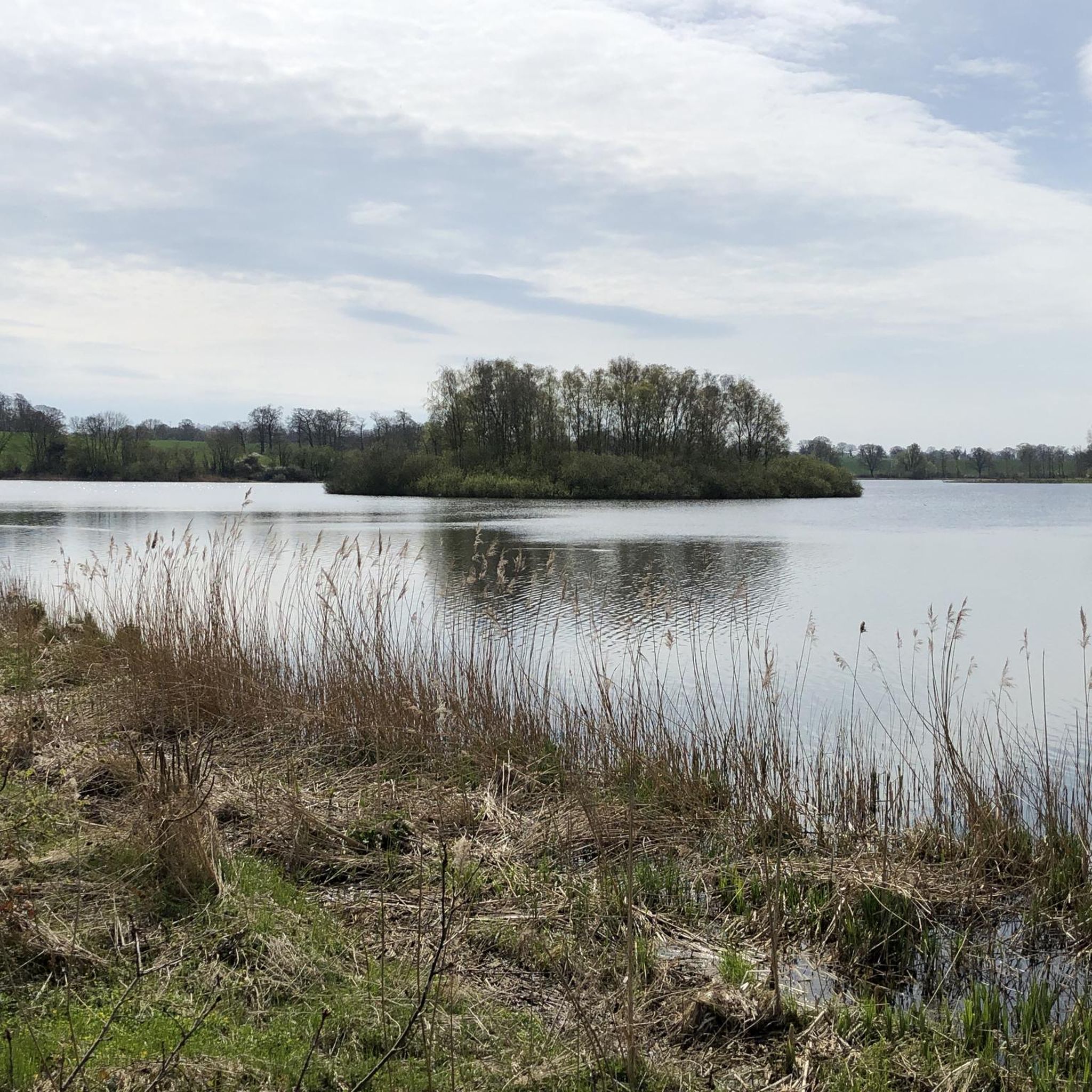
The 79-hectare "Kührener Teich and Surroundings" nature reserve, designated in 1994, lies directly south of the 207-hectare "Peninsulas and Bays in Lake Lanker" nature reserve, separated by the railway embankment. This protection safeguards two nationally important breeding, resting, and feeding areas for endangered and rare bird species, as well as for the rare fire-bellied toad. The core of the nature reserve is the 40-hectare fish pond, which is on average only half a meter deep and drains into Lake Lanker via a dam on the northern edge. North of the path, which runs along a narrow ridge, a species-rich, wet lowland area extends to the railway embankment. The natural water balance has been restored through damming. Large bodies of water occasionally extend here. The area is part of the European ecological network "Natura 2000" (protected habitat area and bird sanctuary). Pond management
8
2
Schleswig-Holstein's Oldest Estate "Wahlstorf Estate is a unique oasis where East and West meet in magical nature." Located in the beautiful Holstein Switzerland region, Wahlstorf Estate is one of the oldest estates in Schleswig-Holstein and a rare, well-preserved example of a 16th-century estate. With its late medieval architectural style, it is of architectural significance. The listed estate now includes the manor house, three historic barns, and a horse stable. This is where explorer, ornithologist, zoologist, film producer, painter, and writer Victor Baron von Plessen (1900-1980) lived. He embarked on numerous expeditions to the Malay Archipelago from 1924 to 1938. Wahlstorf Estate, its inventory, and the East Asian collection of Victor Baron von Plessen are now owned by the Plessen Foundation Wahlstorf. The agricultural holding of approximately 900 hectares is managed by the Gut Wahlstorf Foundation.
14
0
A beautiful view of the lake, a nice place for a break and watching water birds 🦆🦢
1
0
When greylag geese and ducks take flight at the same time, a white-tailed eagle usually attacks the waterfowl, which protect themselves in groups by using defensive strategies or take flight, as the white-tailed eagle prefers to hunt on the ground or in the water. Other birds of prey, such as the common buzzard, red kite, and hobby, can also be seen at Kührener Teich and Lanker See.
13
1
The nature reserves 'Peninsulas and Bays in Lake Lanker' and 'Kührener Teich and Surroundings' (in the immediate vicinity of the Lanker See Nature Reserve) represent a typical landscape section of the East Holstein Lake District. Parts of Lake Lanker and Kührener Teich are designated as Natura 2000 sites. In the reed beds and alder groves, numerous duck species, as well as the Great Bittern, Marsh Harrier, Black-necked Grebe, Great Reed Warbler, Sedge Warbler, Wood Warbler, Black-throated Thrush, and Nightingale, breed in high population densities. The white-tailed eagle can also be easily observed from the NABU information hut at Kührener Teich.
13
1
Frequently Asked Questions
How many hiking trails are available around Kührener Teich?
There are over 340 hiking routes around Kührener Teich, with more than 220 of them classified as easy. This extensive network offers plenty of options for all skill levels, focusing on gentle terrain and scenic views.
Are there family-friendly hiking trails in the Kührener Teich area?
Yes, Kührener Teich is known for its family-friendly trails. The region features gentle terrain with minimal elevation changes, making it ideal for walks with children. Many routes are easy, such as the Kührener Teich Nature Reserve – Bench with a View of Lanker Lake loop from Kühren, which is 3.4 miles (5.5 km) long and offers beautiful lake views.
Can I bring my dog on the hiking trails around Kührener Teich?
Yes, many trails around Kührener Teich are suitable for dogs. The natural landscapes and woodland paths provide a great environment for walks with your canine companion. However, as parts of the area are nature reserves, it's always advisable to keep dogs on a leash and respect local signage regarding wildlife protection.
What kind of natural attractions or landmarks can I expect to see while hiking?
The trails around Kührener Teich offer a mix of natural beauty and cultural points of interest. You can explore the Kührener Teich Nature Reserve itself, enjoy views of Kührener Pond, and pass by historical estates like Wahlstorf Manor. There are also specific spots for wildlife observation, such as the White-Tailed Eagle Observation Point.
Are there circular hiking routes available?
Yes, circular walks are a prominent feature of the Kührener Teich hiking network. Many routes are designed as loops, allowing you to start and end at the same point. An example is the Wahlstorf Manor – View of Lake Lanker loop, an easy 2.4-mile (3.9 km) path that explores the nature reserve.
Where can I park when visiting Kührener Teich for a hike?
Parking options are generally available near popular trailheads and access points around Kührener Teich. Specific parking information can often be found on individual route descriptions on komoot, or by checking local signage upon arrival. It's recommended to arrive early during peak times.
What is the best time of year to hike around Kührener Teich?
Kührener Teich offers pleasant hiking experiences throughout the year. Spring brings blooming flora, summer provides lush green landscapes, and autumn showcases vibrant fall colors. Even in winter, the gentle terrain can be suitable for walks, though conditions may vary. The serene lake landscapes are beautiful in any season.
Are there any cafes or places to eat near the hiking trails?
While the immediate vicinity of the nature reserve is primarily natural, there are often small cafes or restaurants in the nearby villages and towns surrounding Kührener Teich. It's a good idea to check local listings or plan your route to pass through a village if you're looking for refreshments.
What do other hikers enjoy most about the Kührener Teich area?
The Kührener Teich area is highly rated by the komoot community, with an average score of 4.6 stars from nearly 3,000 reviews. Hikers often praise the serene lake views, the peaceful nature reserve paths, and the gentle woodland trails. The accessibility and suitability for easy, circular walks are also frequently highlighted.
Can I reach the Kührener Teich trails using public transport?
Public transport options to the Kührener Teich area may be available, connecting from larger nearby towns. However, direct access to all trailheads might be limited. It's advisable to research specific bus routes or train connections to the closest villages and plan your hike from there. Checking local transport websites for current schedules is recommended.
Are there any longer hiking options for experienced hikers?
While the region is known for its easy and moderate trails, you can combine several shorter loops or explore the full extent of the nature reserve for a longer experience. For example, the Former Kühren Train Station – Old Kühren Watermill loop is a 4.8-mile (7.7 km) route that offers a slightly longer exploration of the area's history and nature.
Is wild swimming permitted in Kührener Teich?
Kührener Teich is part of a nature reserve, and regulations regarding swimming can vary. Generally, in nature reserves, wild swimming might be restricted to protect the ecosystem and wildlife. It is best to check local signage or official municipality information for current rules and designated swimming areas, if any, to ensure compliance with environmental protection guidelines.
Most popular routes around Kührener Teich
Most popular attractions around Kührener Teich

Get inspired with the komoot mobile app


Explore more
Browse the best Hikes in other regions.
