Attractions and Places To See around Yuma - Top 20
Best attractions and places to see around Yuma include a diverse range of historical sites, natural features, and outdoor activities. The region is characterized by its connection to the Colorado River and its desert landscape. Yuma's past as a crucial crossing point and military supply base is evident in its preserved landmarks. The area offers opportunities to explore its rich history and unique natural environment.
Best attractions and places to see around Yuma
- The most popular attractions is Yuma Territorial Prison State Historic Park, a historical site that operated from 1876 to 1909. It now serves as a museum where visitors can explore prison cells and exhibits detailing the history of the early American West.
- Another must-see spot is Yuma Crossing Bike Path (Colorado River Levee Multi-Use Path), a cycle way that runs along the Colorado River just north of downtown Yuma. It passes through several parks and historic sites, including West Wetlands Park and Gateway Park.
- Visitors also love Yuma East Wetlands, a restored natural area. This collaborative effort has revitalized nearly 400 acres, fostering habitats crucial for various wildlife species.
- Yuma is known for its historical sites, natural wetlands, and river-based outdoor activities. The region offers a variety of attractions to see and explore, from preserved military depots to desert landscapes.
- The attractions around Yuma are appreciated by the komoot community, with 10 upvotes and 85 photos shared across 21 highlights.
Last updated: August 26, 2026
Yuma Territorial Prison State Historic Park
Highlight • Historical Site
Most of the outside area is accessible free of charge. The inside is one of the top tourism sites, open daily (Monday - Sunday) 9:00 am - 5:00 pm
CLOSED Thanksgiving Eve & Day, Christmas Eve & Day
Prison Admission: $8 Adults, $6 Seniors age 62 and over,
$4 Children age 7 to 13, FREE for children 6 and under
yumaprison.org
Tip by

Yuma Crossing Bike Path (Colorado River Levee Multi-Use Path)
Highlight (Segment) • Cycleway
Tip by

Sign up now to discover places like this
Get recommendations on the best single tracks, peaks, & plenty of other exciting outdoor places.
Sign up for free
Yuma East Wetlands
Highlight • Natural
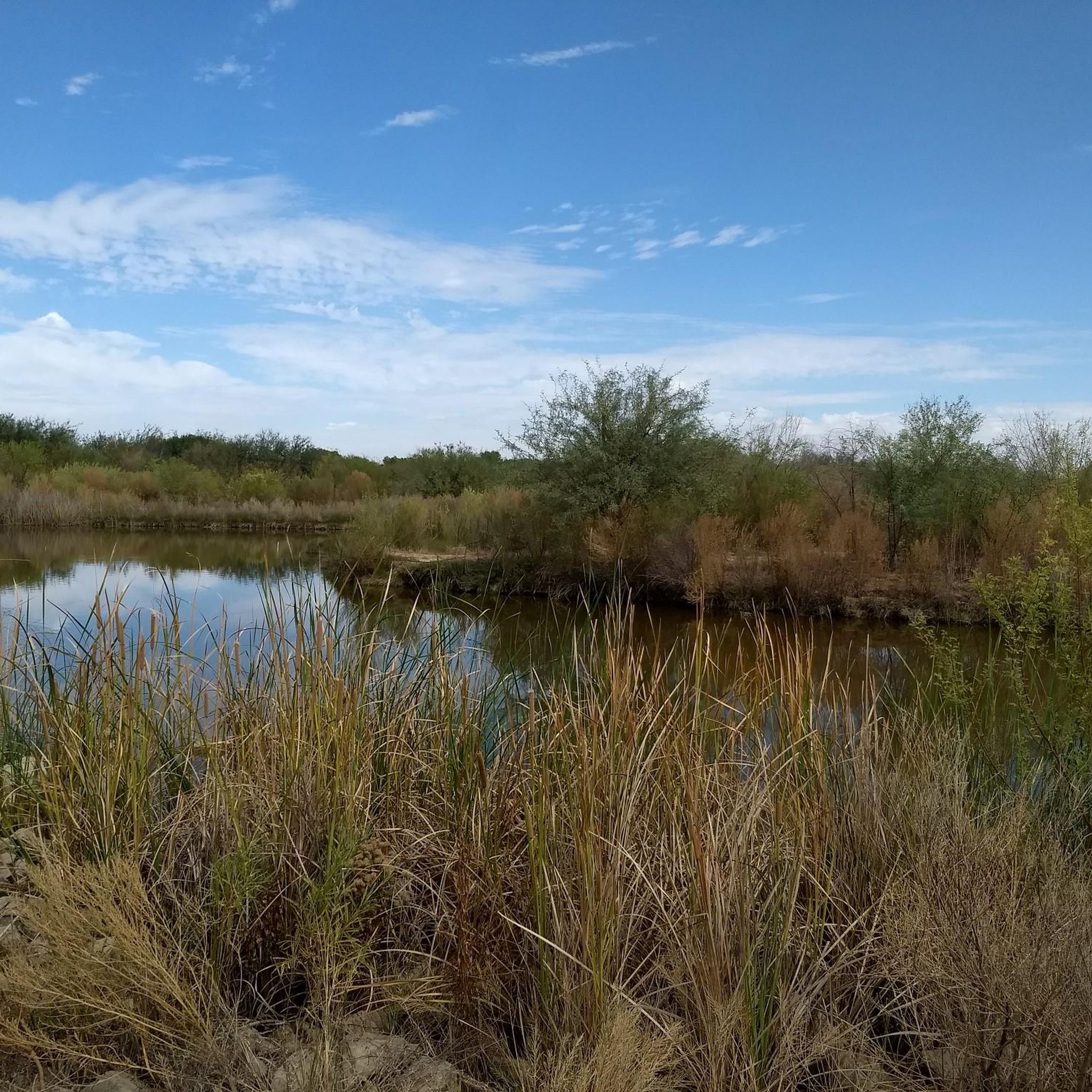
Restoration activities were initiated in 2004 and nearly 400 acres have been transformed from a trash dump filled with hobo camps into a mosaic of marsh, mesquite, cottonwood, and willows which provide habitat for an array of wildlife species.
A few of the most notable species discovered since the East Wetlands was created include the endangered Ridgway's Rail (Yuma Clapper Rail), and the presence and successful breeding of the endangered Yellow-Billed Cuckoo. lcrmscp.gov/conservation/yuma_east_wetlands.html
Tip by
Colorado River State Historic Park
Highlight • Historical Site
Tip by
Downtown Yuma
Highlight • Settlement
Tip by
Sign up for free to discover even more attractions around Yuma.
Sign up for free
Already have an account?
Start today with a free account
Your next adventure awaits.
Login or Signup
Tips from the Community

Massive Prison complex dating back to the US military fort and establishment in the 19th century
0
0
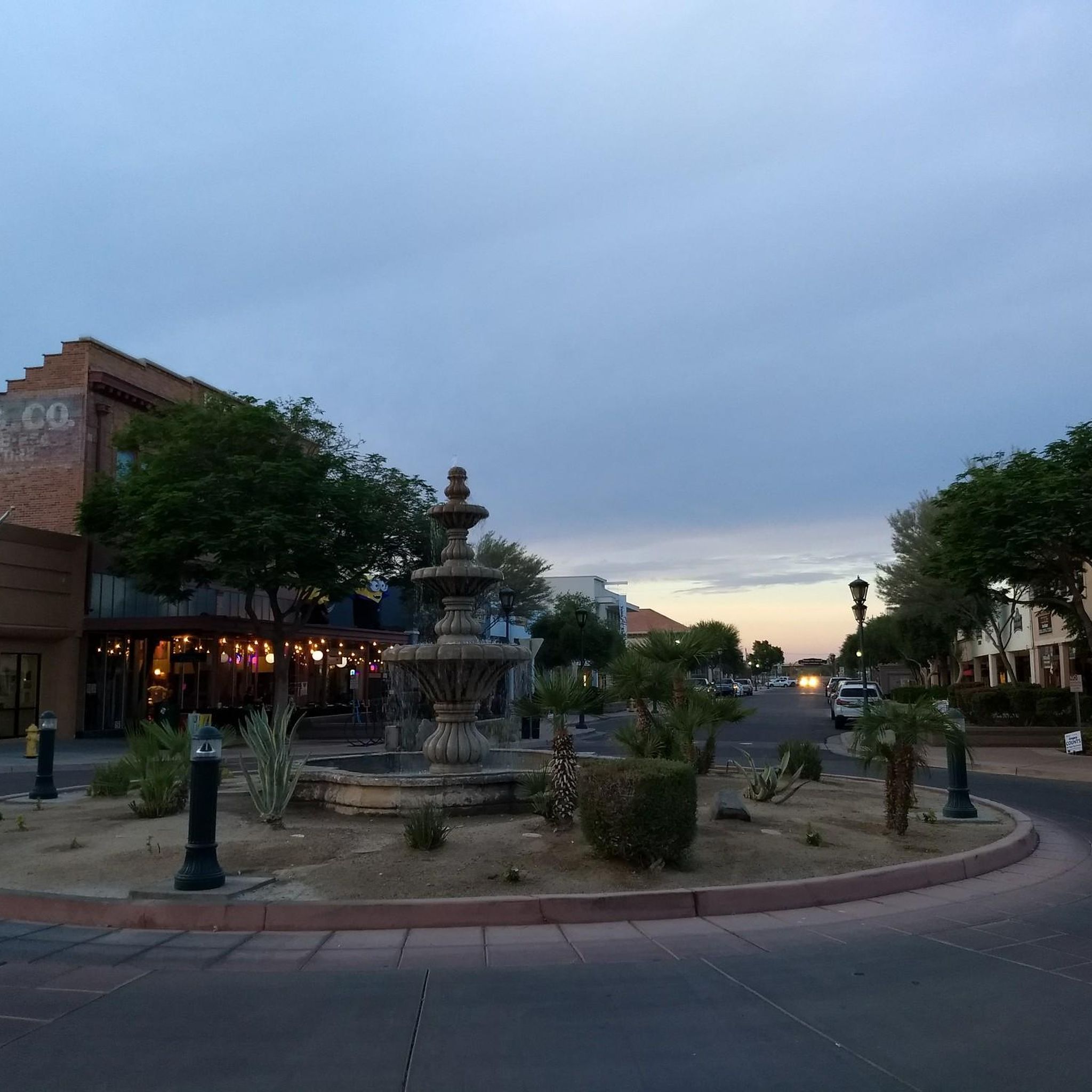
Main Street running North-South through Downtown is now a slow street of stores and restaurants, framed by a gateway arch on either side
0
0

Downtown Yuma, Arizona, features several well-preserved buildings that date back to the late 19th and early 20th centuries. Along Main Street, you can explore a variety of shops and galleries, and eat out at a variety of local restaurants. The Colorado River, which runs alongside downtown, provides scenic views and opportunities for outdoor activities like riverside strolls or rides down any one of the several greenways.
0
0
Yuma Territorial Prison State Historic Park in Arizona preserves a notorious 19th-century prison. Established in 1876, it housed over 3,000 inmates in its 33-year history and was known for harsh conditions. Visitors can tour cellblocks, the guard tower, and museum exhibits detailing prison life. The park offers insights into the Old West's justice system and Arizona's frontier history in late 19th and early 20th centuries, making it a fascinating destination for history enthusiasts.
1
0
The Yuma East Wetlands, a collaborative effort involving the Heritage Area, Quechan Indian Tribe, City of Yuma, and Arizona Game and Fish Department, exemplifies successful desert Southwest wetlands restoration. Started in 2004, the project has revitalized nearly 400 acres from a former landfill and hobo camps into a diverse landscape of marshes, mesquite, cottonwood, and willows. This transformation has fostered habitats crucial for various wildlife species, including the endangered Ridgway's Rail (Yuma Clapper Rail) and successful breeding grounds for the endangered Yellow-Billed Cuckoo. There are nice, wide dirt paths through here, but they can be a little sandy.
1
0
The Colorado River State Historic Park, located in Yuma, Arizona, preserves the area's rich history tied to the Colorado River. Formerly known as the Quartermaster Depot Historic Park, it encompasses the historic Yuma Crossing, a vital river crossing point historically used by Native American tribes, Spanish explorers, and pioneers traveling westward. The park features restored adobe buildings, including the iconic Yuma Quartermaster Depot, which served as a supply base for frontier military posts. Exhibits and guided tours offer insights into the region's role in transportation, communication, and military operations during the late 19th and early 20th centuries.
1
0
Yuma Territorial Prison State Historic Park in Arizona preserves a notorious 19th-century prison. Established in 1876, it housed over 3,000 inmates in its 33-year history and was known for harsh conditions. Visitors can tour cellblocks, the guard tower, and museum exhibits detailing prison life. The park offers insights into the Old West's justice system and Arizona's frontier history in late 19th and early 20th centuries. , making it a fascinating destination for history enthusiasts.
0
0
The Yuma Crossing Bike Path, also known as the Colorado River Levee Multi-Use Path runs along the Colorado River just north of downtown Yuma and passes through several parks and historic sites. Key points of interest include West Wetlands Park, a 110-acre area with fishing ponds, hiking trails, picnic spots, and the highly inclusive Stewart Vincent Wolfe Creative Playground. The path also passes by the Yuma Territorial Prison State Historic Park, which provides a fascinating look into the Old West with exhibits on the lives of prisoners and guards from the late 19th and early 20th centuries. Gateway Park, near the historic Ocean-to-Ocean Bridge, offers beach access, picnic areas, and picturesque river views, making it a popular spot for relaxation and community events. Additionally, the East Wetlands area showcases restored wetland habitats ideal for nature walks and bird watching. The path also traverses the Yuma Crossing National Heritage Area, which features interpretive exhibits and scenic views that highlight the historical importance of Yuma as a crossing point on the Colorado River.
0
0
Frequently Asked Questions
What historical sites can I explore in Yuma?
Yuma is rich in history, offering several significant sites. You can visit the Yuma Territorial Prison State Historic Park, which operated from 1876 to 1909 and now serves as a museum. Another key site is the Colorado River State Historic Park, formerly the Quartermaster Depot, which was a crucial supply base for the U.S. Army. Additionally, Historic Downtown Yuma features beautifully preserved buildings from the late 1800s and early 1900s.
Are there any natural areas or wetlands to visit in Yuma?
Yes, Yuma offers several natural areas, particularly along the Colorado River. The Yuma East Wetlands is a successfully restored natural area, providing habitats for various wildlife species. You can also explore West Wetlands Park, a 110-acre urban oasis with walking trails, birdwatching opportunities, and picnic spots.
What outdoor activities can I do near Yuma's attractions?
Many attractions in Yuma are close to outdoor activity areas. For cycling, the Yuma Crossing Bike Path runs along the Colorado River, passing through parks and historic sites. For hiking, you can find various trails, including easy options like the Charles Flynn Riverfront Trail or the East Wetlands Interpretive Trail loop. Discover more routes in the Easy hikes around Yuma guide.
Are there family-friendly attractions in Yuma?
Absolutely! West Wetlands Park is highly recommended for families, featuring a large playground (Stewart Vincent Wolfe Creative Playground), fishing ponds, and picnic areas. The Yuma Territorial Prison State Historic Park also offers engaging exhibits for older children and adults interested in history.
Where can I experience Yuma's unique desert landscape?
To experience Yuma's unique desert landscape, head to the Imperial Sand Dunes, just outside the city. These stunning natural wonders are among the largest sand dune fields in North America and are popular for off-roading and recreation. For wildlife viewing and hiking, the Kofa National Wildlife Refuge offers opportunities to experience the desert's flora and fauna.
What cultural insights can I gain in Yuma?
Yuma offers several cultural sites. The Cocopah Museum provides insights into the history and culture of the Cocopah people. You can also visit the Sanguinetti House Museum and Gardens, which showcases Yuma's Victorian era through artifacts and beautiful garden displays. The Yuma Art Center is a hub for local artists and contemporary exhibitions.
What is the best time of year to visit Yuma attractions?
The best time to visit Yuma attractions is typically from late fall through early spring (November to April). During these months, the weather is mild and pleasant, ideal for exploring outdoor sites, hiking, and enjoying river activities. Summers can be extremely hot, making outdoor exploration less comfortable.
Are there any attractions accessible by public transport in Yuma?
While specific public transport routes to all attractions vary, many key sites in and around downtown Yuma are relatively accessible. The Yuma Crossing Bike Path is wheelchair accessible and connects several parks and historic sites along the Colorado River, offering a way to explore without a car once you reach the path.
Where can I find places to picnic near Yuma's attractions?
Several attractions offer excellent picnic spots. West Wetlands Park has designated picnic areas, as does Gateway Park, which also provides beach access and picturesque river views. The Colorado River State Historic Park also features picnic areas where you can enjoy the historical surroundings.
What are some lesser-known or 'hidden gem' attractions in Yuma?
For a unique experience, consider visiting the Castle Dome Mines Museum & Ghost Town, about an hour's drive from Yuma. This preserved 19th-century mining town offers a fascinating glimpse into the region's mining history with over 50 original buildings. Another interesting spot is Martha's Gardens Date Farm, offering a unique agricultural experience.
Can I find opportunities for birdwatching in Yuma?
Yes, Yuma is an excellent destination for birdwatching, especially in its wetlands and along the Colorado River. Both the Yuma East Wetlands and West Wetlands Park are known for their diverse bird populations, including migratory species. The East Wetlands, in particular, are a result of successful restoration efforts that have created crucial habitats for wildlife.
Are there any military history sites in Yuma?
Yuma has a significant military history. The Colorado River State Historic Park, formerly the Quartermaster Depot, was a vital supply base for the U.S. Army. Additionally, the Yuma Proving Ground Heritage Center offers a look into the area's military past, including its role in testing equipment and as a training site during WWII.

Get inspired with the komoot mobile app


Explore more
Still not found the Highlight you’re looking for? See guides of the top attractions in other regions:
