The best MTB trails in Chugach National Forest
46
riders
14
rides
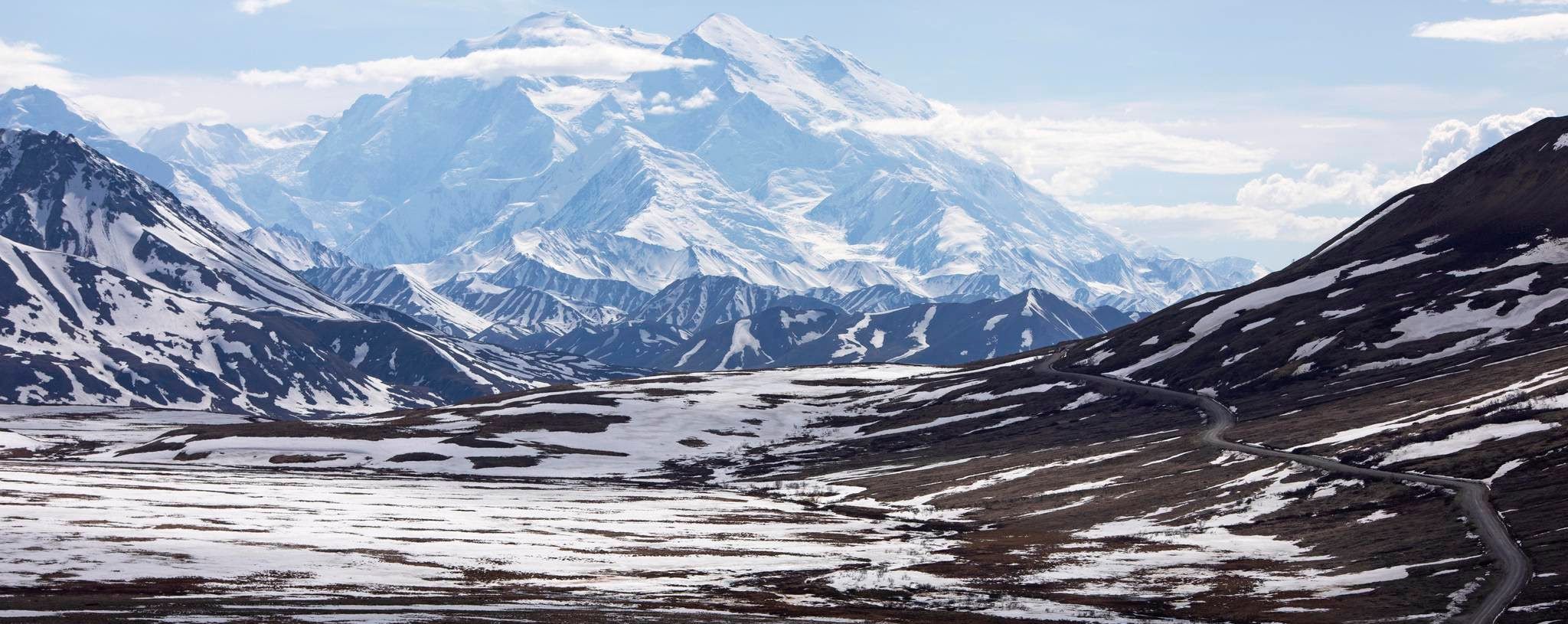
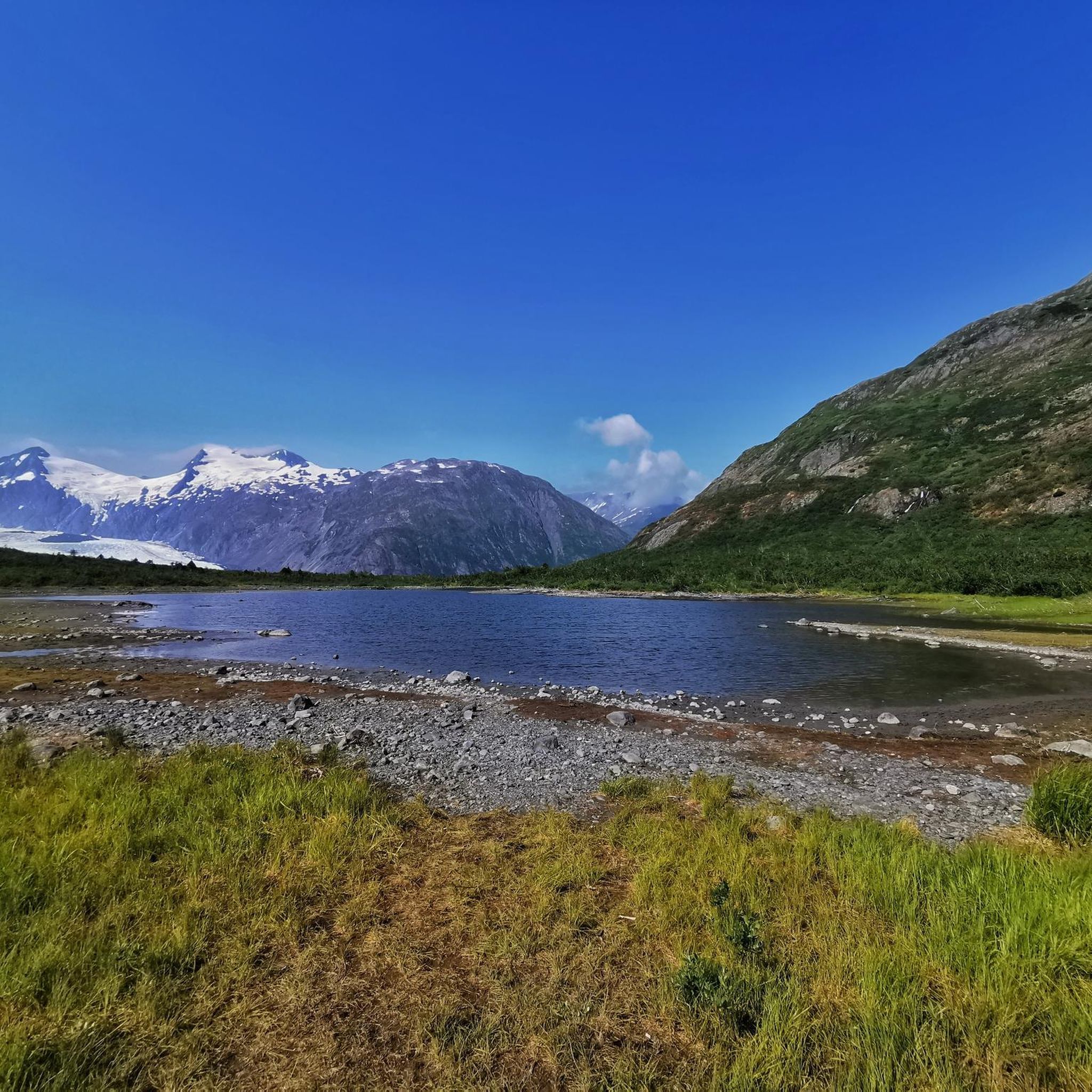
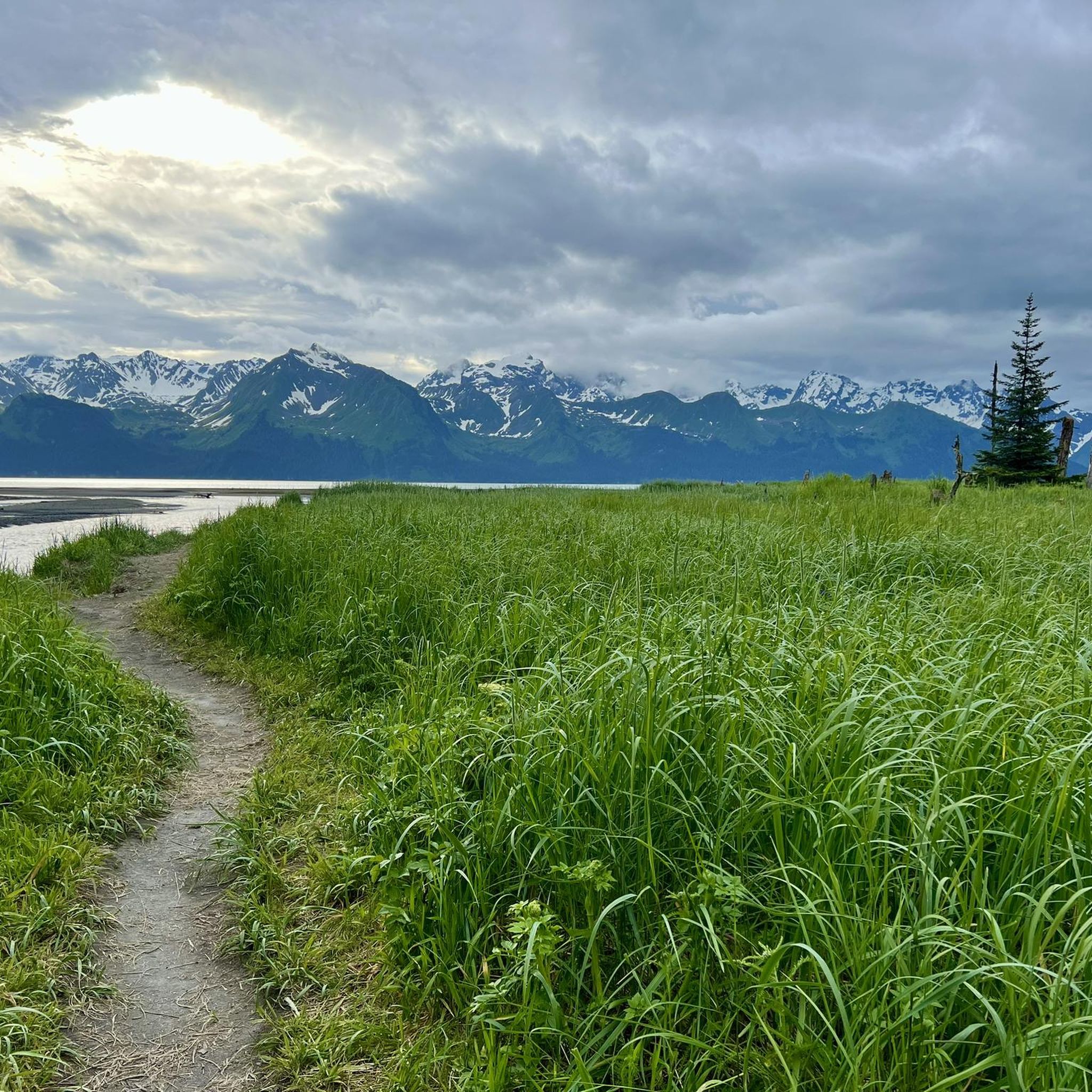
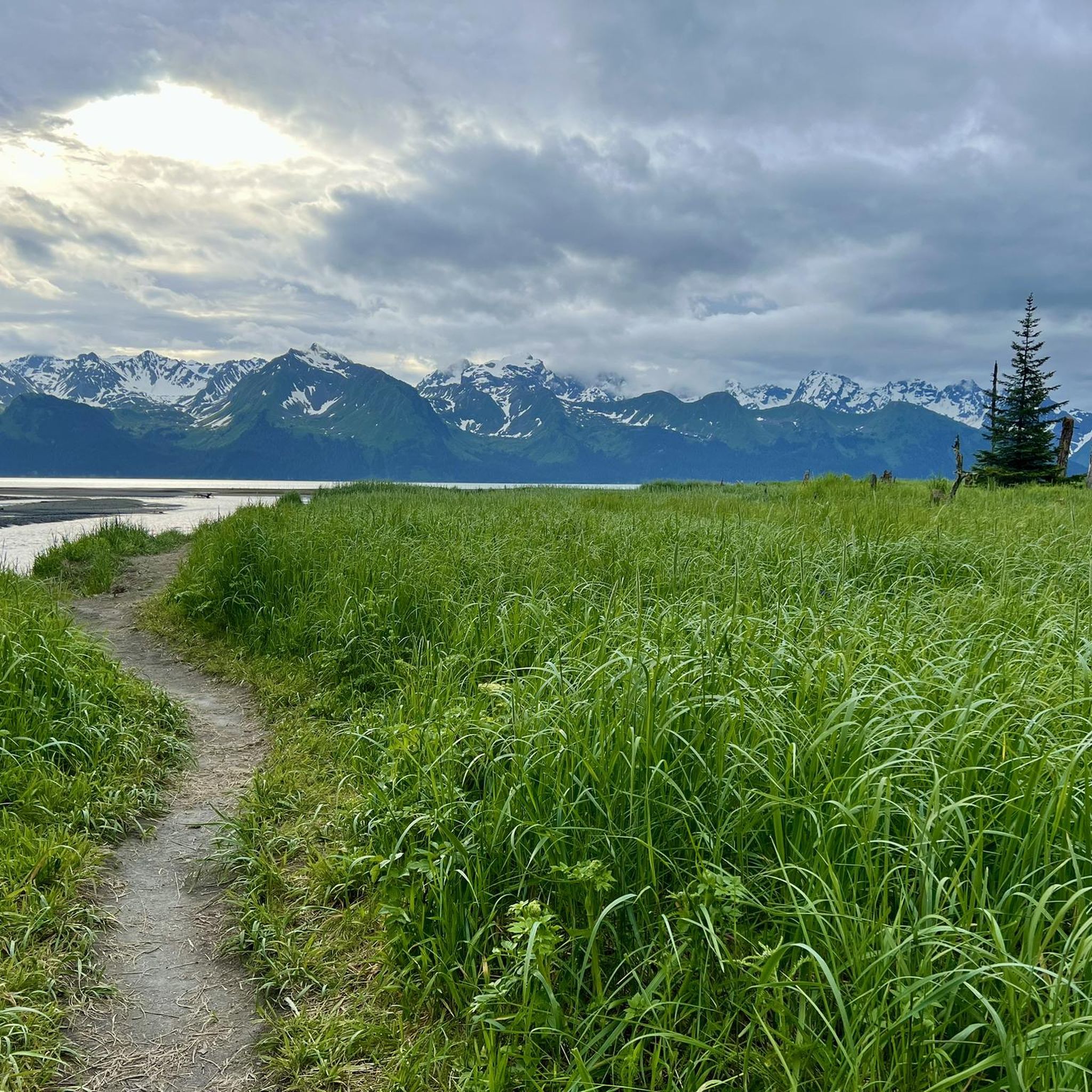
Mountain biking in Chugach National Forest offers diverse terrain across nearly 7 million acres, encompassing coastal environments, towering mountains, and ancient glaciers. The landscape features jagged peaks, V-shaped valleys, and fjords, alongside pristine lakes and salmon-filled rivers. Riders can explore lush temperate rainforests, boreal woods, and alpine tundra, providing varied backdrops for mountain bike routes.
Best mountain bike trails in Chugach National Forest
- The most popular mountain bike trail is Resurrection Pass Trail — Hope to Cooper Landing, a 37.4 miles (60.2 km) trail that takes 5 hours 34 minutes to complete. This challenging route traverses the Kenai Mountains, offering expansive views.
- Another top favourite among local mountain bikers is Lost Lake, Meridian Lakes & Bear Lake Trail loop — Seward, Alaska, a difficult 32.5 miles (52.2 km) path. This route features significant elevation gain and scenic lake views near Seward.
- Local mountain bikers also love the Crescent Creek Trail to Crescent Lake — Chugach National Forest, a 12.4 miles (20.0 km) trail leading through forested valleys and alongside a lake, often completed in about 1 hour 54 minutes.
- Mountain biking in Chugach National Forest is defined by glacial valleys, towering mountains, and diverse forest ecosystems. The extensive network offers options for various skill levels, from family-friendly paths to challenging backcountry routes.
- The guide includes highly-rated routes that showcase the best of the region's landscape. More than 60 mountain bikers have used komoot to explore Chugach National Forest's varied terrain.
Last updated: May 12, 2026
1.35km
00:05
20m
20m
Moose Meadow Trail offers an easy mountain biking experience on a smooth, natural surface doubletrack. You will ride through open meadows on a gravel path, enjoying the surrounding nature. This short route covers 0.8 miles (1.3 km) with a gentle elevation gain of 75 feet (23 metres), making it perfect for a quick spin. Keep an eye out for views of the majestic Chugach Mountains to the east as you pedal; it's an easy 5-minute ride.
The trail is a popular spot in Anchorage, Alaska, and is easily accessible for mountain bikers. You can find parking generally available right at Moose Meadow Park, which makes starting your ride very convenient. There are no specific permits or fees required to access this route. It's a great option for a spontaneous outing when you want a quick ride without much planning.
This route stands out as an accessible option within Moose Meadow Park, welcoming various outdoor activities. Its natural surface doubletrack provides a consistent and enjoyable ride through the local ecosystem. The trail's design allows you to focus on the ride and the surrounding environment, making it a pleasant escape close to the city.
10
riders
19.9km
01:54
330m
330m
The Crescent Creek Trail is a 12.4-mile moderate mountain biking route in Alaska's Chugach National Forest, leading to scenic Crescent Lake.

Sign up for free
7
riders
49.8km
04:51
840m
650m
This 30.9-mile mountain biking trail in Chugach National Forest offers a challenging ride with stunning Alaskan scenery.
2
riders
60.2km
05:35
820m
820m
Tackle the difficult 37.4-mile Resurrection Pass Trail mountain biking route, gaining 2690 feet in elevation through Alaska's Chugach Nation
2
riders
56.2km
05:17
800m
720m
Tackle the difficult 34.9-mile Resurrection Pass Trail, a challenging mountain biking route with 2634 feet of elevation gain.
Get access to more routes and recommendations from other explorers.
Sign up for free
Already have an account?
Our route recommendations are based on thousands of hikes, rides, and runs completed by other people on komoot.
Start today with a free account
Your next adventure awaits.
Login or Signup

Other adventures in Chugach National Forest

Tips from the Community

A five-start scenic ride - endless eye candy.
0
0

Moose Meadows Park offers beloved trail systems during winter and scenic views of the Girdwood Valley. With its gentle routes, it's an ideal choice for walkers, skiers, and cyclists.
0
0

It's decision time! This intersection offers you the opportunity to head southeast on the Devils Creek Trail, southwest on the Resurrection Pass Trail, or northeast to head toward the Hope end of the Resurrection Pass Trail. If you head that way you'll also pass an intersection with the Summit Creek Trail, but it's incredibly difficult to find from this end, even if you know where it is; the short sign is often hidden in thick, tall grass.
1
0
Starting a hike from here comes with some tradeoffs. On one hand, it helps you avoid the (relative) crowds that sometimes gather on the Resurrection Pass Trail, especially on sunny weekend days. On the other hand you'll have to watch out for mountain bikers, as well as off-road vehicles, which are allowed on the first part of the trail. In fact, the trail is an old road at first, shifting back to a hiking trail as it nears the Resurrection Pass Trail.
1
0
Crescent Lake — which is, indeed, shaped like a giant crescent — is a sparkling blue endpoint to this trail of swooping singletrack that also serves as a hiking footpath. The trail ends in a small gravel beach, with a short side trail leading to the Crescent Lake public use cabin, which must be reserved in advance for a fee: https://www.recreation.gov/camping/campgrounds/233001
1
0
The Crescent Creek Trailhead sits at the end of a rather rough access road, but it's worth the drive. The trail in front of you is a pleasant, swooping singletrack through light forest, eventually descending to a tiny gravel beach on the shores of aptly named Crescent Lake. If you look at it on a map, you'll see that it is shaped like a crescent-shaped smile.
1
0
Although the couple of miles of trail around Bean Creek Trailhead are less scenic than some of the other trailheads in this area, this does make a useful entry/exit point to access the Resurrection Pass trail, or to create a point-to-point linkup with other trails in the area. Cycling along the Seward Highway isn't for the faint of heart, so unless you're planning to bike a round trip, consider arranging a car shuttle to get you from one trailhead to the other. Wildman's in Cooper Landing is usually very helpful with this: https://wildmans.org/ If you set up your own shuttle, the access road to this trailhead can be rough, and parking is extremely limited. You might need to park farther down Bean Creek Road and bike the extra distance.
1
0
This intersection marks an alternate routing for the famous Resurrection Pass trail. Depending on where you've started you can connect the Devil's Creek Trail in to the northern end of the Resurrection Pass Trail which originates in the small town of Hope. Or, you can connect the Devil's Creek Trail to the southern end of the Resurrection Pass Trail at Cooper Landing. Of course, going out and back on the Devil's Creek Trail makes a fine round-trip ride of its own. Either way you'll need to stage a second vehicle to get yourself back to the trailhead where you started. If you don't have a second vehicle, Wildman's in Cooper Landing can often help: https://wildmans.org/
0
0
Frequently Asked Questions
What kind of mountain biking trails can I find in Chugach National Forest?
Chugach National Forest offers a diverse range of mountain biking trails, from flat, family-friendly options to challenging, technical routes. You'll find paths through lush temperate rainforests, boreal woods, alpine tundra, and along glacial valleys and towering mountains. The forest has 14 routes listed on komoot, with 2 easy, 8 moderate, and 4 difficult options.
Are there any easy or family-friendly mountain bike trails in Chugach National Forest?
Yes, Chugach National Forest includes options suitable for families and less experienced riders. The Crescent Creek Trail to Crescent Lake — Chugach National Forest is a moderate 20 km route that leads through forested valleys and alongside a lake, offering a scenic experience without extreme difficulty. The region also features trails like the Trail of Blue Ice in Portage Valley, known for being flat and family-friendly.
What are some challenging mountain bike trails for experienced riders?
For experienced mountain bikers seeking a challenge, Chugach National Forest offers several difficult routes. The Resurrection Pass Trail — Hope to Cooper Landing is a demanding 60.2 km trail traversing the Kenai Mountains. Another difficult option is the Lost Lake, Meridian Lakes & Bear Lake Trail loop — Seward, Alaska, a 52.2 km path with significant elevation gain and scenic lake views.
What kind of natural landmarks or scenic views can I expect along the trails?
Chugach National Forest is renowned for its breathtaking landscapes. Along the trails, you can expect dramatic vistas of jagged mountains, V-shaped valleys, and fjords. The forest is home to numerous glaciers, including Exit Glacier and Portage Glacier, and features pristine lakes and salmon-filled rivers. You might also encounter diverse ecosystems ranging from temperate rainforests to alpine tundra.
Are there any waterfalls or lakes accessible from mountain bike trails?
Yes, the Chugach National Forest is dotted with beautiful lakes and waterfalls. While mountain biking, you might pass by areas near Portage Lake or Divide Lake. For waterfalls, the Russian River Falls Bear Viewing area is a notable highlight, and you can also find Juneau Creek Falls and Worthington Glacier Waterfall in the region.
What is the best time of year to go mountain biking in Chugach National Forest?
The best time for mountain biking in Chugach National Forest is generally during the warmer months, typically from late spring through early fall (May to September). During this period, trails are more likely to be clear of snow and ice, and the weather is more favorable. Always check local trail conditions before heading out, as conditions can vary depending on elevation and recent weather.
Are there any specific regulations or permits required for mountain biking in the forest?
While general access to Chugach National Forest trails for mountain biking typically does not require specific permits, it's always advisable to check with the U.S. Forest Service or local ranger stations for the most current regulations. Some areas, especially those within designated wilderness or sensitive wildlife habitats, may have restrictions or require special permits. Always practice Leave No Trace principles.
Can I bring my dog on the mountain bike trails?
Many trails within Chugach National Forest are dog-friendly, but regulations can vary by specific trail or area. It's best to check the rules for the particular trail you plan to ride. Generally, dogs should be kept on a leash to protect wildlife and ensure the safety of other trail users. Always pack out any waste.
Are there any loop trails for mountain biking in Chugach National Forest?
Yes, there are loop options available. The Lost Lake, Meridian Lakes & Bear Lake Trail loop — Seward, Alaska is a notable example, offering a challenging 52.2 km circular route with significant elevation gain and stunning lake views.
What kind of wildlife might I encounter while mountain biking?
Chugach National Forest is rich in wildlife. While mountain biking, you might spot brown and black bears, moose, Dall sheep, mountain goats, and bald eagles. In coastal areas or near rivers, you could also see various marine mammals like orcas and humpback whales, and observe salmon spawning. Always maintain a safe distance from wildlife and carry bear spray if recommended for the area.
Is there public transport access to mountain bike trails in Chugach National Forest?
Public transport access directly to trailheads within the vast Chugach National Forest can be limited. Most visitors rely on personal vehicles to reach trail access points. However, some trails are more easily accessible from communities like Anchorage, Girdwood, and Seward, which may have limited local transport options or shuttle services during peak season. Planning ahead for transportation is recommended.
What gear should I bring for mountain biking in Chugach National Forest?
Given the varied terrain and remote nature of some trails, it's essential to be well-prepared. Recommended gear includes a well-maintained mountain bike, helmet, appropriate clothing layers for changing weather, plenty of water and snacks, a repair kit (including spare tubes and pump), a first-aid kit, navigation tools (like a GPS device or komoot app with offline maps), and bear spray, especially for longer backcountry routes.
Most popular routes in Chugach National Forest
Most popular attractions in Chugach National Forest

Get inspired with the komoot mobile app


Explore more
Browse the best MTB trails in other regions.
