The best road cycling routes in Francis Marion And Sumter National Forests
4.9
(20)
287
riders
33
rides
Road cycling routes in Francis Marion And Sumter National Forests traverse a diverse landscape, from the coastal plains of Francis Marion to the rugged Appalachian foothills of Sumter. The Francis Marion National Forest features pine stands, lowland swamps, and marshes, with some sections along the Intracoastal Waterway. In contrast, the Sumter National Forest offers mountainous regions, blackwater creeks, and rolling hills. This varied terrain provides a range of road cycling experiences across South Carolina.
Best road cycling routes in Francis Marion And Sumter National Forests
- The most popular road cycling route is Roadbike loop from Trailhead Sewee Shell Mound Interpretive Trail, a 33.1 miles (53.3 km) trail that takes 2 hours 1 minute to complete. This moderate route features minimal elevation gain through the coastal plain.
- Another top favourite among local road cyclists is Roadbike loop from Witherbee, a moderate 61.6 miles (99.1 km) path. This route offers a longer ride through the region's varied low-country terrain.
- Local road cyclists also love the Lydia Mountain – Buck Knob loop from Tunnel Hill, a 78.2 miles (125.8 km) trail leading through mountainous regions, often completed in about 6 hours 14 minutes.
- Road cycling in Francis Marion And Sumter National Forests is defined by coastal plains, pine forests, and Appalachian foothills. The network offers options for different ability levels, from easy, flat routes to more challenging climbs.
- The routes in Francis Marion And Sumter National Forests are highly rated by the komoot community with an average score of 5.0 stars from over 1 review. More than 240 road cyclists have used komoot to explore Francis Marion And Sumter National Forests's varied terrain.
Last updated: October 4, 2026
44
riders
53.3km
02:00
40m
40m
Moderate road ride. Good fitness required. Mostly well-paved surfaces and easy to ride.
18
riders
99.3km
03:43
100m
100m
Moderate road ride. Good fitness required. Mostly well-paved surfaces and easy to ride.

7
riders
124km
06:00
1,840m
1,840m
Hard road ride. Very good fitness required. Mostly well-paved surfaces and easy to ride.
11
riders
72.2km
03:09
70m
70m
Moderate road ride. Good fitness required. Some segments of this route may be unpaved and difficult to ride.
8
riders
43.3km
01:39
50m
50m
Easy road ride. Great for any fitness level. Mostly well-paved surfaces and easy to ride.
Get access to more routes and recommendations from other explorers.
Already have an account?
Our route recommendations are based on thousands of hikes, rides, and runs completed by other people on komoot.
Start today with a free account
Your next adventure awaits.
Popular around Francis Marion And Sumter National Forests
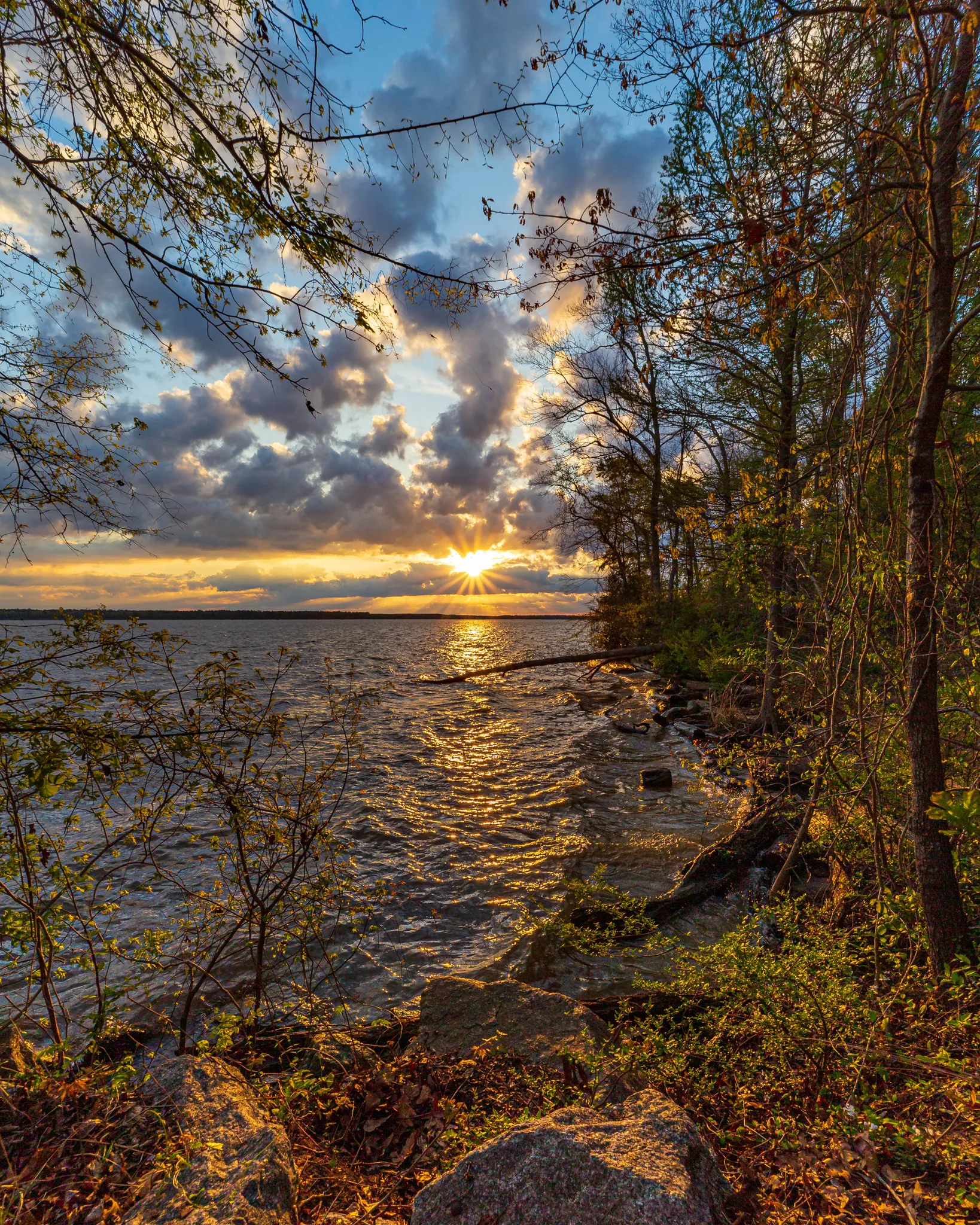
Palmetto Trail — Riding the mountains and marshes of South Carolina
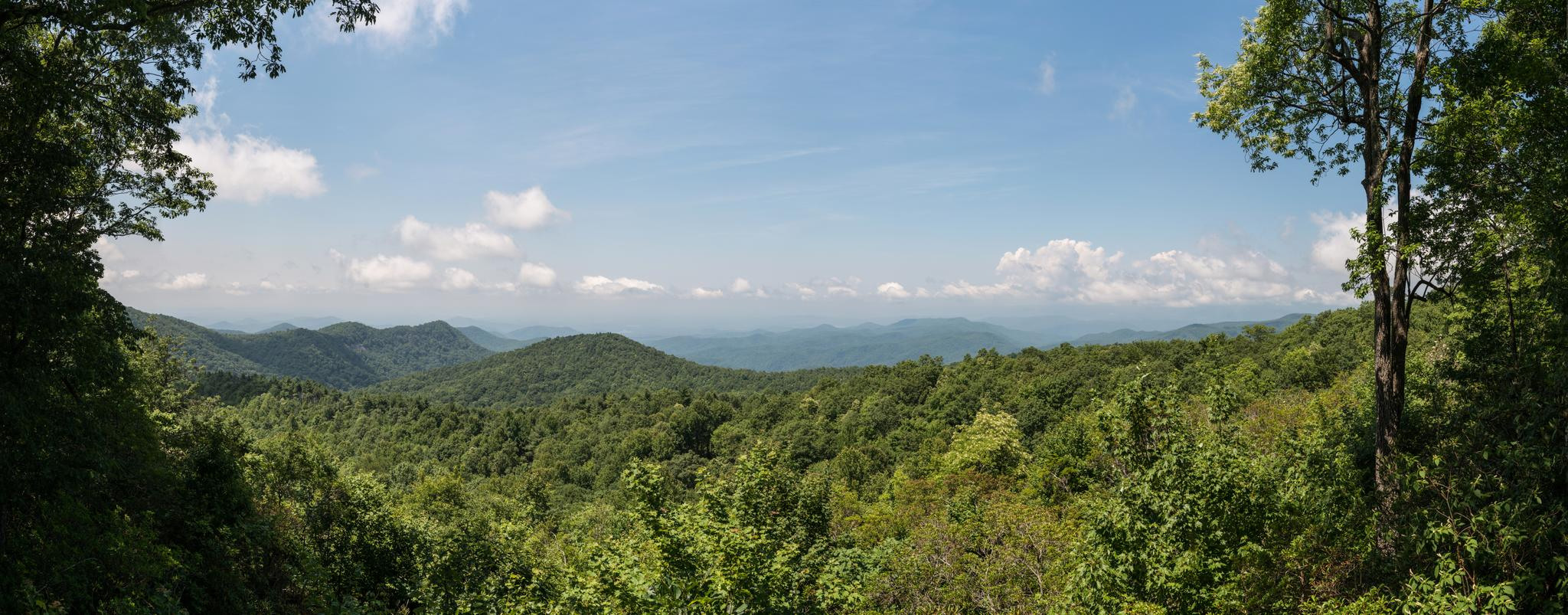
The Foothills Trail — Waterfalls, Forests & Appalachian Wilderness
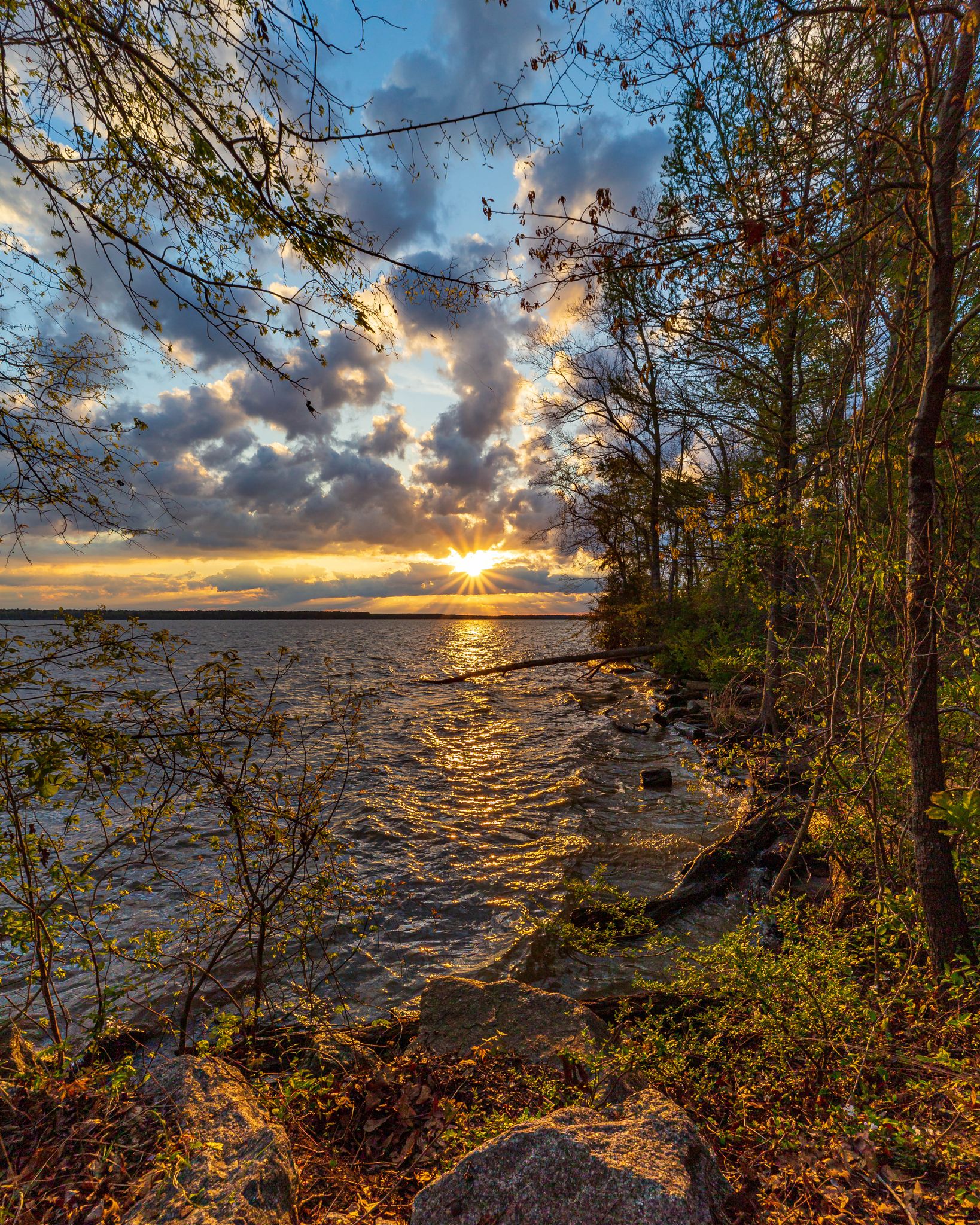
Five days on the Palmetto Trail — A Lowcountry adventure
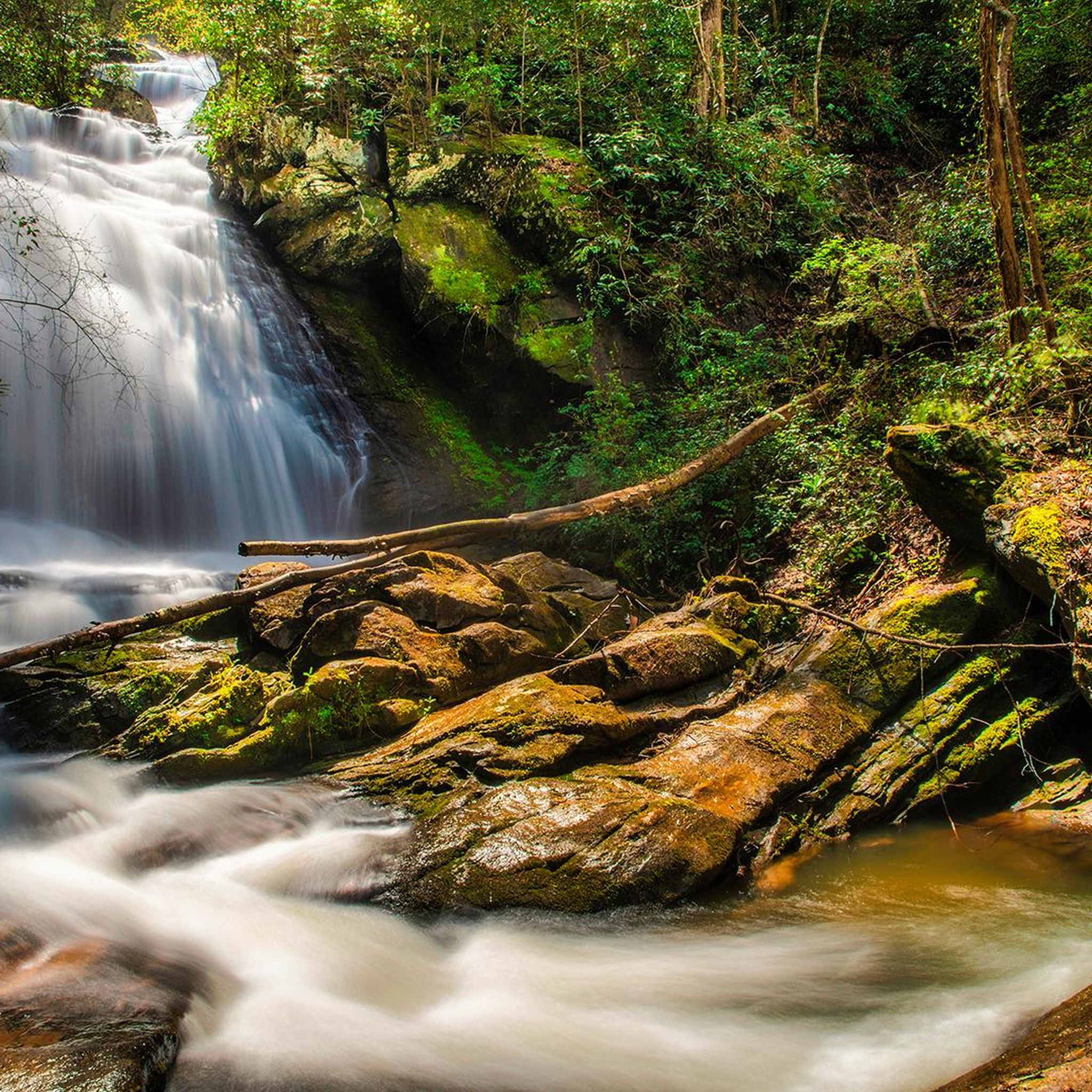
Hiking in Francis Marion And Sumter National Forests
MTB Trails in Francis Marion And Sumter National Forests
Running Trails in Francis Marion And Sumter National Forests
Cycling in Francis Marion And Sumter National Forests

Gravel biking in Francis Marion And Sumter National Forests
Other adventures in Francis Marion And Sumter National Forests


Tips from the Community

A truly historic place worth visiting. This is where the Civil War began
0
0

This area once belonged to Charles Pinckney, a signer of the United States Constitution, and was used as one of his plantations. It provides a historical glimpse into life in the early 1800s, featuring the well-preserved Snee Farm House on the property.
0
0

The Oscar Wigington Overlook is a popular pull-off, parking area, and viewpoint along Wigington Road (also referred to as the Oscar Wigington Scenic Byway). This is a view worth stopping for whether you are climbing up or zipping down the road on your bike.
0
0

Sullivan's Island, located off the South Carolina coast, is a barrier island with a layered history that extends beyond military events. Not only has it played a pivotal role in conflicts like the American Revolution and Civil War - Fort Sumter on the western tip of the island is where the first shots of the Civil War were fired - but it also holds profound significance in Black history. Serving as a major entry point during the transatlantic slave trade, the island witnessed the arrival of thousands of enslaved Africans throughout the 18th century. Amidst its scenic beauty, Sullivan's Island has a complex history, that visitors can learn more about when they visit.
0
0
Charleston Light, also known as Sullivan's Island Lighthouse, is on Sullivan's Island, South Carolina, and marks the northern gateway to Charleston Harbor. Constructed in 1960, this 140-foot tall structure replaced the eroding Morris Island Light. Its triangular, steel frame can withstand winds of 125 mph. The unique lighthouse has been in operation since1962 and boasts an elevator and air conditioning. It is also the last federally-built onshore manned beacon. Despite its current role in the Coast Guard Historic District, structural issues prevent public access. Visitors can, however, explore the scenic surroundings and nearby public beach.
1
0
The Fort Sumter & Fort Moultrie National Historical Park Visitor Center serves as a gateway to two significant Civil War sites in Charleston, South Carolina. Focused on preserving the region's history, the center provides an immersive experience into the events leading to the Civil War. Fort Sumter is particularly significant because it was where the first shots of the Civil War were fired on1861. The Visitor Center offers educational exhibits, artifacts, and guided tours, allowing visitors to explore the pivotal moments that shaped the nation's history during this tumultuous period.
1
0

The Fort Sumter and Fort Moultrie National Historical Park Visitor Center is a brilliant historical visit. Fort Moultrie comprises a series of citadels that were constructed with the purpose of protecting the city of Charleston. This famed and historical site offers a unique insight into the defensive strategies and architectural designs of the past.
0
0
Charleston Light, or otherwise known as Sullivan’s Island Lighthouse, has guided mariners into the harbor since 1962. It is a very distinctive lighthouse with an unusual design. It is part of the United States Coast Guard Historic District that includes historic buildings dating back to 1894. It is still a working lighthouse but it is surrounded by a fence. However, members of the public are more than welcome to walk around the perimeter as the lighthouse is a favorite photo opportunity location.
1
0
Frequently Asked Questions
How many road cycling routes are available in Francis Marion And Sumter National Forests?
There are over 30 road cycling routes available in Francis Marion And Sumter National Forests, offering a diverse range of experiences from easy coastal rides to challenging mountainous climbs.
What kind of terrain can I expect on road cycling routes in Francis Marion And Sumter National Forests?
The region offers highly varied terrain. In the Francis Marion National Forest, you'll find mostly flat coastal plains with pine stands, lowland swamps, and marshes. The Sumter National Forest, in contrast, features rugged Appalachian foothills, blackwater creeks, and mountainous regions, providing more challenging climbs and descents.
Are there family-friendly or beginner road cycling routes in the National Forests?
Yes, there are several options suitable for families and beginners. The Francis Marion National Forest offers flatter routes through its coastal plains. For example, the Gator Pond loop from Lowes Foods is an easy 43.3 km ride with minimal elevation gain. Another easy option is the Wells Japanese Garden loop from Hillcrest School, which is 28.5 km long.
What is the best time of year for road cycling in Francis Marion And Sumter National Forests?
The best time for road cycling generally avoids the peak heat and humidity of summer. Spring and fall offer pleasant temperatures and beautiful scenery. Winter can also be suitable, especially in the coastal Francis Marion area, though some higher elevations in Sumter might experience colder conditions.
Are there any permits or fees required for road cycling in these National Forests?
Generally, there are no specific permits or fees required for road cycling on public roads within the Francis Marion And Sumter National Forests. However, some recreation areas or trailheads might have day-use or parking fees. It's always a good idea to check with the specific ranger district if you plan to use designated facilities.
Where can I find parking for road cycling routes?
Parking is often available at designated trailheads, recreation areas like Buck Hall Recreation Area, or near towns adjacent to the forests. Many routes, such as the Roadbike loop from Trailhead Sewee Shell Mound Interpretive Trail, start from established parking locations.
Can I bring my dog along on road cycling routes?
Dogs are generally welcome in the Francis Marion And Sumter National Forests, but they must be kept on a leash at all times. Please ensure your dog is well-behaved and that you clean up after them to maintain the natural environment for everyone.
What are some notable natural attractions or landmarks I might see while cycling?
The forests offer diverse natural beauty. In Francis Marion, you might encounter ancient cypress swamps, longleaf pine forests, and even Carolina bays. In Sumter, the rugged Appalachian foothills feature numerous waterfalls. You can explore highlights like Pigpen Falls, King Creek Falls, or Big Bend Falls, many of which are accessible via short detours from cycling routes.
Are there options for longer road cycling tours or loop routes?
Yes, the region provides excellent options for longer rides and loop routes. For instance, the Roadbike loop from Witherbee is a moderate 99.1 km path, offering a substantial ride through varied low-country terrain. For a more challenging long-distance option, consider the Lydia Mountain – Buck Knob loop from Tunnel Hill, which spans 125.8 km through mountainous regions.
What do other road cyclists enjoy most about road cycling in Francis Marion And Sumter National Forests?
The area is highly rated by the komoot community, with an average score of 5.0 stars. Cyclists often praise the diverse landscapes, from the serene coastal plains of Francis Marion to the challenging climbs and scenic beauty of Sumter's Appalachian foothills. The variety ensures there's something for every ability level.
Are there any historical sites or points of interest along the routes?
Yes, both forests hold historical significance. The Francis Marion National Forest contains Revolutionary War relics and sites associated with General Francis Marion, known as the 'Swamp Fox.' The Sewee Shell Mound Interpretive Trail, for example, features a 4,000-year-old prehistoric Indian shell mound, offering a glimpse into the region's ancient past.
What is the typical surface condition for road cycling in the forests?
While many routes utilize paved roads, the Francis Marion National Forest is also known for its network of forest service roads. These can offer excellent conditions for adventure riding, especially after rain when sandy sections become more compact. It's advisable to check route details for specific surface information.
Most popular routes in Francis Marion And Sumter National Forests
Most popular attractions in Francis Marion And Sumter National Forests

Get inspired with the komoot mobile app


Explore more
Browse the best Road cycling routes in other regions.
