The best walks and hikes in Huron-Manistee National Forest
4.5
(71)
1,287
hikers
51
hikes
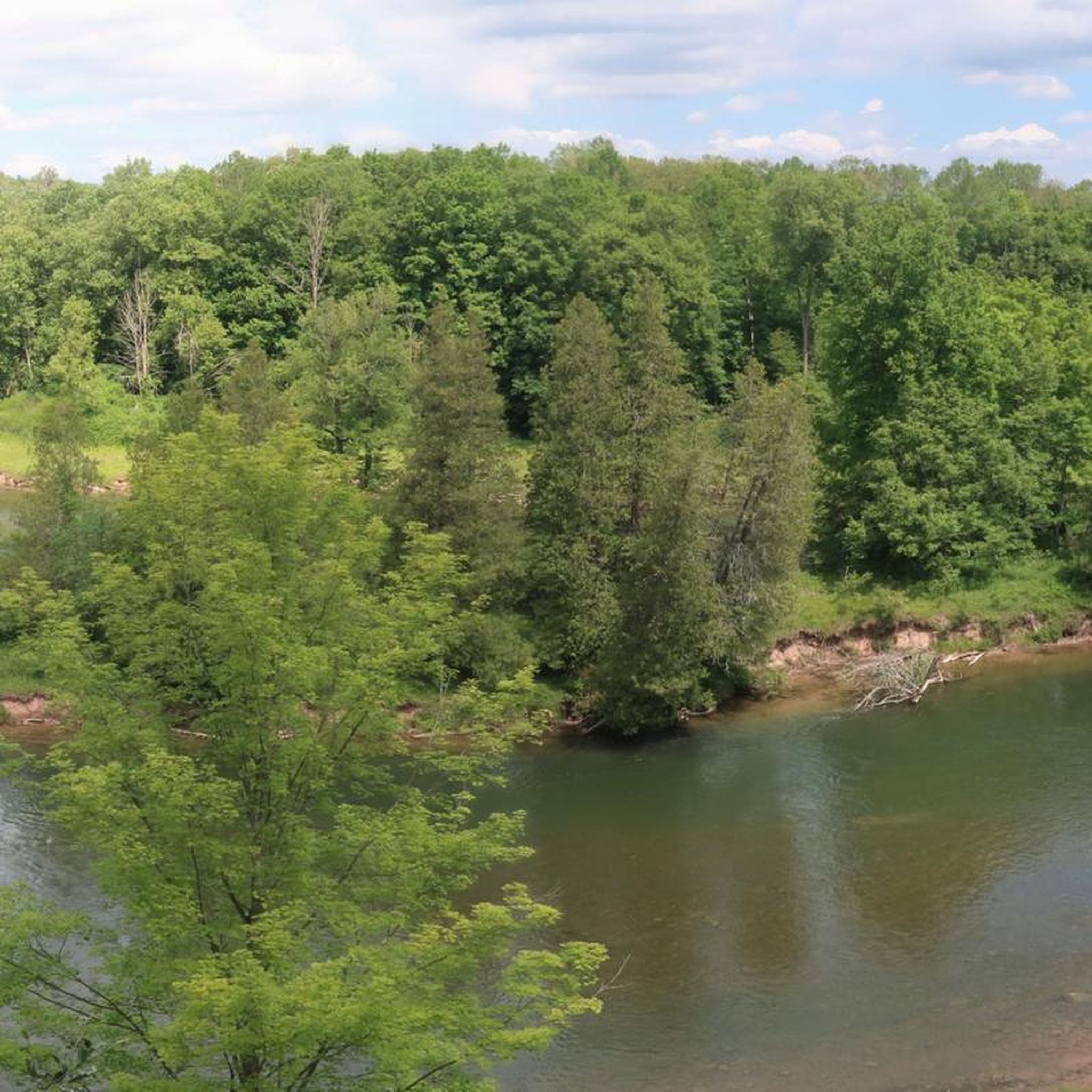
Hiking in Huron-Manistee National Forest traverses nearly one million acres of Michigan's Lower Peninsula, featuring diverse natural landscapes. The region is characterized by dense pine and hardwood forests, rolling hills, and unique freshwater dunes along Lake Michigan. Major river systems like the Au Sable and Manistee Rivers have carved scenic valleys through the terrain, enhancing the varied hiking experience.
Best hiking trails in Huron-Manistee National Forest
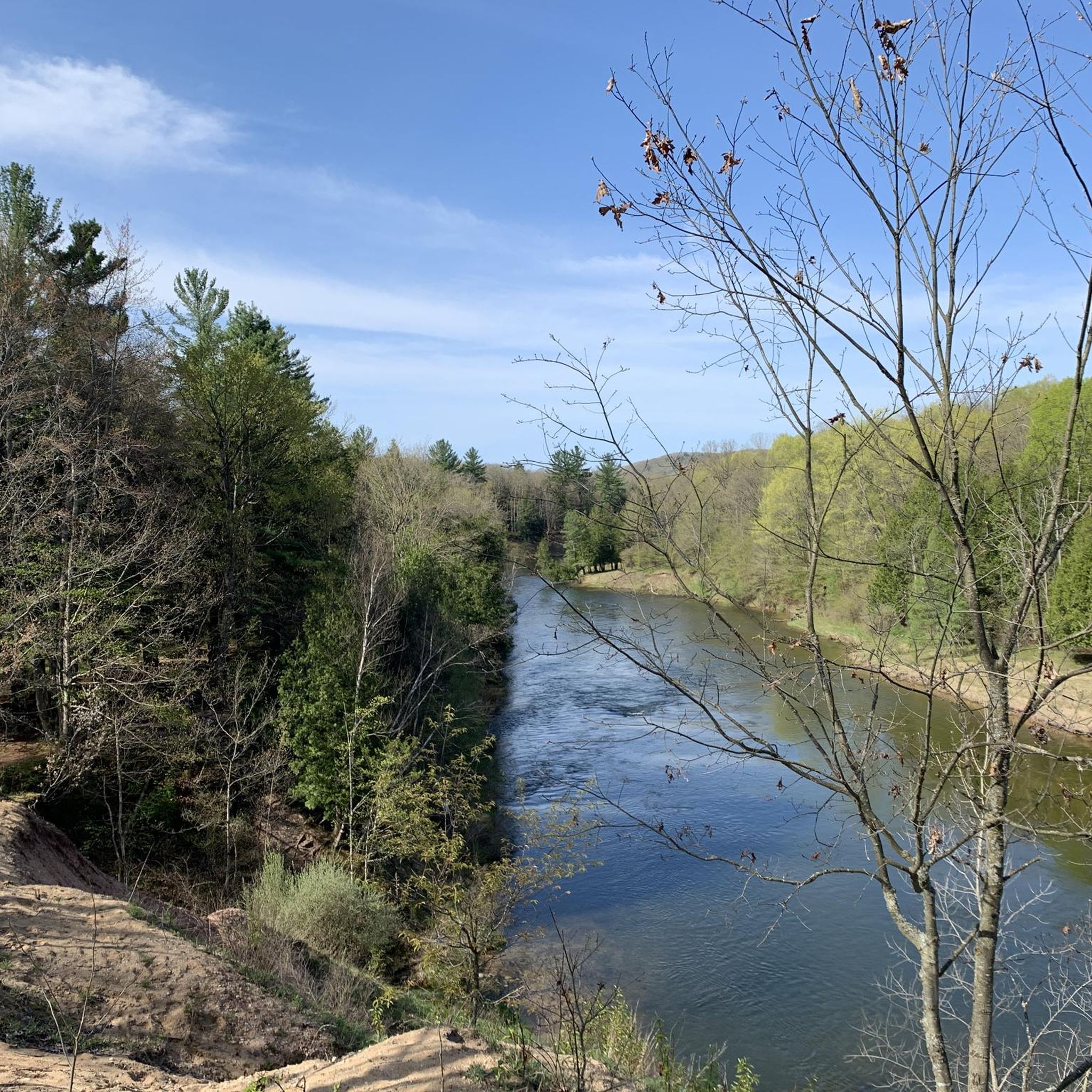
- The most popular hiking route is North Country Trail: Manistee River Section, a 10.3 miles (16.6 km) trail that takes 4 hours 36 minutes to complete. This route offers views along the Manistee River.
- Another top favourite among local hikers is Highbanks Hiking Trail, a moderate 6.9 miles (11.1 km) path. This trail provides views along the Au Sable River.
- Local hikers also love the Lumbermens Monument via Highbanks Hiking Trail, a 3.7 miles (6.0 km) trail leading through forested areas to a historic monument, often completed in about 1 hour 33 minutes.
- Hiking in Huron-Manistee National Forest is defined by riverside trails, forested loops, and sandy paths through dune ecosystems. The network provides routes for different ability levels, from short walks to multi-day backpacking trails.
- The routes in Huron-Manistee National Forest are highly rated by the komoot community with an average score of 4.5 stars from more than 40 reviews. More than 800 hikers have used komoot to explore Huron-Manistee National Forest's varied terrain.
Last updated: October 10, 2026
5.0
(2)
31
hikers
16.6km
04:36
290m
280m
Moderate hike. Good fitness required. Easily-accessible paths. Suitable for all skill levels.
9
hikers
5.97km
01:33
30m
30m
Easy hike. Great for any fitness level. Easily-accessible paths. Suitable for all skill levels.

3
hikers
5.65km
01:31
70m
70m
Easy hike. Great for any fitness level. Easily-accessible paths. Suitable for all skill levels.
3
hikers
8.21km
02:08
60m
60m
Moderate hike. Good fitness required. Easily-accessible paths. Suitable for all skill levels.
2
hikers
29.0km
07:32
170m
180m
Hard hike. Very good fitness required. Easily-accessible paths. Suitable for all skill levels.
Get access to more routes and recommendations from other explorers.
Already have an account?
Our route recommendations are based on thousands of hikes, rides, and runs completed by other people on komoot.
Start today with a free account
Your next adventure awaits.

Tips from the Community

A series of wooden stairs guide you over the sand dunes to various viewpoints offering panoramic views of Lake Michigan.
0
0

Michigan's North Country Traverse is a 173-mile bikepacking route created by local Tom Lilly. Most of the route follows the North Country Trail, a National Scenic Trail mostly open to bikes - what a spectacular way to explore northern Michigan!
1
0
Frequently Asked Questions
Are dogs allowed on the trails in Huron-Manistee National Forest?
Yes, dogs are generally welcome on trails throughout the Huron-Manistee National Forest, but they must be kept on a leash no longer than 6 feet at all times. It's also important to clean up after your pet. For a moderately long walk with your canine companion, consider the Blue Trail Loop — Owasippe Scout Reservation, which offers a quieter experience through the forest.
What are some good family-friendly or easy hikes in the area?
The forest has numerous options for families and those looking for a gentle walk. You can find several easy trails, often under 5 miles. A great choice is the Loop in the woods — Riley Trails Park, a short and relatively flat path that's perfect for a quick nature outing with children.
Are there any good options for multi-day backpacking trips?
The forest is an excellent destination for backpacking. The most renowned route is the Manistee River Trail Loop, a challenging 19-mile circuit that combines a section of the North Country Trail. It's known for its scenic river overlooks and requires at least one overnight stay for most hikers.
What is the best time of year to hike in Huron-Manistee National Forest?
While the forest is accessible year-round, the most popular seasons for hiking are late spring, summer, and fall. Summer offers lush green scenery and warm weather, perfect for enjoying the rivers and lakes. Fall is particularly spectacular, as the hardwood forests display vibrant colors, making trails like those in the Corsair Trail System a popular choice. Winter offers opportunities for snowshoeing and cross-country skiing on the same trails.
Do I need a permit to hike or camp in the forest?
For general day hiking on most trails, you do not need a permit. However, a Recreation Fee is required at many developed recreation sites, trailheads, and day-use areas. If you plan to camp overnight in a designated campground, reservations and fees are typically required. For dispersed camping in the backcountry, a permit is not usually needed, but you must follow Leave No Trace principles.
What are the trail conditions generally like?
Trail conditions vary greatly depending on the location and season. Trails along the rivers, like the Highbanks Trail, can be hilly with sandy soil. Inland routes, such as the Big M Loop, navigate rolling, forested terrain. In spring, trails can be muddy, and insects are more prevalent in early summer. It's always a good idea to check recent trail reports or contact a ranger station for the most current information before you go.
Where can I find unique landscapes like sand dunes?
For a unique hiking experience, head to the Nordhouse Dunes Wilderness Area on the shore of Lake Michigan. This is the only designated Wilderness Area in Michigan's Lower Peninsula and features freshwater dunes. The Nordhouse Dunes Loop is a fantastic way to explore the sandy bluffs and beaches.
What kind of wildlife might I see while hiking?
The forest is home to a diverse range of wildlife. It's common to see white-tailed deer, squirrels, and chipmunks. Birdwatchers can look for bald eagles, especially along the Au Sable and Manistee Rivers, as well as various songbirds and waterfowl. Near rivers and wetlands, you might also spot beavers, otters, or turtles. Remember to observe all wildlife from a safe and respectful distance.
Are there any accessible trails in the forest?
The forest offers some accessible facilities and trails for visitors with mobility challenges. For example, the Lumberman's Monument Visitor Center has paved paths and a popular observation deck with stunning views of the Au Sable River valley. Iargo Springs also features a well-maintained boardwalk and observation decks. It is best to contact the Huron-Manistee National Forests Supervisor's Office for detailed information on the most suitable accessible trails.
What do other hikers enjoy most about this region?
The trail network in Huron-Manistee National Forest is highly regarded by the Komoot community, with an average rating of 4.4 stars. Hikers frequently praise the variety of the landscape, from the stunning river overlooks on the Manistee River Trail to the serene, wooded paths of the forest interior. The well-marked trails and the sense of solitude are also commonly highlighted.
How many hiking trails are available in Huron-Manistee National Forest?
There are dozens of designated hiking trails throughout the nearly one-million-acre forest. Komoot features a curated selection of over 25 routes, covering a range of difficulties from easy walks to challenging multi-day treks. This includes short nature loops, riverside paths, and long-distance trails, ensuring there's a path for every skill level.
Most popular routes in Huron-Manistee National Forest
Most popular attractions in Huron-Manistee National Forest

Get inspired with the komoot mobile app


Explore more
Browse the best Hikes in other regions.
