Willamette National Forest
Willamette National Forest
The 20 Most Amazing Peaks in Willamette National Forest
Mountain peaks in Willamette National Forest offer a diverse range of terrain and elevations. This region, located in Oregon, features prominent stratovolcanoes, shield volcanoes, and eroded peaks. The landscape includes alpine meadows, lava fields, glaciers, and numerous lakes. The forest provides a setting for exploring various natural features and challenging climbs.
Best mountain peaks in Willamette National Forest
- The most popular mountain peaks is South Sister Summit, a summit that offers a 360° panorama toward the Middle and North…
Last updated: August 18, 2026
South Sister Summit
Highlight • Summit
Tip by

Collier Cone
Highlight • Volcano
Tip by
Sign up now to discover places like this
Get recommendations on the best single tracks, peaks, & plenty of other exciting outdoor places.
Sign up for free
Little Belknap Crater
Highlight • Volcano
Tip by
Henline Mountain
Highlight • Summit
Tip by

Mount Washington Wilderness
Highlight • Natural Monument
Tip by
Sign up for free to discover even more peaks in Willamette National Forest.
Sign up for free
Already have an account?
Start today with a free account
Your next adventure awaits.
Login or Signup
Popular around Willamette National Forest
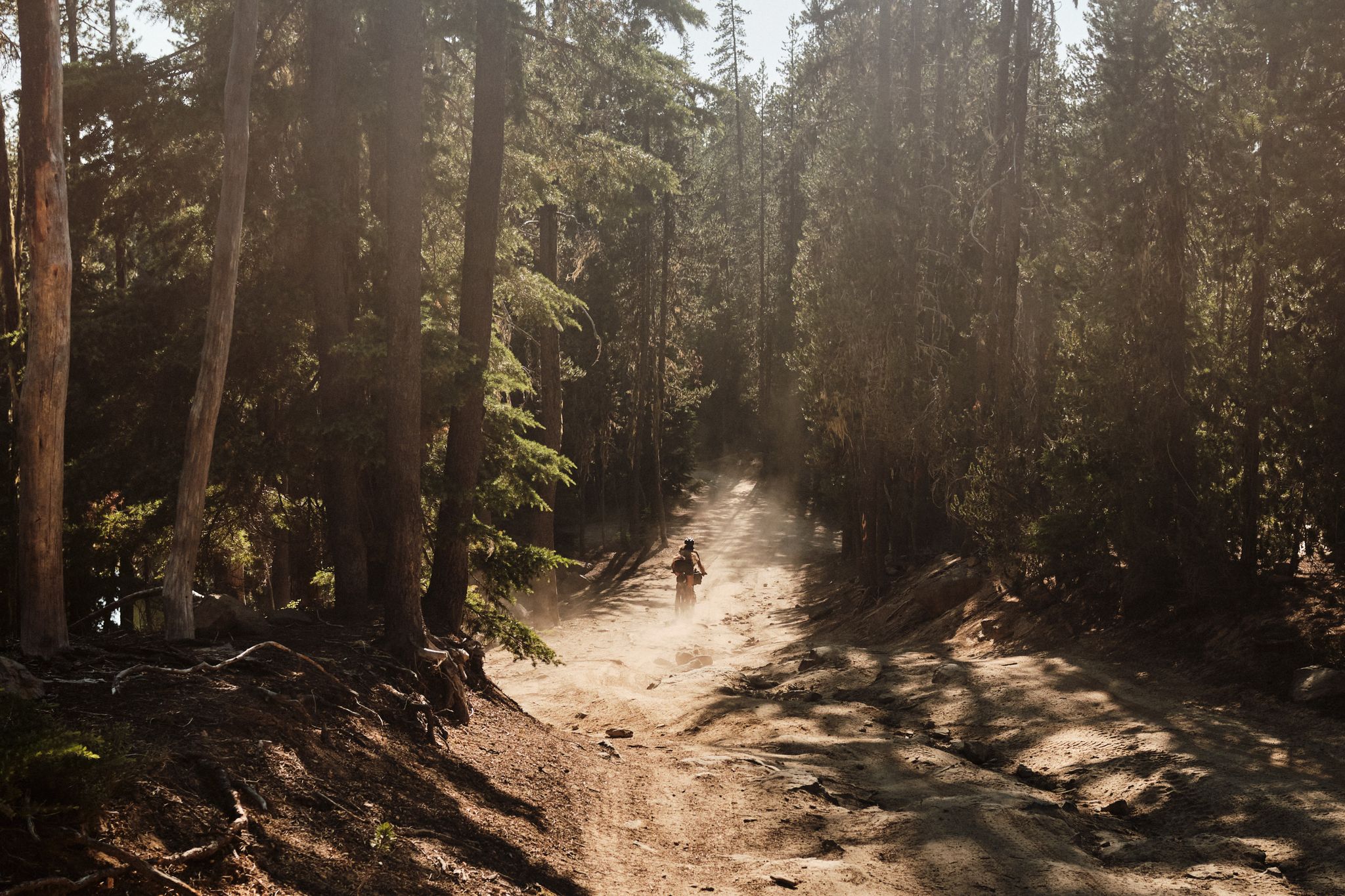
Oregon Timber Trail — High heat

Pacific Crest Trail from Mexico to Canada – 4,200 kilometres of wilderness
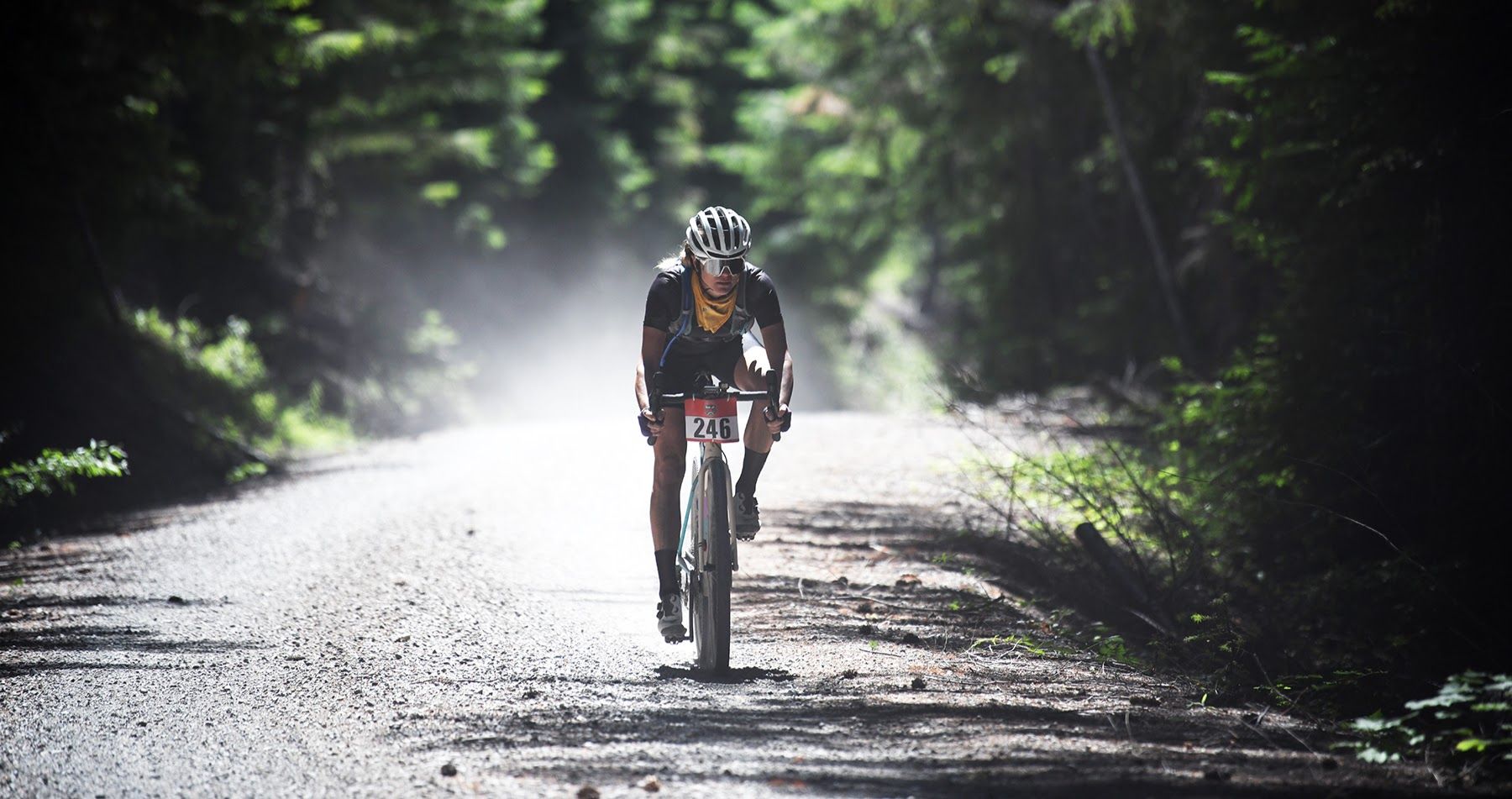
Oregon Trail Gravel Grinder — circling the Cascade Range
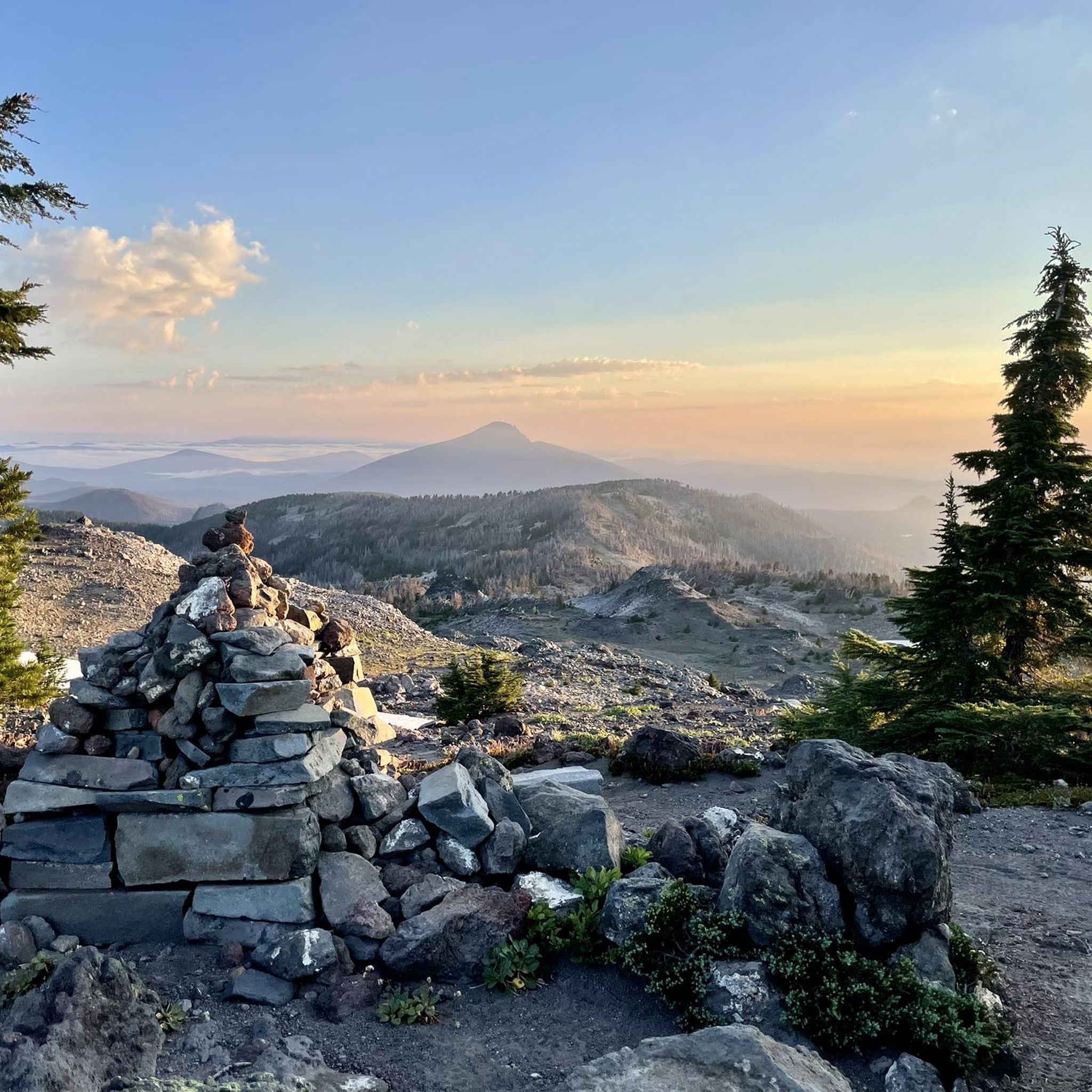
Hiking in Willamette National Forest
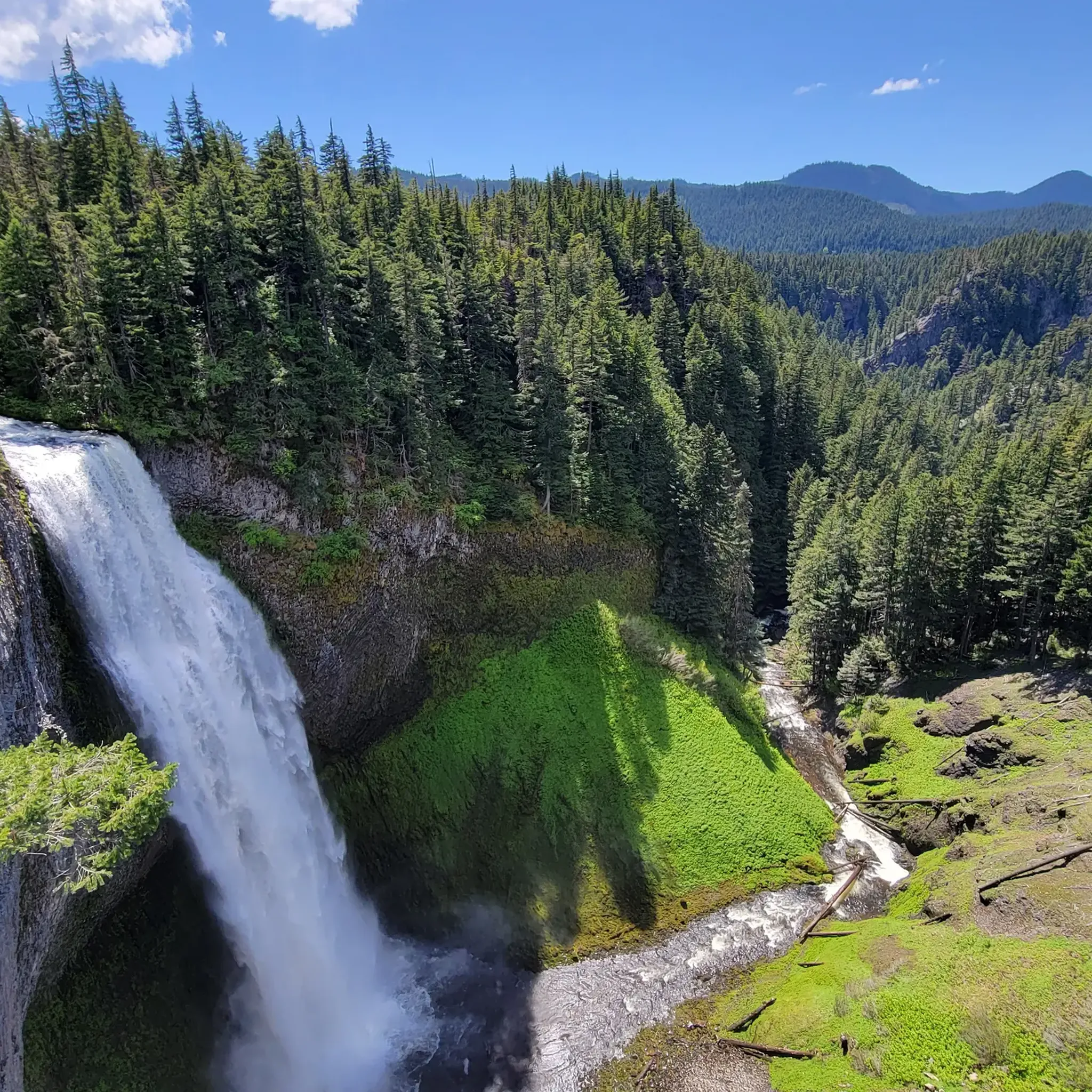
Running Trails in Willamette National Forest
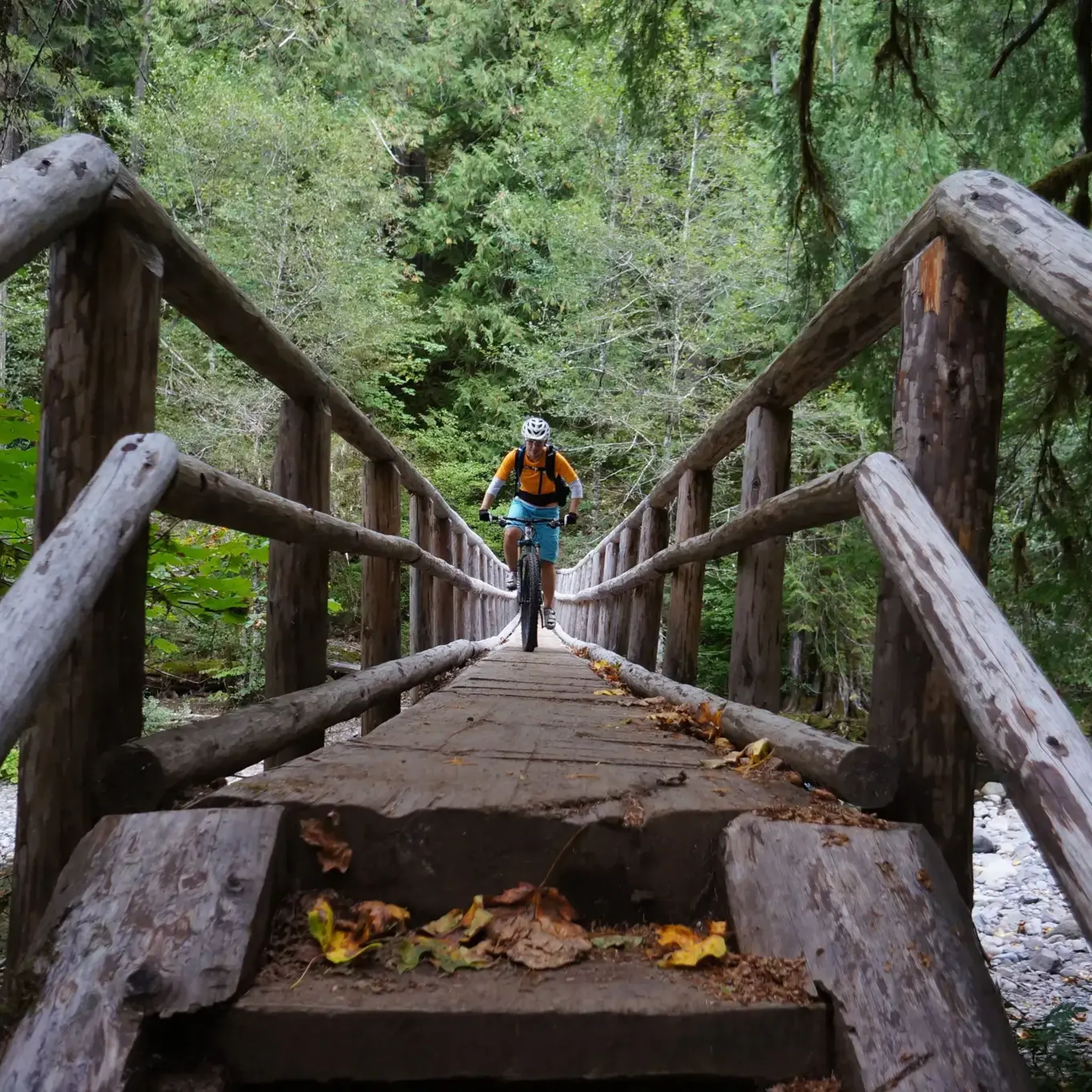
MTB Trails in Willamette National Forest
Cycling in Willamette National Forest
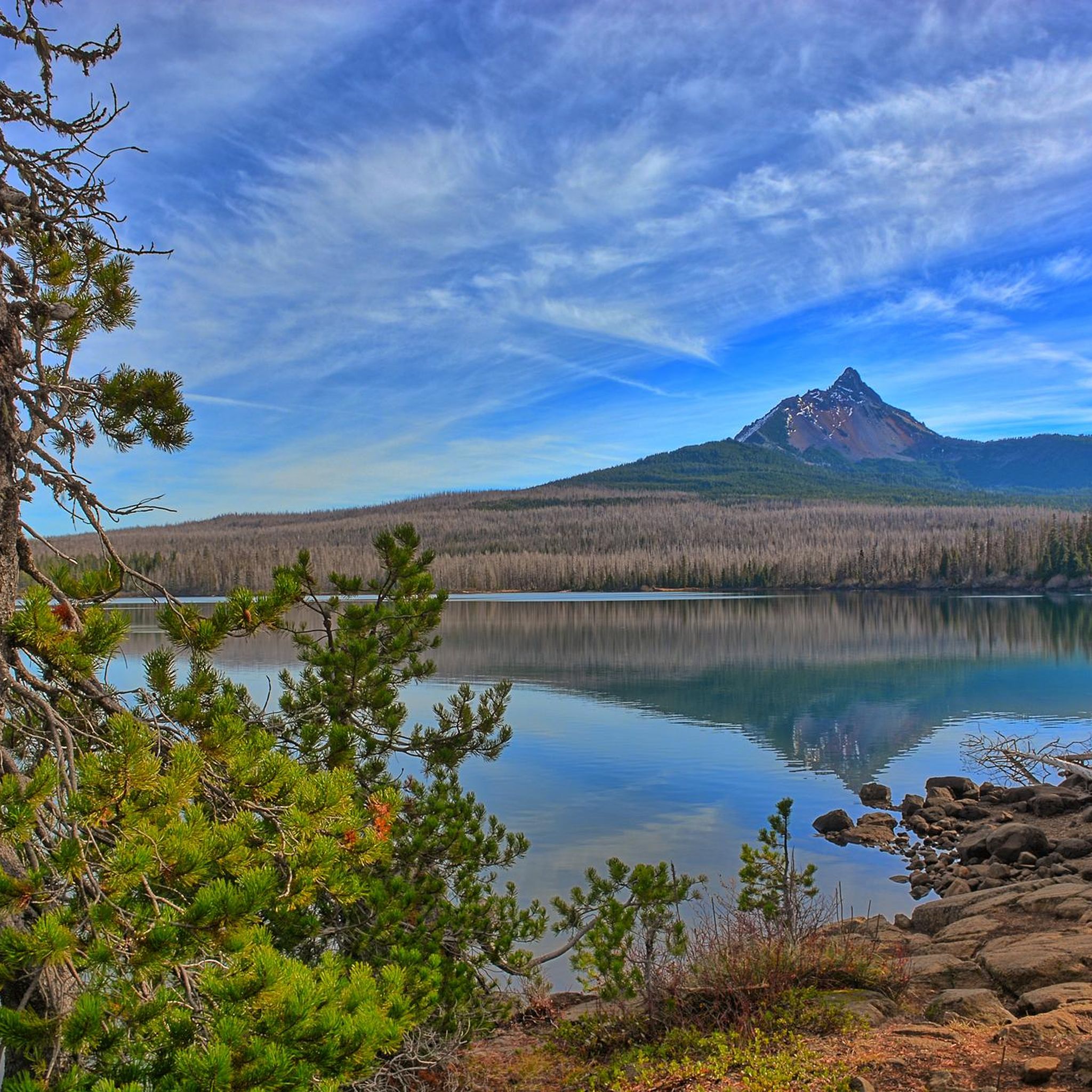
Road Cycling Routes in Willamette National Forest
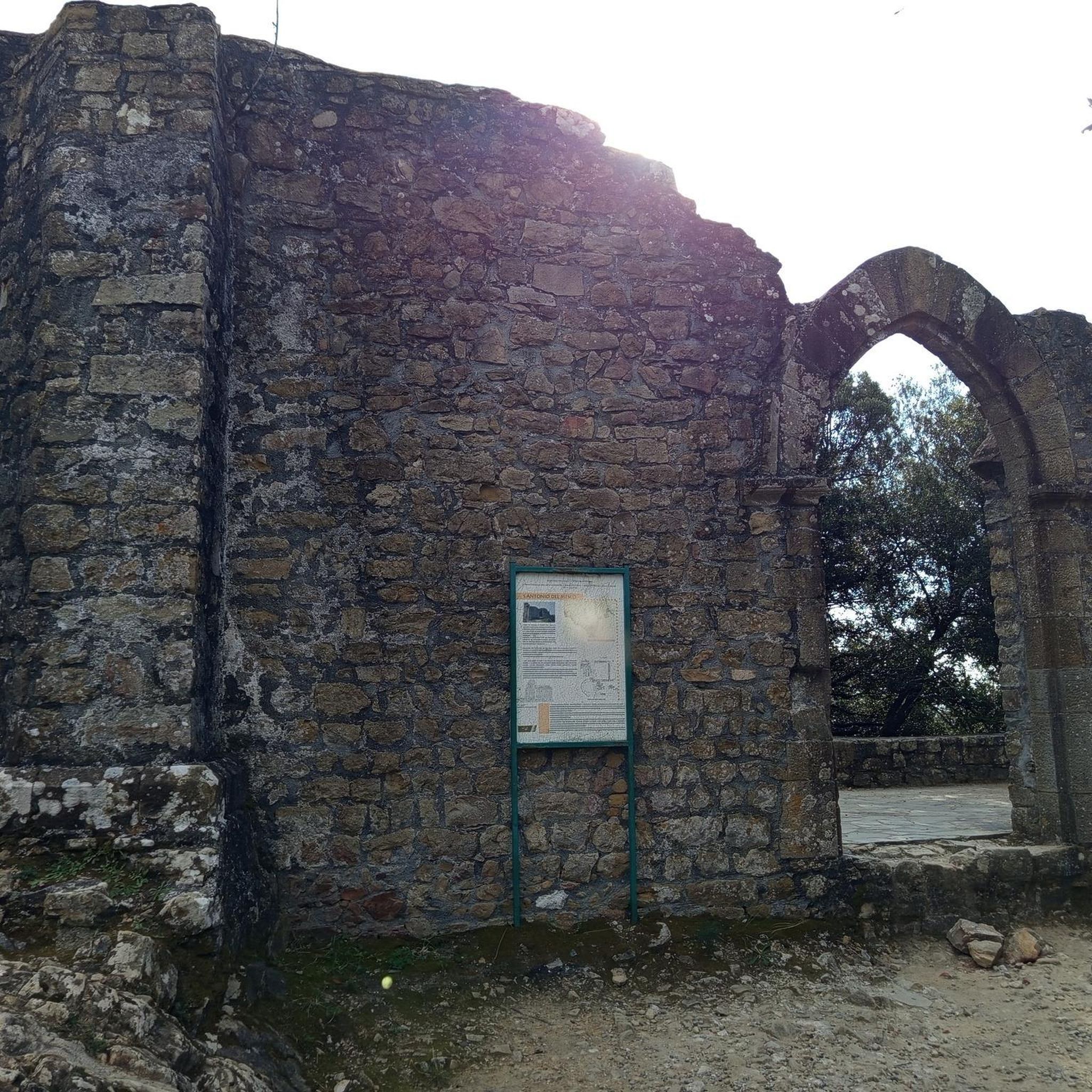
Gravel biking in Willamette National Forest
Other adventures in Willamette National Forest


Tips from the Community

The lava flows and cones in this area feel otherworldly. Views of North and Middle Sister are an added bonus.
0
0

Henline Mountain offers stunning views all the way up the trail. Take note that there are two 'summits'. About halfway up, there is a false summit that many people stop at for the amazing overlook of the mountains. If you stay to the left, that trail will take you up to the real summit. Due to wildfires back in 2021, the area is currently closed, so check for updates before making the trek. https://www.fs.usda.gov/Internet/FSE_DOCUMENTS/fseprd950391.pdf
0
0

Henline Mountain rises up to an elevation of 4,644 feet and offers pretty expansive views of the surrounding mountains and Opal Creek Wilderness. The trail to the top is steep, rocky, and full of plant and animal life. This is a really challenging trail run that has a really rewarding summit experience.
0
0

This small volcano is situated just over 2 miles from the PCT trailhead at McKenzie Highway. Enjoy a unique landscape for trail running surrounded by immense lava fields and views of Mount Washington and Three Sisters Wilderness.
1
0

The Mount Washington Wilderness consists mostly of lava fields and burn areas. Although it is a rough landscape, it provides a very unique beauty. You can hike up the volcanic summits of Belknap Crater and Little Belknap Crater and even the rugged peak of Mount Washington itself. Bring plenty of water, as there are very few water sources that you must not rely on. A section of the iconic Pacific Crest Trail runs through the wilderness.
3
0
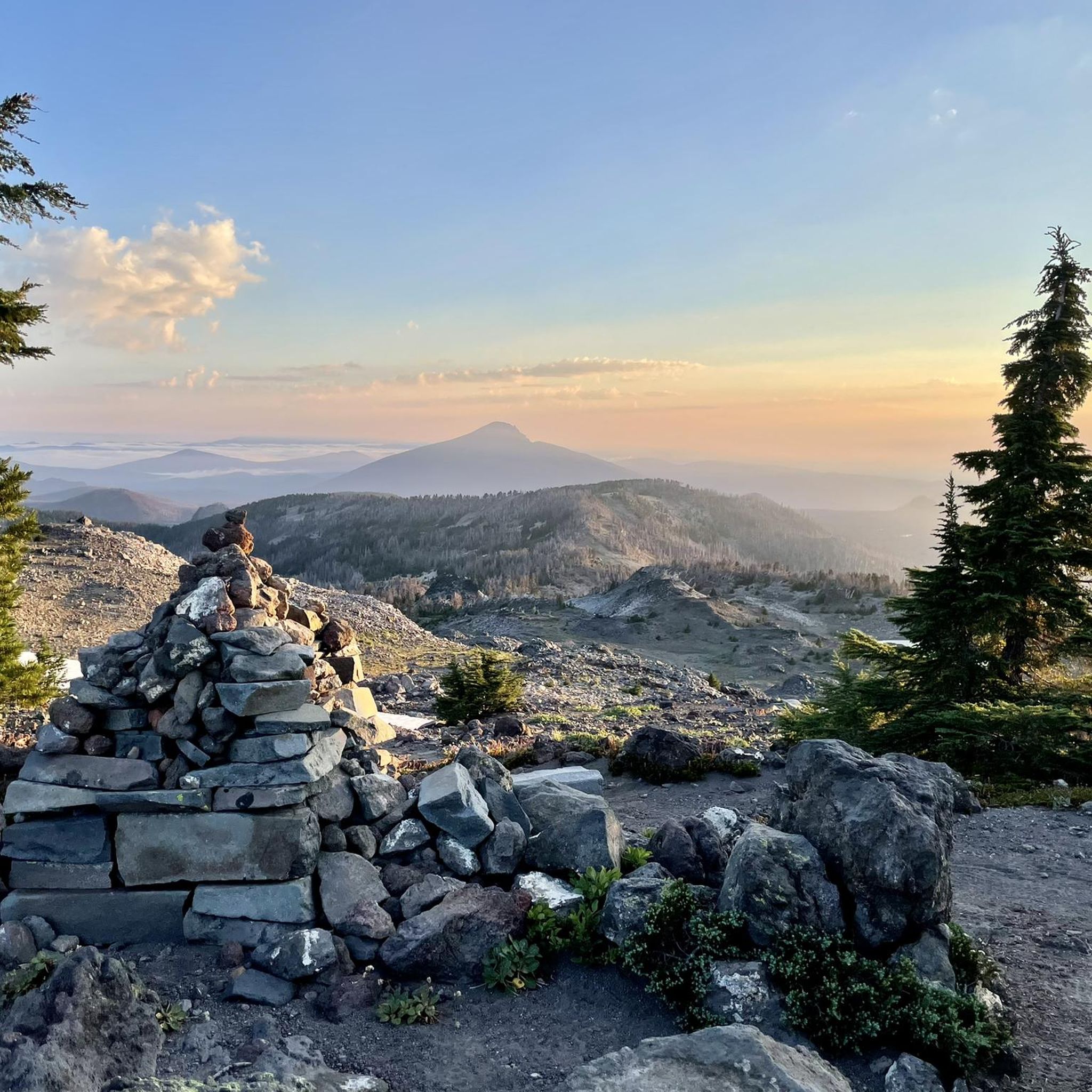
The view at the summit of the South Sister is absolutely breathtaking! And you can be proud once you are up here. You will be treated with a 360° panorama toward the Middle and North Sister, Broken Top, Mount Bachelor, Mount Washington, Rock Mesa and the beautiful emerald-green lakes and ponds below you. You can hike a loop around the crater, but be careful along the ridge and especially closer to the glacier.
3
0


If you are already up here, take some time to explore and enjoy the view.
1
0
Frequently Asked Questions
Which mountain peaks in Willamette National Forest are most popular for visitors?
Among the most popular peaks, South Sister Summit stands out, offering breathtaking 360° panoramas. Visitors also frequently explore Little Belknap Crater for its lava tubes and unique views, and Henline Mountain for its expansive views of the surrounding mountains and Opal Creek Wilderness.
What kind of terrain and natural features can I expect to see on the mountain peaks?
The Willamette National Forest's peaks offer a diverse landscape. You'll find prominent stratovolcanoes like Mount Jefferson and the Three Sisters, alongside eroded shield volcanoes such as Three Fingered Jack and Mount Washington. Features include alpine meadows, vast lava fields, glaciers (like Collier Glacier), and numerous glacial lakes. Peaks like Diamond Peak are known for snowfields and dozens of small lakes.
Are there any challenging climbs for experienced hikers in the Willamette National Forest?
Yes, several peaks offer challenging climbs. South Sister is a demanding ascent with a rewarding crater loop at the summit. Mount Jefferson is considered one of Oregon's most challenging and rewarding climbs. North Sister requires technical expertise and equipment, while Three Fingered Jack is known for its rugged, crumbly rock terrain often requiring scrambling and rock climbing techniques.
Which mountain peaks are considered easier to climb for beginners?
Diamond Peak is considered one of the easier peaks to climb, offering stunning views from the top without the extreme technical difficulty of some other summits. While still requiring effort, its accessibility makes it a good option for those looking for a rewarding climb with less technical challenge.
What permits are required for visiting the mountain peaks in Willamette National Forest?
Permits are often required for both overnight stays and some day-use visits, especially during peak seasons (typically June 15 to October 15). For example, the Three Sisters Wilderness and Mount Jefferson Wilderness require Central Cascades Wilderness Permits. Diamond Peak Wilderness also requires permits between Memorial Day weekend and October 31. It's always best to check current regulations before your visit.
What is the best time of year to hike the mountain peaks?
The best time to hike the mountain peaks is generally during the summer and early fall, from June to October, when snow has melted from higher elevations and weather conditions are more stable. However, permits are often required during this peak season. Some lower elevation trails may be accessible earlier or later, but winter hiking on many peaks can be challenging due to snow and ice.
Are there family-friendly options or trails suitable for children?
While many of the higher peaks present significant challenges, the Willamette National Forest offers a range of trails. For family-friendly options, look for trails with moderate or easy difficulty ratings. The region's diverse landscape includes many accessible areas, though specific family-friendly mountain peak trails are not explicitly highlighted here, many wilderness areas offer shorter, less strenuous hikes suitable for families.
What other outdoor activities can I do near the mountain peaks?
Beyond peak bagging, the Willamette National Forest offers a wide array of outdoor activities. You can explore various MTB trails like the Alpine Trail #3450 or the McKenzie River National Recreation Trail. For road cycling, consider routes such as the Oakridge to Hills Creek Reservoir loop. There are also numerous waterfall hikes, including the Sahalie Falls, Koosah, and Tamolitch Falls via McKenzie River Trail.
What unique geological formations can be found among the peaks?
The region is rich in unique geological features. The Three Sisters Wilderness includes notable formations like Broken Top, Rock Mesa, Collier Cone, and Yapoah Crater. Little Belknap Crater features lava tubes. Three Fingered Jack is distinguished by its three distinct pinnacles resembling fingers, and Mount Washington has a prominent volcanic plug at its summit cone.
What do visitors enjoy most about the mountain peaks in Willamette National Forest?
Visitors consistently praise the stunning panoramic views from the summits, such as the 360° vista from South Sister Summit. The unique volcanic landscapes, including lava fields and glaciers, are also highly appreciated. Many find the challenging climbs rewarding, and the peaceful backcountry experiences, especially around alpine lakes, are a major draw.
Are there any specific wilderness areas associated with these peaks?
Yes, many of the prominent peaks are located within designated wilderness areas. The Three Sisters are within the Three Sisters Wilderness, Mount Jefferson is in the Mount Jefferson Wilderness, Three Fingered Jack is in the Three Fingered Jack Wilderness, Mount Washington is in the Mount Washington Wilderness, and Diamond Peak is in the Diamond Peak Wilderness. These areas are protected and often have specific regulations regarding access and use.
Can I find wildlife while hiking the mountain peaks?
The Willamette National Forest is home to diverse wildlife. While specific sightings are never guaranteed, hikers may encounter various species of birds, deer, elk, and smaller mammals. The rich plant life, especially in alpine meadows and old-growth forests, supports a healthy ecosystem. Practicing 'Leave No Trace' principles helps preserve these habitats for wildlife.
Most popular routes in Willamette National Forest
Most popular attractions in Willamette National Forest

Get inspired with the komoot mobile app


Explore more
See even more amazing summits in Willamette National Forest with these guides:
