Attractions and Places To See in Umatilla National Forest - Top 4
Best attractions and places to see in Umatilla National Forest span 1.4 million acres across northeast Oregon and southeast Washington. This diverse landscape features dense forests, narrow ridges, plateaus, and river canyons, with elevations ranging from 1,600 to 6,400 feet. The forest offers numerous natural features and landmarks, including prominent peaks and extensive wilderness areas. It is a destination for outdoor recreation, providing a variety of experiences for visitors.
Best attractions and places to see in Umatilla National Forest
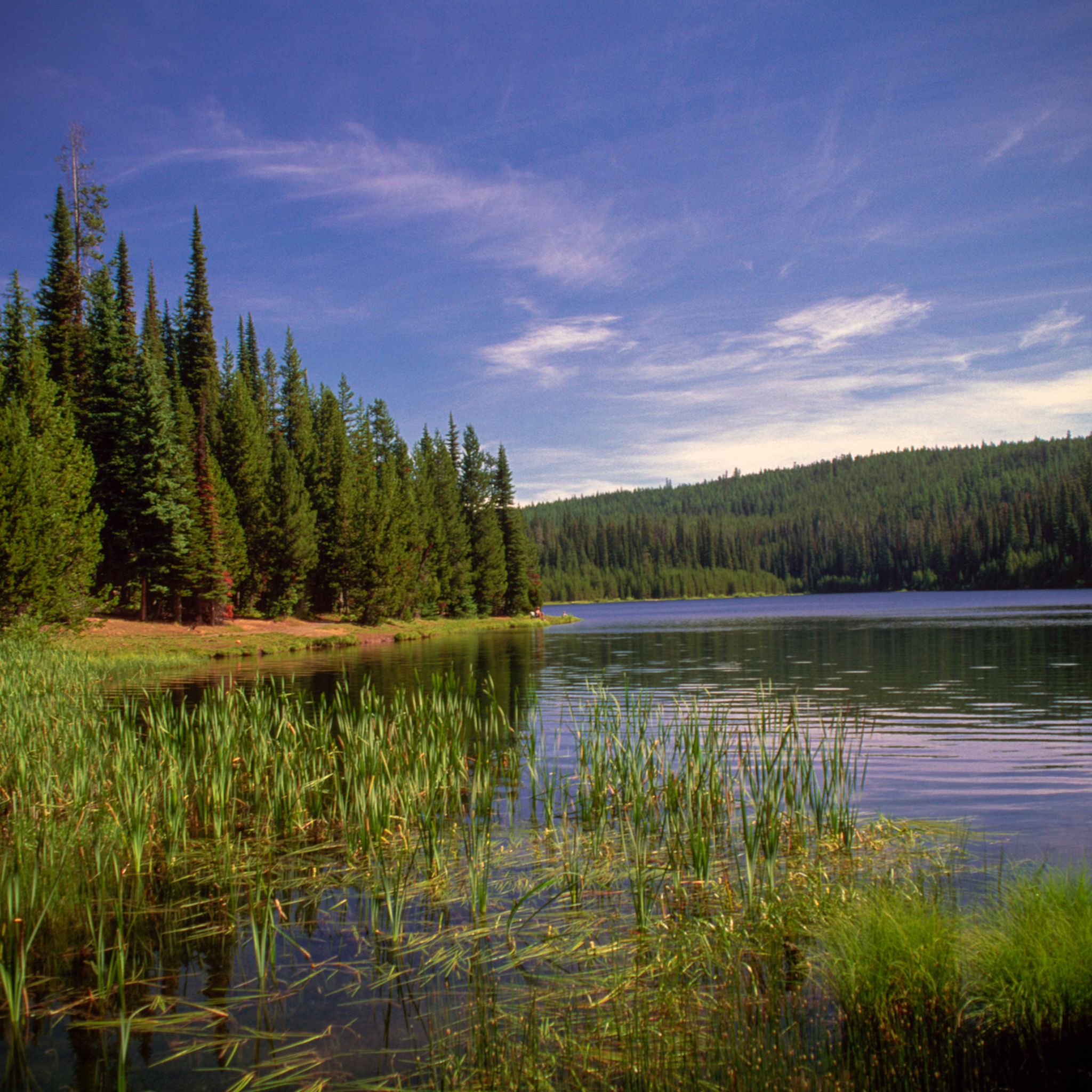
- The most popular attractions is Jubilee Lake, a lake that offers an array of outdoor recreational activities and is accessible from numerous locations. It features day-use areas, a campground, toilets, potable water, and picnic areas.
- Another must-see spot is Umatilla River Trail, a trail offering excellent views of the canyon and the Umatilla River. This trail winds through the mountains, providing opportunities to encounter fewer trail users further along.
- Visitors also love Wenaha River Access Point, a river flowing through the Wenaha-Tucannon Wilderness, offering great camping and fishing access. The intersection of the Slick Ear Trail and Wenaha River Trail provides an open field setting for access.
- Umatilla National Forest is known for its lakes, rivers, and trails. Visitors can explore a variety of attractions, from scenic viewpoints to natural features.
- The attractions in Umatilla National Forest are appreciated by the komoot community, with 2 upvotes and 2 photos contributed by users.
Last updated: June 24, 2026
Jubilee Lake
Highlight • Lake
Tip by

Umatilla River Trail
Highlight (Segment) • Trail
Tip by
Sign up now to discover places like this
Get recommendations on the best single tracks, peaks, & plenty of other exciting outdoor places.
Sign up for free
Wenaha River Access Point
Highlight • River
Tip by
Oregon Butte
Highlight • Summit
Tip by
Start today with a free account
Your next adventure awaits.
Login or Signup
Popular around Umatilla National Forest
Tips from the Community

Jubilee Lake offers an array of outdoor recreational activities and is accessible from numerous locations. There are several day use areas as well as a campground (fee required). With boating and fishing access, hiking trails, and basic amenities such as toilets, potable water, and picnic areas, this is a frequented area in the national forest.
1
0
The entirety of the first four miles of Umatilla River Trail follow the banks of the Umatilla River. This offers excellent views of the canyon and water as the trails winds between the mountains. The further you travel up the canyon, the less trail users you are likely to encounter.
0
0
Jubilee Lake offers an array of outdoor recreational activities and is accessible from numerous locations. There are several day use areas as well as a campground (fee required). With boating and fishing access, hiking trails, and basic amenities such as toilets, potable water, and picnic areas, this is a frequented area in the National Forest.
0
0
Flowing through the Wenaha-Tucannon Wilderness, the long Wenaha River runs through a wide valley. The intersection of the Slick Ear Trail and Wenaha River Trail is in a wide open field offering great camping and fishing access right along the side of the water.
1
0
Standing at 6,387 feet, Oregon Butte is the highest point in southeast Washington and is an easy-to-reach ridge offering 360 views of Umatilla National Forest and the Blue Mountains. There is a lookout structure at the top accessible to trail users but can only be reached during the dry season.
0
0
Frequently Asked Questions
What are the best natural features to explore in Umatilla National Forest?
The Umatilla National Forest offers diverse natural features. You can visit Jubilee Lake, a popular spot for boating, fishing, and hiking. For stunning canyon and river views, explore the Umatilla River Trail. The Wenaha River Access Point provides excellent camping and fishing opportunities within the Wenaha-Tucannon Wilderness.
Are there any prominent viewpoints or summits in the forest?
Yes, the forest features several prominent viewpoints. Oregon Butte, the highest point in southeast Washington, offers 360-degree views of the Umatilla National Forest and the Blue Mountains from its lookout structure. Black Butte, the tallest peak within the forest, also provides rewarding views from its fire lookout after a challenging hike. For panoramic canyon views and wildlife spotting, consider visiting the Stahl Canyon Overlook.
What kind of outdoor activities can I do near these attractions?
The Umatilla National Forest is ideal for various outdoor activities. You can enjoy hiking, camping, fishing, and boating, especially around Jubilee Lake. The forest also offers extensive opportunities for wildlife watching, OHV riding, skiing, and snowmobiling in season. For specific hiking routes, you can explore guides like Hiking in Umatilla National Forest.
Are there family-friendly options in Umatilla National Forest?
Absolutely. Jubilee Lake is a highly recommended family-friendly destination, offering day-use areas, a campground, picnic spots, and a 2.6-mile loop trail suitable for all ages. The lake provides opportunities for boating, fishing, and easy hiking. Additionally, the Emigrant Springs State Heritage Area nearby offers a nature trail that is easy and accessible for families.
What historical sites can be found in or near the Umatilla National Forest?
The region has a rich history, particularly from the 1851 gold and silver rush, with remnants of historic mining sites still visible. Several mountains feature active or historic fire lookouts, such as Oregon Butte and Black Butte, offering historical insight into forest management. The Tollgate Ranger Station, built in 1935, is another historical point of interest. Nearby, the Emigrant Springs State Heritage Area provides insights into the Oregon Trail.
What are some easy hiking trails in Umatilla National Forest?
For easy hiking, the 2.6-mile loop trail around Jubilee Lake is a great option. Another accessible choice is the Spring Mountain Climbers Trail. You can find more easy routes and detailed information in the Easy hikes in Umatilla National Forest guide, which also includes the Nature Trail in Emigrant Springs State Heritage Area.
What is the best time of year to visit Umatilla National Forest?
The Umatilla National Forest is a year-round destination, but the best time depends on your preferred activities. The dry season is ideal for accessing high-elevation lookouts like Oregon Butte and for hiking. Summer and early fall are popular for camping, fishing, and general outdoor recreation. Winter offers opportunities for skiing and snowmobiling.
Are there any wilderness areas within Umatilla National Forest?
Yes, approximately 20 percent of the Umatilla National Forest is designated wilderness. Notable areas include the 177,400-acre Wenaha-Tucannon Wilderness, which spans both Oregon and Washington, and the 121,800-acre North Fork John Day Wilderness. The North Fork Umatilla Wilderness is another significant area, covering 20,200 acres and encompassing the narrow valley of the North Fork Umatilla River.
What kind of wildlife can I expect to see in the forest?
The Umatilla National Forest is home to abundant wildlife, thanks to its extensive old-growth forests. Visitors often spot moose, elk, and black bears. Raptors can also be observed, particularly from overlooks like Stahl Canyon. Wildlife watching is a popular activity throughout the forest.
Do I need a permit for camping in Umatilla National Forest?
Camping regulations vary within the Umatilla National Forest. While some areas, like the campground at Jubilee Lake, require a fee, dispersed camping in other areas may have different rules. It's always best to check with the local Forest Service office for the most current information regarding permits and regulations for your specific camping plans.
What is the elevation range of Umatilla National Forest?
The Umatilla National Forest features a significant elevation range, from 1,600 feet to 6,400 feet. This diverse topography contributes to its varied landscapes, including dense forests, narrow ridges, plateaus, and river canyons, and offers different experiences depending on the elevation.
Most popular routes in Umatilla National Forest

Get inspired with the komoot mobile app


