Top 18 Lakes in San Juan National Forest
Best lakes in San Juan National Forest are found in southwestern Colorado, offering a range of aquatic environments from high alpine pools to larger reservoirs. The forest's geography includes majestic peaks and expansive meadows, providing varied backdrops for these water bodies. This region is a destination for outdoor activities, with lakes serving as central points for exploration. The natural landscape supports diverse experiences, from challenging alpine hikes to accessible lakeside recreation.
Best lakes in San Juan National Forest
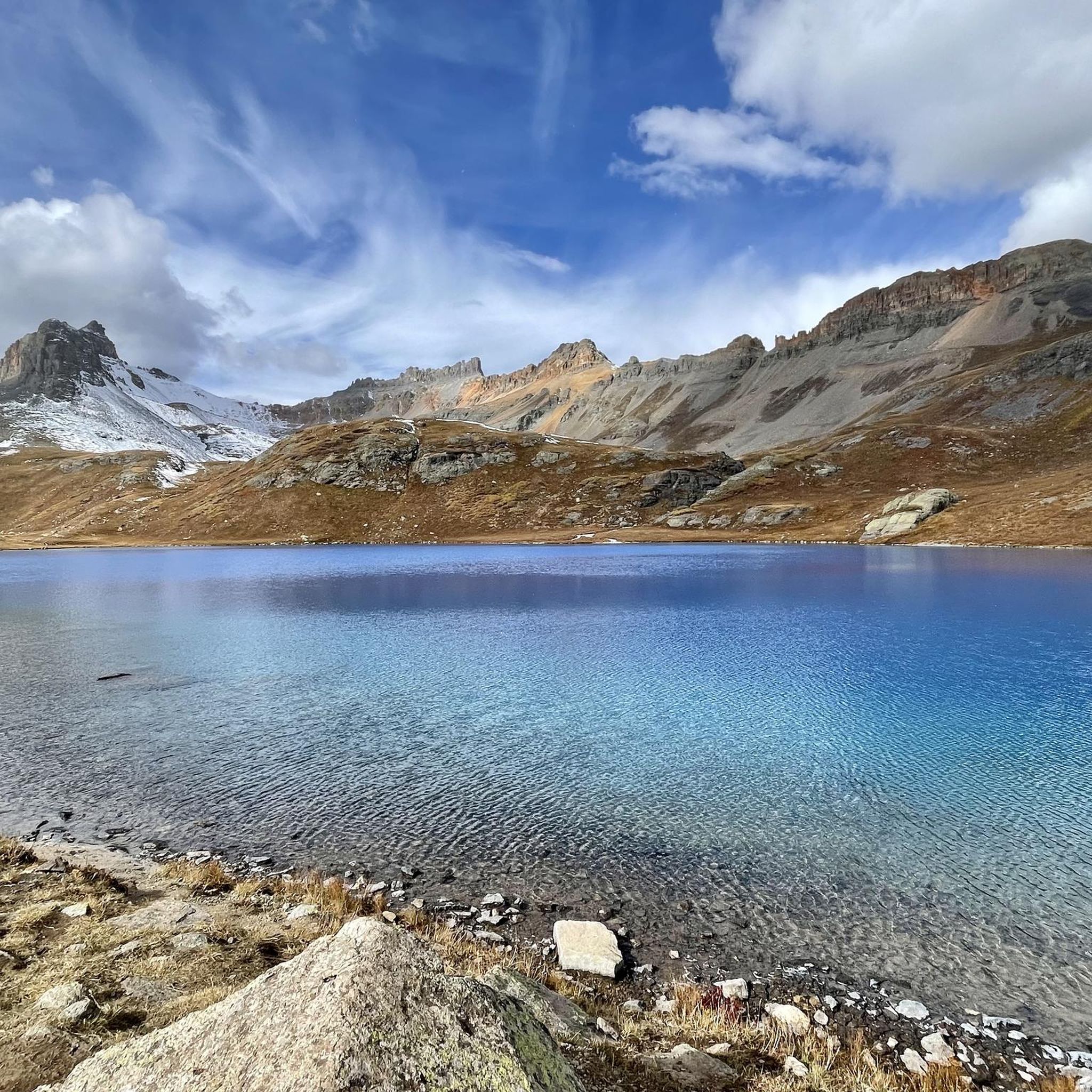
- The most popular lakes is Ice Lake, a lake that is surrounded by the majestic peaks of Golden Horn, Pilot Knob, and Ulysses S Grant Peak. It is known for its vivid blue waters and is a destination for hikers.
- Another must-see spot is Little Molas Lake, a family_friendly lake. Visitors can expect a small body of water at about 11,000 feet, surrounded by mountains, with a picnic area.
- Visitors also love Island Lake, an intermediate alpine lake. It is special for its cerulean-blue color and its location just north of Ice Lake, offering views within the Ice Lakes Basin.
- San Juan National Forest is known for its vibrant alpine lakes and larger reservoirs. These include glacial lakes at high elevations and more accessible bodies of water, offering a variety of settings to explore.
- The lakes in San Juan National Forest are appreciated by the komoot community, with more than 7 upvotes and 15 photos shared.
Last updated: July 8, 2026
Ice Lake
Highlight • Lake
Tip by

Little Molas Lake
Highlight • Lake
Tip by

Sign up now to discover places like this
Get recommendations on the best single tracks, peaks, & plenty of other exciting outdoor places.
Sign up for free
Island Lake
Highlight • Lake
Tip by

Columbine Lake
Highlight • Lake
Tip by
Andrews Lake
Highlight • Lake
Tip by

Sign up for free to discover even more lakes in San Juan National Forest.
Sign up for free
Already have an account?
Start today with a free account
Your next adventure awaits.
Login or Signup
Popular around San Juan National Forest
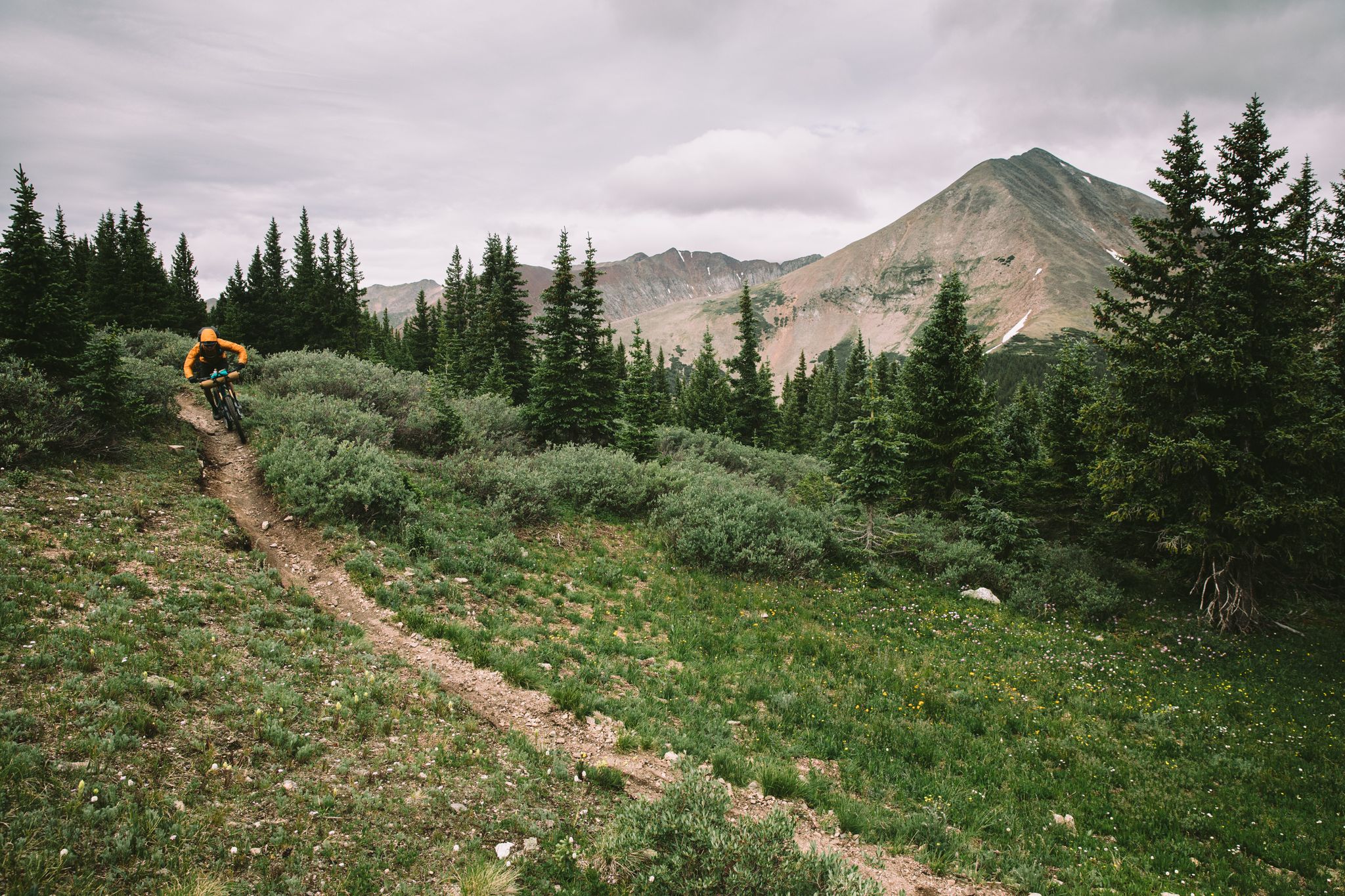
The Colorado Trail — Ten incredible days in the Rocky Mountains
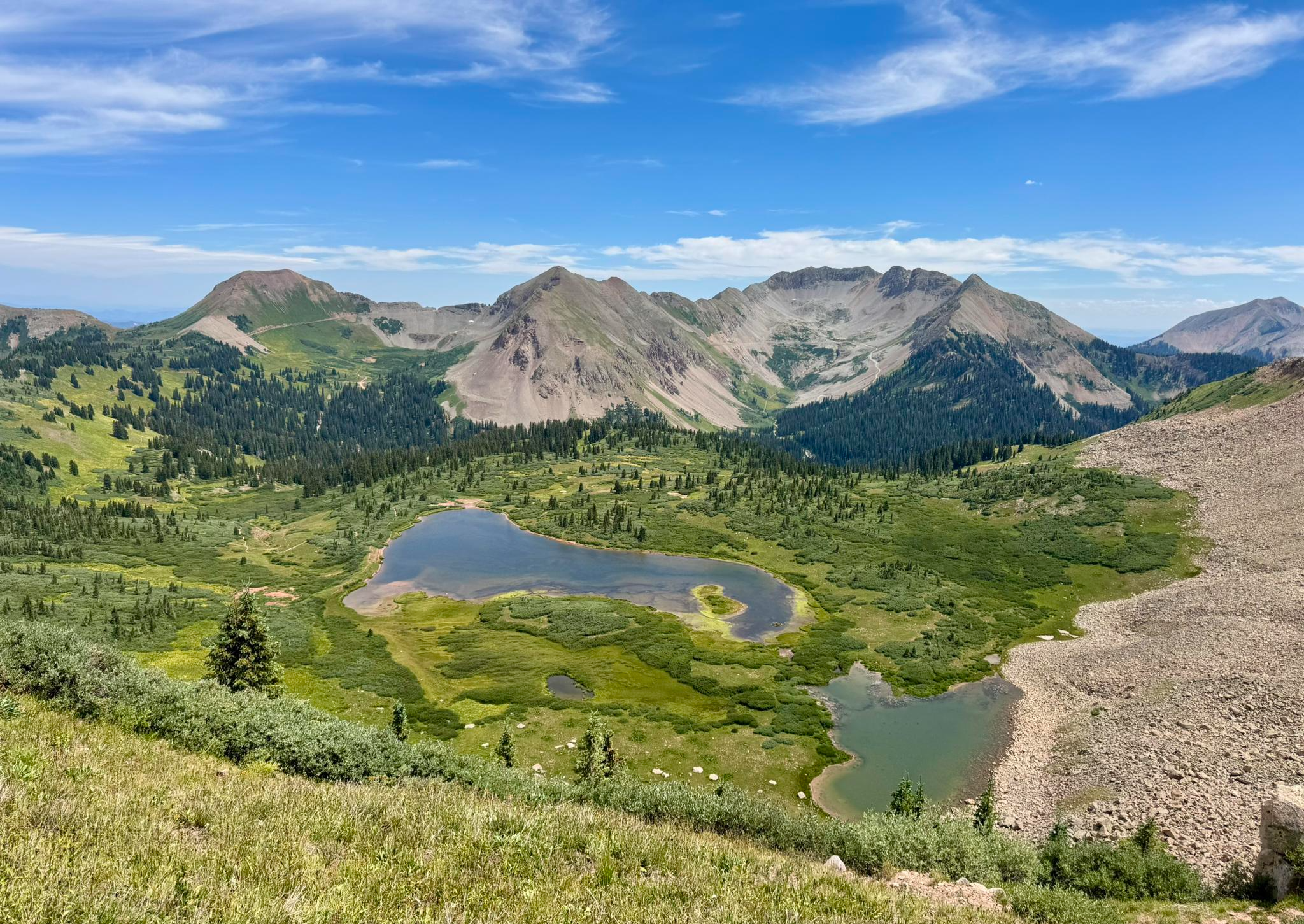
Colorado Trail — The pinnacle of wild Colorado
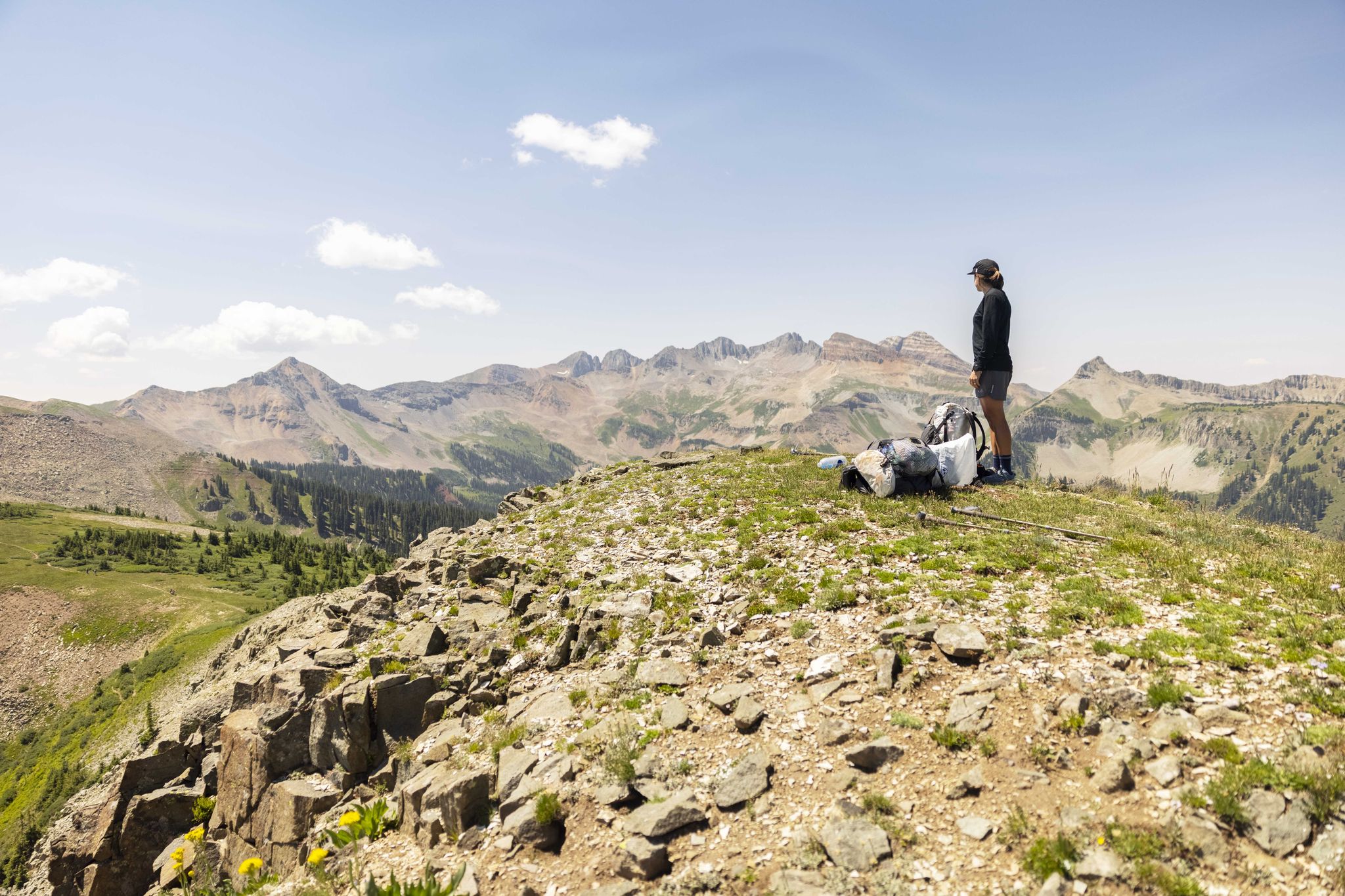
The Colorado Trail — Hiking from Silverton to Durango
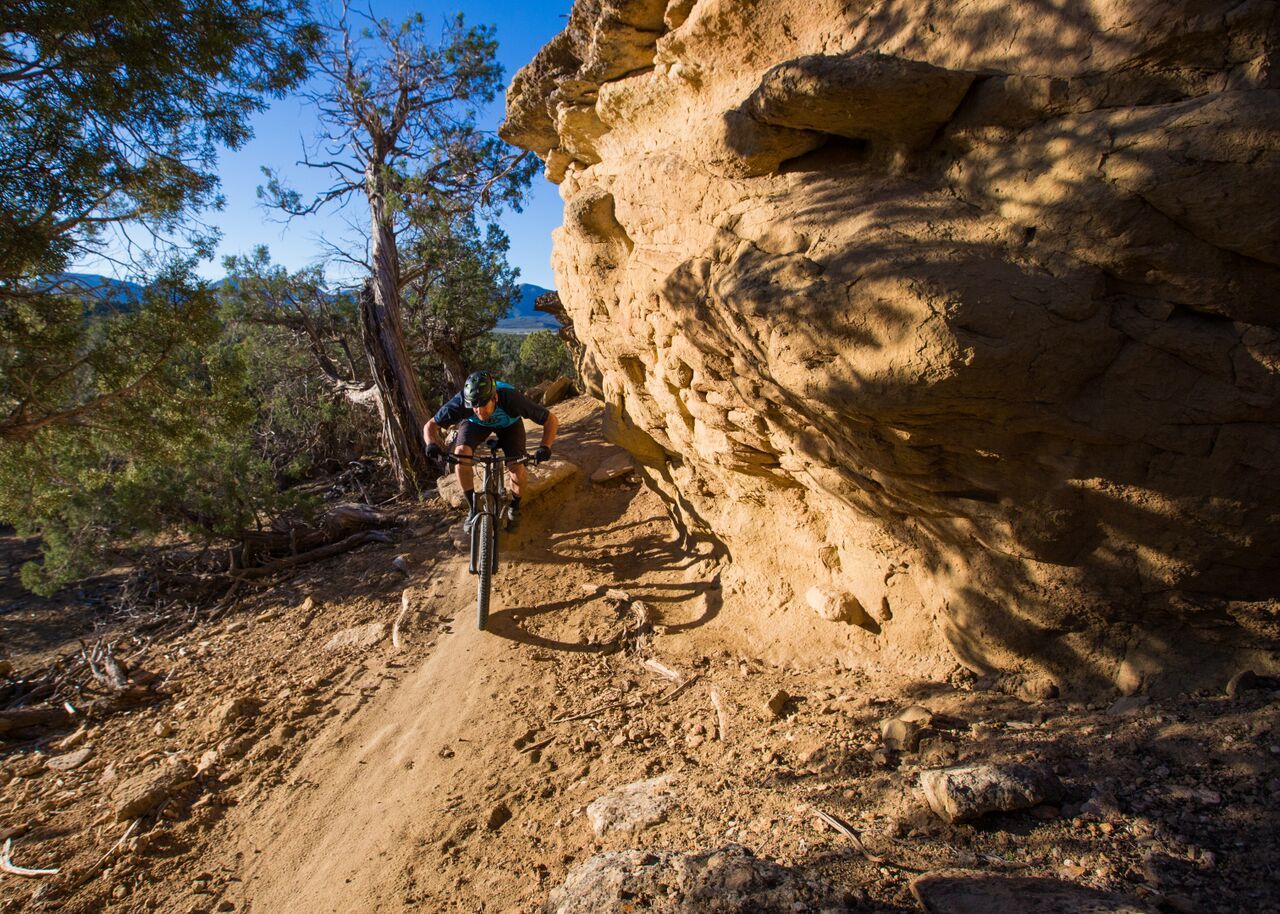
Unforgettable MTB adventures in Colorado's south-west
Hiking in San Juan National Forest
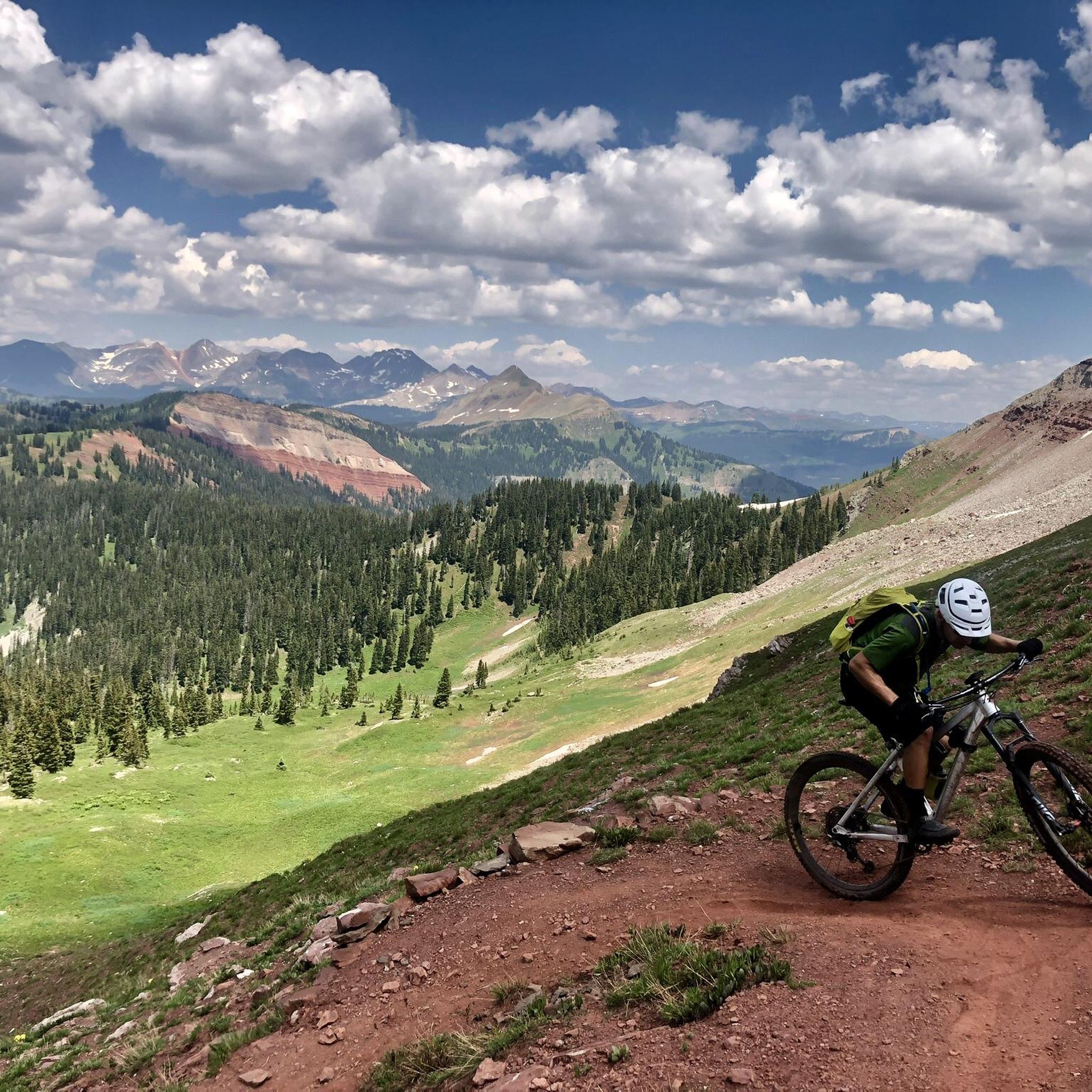
MTB Trails in San Juan National Forest
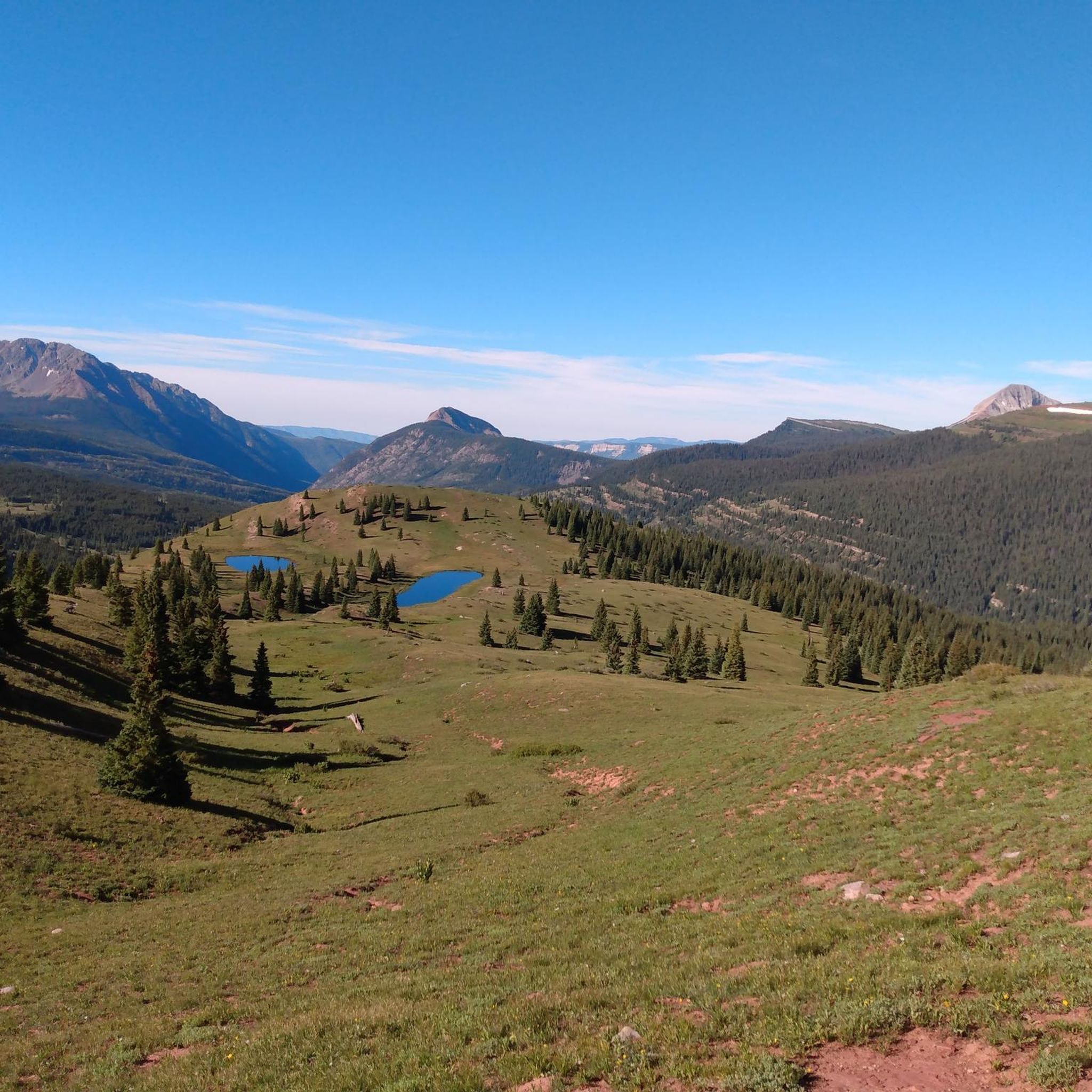
Running Trails in San Juan National Forest
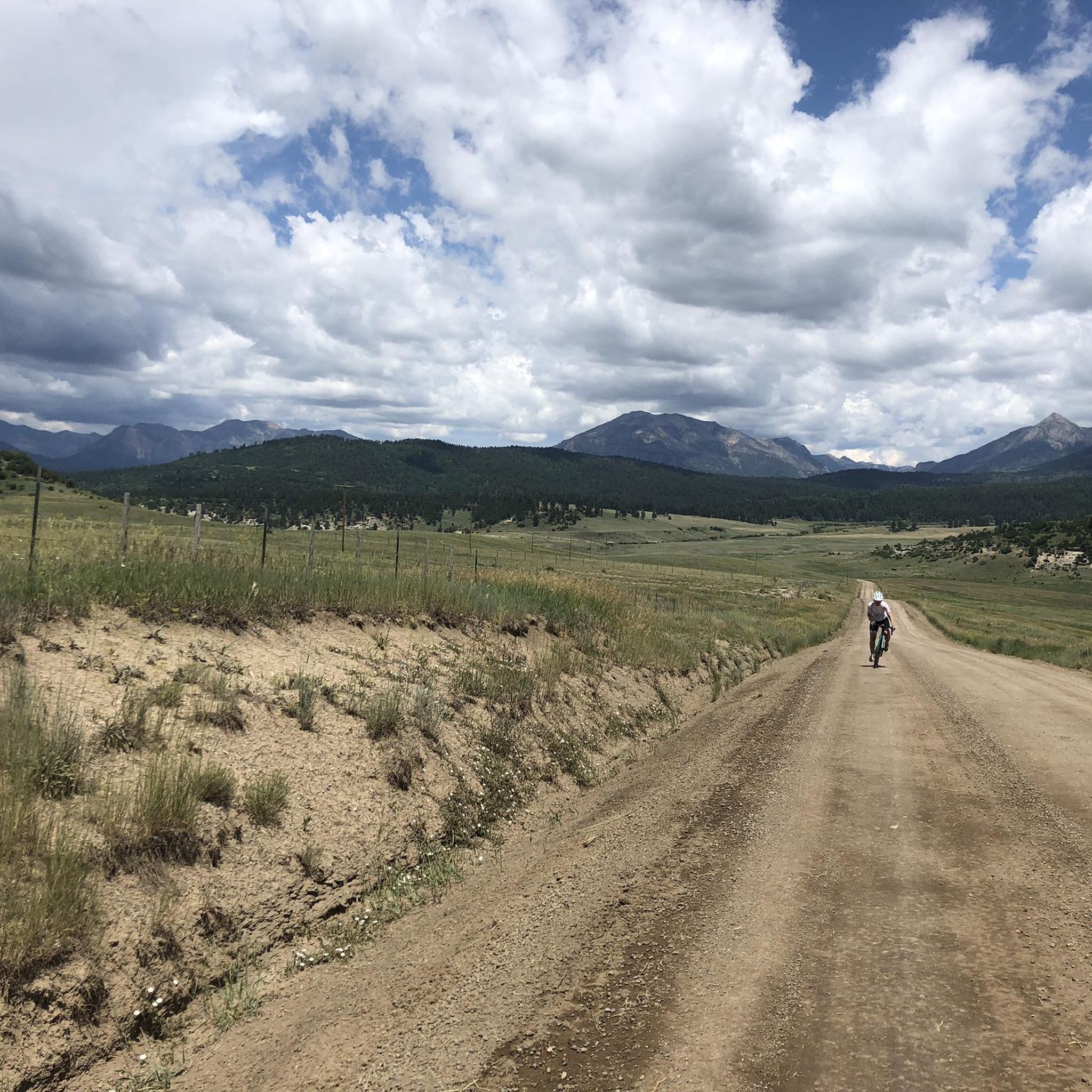
Cycling in San Juan National Forest
Road Cycling Routes in San Juan National Forest

Gravel biking in San Juan National Forest
Other adventures in San Juan National Forest


Tips from the Community

Little Molas Lake is a high-altitude body of water at about 11,000 feet. It is located nearby parking lots and provides easy access to the Colorado Trail. It is the ideal place to enjoy a packed lunch before or after your ride.
0
0

Island lake is a cerulean-blue alpine lake nestled just north of Ice Lake below Grant Peak. This is one of the best views you will get in the Ice Lakes Basin.
0
0

Andrews Lake is located just a few hundred feet down the trail from the trailhead parking area. The 13,077-foot Snowdon Peak looms in the background and often is reflected off the water. There is a nature trail that circles the lake, or you can just cross over the bridge/dam and continue towards the wilderness trails.
0
0
Little Molas Lake is a small body of water found off the Colorado trail. At 11,000 feet, the lake is surrounded by beautiful mountains. There is a picnic area along the banks of the lake, so it is a great place for a break to enjoy the peaceful surroundings.
0
0

Columbine Lake is a high glacial lake at 12,693 feet and surrounded by rugged peaks and alpine meadows. The first two miles of the ride climb pretty steeply, but flattens as you get closer to the lake.
0
0

Island lake is a cerulean-blue alpine lake nestled just north of Ice Lake below Grant Peak. This is one of the best views you will get in the Ice Lakes Basin.
0
0
Columbine Lake sits at 12,800 feet above sea level. If you are camping you should move your tent each night to avoid damaging the tundra and you can fish in the lake for trout if you desire. The stunning peaks surrounding the lake should only be climbed if you have alpine experience since storms can move in quickly.
0
0
Andrews Lake is located just a few hundred feet down the trail from the trailhead parking area. The 13,077-foot Snowdon Peak looms in the background and often is reflected off the water. There is a nature trail that circles the lake, or you can just cross over the bridge/dam and continue towards the wilderness trails.
1
0
Frequently Asked Questions
What are some of the most iconic alpine lakes in the San Juan National Forest?
The San Juan National Forest is home to several iconic alpine lakes. Ice Lake and Island Lake are renowned for their strikingly vivid blue and turquoise waters, nestled among majestic peaks. Columbine Lake is another high-elevation glacial lake known for its incredibly blue water and rugged surroundings.
Are there family-friendly lakes in the San Juan National Forest?
Yes, several lakes offer family-friendly experiences. Little Molas Lake is easily accessible with a picnic area and peaceful mountain views. Andrews Lake is also very accessible, located just a short walk from the trailhead, and features a nature trail that circles the lake, making it ideal for families.
When is the best time to visit the alpine lakes in San Juan National Forest?
The best time to visit the high alpine lakes, such as Ice Lake, is typically from late July through August. During this period, the snow has usually melted, revealing spectacular wildflowers and making trails more accessible. However, in heavy snow years, winter gear might still be necessary even in summer.
What outdoor activities can I do near the lakes in San Juan National Forest?
Beyond enjoying the lake views, you can find numerous outdoor activities. The region offers a variety of hiking trails, from easy strolls to challenging multi-day treks. For example, you can explore routes like the Ice Lakes Trail or segments of the Colorado Trail. You can find more details on hiking options in the area at Hiking in San Juan National Forest. Additionally, some lakes like Vallecito Lake offer kayaking, canoeing, and fishing, while others like McPhee Reservoir are popular for boating.
Are there easy hikes to lakes in the San Juan National Forest?
Yes, there are several easy hikes leading to beautiful lakes. Andrews Lake is just a few hundred feet from its trailhead, offering stunning views of Snowdon Peak. The hike to Red Lake is also described as fairly easy and enjoyable, providing access to alpine beauty with less strenuous effort. For more easy hiking options, check out Easy hikes in San Juan National Forest.
Can I go fishing or boating on the lakes in San Juan National Forest?
Yes, many lakes in the San Juan National Forest offer fishing and boating opportunities. Vallecito Lake is a versatile destination for kayaking, canoeing, and fishing, with full-service marinas available. Columbine Lake is known for trout fishing. McPhee Reservoir is a large body of water popular for various types of boating, while Lemon Reservoir and Williams Creek Reservoir offer non-motorized and wakeless boating options, respectively.
Which lakes are best for camping in San Juan National Forest?
Several lakes in the region are popular for camping. Little Molas Lake is often listed among Colorado's most beautiful camping spots. For high-altitude backpacking, Columbine Lake offers a challenging experience, though campers are encouraged to move their tents nightly to minimize environmental impact on the alpine tundra.
What natural features and wildlife can I expect around the lakes?
The lakes in San Juan National Forest are set amidst diverse natural landscapes. You can expect to see towering peaks, expansive alpine meadows, and dense ponderosa pine forests. Many areas, especially around Ice Lake and Island Lake, are known for spectacular wildflowers, particularly from late July through August. Wildlife sightings can include various bird species, deer, elk, and smaller mammals, especially in less frequented areas.
Are there any hidden gem lakes in the San Juan National Forest region?
While many lakes are well-known, some offer a more secluded experience. A side trip to Island Lake from the popular Ice Lake Basin can offer a bit more solitude. Red Lake, located in the South San Juan Wilderness, provides access to beautiful alpine meadows and stunning mountain views with a less strenuous hike, making it a great option for those seeking a quieter experience.
Can I go wild swimming in the lakes of San Juan National Forest?
While specific designated wild swimming spots are not widely publicized, many visitors enjoy cooling off in the alpine lakes. However, be aware that the water in these high-altitude lakes, such as Ice Lake or Columbine Lake, is typically very cold, even in summer. Vallecito Lake, being a larger reservoir, might offer slightly warmer temperatures for swimming.
What are the typical lake conditions during summer in San Juan National Forest?
During summer, particularly from July to August, most lakes are free of ice and accessible. Alpine lakes like Ice Lake and Island Lake will display their vibrant colors. Trails leading to these lakes are generally clear, though some high-elevation areas might still have snow patches early in the season or after heavy snow years. Lower elevation lakes and reservoirs like Vallecito Lake are fully open for water activities.
Most popular routes in San Juan National Forest
Most popular attractions in San Juan National Forest

Get inspired with the komoot mobile app


Explore more
Still not found your perfect lake in San Juan National Forest? Check out the guides of these regions to see even more beautiful places.
