The 20 Most Amazing Peaks in Humboldt-Toiyabe National Forest
Best mountain peaks in Humboldt-Toiyabe National Forest span across Nevada and California, covering over 6.3 million acres. This extensive national forest features diverse landscapes, including high desert, alpine regions, and prominent mountain ranges such as the Sierra Nevada and Jarbidge Mountains. Visitors can explore a range of natural environments, from high-altitude summits to forested trails, making it a significant area for outdoor recreation.
Best mountain peaks in Humboldt-Toiyabe National Forest
- The most popular mountain peaks is Mount Rose Summit View…
Last updated: September 28, 2026
Mount Rose Summit View
Highlight • Summit
It is also both the …
Tip by

Cathedral Rock Trail
Highlight (Segment) • Trail
Tip by

Sign up now to discover places like this
Get recommendations on the best single tracks, peaks, & plenty of other exciting outdoor places.
Relay Peak
Highlight • Summit
Tip by

The Matterhorn
Highlight • Summit
Tip by
Jarbidge Peak
Highlight • Summit
Tip by
Sign up for free to discover even more peaks in Humboldt-Toiyabe National Forest.
Already have an account?
Start today with a free account
Your next adventure awaits.
Popular around Humboldt-Toiyabe National Forest
American Discovery Trail — Walking from sea to shining sea
The tour of your life – music trails on the Pacific coast
Basecamp Nevada – hiking Tours in the Silver State
Rocky trails and magical views – MTB Tours in Nevada
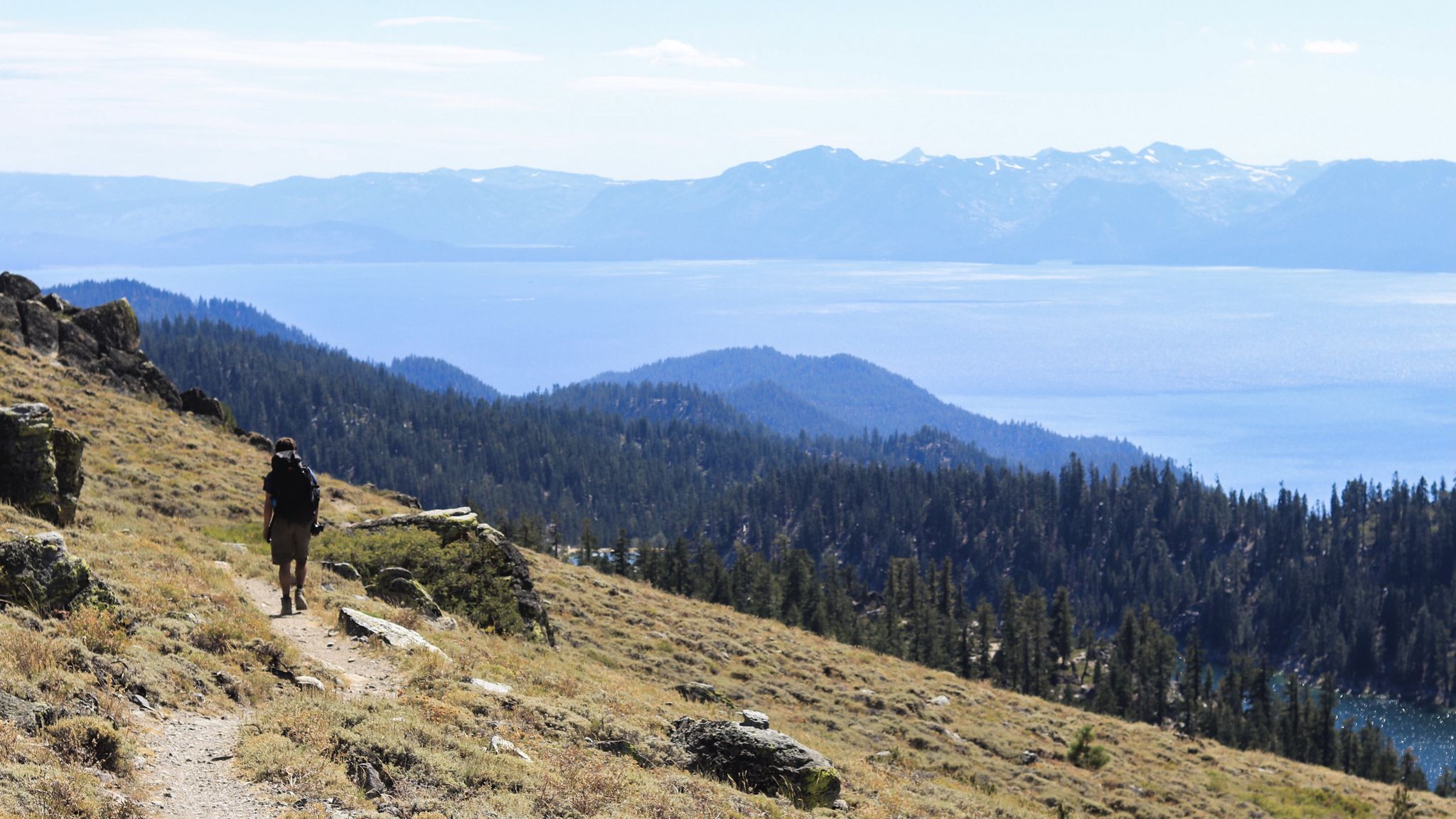
Circumnavigating Lake Tahoe in the Sierra Nevada – Tahoe Rim Trail
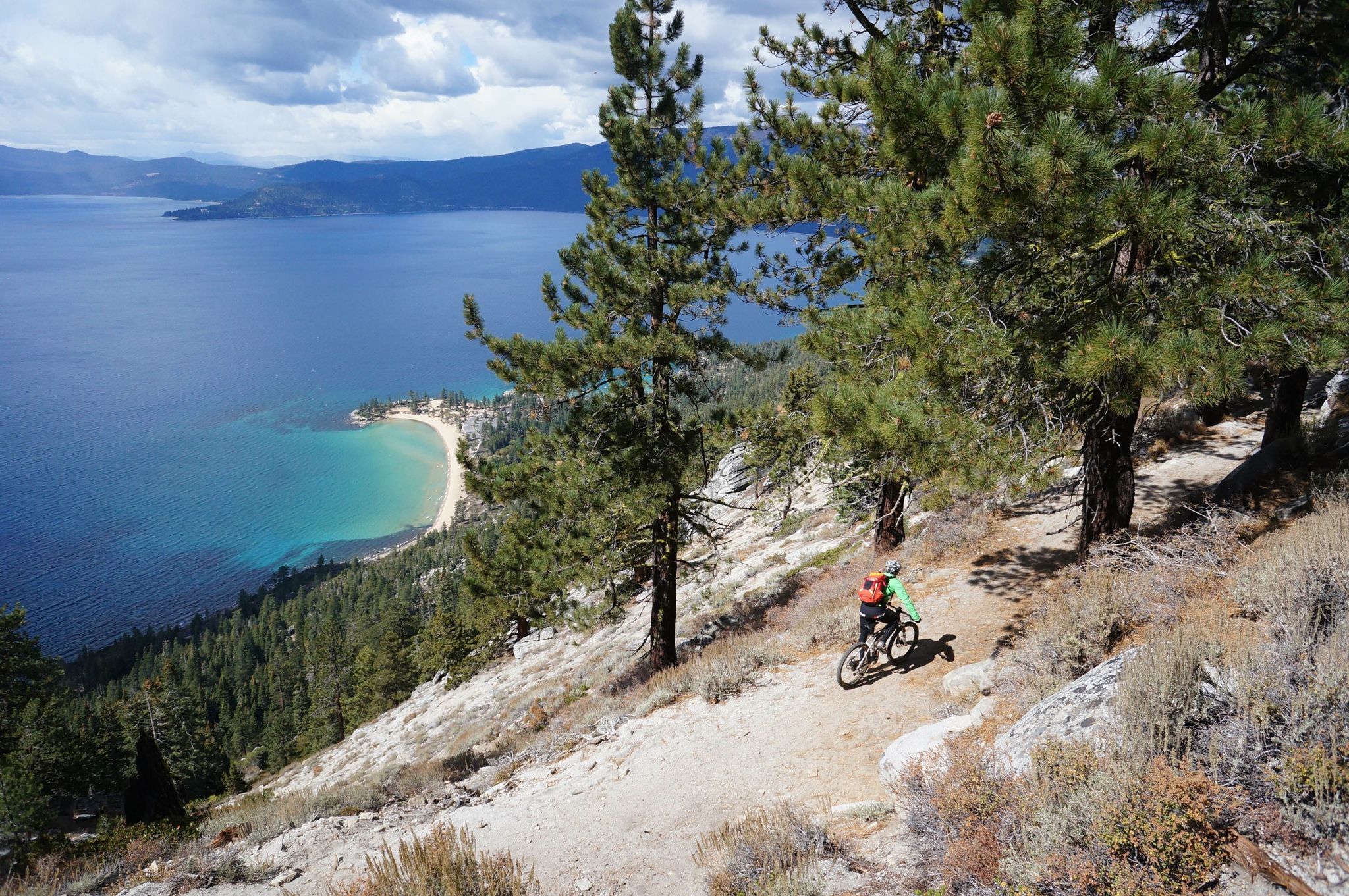
Unforgettable MTB Adventures – IMBA Epic Trails in USA and Canada
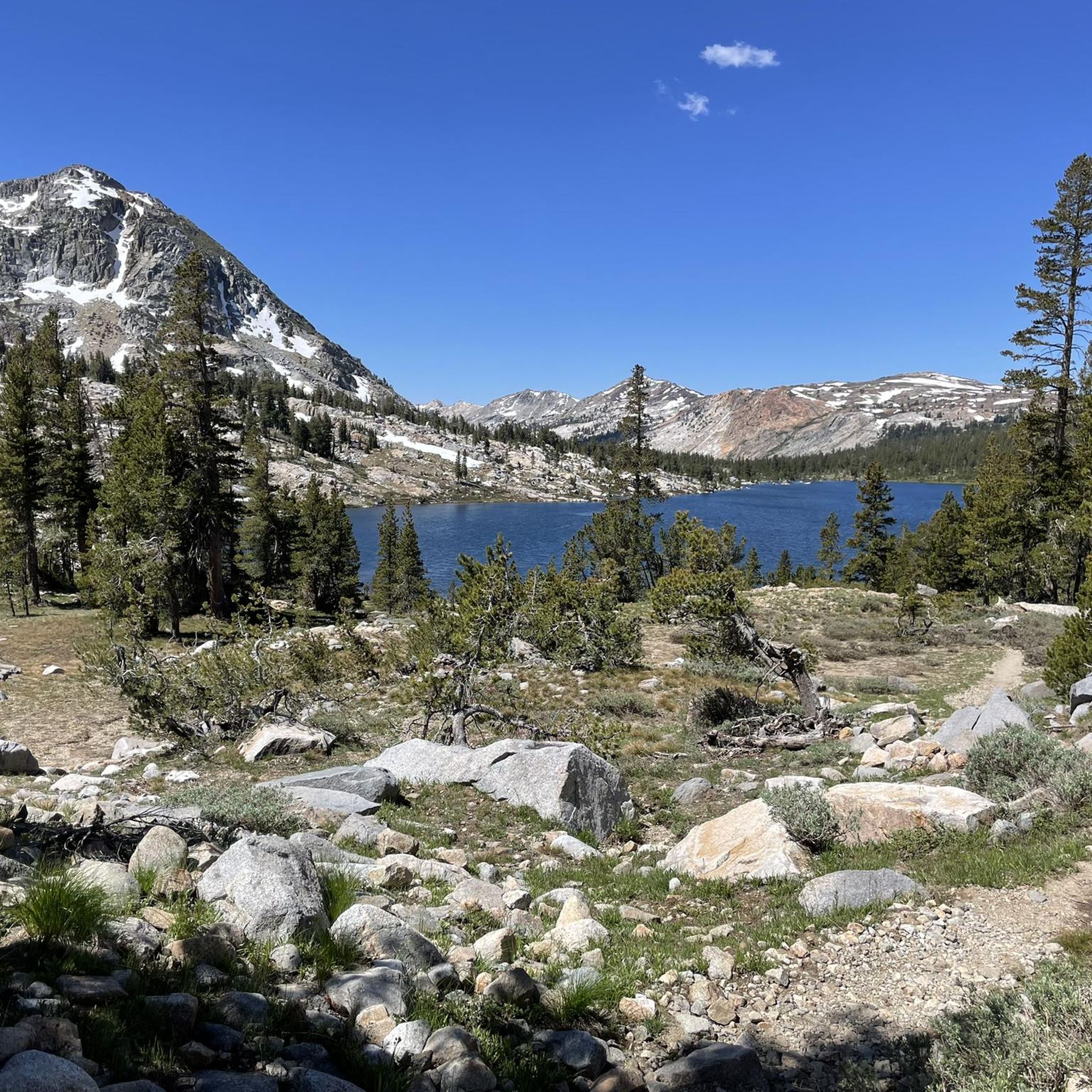
Hiking in Humboldt-Toiyabe National Forest
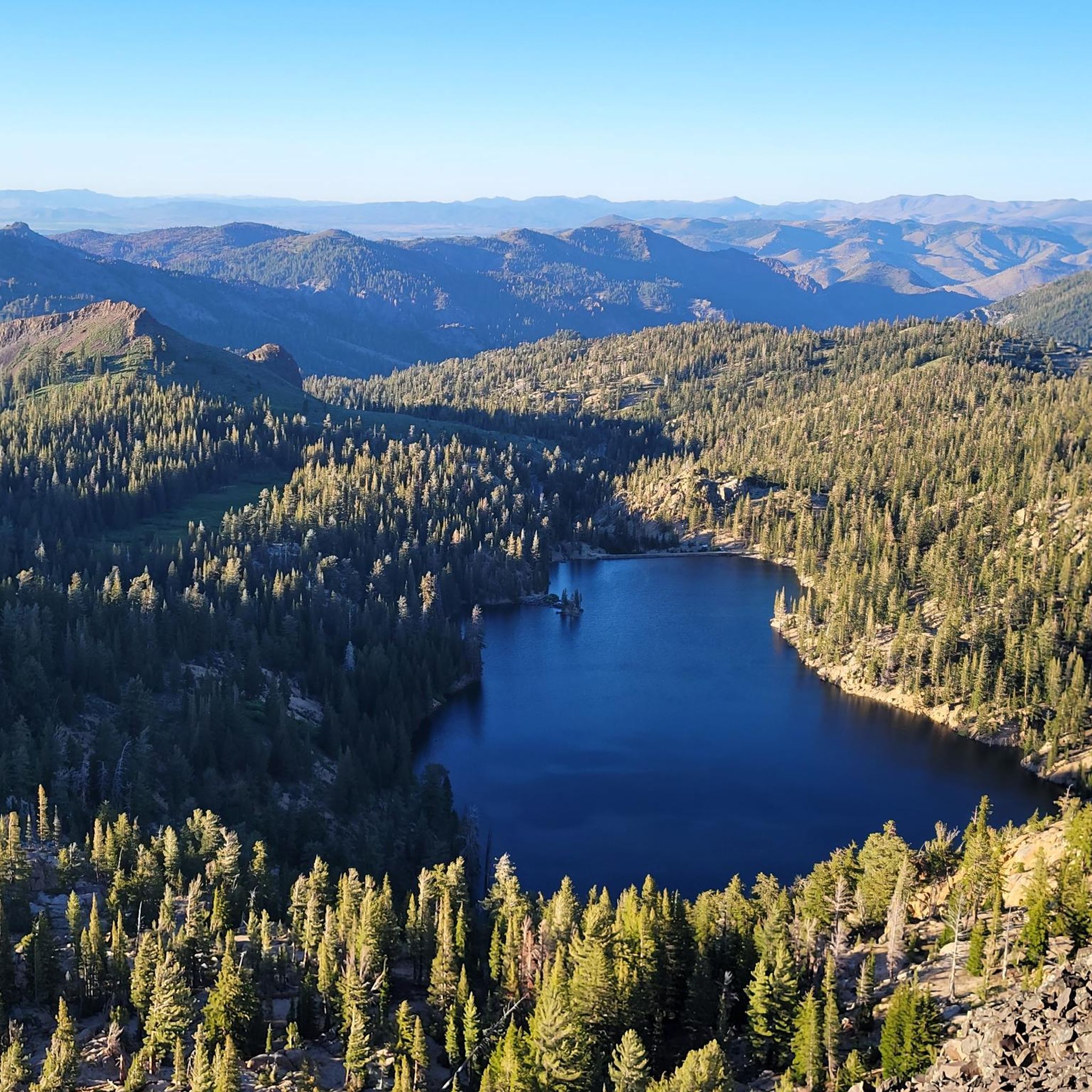
Road Cycling Routes in Humboldt-Toiyabe National Forest
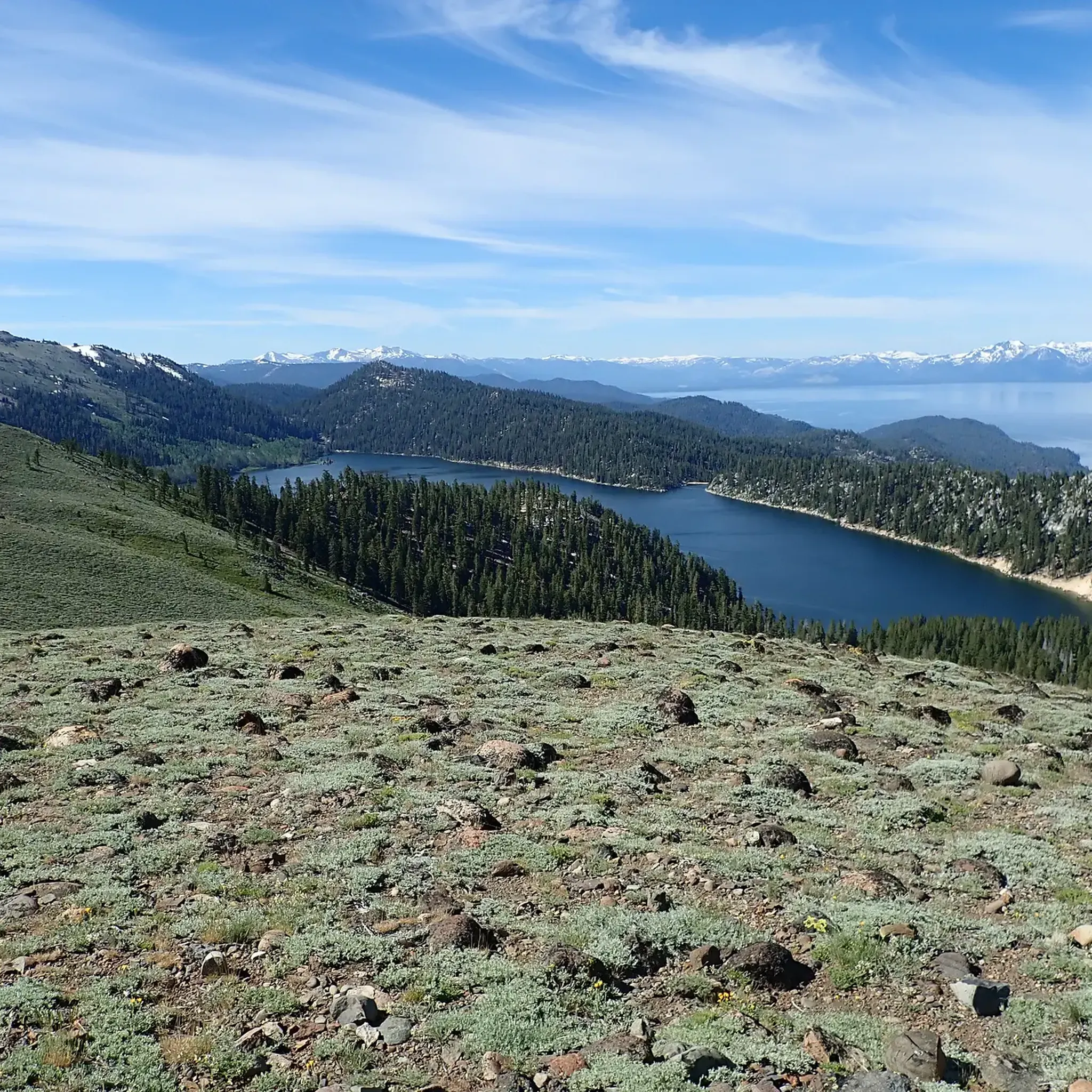
MTB Trails in Humboldt-Toiyabe National Forest
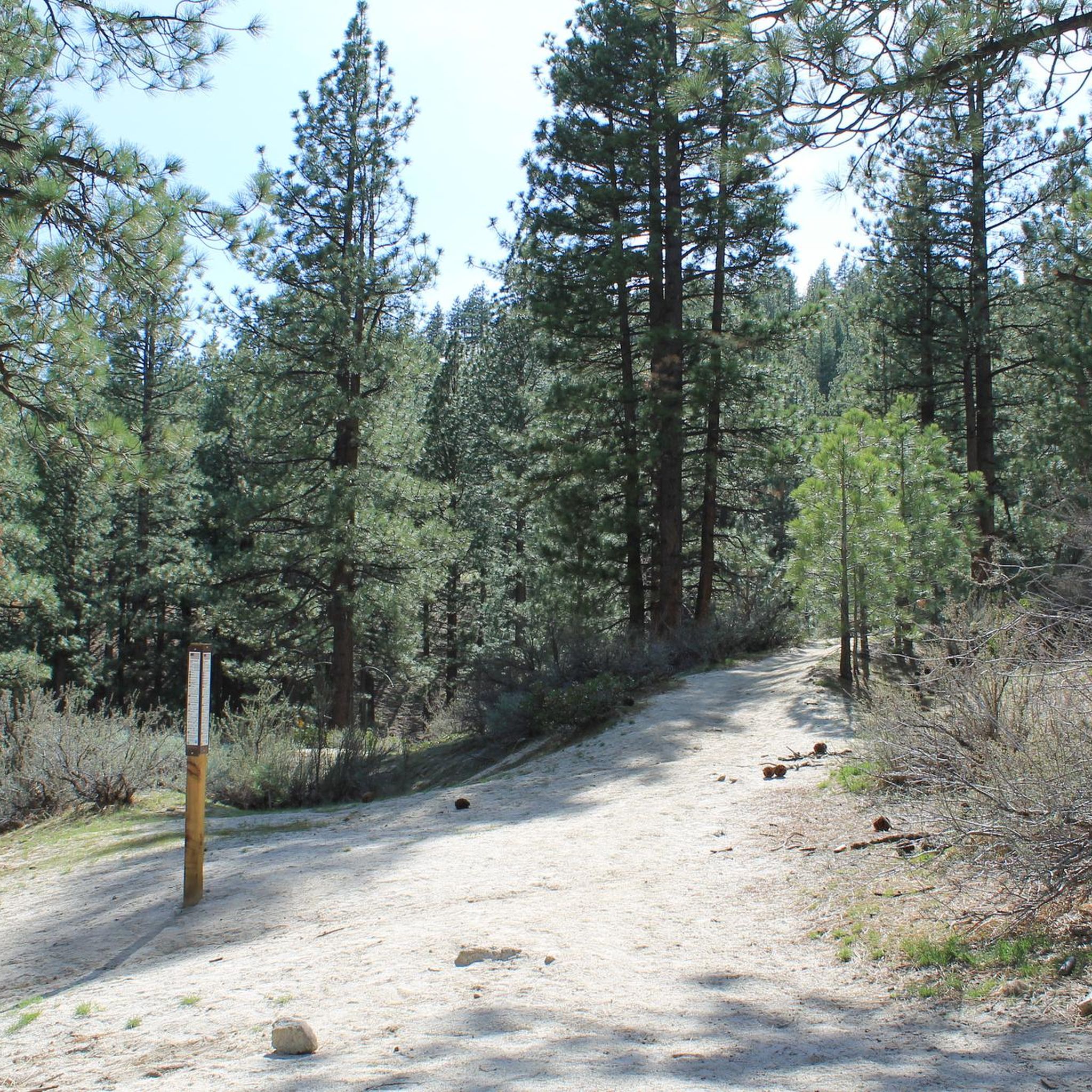
Running Trails in Humboldt-Toiyabe National Forest
Other adventures in Humboldt-Toiyabe National Forest


Tips from the Community

At 10,335 feet, Relay Peak belongs to the highest summits in the Lake Tahoe Basin and is the highest point on the Tahoe Rim Trail. Compared to its surrounding peaks, Relay Peak is rather easy to reach but still offers amazing views of the surrounding area and Lake Tahoe.
1
0

The Matterhorn is the tallest peak in the Jarbidge Mountain Range. Standing at 10,838 feet, this rocky, steep summit requires a little bit of scrambling up exposed Class 2 talus and rock to reach. Once you get to the top of the Matterhorn you are rewarded with amazing panoramic views of the entire Jarbidge Mountain Range as well as views into Idaho! This mountain is named after the more famous Matterhorn in the European Alps because of the steep, prominent cliffs just north of the summit. The Matterhorn of the Jarbidge Mountains is a proud, remote peak in one of the most seldom visited wilderness area in the US. It is a great place to rest, eat lunch, take photos, and sign the summit register. Like the rest of the peaks on the long ridge line, tacking the Matterhorn is a serious endeavor across exposed terrain on trails that might be faint to non-existent at times. Please use good judgement about your own ability and comfort-levels traveling in this type of terrain.
0
0
Jarbidge Peak stands at 10,799 feet and is the second highest mountain in the Jarbidge Mountain Range after the Matterhorn. This rocky, open summit provides excellent panoramic views of the surrounding area, but especially across the dry, exposed ridge toward the Matterhorn and the other lesser summits that comprise the Jarbidge Mountains. This summit is an excellent goal in and of itself, but is also a great place to rest, sip some water, eat some food, and sign the summit register before continuing onward to the surrounding peaks across the ridge line if attempting the Jarbidge Traverse. Please be aware that the Jarbidge Traverse is a serious endeavor. You are above tree line for the entire ridge line traveling on exposed terrain on trails that might be faint to non-existent at times. Please use good judgement about your own ability and comfort-levels before attempting Jarbidge Peak and the others along the traverse.
0
0
The Cathedral Rock Trail is a very popular, moderate trail that winds up through ponderosa pines and aspen groves toward Cathedral Rock. You get phenomenal views of the impressive, sheer limestone Echo Cliffs almost the entire way up the trail. On the Cathedral Rock trail there are log benches every 16th of a mile along the way for you to stop, sip water, and admire the views. After the junction for the Little Falls the trail steepens, but you are rewarded with increasingly spectacular views as you reach the summit of Cathedral Rock.
1
0

Relay Peak rises to 3,135 meters above sea level. This is the highest point of the Tahoe Rim Trail! From there, we have a superb view of Lake Tahoe and the surrounding peaks. It really is a nice spot!
0
0

Mount Rose is the highest mountain in Washoe County, within the Carson Range of Nevada. Elevation 10,785 ft (3,287 m), Prominence 3,630 ft (1,106 m). It is also both the highest and most topographically prominent peak of the greater Sierra Nevada range within the state of Nevada, and the third most topographically prominent peak in the Sierra Nevada overall. It is located in the Mount Rose Wilderness of the Humboldt-Toiyabe National Forest. An extinct volcano, the mountain is in between Lake Tahoe and Reno. State Route 431 traverses Mount Rose Summit southeast of Mount Rose. Due to the high elevation, most of the precipitation that falls on the mountain is snow. The view from Mount Rose, facing east is the Truckee Meadows area is the second largest population center in Nevada. Mount Rose Ski Tahoe resort is nearby but is not on Mount Rose. Despite the name, the resort is actually on the slopes of Slide Mountain, which is on the other side of Nevada State Route 431. https://en.wikipedia.org/wiki/Mount_Rose_(Nevada) Mt Rose and the surrounding peaks are attractive destinations for back country skiing in winter and into late spring: https://www.komoot.de/tour/9438033
2
0
Frequently Asked Questions
What are some notable mountain peaks to explore in Humboldt-Toiyabe National Forest?
The region offers a variety of prominent peaks. Some highly regarded options include Mount Rose Summit View, which is the highest peak in Washoe County, Nevada, and Relay Peak, known as the highest point on the Tahoe Rim Trail. For those seeking a more remote adventure, The Matterhorn in the Jarbidge Mountain Range offers panoramic views into Idaho.
Are there challenging mountain peaks for experienced hikers in Humboldt-Toiyabe National Forest?
Yes, several peaks offer challenging ascents. Mount Rose Summit View is a challenging summit within the Mount Rose Wilderness. In the Jarbidge Mountains, both The Matterhorn and Jarbidge Peak are considered challenging, often requiring scrambling over exposed terrain with faint or non-existent trails.
Are there easier mountain trails suitable for beginners or families in the Humboldt-Toiyabe National Forest?
While many peaks are challenging, there are intermediate trails and easier hikes in the broader forest area. For example, the Cathedral Rock Trail is a popular moderate trail that winds through ponderosa pines and aspen groves, offering great views. For general easy hiking options, you can explore routes like Escarpment Trail Loop or Jones Creek Loop, which are part of the Easy hikes in Humboldt-Toiyabe National Forest guide.
What kind of views can I expect from the mountain peaks in this region?
The mountain peaks in Humboldt-Toiyabe National Forest offer diverse and spectacular views. From Mount Rose Summit View, you can see the Truckee Meadows area. Relay Peak provides superb panoramic views of Lake Tahoe and its surrounding peaks. Peaks in the Jarbidge Mountain Range, such as The Matterhorn and Jarbidge Peak, offer expansive views of the entire range and even into Idaho.
What outdoor activities can I do near the mountain peaks in Humboldt-Toiyabe National Forest?
Beyond peak bagging, the Humboldt-Toiyabe National Forest offers a wide range of outdoor activities. You can find numerous hiking trails, including easy options like Winnemucca and Round Top Lakes, detailed in the Easy hikes in Humboldt-Toiyabe National Forest guide. For mountain biking enthusiasts, there are trails like the Tahoe Rim and Flume Trail Loop, which you can find in the MTB Trails in Humboldt-Toiyabe National Forest guide. Gravel biking routes, such as the Capital to Tahoe Trail, are also available in the Gravel biking in Humboldt-Toiyabe National Forest guide.
What is the best time to hike the mountain peaks in Humboldt-Toiyabe National Forest?
The best time to hike generally depends on the specific peak and elevation. For high-altitude summits, late spring through early fall typically offers the most favorable conditions, with less snow and milder temperatures. However, due to the high elevation, most precipitation falls as snow, and some peaks, like Mount Rose, are attractive destinations for backcountry skiing into late spring.
Are permits required for hiking certain mountain peaks in Humboldt-Toiyabe National Forest?
While general access to the Humboldt-Toiyabe National Forest does not typically require permits for day hiking, specific wilderness areas or popular trails might have regulations or require permits for overnight stays. It's always advisable to check with the local ranger district for the specific peak or area you plan to visit to confirm any current permit requirements or restrictions.
Can I bring my dog on trails to the mountain peaks?
Many trails within the Humboldt-Toiyabe National Forest are dog-friendly, but regulations can vary by specific area, especially within designated wilderness areas or protected habitats. It's recommended to check the specific rules for the trail you intend to hike. Always keep dogs on a leash and practice Leave No Trace principles.
What are the winter hiking conditions like on the peaks?
Winter conditions on the mountain peaks of Humboldt-Toiyabe National Forest can be severe, with significant snowfall and cold temperatures. Many high-elevation trails become impassable without proper winter gear, such as snowshoes or skis, and avalanche awareness is crucial. Backcountry skiing is popular on peaks like Mount Rose during winter and spring, but it requires experience and appropriate safety precautions.
Are there any cafes or amenities near the mountain trails in Humboldt-Toiyabe National Forest?
The Humboldt-Toiyabe National Forest is vast and primarily wilderness, so amenities like cafes are generally not found directly at trailheads. However, gateway towns and communities surrounding the forest, such as Reno or those near Lake Tahoe, offer various dining and supply options. It's best to stock up on food and water before heading into the forest.
What should I wear when hiking Humboldt-Toiyabe peaks in summer?
Even in summer, conditions on mountain peaks can change rapidly. Layers are key: a moisture-wicking base layer, an insulating mid-layer, and a waterproof/windproof outer shell are recommended. Sturdy hiking boots, sun protection (hat, sunglasses, sunscreen), and plenty of water are essential. For higher elevations, be prepared for cooler temperatures and potential afternoon thunderstorms.
Most popular routes in Humboldt-Toiyabe National Forest
Most popular attractions in Humboldt-Toiyabe National Forest

Get inspired with the komoot mobile app


Explore more
See even more amazing summits in Humboldt-Toiyabe National Forest with these guides:
