The best walks and hikes around Søby Sø
4.3
(41)
557
hikers
44
hikes
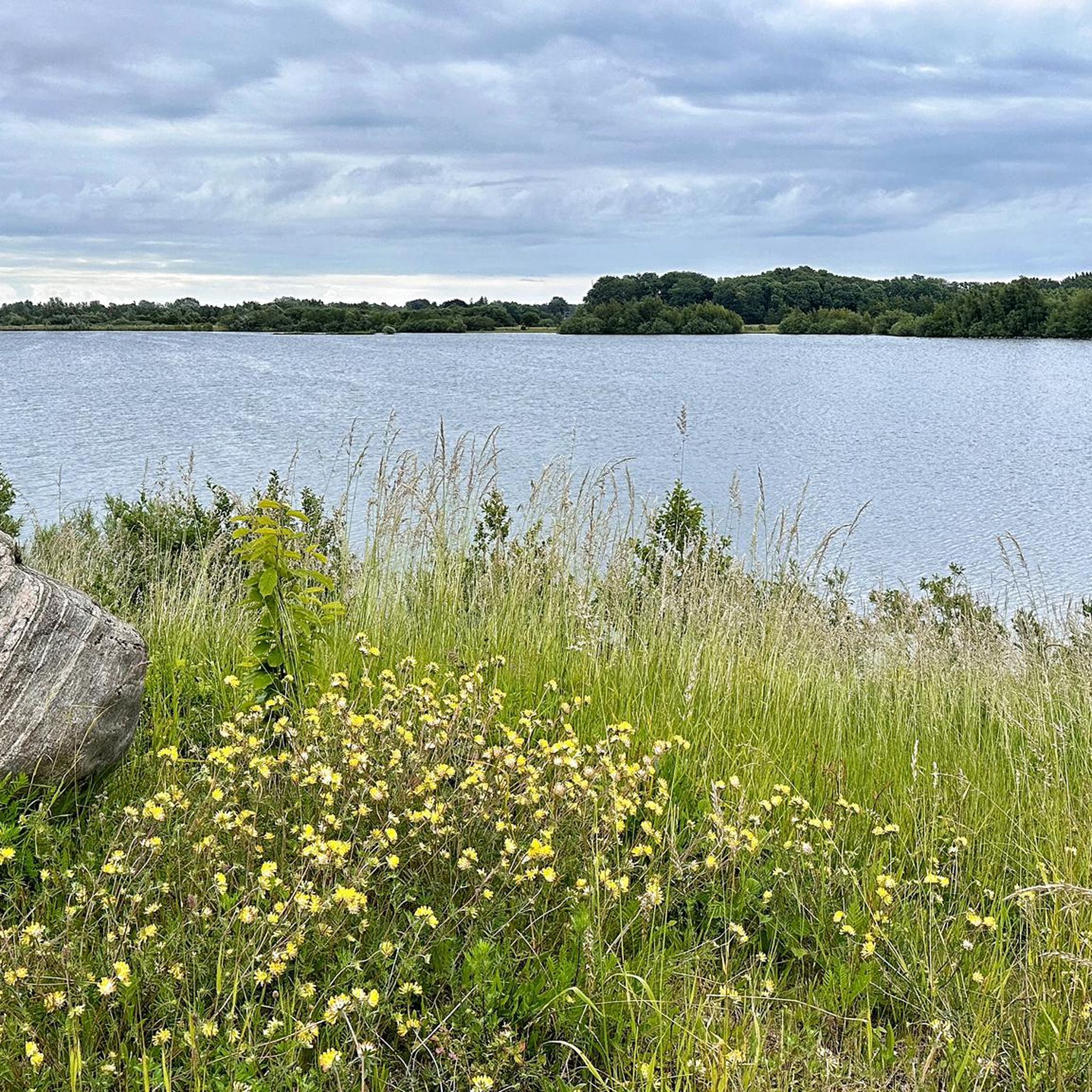
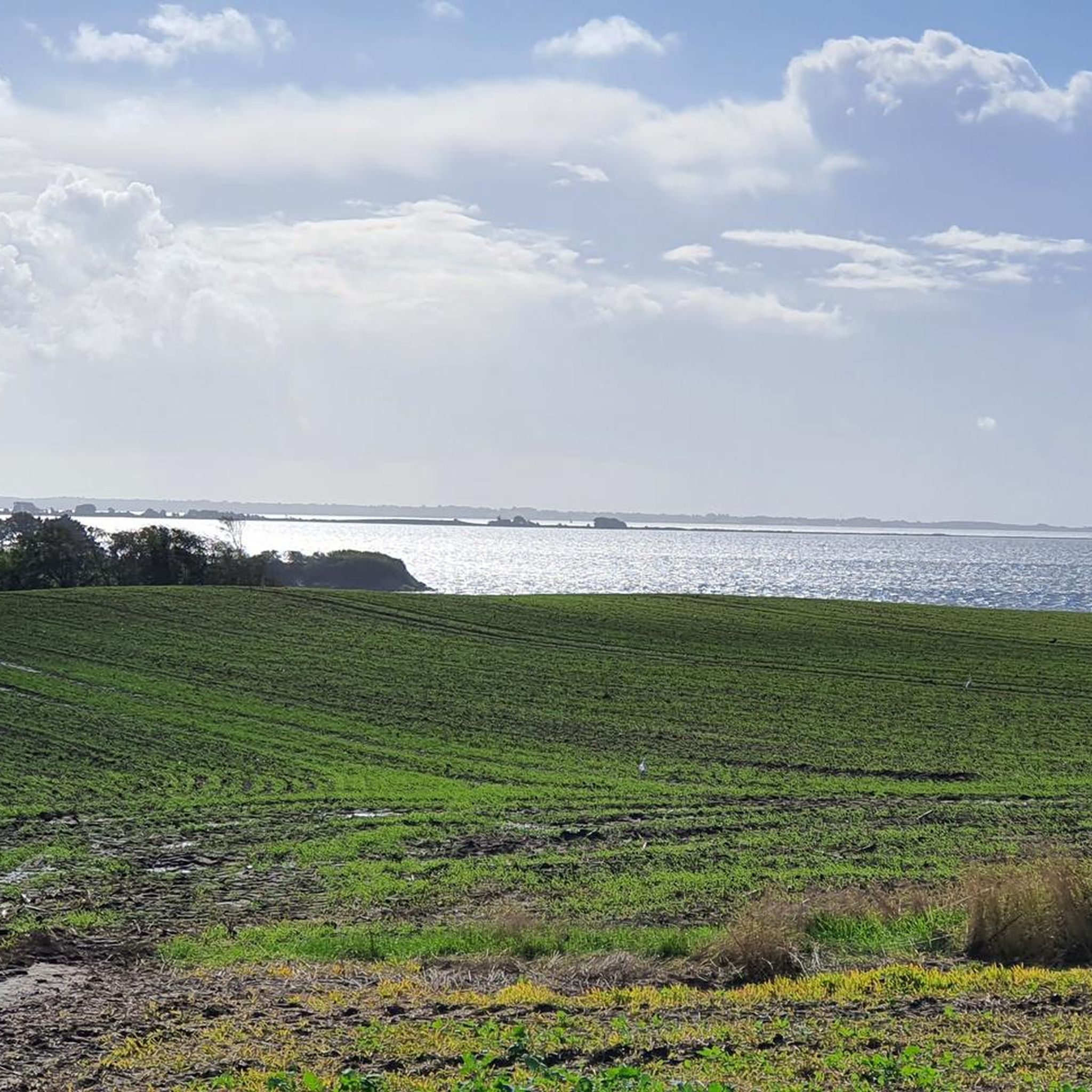
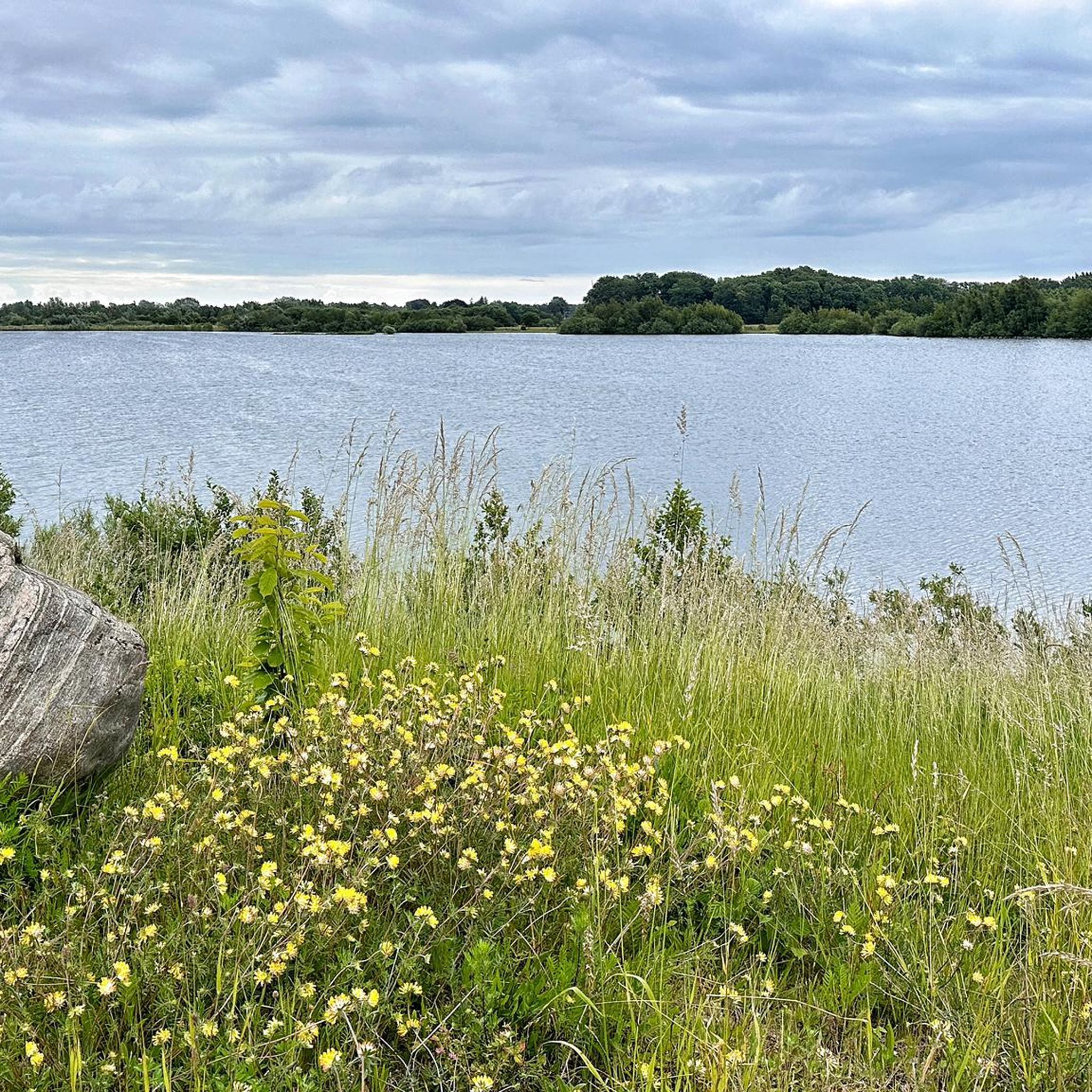
Hiking around Søby Sø offers a diverse landscape characterized by a natural lake and an adjacent historic brown coal area. The region features flat terrain around Søby Sø itself, encompassing heath, marsh, and forest. The former brown coal fields present a more hilly environment dotted with numerous small lakes, providing varied hiking experiences. This unique combination of natural and industrial landscapes defines the area's trails.
Best hiking trails around Søby Sø
- The most popular hiking route is Nymark Skov loop…
Last updated: June 24, 2026
4
hikers
7.94km
02:02
40m
40m
Moderate hike. Good fitness required. Easily-accessible paths. Suitable for all skill levels.
13
hikers
23.7km
06:07
120m
120m
Hard hike. Very good fitness required. Easily-accessible paths. Suitable for all skill levels.

Sign up for free
6
hikers
Moderate hike. Good fitness required. Easily-accessible paths. Suitable for all skill levels.
6
hikers
6.90km
01:46
30m
30m
Easy hike. Great for any fitness level. Easily-accessible paths. Suitable for all skill levels.
7
hikers
3.76km
00:58
20m
20m
Easy hike. Great for any fitness level. Easily-accessible paths. Suitable for all skill levels.
Get access to more routes and recommendations from other explorers.
Sign up for free
Already have an account?
Our route recommendations are based on thousands of hikes, rides, and runs completed by other people on komoot.
Start today with a free account
Your next adventure awaits.
Login or Signup


Tips from the Community

Odense is a fairytale city. In the parks or along the roadsides, you will see a total of 16 sculptures and statues depicting characters from Andersen's fairytales. Here by the lake, the mermaid appears.
0
0

A very beautiful park, nice to look at
0
0


The "Havhesten" (Seahorse) is a famous sculpture and fountain in Odense. Located at the entrance to Munke Mose Park, directly on the banks of the Odense River (near the Slusebroen, or Lock Bridge), it depicts a powerful, snorting mythical creature with the upper body of a horse and a mermaid on its back. The sculpture is made of bronze. Created by the Danish sculptor Carl Hugo Liisberg, the artwork was erected in 1939. The sculpture is inspired by Hans Christian Andersen's play "Agnete and the Water Sprite," specifically by Agnete's lullaby, which was part of one of Andersen's more dramatic poems. The figure symbolizes the connection between humans and the mythical creatures of the water. The sculpture is a popular attraction in Munke Mose and a distinctive landmark of the city.
4
0
Munke Mose is a large, popular park in the heart of Odense, offering many recreational opportunities. One of these is a water playground, which is especially popular with children. The playground is inspired by Hans Christian Andersen's fairy tales and features elements reminiscent of nature, such as large butterflies, tree stumps, and ducks. The playground includes a small water play area where children can play with the stream of water. It is designed for balancing on large lily pads or sliding down a slide. The water features are part of a larger playground area in the park, ideal for families. The park itself is located on the Odense Å River and also offers the opportunity to go canoeing or pedal boating.
4
0
The fish ladder is located at Munke Mose in central Odense and was built in 2006 to ensure that fish can move freely throughout the Odense River. It's a popular spot for gatherings with friends and family, especially when the sun is shining. Nearby you'll also find: Odense Aafart, which sails the river in summer and rents rowboats and pedal boats. Nelle's Coffee, which makes sure you get a delicious latte for your break in the countryside. A cute little playground inspired by Hans Christian Andersen's fairytale about Thumbelina. The sculpture "The Seahorse," which guards the river right at the park's entrance. https://www.visitodense.dk/turist/planlaeg-din-tur/fisketrappen-i-munke-mose-gdk739492
4
0
The mermaid is a mythical and magical creature who lures people to their deaths with her song and beautiful body. This mermaid stands on a 3-4 meter high base, allowing us to view her from the depths of the ocean. Another distinctive feature of the sculpture is the abnormal head-to-body ratio. However, this is a result of the water's reflection, which occurs when looking up from the depths. The sculpture is made of bronze, and the base is granite. It was unveiled on June 20, 1998. The mermaid's body displays sexual energy, emphasized by the slightly separated legs and the noticeable genitals, which are only gathered near the feet in a fin. The intensity of her sexuality is highlighted as something raw and dangerous, something to which one can immerse oneself. The sculpture's expression is almost the antithesis of the traditional understanding of the conventional innocence and beauty of the mermaid. Hans Pauli Olsen (1957-) was born in the Faroe Islands. Many of his sculptures focus on human forms, often with a mystical, underlying quality. They are expressive and naturalistic in their depiction. Many of his creations are made in clay before being cast in bronze. This process makes the artist's creative process clearly visible in the final sculpture. Coordinates: Longitude: 10.3826808929443 Latitude: 55.3907999313141 https://www.visitodense.de/turist/reiseplanung/die-meerjungfrau-skulptur-gdk1077447
3
0
The Hans Christian Andersen statue is located in the Eventyrhaven (Fairy Tale Garden) in Odense, behind St. Canud's Cathedral. The garden, a peaceful space with a river, trees, and picnic areas, is a popular destination for visitors interested in the famous Danish author. The statue, a work by Louis Hasselriis, was originally unveiled in the King's Garden on June 19, 1888, and later relocated and found its current location in the Eventyrhaven in 1949. The Eventyrhaven, also known as the Fairy Tale Garden, is an idyllic park in Odense that is closely associated with Hans Christian Andersen. The statue, depicting the poet, was created by Louis Hasselriis in 1888 and acquired by the city of Odense. Originally placed in the King's Garden, it found its current location in the Fairy Tale Garden. The garden itself, with its paths, benches, and proximity to the river, invites you to take a relaxing stroll. https://www.visitdenmark.se/danmark/planera-resan/hans-christian-andersen-statue-gdk633901
4
0
Frequently Asked Questions
What kind of terrain can I expect when hiking around Søby Sø?
The area around Søby Sø offers a diverse landscape. You'll find flat terrain characterized by heath, marsh, and forest immediately surrounding the natural lake. Adjacent to this, the historic Søby Brown Coal Area presents a more hilly environment dotted with many small lakes, providing a varied hiking experience.
Are there many hiking trails available in the Søby Sø region?
Yes, the Søby Sø region features a good selection of hiking trails. There are over 50 routes available, catering to various preferences and skill levels. These include 32 easy, 16 moderate, and 2 difficult trails.
Are there any family-friendly hiking options around Søby Sø?
Absolutely! Many of the trails around Søby Sø are considered easy and are well-suited for families and children. The varied terrain, from flat lake surroundings to gentle hills, offers pleasant short excursions for all ages.
Can I bring my dog on the hiking trails in Søby Sø?
While the guide doesn't specify dog-friendly trails, generally, dogs are welcome on public paths in Denmark, often on a leash. It's always best to check local signage or specific trail rules for any restrictions, especially in nature reserves or protected areas.
What are the main natural features to look out for on the trails?
The primary natural features are Søby Sø itself, a natural lake known for its diverse flora and fauna, and the numerous small lakes within the hilly brown coal landscape. You'll also encounter heath, marsh, and forest areas, offering a rich variety of natural scenery.
Are there any circular walks available?
Yes, many of the routes around Søby Sø are designed as circular walks. For example, the easy Højby Gadekær loop from Lindved Å is a popular choice, as is the shorter Højby Gadekær loop from Højby.
What is the average rating for hiking trails in Søby Sø?
The hiking trails in Søby Sø are highly regarded by the komoot community, holding an average rating of 4.3 stars based on over 30 reviews. Hikers often praise the diverse landscapes and the accessibility of the routes.
Is there parking available near the hiking trailheads?
While specific parking locations aren't detailed for every trailhead, the area is generally accessible for visitors. It is advisable to look for designated parking areas near popular starting points or attractions like the Søby Brown Coal Museum.
Can I swim in Søby Sø?
Yes, swimming is permitted in Søby Sø, specifically from the eastern side of the lake. This side also features a public barbecue area with tables and chairs, making it a pleasant spot for a break.
What historical insights can I gain while visiting Søby Sø?
Adjacent to Søby Sø is the historic Søby Brown Coal Area, a former brown coal field that operated from 1940-1970. You can explore the remnants of this significant industrial past, which transformed the landscape into a hilly area with many small lakes. For deeper insights, consider visiting the nearby Søby Brown Coal Museum.
Are there any safety considerations when hiking in the brown coal area?
Yes, when exploring the Søby Brown Coal Area, it is crucial to adhere strictly to marked roads and tracks. Some areas can be dangerous due to risks of slides and quicksand, especially near water and disturbed sand. Always stay on designated paths for your safety.
What is a good moderate hike to try in the area?
For a moderate hike, you might enjoy the Nymark Skov loop from Spanget. This 7.9 km (4.9 miles) trail typically takes about 2 hours to complete and leads through pleasant forest sections.
Most popular routes around Søby Sø

Get inspired with the komoot mobile app


Explore more
Browse the best Hikes in other regions.
