The best cycling routes around Lake Washington
4.6
(1660)
16,978
riders
28
rides
Touring cycling routes around Lake Washington traverse a landscape shaped by glacial activity, featuring the second largest natural lake in Washington State. The region offers diverse terrain, from flat, paved surfaces of urban trails to segments that cross floating bridges, providing expansive views of the lake and surrounding mountains. Cyclists can experience lush forests, wetlands, and the unique topography created by the lake's shores. The lake's shoreline extends 58 miles, encompassing diverse habitats.
Best touring cycling routes around Lake Washington
- The most popular touring cycling route is Matthews Beach Park – Ravenna Creek loop from University of Washington, a 20.6 miles (33.2 km) trail that takes 1 hour 57 minutes to complete. This moderate route offers a mix of urban and natural scenery along the lake's northern edge.
- Another top favourite among local touring cyclists is Luther Burbank Park – I-90 - East Channel Bridge loop from Mercer Island, a moderate 18.8 miles (30.2 km) path. This route includes the unique experience of cycling across the I-90 floating bridge, offering panoramic lake views.
- Local touring cyclists also love the Montlake Bridge – University Bridge loop from University of Washington, an 11.1 miles (17.9 km) trail leading through urban parks and along the lakefront, often completed in about 1 hour 4 minutes.
- Touring cycling around Lake Washington is defined by its floating bridges, scenic lake views, and accessible urban parks. The network offers options for easy, moderate, and more challenging routes, catering to various ability levels.
- The routes in Lake Washington are highly rated by the komoot community with an average score of 4.5 stars from over 420 reviews. More than 4800 touring cyclists have used komoot to explore Lake Washington's varied terrain.
Last updated: October 1, 2026
4.6
(21)
283
riders
33.2km
01:57
160m
160m
Moderate bike ride. Good fitness required. Mostly paved surfaces. Suitable for all skill levels.
34
riders
6.57km
00:25
60m
60m
Easy bike ride. Great for any fitness level. Mostly paved surfaces. Suitable for all skill levels.

5.0
(1)
29
riders
22.9km
01:27
190m
190m
Moderate bike ride. Good fitness required. Mostly paved surfaces. Suitable for all skill levels.
4.5
(2)
33
riders
28.6km
01:48
290m
290m
Moderate bike ride. Good fitness required. Mostly paved surfaces. Suitable for all skill levels.
23
riders
30.3km
01:52
250m
250m
Moderate bike ride. Good fitness required. Mostly paved surfaces. Suitable for all skill levels.
Get access to more routes and recommendations from other explorers.
Already have an account?
Our route recommendations are based on thousands of hikes, rides, and runs completed by other people on komoot.
Start today with a free account
Your next adventure awaits.
Tips from the Community

Nice place. I run through the whole city by cyling. Raining day but very interesting experience
1
0

Here you can find many nice stalls.
3
0

Excellent views, some areas are under renovation and lack signage. But nothing terrible. Very good experiences. A very ideal route for stopping and enjoying the views.
0
0

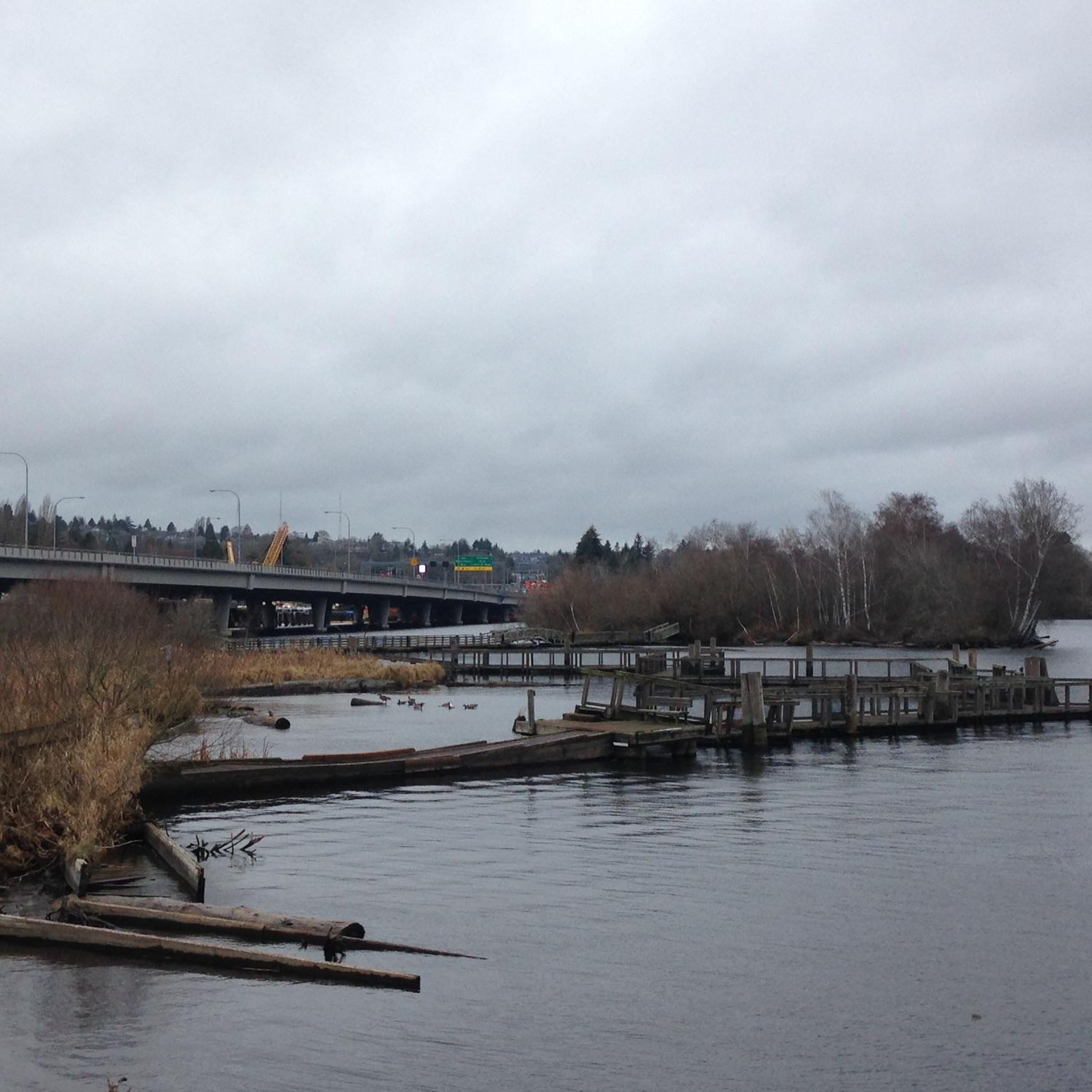
This park has three-quarters of a mile of water frontage on Lake Washington, and is mostly undeveloped except for a series of trails, some of which are paved for multi-use. You have great odds of seeing wildlife near the north and south ends of the park, and the park also has swimming, boating and fishing amenities.
0
0
This is part of the roughly 60-mile loop that circles all the way around Lake Washington; or you can divide it into northern and southern sections. Much of the total distance, including this stretch, takes place along the road.
0
0

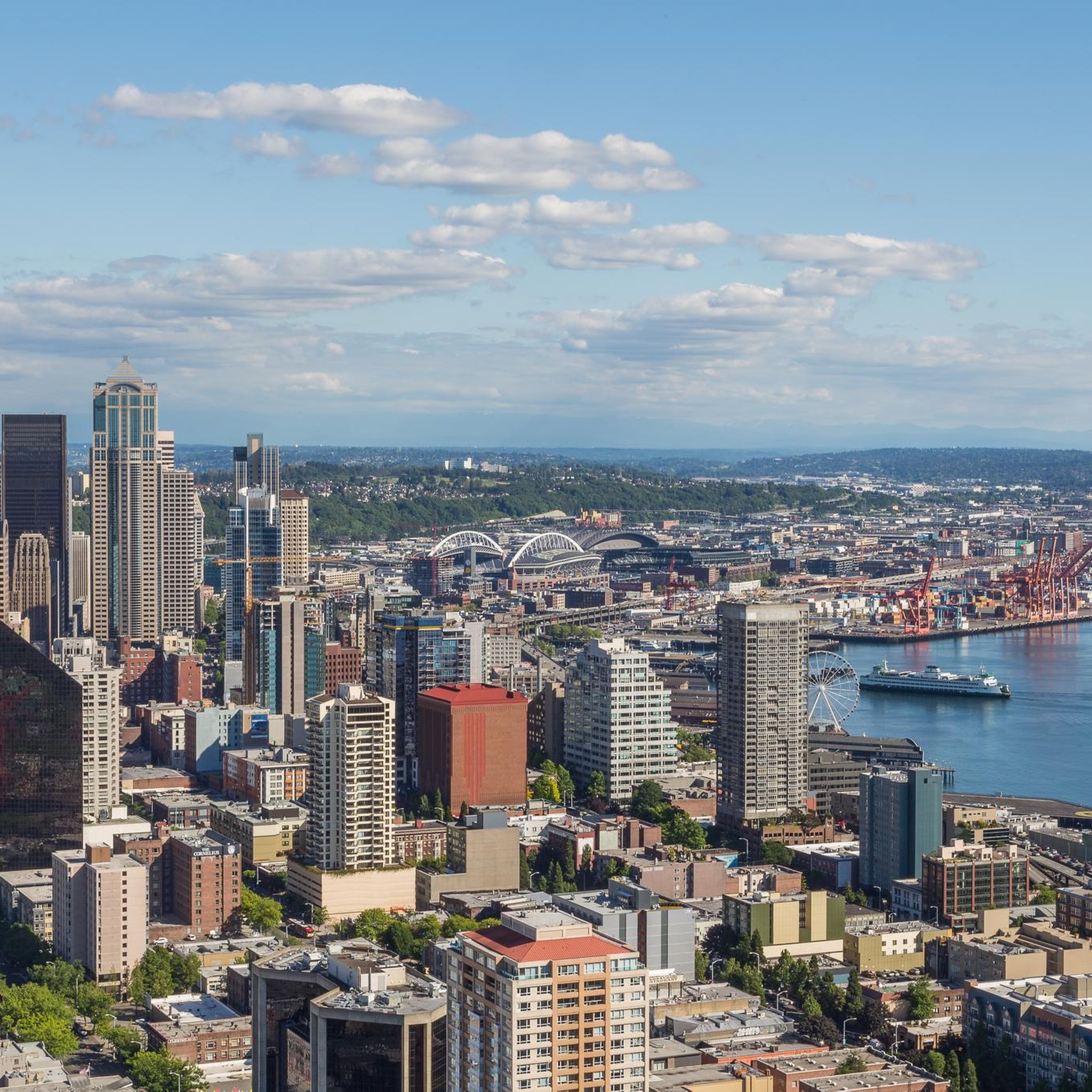
Lake Union Park, near the center of downtown Seattle, is an urban oasis, with plenty of greenspace and pathways along beautiful Lake Union lined with various boats nestled in the floats. Home to the Museum of History and Industry (MOHAI) and the Center for Wooden Boats, the park is a celebration of the unique cultural, maritime, and industrial heritage Seattle is known for. It is a fantastic setting to enjoy a great run, right in the heart of the city.
0
0
The Freemont Bridge opens an average of 35 times daily to let boat traffic pass. It is the busiest drawbridge in the U.S. and connects the Freemont and Queen Anne neighborhoods. It is a great location to sit on the Burke-Gilman Trail and watch the boats go through this picturesque Seattle landmark
0
0
Frequently Asked Questions
How many touring cycling routes are available around Lake Washington?
There are over 15 touring cycling routes around Lake Washington, catering to various skill levels. You'll find a good mix of easy and moderate paths, with 5 easy routes and 10 moderate routes to explore.
Are there any family-friendly touring cycling routes around Lake Washington?
Yes, Lake Washington offers several easy routes suitable for families. For instance, the Gas Works Park – Fremont Bridge loop from University of Washington is an 8.0-mile (12.8 km) easy trail that takes about 45 minutes, leading through urban parks and along the lakefront. Another easy option is the University Bridge – Sunset View of the Lake loop from University of Washington, which is 17.6 km (10.9 miles) and offers pleasant lake views.
What kind of terrain can I expect on touring cycling routes around Lake Washington?
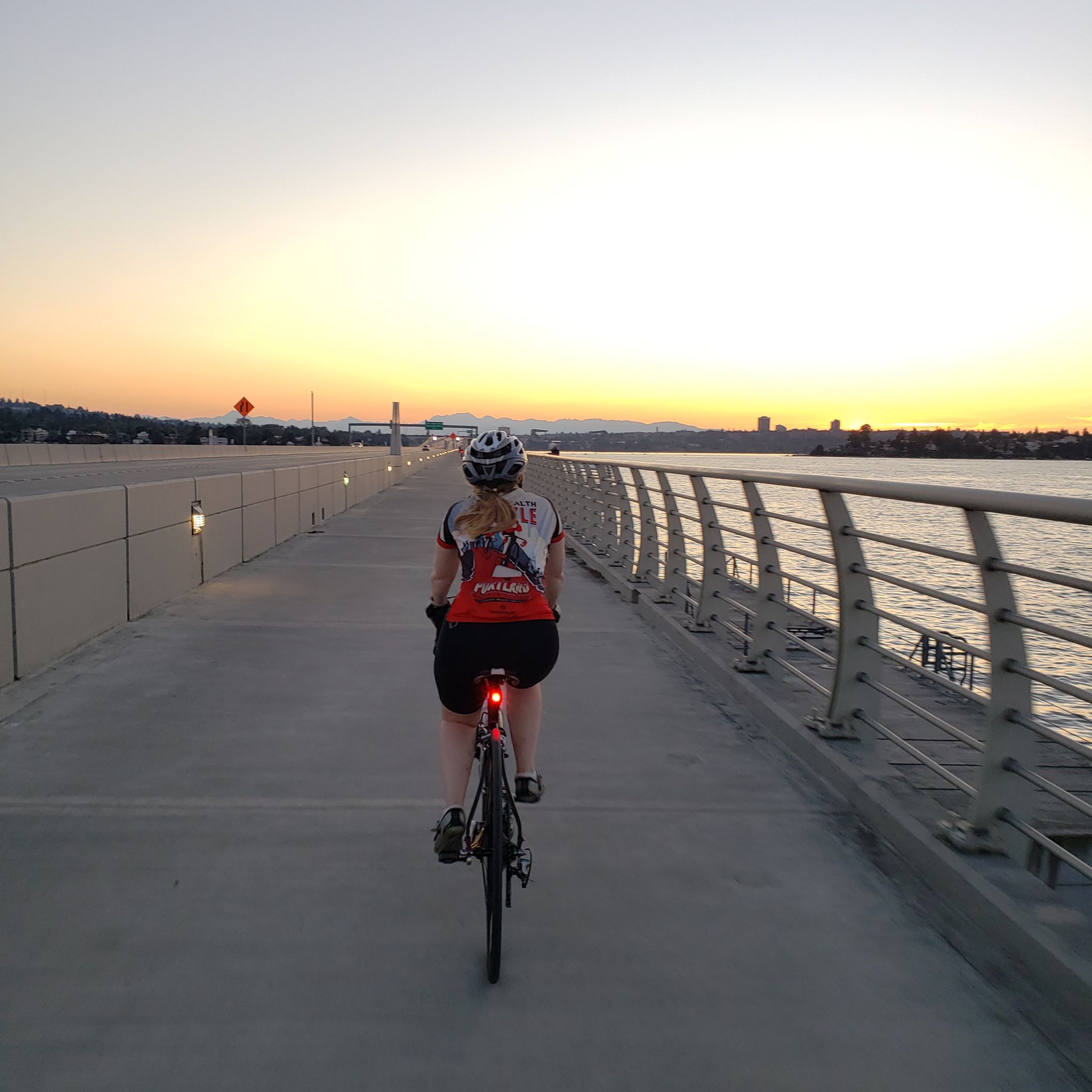
The terrain around Lake Washington is diverse. Many routes feature mostly well-paved surfaces, including segments of the popular Burke-Gilman Trail. You'll also encounter unique experiences like cycling across the I-90 and SR 520 floating bridges, which offer unparalleled views. The landscape includes lush forests, wetlands, and the varied topography shaped by glacial activity.
Which routes offer the unique experience of cycling across floating bridges?
Several routes incorporate the distinctive floating bridges. The Luther Burbank Park – I-90 - East Channel Bridge loop from Mercer Island is a moderate 18.8-mile (30.2 km) path that includes cycling across the I-90 floating bridge, providing panoramic lake views. Another option is the Luther Burbank Park – I-90 - East Channel Bridge loop from Aubrey Davis Park, a moderate 34.7 km (21.6 miles) route also featuring the I-90 bridge.
What are some notable landmarks or viewpoints along the cycling routes?
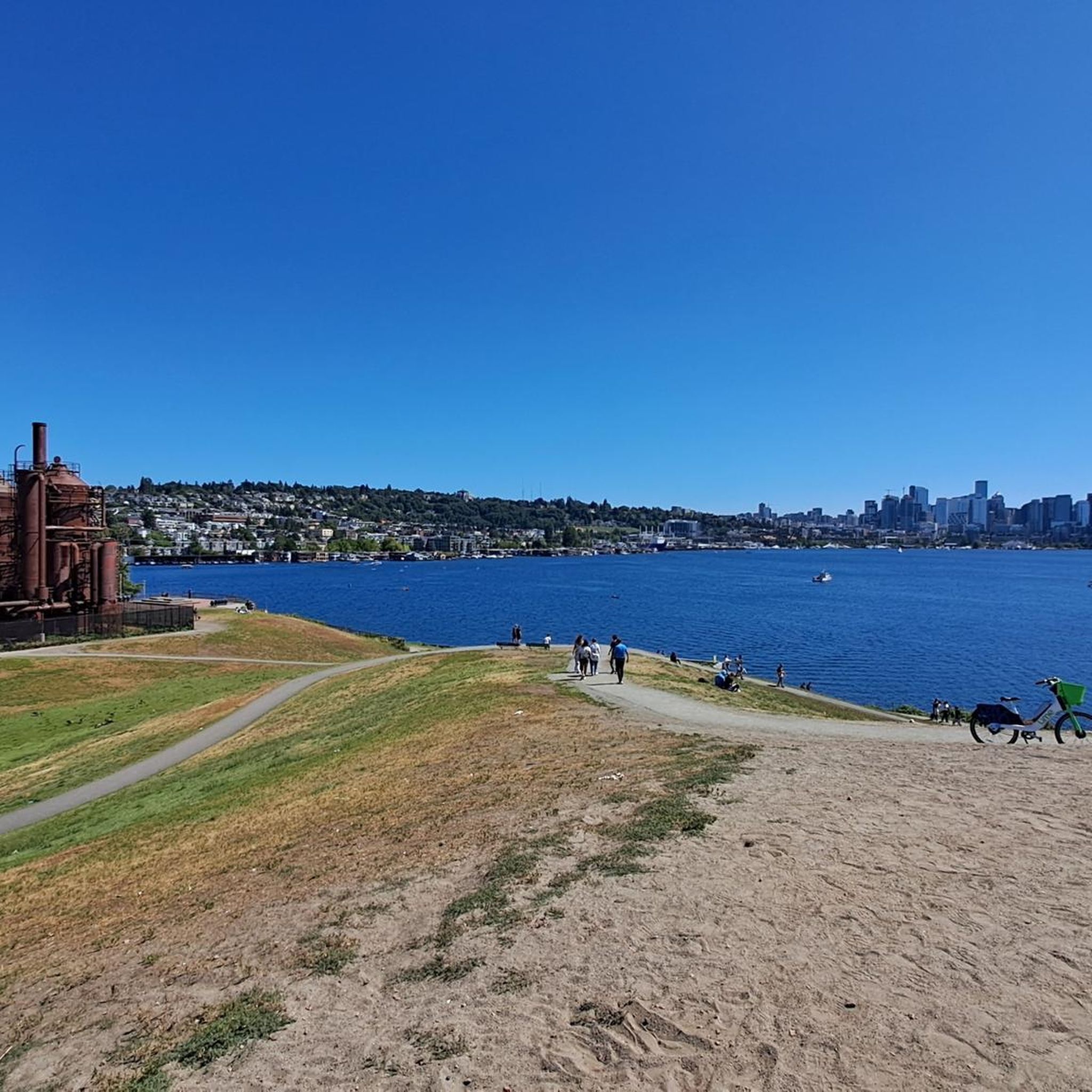
Along the routes, you can enjoy various landmarks and viewpoints. The Gas Works Park offers exceptional views of the lake and Seattle skyline. You might also cross the historic University Bridge or the Montlake Bridge. The I-90 Trail Across Lake Washington provides expansive vistas from the floating bridge itself. For natural beauty, Seward Park features old-growth forests and stunning lake views.
Are there opportunities to see wildlife while cycling around Lake Washington?
Yes, the diverse ecosystem around Lake Washington provides opportunities to spot wildlife. The shores are adorned with lush forests and vibrant wetlands, supporting various species. Cyclists might encounter bald eagles, waterfowl, amphibians, and other local wildlife, especially in areas like Juanita Bay Park or Seward Park.
What do other touring cyclists enjoy most about cycling in Lake Washington?
The area is highly rated by the komoot community, with an average score of 4.5 stars from over 435 reviews. Reviewers often praise the scenic lake views, the unique experience of cycling across floating bridges, and the accessibility of urban parks. The variety of routes, from easy to moderate, also makes it a popular destination for many.
Where can I find parking for Lake Washington bike trails?
Parking is available at various points around the lake, often near parks or trailheads. For example, routes starting from the University of Washington or Mercer Island typically have nearby parking facilities. It's advisable to check specific starting points for detailed parking information before your ride.
Is public transport accessible to the Lake Washington bike trails?
Yes, many areas around Lake Washington are well-served by public transport, making it convenient to access the bike trails. Routes starting from locations like the University of Washington are particularly accessible via public transit, allowing you to reach the starting points without a car.
What is the best time of year to go touring cycling around Lake Washington?
The best time to visit Lake Washington for cycling is generally during the spring, summer, and early autumn months when the weather is mild and precipitation is lower. This allows for comfortable riding conditions and the best enjoyment of the scenic views. While cycling is possible in winter, be prepared for cooler temperatures and potential rain.
Are there any specific natural features to look out for while cycling?
Beyond the lake itself, which is the second largest natural lake in Washington State, you'll encounter breathtaking vistas of the Cascade Mountains to the east and the Olympic Mountains to the west. On clear days, the majestic Mount Rainier is often visible in the distance. The shores also feature lush forests, old-growth trees, sandy beaches, and vibrant wetlands, all contributing to the scenic beauty.
Can I find coffee shops or places to rest along the routes?
Yes, charming lakeside towns such as Kirkland, Medina, and Bellevue are located along the lake's shores and offer numerous opportunities for rest stops, dining, and exploring local shops. Downtown Kirkland, for example, is noted for its coffee shops, providing convenient places to refuel during your ride.
Most popular routes around Lake Washington
Most popular attractions around Lake Washington

Get inspired with the komoot mobile app


Explore more
Browse the best Cycling routes in other regions.
