The best road cycling routes around Černé lake
4.7
(6)
208
riders
5
rides
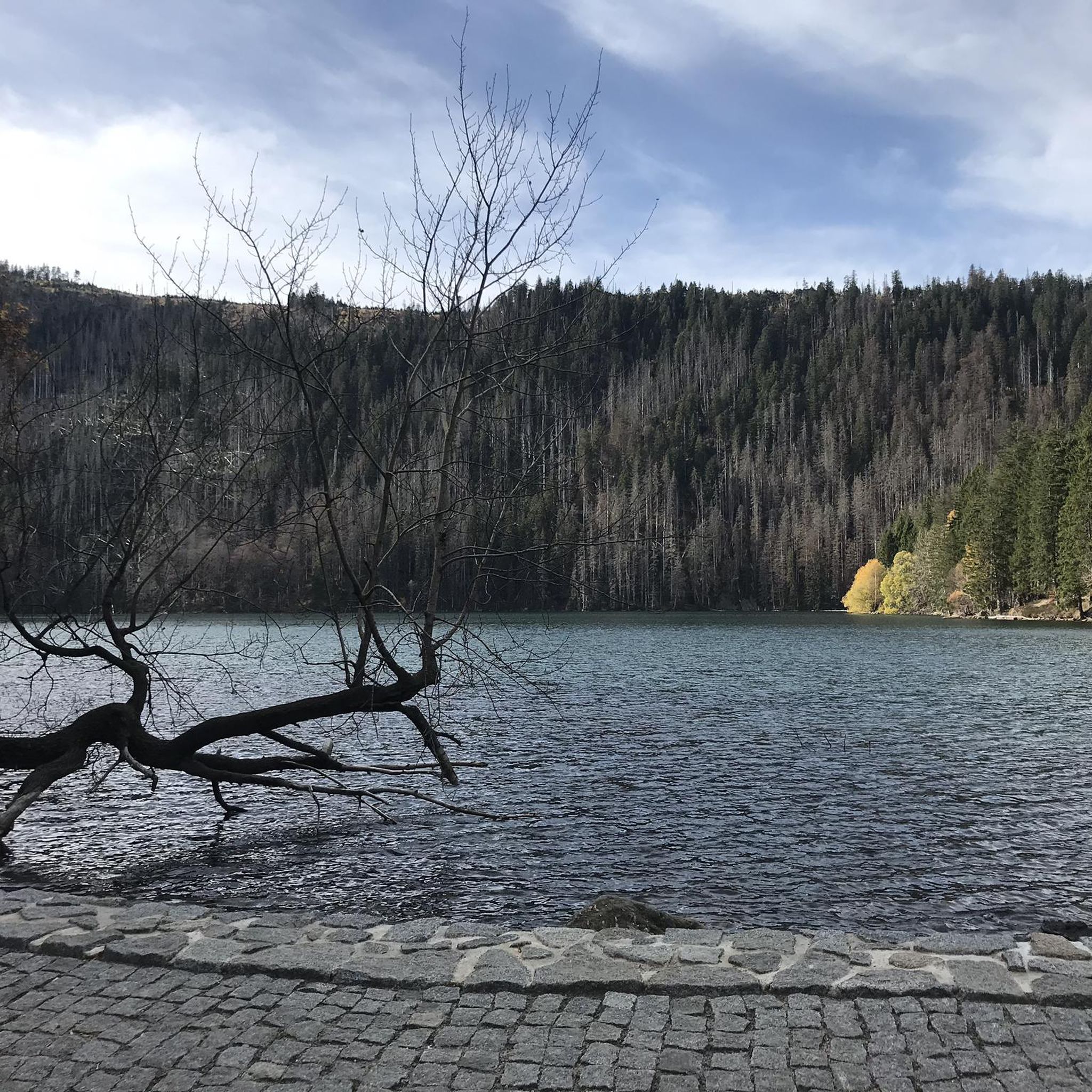
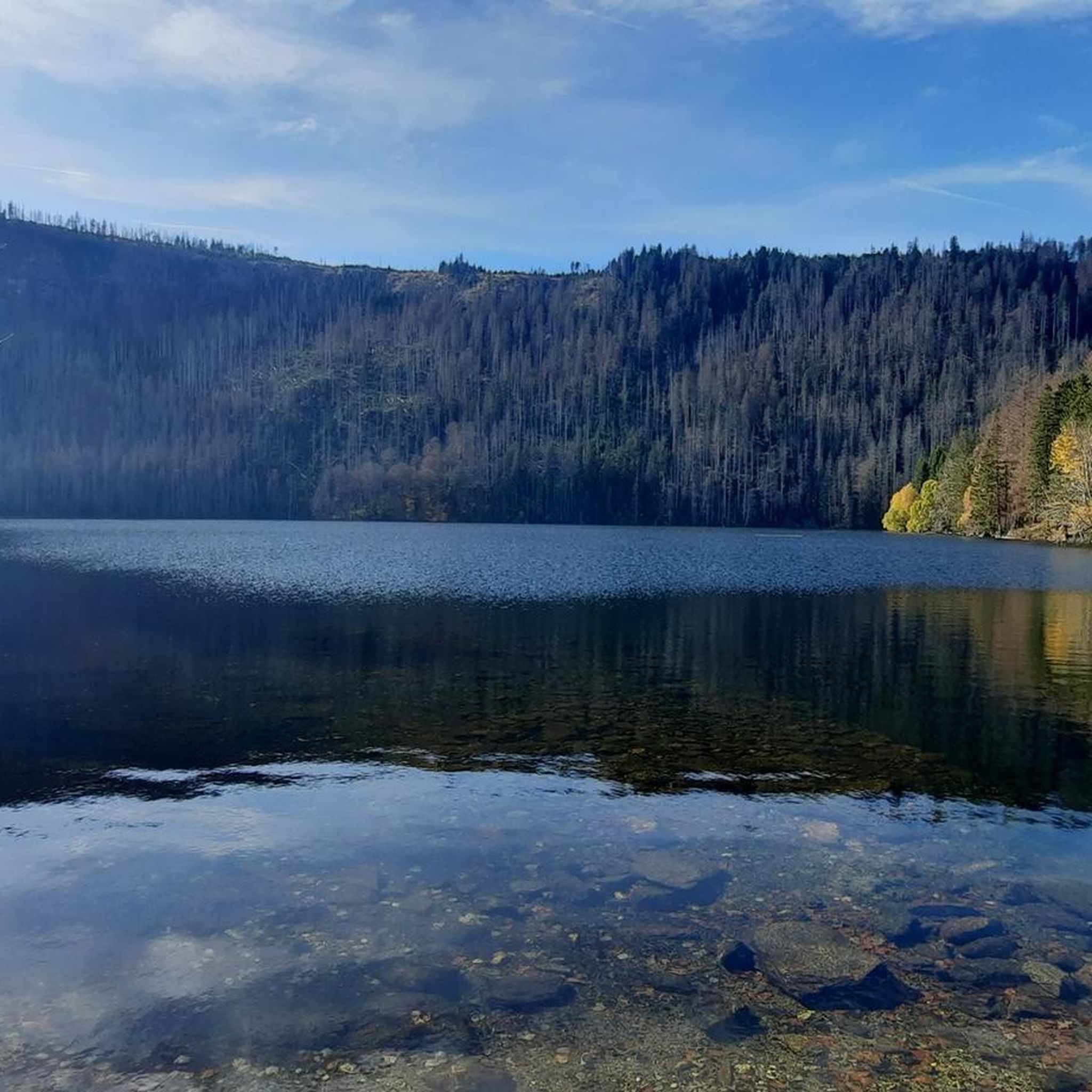
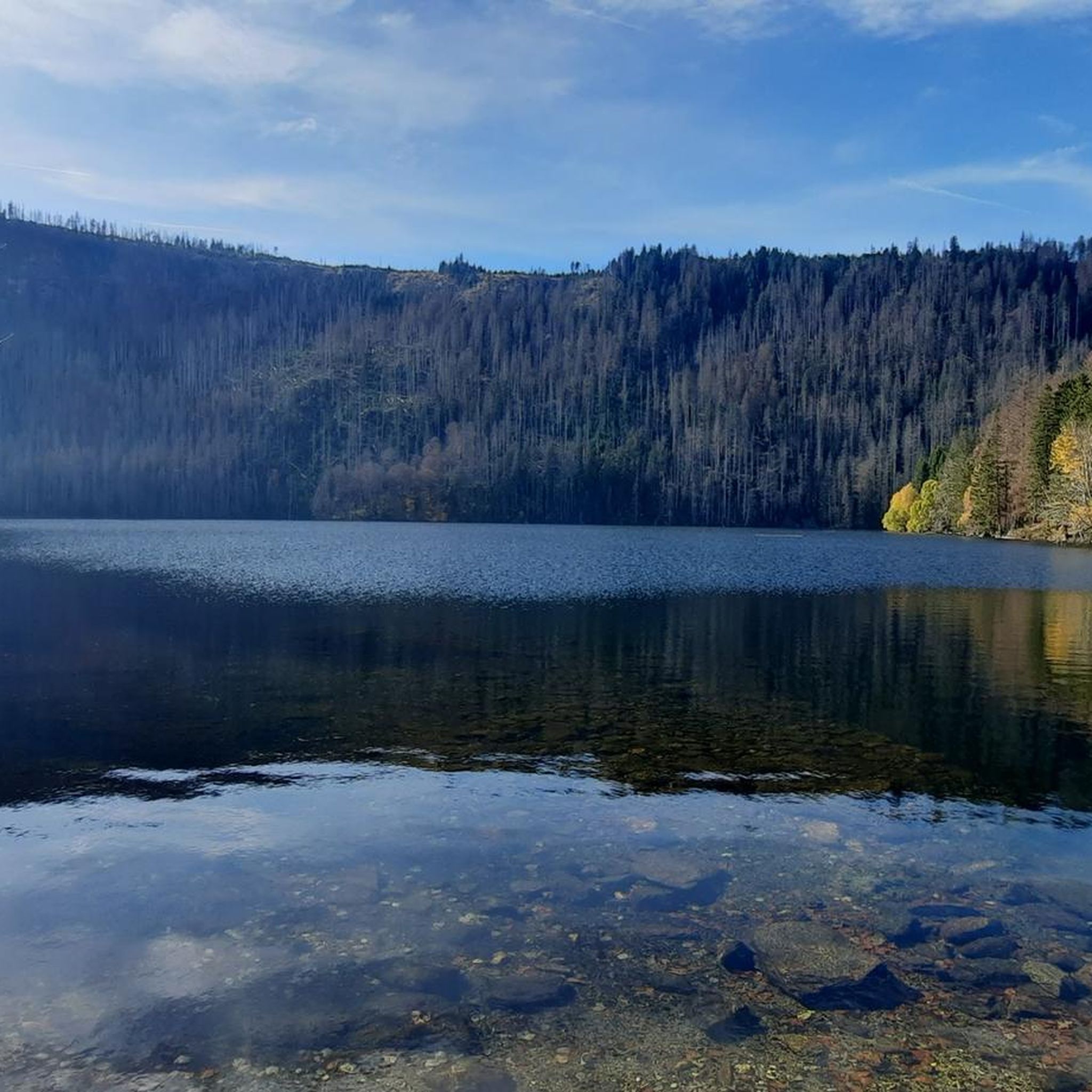
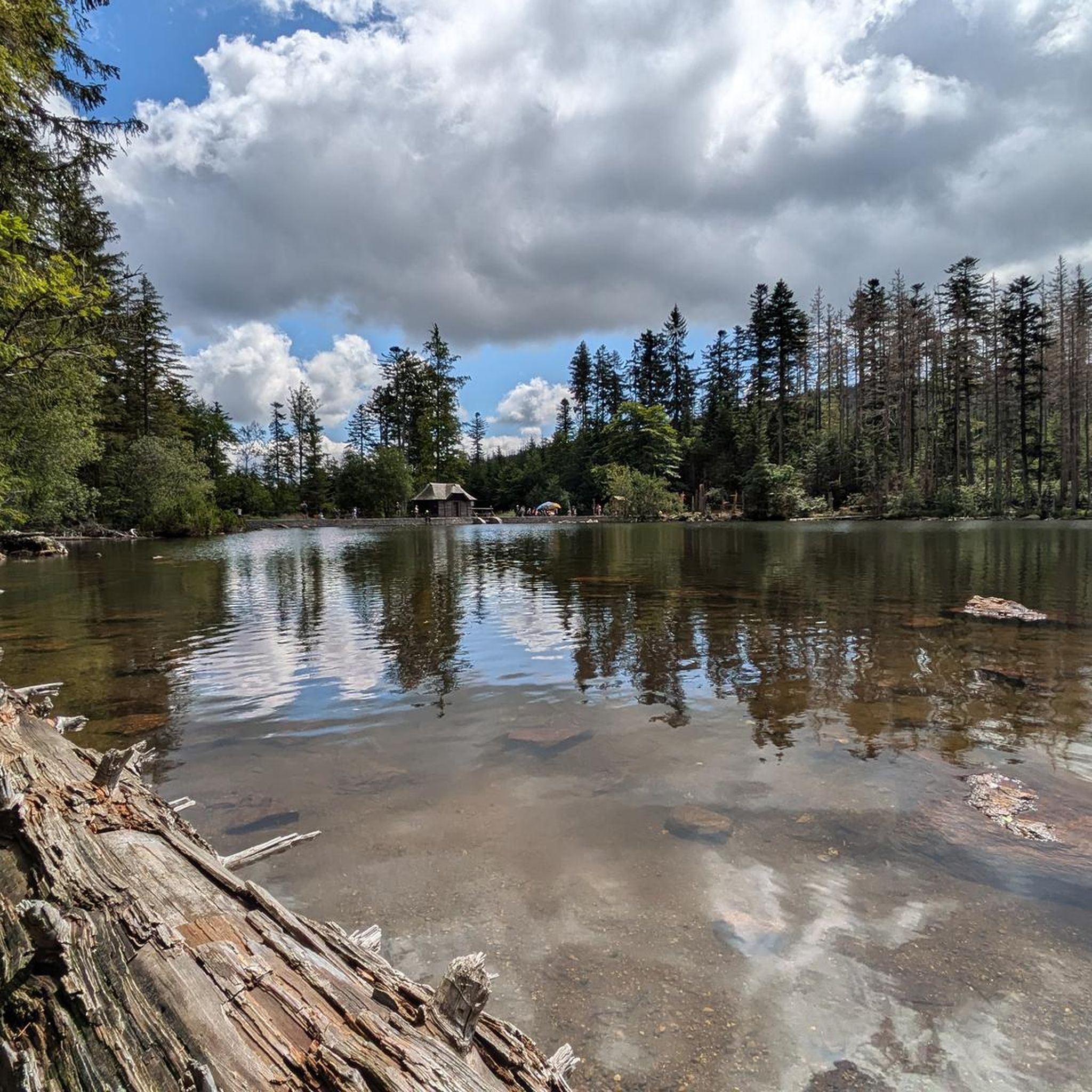
Road cycling routes around Černé lake navigate the largest glacial lake in Bohemia, set within a landscape characterized by a prominent rock face and dense forest shoreline. The region's mountainous surroundings provide varied elevation changes, catering to diverse cycling preferences. Cyclists can find a range of routes, from easier paths to more challenging ascents, exploring the natural features of the Šumava region. The terrain includes both tranquil forest stretches and dramatic vistas.
Best road cycling routes around Černé lake
- The…
Last updated: October 9, 2026
6
riders
28.2km
01:18
260m
260m
Easy road ride. Great for any fitness level. Mostly well-paved surfaces and easy to ride.
4.7
(6)
162
riders
51.9km
02:46
890m
890m
Moderate road ride. Good fitness required. Some segments of this route may be unpaved and difficult to ride.

21
riders
45.9km
02:28
890m
890m
Moderate road ride. Good fitness required. Mostly well-paved surfaces and easy to ride.
13
riders
Moderate road ride. Good fitness required. Some segments of this route may be unpaved and difficult to ride.
6
riders
118km
06:03
1,860m
1,860m
Hard road ride. Very good fitness required. You may need to push your bike for some segments of this route.
Our route recommendations are based on thousands of hikes, rides, and runs completed by other people on komoot.
Start today with a free account
Your next adventure awaits.

Tips from the Community

The Spicak train station is located on the railway line between Pilsen and Eisenstein, which opened in 1877.
0
0

The Roman Catholic Church of the Immaculate Conception and St. Ignatius (Jesuit Church) was built from 1656 onwards on the initiative of the Jesuit order and with the support of noble patrons in the Baroque style. The first mass was celebrated in 1675, but the construction of the church extended over more than a century. Significant architects and artists such as Carlo Lurago, Giovanni Domenico Orsi, Kilián Ignác Dientzenhofer, and Jan Hiebel contributed significantly to the design of the building. The church acquired its present appearance in 1817.
5
0
For centuries, it has been tradition for the tower keeper from the top of the Černá věž not only to watch over the city and its surroundings, but also to announce the time to the residents with trumpet calls. To this day, the trumpet signals can be heard every full hour. However, they now come from a tape recording. Until 1962, tower keeper Antonín Kubík, whose family had held the position for generations, performed this duty. Since the last real tower keeper retired, the melody - recorded by Kubík himself - has been played from tape, every full hour between 9 PM and 2 AM, in all four directions.
5
0
The late Gothic bell tower with clockwork and observation platform at Náměstí Míru (Peace Square) stands right next to the Renaissance town hall. It is a distinctive landmark of the city. The tower rises 81.6 meters high. The observation platform is at a height of about fifty meters and is accessible via 226 steps. In 1547, the then flourishing royal town commissioned the Italian architect Antonio de Sala to build the tower. He was to build it not only for defense purposes, but also as a testament to the city's wealth. In 1557, the tower was finished. In 1583, a bell was hung. It is so heavy that it can only be swung by two men.
5
0
Construction of the Roman Catholic pilgrimage church Mariä Geburt began at the end of the 13th century. Thanks to financial support from Rome, it was extended in the 14th and 15th centuries on the advice of Pope Boniface XI. In 1581, a bell tower, the so-called White Tower, was added, which was destroyed by fire several times and subsequently rebuilt. The church is an important pilgrimage site. Here, above the main altar, hangs a copy of the miraculous image of the Virgin Mary, which allegedly began to bleed on July 8, 1685.
4
0

... last ice cream parlor before the train station and before the Großer Osser ... M
0
0
The border station Bayerisch Eisenstein is a historic building of European significance, where the state border between Germany and the Czech Republic runs right through the station building. It was built in 1877 as a joint station, lost its function due to the Iron Curtain in the Cold War, and has served again as an active, tourist-oriented railway hub in the Bavarian Forest since its reopening in 1991.
15
0

The ice cream tastes very good here and the prices are also good for the size of the scoops.
0
0
Frequently Asked Questions
What kind of terrain can I expect on road cycling routes around Černé lake?
The region around Černé lake offers diverse terrain for road cycling. You'll find routes with varied elevation changes, from gentle gradients through forests to more challenging ascents in mountainous surroundings. The landscape features the glacial lake itself, dense forest shorelines, and dramatic rock faces, providing a mix of tranquil stretches and scenic challenges.
Are there road cycling routes suitable for beginners around Černé lake?
Yes, there are routes suitable for beginners. For instance, the Roadbike loop from Špičák is an easy route with gentle gradients, perfect for those new to road cycling in the area. It covers 17.2 miles (27.6 km) and takes about 1 hour 13 minutes.
What options are available for experienced road cyclists seeking a challenge?
Experienced road cyclists can find challenging routes with significant elevation changes. The Nova Hurka Highway – Nýrsko Reservoir loop from Železná Ruda centrum is a difficult route spanning over 72 miles (116 km) with substantial climbing, offering a demanding ride through the mountainous terrain.
What natural features or landmarks can I see while road cycling around Černé lake?
While road cycling, you'll encounter the stunning natural beauty of the region. The central feature is Černé Jezero (Black Lake) itself, the largest glacial lake in Bohemia, framed by a prominent rock face and dense forest. You might also pass by Schwarzen See, another beautiful lake in the vicinity.
Where can I park my car when road cycling around Černé lake?
Parking is generally available at common starting points for routes, such as near Špičák or Bahnhof Bayerisch Eisenstein / Železná Ruda - Alžbětín. These locations often serve as hubs for outdoor activities, making them convenient for cyclists.
Is public transport available to reach the road cycling routes, especially with a bike?
Public transport options, including 'cyklobus' services (bike buses), are often available in the Šumava region during peak seasons. These services can transport you and your bike to popular starting points like Špičácké sedlo, allowing access to various road cycling routes around Černé lake.
What is the best season for road cycling around Černé lake?
The best season for road cycling around Černé lake is typically from late spring through early autumn (May to October). During these months, the weather is generally mild, and the routes are clear of snow and ice, offering optimal conditions to enjoy the scenic landscapes.
Can I road cycle around Černé lake in winter?
Road cycling around Černé lake in winter can be challenging due to snow and ice, especially on higher elevation routes and shaded forest paths. Many roads may be impassable or require specialized winter cycling equipment. It's advisable to check local conditions before planning a winter ride.
Are there family-friendly road cycling routes around Černé lake?
While the region offers varied terrain, some routes with gentler gradients, like the Roadbike loop from Špičák, can be suitable for families with older children or those looking for a less strenuous ride. Always check the route's difficulty and elevation profile to ensure it matches your family's capabilities.
What do other road cyclists enjoy the most about road cycling in Černé lake?
The road cycling routes around Černé lake are highly rated by the komoot community, with an average score of 4.5 stars. Cyclists often praise the stunning glacial lake views, the tranquility of the dense forests, and the varied terrain that offers options for all ability levels, from easy loops to challenging climbs.
Are there cafes or restaurants near the road cycling routes around Černé lake?
Yes, you can find cafes and restaurants in nearby towns and villages, such as Železná Ruda, which often serve as starting or ending points for many routes. These establishments provide opportunities for refreshments and meals during or after your ride.
How many road cycling routes are available around Černé lake?
There are 5 road cycling routes detailed in this guide around Černé lake, offering a range of distances and difficulties. In total, the komoot community has contributed to over 5 road cycling tours in the area, providing diverse options for exploration.
Most popular routes around Černé lake
Most popular attractions around Černé lake

Get inspired with the komoot mobile app


Explore more
Browse the best Road cycling routes in other regions.
