The best MTB trails around Crinitz
4.6
(58)
72
riders
15
rides
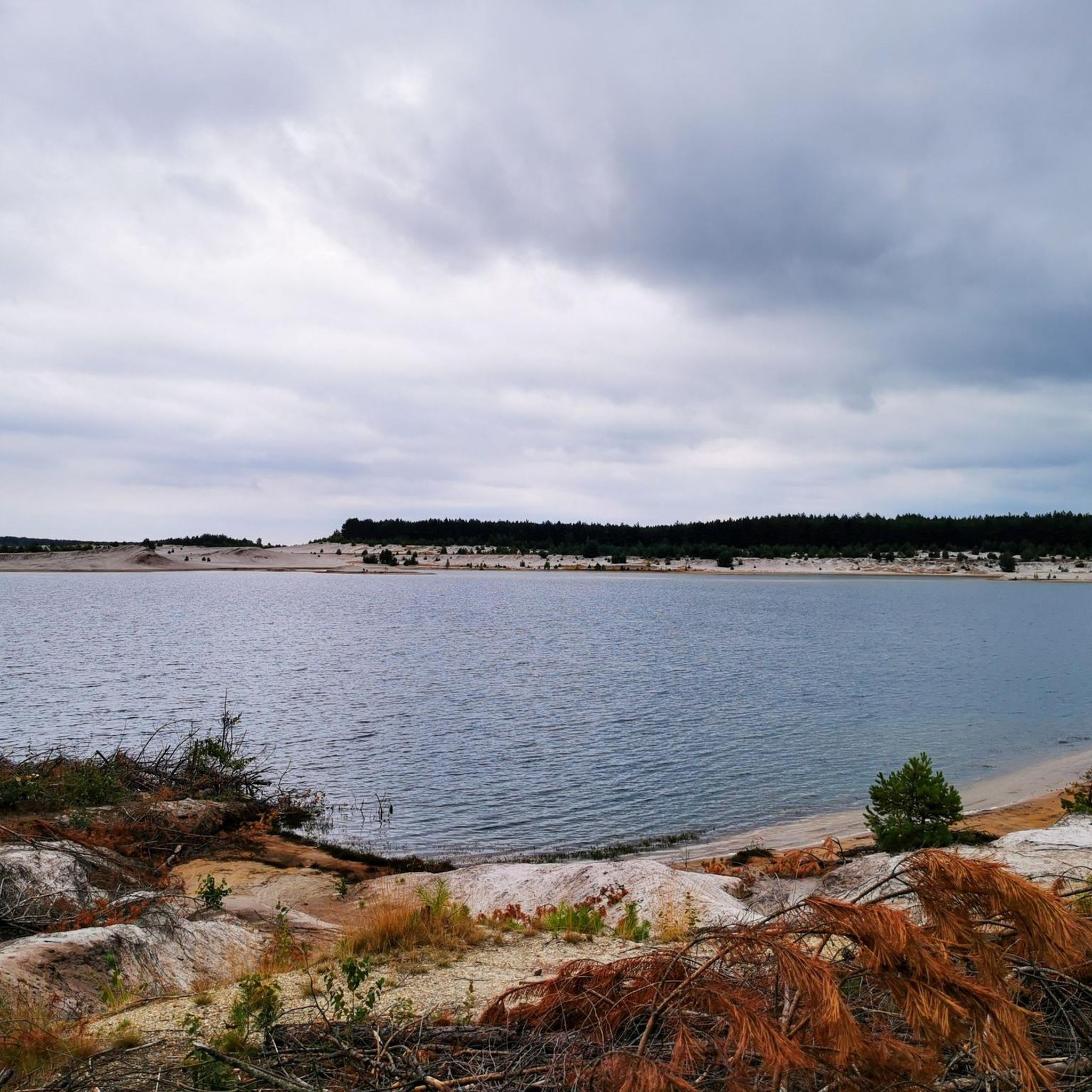
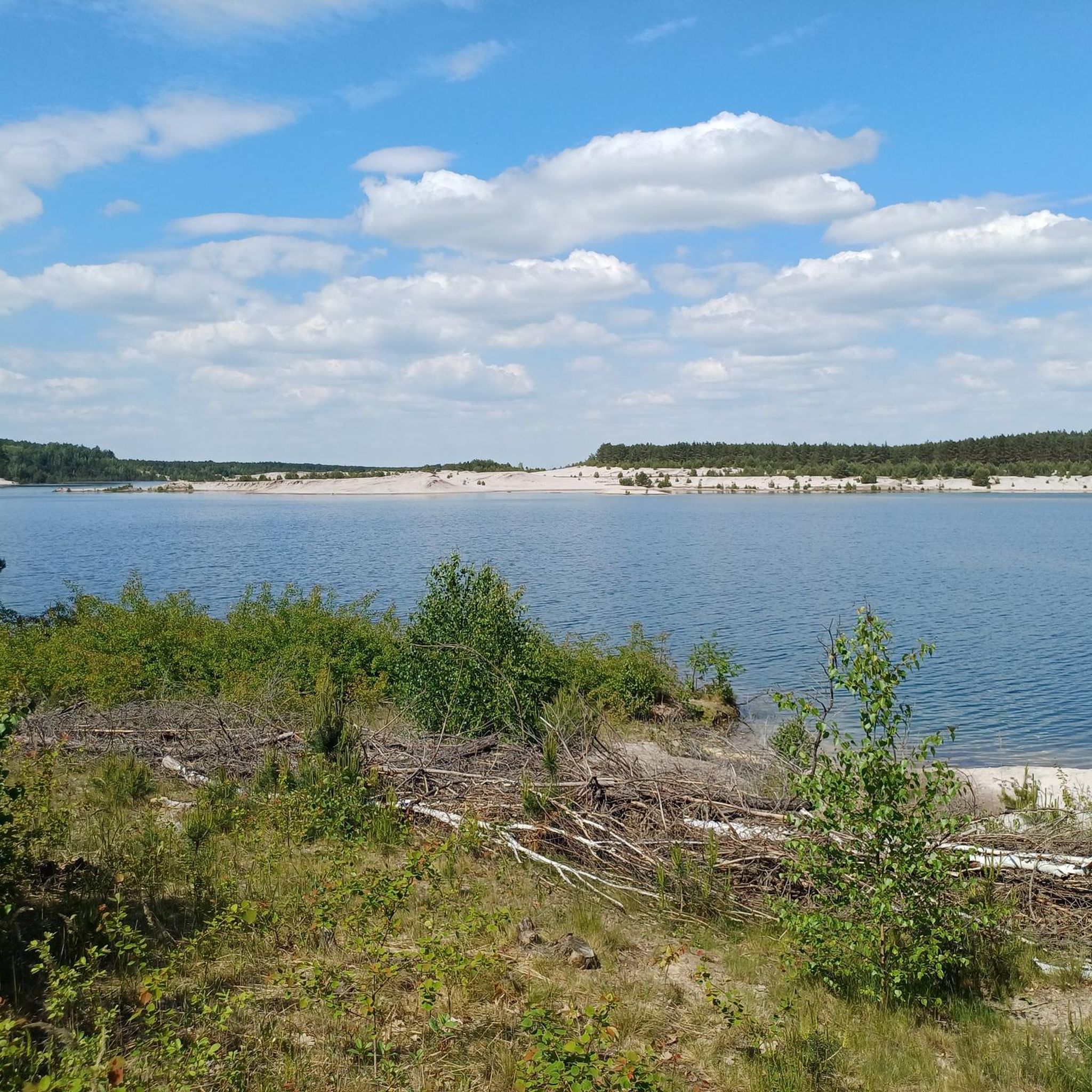
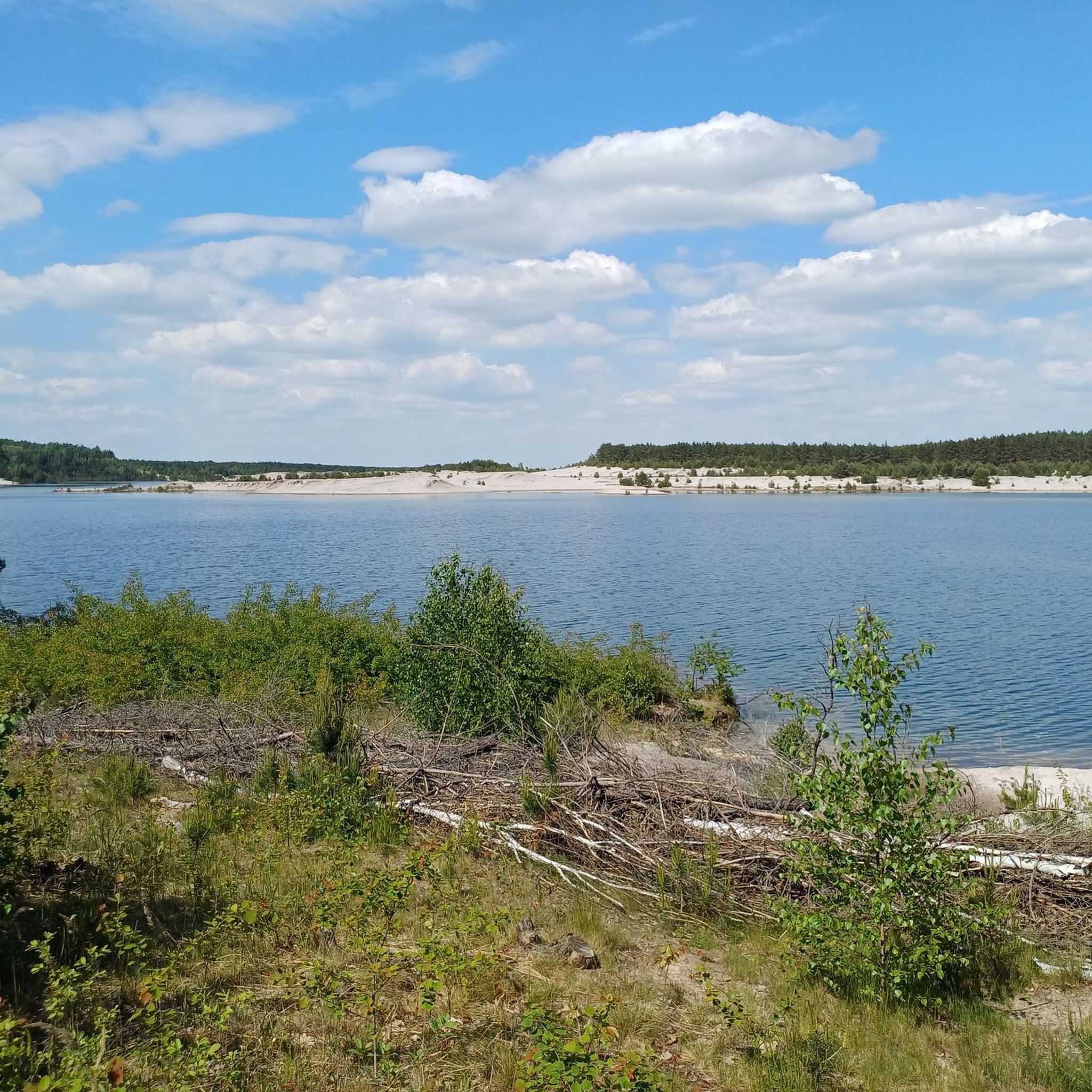
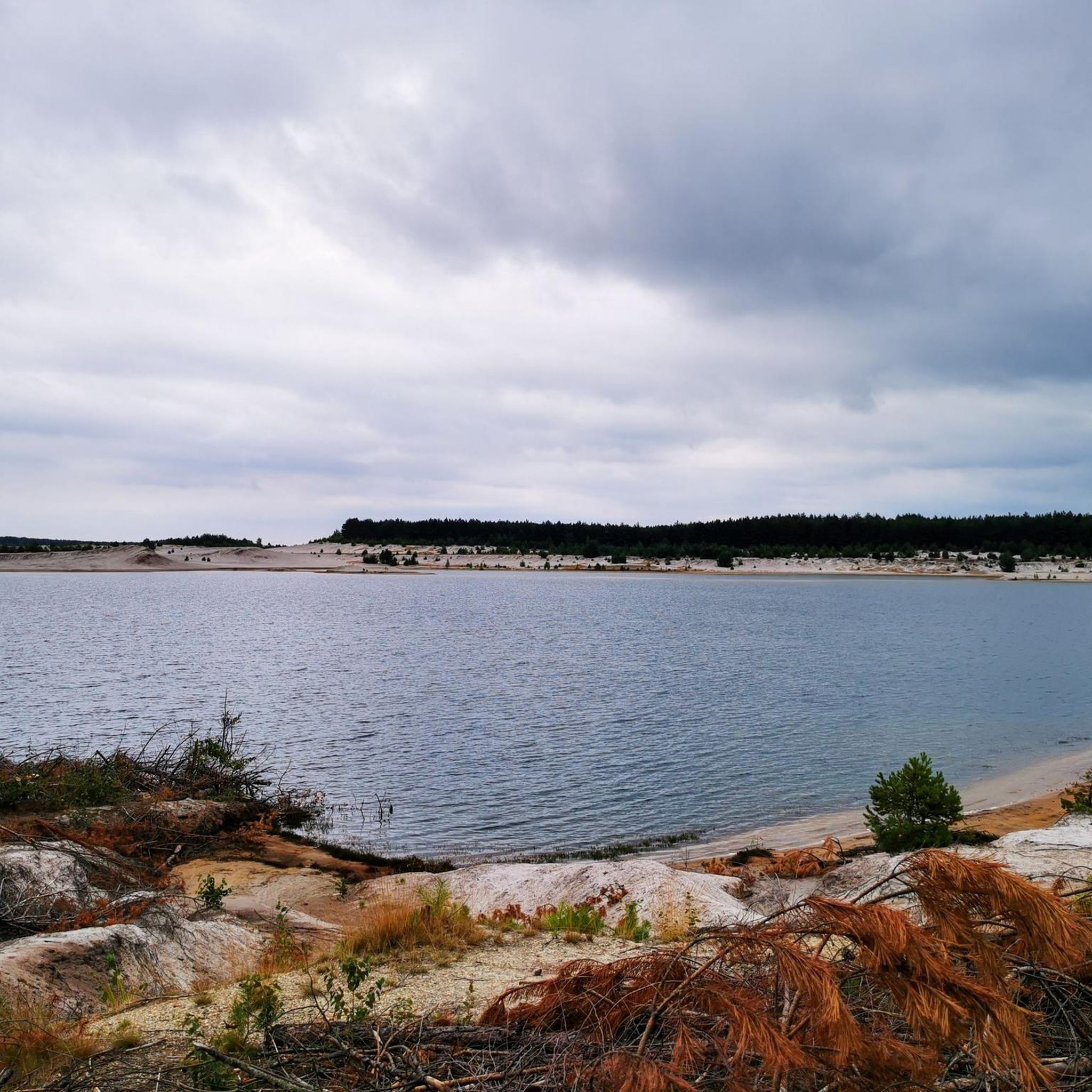
Mountain biking around Crinitz offers diverse landscapes characterized by expansive forests, open meadows, and agricultural fields. The region features notable natural elements such as the Großer Teich, Kleiner Teich, and Stiebsdorfer Lake, providing varied scenery for rides. The terrain includes areas of ecological transformation, with dunes and new forests formed from former coal mining sites. This combination of natural and reconstructed landscapes creates a varied environment for mountain biking.
Best mountain bike trails around Crinitz
- The most popular mountain bike…
Last updated: June 27, 2026
4.5
(15)
43
riders
Moderate mountain bike ride. Good fitness required. Advanced riding skills necessary.
5.0
(2)
4
riders
Moderate mountain bike ride. Good fitness required. Suitable for all skill levels.

Sign up for free
3
riders
Moderate mountain bike ride. Good fitness required. Suitable for all skill levels.
3.0
(1)
2
riders
28.1km
01:42
150m
150m
Easy mountain bike ride. Great for any fitness level. Suitable for all skill levels.
5.0
(1)
3
riders
Easy mountain bike ride. Great for any fitness level. Suitable for all skill levels.
Get access to more routes and recommendations from other explorers.
Sign up for free
Already have an account?
Our route recommendations are based on thousands of hikes, rides, and runs completed by other people on komoot.
Start today with a free account
Your next adventure awaits.
Login or Signup
Tips from the Community

Privately owned since 2025. Cannot be visited. There is also no restaurant or cafe. But the castle park is open to visitors.
0
0

In 2025, facade murals were created by certified restorer Stephanie Mai as part of a funded project at the Finsterwalder Brauhaus, in Birkwalde, Sonnewalde, Breitenau, Brenitz, as well as in Münchhausen, Ponnsdorf, and Gröbitz. For example, in Brenitz near Sonnewalde, 5,000 years of village history and myths are visible over 20 meters along the facade of the fire station. Or in Ponnsdorf: Here, among other things, agricultural life is commemorated with the threshing machine in the barn and the pranks of the boys who brought a ladder cart and manure onto the roof. The individual stations are located in Gröbitz at the community center, in Münchhausen next to the cemetery, in Breitenau at the fire station, in Birkwalde at the microwave, in Sonnewalde in front of the park stage, in Brenitz at the exit of the village towards Friedersdorf, in Ponnsdorf next to the playground, and finally in Finsterwalde at the brewery.
0
0

Pause for a moment and just swing
0
0

Very beautiful old church
2
0
The organ located on the western gallery was built between 1672 and 1673 by the Leipzig organ builder Christoph Donat. It is one of the most important historic organs in Brandenburg. The facade was probably created by Christian Mätzschke. The instrument was rebuilt in 1873 and reconstructed, restored, and expanded by Schuke Orgelbau from 1959 to 1977. Reconstruction of the various construction stages The slider-chest instrument has 44 stops on three manuals and a pedal. The action is mechanical.[1][2] The organ features mechanical elements that are activated when played. For example, angel figures guide trumpets to their mouths, and the sun and moon begin to rotate. Source: https://de.wikipedia.org/wiki/Sankt-Nikolai-Kirche_(Luckau)
2
0
In the church's choir is an altarpiece dating from 1670. It was made by the Doberlug-based cabinetmaker Abraham Jäger. The painting was done by Christoph Krause from Großenhain. Abraham Jäger also created the wooden baptismal font, which is located in the center of the choir. Andreas Schultze from Torgau created the gilded pulpit between 1664 and 1666 as his masterpiece. Christian Mätschke from Leipzig was responsible for the painting and gilding. While the pulpit steps, the supports, and the pulpit basket were made of sandstone, the pulpit door and the sounding board were made of wood. The church also contains various epitaphs and tombstones dating from the period between 1750 and 1850. Galleries with boxes are built into the side aisles. Source: https://de.wikipedia.org/wiki/Sankt-Nikolai-Kirche_(Luckau)
3
0
The first documented mention of a church dedicated to St. Nicholas and St. Mary in Luckau dates back to 1291. However, only the western portal, consisting of a pointed arch, and the tower base constructed of granite ashlars have survived from this period. Construction of the nave was completed in the middle of the 14th century, but was replaced in the same century by a three-aisled nave with five bays. The western towers were also now built of brick, with only the granite base remaining. After 1375, further extensive renovations took place. A sacristy was added to the north side. In particular, the nave was extended by four bays to the east. The nave was given a three-sided chancel enclosure, the side aisles were built around the chancel, and the ambulatory was enclosed on five sides. The church's western gable was added in the 15th century. Furthermore, the building received a steep gable roof. It was vaulted with pear-shaped ribs. A chapel was built on the north side, which was raised to two stories after a fire in 1477. By connecting the outward-projecting buttresses, four additional small chapels were created on the south side of the building. In 1644, another fire occurred, in which the church building suffered severe damage and, in particular, the original medieval furnishings were lost. Reconstruction of the church began in 1656 and ultimately lasted until 1770. The south tower, which collapsed in the fire, was rebuilt by Christian Bärgt. Hans Petzsch, a master mason from Korbitz, installed simple cross vaults in the central eastern part of the building in 1670. Upon completion, the interior of the church was plastered and whitewashed. The choir portal features sharpening grooves (pest grooves) and small bowls. In December 2005, St. Nicholas' Church was named "Monument of the Month" by the "Cities with Historic City Centers" working group. The church was named "Monument of the Month" by the "Cities with Historic City Centers" working group. Source https://de.wikipedia.org/wiki/Sankt-Nikolai-Kirche_(Luckau)
3
0
St. Nicholas Church is a three-aisled brick church in Luckau. It is one of the most important Gothic hall churches in Brandenburg and belongs to the Protestant church district of Lower Lusatia. Source: https://de.wikipedia.org/wiki/Sankt-Nikolai-Kirche_(Luckau)
3
0
Frequently Asked Questions
What kind of terrain can I expect on mountain bike trails around Crinitz?
The region around Crinitz offers a varied landscape for mountain biking. You'll encounter expansive forests, open meadows, and agricultural fields. There are also areas of ecological transformation, featuring dunes and new forests that have formed from former coal mining sites, providing a unique riding experience.
How many mountain bike trails are available in Crinitz?
There are 15 mountain bike trails around Crinitz listed on komoot. These routes cater to various skill levels, with 4 easy, 7 moderate, and 4 difficult options.
Are there any easy mountain bike trails suitable for beginners in Crinitz?
Yes, Crinitz offers 4 easy mountain bike trails. An example is the View of Stiebsdorfer Lake – Beesdau Castle loop from Riedebeck, which is 28.1 km long and takes approximately 1 hour 42 minutes to complete.
What are the most common trail difficulties in Crinitz?
The majority of mountain bike trails in Crinitz are rated as moderate. There are 7 moderate routes, alongside 4 easy and 4 difficult options, ensuring a good range for different fitness and skill levels.
What natural features or landmarks can I see while mountain biking in Crinitz?
Many routes offer views of the notable Stiebsdorfer Lake, Großer Teich, and Kleiner Teich. You can also explore areas like the Heinz Sielmann Nature Experience Centre Wanninchen, which showcases a unique landscape formed from former coal mining, or visit the Borcheltsbusch Observation Tower for birdwatching opportunities.
Are there any castles or historical sites accessible by mountain bike near Crinitz?
Yes, you can incorporate historical sites into your rides. For instance, the View of Stiebsdorfer Lake – Fürstlich Drehna Castle loop from Fürstlich Drehna passes by Fürstlich Drehna Castle. Another route, the View of Stiebsdorfer Lake – Beesdau Castle loop from Riedebeck, offers views of Beesdau Castle.
What do other mountain bikers say about the trails in Crinitz?
The mountain bike trails in Crinitz are highly rated by the komoot community, with an average score of 4.6 stars from more than 20 reviews. Riders often praise the varied terrain, the scenic views of the lakes, and the well-maintained paths through forests and meadows.
Are there any circular mountain bike routes in Crinitz?
Yes, many of the mountain bike trails around Crinitz are designed as loops. Examples include the View of Stiebsdorfer Lake – Stiebsdorfer Lake loop from Töpfermarkt Chrinitz and the Stiebsdorfer Lake – Bench at the Orchard Meadow loop from Töpfermarkt Chrinitz, both offering extensive rides through the local landscape.
What is the best time of year for mountain biking in Crinitz?
Crinitz offers diverse landscapes suitable for mountain biking throughout much of the year. The forests, meadows, and fields provide pleasant riding conditions in spring, summer, and autumn. The region is also known for birdwatching, particularly cranes, which can be observed almost year-round, adding to the seasonal appeal.
Are there opportunities for nature observation while mountain biking in Crinitz?
Absolutely. The region is rich in natural beauty and ecological significance. The Heinz Sielmann Nature Experience Centre Wanninchen and the Borcheltsbusch Observation Tower are excellent spots for birdwatching, especially for cranes and other migratory birds, making your ride an opportunity to connect with nature.
What is the typical duration for a mountain bike ride in Crinitz?
Ride durations vary depending on the trail and your pace. For example, a moderate route like the View of Stiebsdorfer Lake – Stiebsdorfer Lake loop from Töpfermarkt Chrinitz, which is 49.9 km long, typically takes around 3 hours and 3 minutes to complete.
Most popular attractions around Crinitz

Get inspired with the komoot mobile app


Explore more
Browse the best MTB trails in other regions.
