The best MTB trails in the Crete
4.5
(944)
4,069
riders
279
rides
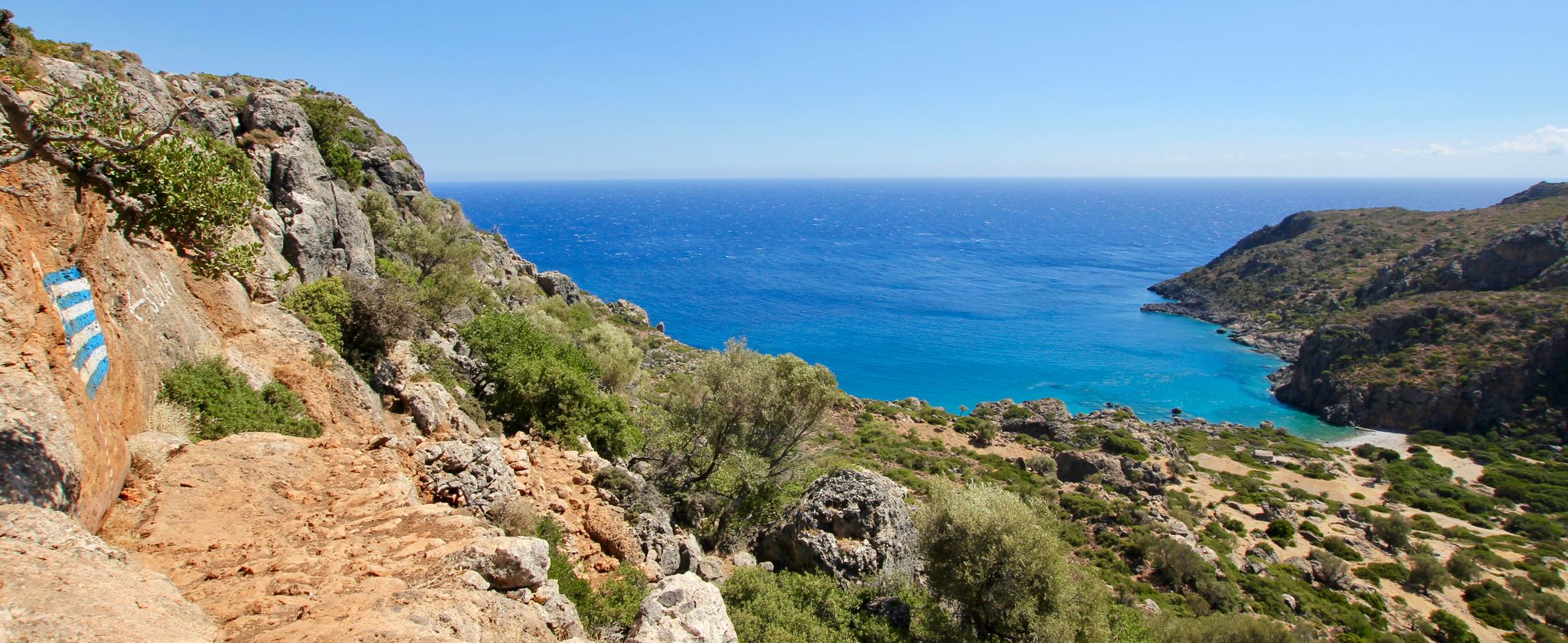
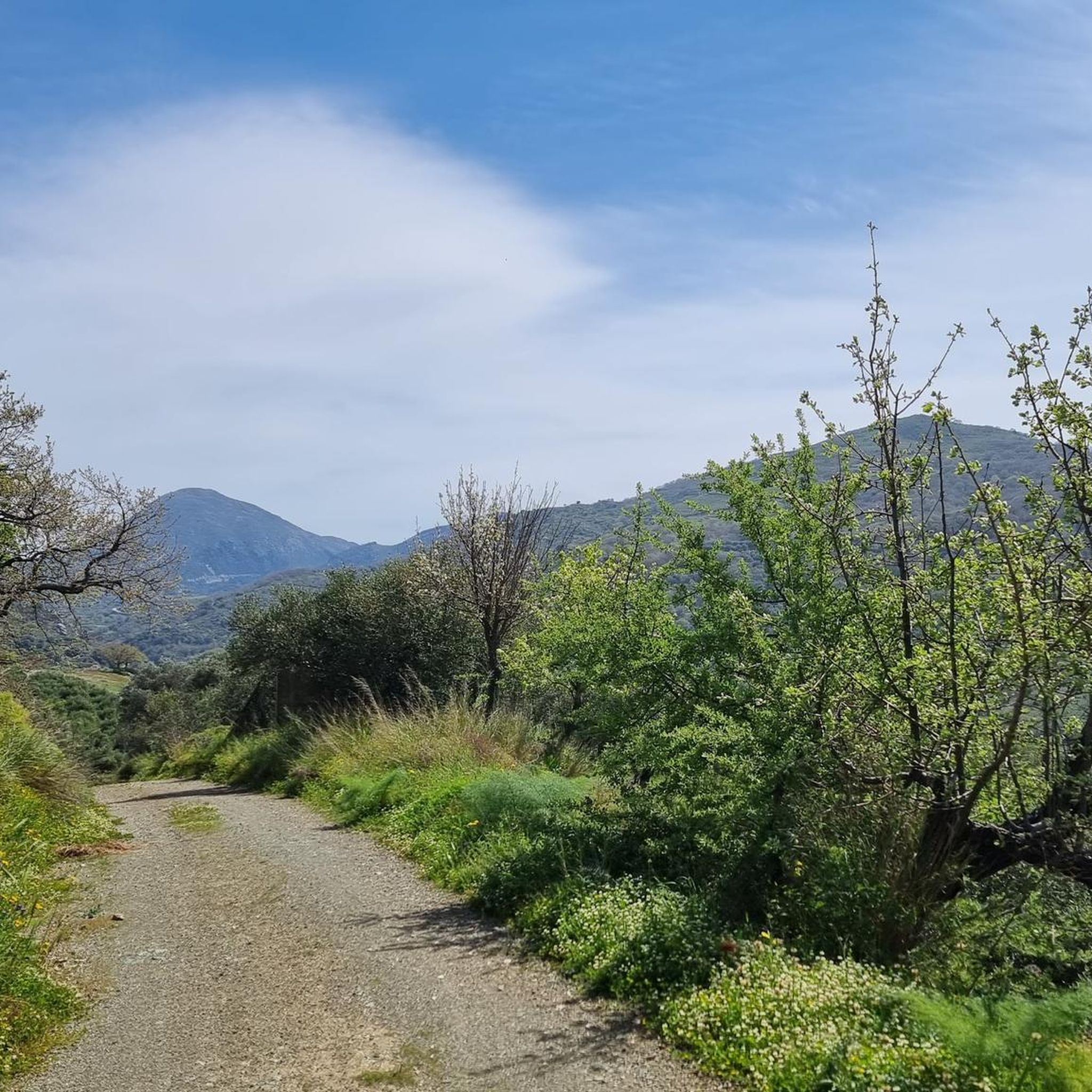
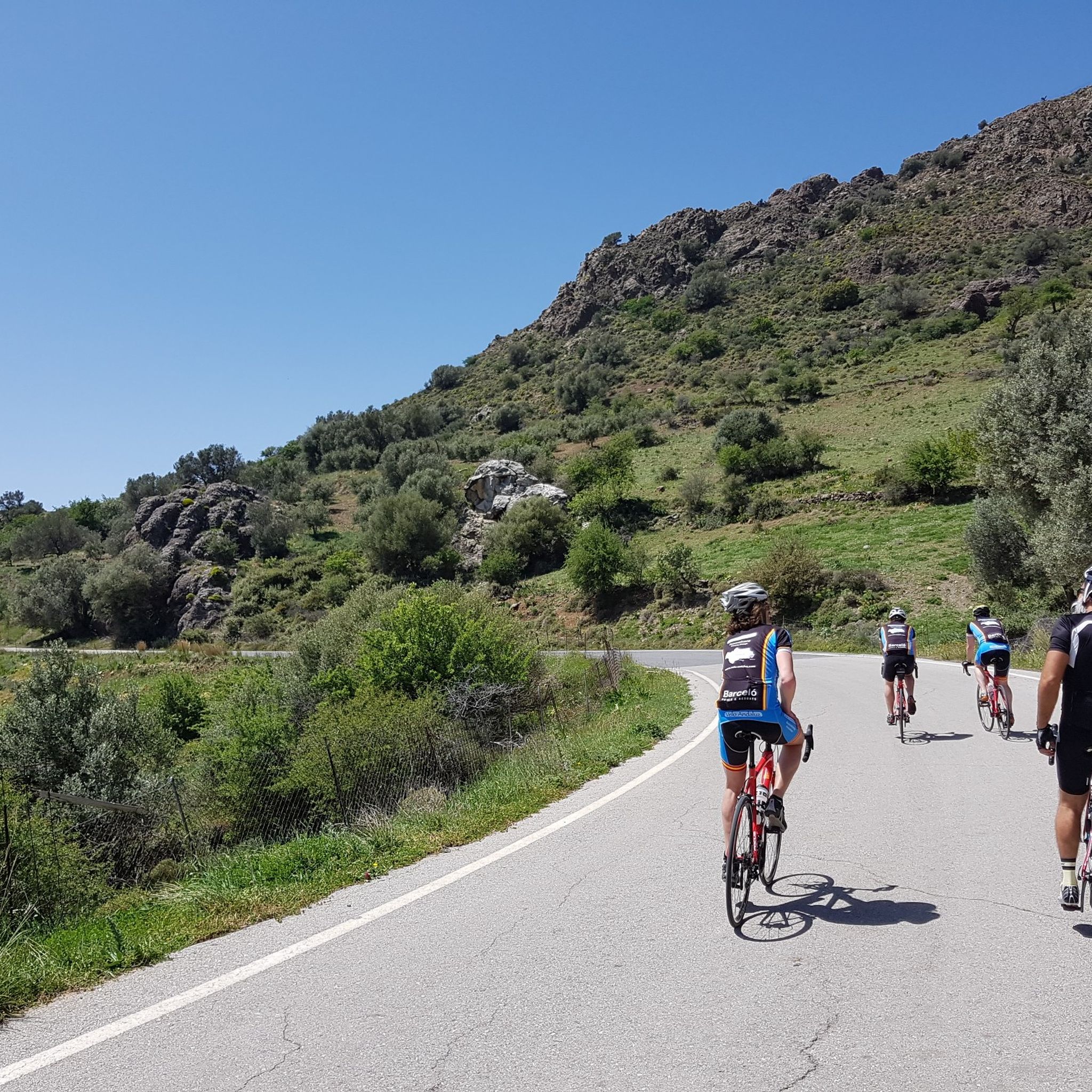
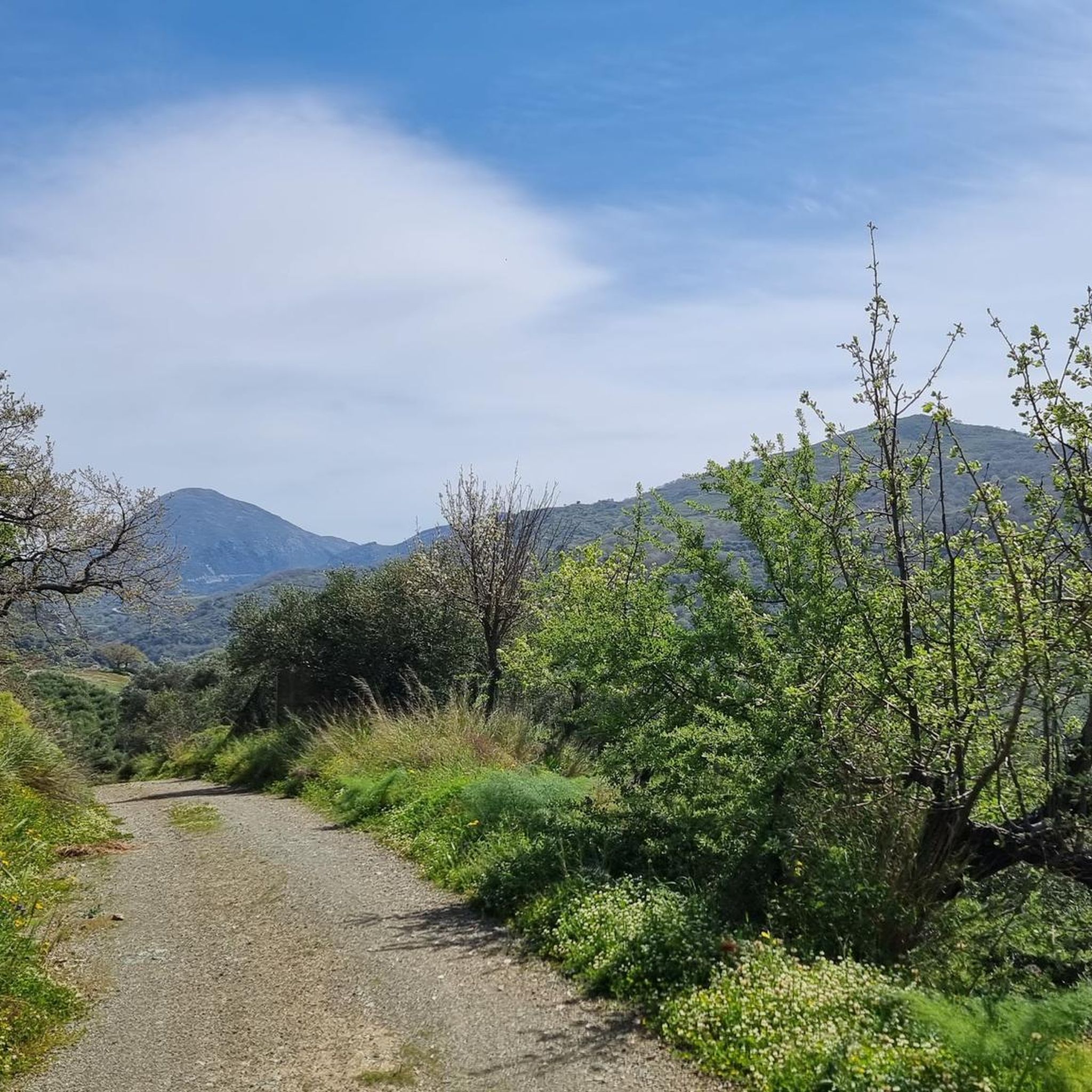
Mountain biking in the Crete offers diverse and rugged landscapes, making it a notable destination for outdoor activities. The island's interior features rocky mountains and plateaus, providing varied terrain for mountain bike trails. Routes often traverse dirt roads, goat tracks, and single-track paths, leading through olive groves, past villages, and into natural areas. This varied topography includes significant elevation changes and technical sections, catering to different skill levels.
Best mountain bike trails in the Crete
- The most popular mountain bike trail is Hersonissos Village Square – View of Malia and the coast loop from Analipsi, a 27.2 miles (43.9 km) trail that takes 2 hours 53 minutes to complete, offering views of the coast and Malia.
- Another top favourite among local mountain bikers is View of Malia and the coast – Hersonissos Village Square loop from Malia, a moderate 28.3 miles (45.6 km) path that winds through the landscape with coastal vistas.
- Local mountain bikers also love the Prickly Pear Cactus – Taverna Koxos loop from Koutsouras, a 23.6 miles (38.0 km) trail leading through varied terrain, often completed in about 2 hours 54 minutes.
- Mountain biking in the Crete is defined by rugged mountains, expansive plateaus, and picturesque olive groves, with routes often including technical sections and challenging climbs. The network offers options for different ability levels, from moderate paths to more difficult ascents.
- The routes in Crete are highly rated by the komoot community with an average score of 4.5 stars from over 800 reviews. More than 3,000 mountain bikers have used komoot to explore Crete's varied terrain.
Last updated: October 5, 2026
4.7
(93)
292
riders
43.0km
02:55
660m
670m
Moderate mountain bike ride. Good fitness required. Suitable for all skill levels.
4.5
(58)
206
riders
45.5km
02:57
650m
650m
Moderate mountain bike ride. Good fitness required. Suitable for all skill levels.

4.7
(29)
111
riders
Moderate mountain bike ride. Good fitness required. Suitable for all skill levels.
4.6
(12)
104
riders
43.1km
04:08
1,170m
1,170m
Hard mountain bike ride. Very good fitness required. Suitable for all skill levels.
4.7
(19)
63
riders
24.9km
01:58
420m
420m
Moderate mountain bike ride. Good fitness required. Advanced riding skills necessary.
4.6
(23)
70
riders
50.0km
03:05
620m
620m
Moderate mountain bike ride. Good fitness required. Suitable for all skill levels.
4.7
(12)
39
riders
35.1km
02:52
680m
680m
Moderate mountain bike ride. Good fitness required. Suitable for all skill levels.
4.9
(15)
69
riders
Hard mountain bike ride. Very good fitness required. Suitable for all skill levels.
4.3
(10)
70
riders
40.1km
04:06
1,130m
1,130m
Hard mountain bike ride. Very good fitness required. Advanced riding skills necessary.
4.7
(13)
71
riders
27.4km
01:59
490m
490m
Moderate mountain bike ride. Good fitness required. Suitable for all skill levels.
Get access to more routes and recommendations from other explorers.
Already have an account?
Our route recommendations are based on thousands of hikes, rides, and runs completed by other people on komoot.
Start today with a free account
Your next adventure awaits.

Other adventures in the Crete

Tips from the Community

Lake Kournas is today the only large natural lake in Crete and is located in an enchanting landscape. Surrounded by high mountains and olive groves. It is located next to the village of Kournas, 2.5 km southeast of Georgioupolis beach, 43 km east of Chania and 20 km west of Rethymnon. Lake Kournas and its surroundings form a very important ecosystem for Greece. Kournas is one of the very few regions of Crete where vast amounts of fresh water have been accumulated over the years. Therefore, it is protected under the Natura 2000 program. On one side of the lake are cafes and restaurants with a view of the lake. Adjacent to the cafes, small white sandy beaches form in the summer when the water level drops. Visitors can swim on these beaches and rent sun umbrellas. Visitors can also rent pedal boats and kayaks here. It is an ideal choice for the afternoon when the water takes on a wonderful color and is calm. The lake was formed by the accumulation of groundwater coming from the mountains. The water bubbles up from a spring called Amati or Mati (it means "eye"), which is above the lake's water level in the summer, while it is hidden below the surface in the winter. A second spring is below the surface all year round. The lake is small, round, and covers an area of 570 "morgen" (approx. 2.3 km²), has a maximum depth of 22.5 meters, is 1080 meters long and 880 meters wide. In summer, there are 7.5 million cubic meters of water in the lake. The lake is fed by the Delfinas river. Source: cretanbeaches.com/de/str%C3%A4nde-in-kreta/str%C3%A4nde-auf-chania-west-kreta/kournas-see-chania
3
0

This restored Minoan tholos tomb dates from the Bronze Age and belongs to a burial tradition unique to southern and central Crete. Constructed from carefully laid limestone blocks, the tomb is approached by a narrow, sunken passage leading to a circular burial chamber, where generations of the same community were interred over many years. The massive stone doorway and corbelled construction demonstrate the skill of Minoan builders more than 3,500 years ago. These tombs were not isolated graves but places of remembrance, reflecting the importance of family, ancestry, and community in Minoan society. Standing at the entrance, it is remarkable to consider that this quiet chamber has survived earthquakes, changing civilisations, and millennia of history. It offers a direct connection to one of Europe's earliest advanced cultures and is a worthwhile stop for anyone exploring Crete's archaeological heritage.
0
0


Before the arrival of tourism and before the construction of the main roads in the 20th century, the inhabitants of Mohos had developed very close ties with the rich and fertile area of Malia. Thus, they built a stone path connecting the two areas. The path has been preserved in very good condition and attracts many hikers. Usually, they combine it with the Bulgarian footpath from Stalis, so their route becomes almost circular. The path begins from the picturesque village of Mochos, crosses the village football field and soon begins to climb near the old mill park, where locals once used windmills to grind their grain. After reaching the highest point of the route, which has a unique view of the sea, we begin the relaxing descent through a 2m wide paved stone path to Malia. Source: ⭐ Tourist Info for the island of Crete ⛵, Greece ⭐ - Mohos - Malia hiking trail cretanbeaches.com https://www.cretanbeaches.com/de/erlebnis/wandern/wanderweg-mohos-malia
1
0

There is fresh water from a spring here.
0
0
My E-MTB rests on the track that runs alongside the Kiliaris River — a quiet, tree-lined stretch where the rush of water softens the world’s noise. Here, the earth is compacted by centuries of footsteps, mule hooves, and now tyres; yet the stillness remains untouched. The scent of figs and wild mint hangs in the air, and the only movement is the gentle flicker of leaves stirred by a river breeze. Sometimes, in this ever-faster world, we need to stop and take a moment — to let the rhythm of the land slow our own. The Greeks have a phrase for it: σιγά σιγά — slowly, slowly. It is not laziness nor delay; it is wisdom. It is the understanding that time can not be conquered, only travelled through. I am myself guilty of sometimes riding fast — chasing distance, testing endurance, or simply letting the gradient tempt me into haste. But the land here teaches patience. Every turn of the pedals draws me deeper into the ancient cadence of this place — the same valley once followed by shepherds, monks, and traders long before the hum of an electric motor. They, too, must have paused to drink, to breathe, to watch the light ripple on the water. And if any people have earned the right to say σιγά σιγά, it is the Cretans. For centuries, they waited — under Venetians, under Turks, and later beneath the iron weight of Nazi occupation. From 1941 to 1945, the island suffered in silence and defiance; villages were burned, families executed, but never broken. Freedom, when it came, was not a gift — it was reclaimed inch by inch, name by name. The patience of Crete was not passive; it was endurance shaped into courage. Herodotus might have approved. “Haste,” he warned, “brings failure in all things.” Crete, it seems, never forgot. So I stand for a while beside the river, listening — no rush, no plan, just the present. Slowly, slowly — and all in its time.
1
0
This shrine is next to a bridge crossing the Kiliaris River, one of Western Crete’s few rivers that flows all year round. Next to it lies a small, informal area of riverbank where local people gather in summer evenings to barbecue, share food, and enjoy the cool air. It is also a fine place to pause during a ride, to listen to the quiet, and to take in the sound of flowing water. Small roadside shrines (kandylaki) like this are common throughout Greece, built to honour the memory of someone lost, to give thanks for survival, or simply to provide a place for prayer. Their form echoes the architecture of Orthodox churches, but most are not models of specific buildings. Instead, they act as symbols of faith in miniature — a reminder of the Church’s presence woven into daily life. Together, the bridge, the riverbank, and the shrine form a layered space of community, memory, and devotion: where families gather, riders pause, and the faithful light a candle. And travellers stop to rest. Mandináda English By river’s flow, the candles shine, a prayer beside the stream, where memory and faith remain, and life renews its dream. Greek Στο ρέμα ανάβουν τα κεριά, προσευχή στον ποταμό, εκεί που μένει η μνήμη ζωντανή, κι η πίστη δίνει φως.
0
0
This bridge crosses the Kiliaris River, one of the few rivers in Crete that flows all year round. Fed by the springs at Stylos and the snows of the White Mountains, it has sustained life in Apokoronas for centuries. The river nourishes the fertile groves you see here — oranges, olives, and vineyards — making this valley one of the greenest in Crete. Crossings like this were once crucial for trade, farming, and travel. During the Second World War, rivers and bridges such as the Kiliaris played a tactical role: for local villagers moving food and supplies, and for resistance fighters who relied on these hidden routes to evade German patrols. Just below the bridge, a small area of the riverbank is used by local people for barbecues on warm summer evenings. It’s also a perfect spot to pause during a ride, take in the shade, and simply listen to the quiet. Today, the bridge offers riders a peaceful moment between climbs — a place where the sound of water, the cool air of the valley, and the sight of orchards remind you how closely history and landscape remain entwined in Crete. Mandináda (English) The Kiliaris whispers low, a voice of homeland old, it keeps the secrets of the years, in waters pure and bold. Μαντινάδα (Greek) Ο Κοιλιάρης ψιθυρά, φωνή παλιάς πατρίδας, κρατά μυστικά αιώνων μες στ’ αγιοσύνης φίλτρας.
0
0
Frequently Asked Questions
How many mountain bike trails are available in Crete?
Crete offers a wide selection of mountain bike trails, with over 280 routes documented on komoot. These trails cater to various preferences, ranging from moderate paths to more challenging ascents across the island's diverse terrain.
Are there mountain bike trails for different skill levels in Crete?
Yes, Crete provides mountain biking options for all skill levels. You'll find 25 easy routes, 170 moderate routes, and 93 difficult routes. For a challenging ride with significant elevation, consider the View of Karavoustasi Bay – Istro Beach loop from P4, which features over 1,100 meters of ascent. For a moderate option, the Mountainbike loop from Bus Stop 17 offers a good balance.
What is the best time of year for mountain biking in Crete?
The best time for mountain biking in Crete is typically during the spring (April to June) and autumn (September to November). During these seasons, the weather is milder and more pleasant, avoiding the intense heat of summer and the cooler, potentially wetter conditions of winter. This allows for comfortable exploration of the island's rugged landscapes and picturesque olive groves.
Are there family-friendly mountain bike trails in Crete?
While many trails in Crete involve rugged terrain and significant elevation changes, some routes are more suitable for families or beginners. Look for trails categorized as 'easy' on komoot. These often traverse less technical dirt roads and offer a gentler introduction to mountain biking on the island. Always check the route details for elevation and surface type to ensure it matches your family's skill level.
Can I bring my dog on mountain bike trails in Crete?
Crete's natural environment is generally welcoming to dogs, especially on less crowded trails. However, it's always advisable to check local regulations for specific areas, particularly within national parks or protected gorges like Samaria Gorge, where dogs might be restricted. Ensure your dog is well-behaved, on a leash where required, and that you carry enough water for both of you, especially during warmer months.
Are there mountain bike rental services available in Crete?
Yes, specialized mountain biking tours and rentals are available across Crete, making it accessible for visitors to explore the island on two wheels. You can often find rental shops in larger towns and tourist areas, or through tour operators who can also provide guided experiences.
What kind of scenic views can I expect on mountain bike trails in Crete?
Crete's mountain bike trails offer spectacular and diverse scenery. You can expect panoramic views of the coast, such as on the View of Malia and the coast – Hersonissos Village Square loop from Malia. Many routes also lead through picturesque olive groves, past traditional villages, and into untouched natural areas, revealing the island's wild beauty and dramatic mountain backdrops. The Rodhopou Peninsula, for instance, offers demanding routes with stunning vistas.
Are there any circular mountain bike routes in Crete?
Many of the mountain bike routes in Crete are designed as loops, allowing you to start and finish at the same point. Examples include the Three Old Windmills loop from Analipsi and the Georgioupolis Harbor – Lake Kournas loop from Karga. These circular routes are convenient for exploration and often showcase a variety of landscapes.
What do other mountain bikers say about the trails in Crete?
The mountain bike routes in Crete are highly rated by the komoot community, with an average score of 4.5 stars from over 800 reviews. Reviewers often praise the diverse and rugged landscapes, the authentic Cretan mountain biking experience on dirt roads and goat tracks, and the spectacular views encountered along the way. Over 3,000 mountain bikers have used komoot to explore Crete's varied terrain.
Are there any notable natural attractions or landmarks along the mountain bike trails?
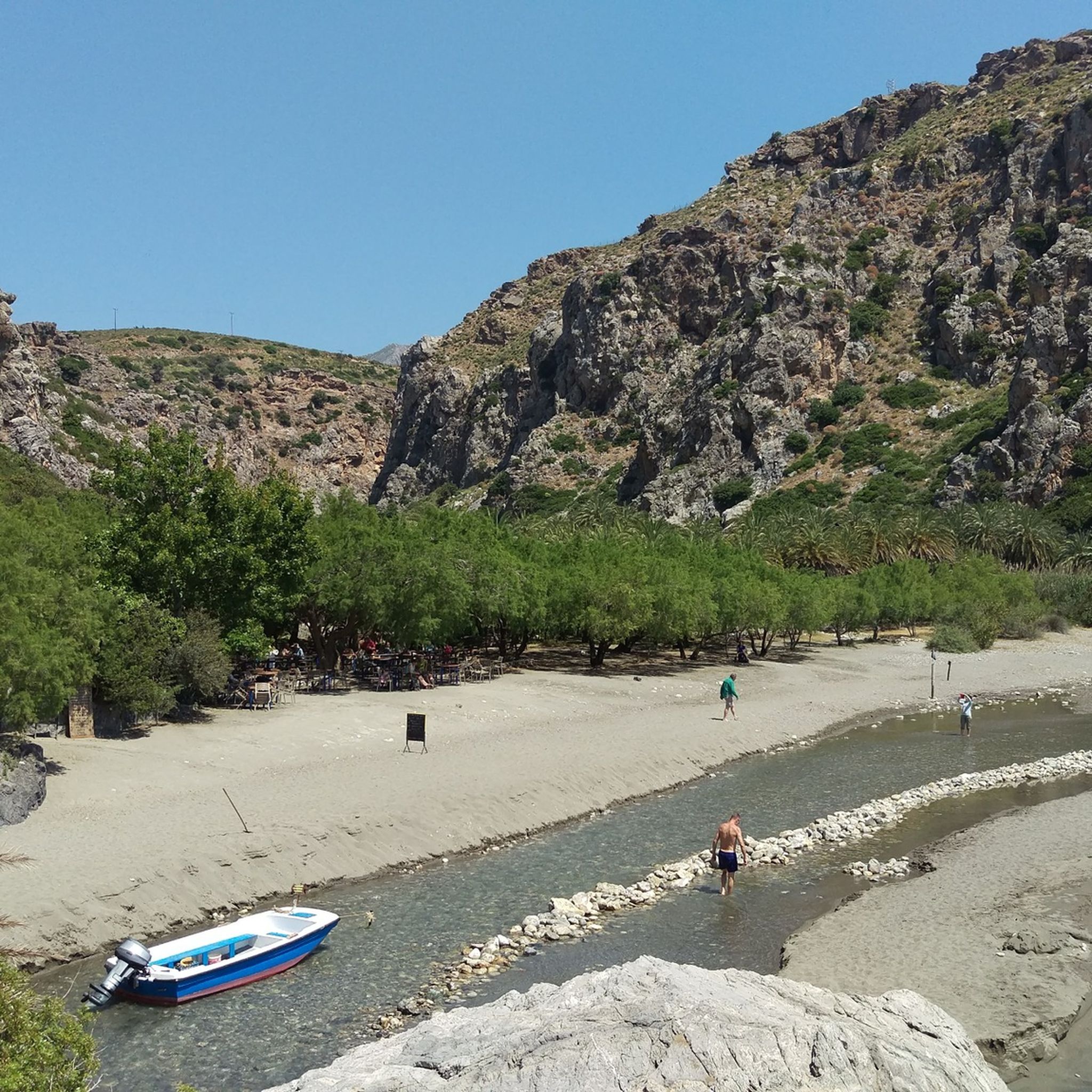
Yes, Crete's trails often pass near or offer access to significant natural attractions. While some gorges like Samaria Gorge are primarily for hiking, you might find paths leading to areas with views of them. Other highlights include the Preveli Beach and Palm Forest, the Stone Arch in Imbros Gorge, and the impressive Psiloritis Summit. The Ancient Olive Tree of Kavousi – Tó Próvarma Taverna-Kafeneion loop from Konida is one route that takes you past a historical natural landmark.
Is public transport available to access mountain bike trails in Crete?
Public transport access can vary depending on the specific trailhead. While some routes, like the Mountainbike loop from Bus Stop 17, indicate a starting point accessible by bus, many trails venture into more remote areas. It's recommended to check local bus schedules and routes in advance, especially if you plan to rely on public transport to reach trailheads in the mountainous interior.
Are there challenging mountain biking routes for experienced riders in Crete?
Absolutely. Crete is known for its rugged and rocky mountains, offering numerous challenging routes for experienced mountain bikers. These trails often feature significant elevation gains, technical sections with rock gardens, switchbacks, and demanding ascents. Routes like the Bridge Over Koiliaris River – Footbridge Over the River loop from Karga, with over 900 meters of climbing, are categorized as difficult and provide a true test of skill and endurance.
Most popular routes in the Crete
Most popular attractions in the Crete

Get inspired with the komoot mobile app


Explore more
Browse the best MTB trails in other regions.
