The best running trails around Grote Geule
4.4
(130)
6,387
runners
449
runs
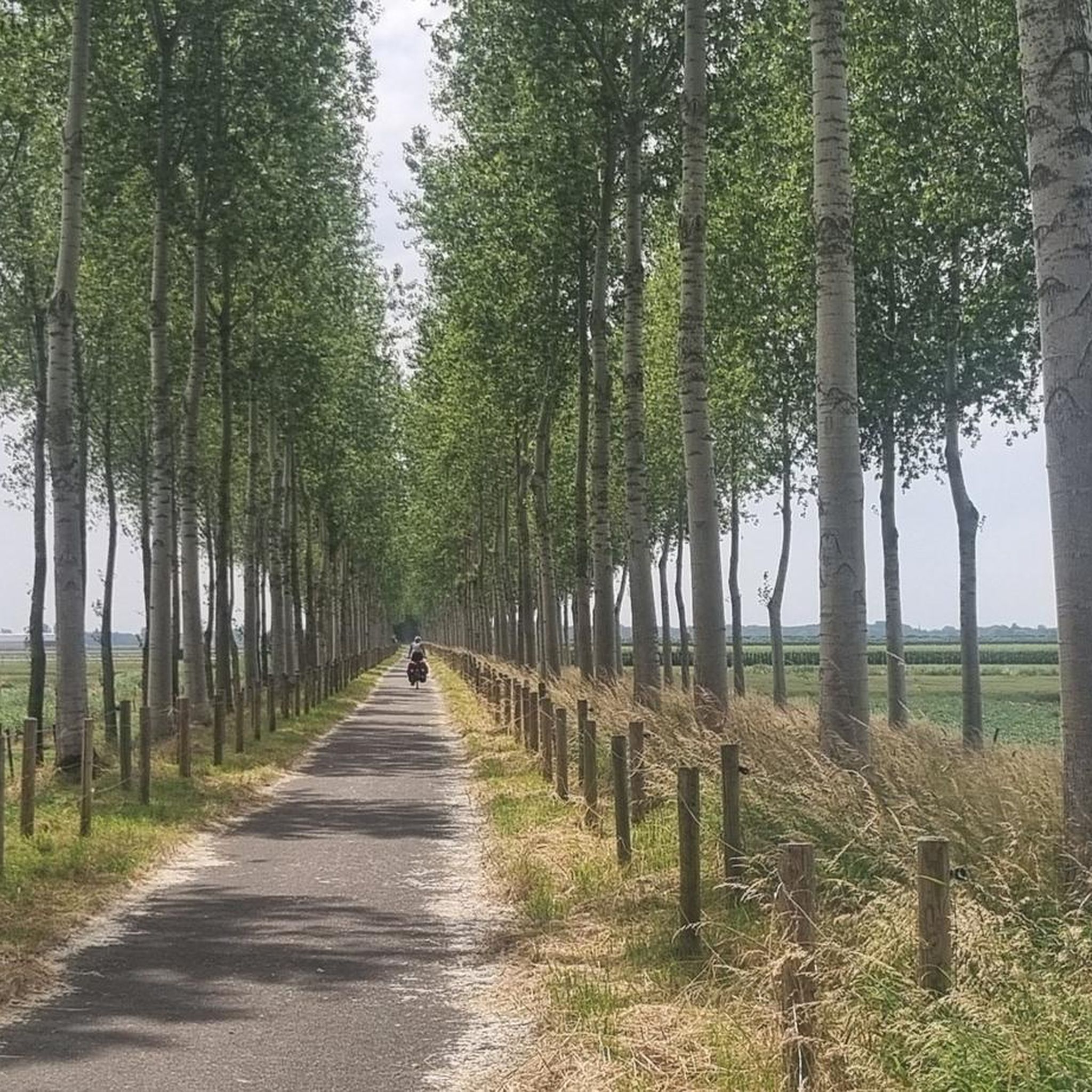
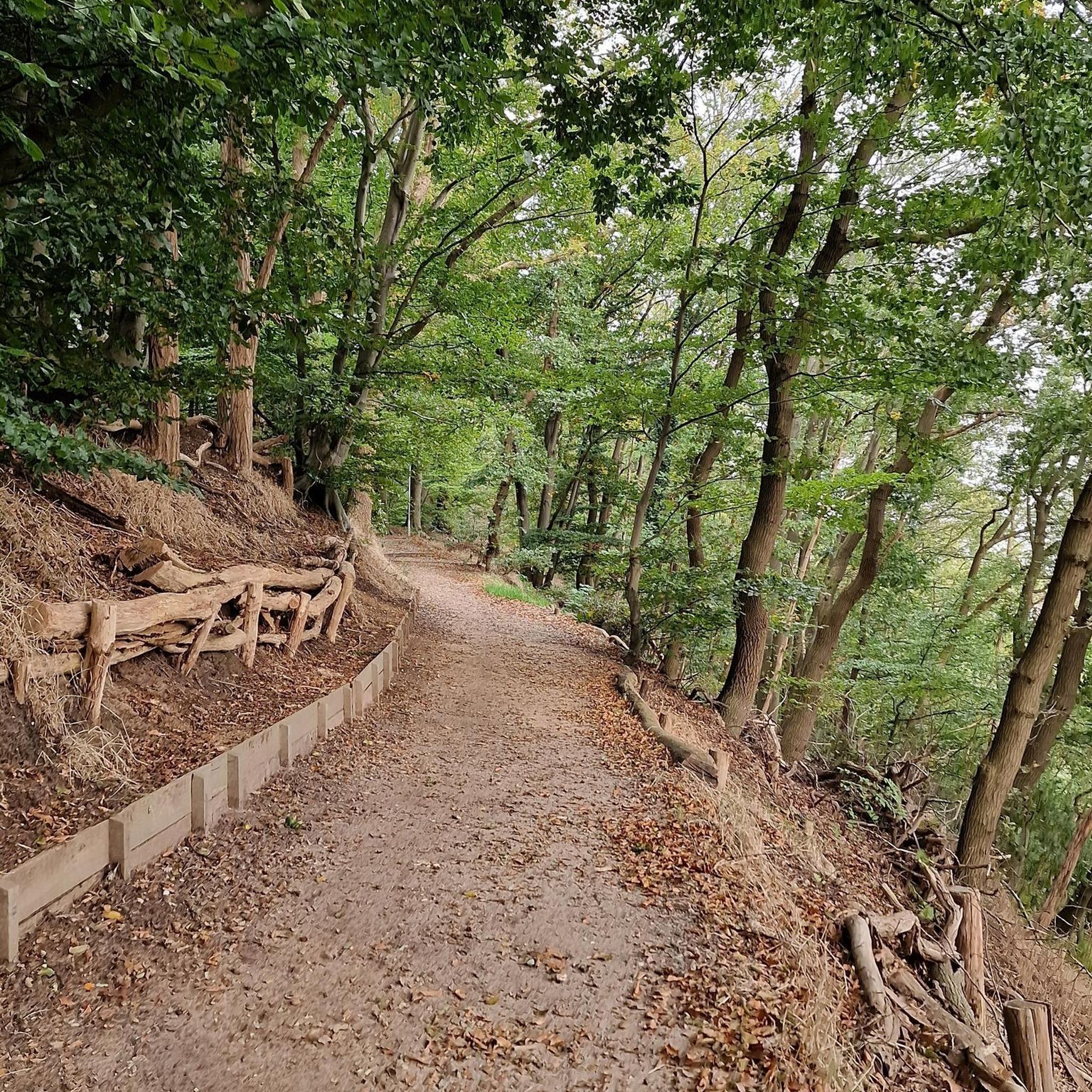
Jogging around Grote Geule offers an exploration of a unique landscape shaped by an old flood channel and subsequent reclamation efforts. The region is characterized by accessible paths, rows of willow trees, expansive reed beds, and open water, providing diverse scenery for runners. Surrounding meadows exhibit brackish influences, adding to the varied natural environment. The area's flat terrain makes it suitable for various fitness levels.
Best jogging routes around Grote Geule
- The most popular jogging route is Dike Houses loop…
Last updated: May 20, 2026
25
runners
6.49km
00:40
10m
10m
Moderate run. Good fitness required. Mostly paved surfaces. Suitable for all skill levels.
23
runners
Moderate run. Good fitness required. Mostly paved surfaces. Suitable for all skill levels.

Sign up for free
4.0
(6)
8
runners
17.4km
01:55
10m
10m
Hard run. Very good fitness required. Mostly paved surfaces. Suitable for all skill levels.
8
runners
8.72km
00:54
10m
10m
Moderate run. Good fitness required. Mostly paved surfaces. Suitable for all skill levels.
3.0
(1)
6
runners
11.5km
01:14
10m
10m
Moderate run. Good fitness required. Mostly paved surfaces. Suitable for all skill levels.
Get access to more routes and recommendations from other explorers.
Sign up for free
Already have an account?
Our route recommendations are based on thousands of hikes, rides, and runs completed by other people on komoot.
Start today with a free account
Your next adventure awaits.
Login or Signup
Tips from the Community

Our Lady's chapel on the corner of Lange Nieuwstraat and Groenendam. The chapel and especially the statue of Mary have clearly suffered from the ravages of time. Next to the chapel is a sign with a poem by Leo Vercruyssen, "Lieve Vrouwe van de Polder". Leo Vercruyssen (1922-1999) was a pastor in Meerdonk for over twenty years (1973-1994) and was also known as a poet and cultural figure. source: sint-gillis-waas.be
3
0
The bench and information board are located at the eastern end of a four-kilometer-long low sand ridge that connects Kieldrecht with De Klinge. Due to its higher elevation, this sand ridge is less susceptible to flooding than the surrounding areas. This also made it of great military importance during the various wars of the 16th, 17th, and 18th centuries. We therefore find several old forts and lines on the sand ridge: fort De Klinge (1595), fort Fuentes (1591, renamed fort Spinola in 1626), the Koningsdijk (1674), and fort Bedmar (1701-1702). In 1701, the Spanish army decided to build a new fort north of Kieldrecht. The fort was built on the spot where the Koningsdijk met the sand ridge of the so-called Kouter(berg). The new defensive work was named after the Fleming Prosper Georges Verboom, an important officer in the Spanish army and one of the engineers of the Bedmar line. The fort served in the War of the Spanish Succession (1702-1714). As early as 1703, it was captured by the army of the Republic of the United Netherlands, the so-called 'Staatsen'. After the war, the fort lost its military importance and almost completely disappeared into the landscape. Fort Verboom has a triangular shape, deviating from the usual four- or five-sided fort construction. The point of the fort is directed north, and thus straight at the enemy. The southern side is equipped with two pentagonal bastions. The entrance to the fort is located between the two bastions. Fort Verboom is quite large. The distance between the two bastion points is approximately 250 meters. The size of a fort is determined by the range of the cannons. The defensive belt is formed by a glacis (a gently sloping strip), a moat, and an earthen rampart. The fort is entirely constructed of earth, as was customary for forts of this period. Earth is a cheaper building material than stone. Furthermore, an earthen fort can be built faster than a stone one and is more resistant to heavy cannonballs. Today, Fort Verboom has largely disappeared, and the site has been completely incorporated into the built environment. The fort lies right on the national border, with its point in the Netherlands and its southern side with the two bastions in Belgium. Remnants of the moats can still be seen in some backyards. ... so reads the information board.
2
0
The Sint-Jozefkerk of Nieuw Namen was taken into use in 1860, shortly after the founding of the village. In 1898 the church was expanded, in 1912 a new tower was built, and in 1923 the side aisles were extended. In front of the church is a bronze Sacred Heart statue from around 1920, made by P. de Roeck. source: Wikipedia
2
0
A 'weel' (also called 'wiel' or 'kolk') is a deep pool of water that originated after a dike breach. The enormous force of the water during such a breach created a deep hole behind the dike, which often remained in the landscape as a mere or pool after the dike was repaired. Such 'welen' often develop into valuable nature reserves. The Grote and Kleine Weel form an important link between the nature reserves Grote Geule and Drijdijck. The Grote Geule is an offshoot of the former, much larger Land van Saeftinghe. source: natuurpunt.be
1
0

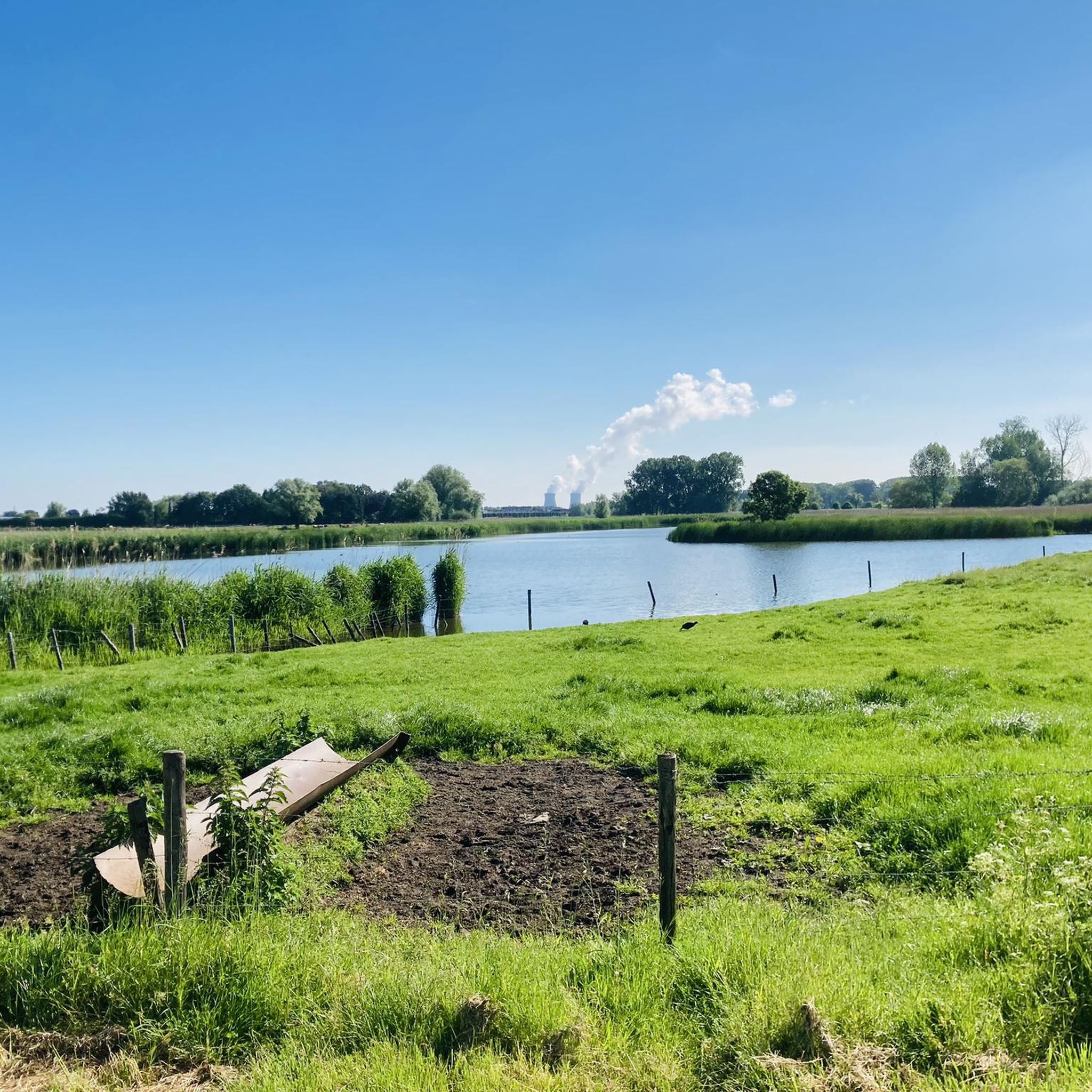
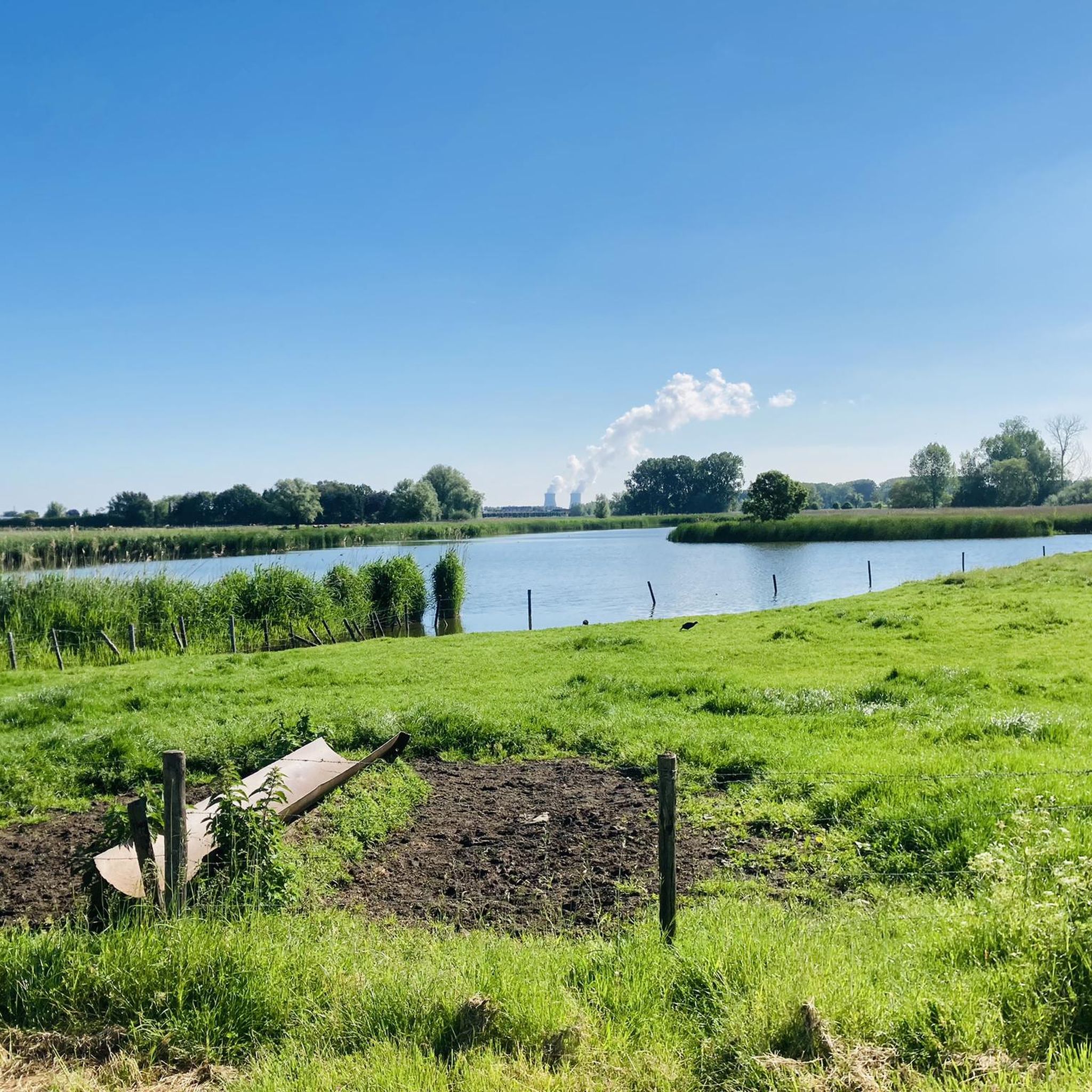
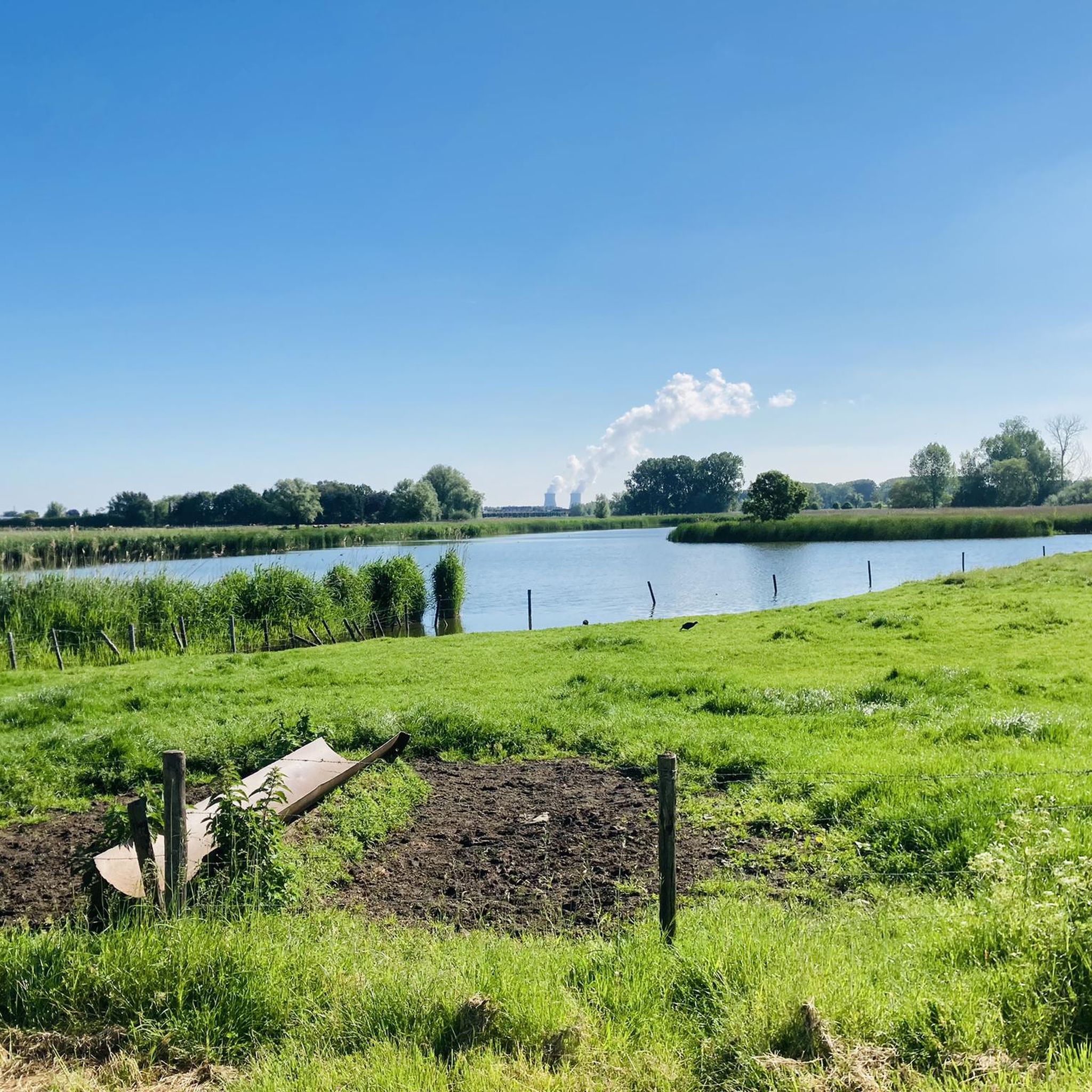
beautiful view over the Polders
1
0

The Saleghem creeks form a tranquil and enchanting nature reserve with ponds, reed beds, grasslands, and ancient willows. The combination of the Grote Saleghemgeul, the Sint-Jakobsgat, and the Kieldrechtste Watergang makes this a unique spot for those seeking peace and quiet and nature lovers. Keep your eyes peeled, as various rare birds are on the horizon!
1
0


Fortifications along the way: you are just walking from one to another and another again: Bedmar - Spinola - Verboom....
1
0
Frequently Asked Questions
How many running routes can I explore in Grote Geule?
There are over 400 running routes available in the Grote Geule area, offering a wide variety of options for different fitness levels and preferences. These include routes ranging from easy to difficult, ensuring there's something for every runner.
Are there easy running routes suitable for beginners or families in Grote Geule?
Yes, Grote Geule offers several easy running routes perfect for beginners or families. For example, the area has 30 routes classified as easy. While specific easy routes are not detailed here, the flat terrain and accessible paths make many trails suitable for a relaxed jog. The 6.3 km Silhouet van een wandelaar – Grenspaal nr. 271 (1843) loop is mentioned in regional research as an easier option.
What kind of scenery can I expect while jogging in Grote Geule?
Jogging in Grote Geule offers diverse and picturesque scenery. You'll encounter rows of willow trees, expansive reed beds, and open water, all shaped by the region's history as an old flood channel. The surrounding meadows also show brackish influences, adding to the unique natural environment. A notable landmark is the 'Vissersparadijs' (Fisherman's Paradise), a charming boathouse that's frequently photographed.
Are there any circular running routes in Grote Geule?
Yes, many of the running routes in Grote Geule are circular loops, allowing you to start and end at the same point. An example is the Dike Houses loop from Kieldrecht, which is a 6.5 km trail offering scenic water views and willow-lined paths.
What do other runners enjoy most about the trails in Grote Geule?
The running trails in Grote Geule are highly rated by the komoot community, with an average score of 4.5 stars from over 100 reviews. Runners often praise the unique landscape, the diverse scenery with reed beds and open water, and the accessible paths suitable for various fitness levels. Over 5000 runners have used komoot to explore the varied terrain.
Can I bring my dog on the running trails in Grote Geule?
While the guide doesn't explicitly state dog-friendly policies for every route, generally, nature reserves like Grote Geule often have specific rules regarding dogs to protect wildlife. It's advisable to check local signage or the specific route details on komoot for any restrictions, especially concerning keeping dogs on a leash.
When is the best time of year to go running in Grote Geule?
Grote Geule offers unique experiences throughout the year. From May to July, you can observe various reed birds like the little reed warbler and bluethroat, and the brown harrier. During winter, the reserve hosts numerous ducks and geese. Summer months also bring out bats. The diverse biodiversity means there's always something to see, making it enjoyable in most seasons, though spring and autumn might offer the most comfortable running temperatures.
Are there any challenging or difficult running routes in the area?
Yes, for those seeking a more challenging run, Grote Geule has routes classified as difficult. For instance, the Kieldrecht Wetlands – Pond with Sandy Shore loop from Kieldrecht is a difficult 17.2 km path that winds through diverse scenery, including reed beds and open water, showcasing brackish influences.
Where can I find parking for the running trails in Grote Geule?
The guide does not specify exact parking locations. However, as many routes start from Kieldrecht, it's likely that parking facilities are available in or around the village, or at designated entry points to the nature reserve. It's recommended to check the starting point of your chosen route on komoot for specific parking information.
What are some other popular running routes in Grote Geule?
Beyond the most popular options, local runners also enjoy the Running loop from Kieldrecht, an 8.7 km trail leading through meadows and natural environments. Another great option is the Kieldrecht Wetlands loop from Kieldrecht, a moderate 11.5 km route.
Are there any facilities like picnic areas or benches along the running paths?
Yes, the Grote Geule reserve is equipped with amenities for visitors. You can find picnic areas and benches along the trails, providing convenient spots to take a break, enjoy the scenery, or refuel during your run.
Are there any restrictions on walking or cycling in the Grote Geule nature reserve?
While free walking is sometimes restricted in certain sections of the Grote Geule nature reserve to protect its delicate ecosystems, guided walks can often be arranged. Cycling is generally permitted along the edges of the reserve, allowing you to explore the perimeter while respecting the core natural areas.
Most popular routes around Grote Geule

Get inspired with the komoot mobile app


Explore more
Browse the best Running Trails & Routes in other regions.
