The best walks and hikes around Stausee Dobra
4.6
(857)
3,837
hikers
127
hikes
Hiking around Stausee Dobra offers a diverse landscape characterized by the reservoir's waters, surrounding forests, and historical sites. The region is part of the Kamp Valley, featuring rolling hills and varied terrain suitable for outdoor activities. Trails often follow the lake shorelines and lead through woodlands, providing a mix of natural and cultural points of interest. The area's elevation changes are generally moderate, making it accessible for various hiking experiences.
Best hiking trails around Stausee Dobra
- The most popular hiking…
Last updated: August 11, 2026
4.7
(3)
6
hikers
23.6km
06:27
360m
350m
Hard hike. Very good fitness required. Easily-accessible paths. Suitable for all skill levels.
4.7
(32)
88
hikers
11.1km
03:06
220m
230m
Moderate hike. Good fitness required. Easily-accessible paths. Suitable for all skill levels.

Sign up for free
4.7
(10)
68
hikers
Easy hike. Great for any fitness level. Easily-accessible paths. Suitable for all skill levels.
4.5
(11)
42
hikers
14.4km
04:06
340m
340m
Moderate hike. Good fitness required. Easily-accessible paths. Suitable for all skill levels.
4.2
(10)
62
hikers
7.50km
02:07
160m
160m
Moderate hike. Good fitness required. Easily-accessible paths. Suitable for all skill levels.
Get access to more routes and recommendations from other explorers.
Sign up for free
Already have an account?
Our route recommendations are based on thousands of hikes, rides, and runs completed by other people on komoot.
Start today with a free account
Your next adventure awaits.
Login or Signup
Tips from the Community

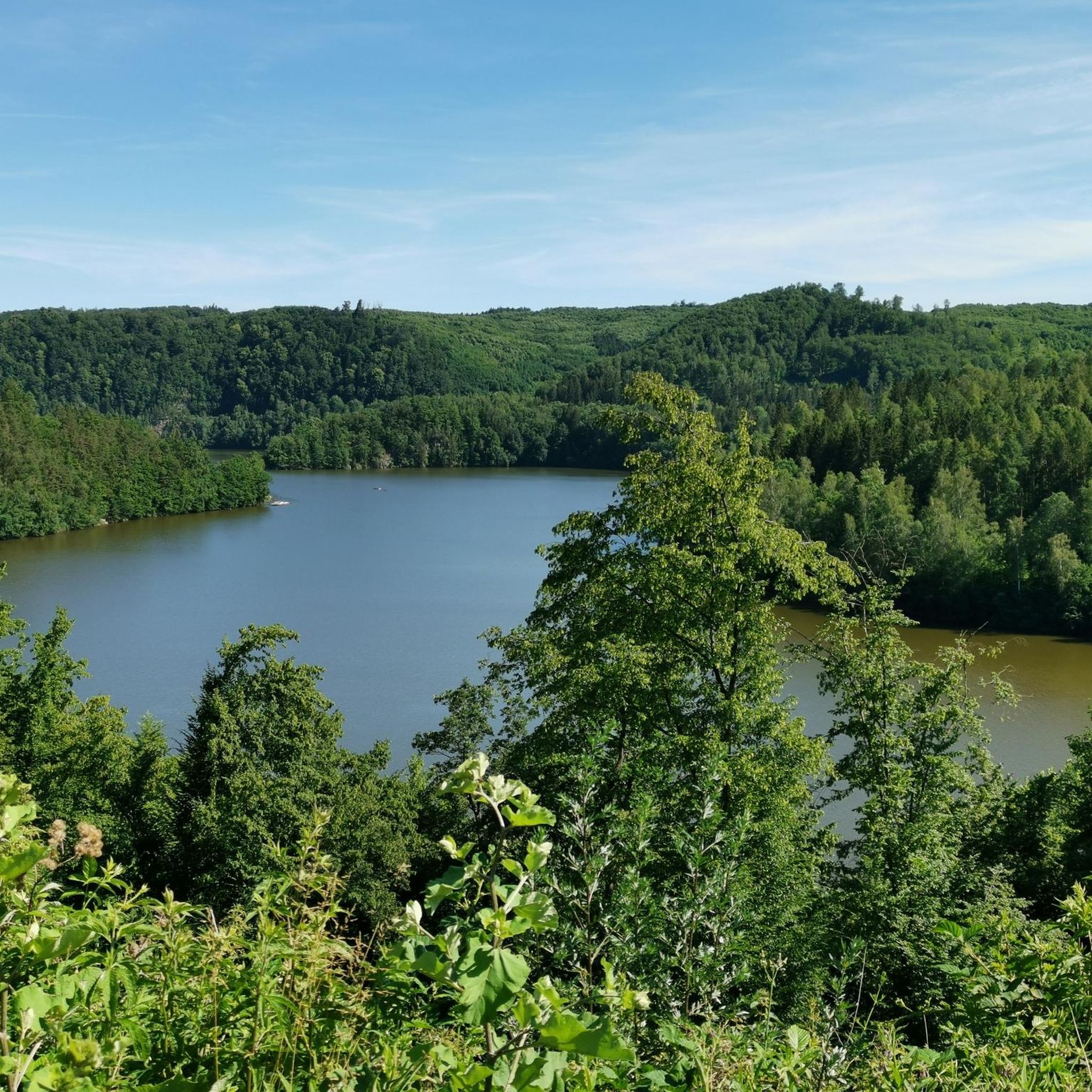
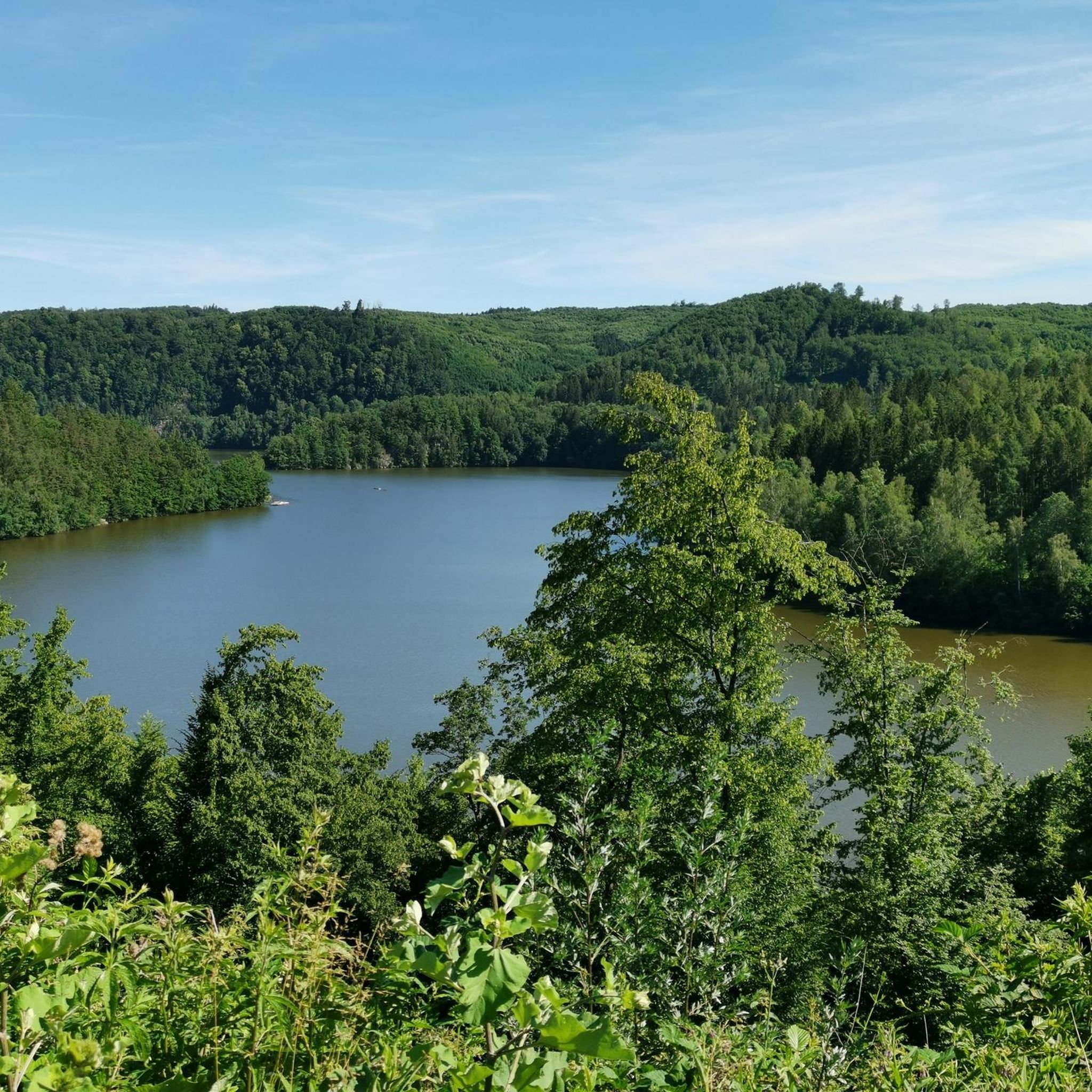
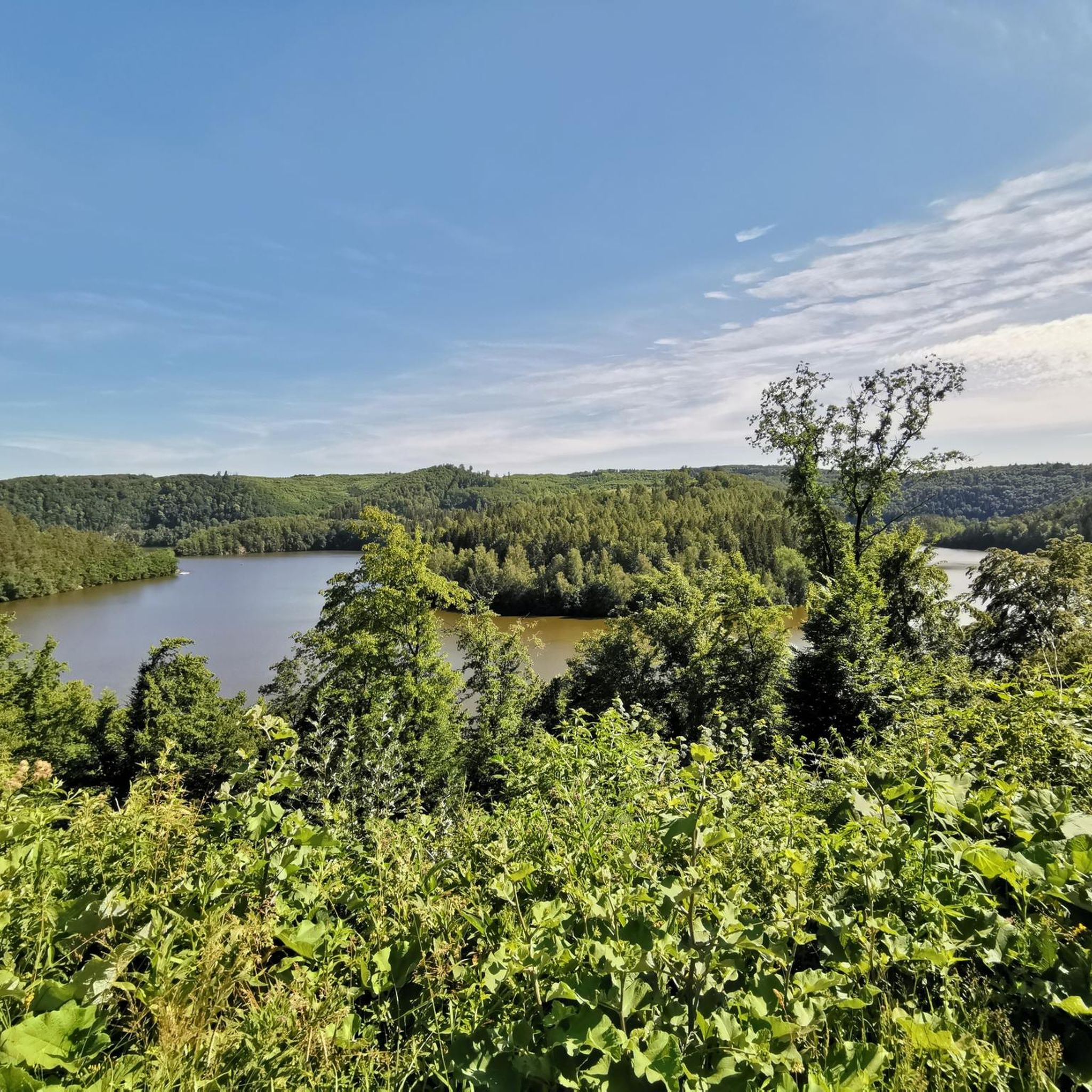
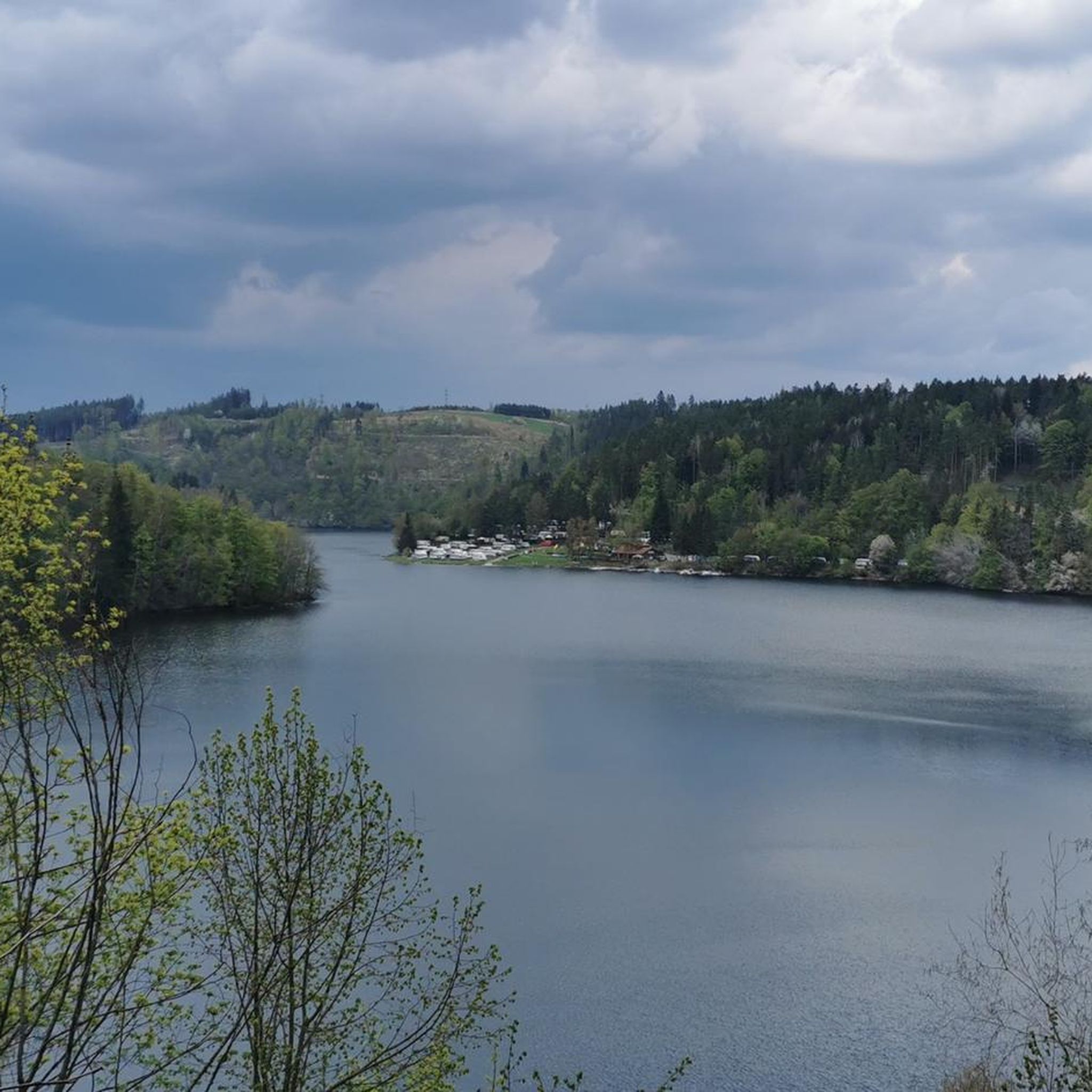
Experience camping idyll directly on the banks of the Dobra reservoir. The Dobra reservoir is a real jewel in the Waldviertel and is primarily known for its combination of wild nature, clean water, and magnificent landscape. It is considered the „smaller brother“ of the Ottenstein reservoir and also strongly resembles Scandinavian fjords. The branched bays and the clean water make it one of the most scenic bodies of water in Austria. Here, where the air is clearer and the nights are darker, adventurers, families, and those seeking tranquility, as well as large groups, will find a retreat in nature. Whether with a tent, van, caravan, or motorhome, freedom under the starry sky and an impressive landscape that invites you to linger await you. Away from mass tourism, you will enjoy the Waldviertel in its purest form.
0
0
Mystical masonry, excursion destination, haven of peace, picture-book backdrop, wedding location, in short – Dobra Castle ruin is a place for lasting experiences. Just 30 minutes northwest of Krems in Waldviertel, Dobra Castle ruin lies in the middle of the water, on a peninsula in the Dobra reservoir. Almost 750 years old and 100 meters long, its walls tell many stories from distant days. Today, the keep of the former castle is an observation tower and offers an impressive view far over the Kampsee lake.
0
0
Mystical masonry, excursion destination, haven of peace, picture-book backdrop, wedding location, in short – the Dobra castle ruins are a place for lasting experiences. Just 30 minutes northwest of Krems in the Waldviertel, the Dobra castle ruins lie in the middle of the water, on a peninsula in the Stausee Dobra. Almost 750 years old and 100 meters long, its walls tell many stories from distant days. Today, the keep of the former castle is an observation tower and offers an impressive view far over the Kampsee.
0
0
Mystical walls, excursion destination, haven of peace, picture-book backdrop, wedding location, in short – the Dobra Castle ruins are a place for lasting experiences. Just 30 minutes northwest of Krems in the Waldviertel, the Dobra Castle ruins lie in the middle of the water, on a peninsula in the Dobra reservoir. Almost 750 years old and 100 meters long, its walls tell many stories from days gone by. Today, the keep of the former castle is an observation tower and offers an impressive view far over the Kampsee lake.
0
0

A great castle ruin. The keep can be climbed. A small donation is requested. From the tower, a flight on a steel cable to the opposite bank of the Kampsee is even offered. Events also take place here.
0
0

No Merlot here — the shelf stands empty, quiet, waiting for a bottle that never comes. Kein Merlot hier — das Regal bleibt leer, still, wartend auf eine Flasche, die nie kommt. Pas de Merlot ici — l'étagère reste vide, silencieuse, attendant une bouteille qui n'arrive jamais. No hay Merlot aquí — el estante queda vacío, silencioso, esperando una botella que nunca llega.
0
0

The Ottenstein reservoir, is the largest of the Kamp lakes and is among the richest waters in fish in Austria and at the same time among the best predatory fish waters in Europe. Its water surface is 4.3 km² and extends with its fjord-like, branched side arms, with a length of more than 14 km, up to Zwettl. The deepest point is 69 m.
1
0
Schloss Waldreichs was first documented in 1258. Around 1400, Kaspar and Bernhard von Waldreichs are mentioned as feudal lords. After its destruction by an executionary army of the estates in 1446–1448, it was rebuilt as a fortress around 1450 under Hans Harrasser. The present-day ruin in the east wing, the chapel, and the eastern tower date from this period. In 1460, it was enfeoffed to Vinzenz Stodoligk. From 1519–1536, it was united with the Lordship of Ottenstein. Between 1530–1534, it was converted into a moated castle under Eustach Stodoligk. From 1533, it was a free property. In 1536, the complex passed to the Barons of Altena, who expanded it with a zwinger and a manor farm. After its conquest and plundering by imperial troops, the complex was rebuilt again and subsequently changed owners frequently. When it passed to Heinrich von Pereira-Arnstein in 1815, it was united with the Lordship of Wetzlas.
0
0
Frequently Asked Questions
How many hiking trails are available around Stausee Dobra?
There are over 120 hiking routes available in the Stausee Dobra region, offering a wide variety of options for different skill levels and preferences.
What is the general difficulty level of hiking trails in Stausee Dobra?
The trails around Stausee Dobra cater to all levels. You'll find a good mix, with over 60 easy routes perfect for beginners, around 50 moderate trails, and a selection of 13 more challenging options for experienced hikers.
Are there family-friendly hiking options around Stausee Dobra?
Yes, many of the easy and moderate trails are suitable for families. For a shorter, accessible option, consider the Schloss Waldreichs – Waldreichs Castle loop from Schloss Waldreichs, which is an easy 2.9-mile (4.6 km) walk.
Can I hike with my dog in the Stausee Dobra area?
Generally, dogs are welcome on trails around Stausee Dobra. However, it's always advisable to keep them on a leash, especially near wildlife or in populated areas, and to check for any specific local regulations on individual routes.
Are there circular hiking routes available?
Yes, many routes around Stausee Dobra are designed as loops. A popular moderate circular route is the Schloss Waldreichs – Dobra Castle Ruins loop from Schloss Waldreichs, which is 7.1 miles (11.5 km) and includes historical sites.
What kind of scenery can I expect on the hikes?
Hiking around Stausee Dobra offers diverse scenery, including picturesque reservoir views, dense woodlands, and historical castle ruins. The trails often follow the lake shorelines and lead through forests, providing a mix of natural beauty and cultural points of interest.
What do other hikers enjoy most about the trails in Stausee Dobra?
The area is highly rated by the komoot community, with an average score of 4.6 stars. Reviewers often praise the varied terrain, the beautiful reservoir views, and the opportunity to explore historical landmarks like the Dobra Castle Ruins.
When is the best time of year to go hiking in Stausee Dobra?
The Stausee Dobra region is beautiful year-round. Spring and autumn offer pleasant temperatures and vibrant colors, while summer is ideal for combining hiking with water activities. Winter hiking is also possible, though some paths might be icy or snowy.
Are there any challenging trails for experienced hikers?
Yes, for those seeking a challenge, the Kamptal Seenweg (Lakes Trail) 620 – Ottenstein – Zwettl section is a difficult 14.7-mile (23.6 km) route that connects two significant reservoirs and offers a demanding experience.
Are there historical sites or landmarks to see along the trails?
Absolutely. The region is rich in history. Many trails pass by or lead to significant landmarks such as Schloss Waldreichs and the Dobra Castle Ruins. For example, the Waldreichs Castle – Waldreichs Castle loop from Schloss Ottenstein explores areas around these historical sites.
Are there places to eat or cafes near the hiking trails?
While specific establishments vary by location along the reservoir, the towns and villages surrounding Stausee Dobra, such as Waldreichs and Ottenstein, typically offer cafes and restaurants where hikers can refuel after their adventures.
Is public transport available to reach the hiking trailheads?
Public transport options to specific trailheads around Stausee Dobra can be limited. It's recommended to check local bus schedules or consider driving, as many trail starts are more easily accessible by car.
Where can I find parking for the hiking trails?
Parking is generally available at popular starting points for trails, particularly near significant landmarks like Schloss Waldreichs or around the main access points to the reservoir. Look for designated parking areas in these vicinities.
Most popular routes around Stausee Dobra

Get inspired with the komoot mobile app


Explore more
Browse the best Hikes in other regions.
