Grand Teton National Park
Grand Teton National Park
The 6 Most Amazing Peaks in Grand Teton National Park
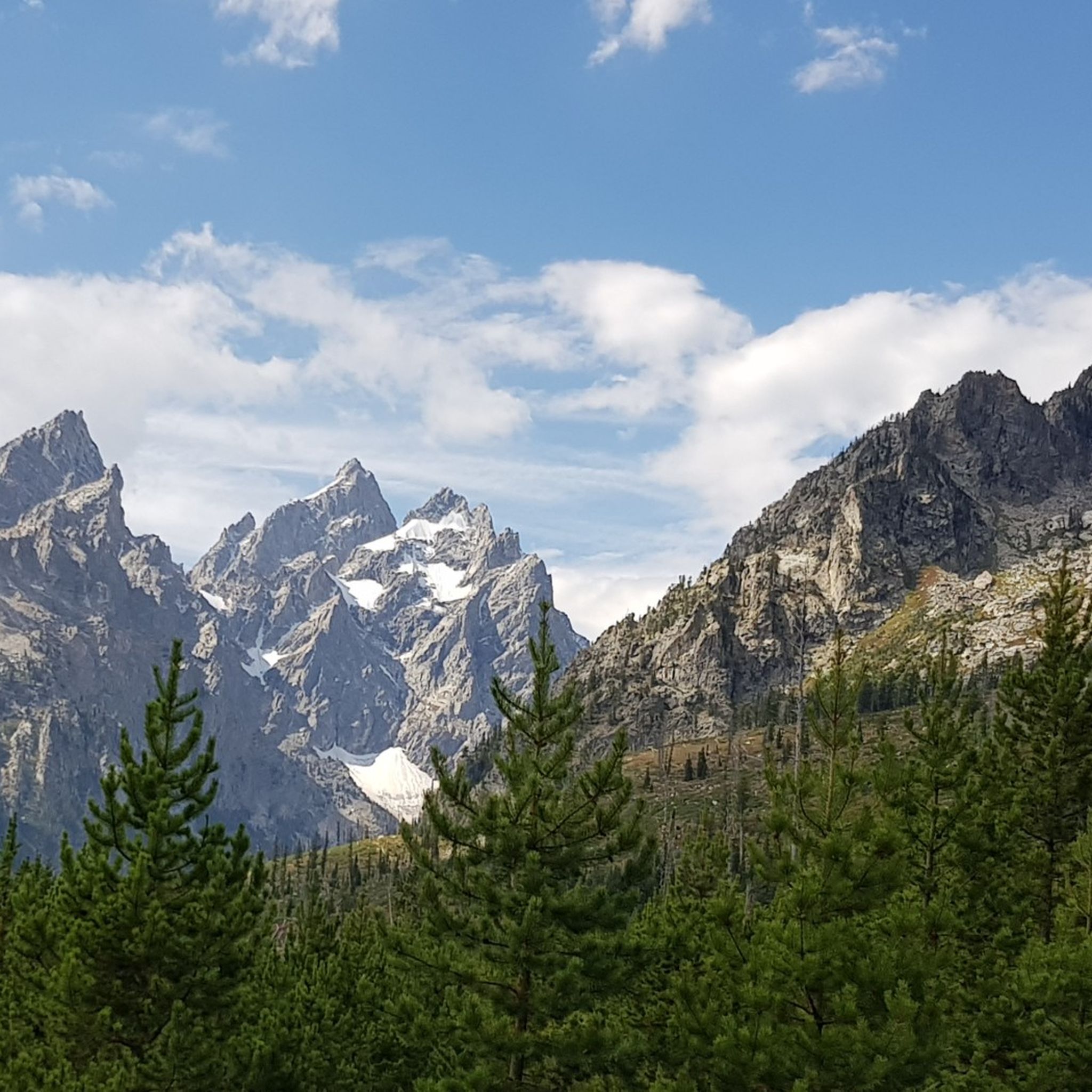
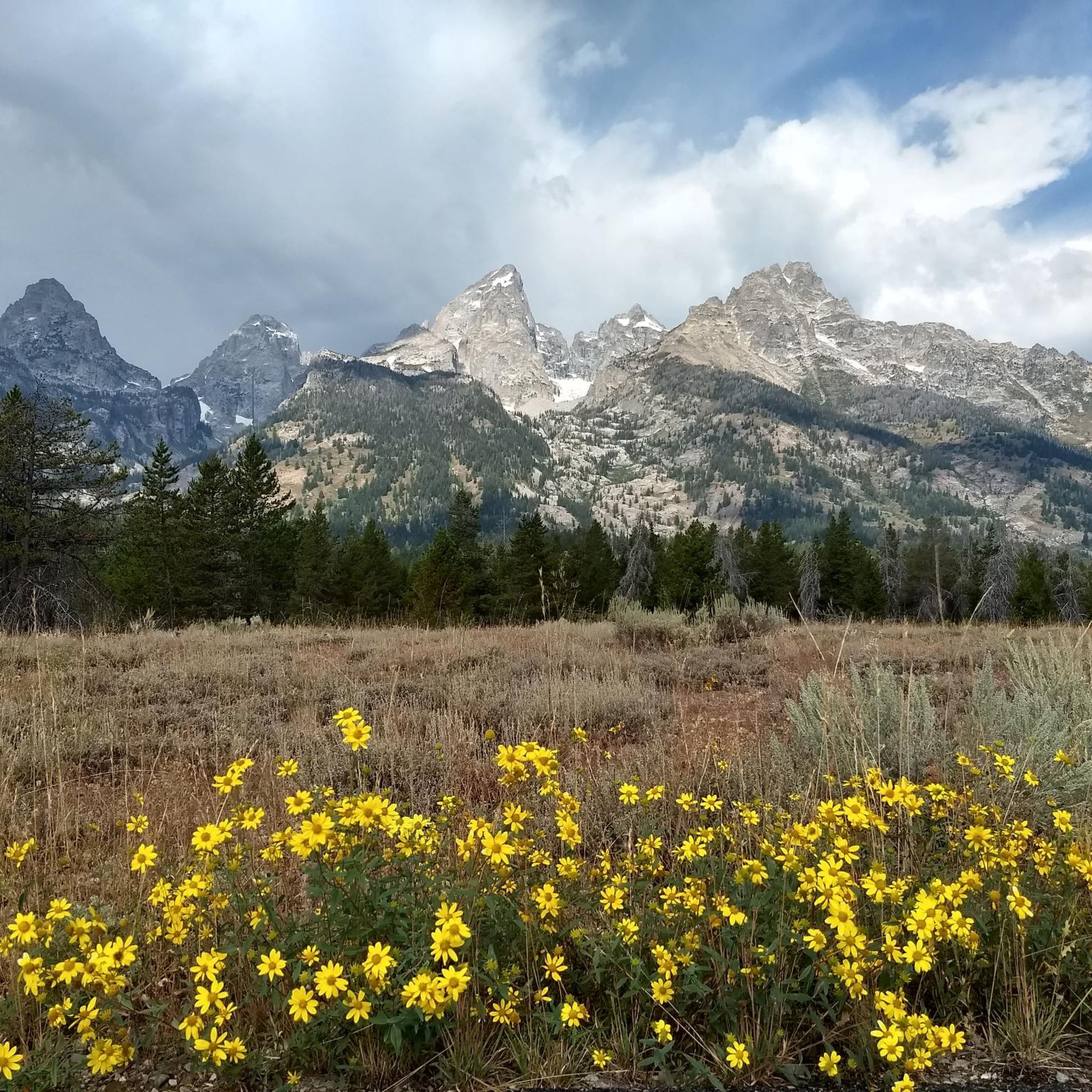
Best mountain peaks in Grand Teton National Park rise dramatically from the valley floor, forming the iconic Teton Range. This region is characterized by its sharply rising, glacially carved peaks and numerous lakes, including Jackson Lake. The park also features streams and the upper main stem of the Snake River, offering diverse natural landscapes. Some rocks in the park are among the oldest found in any American national park, dating back nearly 2.7 billion years.
Best mountain peaks in Grand…
Last updated: September 1, 2026
Grand Teton National Park
Highlight • Natural Monument
Tip by

Rendezvous Mountain
Highlight • Summit
Tip by

Sign up now to discover places like this
Get recommendations on the best single tracks, peaks, & plenty of other exciting outdoor places.
Sign up for free
View of the Teton Range from Hermitage Point
Highlight • Viewpoint
Tip by

Grand View Point
Highlight • Viewpoint
The view of Grand Tetons was beautiful. The snow has emphasized the contours of the mountains beautifully.
It takes …
Translated by Google •
Tip by

Table Mountain
Highlight • Summit
Tip by

Sign up for free to discover even more peaks in Grand Teton National Park.
Sign up for free
Already have an account?
Start today with a free account
Your next adventure awaits.
Login or Signup
Popular around Grand Teton National Park
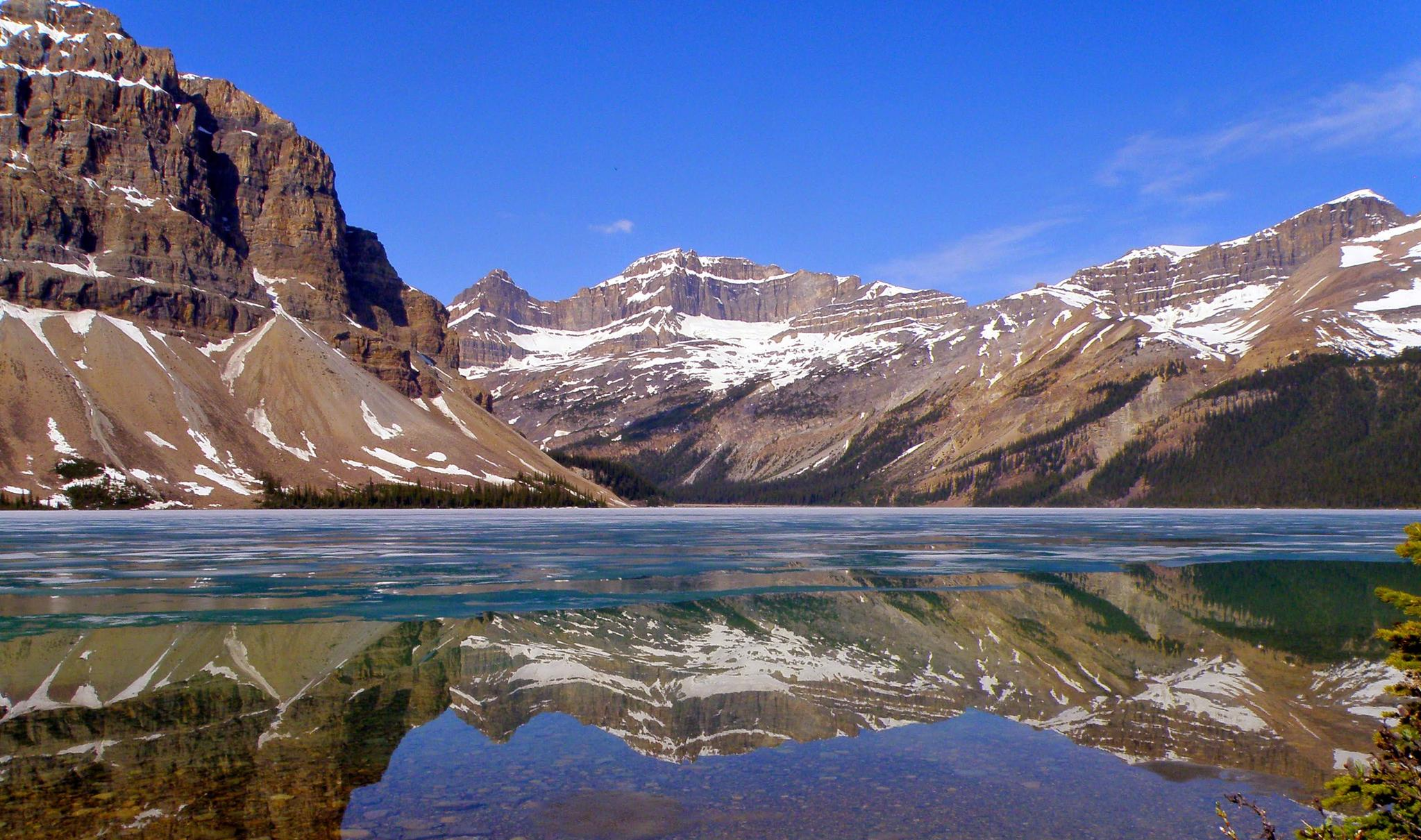
Great Divide Mountain Bike Route — Cycling the spine of a continent
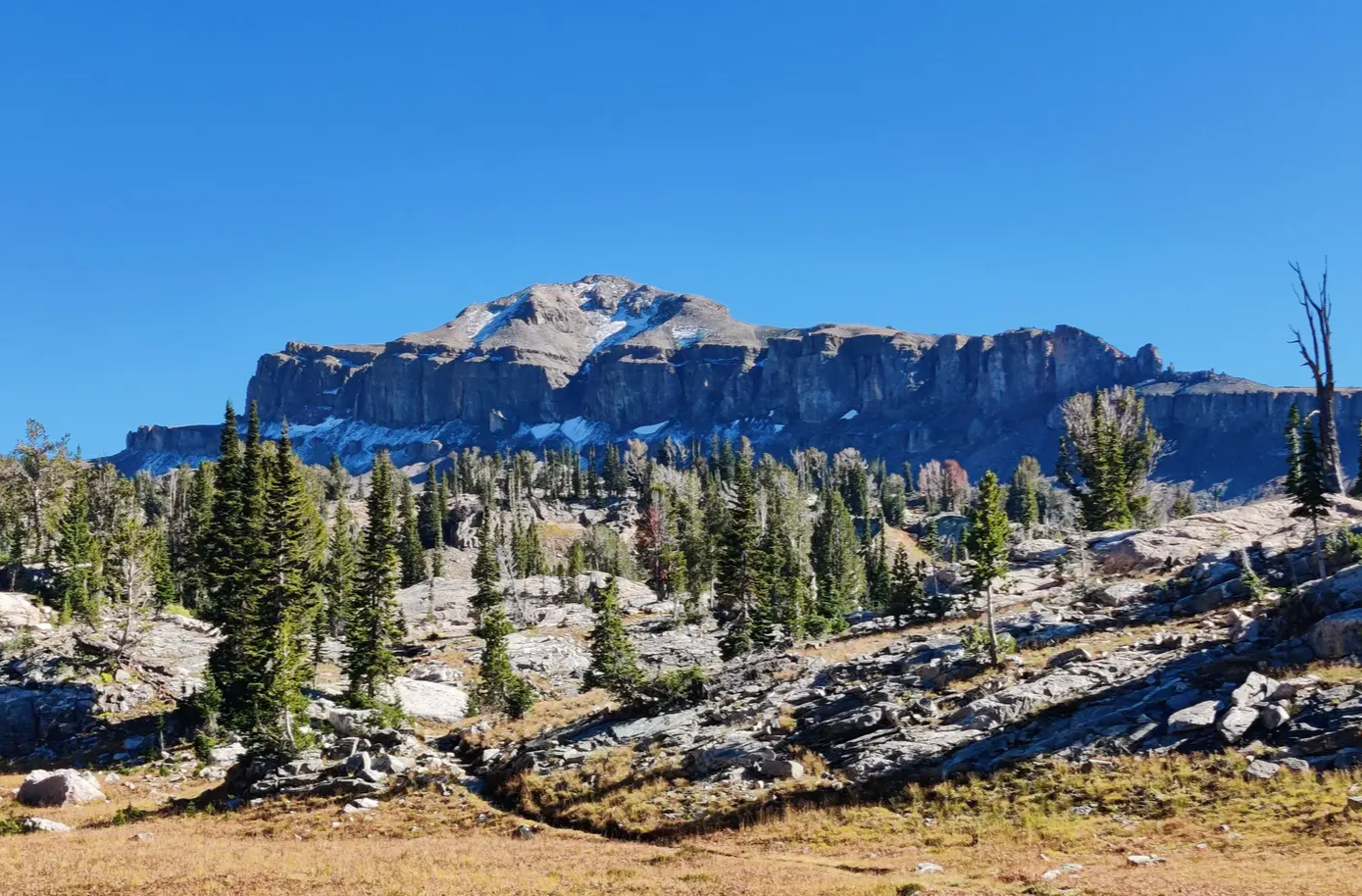
Teton Crest Trail — Exploring the Wild Side of the Grand Tetons
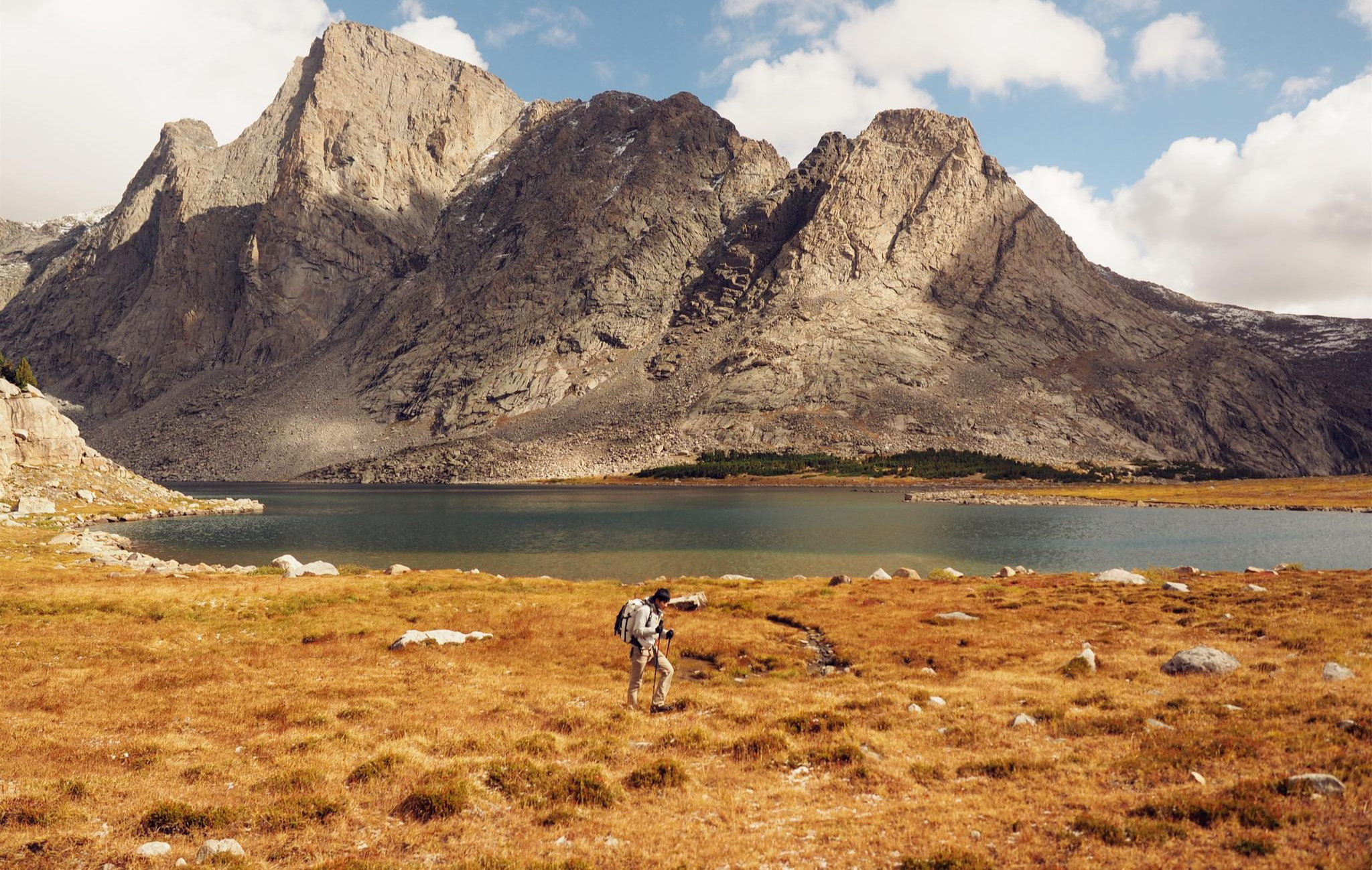
Like in the Wild West – hiking on the Oregon Trail
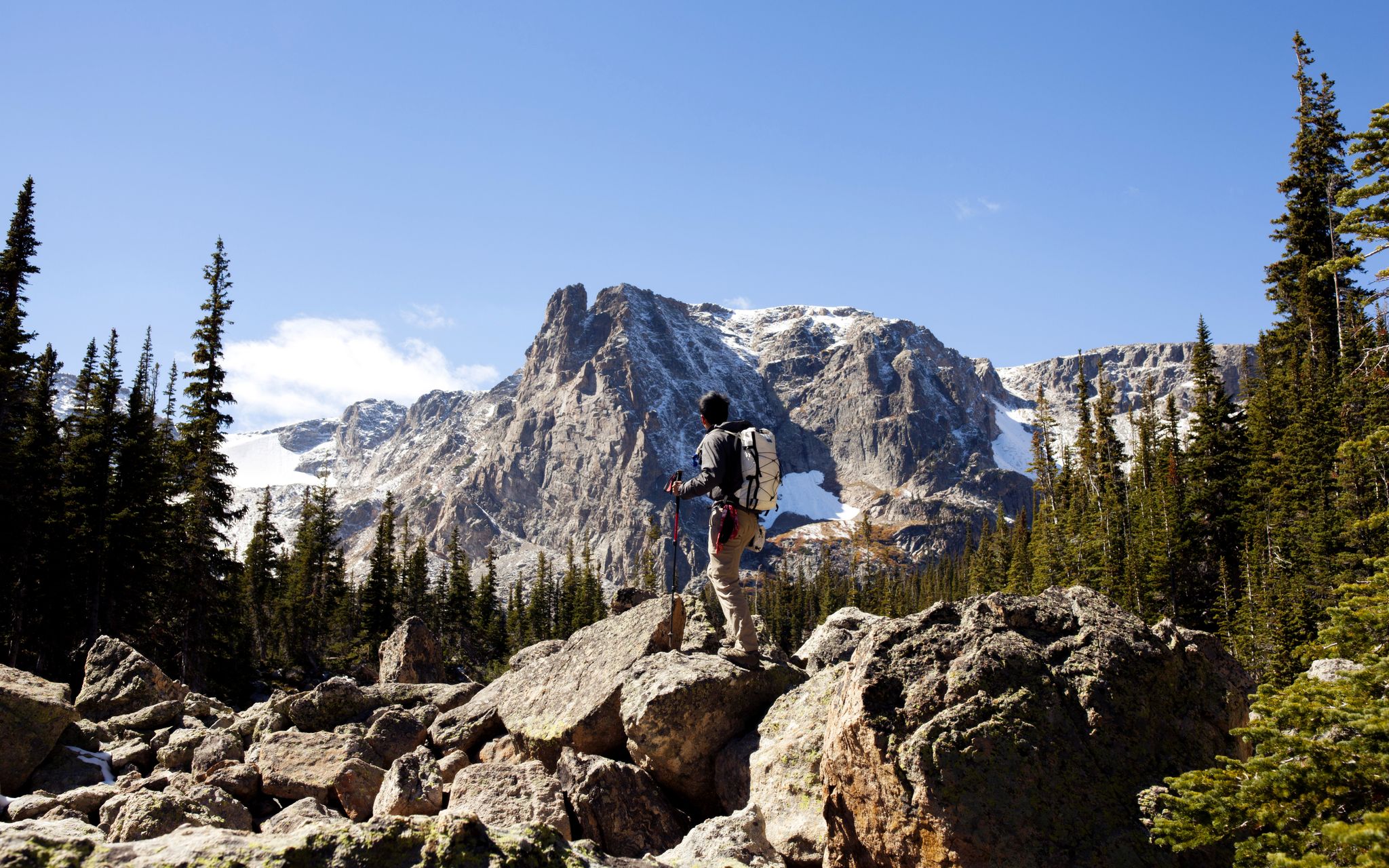
From the mountain peaks to the prairie – Rocky Mountains and Great Plains
Hiking in Grand Teton National Park
Cycling in Grand Teton National Park
MTB Trails in Grand Teton National Park
Road Cycling Routes in Grand Teton National Park
Running Trails in Grand Teton National Park
Other adventures in Grand Teton National Park


Tips from the Community

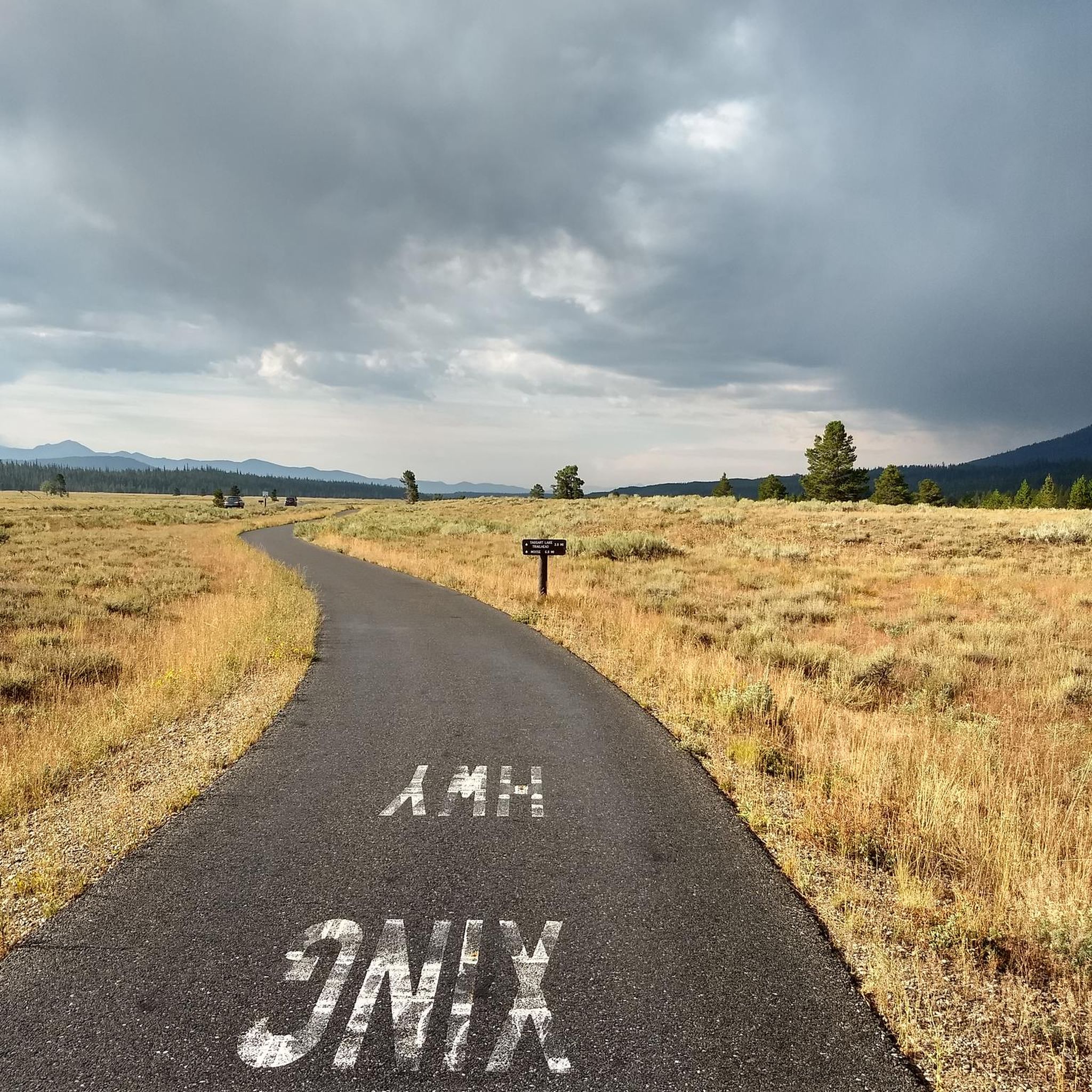
Ride the scenic Teton Park Road for stunning views of the Teton Range. This paved route runs between Moose and Jackson Lake Junction, with wide shoulders and epic photo stops. Watch for wildlife crossings, carry water, and enjoy the classic backdrop of rugged peaks and alpine lakes.
1
0

Getting to the top of Table Mountain is no mean feat — but it's well worth the effort, as this peak packs some really incredible views of Cascade Canyon and the Grand, South, and Middle Tetons looming above it. Make sure you plan your approach carefully: Coming from the west is challenging but doable.
1
0

At more than 10,400 feet, lies Rendezvous Mountain in the middle of the Teton Range and offers spectacular views of the area! Even though that experience is impossible to top, many people agree that there is a way of making it even more unforgettable: just try one of the waffles at Corbet's Cabin and you will know what they are talking about.
0
0

Hermitage Point is a breathtaking spot at the far southern tip of a stout peninsula that juts out into Jackson Lake. You get fantastic views of the iconic Teton Range over the cold waters of Jackson Lake. Although its not a particularly difficult hike to get to this spot, it is a rather long one, so Hermitage Point usually feels quite secluded. This is an amazing, one-of-a-kind spot to enjoy a snack and take ample photographs before returning to the Colter Bay Trailhead and Visitor Center.
1
0

Easy, leisurely hike on a well-developed path to the vantage point. The view of Grand Tetons was beautiful. The snow has emphasized the contours of the mountains beautifully. It takes little time and you will be rewarded with a great view.
1
0

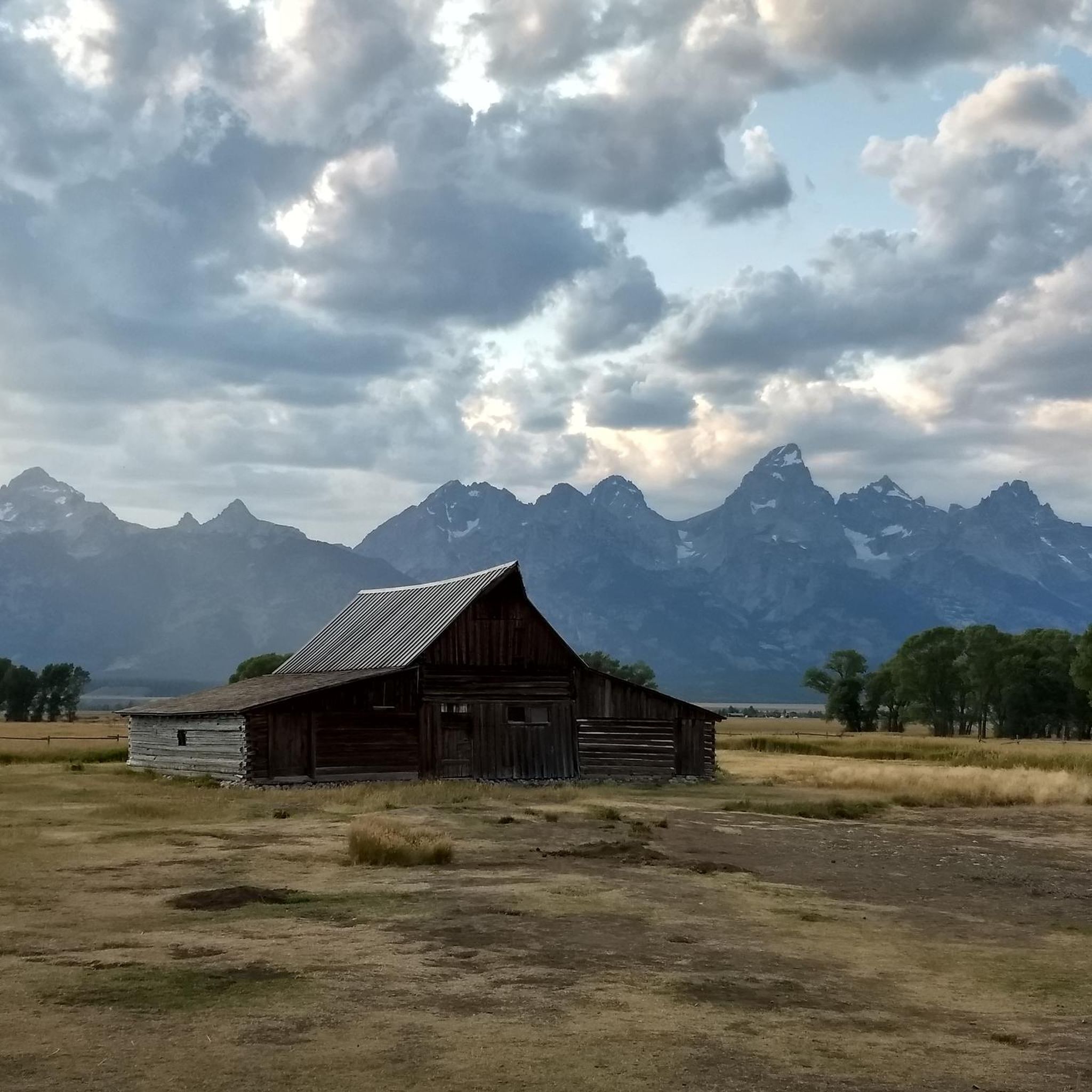
The excellent paved bike trail runs parallel to the main park road as it enters Grand Teton National Park from the south, with the impressive background of Grand Teton, the tallest mountain in the Teton Range. The naming of the mountains is attributed to early 19th-century French-speaking trappers—les trois tétons (the three teats) was later anglicized and shortened to Tetons. At 13,775 feet (4,199 m), Grand Teton abruptly rises more than 7,000 feet (2,100 m) above Jackson Hole, almost 850 feet (260 m) higher than Mount Owen, the second-highest summit in the range. The park has numerous lakes, including 15-mile-long (24 km) Jackson Lake as well as streams of varying length and the upper main stem of the Snake River. Though in a state of recession, a dozen small glaciers persist at the higher elevations near the highest peaks in the range. Some of the rocks in the park are the oldest found in any American national park and have been dated at nearly 2.7 billion years. Find out more at https://en.wikipedia.org/wiki/Grand_Teton_National_Park
1
0
Grand Teton National Park, created in 1929 and enlarged in 1950 with the inclusion of the Jackson Hole conservation area set aside through land purchases by JD Rockefeller and other concerned citizens, is a popular destination for mountaineering, hiking, fishing and other forms of recreation. There are more than 1,000 drive-in campsites and over 200 miles (320 km) of hiking trails that provide access to backcountry camping areas. Noted for world-renowned trout fishing, the park is one of the few places to catch Snake River fine-spotted cutthroat trout. Grand Teton has several National Park Service-run visitor centers, and privately operated concessions for motels, lodges, gas stations and marinas. The Park is named for Grand Teton, the tallest mountain in the Teton Range, attributed to early 19th-century French-speaking trappers—les trois tétons (the three teats) was later anglicized and shortened to Tetons. At 13,775 feet (4,199 m), Grand Teton abruptly rises more than 7,000 feet (2,100 m) above Jackson Hole, almost 850 feet (260 m) higher than Mount Owen, the second-highest summit in the range. The park has numerous lakes, including 15-mile-long (24 km) Jackson Lake as well as streams of varying length and the upper main stem of the Snake River. Though in a state of recession, a dozen small glaciers persist at the higher elevations near the highest peaks in the range. Some of the rocks in the park are the oldest found in any American national park and have been dated at nearly 2.7 billion years. https://www.nps.gov/grte
0
1

Grand Teton National Park is often only seen as an appendage to Yellowstone National Park, which is a shame. It is a great park with endless possibilities for walking and cycling. The Teton Range mountain range offers wonderful hikes with fantastic views of the extensive plain. The nice thing is that it is not as crowded as nearby Yellowstone. Great photo opportunities can be found along the Snake River and many animals can be seen, e.g. Eg moose, bald eagle, bear, deer and of course the little squirls. There are a few, few campgrounds where it is recommended to book in advance as far as possible.
0
1
Frequently Asked Questions
What are some of the most prominent mountain peaks in Grand Teton National Park?
Grand Teton National Park is home to several iconic peaks. The most prominent include Grand Teton, the highest in the range, Mount Owen, and Mount Moran. Other notable peaks within the Cathedral Group include Teewinot Mountain, Middle Teton, and South Teton. These peaks offer a range of experiences, from challenging mountaineering ascents to breathtaking scenic views from nearby trails and overlooks.
Are there any family-friendly viewpoints or easy hikes to enjoy the mountain peaks?
Yes, there are several accessible spots to enjoy the stunning mountain peaks. Grand View Point offers beautiful views of the Grand Tetons via an easy, well-developed path. Another excellent option is Signal Mountain Overlook, which provides unobstructed views of the Jackson Hole valley and the Tetons. For a longer but still accessible experience, the hike to View of the Teton Range from Hermitage Point offers fantastic views over Jackson Lake.
What kind of climbing opportunities do the Grand Teton peaks offer?
The Grand Teton peaks are a prime destination for climbers. Grand Teton itself offers over 100 established climbing routes, with the Owen-Spalding route being the standard for experienced mountaineers. Mount Owen is popular for technical climbers, often summitted as part of the demanding Cathedral Traverse. Teewinot Mountain is known for alpine scrambling and mountaineering, presenting significant challenges despite being less technical than Grand Teton. For those seeking a rewarding non-technical ascent, Middle Teton can be climbed without ropes or specialized gear via its Southwest Couloir.
Which peaks are suitable for experienced scramblers without technical climbing gear?
For experienced scramblers looking for a challenge without needing technical climbing gear, Middle Teton is an excellent choice. Its standard route via the Southwest Couloir is considered a strenuous, long day hike involving significant elevation gain and boulder hopping, but typically does not require ropes. South Teton also offers an accessible scramble for skilled hikers, often combined with a climb of Middle Teton due to their proximity.
Where can I find spectacular views of the Teton Range and its peaks?
Spectacular views of the Teton Range are abundant. Rendezvous Mountain, at over 10,400 feet, offers expansive vistas of the entire area. Hermitage Point provides fantastic views of the iconic Teton Range over the cold waters of Jackson Lake. Additionally, Grand View Point and Signal Mountain Overlook are popular spots for panoramic views. Many hiking trails, such as those through Garnet Canyon or around Jenny Lake and Cascade Canyon, also offer awe-inspiring perspectives of peaks like Grand Teton, Mount Owen, and Teewinot Mountain.
What are some popular hiking trails near the mountain peaks?
Grand Teton National Park offers numerous hiking trails with views of the peaks. Popular options include the Jenny Lake Loop Trail, the Heron Pond and Swan Lake Loop Trail, and the Taggart Lake-Bradley Lake Loop. For more challenging hikes that get you closer to the peaks, consider routes like Surprise, Amphitheater, and Delta Lakes. You can find more details and routes in the Hiking in Grand Teton National Park guide.
Are there other outdoor activities available near the Grand Teton peaks besides hiking and climbing?
Yes, Grand Teton National Park offers a variety of outdoor activities. Cycling is very popular, with routes like the Grand Teton National Park Road Trip and the Jenny Lake & Snake River loop. Running is also a great way to explore, with trails such as the Cascade Creek loop from Jenny Lake. The park's numerous lakes, including Jackson Lake, also provide opportunities for water-based activities. For more information on cycling, refer to the Cycling in Grand Teton National Park guide, and for running, check out the Running Trails in Grand Teton National Park guide.
What makes the Grand Teton mountain range unique compared to other mountain ranges?
The Grand Teton mountain range is unique for its dramatic rise from the valley floor without foothills, making the peaks appear even more massive and imposing. This characteristic, combined with their sharply rising, glacially carved forms, creates a uniquely dramatic landscape. The range is also home to some of the oldest rocks found in any American national park, dating back nearly 2.7 billion years.
Can I spot wildlife near the mountain peaks?
Yes, Grand Teton National Park is rich in wildlife, and spotting animals near the peaks and surrounding areas is common. Visitors often see moose, deer, bald eagles, and even bears. Trails around areas like Grand View Point or along the Snake River offer good opportunities for wildlife viewing. It's always advisable to carry bear spray and be aware of your surroundings.
What is the best time of year to visit Grand Teton National Park for mountain views or activities?
The best time to visit for mountain views and most activities is typically from late spring through early fall (May to October). During this period, trails are generally clear of snow, and the weather is more favorable for hiking, climbing, and cycling. Early season (late spring/early summer) is ideal for seeing the Skillet Glacier on Mount Moran, while fall brings vibrant foliage and fewer crowds. Winter offers opportunities for winter climbing, but conditions are much more challenging.
Are there any specific permits required for climbing the higher peaks?
Yes, permits are required for overnight stays in the backcountry, which includes many multi-day climbing expeditions on the higher peaks. For day climbs, specific permits might not be needed for the ascent itself, but it's crucial to register your climb with the Jenny Lake Ranger Station for safety. Always check the official Grand Teton National Park website for the most current regulations regarding permits, registration, and any specific requirements for technical climbing routes.
Which peaks are part of the "Cathedral Group"?
The "Cathedral Group" is a cluster of the Teton Range's tallest mountains, known for their pyramidal shapes formed by glacial activity. This impressive group includes Grand Teton, Mount Owen, Teewinot Mountain, Middle Teton, and South Teton. These peaks are a major draw for mountaineers and offer some of the most iconic views in the park. You can learn more about the Teton Range, including the Cathedral Group, on Wikipedia.
What is the significance of Mount Moran's "Black Dike"?
Mount Moran is easily recognizable by its distinctive basalt intrusion known as the "Black Dike." This prominent geological feature is a dark, vertical band of rock that cuts across the lighter granite face of the mountain. It's a striking visual element that adds to Mount Moran's unique character and is a notable landmark for climbers and observers alike.
What do visitors appreciate most about the mountain peaks in Grand Teton National Park?
Visitors consistently appreciate the unparalleled, dramatic beauty of the mountain peaks in Grand Teton National Park. The way the peaks rise abruptly from the valley floor, the stunning vistas from viewpoints like Grand View Point, and the sense of seclusion found at spots like Hermitage Point are frequently highlighted. The opportunity for challenging hikes and climbs, combined with the chance to spot diverse wildlife, also contributes to a highly valued experience.
Most popular routes in Grand Teton National Park
Most popular attractions in Grand Teton National Park

Get inspired with the komoot mobile app


Explore more
See even more amazing summits in Grand Teton National Park with these guides:
