The best road cycling routes in Mammoth Cave National Park
8
riders
3
rides
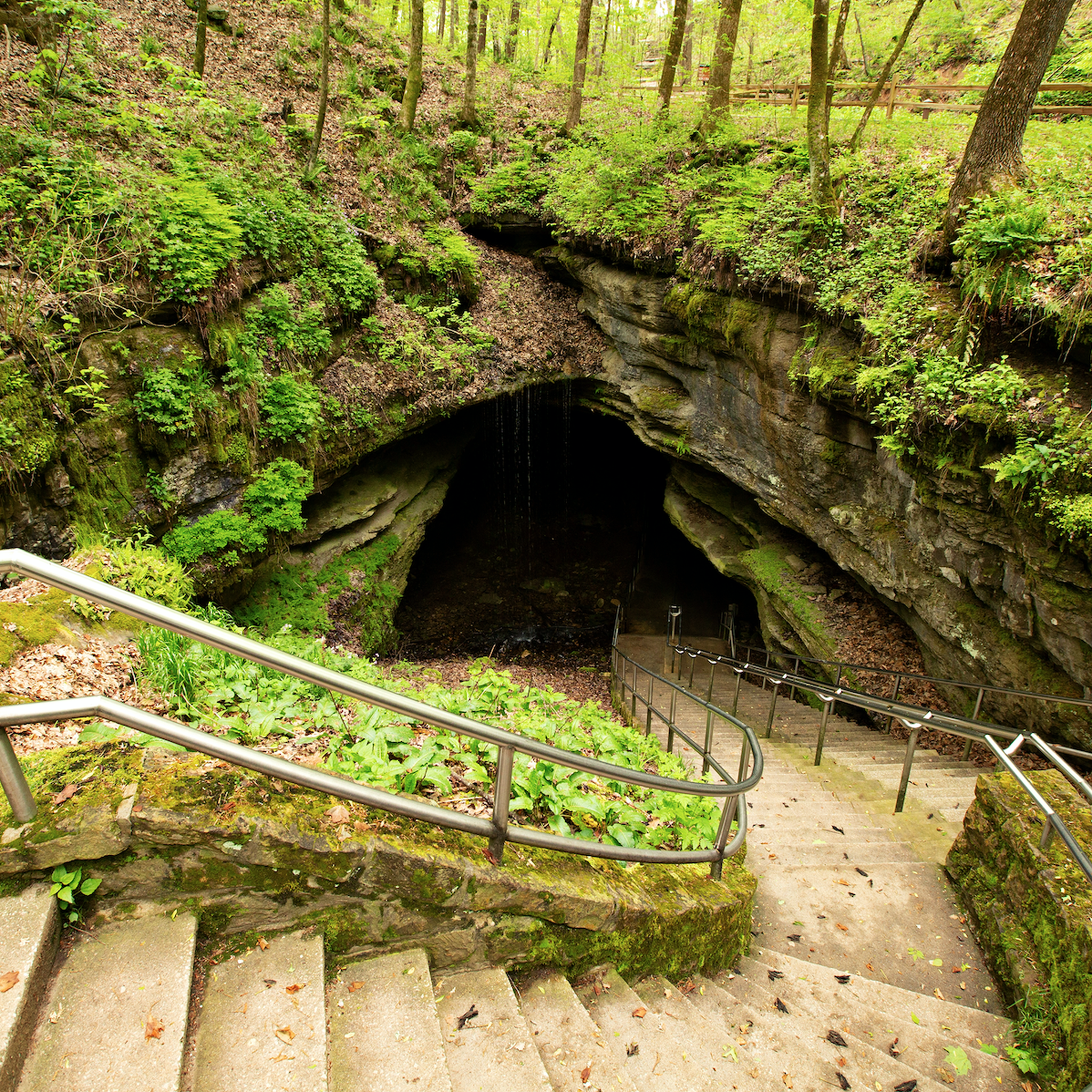
Road cycling routes in Mammoth Cave National Park traverse a landscape characterized by rolling hills, deep river valleys, and extensive deciduous forests. The park is bisected by the Green River, contributing to its varied terrain. This region features karst topography, with a network of sinkholes and springs, though road cycling primarily occurs on paved park roadways. The area offers a mix of moderate elevation gains and more challenging climbs.
Best road cycling routes in Mammoth Cave National Park
- The most…
Last updated: May 29, 2026
2
riders
54.2km
02:42
300m
300m
Moderate road ride. Good fitness required. Mostly well-paved surfaces and easy to ride.
3
riders
60.2km
03:47
650m
650m
Moderate road ride. Good fitness required. Some segments of this route may be unpaved and difficult to ride.

Sign up for free
3
riders
94.8km
05:46
770m
770m
Hard road ride. Very good fitness required. Some segments of this route may be unpaved and difficult to ride.
Our route recommendations are based on thousands of hikes, rides, and runs completed by other people on komoot.
Start today with a free account
Your next adventure awaits.
Login or Signup
Popular around Mammoth Cave National Park
Tips from the Community

This scenic lookout is named after the Doyel family, who owned large parts of the area before it became a national park. You can find great views of the rolling hills and valleys.
0
0
Sloan's Crossing Pond was formed by a sinkhole which has been filled in over decades to form the pond. The small body of water is encircled by a wide wooden boardwalk, making it accessible for prams and wheelchairs. You can see an abundance of wildlife at any time of the year, although summer would be the peak time for viewing.
0
0
Dixon Cave is accessible via a small path off the main hiking trail. An overlook offers views into the entrance of the cave, which extends around 1500 feet underground. Unlike other caves in the Mammoth Cave area, Dixon Cave is not publicly accessible.
0
0
Frequently Asked Questions
What kind of terrain can I expect on road cycling routes in Mammoth Cave National Park?
Road cycling routes in Mammoth Cave National Park feature a diverse landscape of rolling hills, deep river valleys, and extensive deciduous forests. The park is characterized by its karst topography, including sinkholes and springs, though road cycling primarily takes place on paved park roadways. You'll encounter a mix of moderate elevation gains and more challenging climbs, offering varied experiences for cyclists.
Are there road cycling routes suitable for beginners or those looking for an easier ride?
Yes, Mammoth Cave National Park offers routes with varying difficulty. While some routes feature significant elevation, there are options like the Poynters Lake – Bell's Tavern loop from Park City, which is rated as moderate with manageable elevation, making it suitable for those seeking a less strenuous experience.
Where can I find challenging road cycling routes in Mammoth Cave National Park?
For experienced cyclists seeking a challenge, routes like the Mammoth Cave – Diamond Caverns loop from Smiths Grove offer a difficult ride with substantial elevation gain over 67 miles. Another demanding option is the Sloan's Crossing Pond – Doyel Valley Overlook loop from Smiths Grove, which covers nearly 59 miles with significant climbs.
What are some scenic viewpoints or natural features I can see along the road cycling routes?
The park's road cycling routes traverse forested areas and offer glimpses of its unique karst landscape. While specific overlooks are not always directly on the paved cycling routes, the park itself is known for its natural beauty. You can explore features like River Styx Spring and Cedar Sink, which showcase the park's hydrological system and geological formations. The Mammoth Cave National Park — Trails and Overlooks highlight also points to areas with scenic views.
Is public transport available to access the cycling routes in Mammoth Cave National Park?
Mammoth Cave National Park is primarily accessed by private vehicle. While there isn't extensive public transport directly serving the cycling routes within the park, the park is integrated into two significant U.S. Bicycle Routes: the TransAmerica Bicycle Route (USBR 76) and the Cave Country Bicycle Route (USBR 23), which connect to various towns and sites.
What is the best time of year to go road cycling in Mammoth Cave National Park?
The park offers enjoyable cycling experiences throughout much of the year. Spring and fall generally provide the most pleasant temperatures and vibrant scenery with blooming wildflowers or colorful foliage. Summers can be warm and humid, while winters are milder but may have occasional cold snaps. Always check local weather forecasts before your ride.
Are there any specific safety recommendations for road cycling in Mammoth Cave National Park?
When road cycling in Mammoth Cave National Park, it's crucial to remember that you'll be sharing roadways with automobile traffic. Always adhere to traffic rules, including speed limits and stop signs. It is highly recommended to wear bright, visible clothing and a helmet. Riding single file is advised, especially on narrow sections and around blind curves, to ensure your safety.
Are there any family-friendly road cycling options in the park?
While the paved park roadways are shared with vehicles, the park does offer the 9-mile Mammoth Cave Railroad Bike and Hike Trail, a crushed-gravel path that is generally more suitable for families and offers historical points of interest. For road cycling on paved surfaces, routes with moderate difficulty and less traffic might be considered, but caution is always advised when cycling with children on shared roads.
What are some nearby attractions or points of interest to explore after a road cycling trip?
After your ride, you can explore the park's famous subterranean wonders with a guided cave tour at the Mammoth Cave Historic Entrance. Above ground, you might visit the Old Guide's Cemetery for a historical perspective, or simply enjoy the numerous hiking trails and river activities available within the park.
Are there any loop routes for road cycling in Mammoth Cave National Park?
Yes, many of the road cycling routes in Mammoth Cave National Park are designed as loops, allowing you to start and end at the same point. Examples include the Doyel Valley Overlook – Sloan's Crossing Pond loop from Cave City and the Doyel Valley Overlook – Sloan's Crossing Pond loop from Smiths Grove, which offer circular journeys through the park's varied landscapes.
What are the parking options for road cyclists in Mammoth Cave National Park?
Parking is available at various visitor centers and designated areas within Mammoth Cave National Park. It's advisable to check the official National Park Service website for specific parking locations and any potential fees or regulations, especially during peak seasons. Parking is generally available near trailheads or visitor facilities that provide access to the park's road network.
Can I bring my dog on road cycling routes in Mammoth Cave National Park?
While dogs are generally welcome in certain areas of Mammoth Cave National Park, there are restrictions. Pets are typically allowed on surface trails and in campgrounds, but not inside the caves or on specific backcountry trails. When cycling on park roads, ensure your dog is on a leash and that you adhere to all park regulations regarding pets. Always check the latest park guidelines before your visit.
Most popular routes in Mammoth Cave National Park
Most popular attractions in Mammoth Cave National Park

Get inspired with the komoot mobile app


