The best cycling routes in Yellowstone National Park
5.0
(5)
72
riders
9
rides
Touring cycling in Yellowstone National Park offers diverse routes through a landscape characterized by extensive geothermal features, dramatic canyons, and vast valleys. The park's terrain includes both relatively flat sections through geyser basins and more challenging routes with gradual elevation changes. Cyclists can explore areas with hot springs, geysers, and the Yellowstone River, set against a backdrop of the Middle Rocky Mountains.
Best touring cycling routes in Yellowstone National Park
- The most popular touring cycling route is Fairy Falls Trail, a 9.6 miles (15.5 km) trail that takes 1 hour 19 minutes to complete. This route provides access to the scenic Fairy Falls.
- Another top favourite among local touring cyclists is Abandoned Railroad Bed Bike Trail, an easy 8.7 miles (13.9 km) path. This trail follows a former railway line, offering a generally level surface.
- Local touring cyclists also love the Leather Pool – Fountain Paint Pot Basin loop from West Yellowstone, a 52.5 miles (84.5 km) trail leading through geothermal areas, often completed in about 5 hours 7 minutes.
- Touring cycling in Yellowstone National Park is defined by geothermal basins, river valleys, and mountain views. The network offers options for different ability levels, from easy paths to more challenging loops.
- The routes in Yellowstone National Park are highly rated by the komoot community with an average score of 5.0 stars from over 3 reviews. More than 70 touring cyclists have used komoot to explore Yellowstone National Park's varied terrain.
Last updated: July 7, 2026
8
riders
15.5km
01:19
70m
70m
Explore Yellowstone's Fairy Falls Trail by touring bike, an easy 9.7-mile route offering thermal features and a stunning waterfall.
5.0
(1)
3
riders
13.9km
01:18
70m
70m
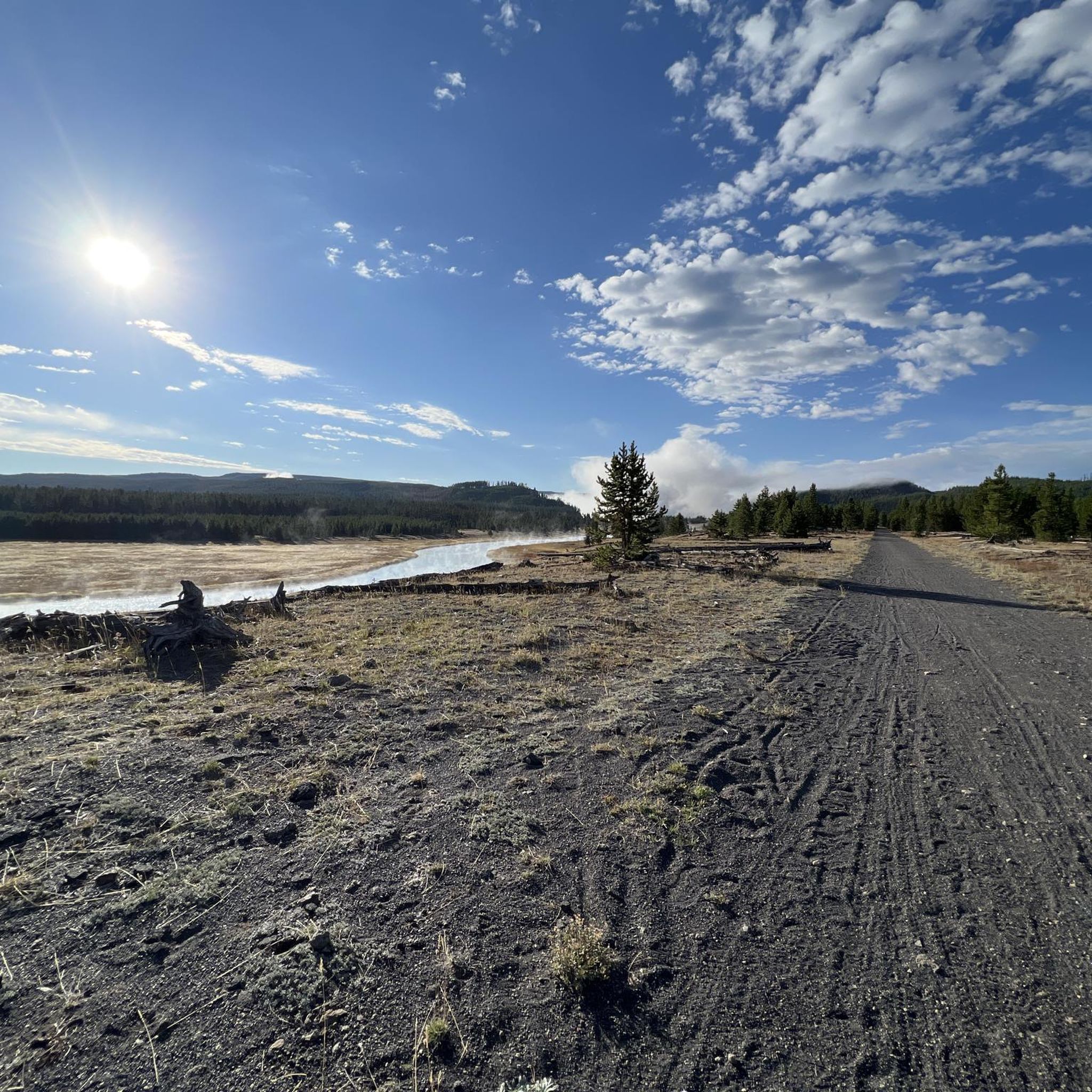
The Abandoned Railroad Bed Bike Trail offers a unique touring cycling experience along a historic railway corridor just outside Yellowstone National Park. As you ride, you'll parallel the Yellowstone River, enjoying picturesque views with Electric Peak in the distance, all while keeping an eye out for wildlife like pronghorn, elk, and bison in the high desert landscape. The trail is mostly level and easy, making it accessible for many, but its gravel and dirt surface means a mountain or gravel bike is best.
Planning your visit means being prepared for the unpaved surface; a mountain or gravel bike is recommended, and tire sealant can be a lifesaver against cactus. You might need to walk your bike for a short, unmarked section at the start. Crucially, this area is home to black and grizzly bears, so always carry bear spray and maintain a safe distance from all wildlife.
This trail is a fantastic example of a rail-trail conversion, repurposing an old railway line into a recreational path. Its location near the north entrance of Yellowstone National Park provides stunning natural views and a chance to cycle a route that once brought visitors and supplies to the famous park, blending history with the region's unique ecosystem.

Sign up for free
2
riders
Cycle a moderate 35.8-mile loop through Yellowstone's Upper Geyser Basin, featuring Old Faithful, Morning Glory Pool, and diverse landscapes
1
riders
11.1km
00:44
60m
60m
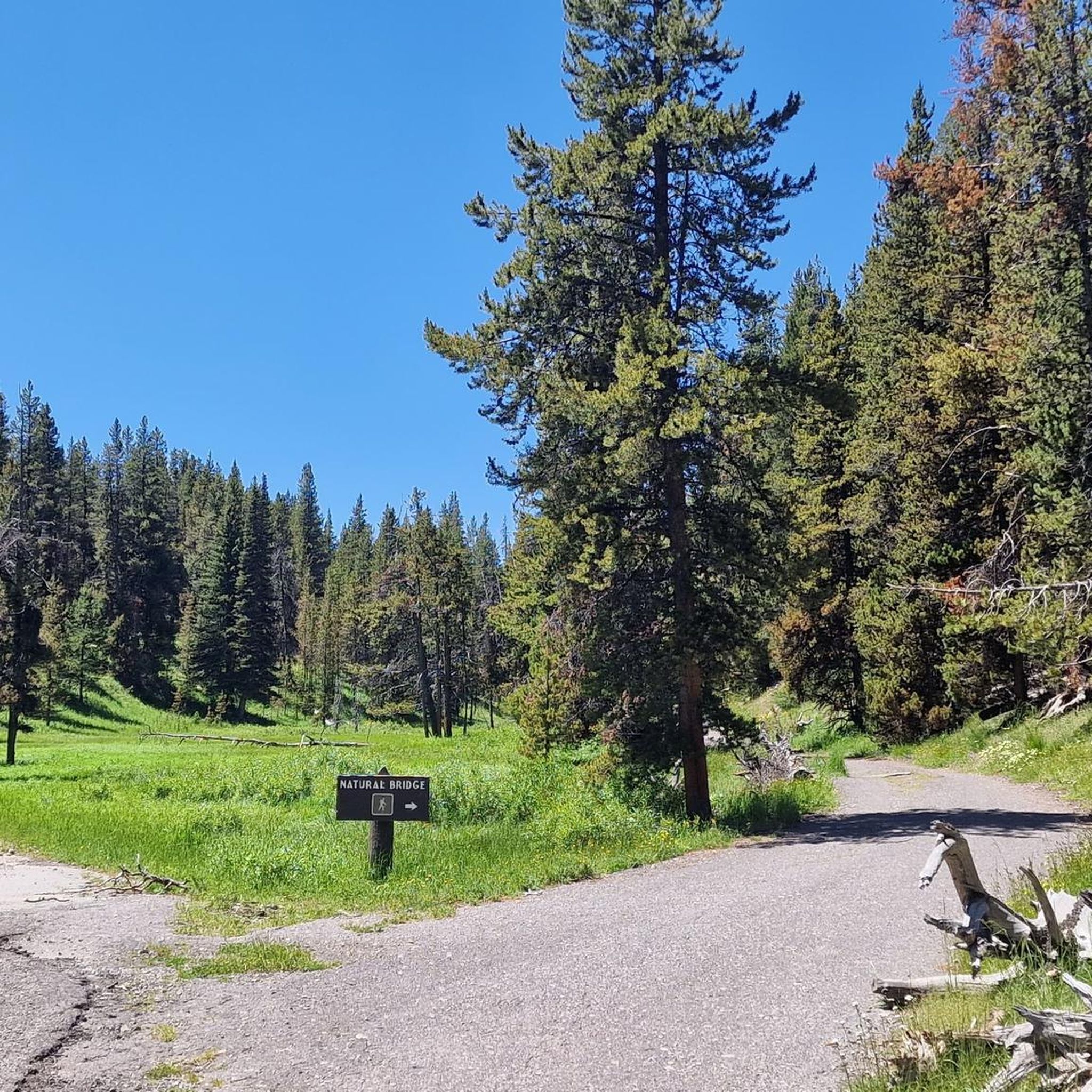
If you're seeking a diverse and relatively flat touring cycling route in Yellowstone, the Old Lake Road and Natural Bridge Trail delivers a pleasant experience. You'll begin with car-free views along the paved Old Lake Road Bike Trail, tracing the shores of Yellowstone Lake. Later, the route transitions into a forested path leading to the unique 51-foot (18 m) Natural Bridge, a geological wonder carved by Bridge Creek, offering a mix of smooth and slightly rougher surfaces.
This easy 6.9-mile (11.1 km) ride, with only 188 feet (57 metres) of elevation gain, typically takes around 43 minutes. However, planning is crucial: both sections are prone to seasonal closures, especially in early summer, due to significant bear activity. Always check with the Fishing Bridge Visitor Center for current conditions and carry bear spray. Note that pets are allowed on the Old Lake Road section but generally not on the Natural Bridge trail.
This combined route offers a unique opportunity to experience two distinct Yellowstone landscapes by bike. The Old Lake Road provides serene lakeside cycling, while the Natural Bridge section offers a journey through the forest to a striking natural formation. It's an excellent option for family-friendly touring cycling, providing a taste of Yellowstone's beauty without demanding strenuous effort, making it a popular choice for visitors.
5.0
(1)
31
riders
84.5km
05:07
400m
400m
This touring cycling route from West Yellowstone takes you deep into Yellowstone National Park, offering a unique blend of road cycling and on-foot exploration of geothermal wonders. You'll pedal through forests and along rivers, keeping an eye out for wildlife like elk and bison, before reaching the Lower Geyser Basin. The highlight is parking your bike to walk the Fountain Paint Pot Trail, a boardwalk loop showcasing mudpots, hot springs, geysers, and the distinctive Leather Pool.
Planning your visit requires attention to detail; this is a difficult 52.5 miles (84.5 km) ride with 1306 feet (398 metres) of elevation gain, taking approximately 5 hours and 6 minutes. The best times to go are spring (early April to mid-May) or fall (late October to early November) when park roads might be open to bikes with less vehicle traffic. Be aware that bikes are not allowed on the boardwalks, so you'll need to explore the thermal features on foot.
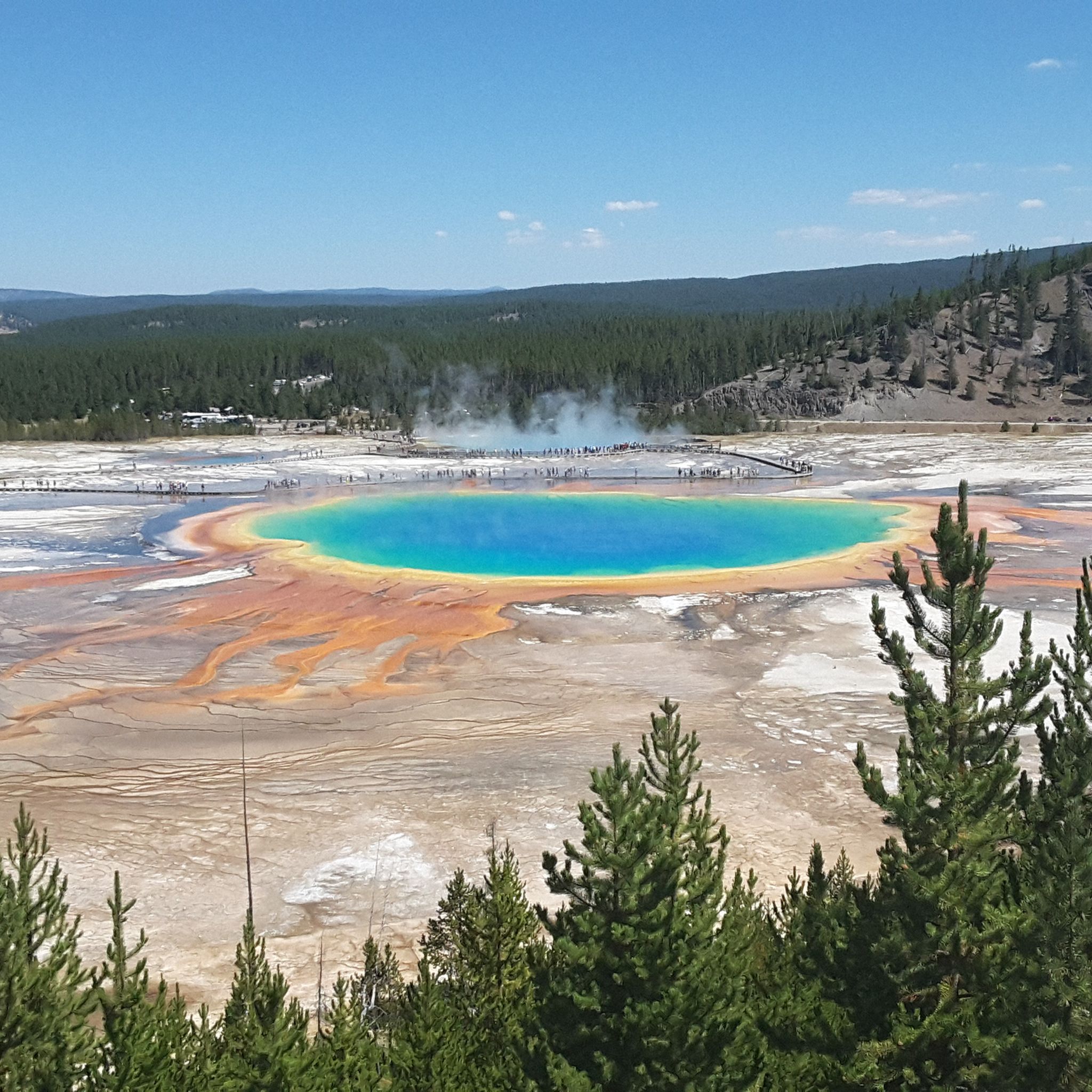
While the main route is on park roads, for a dedicated cycling experience near thermal features, consider adding the Fountain Flat Road to your itinerary. This 7.8-mile round trip dirt and gravel road near Midway Geyser Basin is open to bikes and offers views of areas like Grand Prismatic Spring. Always be prepared for wildlife encounters and carry bear spray when cycling in Yellowstone.
Get access to more routes and recommendations from other explorers.
Sign up for free
Already have an account?
Our route recommendations are based on thousands of hikes, rides, and runs completed by other people on komoot.
Start today with a free account
Your next adventure awaits.
Login or Signup
Popular around Yellowstone National Park
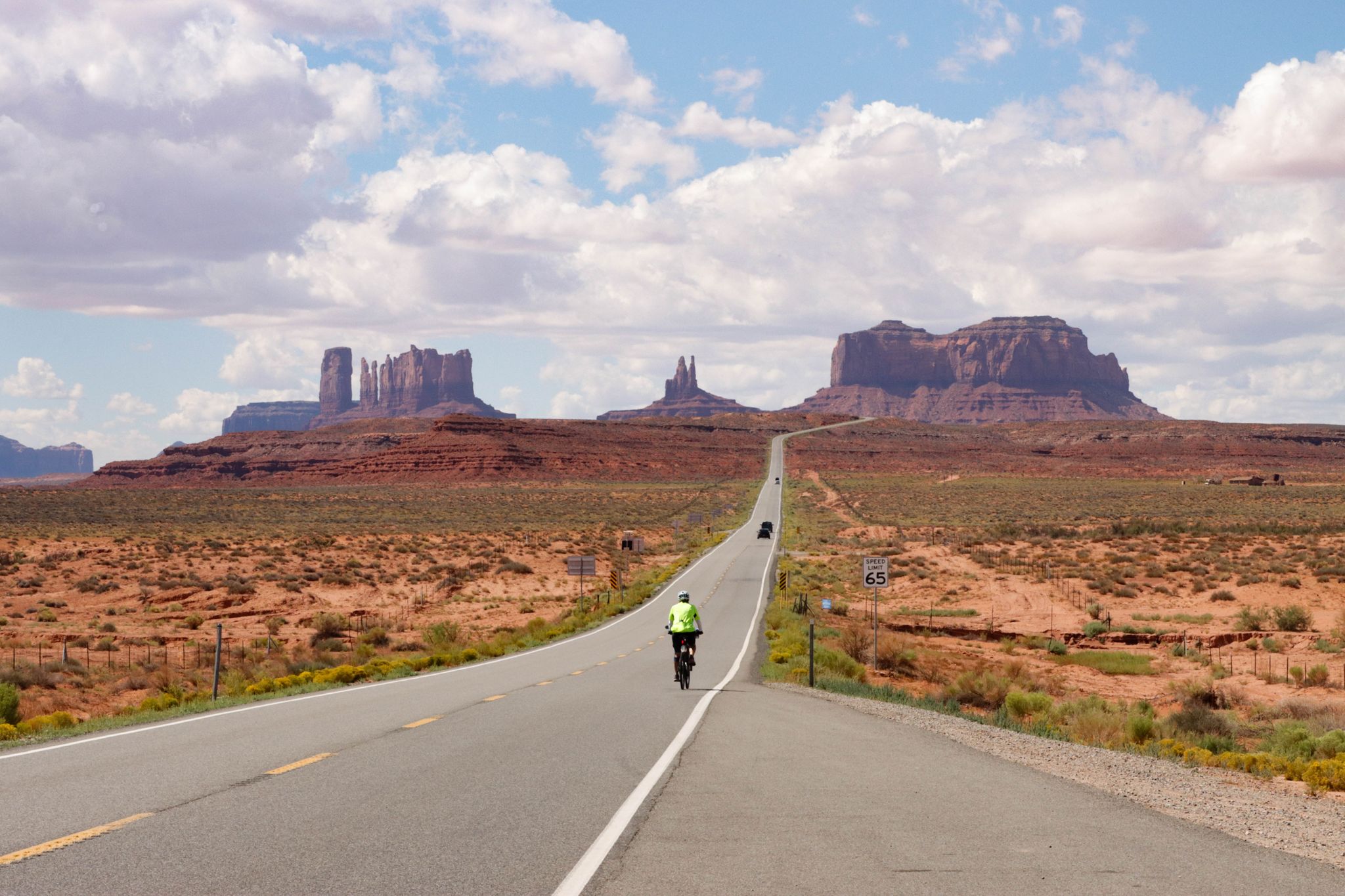
From the Arctic Ocean to the Panama Canal — North American Epic
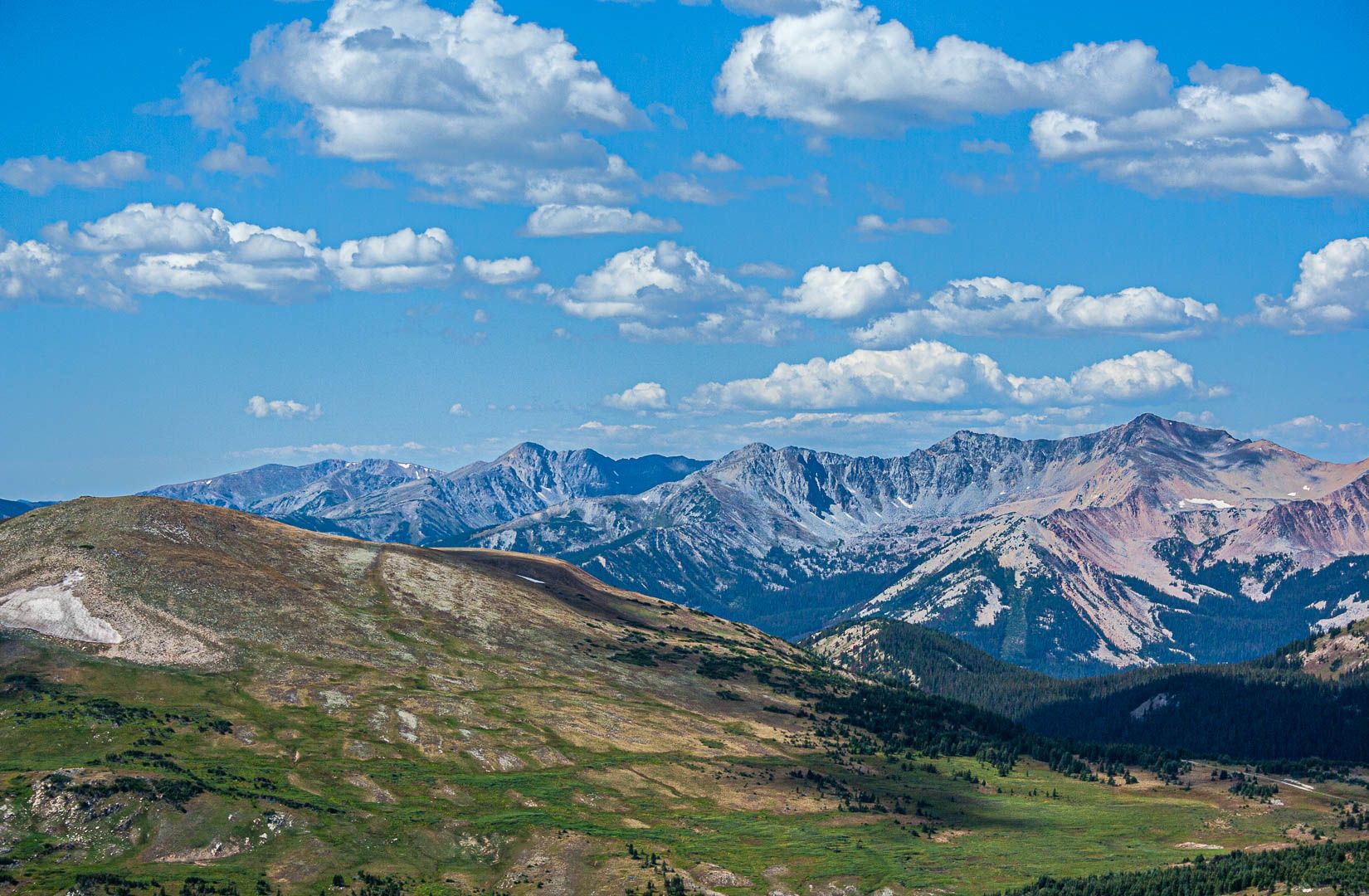
The Continental Divide Trail — Across the sky of America
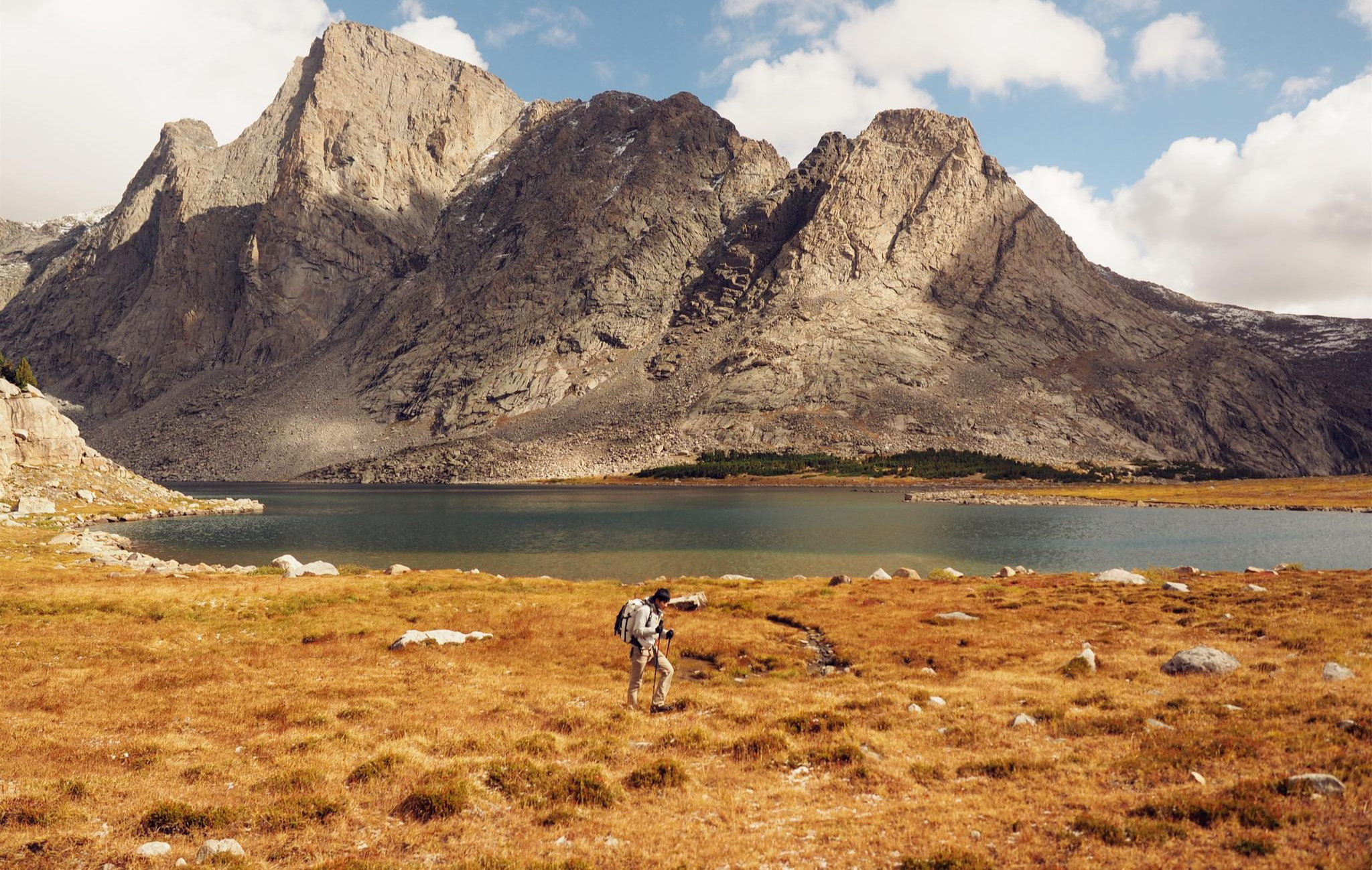
Like in the Wild West – hiking on the Oregon Trail
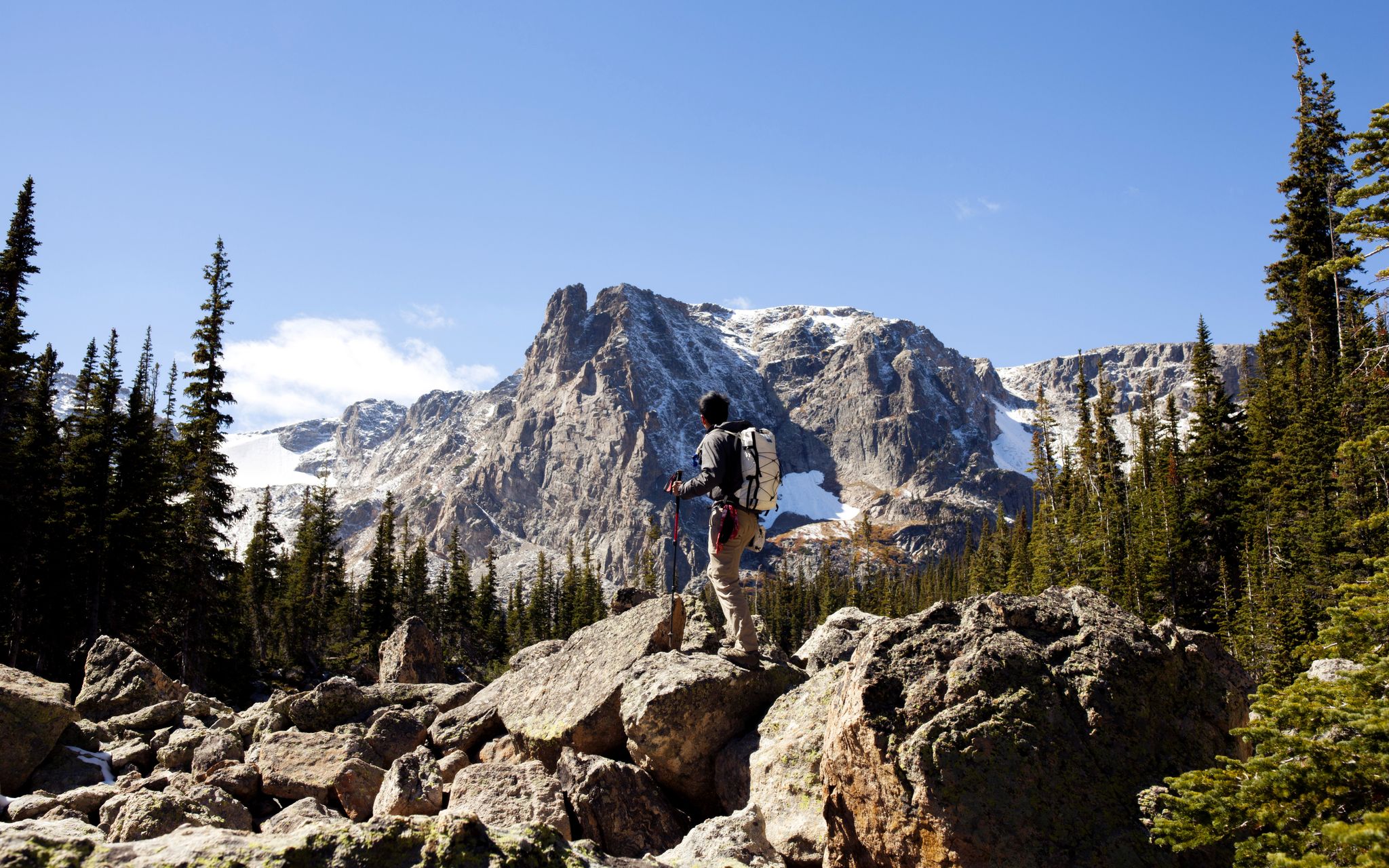
From the mountain peaks to the prairie – Rocky Mountains and Great Plains
The pristine beauty of the US National Parks
Hiking in Yellowstone National Park
MTB Trails in Yellowstone National Park
Running Trails in Yellowstone National Park
Road Cycling Routes in Yellowstone National Park
Other adventures in Yellowstone National Park


Tips from the Community

Absolutely worth seeing, like the entire Yellowstone National Park!
0
0

The Roosevelt Arch is a historic stone gateway at Yellowstone’s north entrance in Gardiner, Montana. Built in 1903, it famously bears the inscription “For the Benefit and Enjoyment of the People.”
0
0

**Review of the Fountain Paint Pots in Yellowstone National Park** **Highlights:** The Fountain Paint Pots are a fascinating geothermal feature located in Yellowstone's Lower Geyser Basin. These bubbling mud pots are named for their vibrant colors, which result from iron oxide in the soil. The area also showcases other geothermal wonders, including hot springs, geysers, and fumaroles, offering visitors a diverse and captivating experience. The dynamic nature of the mud pots, which vary in consistency throughout the year, adds to their charm. **Gear Needed:** - **Comfortable Footwear:** The trail is entirely on a boardwalk, but sturdy shoes are recommended. - **Water:** Stay hydrated, especially during warmer months. - **Sun Protection:** A hat, sunscreen, and sunglasses are essential. - **Camera:** Capture the unique geothermal features and landscapes. **Timing:** The Fountain Paint Pot Trail is a short 0.5-mile loop that takes about 30-45 minutes to complete. Early mornings or late afternoons are ideal for avoiding crowds and enjoying cooler temperatures. **Key Points:** - The trail is family-friendly and wheelchair accessible. - Pets are not allowed on the trail. - Stay on the boardwalk at all times to protect yourself and the fragile environment. - Wildlife sightings, such as bison or elk, are possible—maintain a safe distance. The Fountain Paint Pots are a must-see for anyone visiting Yellowstone. Their vibrant colors and dynamic activity make them a memorable highlight of the park's geothermal wonders.
0
0

The Morning Glory Pool is a hot spring in the Upper Geyser Basin of Yellowstone
1
0

The Old Faithful Lower General Store to Morning Glory Pool Bike Trail in Yellowstone National Park offers a 2-mile round-trip journey along a level, paved path. Starting near the Old Faithful Inn, cyclists can explore numerous geysers and thermal features en route to the famous Morning Glory Pool. Bicycles are prohibited on boardwalks and the unpaved trail beyond Morning Glory Pool leading to Biscuit Basin; however, bike racks are available for parking, so you explore these amazing geothermic features on foot. Be aware: the trail can be very, very crowded with pedestrians, so early morning or evening rides are recommended.
0
0
The Natural Bridge Bike Trail in Yellowstone National Park is a 2.5-mile round-trip trail that begins just south of the Bridge Bay Marina off the Grand Loop Road. The trail follows a mostly disintegrated paved road through forested areas, joining a service road that leads to the Natural Bridge — a 51-foot rhyolite rock arch formed by Bridge Creek. Biking is permitted up to the service road portion, but beyond there, only hiking is allowed; you can leave your bike to hike up to the arch. The short but steep switchback trail to the top of the bridge is closed to protect this fragile resource. Mountain bikes are recommended due to the trail's condition. Like everywhere in Yellowstone, you should be alert for black and grizzly bears in the area and carry bear spray.
0
0
The Old Lake Road Bike Trail in Yellowstone National Park offers a scenic 1-mile ride right on the lakeshore between Lake Hotel and the main road south of Lake Junction. This out-and-back trail provides amazing views of Yellowstone Lake, free of cars. Cyclists should remain aware of both black and grizzly bears in the area. Bears frequent the area so much actually that the trail is closed in June due to their activity; visitors should check with the Fishing Bridge Visitor Center for current opening dates. Leashed pets are permitted on this trail.
0
0
The Fountain Freight Road Bike Trail is a 4-mile (6.4 km) one-way route along an old dirt and gravel road, this is now totally closed to automobiles. The trail is fairly level, but mountain bikes are recommended due to the terrain. Parking at the south end of Fountain Flat Drive at the Fairy Falls Trailhead can be challenging during the summer; parking at the north end is more limited, but is often less crowded. Be aware: bikes are not allowed on the trail out to Fairy Falls, but you can leave your bike where the Fairy Falls Trail splits off from the Fountain Freight Road and hike to the falls.
1
0
Frequently Asked Questions
What types of touring cycling routes can I find in Yellowstone National Park?
Yellowstone National Park offers a variety of touring cycling routes, ranging from easy, relatively flat paths through geothermal areas to more challenging loops with gradual elevation changes. You'll find routes that follow former railway lines, like the Abandoned Railroad Bed Bike Trail, and longer tours that explore extensive geyser basins.
Are there any easy, family-friendly cycling routes in Yellowstone National Park?
Yes, Yellowstone offers several easy routes suitable for families. The Fairy Falls Trail is a popular choice, offering a 9.6-mile ride to the scenic Fairy Falls. Another accessible option is the Abandoned Railroad Bed Bike Trail, an 8.7-mile path known for its generally level surface, making it ideal for a relaxed ride.
What are the main natural features and attractions I can see while cycling in Yellowstone?
Yellowstone National Park is renowned for its diverse natural features. While cycling, you can explore extensive geothermal areas with geysers, hot springs, and mud pots, such as those found along the Upper Geyser Basin loop. You might also encounter dramatic canyons, vast valleys teeming with wildlife like bison and elk, and majestic lakes like Yellowstone Lake. Iconic sights include Lower Yellowstone Falls and the vibrant Black Pool.
Are there any circular touring cycling routes in Yellowstone National Park?
Yes, there are circular routes available for touring cyclists. An example is the Leather Pool – Fountain Paint Pot Basin loop from West Yellowstone, which is a challenging 52.5-mile ride through geothermal areas. The Upper Geyser Basin loop also offers a comprehensive circular experience through some of the park's most famous thermal features.
What is the best time of year to go touring cycling in Yellowstone National Park?
The best time for touring cycling in Yellowstone is typically during the spring and fall. During these seasons, certain park roads are opened exclusively to bicyclists and other non-motorized users before vehicle access begins in the spring, and after roads close to regular traffic in the fall. This offers a unique, car-free experience and a chance to see wildlife more easily.
What do other touring cyclists say about their experience in Yellowstone National Park?
The touring cycling routes in Yellowstone National Park are highly rated by the komoot community, with an average score of 5.0 stars from over 3 reviews. More than 70 touring cyclists have used komoot to explore the park's varied terrain, often praising the unique geothermal landscapes and opportunities for wildlife viewing.
Can I see waterfalls along the cycling routes in Yellowstone National Park?
Yes, you can encounter stunning waterfalls while cycling or by taking short detours from the main routes. The Fairy Falls Trail leads directly to Fairy Falls. Other notable waterfalls in the park include the majestic Lower Yellowstone Falls and Upper Yellowstone Falls, which can be viewed from various points, including Artist Point.
Are there any specific rules or permits required for cycling in Yellowstone National Park?
Biking in Yellowstone National Park is permitted on established public roads and designated routes. For detailed information on specific rules, regulations, and any potential permit requirements, it's always best to consult the official park website: nps.gov/yell/planyourvisit/bicycling.htm.
What kind of wildlife can I expect to see while cycling in Yellowstone?
Yellowstone National Park is a prime location for wildlife viewing. Cyclists often spot bison and elk, especially in areas like Hayden Valley and Lamar Valley. Depending on your route and luck, you might also see deer, moose, and various bird species like eagles. Remember to always maintain a safe distance from all wildlife.
Are there any less crowded cycling routes or areas in Yellowstone National Park?
While popular areas can attract many visitors, exploring routes during the shoulder seasons (spring and fall) often provides a less crowded experience, especially when roads are open exclusively to cyclists. For specific less-traveled paths, consider exploring some of the backcountry routes or lesser-known trails away from the main attractions, though these may require mountain bikes.
Can I access lakes or geyser basins directly from touring cycling routes?
Many touring cycling routes offer direct access or close proximity to Yellowstone's famous geyser basins and lakes. For instance, the Upper Geyser Basin loop takes you through areas with numerous geysers and hot springs. The Old Lake Road and Natural Bridge Trail provides access to areas near Yellowstone Lake, including the scenic West Thumb Geyser Basin at Yellowstone Lake.
Most popular routes in Yellowstone National Park
Most popular attractions in Yellowstone National Park

Get inspired with the komoot mobile app


