Attractions and Places To See in Congaree National Park - Top 5
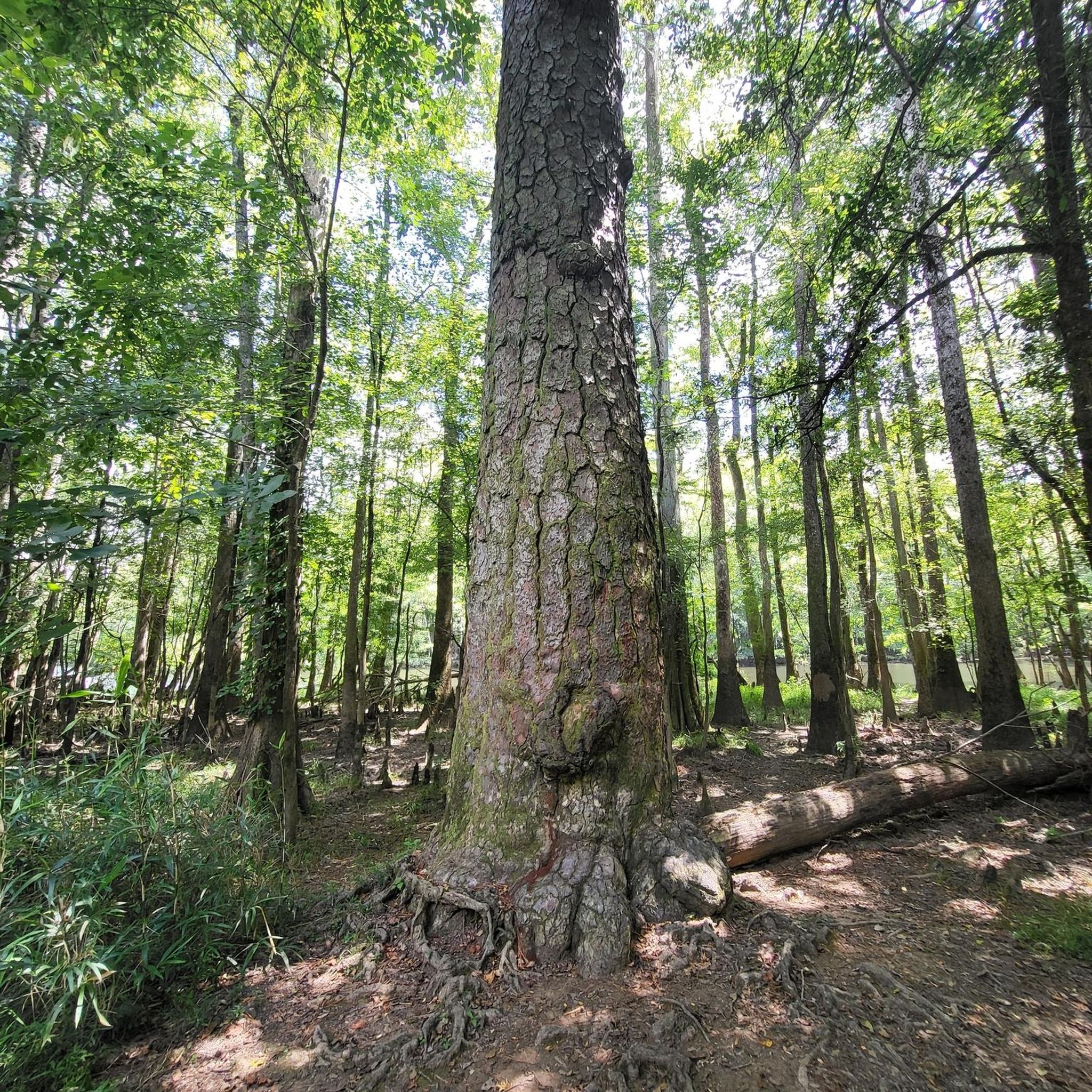
Best attractions and places to see in Congaree National Park include the largest tract of old-growth bottomland hardwood forest in North America. This dynamic floodplain ecosystem, shaped by the Congaree and Wateree Rivers, is home to champion trees, some of the tallest in the eastern United States. The park offers a variety of natural features, extensive trail systems, and insights into the region's cultural history.
Best attractions and places to see in Congaree National Park
- The most popular attractions is Congaree National Park Boardwalk, a trail that winds through the ancient hardwood forest. This elevated 2.4-mile boardwalk allows visitors to experience the swampy environment while protecting delicate ground-level plant life.
- Another must-see spot is Weston Lake, an oxbow lake situated within Congaree National Park. A loop trail, primarily on an elevated boardwalk, passes by the lake and through surrounding wetland areas, offering views of diverse plants and animals.
- Visitors also love Oakridge Trail, a trail through an impressive stretch of towering trees. This 7-mile hike traverses old-growth forest along a subtle ridge, providing opportunities to spot wildlife.
- Congaree National Park is known for its old-growth floodplain forest, champion trees, and diverse trail systems. The park offers a variety of natural features and historical sites to see and explore.
- The attractions in Congaree National Park are appreciated by the komoot community, with 19 upvotes and 22 photos shared.
Last updated: July 2, 2026
Congaree National Park Boardwalk
Highlight (Segment) • Trail
Tip by

Weston Lake
Highlight • Lake
Tip by

Sign up now to discover places like this
Get recommendations on the best single tracks, peaks, & plenty of other exciting outdoor places.
Sign up for free
Sims Trail
Highlight (Segment) • Trail
Tip by

Oakridge Trail
Highlight (Segment) • Trail
It is best to check in advance at the visitor center whether the trail is open.
Tip by

Kingsnake Trail
Highlight (Segment) • Trail
Tip by

Sign up for free to discover even more attractions in Congaree National Park.
Sign up for free
Already have an account?
Start today with a free account
Your next adventure awaits.
Login or Signup
Popular around Congaree National Park

Other adventures in Congaree National Park

Tips from the Community

The Sims Trail in Congaree National Park is an easy, 3.2-mile round-trip hike that follows an old gravel road through a lush floodplain forest. It connects the Bluff Trail to Cedar Creek, intersecting with the Boardwalk Trail and providing access to longer routes like the Weston Lake and Oakridge Trails . Along the way, hikers can enjoy scenic views of towering hardwoods and may encounter wildlife such as deer, fox squirrels, and various bird species.
0
0

Weston Lake is situated within Congaree National Park. There is a loop trail (primarily on an elevated boardwalk) that passes by the lake and through the wetland areas surrounding the water. The reservoir is home to a bunch of different plants and animals, and there are several areas with great views of the water.
0
0

The Kingsnake Trail is located in the Congaree National Park and offers a nice hike through diverse ecosystems, including old-growth floodplain forest and open marsh areas. The trail is great for birdwatching and showcases the park's rich biodiversity.
0
0
Weston Lake is situated within Congaree National Park. There is a loop trail (primarily on an elevated boardwalk) that passes by the lake and through the wetland areas surrounding the water. The reservoir is home to a bunch of different plants and animals, and there are several areas with great views of the water.
1
0

The Boardwalk is a great place to see some of the giant trees that put this park on the map, as well as habitat for the rare Carolina bogmint. There are numbered markers along the boardwalk that corresponds with the current park visitor's guide and provides information on the history of the park.
0
0

Beautiful trail through an impressive stretch of towering trees. It is best to check in advance at the visitor center whether the trail is open.
1
0


About 20 miles southwest of Columbia, the capital of South Carolina, the last large and old hardwood forests of the United States can be found on the Congaree River. In a vast swamp area - the national park covers 67 square miles - the trees form one of the highest natural roof areas in the world. A hike through the park's rustic swamp landscape is impressive, mystical and enchanting. Various circular hiking trails, some of which lead over a raised wooden plank path, open up the north-western area of the park area. The approx. 4.5 mile long Weston Lake Loop Trail leads past the lake of the same name. The visitor center provides information about nature and settlement history. The national park's website provides up-to-date information and a wealth of information about the history and features of the park: nps.gov/cong/index.htm
1
0
Frequently Asked Questions
What are the most popular trails in Congaree National Park?
The most popular and accessible trail is the Congaree National Park Boardwalk, an elevated 2.4-mile loop that winds through the ancient hardwood forest. Another popular option is the Weston Lake Loop Trail, which offers excellent views of Cedar Creek and the floodplain forest.
What natural features can I explore in Congaree National Park?
Congaree National Park is renowned for its old-growth bottomland hardwood forest, home to impressive "champion trees" like bald cypress and loblolly pine, some of the tallest in the eastern United States. You can also explore beautiful oxbow lakes such as Weston Lake and Wise Lake, and the slow-moving Cedar Creek.
Are there family-friendly activities or trails in Congaree National Park?
Yes, the park offers several family-friendly options. The Congaree National Park Boardwalk is an elevated, accessible trail perfect for all ages. The Sims Trail is another easy, 3.2-mile round-trip hike through a lush floodplain forest, suitable for families. Ranger-led programs also provide engaging educational experiences.
What is the historical significance of Congaree National Park?
The park is named after the Congaree people, who inhabited the region for thousands of years. The dense wilderness of the floodplain also served as a refuge for enslaved people seeking freedom. Historic sites within the park, such as cattle mounds and remnants of dikes, showcase early settlers' adaptation to the unique environment. Harry Hampton is recognized for his significant preservation efforts that led to the park's establishment.
Can I go canoeing or kayaking in Congaree National Park?
Yes, paddling down Cedar Creek is a highly recommended way to experience the park's towering trees and wildlife from a unique perspective. It offers a different vantage point of the forest and its inhabitants.
What kind of wildlife can I expect to see in Congaree National Park?
Congaree National Park is a haven for wildlife. Visitors often spot deer, fox squirrels, and various bird species, especially along trails like the Kingsnake Trail. River otters, bald eagles, and osprey can also be seen, particularly around the Fork Swamp area. The park is also known for its synchronous fireflies during certain times of the year.
Are there accessible trails for visitors with mobility needs?
Yes, the Congaree National Park Boardwalk is an elevated, 2.4-mile loop trail that is wheelchair accessible, allowing visitors to experience the swampy environment without navigating uneven terrain.
What are the typical trail difficulty levels in Congaree National Park?
The park offers a range of trails from easy to moderate. The Boardwalk Loop and Sims Trail are considered easy. Longer trails like the Kingsnake Trail and Oakridge Trail are generally moderate, traversing diverse ecosystems and old-growth forests.
When is the best time to visit Congaree National Park?
The park experiences regular flooding, which shapes its ecosystem. It's advisable to check current trail and water conditions at the Harry Hampton Visitor Center before your visit. Late spring is particularly popular for observing synchronous fireflies, though this is a lottery-controlled event.
Are dogs allowed on trails in Congaree National Park?
While the park generally welcomes pets, specific regulations apply. It's best to check the official park website or inquire at the Harry Hampton Visitor Center for the most up-to-date information on where dogs are permitted.
What are some longer hiking options for experienced hikers?
For those seeking longer hikes, the Kingsnake Trail (11.7 miles) and the Oakridge Trail (7 miles) provide more extensive routes through diverse ecosystems and old-growth forests. You can find more hiking options in the Hiking in Congaree National Park guide.
Are there camping opportunities within Congaree National Park?
Yes, Congaree National Park offers both primitive camping and backcountry camping options for visitors looking for a more immersive wilderness experience. Information on permits and specific sites can be obtained from the park's visitor center.
What are "champion trees" and where can I see them?
Champion trees are exceptionally large or tall trees, and Congaree National Park is famous for them, boasting some of the tallest in the eastern United States. These include record-setting loblolly pines, bald cypress, and water tupelo. Many of these can be seen from the Boardwalk Loop Trail and other trails that traverse the old-growth floodplain forest.
Most popular routes in Congaree National Park

Get inspired with the komoot mobile app


Explore more
Still not found the Highlight you’re looking for? See guides of the top attractions in other regions:
