Attractions and Places To See in Skamania County - Top 20
Best attractions and places to see in Skamania County are found in southwestern Washington State, a region characterized by its diverse landscapes. The county features the Columbia River Gorge and Mount St. Helens, offering a mix of volcanic monuments and riverine scenery. Approximately 80% of the county lies within the Gifford Pinchot National Forest, providing extensive outdoor recreation opportunities. Its history includes Native American cultures and sites from the Lewis and Clark Expedition.
Best attractions and places to see in Skamania County
- The most popular attraction is Johnston Ridge Observatory, a viewpoint that tells the story of Mount St. Helens and the impact of its 1980 eruption. It offers insights into the volcano's past and ongoing geological processes.
- Another must-see spot is Silver Star Mountain, a summit and extinct volcano. It is named for its five prominent ridges that link to the summit in the shape of a star.
- Visitors also love Dog Mountain summit, a summit offering views of the Columbia Gorge and Mount Hood on clear days. This challenging trail provides rewarding panoramic vistas.
- Skamania County is known for its volcanic monuments, river gorges, and national forests. Visitors can explore a variety of natural features and historical sites.
- The attractions in Skamania County are appreciated by the komoot community, with 11 upvotes and 16 photos shared across 82 highlights.
Last updated: September 26, 2026
Johnston Ridge Observatory
Highlight • Viewpoint
Tip by

Dog Mountain summit
Highlight • Summit
Tip by

Sign up now to discover places like this
Get recommendations on the best single tracks, peaks, & plenty of other exciting outdoor places.
Ape Cave Interpretive Site/Lower entrance
Highlight • Cave
Tip by

Climbers Bivouac & Trailhead
Highlight • Rest Area
There are great camping options at the trailhead. Arrive early, since it fills quickly with hikers who plan to summit the next day. The trailhead is equipped with two pit toilets.
Tip by
Loowit Trail / Monitor Ridge junction
Highlight • Trail
The Loowit Trail, however, circumfences Mount Saint Helens and leads you to the blast zone. It is 30 miles long, so it can be a great multi-day adventure. There is no permit needed to complete the Loowit Trail.
Tip by
Mount St. Helens Summit
Highlight • Summit
Today, the volcano is still mildly active. You can see steam coming out of the crater and timelapse videos show the evolution of new cones over the years. A steep trail will lead you to the rim with some difficult terrain, the true summit is another 0.4 miles to the west. For summiting Mount St. Helens, you need to obtain a permit year round.
Tip by
Ape Canyon Trail
Highlight • Trail
Tip by

Silver Star Mountain
Highlight • Summit
Tip by
Treeline and restricted area
Highlight • Forest
Tip by
Hamilton Mountain summit
Highlight • Summit
Tip by

Sign up for free to discover even more attractions in Skamania County.
Already have an account?
Start today with a free account
Your next adventure awaits.
Popular around Skamania County

Pacific Crest Trail from Mexico to Canada – 4,200 kilometres of wilderness
The tour of your life – music trails on the Pacific coast
Volcanic peaks and glistening shores – discover Oregon and Washington
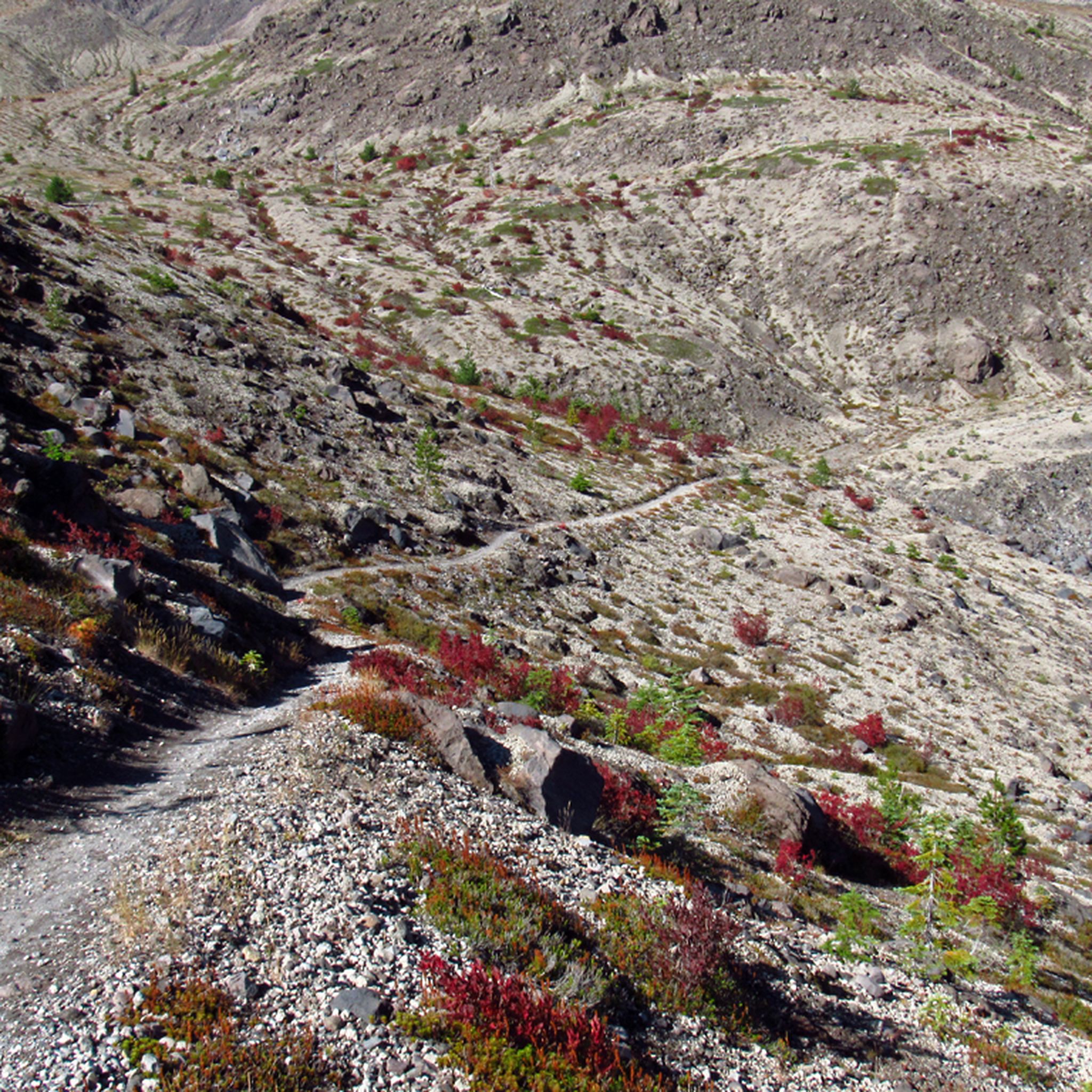
Hiking in Skamania County
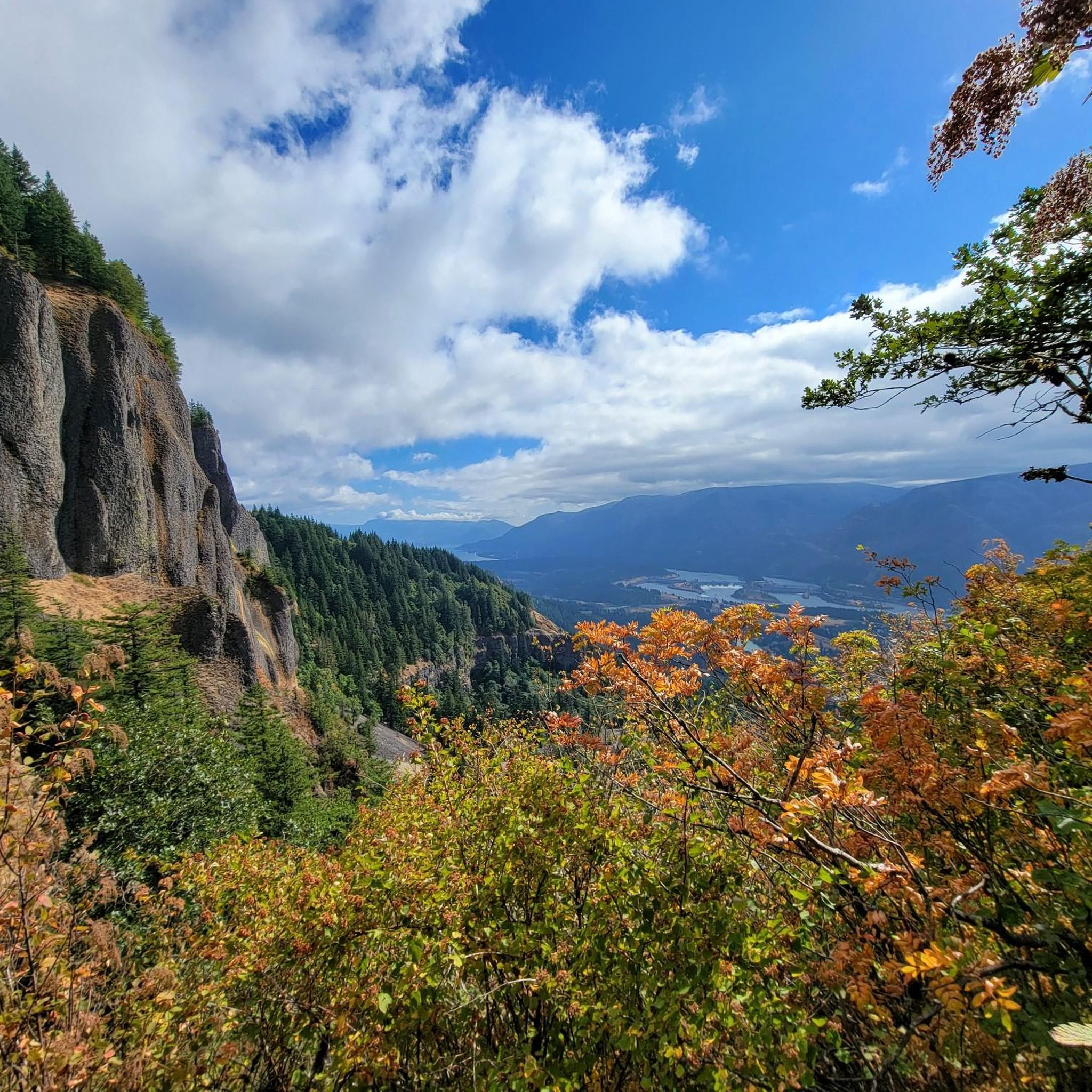
Running Trails in Skamania County
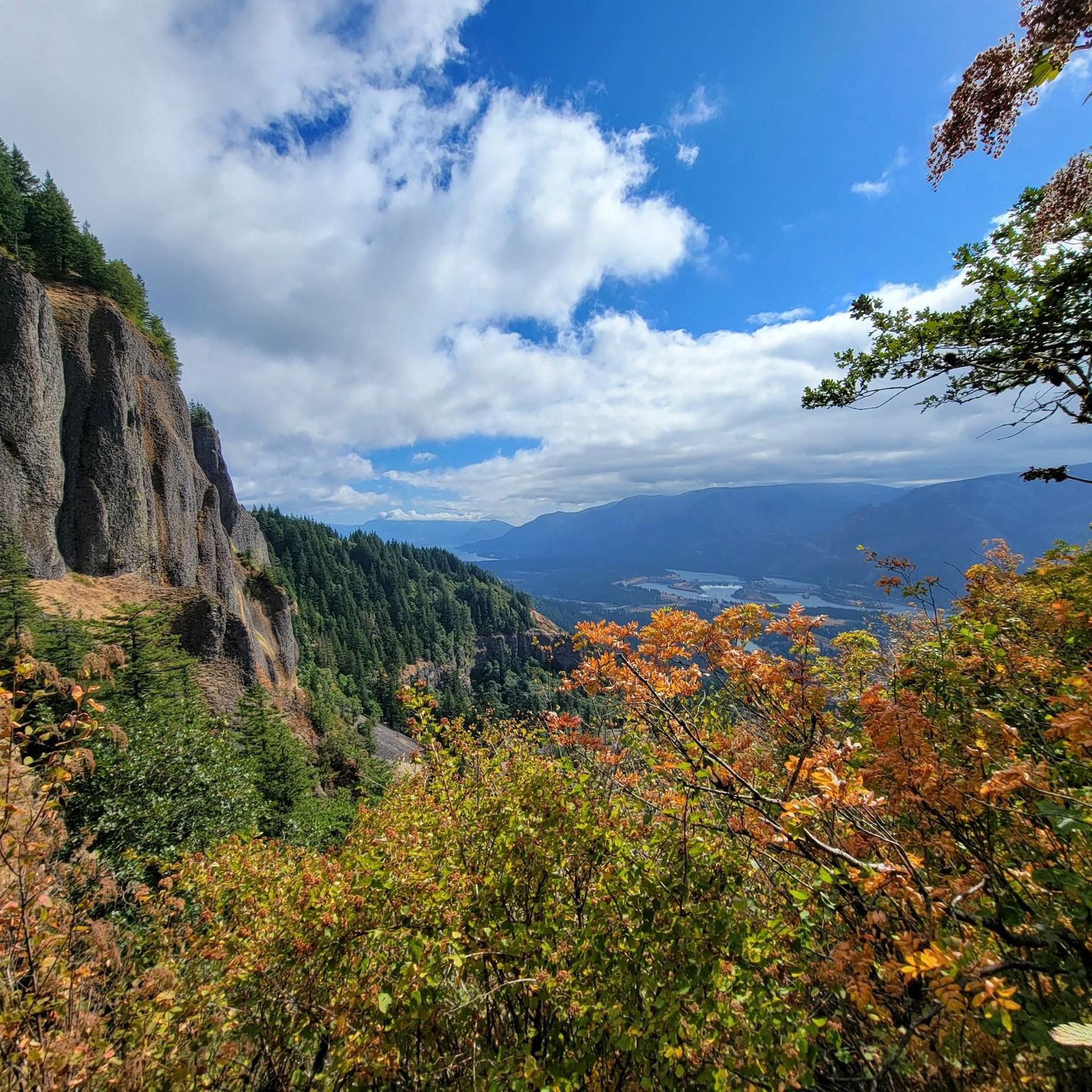
Road Cycling Routes in Skamania County
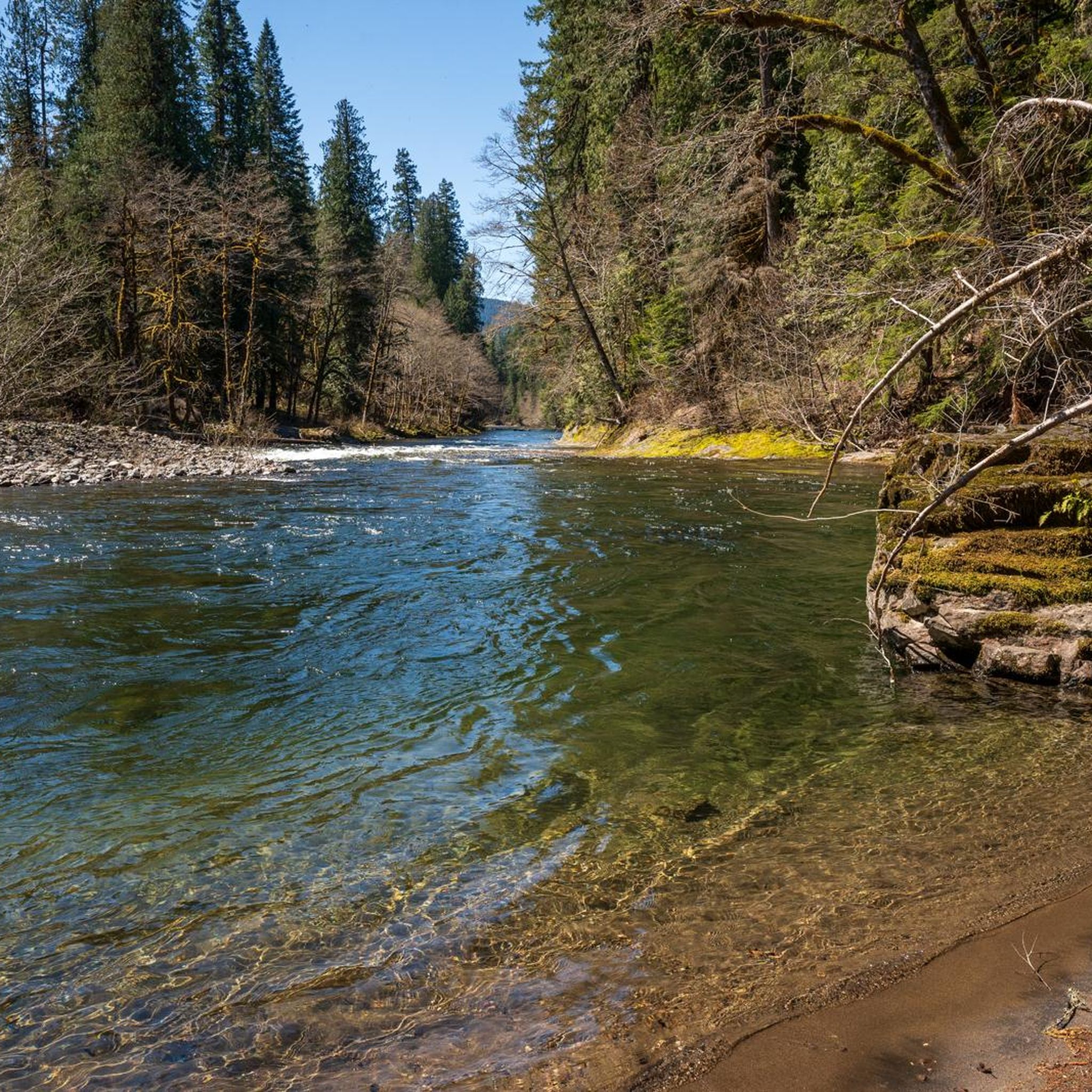
Cycling in Skamania County
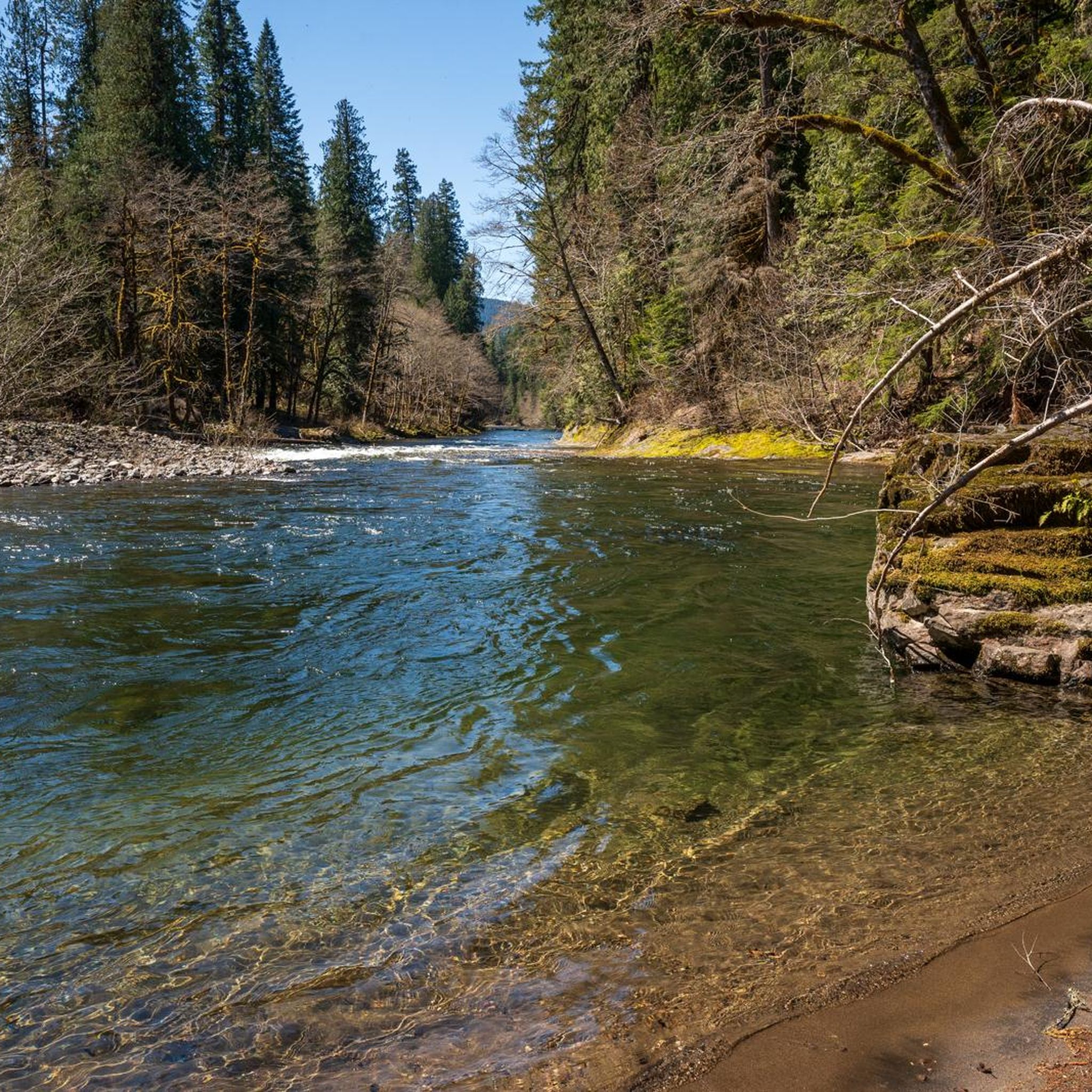
MTB Trails in Skamania County
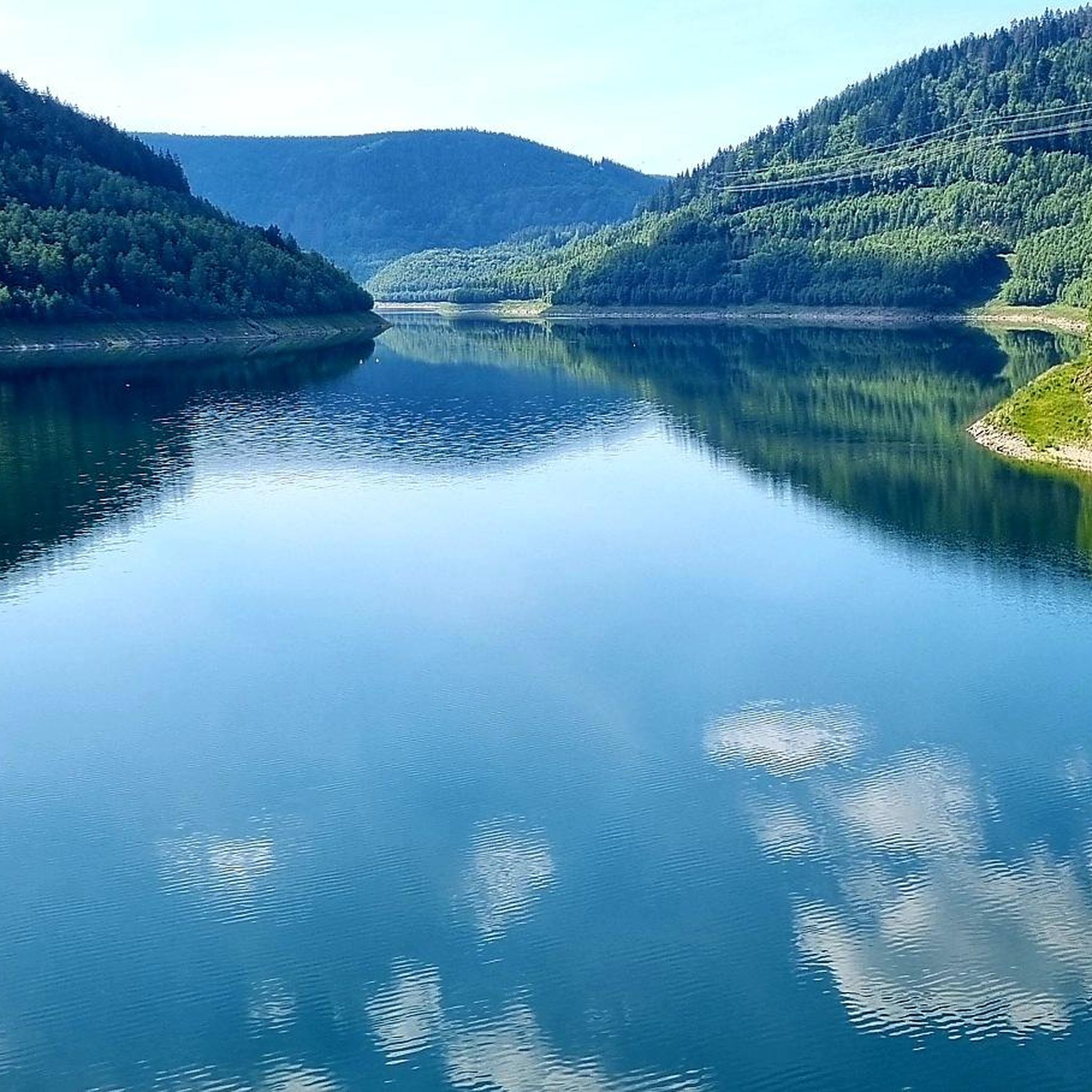
Gravel biking in Skamania County
Other adventures in Skamania County


Tips from the Community

Amazing trail. First bit out of the parking lot is the techiest. After that, it is one of the best rides you can do in Washington. Unbelievable views and nature
0
0

After two months of volcanic activity and shaken by an earthquake measuring 5.1 on the Richter scale, the north face of this tall symmetrical volcano collapsed in a massive rock debris avalanche. In moments, this slab of rock and ice slammed into Spirit Lake, crossed a 1,300-foot ridge and roared 14 miles down the Toutle River. The avalanche quickly released pressurized gases inside the volcano. A massive lateral explosion ripped through the avalanche and developed into a turbulent, rock-filled wind that swept over ridges and toppled trees. Nearly 150 square miles of forest were blown away or left dead and standing. At the same time, a mushroom-shaped column of ash rose thousands of feet into the sky and drifted against the wind, turning day into night as dark, gray ash fell across eastern Washington and beyond. Wet, cement-like mud of rock and silt scoured all sides of the volcano. Searing currents of pumice poured from the crater. The eruption lasted 9 hours, but Mount St. Helens and the surrounding landscape changed dramatically in a matter of moments.
0
0


The visitor center is currently closed (6.2023) due to a large landslide, and it will be closed for some time as they repair the road. The closest access point is the Mt St Helens Science and Learning Center, located on Coldwater Lake. There is a trail from the Learning Center that can link up to the Boundary Trail and other popular Mt St Helens trails, although it does add considerable distance.
0
0

On your way up to the summit of Mount Saint Helens, this is the last spot that has at least some shade. So take a short break, before you head out into the sun. This is also the boundary of the restricted area. You can hike up to this point without a permit, but to continue, you have to obtain a permit at https://www.recreation.gov/.
2
0
This is where the Ptarmigan Trail meets with the Loowit Trail and Monitor Ridge. If you plan to summit Mount Saint Helens, you continue along the rough Monitor Ridge. Keep in mind that you need a permit to do so. The Loowit Trail, however, circumfences Mount Saint Helens and leads you to the blast zone. It is 30 miles long, so it can be a great multi-day adventure. There is no permit needed to complete the Loowit Trail.
3
0
Climbers Bivouac is the main trailhead to summit majestic Mount Saint Helens. If you just hike to the base of the volcano, you can do so without a permit. But if you – like most people – want to climb this active volcano, you need to obtain a permit at https://www.recreation.gov/ in advance. There are great camping options at the trailhead. Arrive early, since it fills quickly with hikers who plan to summit the next day. The trailhead is equipped with two pit toilets.
3
0
The Ape Cave is the third longest lava tube in North America. This is the main entrance for the impressive Ape Cave. The cave consists of a massive lava tube that you can explore on your own. Before you do, though, you have to book an inexpensive ticket for a certain time slot from May through October on https://www.recreation.gov/timed-entry/10086990 – that is to save the cave from the masses and ensure that you can experience this unique formation without being rushed. Bring at least two sources of light (in case one fails), it is pitch black in the 2.5 mile tunnel. Also bring some warm layers as it is just 42 degrees cool even in summer.
2
0
Frequently Asked Questions
What are some must-see natural landmarks in Skamania County?
Skamania County is rich in natural beauty. You can explore the dramatic vistas of the Columbia River Gorge National Scenic Area, the iconic Johnston Ridge Observatory at Mount St. Helens, or the unique underground experience of Ape Cave Interpretive Site. Other notable features include Beacon Rock State Park, Mount Adams, and the scenic Falls Creek Falls.
Are there any historical or cultural sites to visit in the area?
Yes, Skamania County offers several historical and cultural points of interest. The Columbia Gorge Museum in Stevenson preserves the region's natural and cultural history, including Lewis & Clark exhibits and Native American history. You can also visit the Bonneville Dam Historic District, which includes the first hydroelectric dam on the Columbia River, or see the ancient Tsagaglalal "She Who Watches" Petroglyph.
What kind of outdoor activities can I do in Skamania County?
The county is a haven for outdoor enthusiasts. You can enjoy hiking, camping, and wildlife observation in the vast Gifford Pinchot National Forest. The Columbia River Gorge is popular for kiteboarding and windsurfing. For specific routes, you can find numerous easy hikes, road cycling routes, and MTB trails throughout the region.
Are there family-friendly attractions in Skamania County?
Absolutely! Families can enjoy exploring the Ape Cave Interpretive Site, which offers a fascinating underground adventure. Coldwater Lake, formed after the Mount St. Helens eruption, is a great spot for fishing, picnicking, and easy hikes like the "Birth of the Lake" trail. Skamania Lodge also offers family activities such as disc golf, an aerial park, and ziplining.
Where can I find the best viewpoints for scenic photography?
For breathtaking views, head to Johnston Ridge Observatory for unparalleled views of Mount St. Helens. Dog Mountain summit and Silver Star Mountain offer panoramic vistas of the Columbia Gorge and surrounding peaks. Sleeping Beauty Peak also provides stunning views after a moderate ascent.
What should I know before visiting Ape Cave?
The Ape Cave Interpretive Site is the third-longest lava tube in North America. It's advisable to book tickets in advance, especially from May through October, to ensure entry. Remember to bring at least two sources of light, as it's pitch black inside, and wear warm layers as the cave maintains a cool 42 degrees Fahrenheit even in summer.
Can I hike to the summit of Mount St. Helens?
Yes, you can hike to the summit of Mount St. Helens. The main trailhead for summit attempts is Climbers Bivouac & Trailhead. Permits are required for climbing the volcano, but hiking to its base does not require one. The Mount St. Helens Summit offers a challenging and rewarding experience.
What are some charming towns to visit in Skamania County?
Stevenson, the county seat, is known for its festivals and is home to the Columbia Gorge Museum. Carson serves as a gateway to Mount St. Helens and Ape Caves, and also features local wineries. North Bonneville offers direct access to the Columbia River Gorge and its scenic views.
Are there any unique trails for experienced hikers?
Experienced hikers will find challenging trails like the Ape Canyon Trail, which offers unique volcanic landscapes and epic views. The ascent to Dog Mountain summit is also considered a challenging trail with rewarding panoramic vistas of the Columbia Gorge.
What is the best time to visit Skamania County for outdoor activities?
The warmer months, typically late spring through early fall, are ideal for most outdoor activities like hiking, cycling, and water sports in the Columbia River Gorge. During this period, trails are generally clear, and the weather is favorable for exploring the natural attractions. However, some attractions like Ape Cave are open seasonally, so it's good to check specific operating hours.
What is the significance of the Gifford Pinchot National Forest in Skamania County?
The Gifford Pinchot National Forest covers approximately 80% of Skamania County, making it a dominant feature of the landscape. It's a vast area offering extensive opportunities for hiking, camping, and wildlife viewing, with diverse terrain and scenic views. It's a core part of the region's outdoor recreation identity.
Can I find any waterfalls in Skamania County?
Yes, Skamania County is home to beautiful waterfalls. Falls Creek Falls is a notable example, offering a rewarding hiking experience to reach its scenic cascades. The Columbia River Gorge area, which borders the county, is also famous for its numerous waterfalls.
Most popular routes in Skamania County
Most popular attractions in Skamania County

Get inspired with the komoot mobile app


Didn’t find what you were looking for?
Are you keen on exploring more awesome places nearby? Browse our guides:
Explore more
Still not found the Highlight you’re looking for? See guides of the top attractions in other regions:
