The best walks and hikes around Oolderplas
4.4
(8669)
35,210
hikers
1,195
hikes
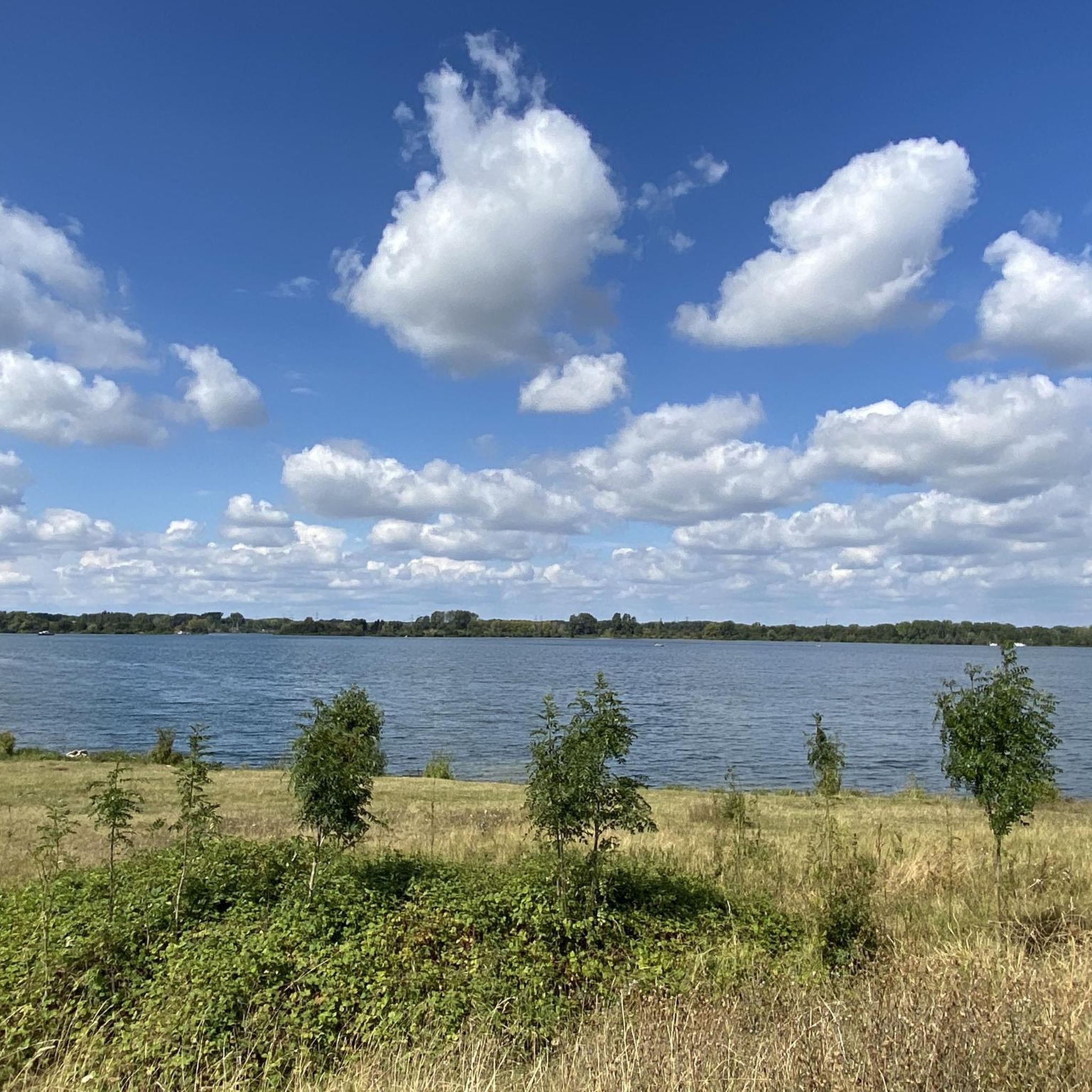
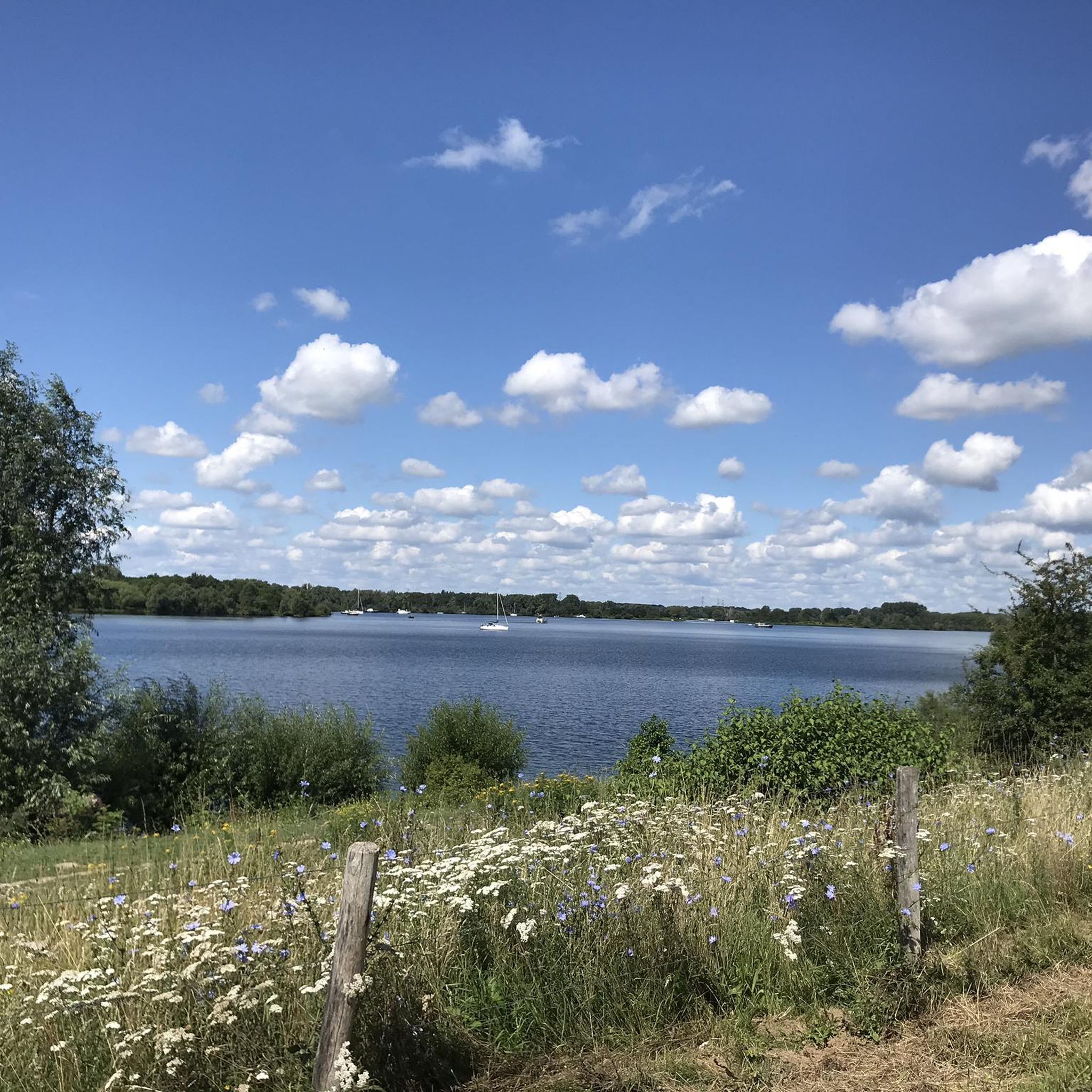
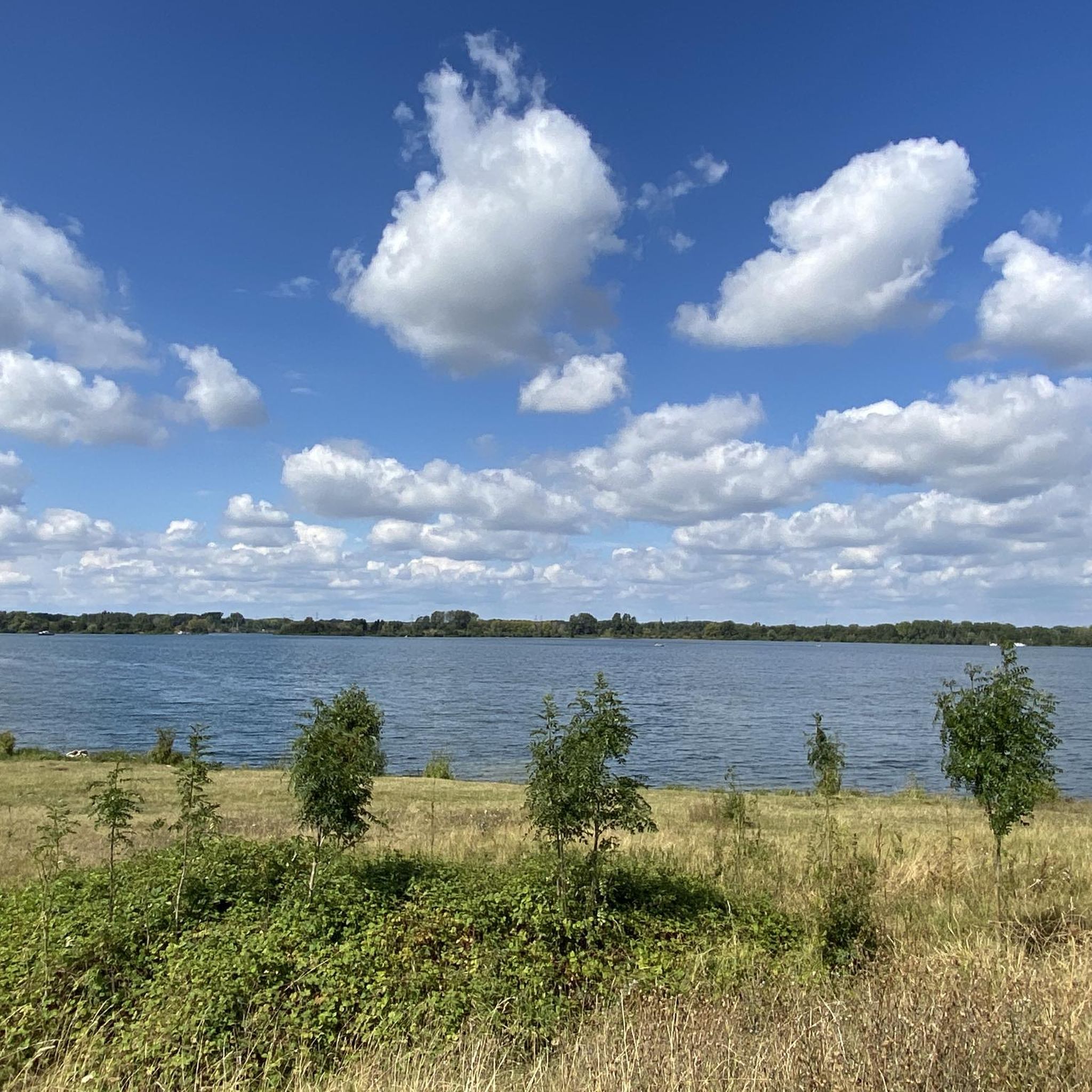
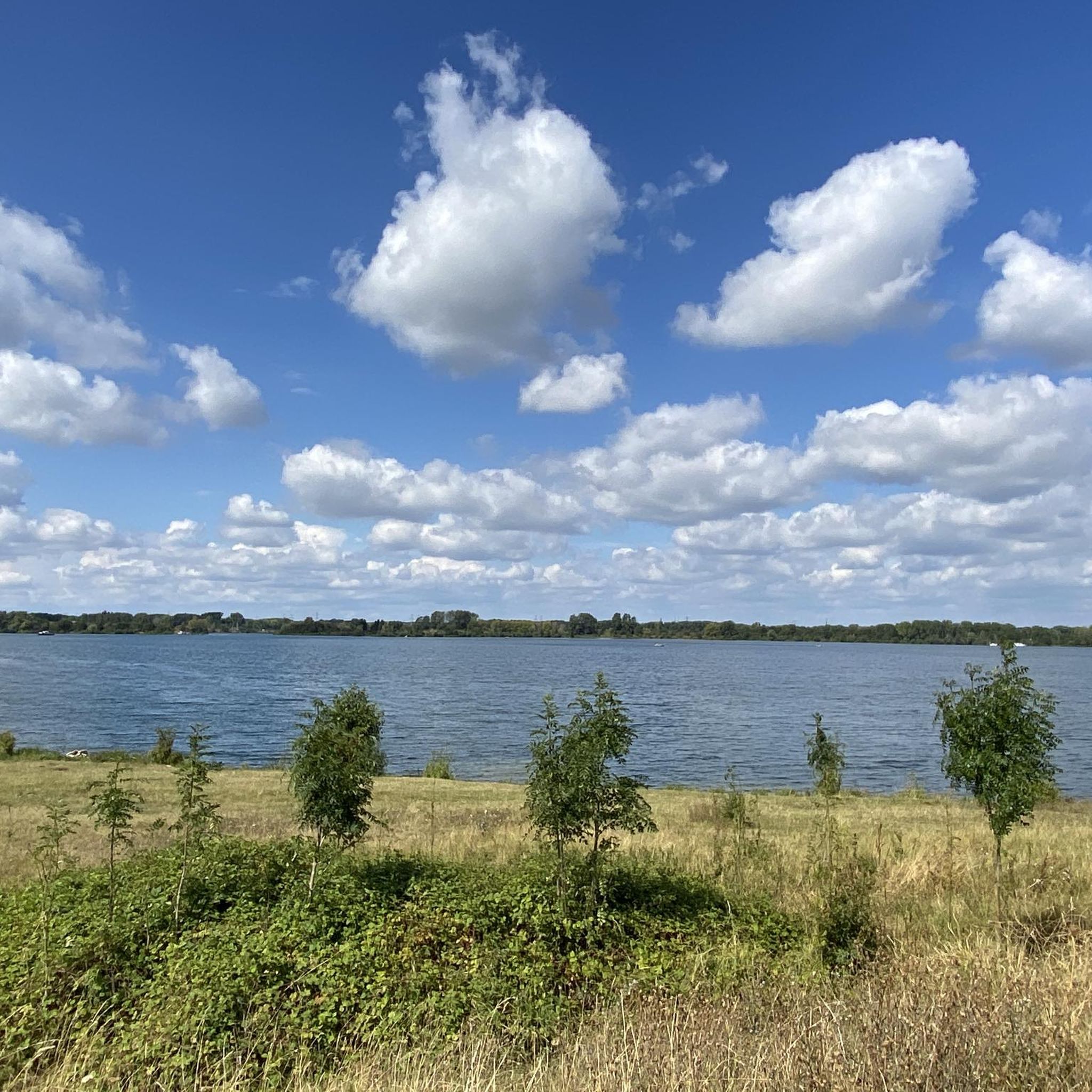
Hiking around Oolderplas offers routes through a landscape shaped by an expansive recreational lake, part of the larger Maasplassen area in Limburg. The region features clear waters and surrounding nature reserves, including Ool Nature Reserve and Isabellagriend. These areas provide accessible paths for walking and opportunities for observing diverse wildlife such as wild horses, cattle, beavers, and various water birds. The terrain is generally flat, making it suitable for leisurely walks and nature exploration.
Best hiking trails around Oolderplas
- The most popular hiking route is Red Bridge over the Hambeek – Roermond Marina loop from Horn, a 6.3 miles (10.2 km) trail that takes 2 hours 34 minutes to complete. This moderate route features views of the marina and local waterways.
- Another top favourite among local hikers is Linne Weir and Cyclist Bridge – Linne Harbor loop from Horn, a moderate 8.2 miles (13.2 km) path. This route explores the areas around Linne Weir and Linne Harbor, offering varied waterside scenery.
- Local hikers also love the View of the Oolderplas – Frends Beach Club Roermond loop from Horn, a 5.8 miles (9.3 km) trail leading through areas with views of the Oolderplas, often completed in about 2 hours 22 minutes.
- Hiking around Oolderplas is defined by expansive recreational lakes, tranquil nature reserves, and accessible paths alongside the Maas River. The network offers options for different ability levels, primarily focusing on easy to moderate routes.
- The routes in Oolderplas are highly rated by the komoot community with an average score of 4.4 stars from over 7,900 reviews. More than 33,000 hikers have used komoot to explore Oolderplas's varied terrain.
Last updated: July 4, 2026
4.1
(71)
223
hikers
Moderate hike. Good fitness required. Easily-accessible paths. Suitable for all skill levels.
4.3
(21)
81
hikers
Moderate hike. Good fitness required. Easily-accessible paths. Suitable for all skill levels.

Sign up for free
4.5
(2)
26
hikers
Moderate hike. Good fitness required. Easily-accessible paths. Suitable for all skill levels.
4.7
(3)
26
hikers
13.1km
03:20
30m
30m
Moderate hike. Good fitness required. Easily-accessible paths. Suitable for all skill levels.
22
hikers
5.36km
01:22
20m
20m
Easy hike. Great for any fitness level. Easily-accessible paths. Suitable for all skill levels.
Get access to more routes and recommendations from other explorers.
Sign up for free
Already have an account?
Our route recommendations are based on thousands of hikes, rides, and runs completed by other people on komoot.
Start today with a free account
Your next adventure awaits.
Login or Signup
Tips from the Community

Sitting by the Maas near Limburgse Fla feels like vacation 😊
0
0

You can cross the weir on foot or by bike, from Linne to Heel
0
0

The Linne weir is a key component of the waterworks on the Meuse River between the villages of Linne and Maasbracht in Limburg, the Netherlands. This weir regulates the water level of the Meuse, making it navigable, and, together with the nearby Linne lock, forms an integral part of the river infrastructure in the region. A cycle bridge also runs around the weir, forming part of national and regional cycle routes and used daily by many cyclists, both for recreation and commuting. The Linne weir was built as part of the Meuse Normalization project, a large-scale project in the early 20th century to improve the navigability of the Meuse and regulate water levels. The weir itself dates back to 1925 and was one of the first weirs on the Meuse to be officially commissioned at that time, making the river suitable for larger vessels and preventing flooding. The weir's structure incorporates large steel gates above a series of concrete piers. These gates can be opened or closed to regulate the amount of water flowing downstream. The gates and their mechanisms, including a steel control bridge above the concrete section, are connected via pipes and cables to a control center in Maasbracht, where water levels and operating settings are controlled. A bicycle and pedestrian bridge, often simply referred to as the "bicycle bridge of the weir," spans the weir. This bridge allows for safe cycling or walking from one bank of the Meuse to the other. Because the Meuse is wide here and the stream discharge is variable, this bridge forms an important link in the local cycle route network and is popular with recreational cyclists and commuters. The bicycle bridge is situated directly above the water and offers a unique view of the Meuse's currents and the weir's structure, and at high tide, of the river's power. For many people, it is a familiar spot where they can literally experience the dynamics of the Meuse, something frequently mentioned by residents and visitors familiar with the area. In recent years, the weir at Linne has been in need of extensive maintenance because the original components, such as the steel gates and the control bridge, are approaching their technical lifespan. This major maintenance is being carried out by contractor Mourik Infra BV on behalf of Rijkswaterstaat and is planned over several years (2024–2026) to ensure the weir's longevity for many more years. The maintenance focuses primarily on the so-called "stoney" section, the higher concrete part of the weir where the gates are suspended. Key works include removing and renovating the steel control bridge, replacing the gates that regulate the water flow, installing a new drive mechanism, and carrying out concrete repairs after the weir opening has been drained using specially installed drying tanks. Because the bicycle bridge is located directly above the weir structure, it must be temporarily removed during certain phases of the maintenance to safely hoist and assemble the massive components, such as the control bridge, which weighs approximately 80 tons. Therefore, the bicycle bridge was closed on specific dates in September and October 2025, and bicycle and pedestrian traffic had to be diverted via signposted routes. Earlier in the 2025 maintenance year, the cycle bridge was also closed for periods (such as from May 5th to 23rd) so that components could be removed and repaired. The seven weirs on the Meuse River, including the one in Linne, are gradually approaching the end of their original operational lifespan. Therefore, Rijkswaterstaat is investigating the best approach for each location, including major maintenance, such as that at Linne, or replacement in the long term. By carrying out work in phases during the annual low-water period (approximately mid-April to mid-October), disruption to shipping and the Meuse River can be minimized, but temporary disruptions to cyclists will remain.
0
1
The Limburg Poetry Route in Linne is a small-scale yet distinctive poetry route that connects language, landscape, and village identity. Poems in the Limburg dialect are displayed on panels, signs, or other media in public spaces throughout the village and along walking paths. The route invites walkers not only to experience the landscape but also to reflect on the words, sounds, and dialect that are deeply rooted in the local culture. The poetry route is based on the idea that language is an essential part of Limburg identity. Limburgish, recognized as a regional language, is strongly alive in villages like Linne, where traditions, associations, and a sense of community are still visibly present. By literally placing poetry in the streets, the dialect is not only preserved but also actively experienced. The poems address diverse themes such as nature, memory, the Meuse landscape, and love for the village and everyday life. This creates a poetic walk that can be both recognizable and moving for residents and visitors. The route passes through characteristic places in and around Linne. Imagine streets in the village center, green spaces along the Meuse River, and quiet walking paths where the rhythm of the village is palpable. The combination of water, open air, and dialect poetry gives the walk a tranquil atmosphere. Words gain extra meaning when read with a view of the Meuse landscape or among the greenery of the village outskirts. The surroundings serve as a natural backdrop for the texts, allowing language and landscape to merge seamlessly. The Limburg Poetry Route fits within a broader tradition of poetry routes in the Netherlands and Belgium, but distinguishes itself through its emphasis on regional language and local involvement. The poets often come from the region or have close ties to Linne. As a result, the texts reflect not only literary creativity but also a sense of community. The initiative strengthens the village's cultural image and encourages residents to be proud of their language and history.
1
0
Roermond City Marina is a large marina and watersports location in the small village of Herten on the outskirts of Roermond in the province of Limburg, the Netherlands. The marina is situated on the Maasplassen, one of the largest connected watersports areas in the Benelux region, where rivers and lakes converge, making watersports a key component of leisure and recreation in the region. The marina complex has undergone extensive renovations and improvements in recent years, and between 2016 and 2021, the marina was completely redeveloped and modernized, making it one of the highest-quality inland marinas in Central Limburg. The renovation resulted in a modern, low-maintenance marina with excellent facilities for berth holders and visitors. Roermond City Marina consists of two sections: the larger section, known as City Marina itself, and the smaller section, Next Door. The main marina section has approximately 520 berths spread across 12 floating jetties, accommodating boats ranging from 6 to 20 meters in length. The smaller Next Door marina has two additional jetties with approximately 97 berths and a floating sanitary building. All jetties are equipped with water and electricity connections year-round, and the marina boasts a modern building with excellent sanitary facilities, including toilets, showers, and winter storage and maintenance facilities. There is also a parking lot with access control, lighting, environmental waste disposal points, and chemical toilet disposal facilities. The marina is situated on almost 21 hectares of private land and water, offering ample space for both boats and associated facilities. Harbormasters are on hand to assist berth holders with mooring their boats, and there are facilities for both permanent seasonal moorings and passing moorings for passing water sports enthusiasts who want to explore the Maasplassen lakes and the surrounding countryside. City Marina is located in the village of Herten, just a few kilometers from Roermond's historic city center. From the marina, you can easily cycle or walk to shops, restaurants, and amenities in Herten itself, as well as to the city of Roermond with its extensive shopping offerings, including the renowned Designer Outlet Center, and historical sights. Its location on the Maasplassen lakes makes the harbor ideal for water sports enthusiasts. This lake and river environment offers opportunities for boating, sailing, fishing, and recreational use of the water. Many permanent mooring holders return here year after year for the combination of natural tranquility and excellent infrastructure.
0
0
The Vismarkt (Fish Market) in Roermond is one of the oldest and most characteristic places in the historic city center. As the name suggests, this square was traditionally the center of the fish trade, a logical consequence of Roermond's location on the Roer and Meuse rivers. The Vismarkt is therefore a direct reminder of a time when water and trade were inextricably linked. The square is located a short distance from the river and was part of the city's economic heart. Here, fishermen, traders, and residents gathered to trade fresh fish, but also to exchange news and socialize. The proximity of the water ensured that fish could be delivered quickly, making the Vismarkt a vibrant and important hub in daily city life. Over the centuries, the Vismarkt's function changed, but the square retained its central role. Today, it is an atmospheric urban space with historic buildings, restaurants, and terraces. Its original commercial function has given way to a place for meeting and relaxing, but its name and location continue to evoke the past.
0
1
The pétanque court in the Roermond suburb is a small but lively meeting place that fulfills an important social function within the neighborhood. Located in the Sint Jacob suburb, one of Roermond's oldest districts, the court is an accessible place where residents gather for relaxation, sport, and socializing. Originally a French folk sport, pétanque is not only about precision and skill, but above all about togetherness and conversation. This character fits well with the atmosphere of the suburb, a neighborhood with a strong sense of community and a mix of old and new. The court is used by regular players and local residents, and occasionally by passersby who stop by to watch or join in. The pétanque court contributes to the neighborhood's livability. It is a place where generations meet, where time seems less rushed, and where public space is truly shared. In an urban environment dominated by traffic and functionality, the court offers space for peaceful play and human interaction.
0
0
The Roer (German: Rur) is a tributary of the Meuse River that flows through Belgium, Germany, and the Netherlands, eventually joining the Meuse at Roermond. The river has a total length of approximately 165 km, of which approximately 21.5 km run through Dutch territory. The Roer rises at approximately 660 m above sea level in the High Fens (Hautes Fagnes) in Belgium, near the country's highest peaks. From there, it flows north through Germany, passing through the Eifel region and cities such as Monschau, Düren, and Jülich. It then reaches the Netherlands at Vlodrop and continues its course through Limburg. In the Netherlands, the Roer flows through the villages of Herkenbosch, Melick, and Sint Odiliënberg towards Roermond. Just before it flows into the Meuse at Roermond, the river splits into two branches: the Urban Roer and the Hambeek. This division also affects water management and ecology in the urban area. Near Roermond, the Roer River forms a significant water landscape that shapes the urban environment. The river flows through the landscape and empties into the Meuse River near the city center. Historically, the city is partly situated on the banks of these rivers, where early settlements arose at the confluence of the Roer and Meuse rivers. Along the river, you'll find characteristic spots such as the Roerkade, a strip of cafes and terraces where residents and visitors can enjoy views of the water and the Maria Theresia Bridge (also known as Steene Brök), which connects the old Sint Jacob suburb with the city center. The Roer, together with its valley, forms the Roerdal, a unique river landscape. In the Netherlands, the Roer is one of the few freely meandering rivers, meaning it has largely retained its natural winding course. The Roerdal is rich in natural resources and supports flora and fauna characteristic of river landscapes, such as kingfishers, beavers, and dragonflies. Historically, the Roer, particularly in its lower reaches in the Netherlands, was heavily polluted by industrial discharges from Germany. However, after the closure of the mines and improved water treatment, the water quality has significantly improved. As a result, fish species such as trout and even salmon have returned to the river, a sign of ecological recovery. Because the Roer carries water via Germany and Belgium, the water level can fluctuate quite rapidly and significantly. This has sometimes led to flooding in the Dutch section of the river, especially during heavy rainfall or when the Meuse reaches a high water level. The water board and other parties are working on water management measures to mitigate risks, such as fish passages and water level distribution between branches of the river.
0
0
Frequently Asked Questions
How many hiking trails are available around Oolderplas?
There are over 1,100 hiking trails around Oolderplas, offering a wide variety of options for exploring the region's unique landscape. Most of these routes are considered easy to moderate, making them accessible for many hikers.
What is the typical difficulty level of hikes in the Oolderplas area?
The Oolderplas area is known for its generally flat terrain, making most hikes easy to moderate. Over 800 routes are classified as easy, with another 300+ being moderate. This makes the region ideal for relaxed walks and nature exploration, suitable for various fitness levels.
Are there any family-friendly hiking options around Oolderplas?
Yes, Oolderplas is very family-friendly. The flat terrain and well-maintained paths make it suitable for leisurely walks with children. Many of the easy routes are perfect for shorter outings, allowing families to enjoy the natural beauty and observe wildlife together.
Can I bring my dog on the hiking trails around Oolderplas?
While the region's nature reserves and trails are generally welcoming to dogs, it's always best to keep them on a leash, especially in areas with wildlife like Isabellagriend. This ensures the safety of your pet and the local fauna. Always remember to clean up after your dog.
What kind of natural features and wildlife can I expect to see while hiking?
The Oolderplas region is rich in natural beauty. You'll encounter expansive clear waters, tranquil nature reserves like Ool Nature Reserve and Isabellagriend. These areas are home to diverse wildlife, including various water birds, wild horses, cattle, and even beavers, offering excellent opportunities for observation.
Are there any circular hiking routes available?
Yes, many routes around Oolderplas are circular, allowing you to start and end at the same point. For example, the Red Bridge over the Hambeek – Roermond Marina loop from Horn is a popular moderate circular trail, and the View of the Oolderplas – Frends Beach Club Roermond loop from Horn offers scenic views in a loop format.
What are some notable points of interest or attractions along the hiking trails?
Along the trails, you can explore the expansive Oolderplas itself, visit the serene Ool Nature Reserve, or discover the wildlife-rich Isabellagriend. For a break, the Frends Beach Club Roermond is also a popular spot near the water.
How long does it typically take to hike around Oolderplas?
Hiking durations vary depending on the chosen route and your pace. For instance, the View of the Oolderplas – Frends Beach Club Roermond loop from Horn, which is about 9.3 km, typically takes around 2 hours and 22 minutes. Longer routes, like the Linne Weir and Cyclist Bridge – Linne Harbor loop from Horn (13.2 km), can take over 3 hours.
Are there places to eat or get refreshments near the hiking trails?
Yes, the Oolderplas area offers convenient amenities. You'll find beach clubs and watersports centers, such as the Frends Beach Club Roermond, which are great spots for refreshments and relaxation after your hike.
What do other hikers enjoy most about the Oolderplas trails?
The Oolderplas trails are highly rated by the komoot community, with an average score of 4.4 stars from over 7,900 reviews. Hikers often praise the serene natural beauty, the clear waters, and the excellent opportunities for wildlife observation. The well-maintained, accessible paths and the flat terrain also contribute to a pleasant hiking experience for all.
Is there parking available for hikers visiting Oolderplas?
Yes, there are generally parking facilities available in the vicinity of Oolderplas, especially near popular starting points for trails and amenities like beach clubs. It's advisable to check specific route descriptions for the most convenient parking options for your chosen hike.
Most popular routes around Oolderplas
Most popular attractions around Oolderplas

Get inspired with the komoot mobile app


Explore more
Browse the best Hikes in other regions.
