The best walks and hikes around Wester-Schenge
4.4
(3064)
15,412
hikers
668
hikes
Hiking around Wester-Schenge offers diverse outdoor experiences in the Zeeland region, characterized by a beautiful lake and various waterways. The landscape features scenic views of the Schenge Area and Terlucht Lake. Paths lined with distinctive pollard willows provide a unique natural setting for walkers. Many trails are easily accessible, catering to a wide range of visitors.
Best hiking trails around Wester-Schenge
- The most popular hiking route is De Piet Harbour – Fishing Pier Westerschenge loop from Midden Zeeland, a 3.3 miles (5.3 km) trail that takes 1 hour 20 minutes to complete. This easy route explores the harbour and fishing pier area.
- Another top favourite among local hikers is Path With Pollard Willows – Petruskerk loop from 's-Heer Arendskerke, an easy 3.4 miles (5.4 km) path. This trail winds through distinctive landscapes featuring pollard willows.
- Local hikers also love the Terluchtse Weel – View of the Schenge Area loop from 's-Heer Arendskerke, a 7.1 miles (11.4 km) trail leading through the scenic Schenge Area, often completed in about 2 hours 55 minutes.
- Hiking around Wester-Schenge is defined by its serene lake, extensive waterways, and unique pollard willow-lined paths. The network offers options for easy walks, moderate excursions, and a few more challenging routes.
- The routes in Wester-Schenge are highly rated by the komoot community with an average score of 4.4 stars from over 2,800 reviews. More than 14,000 hikers have used komoot to explore Wester-Schenge's varied terrain.
Last updated: June 24, 2026
4.2
(35)
125
hikers
Easy hike. Great for any fitness level. Easily-accessible paths. Suitable for all skill levels.
4.4
(8)
19
hikers
5.46km
01:23
10m
10m
Easy hike. Great for any fitness level. Easily-accessible paths. Suitable for all skill levels.

Sign up for free
4.6
(8)
13
hikers
11.4km
02:53
10m
10m
Moderate hike. Good fitness required. Easily-accessible paths. Suitable for all skill levels.
4.0
(1)
10
hikers
7.24km
01:49
10m
10m
Easy hike. Great for any fitness level. Easily-accessible paths. Suitable for all skill levels.
4.0
(1)
5
hikers
Moderate hike. Good fitness required. Easily-accessible paths. Suitable for all skill levels.
Get access to more routes and recommendations from other explorers.
Sign up for free
Already have an account?
Our route recommendations are based on thousands of hikes, rides, and runs completed by other people on komoot.
Start today with a free account
Your next adventure awaits.
Login or Signup
Tips from the Community

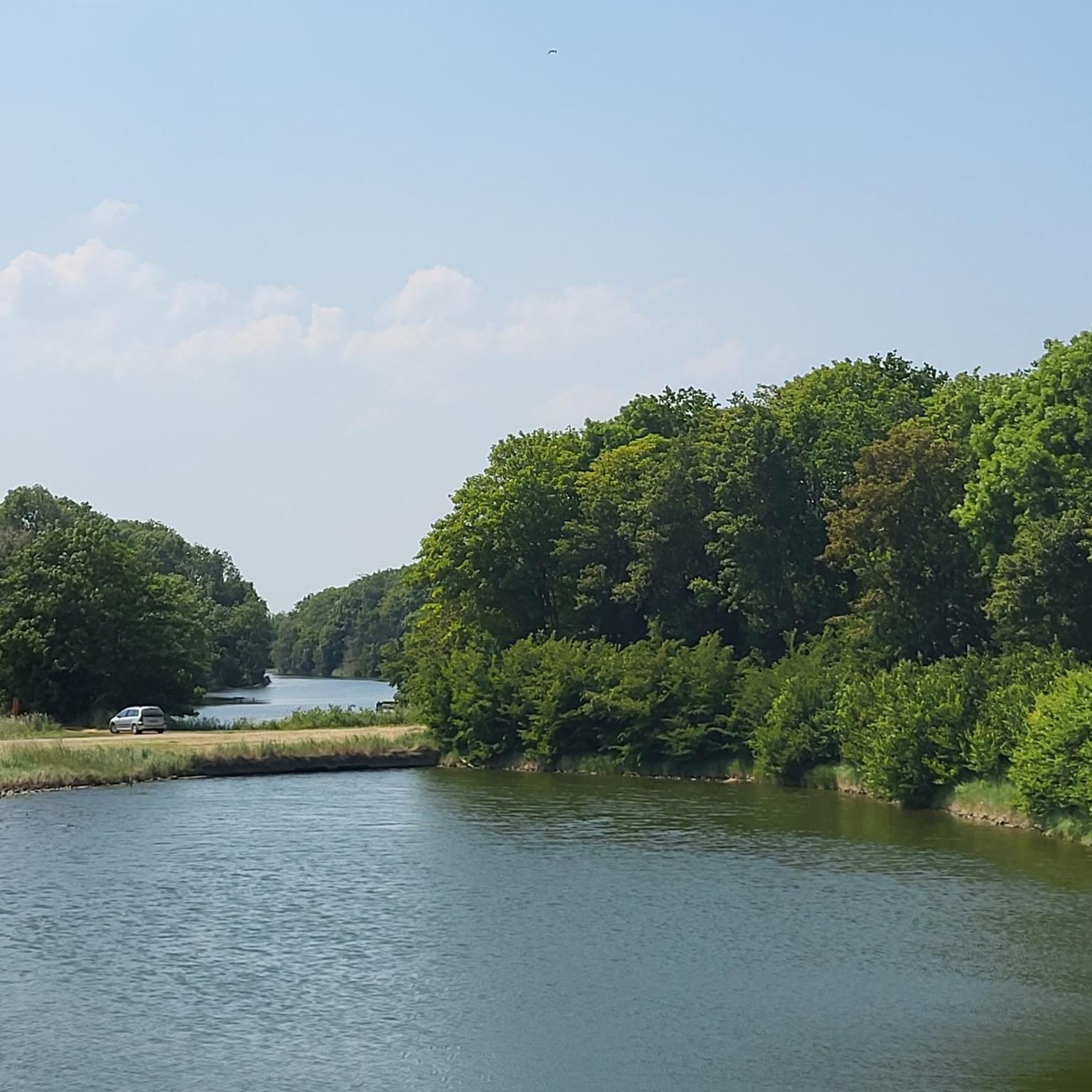
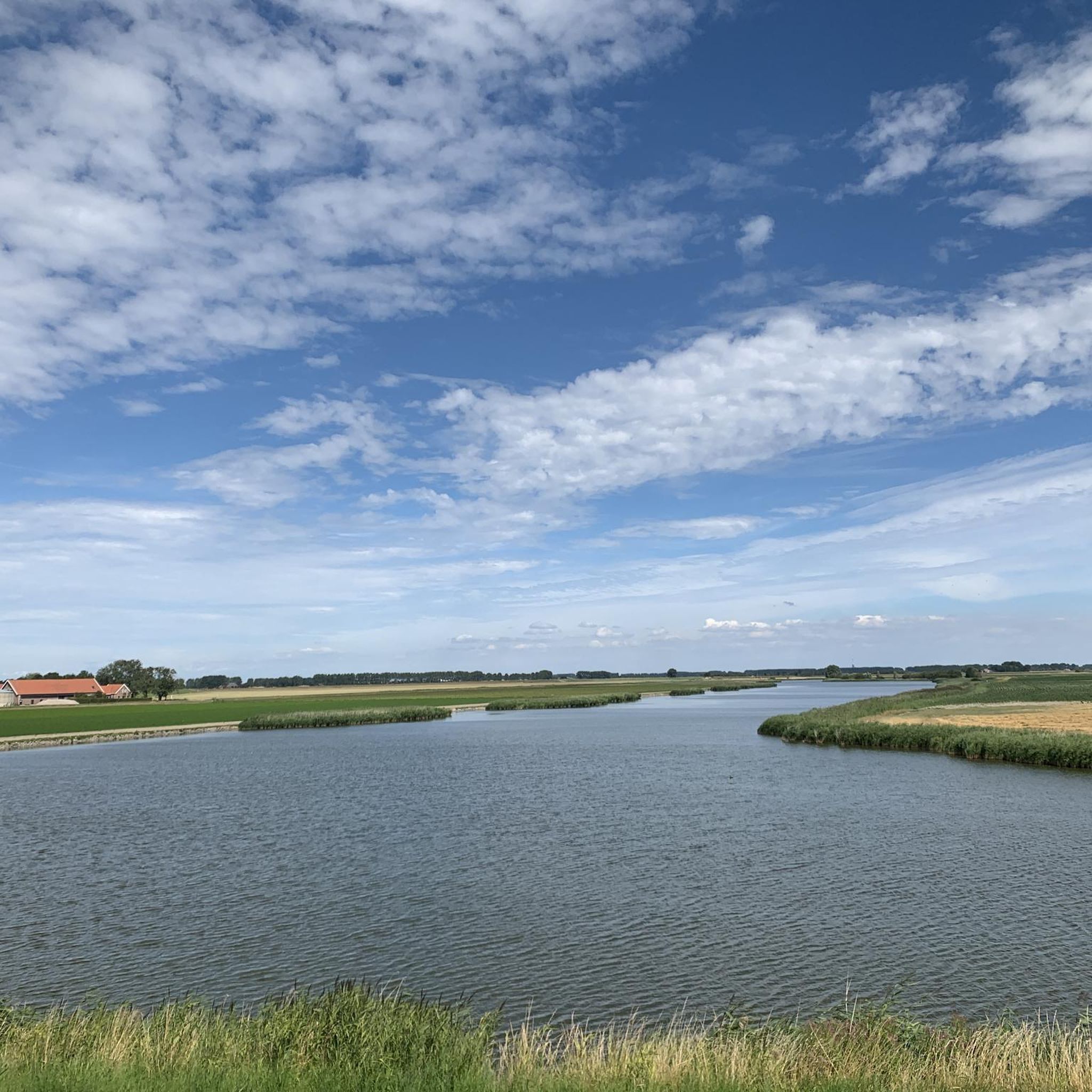
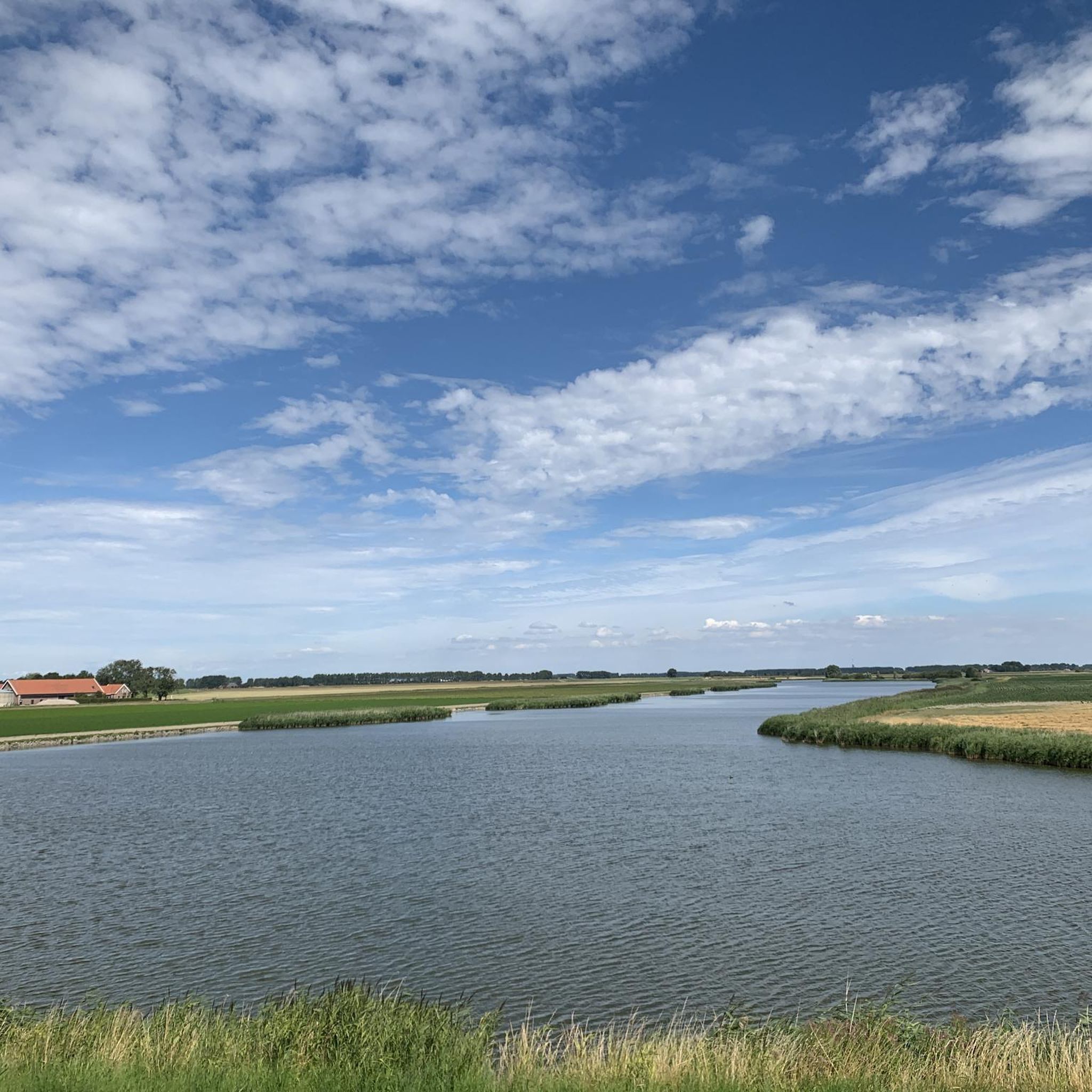
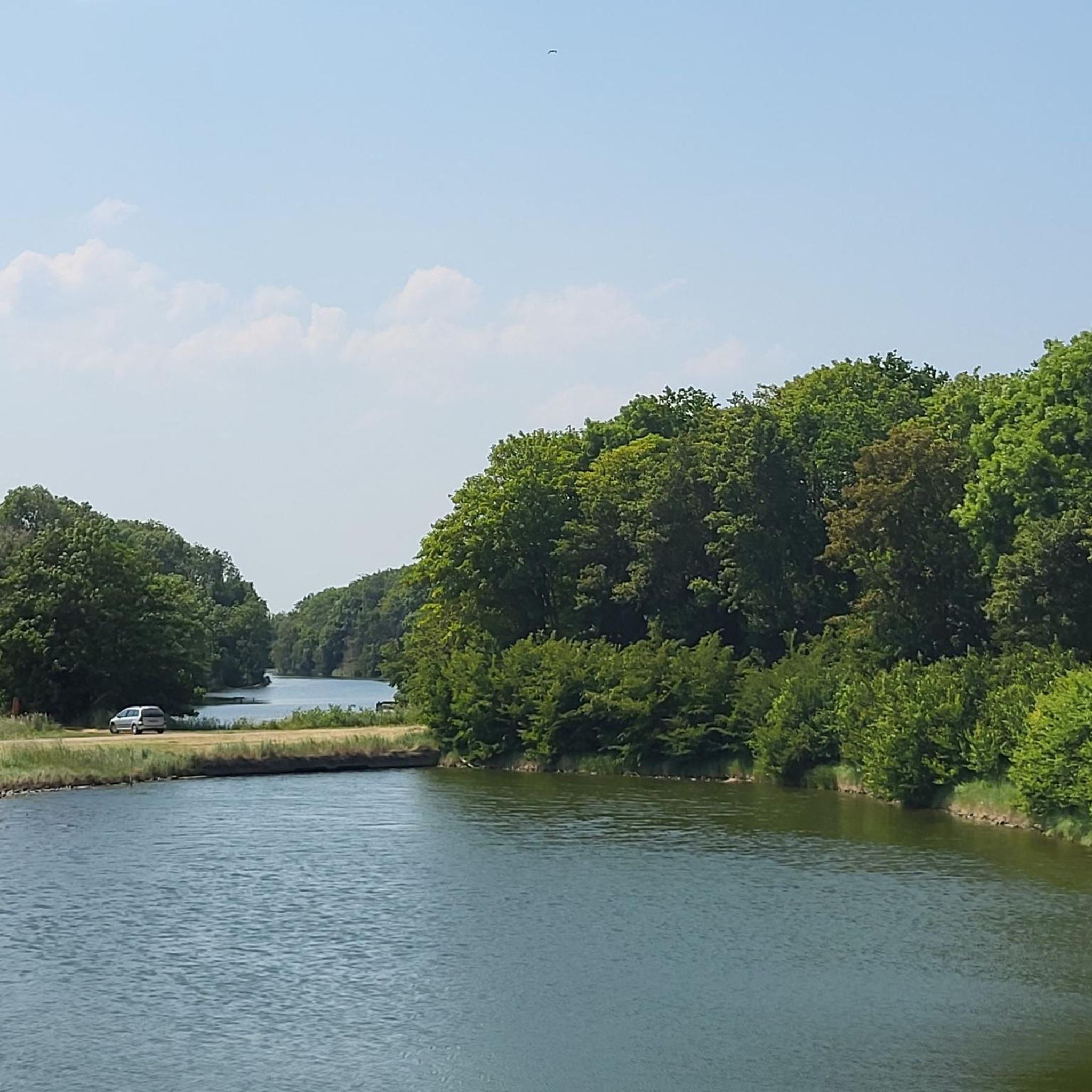
The Oosterschenge is now a relatively small, tranquil waterway, but that used to be different. It used to be an inlet, important for shipping. But in the 18th century, part of the channel was reclaimed. This 'residual channel,' the Oosterschenge, remained. Long ago, the Schenge, a wide channel that separated the island of Wolphaartsdijk from Zuid-Beveland, flowed here. Ships used this route to and from Goes. It was therefore an important waterway for trade and transport in the region. But as is often the case in Zeeland, the landscape slowly changed. Due to siltation, the water became increasingly shallow, making it more difficult for ships to navigate. In the eighteenth century, it was therefore decided to reclaim part of the inlet. This created new agricultural land. In 1809, the diking of the Wilhelminapolder was completed. With this, a large part of the old inlet disappeared behind the dikes. What remained was a wide residual channel: the Oosterschenge.
0
0


The Petruskerk is a church of the Protestant Church of the Netherlands in 's-Heer Arendskerke in the province of Zeeland, the tower of which is owned by the municipality of Goes. The church building and the tower are each a national monument. A church was probably founded on the site of the current church in the twelfth century by "Lord Arend", also known as "Arend met den belly". This was the ancestor of noble families in this part of Zeeland. The current church dates from the fourteenth and fifteenth centuries. The tower and choir were then built separately and connected by the nave, the current church, which is said to date from around 1450. The nave was dedicated to Saint Peter, which is reflected in the name Petruskerk. At the end of the sixteenth century, during the iconoclasm, altars and statues were removed from the church and the church was converted into a Protestant church. The choir dedicated to John was demolished in 1859. A consistory room was built on site. In 1906 the church was restored by Jan Verheul and returned as much as possible to its sixteenth-century state. Restorations followed in 1955-1956 and 2002-2003. Source Wikipedia
4
0
The church has a heavy two-tiered tower with right-angled buttresses. This dates from the first half of the 15th century and probably remained unfinished. In 1805, another octagonal lantern was placed on top. The bell dates from 1578 and was cast by Adriaen Steylaert. In 1805, a hall church was also built onto the tower. This has neo-Gothic cast iron windows. The pulpit dates from approximately 1650. The organ dates from 1912 and was built by the Standaart company. Source Wikipedia
3
0

The church tower of the Protestant Church, nicknamed the Peperbus, dates from the 15th century. The church building was built in 1807, after the old church was demolished due to dilapidation. The consistory was put into use in 1870. Source: Wikipedia
4
0

Not only tree courses (climbing) but also all kinds of water sports. Nice terrace on the edge of the Veerse Meer.
1
0

I found quite a few broken glass bottles on the cycling path, watch out for your tyres
1
0

Especially for wheelchair users this fishing dock was created. A very nice place on a side arm of the Veersen sea.
2
0
Frequently Asked Questions
How many hiking trails are available in Wester-Schenge?
Wester-Schenge offers a wide variety of hiking opportunities, with over 650 routes recorded on komoot. This includes over 450 easy trails, 180 moderate options, and 15 more challenging routes, catering to all fitness levels.
Are there easy hiking trails suitable for beginners or families in Wester-Schenge?
Yes, Wester-Schenge is very welcoming for beginners and families, with over 450 easy trails. A great option is the Terluchtse Weel – Terlucht Lake loop from 's-Heer Arendskerke, an easy 7.2 km route that takes about 1 hour 50 minutes to complete, offering serene lake views.
What kind of landscapes can I expect to see while hiking in Wester-Schenge?
Hikers in Wester-Schenge will experience diverse landscapes, including scenic views of the Schenge Area and Terlucht Lake, as the region is characterized by a beautiful lake and various waterways. A unique feature you'll encounter are paths lined with distinctive pollard willows, offering a picturesque setting.
Are there any longer or more challenging hikes in Wester-Schenge?
For those seeking a more extended experience, Wester-Schenge offers several moderate routes. The Terluchtse Weel – View of the Schenge Area loop from 's-Heer Arendskerke is a moderate 11.4 km trail that typically takes around 2 hours 55 minutes, providing expansive views of the Schenge Area.
Are there circular hiking routes available in Wester-Schenge?
Yes, many of the trails in Wester-Schenge are circular, allowing you to start and end at the same point. An example is the Fishing Pier Westerschenge – De Piet Harbour loop from Sluis de Piet, a moderate 8.7 km route that offers a varied experience.
What is the best time of year to go hiking in Wester-Schenge?
Wester-Schenge offers enjoyable hiking experiences throughout much of the year. The accessible paths make it suitable for various seasons, but spring and autumn often provide the most comfortable temperatures and beautiful scenery, especially with the unique pollard willows.
Are there any attractions or activities near the hiking trails in Wester-Schenge?
Beyond hiking, the area offers other activities. You can visit the Kanoa Klimpark Veerse Meer for climbing and watersports, which also has a terrace overlooking the Veerse Meer. There's also an accessible fishing platform at Veerse Meer, designed for wheelchair users.
What do other hikers say about the trails in Wester-Schenge?
The hiking trails in Wester-Schenge are highly regarded by the komoot community, with an average rating of 4.4 stars from over 2,800 reviews. Hikers often praise the serene lake views, extensive waterways, and the unique charm of paths lined with pollard willows.
Are the hiking paths in Wester-Schenge generally accessible?
Many of the trails in Wester-Schenge feature easily accessible paths, making them suitable for a wide range of visitors. The region is known for its inclusive outdoor enjoyment, including features like an accessible fishing platform at Veerse Meer.
Can I find trails that highlight the unique pollard willows of the region?
Absolutely. The region is known for its distinctive pollard willows. A great route to experience this is the Path With Pollard Willows – Petruskerk loop from 's-Heer Arendskerke, an easy 5.4 km path that winds through these unique landscapes.
Are there options for other outdoor sports besides hiking in Wester-Schenge?
Yes, Wester-Schenge is a popular destination for a variety of outdoor activities. In addition to hiking, you'll find numerous trails suitable for cycling, mountain biking, and running, allowing for diverse ways to explore the area's natural beauty.
Most popular routes around Wester-Schenge

Get inspired with the komoot mobile app


Explore more
Browse the best Hikes in other regions.
