The best road cycling routes around Misteln
6
riders
2
rides
Road cycling around Misteln, a beautiful lake in Södermanland, offers a selection of routes that explore the surrounding area. The terrain features varied elevation gains, with routes ranging from easy to moderate difficulty. Cyclists can expect to find loop routes that navigate through the local landscape, providing diverse distances and challenges.
Best road cycling routes around Misteln
- The most popular road cycling route is Bälgvik Bathing Area loop from Dunkers kyrka, a 58.2 miles (93.7 km) trail that takes…
Last updated: June 26, 2026
2
riders
29.8km
01:24
220m
220m
Easy road ride. Great for any fitness level. Mostly well-paved surfaces and easy to ride.
1
riders
87.8km
03:36
490m
490m
Moderate road ride. Good fitness required. Some segments of this route may be unpaved and difficult to ride.
Our route recommendations are based on thousands of hikes, rides, and runs completed by other people on komoot.
Start today with a free account
Your next adventure awaits.
Login or Signup
Popular around Misteln
Tips from the Community

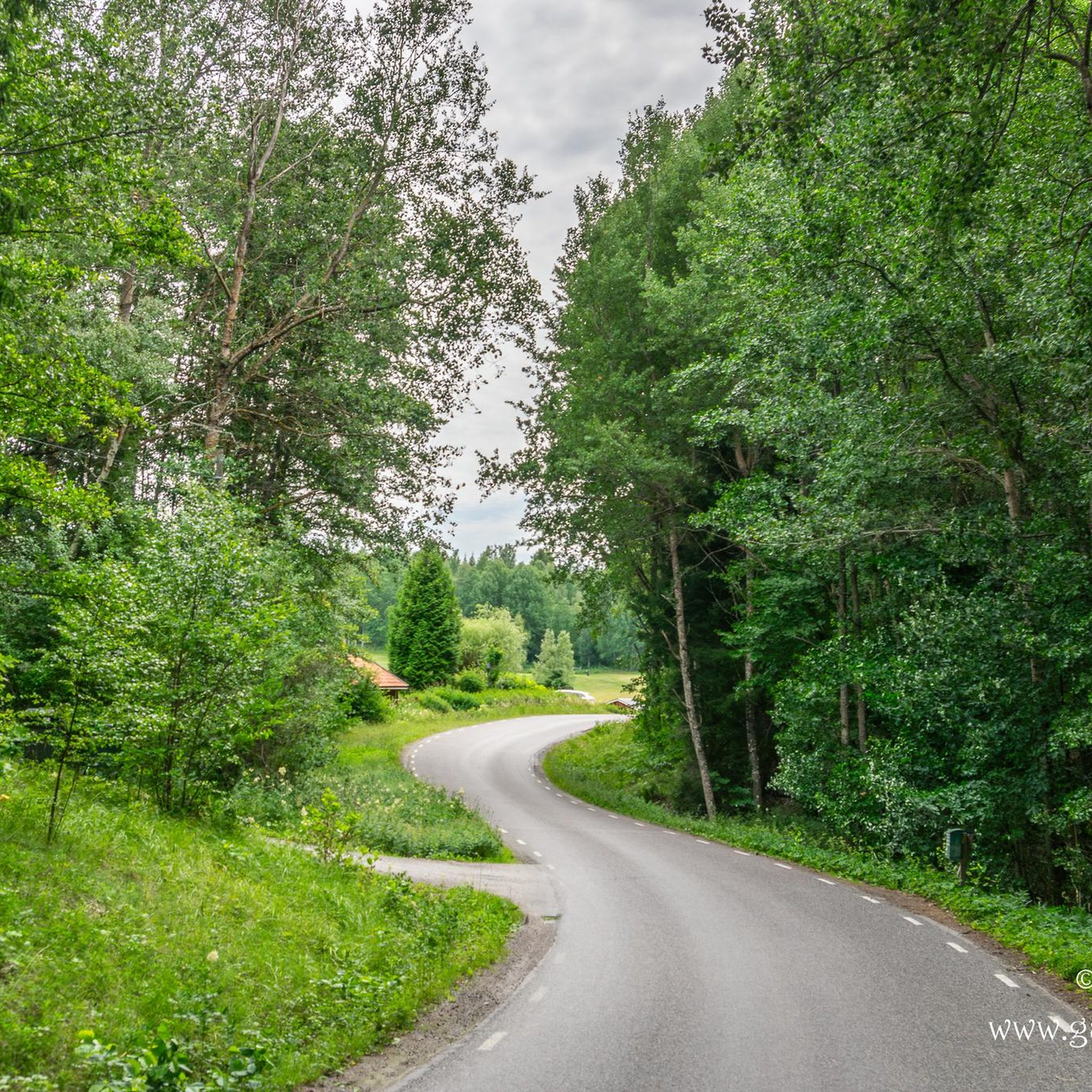
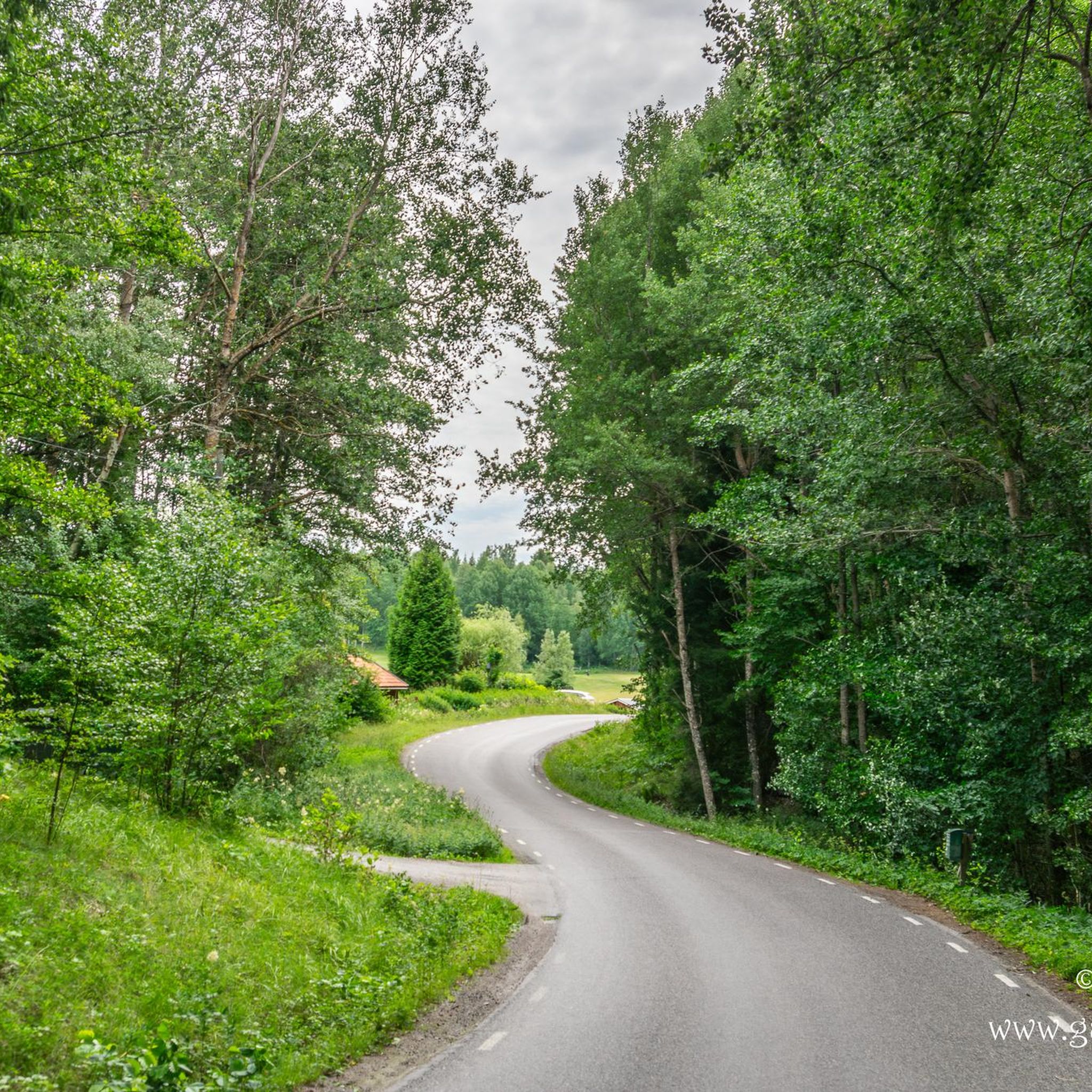
Unfortunately this bathing area seems to have been decommissioned. It is of course still possible to swim here! But when I visited there was no jetty anymore, or anything else. Only a relatively flat rock remains that you can sit on if you want to. The spot is right next to the road, down a short but steep trail that starts next to a bus stop.
0
0

The Rademachersmedjorna is one of Sweden's best-preserved 17th-century environments and here are Eskilstuna's oldest preserved buildings. The area is unique in many ways. Partly because it is a preserved environment from the working class, and partly because the houses have been allowed to remain in the same place where they were once built. For 360 years, the forges have been used for various types of crafts. The first forges were completed in 1659 and formed part of Carl Gustaf's Stad's ironworks, built and named after King Karl X Gustav. The factory in Eskilstuna was Sweden's first blacksmith factory. The business was state-owned and had exclusive rights to the manufacture of a wide range of forged products. Scissors, awls, knives, locks, veining irons, gun barrels, fittings and much more were manufactured here. In every blacksmith household, in addition to the master blacksmith and his family, there were also journeymen and apprentices. Two households lived in each forge. This meant that it could get quite crowded in the homes. Working in the forge was dirty and sometimes hot, sometimes very cold. Of the blacksmith families who came to Eskilstuna together with Rademacher, about half were immigrants, mainly from Germany. Since the manufactory was state owned, the blacksmiths did not own their tools or the products they made. All goods were handed in to the superintendent. It was determined how much each blacksmith would make each week to receive his wages. However, many sold their goods on the side, secretly. At the beginning of the 18th century, the manufactory passed into private ownership. In 1771, the area became part of Eskilstuna Fristad, where blacksmiths were allowed to run businesses without guild compulsion and customs fees. The name alludes to the idea of a sanctuary for blacksmiths and arose as a reaction to the lack of business freedom that prevailed in Sweden and to the fact that the manufactories were unprofitable. During the latter part of the 19th century, the remaining forges were used as premises for some of Eskilstuna's many rapidly growing industries. The small, individual companies were merged into larger workshops. Of the original 20 forges, six remain today. In addition to the forges from the 17th century, there are some houses in the area that were built or moved to the site later. In 1906, Eskilstuna's first museum opened in one of the forges. In 1959, as part of the city's 300th anniversary, the remaining forges were turned into a cultural reserve where history and tradition are kept alive. Traditional crafts are still performed here today by self-employed people and associations.
0
0

Great place to take a moment to watch the boats passing on the water while looking at the buildings at sunset. If hungry, this town also had plenty of spots to grab a bite, refill bisons, or enjoy a much-needed coffee.
0
0

Frequently Asked Questions
How many road cycling routes are available around Misteln?
There are 5 road cycling routes around Misteln listed in this guide, offering a range of experiences from easy to moderate difficulty. These routes are designed to explore the lake region and its surrounding landscapes.
What kind of terrain can I expect on road cycling routes in Misteln?
The road cycling routes around Misteln feature varied elevation gains, with paths exploring the lake region and local landscapes. You'll find a mix of terrain, including some significant climbs, such as the one on the Gripsholm Castle – Coop loop from Mariefreds Ångbåtsstation, which has over 2,000 feet (621 meters) of elevation gain.
Are there any easy road cycling routes suitable for beginners in Misteln?
Yes, there is one easy road cycling route available. The Nytorpsravinen loop from Dunkers kyrka is an 18.5-mile (29.8 km) trail that leads through local ravines and is often completed in about 1 hour 24 minutes, making it a good option for those seeking a less challenging ride.
What are the options for more advanced road cyclists in Misteln?
For more experienced road cyclists, there are several moderate routes with significant elevation. The Gripsholm Castle – Coop loop from Mariefreds Ångbåtsstation, for example, is a 57.6-mile (92.7 km) path with over 2,000 feet (621 meters) of climbing, offering a substantial challenge.
Are the road cycling routes around Misteln primarily loop trails?
Yes, road cycling around Misteln is characterized by loop routes. All routes in this guide are designed as loops, allowing you to start and end your ride at the same point, such as the Bälgvik Bathing Area loop from Dunkers kyrka.
What kind of natural features can I expect to see while road cycling in Misteln?
The routes around Misteln explore the beautiful lake region of Södermanland. While specific natural features like heathlands or rivers are not detailed for Misteln, the general landscape offers varied terrain and scenic views typical of a lake area, providing a pleasant natural backdrop for your ride.
Are there any notable landmarks or points of interest along the road cycling routes?
While specific highlights are not detailed for all routes, the Gripsholm Castle – Coop loop from Mariefreds Ångbåtsstation passes by notable landmarks, suggesting opportunities to combine your ride with cultural exploration. The region's character as a lake area also implies scenic views.
What do other road cyclists enjoy most about cycling in Misteln?
Road cyclists using komoot often praise the varied terrain and the availability of loop routes that allow for diverse distances and challenges. The region offers options for different ability levels, from easy rides to more challenging moderate routes, making it appealing to a wide range of cyclists.
Is it possible to find cafes or places to stop along the road cycling routes in Misteln?
While specific cafe stops are not detailed for each route, longer routes like the Bälgvik Bathing Area loop from Dunkers kyrka (58.2 miles) and the Gripsholm Castle – Coop loop from Mariefreds Ångbåtsstation (57.6 miles) are significant distances, suggesting that towns or villages with amenities might be encountered. It's always a good idea to check the route details for potential stops before you go.
Are there any family-friendly road cycling routes in Misteln?
For families or those looking for a more relaxed ride, the easy-rated Nytorpsravinen loop from Dunkers kyrka is a suitable option. Its shorter distance and easier difficulty make it more accessible for a family outing.
What is the typical duration for road cycling routes in Misteln?
The duration of road cycling routes in Misteln varies significantly based on distance and difficulty. For instance, the easy Nytorpsravinen loop from Dunkers kyrka takes about 1 hour 24 minutes, while longer moderate routes like the Bälgvik Bathing Area loop from Dunkers kyrka can take around 3 hours 48 minutes.
Most popular routes around Misteln

Get inspired with the komoot mobile app


Explore more
Browse the best Road cycling routes in other regions.
