Attractions and Places To See around Cinco Villas - Top 20
Best attractions and places to see around Cinco Villas include a historic region in Aragon, Spain, known for its cultural heritage and diverse natural landscapes. The area features medieval towns, numerous Romanesque churches, and unique geological formations. It offers a journey through history and nature, with many points of interest to explore.
Best attractions and places to see around Cinco Villas
- The most popular attractions is Artieda, a settlement known for its traditional mountain architecture. Visitors can explore its…
Last updated: July 6, 2026
Ruesta Castle
Highlight • Castle
Translated by Google •
Tip by

Aguarales de Valdemilaz
Highlight • Natural Monument
Translated by Google •
Tip by
Sign up now to discover places like this
Get recommendations on the best single tracks, peaks, & plenty of other exciting outdoor places.
Sign up for free
Sibirana Castle
Highlight • Castle
Translated by Google •
Tip by
Pígalo Pools
Highlight • River
Translated by Google •
Tip by
Artieda
Highlight • Settlement
Translated by Google •
Tip by

Sada Palace
Highlight • Historical Site
Translated by Google •
Tip by
Ardisa Dam
Highlight • Structure
Translated by Google •
Tip by

Church of Santa María de la Corona, Ejea de los Caballeros
Highlight • Religious Site
Translated by Google •
Tip by
Refugio de la Artica
Highlight • Mountain Hut
Translated by Google •
Tip by

Roman Aqueduct of Los Bañales
Highlight • Monument
Translated by Google •
Tip by

Sign up for free to discover even more attractions around Cinco Villas.
Sign up for free
Already have an account?
Start today with a free account
Your next adventure awaits.
Login or Signup
Popular around Cinco Villas
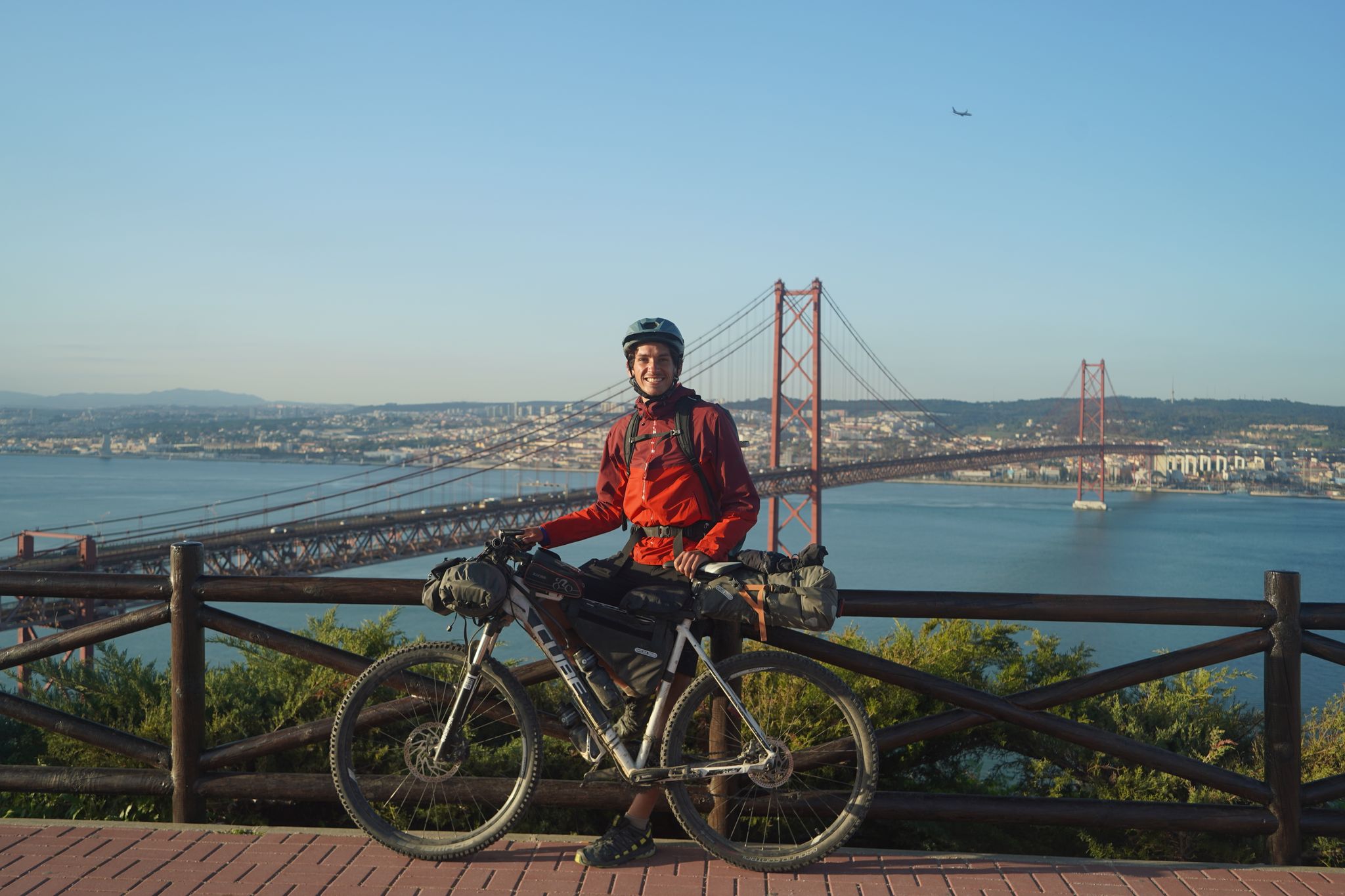
Road to Lisbon – bikepacking the Alps, Pyrenees and Picos de Europa
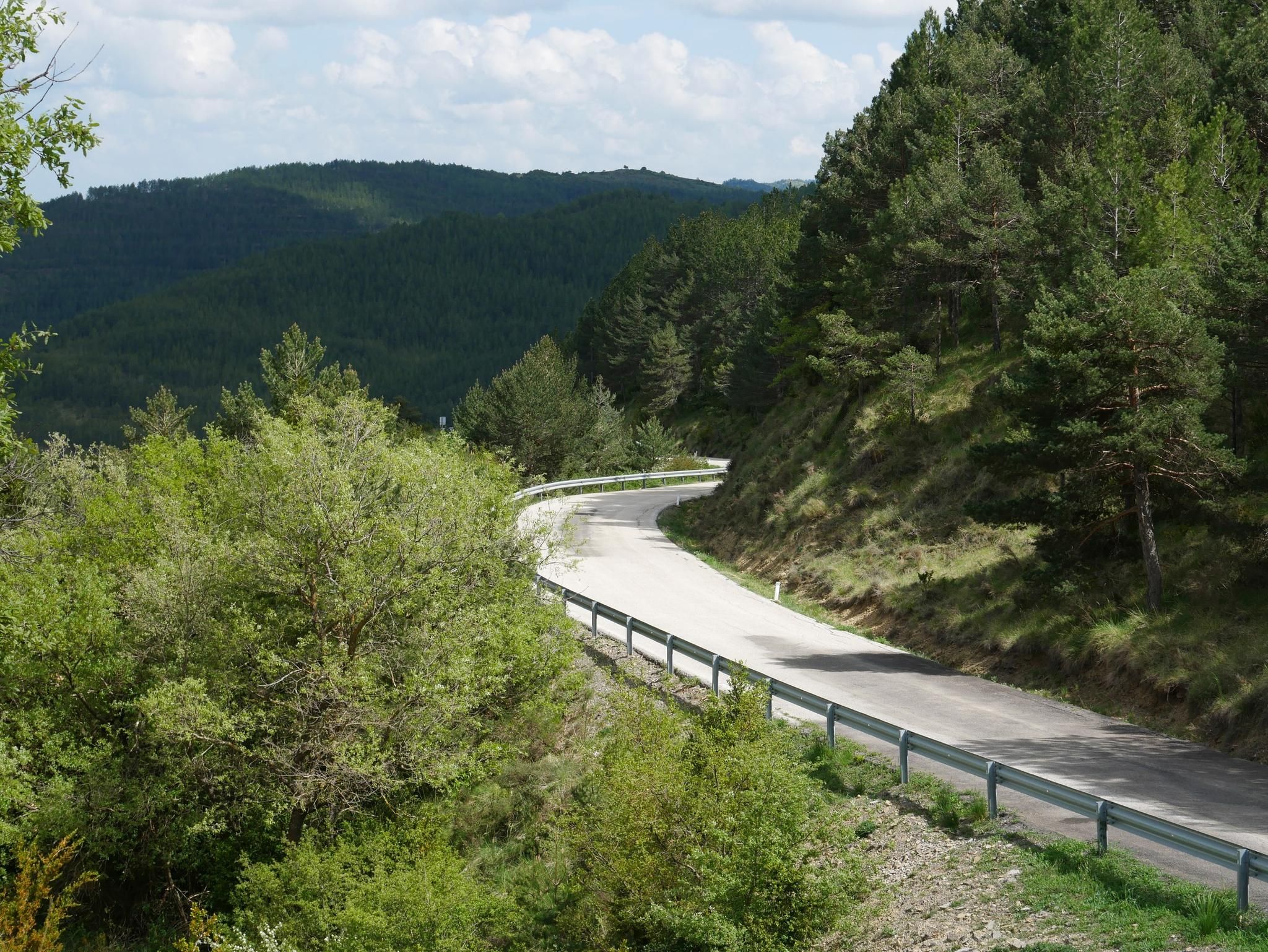
Challenge and beauty on a Road Bike — Pre-Pyrenees Gran Tour
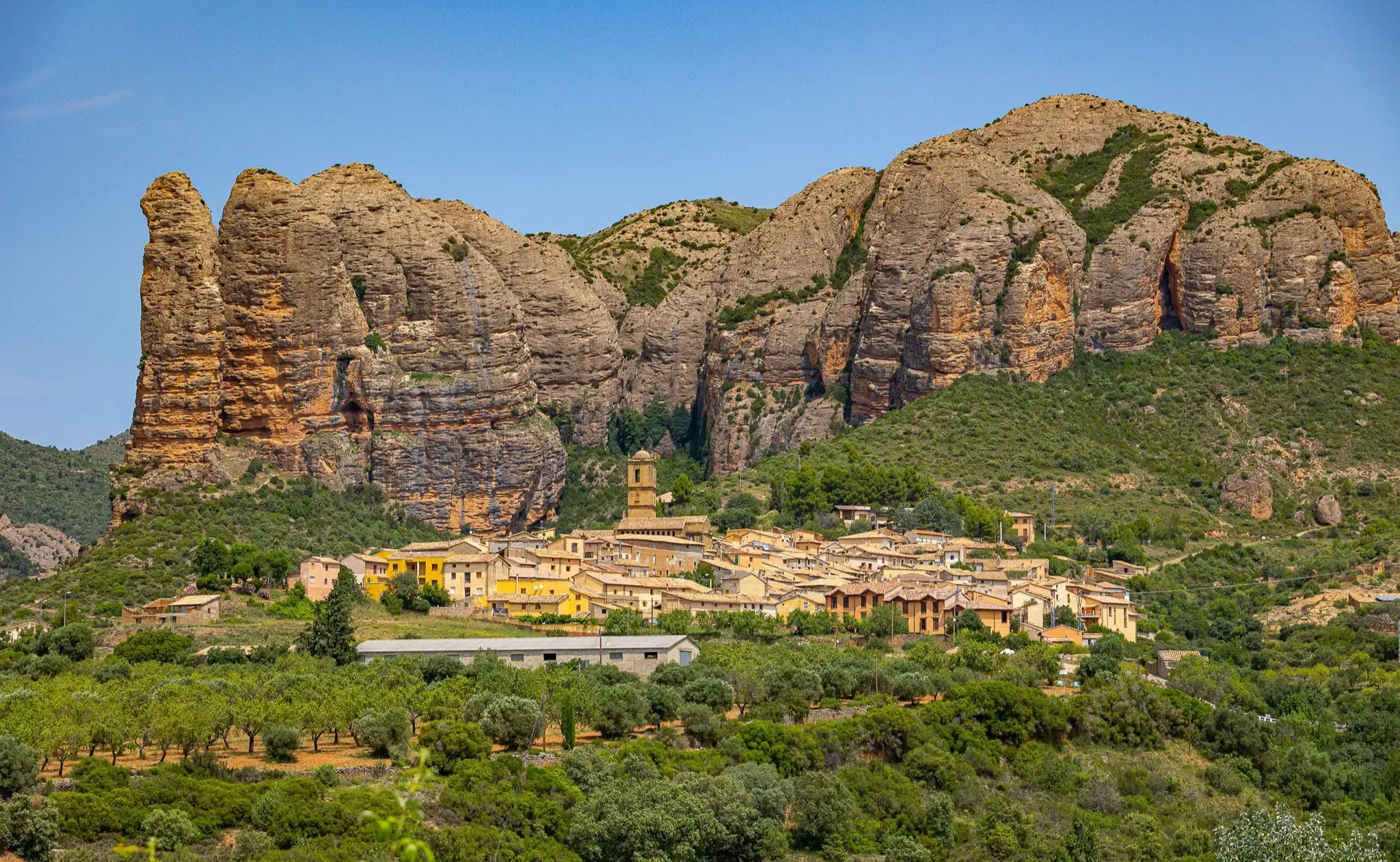
Hiking between geology and history – GR1 in Aragón
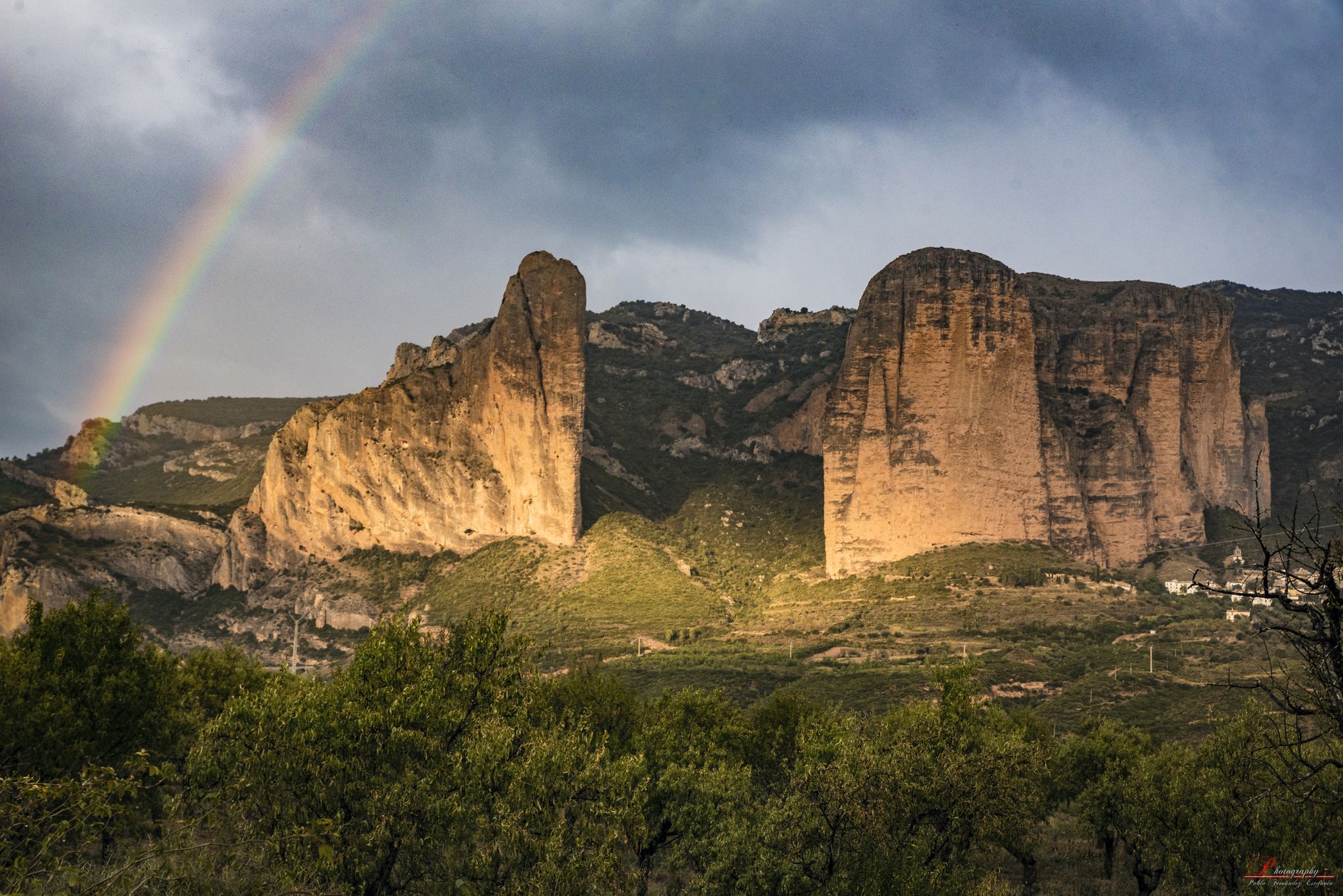
Medieval and natural treasures — Cycling in the Pre-Pyrenees
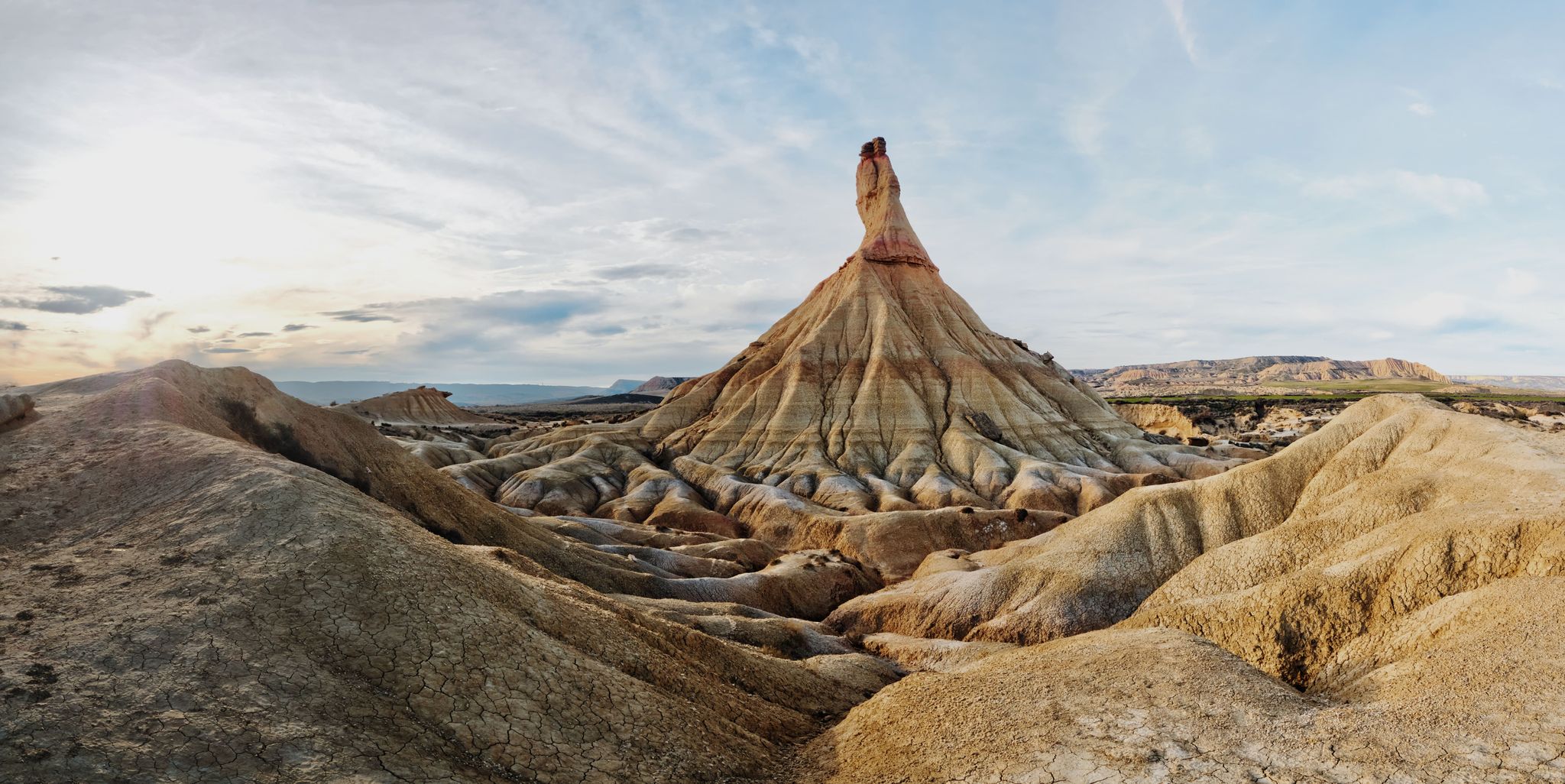
An extraterrestrial journey – Trans Bárdenas Reales
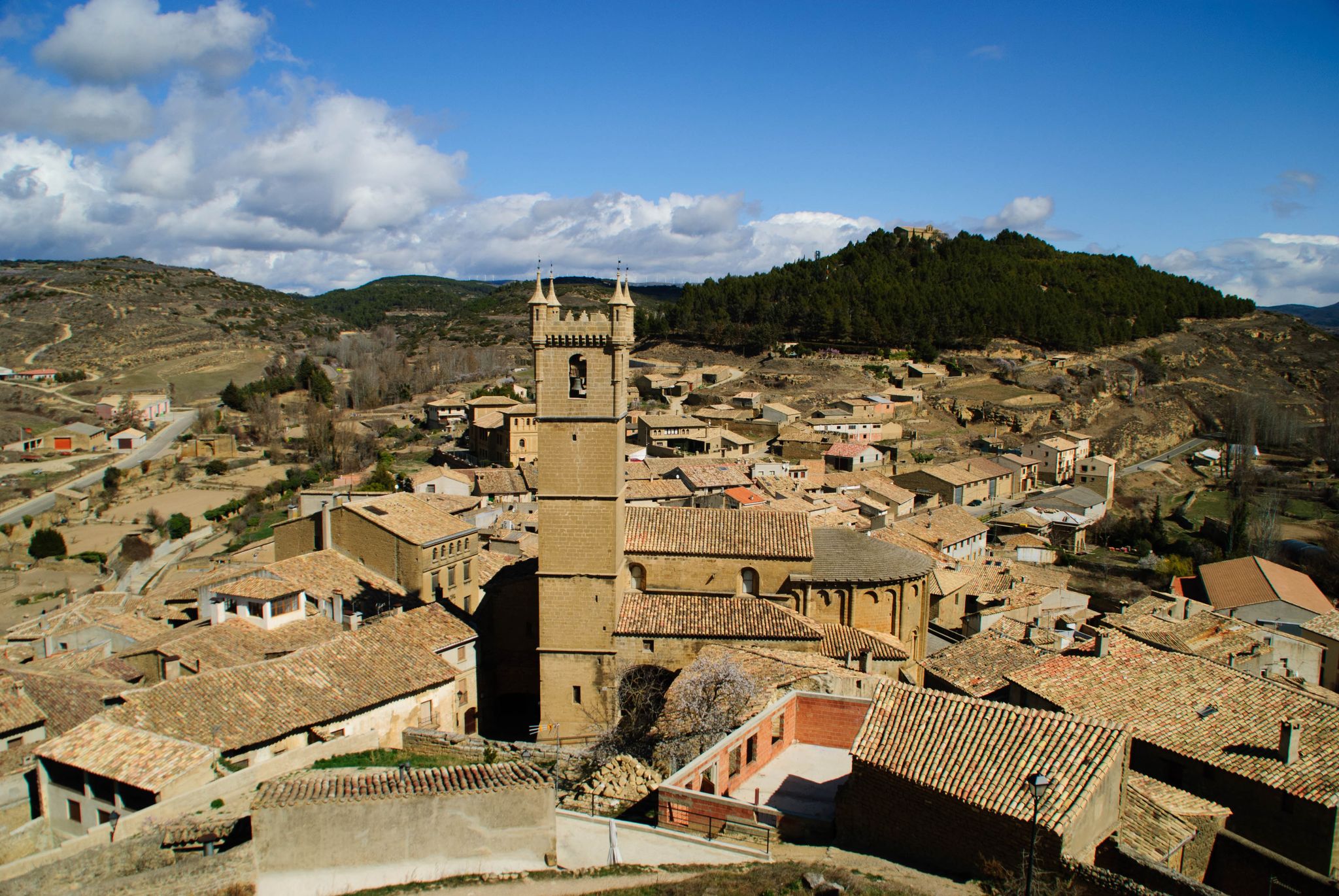
Treasures of the Pre-Pyrenees – King Ferdinand Mountain Bike Route
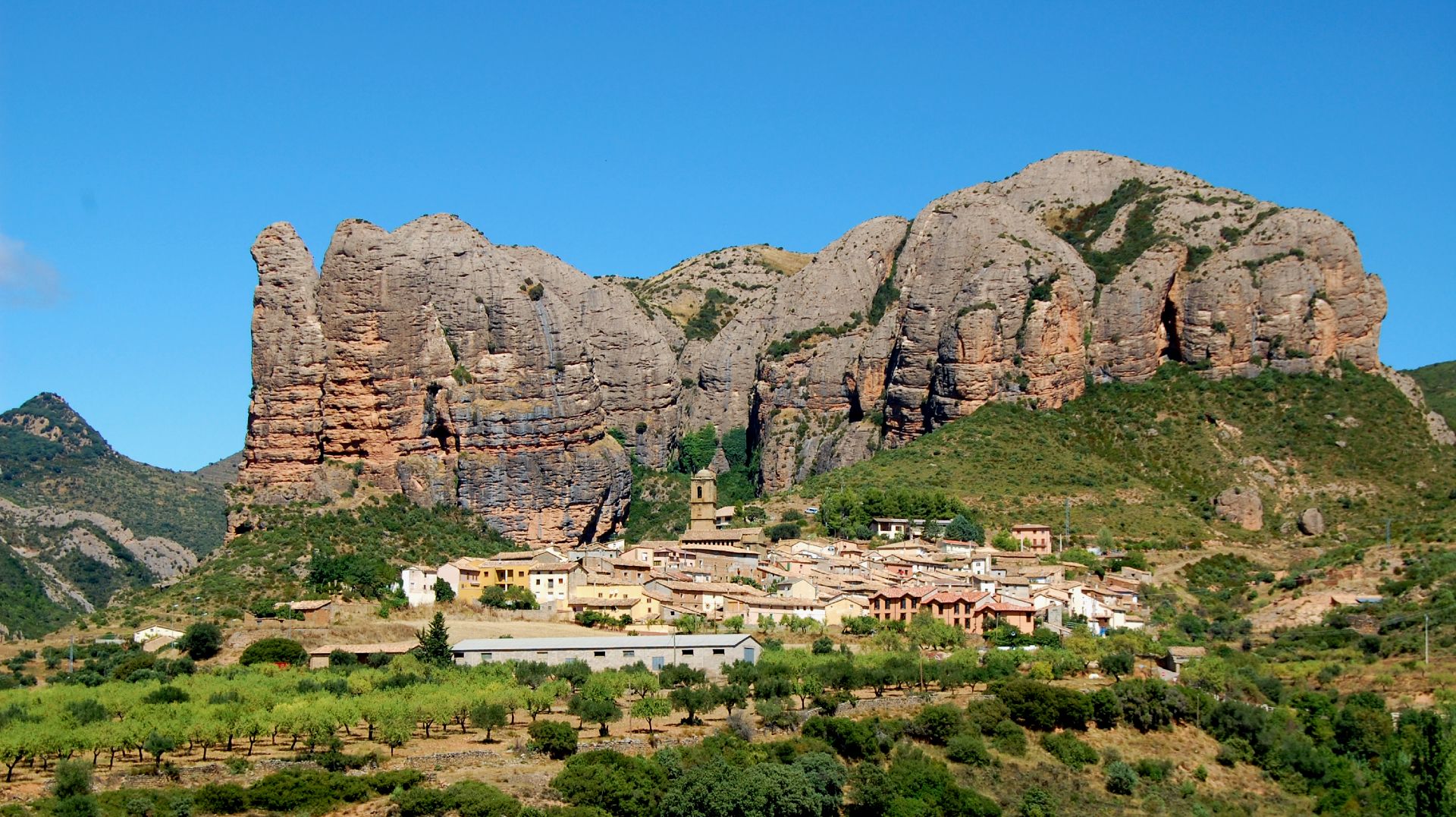
Land of rock and water – Sendero Histórico en Aragón
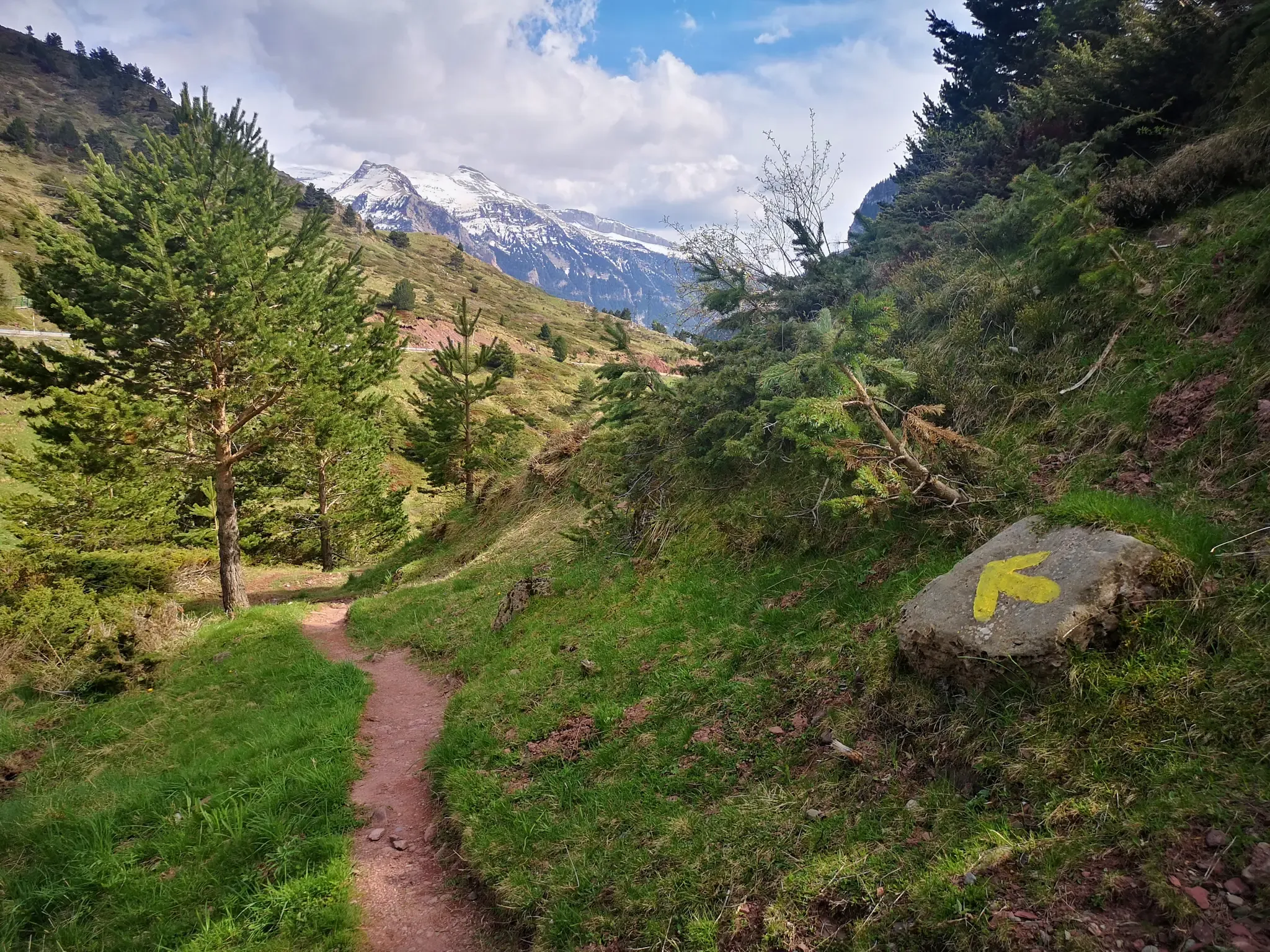
The great forgotten Jacobean pilgrimage – the Aragonese Way

¡Qué bonito! – Mit dem ABUS Taipan durch Nordspanien
Road Cycling Routes around Cinco Villas
Other adventures around Cinco Villas


Tips from the Community

It is a natural geological formation formed by the erosion of water on different types of strata and calcifications.
0
0

This refuge is known for its natural surroundings and strategic location for hiking and nature lovers. It offers spectacular views and is an ideal starting point for exploring the mountains and surrounding areas. The refuge is equipped with basic amenities for hikers, including sleeping and cooking areas. It is a perfect place to rest and enjoy the tranquility of the natural surroundings.
6
0
The Aguarales de Valdemilaz, also known as Aguarales de Valpalmas, are a stunning geological landscape located near the town of Valpalmas, in the Cinco Villas region, province of Zaragoza. This site is famous for its unique rock formations, created by water and wind erosion over millions of years. These formations, known as fairy chimneys, are similar to those seen in the Göreme Valley in Cappadocia, Türkiye.
8
0

Ruins of an ancient Roman aqueduct.
0
0

Located on the Gállego River, the Ardisa reservoir is shared by the municipalities of Ardisa and Biscarrués. However, both most of the layout of the dam and all the buildings reviewed are located in the municipality of Biscarrués, which is why they have been included in the catalog of this municipality. The reservoir has an area of 2100 km2, with a total capacity of 5 Hm3 and a useful capacity of 3 Hm3. The dam is made of cyclopean concrete. It presents the type of gravity dam, with a height of 31.14 m and a crest length of 450 m. It has a curved layout and a front arranged in a stepped slope. On the right bank there is a large trapezoidal tank delimited by concrete walls (called a "surface spillway" in the reservoir project) which, through a four-span spillway, connects to a long drainage channel arranged in slope that flows into the river Gállego. The set also consists of several buildings, all of them located on the left bank of the river: the gate house, through which the discharge to the canal that leads water to the Sotonera reservoir is regulated, the dam guard's house , a warehouse and a water tank.
1
0

The aqueduct is one of the most representative elements of the Los Bañales site. It served, in addition to supplying water to the inhabitants, to feed the enormous hot springs of the city.
0
0

The ruins found on the track that connects Luesia with the Pígalo pools are known as the castle of Sibirana. The ruins of the hermitage of Santa Quiteria also remain from this deserted area. This nucleus is part of a defensive line ordered to be built in the 10th century by King Sancho Garcés I of Pamplona. The sight of the towers erected on two stone masses gives an idea of the magnitude and engineering of these structures.
1
0

The Sada Palace, located in Sos del Rey Católico, is known for having been the birthplace of Fernando el Católico. The palace dates from the 13th century, although multiple reforms were made over the years to expand it. Until the 19th century it belonged to the Sada lineage.
0
0
Frequently Asked Questions
What historical sites can I explore in Cinco Villas?
The Cinco Villas region is rich in history. You can visit the medieval village of Sos del Rey Católico, known as the birthplace of King Ferdinand II of Aragon, featuring the Sada Palace and the Romanesque Church of San Esteban. Uncastillo boasts a wealth of Romanesque churches and a historic Jewish quarter. Don't miss the impressive 13th-century Sádaba Castle in Sádaba, or the ancient Roman Ruins of Los Bañales near Layana, which include thermal baths and an aqueduct. For a specific highlight, consider visiting Los Bañales Roman Archaeological Site.
Are there any unique natural formations or landscapes to see?
Yes, Cinco Villas offers several unique natural features. The Aguarales de Valpalmas, also known as Aguarales de Valdemilaz, are whimsical tubular clay formations sculpted by water, similar to fairy chimneys. The Sierra de Santo Domingo is a protected natural area with diverse forests and spectacular viewpoints. You can also find the arid landscapes of Bardenas Negras, known for wild orchids, and the picturesque Val d'Onsella valley.
Where can I find natural swimming spots in the region?
For a refreshing dip, the Pígalo Pools are ideal on warm days, offering large natural pools in the river. It's advisable to book access through the Luesia town hall website if you plan to park there. Another popular spot is the Yesa Reservoir, where visitors can also enjoy a swim.
What kind of outdoor activities can I do near these attractions?
The region offers a variety of outdoor activities. You can explore numerous hiking trails, including those around the Sierra de Santo Domingo. For cycling enthusiasts, there are dedicated MTB trails and road cycling routes. The Valdelafuén Natural Site near Sádaba is excellent for water sports, fishing, hiking, and cycling. You can find more details on specific routes in guides like Waterfall hikes around Cinco Villas, MTB Trails around Cinco Villas, and Road Cycling Routes around Cinco Villas.
Are there family-friendly attractions in Cinco Villas?
Absolutely! Many attractions are suitable for families. The Aguarales de Valdemilaz (Aguarales de Valpalmas) are fascinating for all ages due to their unique geological formations. The Pígalo Pools and Yesa Reservoir offer opportunities for swimming and picnicking. Exploring the medieval streets of towns like Sos del Rey Católico or visiting the Roman Ruins of Los Bañales can also be engaging for families.
Which towns are known for their Romanesque architecture?
The Cinco Villas region is particularly rich in Romanesque heritage. Uncastillo is renowned for its numerous Romanesque churches, with the Church of Santa María being a prime example. Other towns with notable Romanesque churches include El Frago, Navardún, Undúes, Pintano, Biel, Bagüés, and Biota. In Ejea de los Caballeros, you can find the Romanesque churches of Santa María and El Salvador. Don't forget the Romanesque church of San Martín in Artieda.
Where can I find castles in Cinco Villas?
The region's history as a border area means it's dotted with castles. You can visit the impressive 13th-century Sádaba Castle with its seven towers, or the historic Castillo de Uncastillo. Sos del Rey Católico also features a 12th-century castle built by Ramiro II, offering excellent views. Additionally, the medieval Ruesta Castle, dating from the 11th century, provides good views of the Yesa reservoir.
Are there any significant religious sites or monasteries?
Yes, the region has several important religious sites. Beyond the numerous Romanesque churches, you can visit the 12th-century Cistercian Monastery of Cambrón near Sádaba, and the Church of Puylampa. The Valentuñana Monastery houses a collection of items from Augustinian monks. The Monasterio de Monlora (Nuestra Señora de Monlora) is an iconic monastery known for its beautiful architecture and setting. The Sancho Abarca Hermitage is another notable religious building.
What are some good places for bird watching?
Bird watching enthusiasts will appreciate the Moncayuelo Lagoon in Ejea de los Caballeros, which is an important local bird sanctuary. The Valdelafuén Natural Site near Sádaba, with its reservoir, is also classified as a special bird protection area, offering abundant flora and fauna for observation.
What do visitors enjoy most about the attractions in Cinco Villas?
Visitors particularly enjoy the blend of history and nature. The medieval charm of towns like Sos del Rey Católico and Uncastillo, with their cobbled streets and ancient architecture, is highly appreciated. The unique geological formations of Aguarales de Valpalmas and the refreshing natural pools at Pígalo Pools are also popular. Many find the opportunity to explore historical sites and then cool off in natural waters to be a highlight of their visit.
Are there any specific tips for visiting the Pígalo Pools?
When planning a visit to the Pígalo Pools, it's important to note that if you wish to park your car, you may need to make a reservation on the Luesia town hall website, as access is controlled. The area offers picnic spots, and there's a bar at the nearby campsite. If you prefer less crowded areas, consider walking further upstream to find more secluded pools.
Can I find any Roman ruins besides Los Bañales?
While Los Bañales Roman Archaeological Site is the most prominent, the region's history suggests Roman influence throughout. The site itself features thermal baths and an aqueduct. Exploring the broader Cinco Villas area may reveal other smaller remnants or historical connections to the Roman period, particularly in towns with ancient origins.
Most popular routes around Cinco Villas
Most popular attractions around Cinco Villas

Get inspired with the komoot mobile app


Didn’t find what you were looking for?
Are you keen on exploring more awesome places nearby? Browse our guides:
Explore more
Still not found the Highlight you’re looking for? See guides of the top attractions in other regions:
