The best cycling routes around Maestrazgo
4.8
(18)
611
riders
104
rides
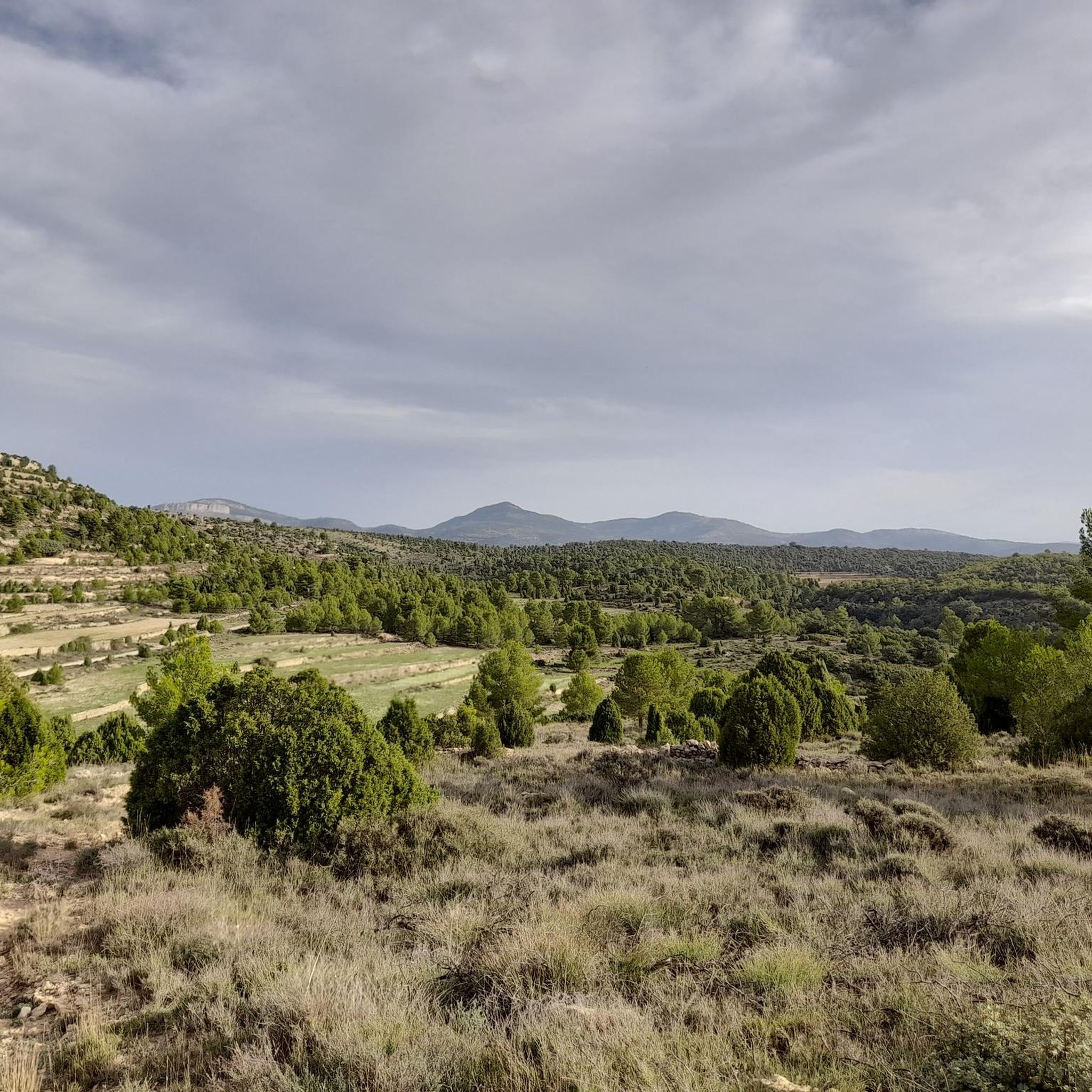
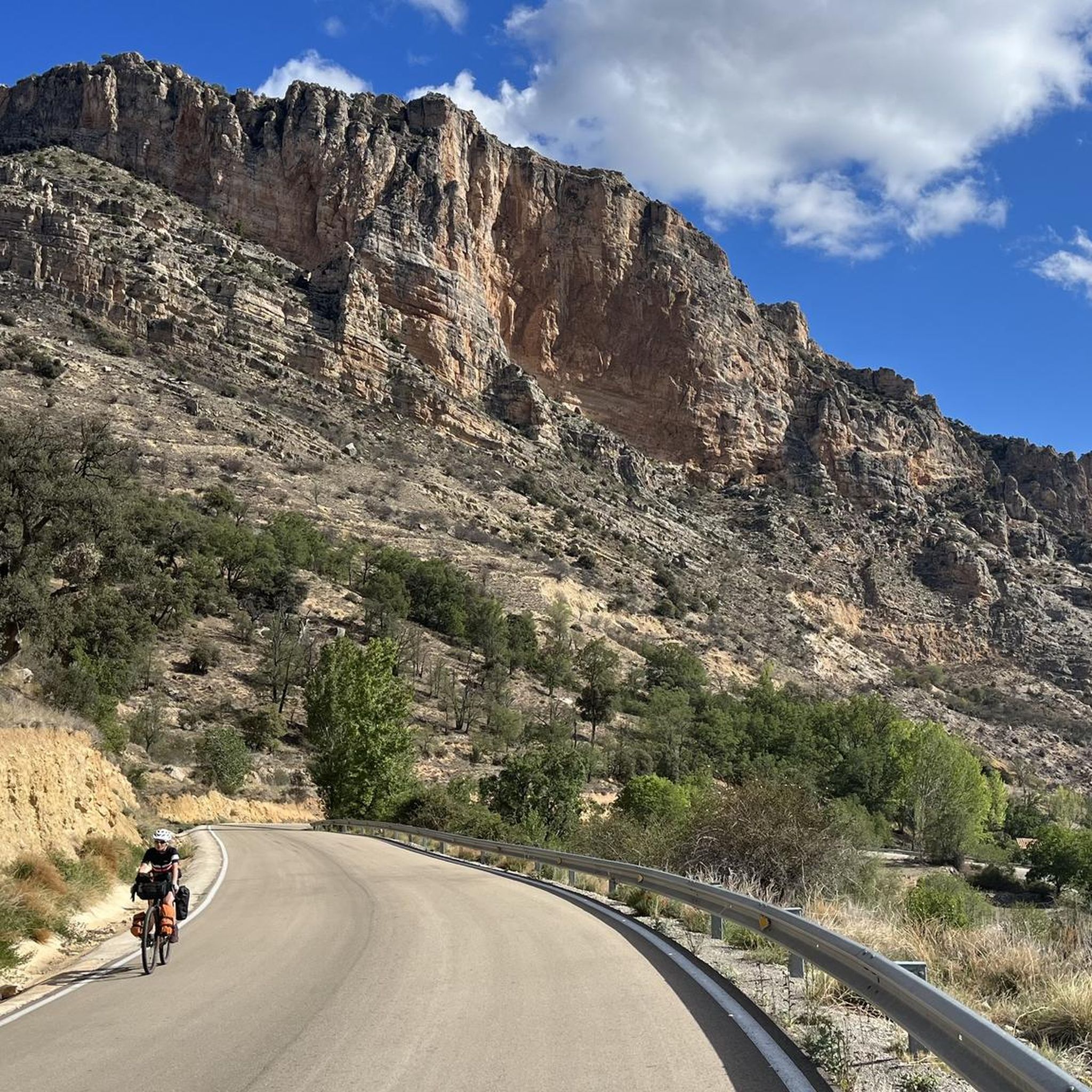
Touring cycling routes around Maestrazgo traverse a diverse and rugged landscape, characterized by mountainous terrain, deep valleys, and dramatic gorges. The region features a mix of quiet, low-traffic roads and dedicated cycling infrastructure, including the Maestrazgo Mountain Bike Center. Geological formations such as the Órganos de Montoro and the Puente de Fonseca are notable features. This area offers varied topography for cyclists seeking both challenging ascents and scenic paths.
Best touring cycling routes around Maestrazgo
- The most popular touring cycling…
Last updated: August 17, 2026
2
riders
Hard bike ride. Very good fitness required. Mostly paved surfaces. Suitable for all skill levels.
1
riders
37.8km
03:35
1,050m
1,050m
Hard bike ride. Very good fitness required. Mostly paved surfaces. Suitable for all skill levels.

Sign up for free
52.0km
04:36
1,340m
1,340m
Hard bike ride. Very good fitness required. You may need to push your bike for some segments of this route.
34.7km
03:03
840m
840m
Hard bike ride. Very good fitness required. Mostly paved surfaces. Suitable for all skill levels.
34.9km
02:33
740m
750m
Hard bike ride. Very good fitness required. Mostly paved surfaces. Suitable for all skill levels.
27
riders
85.3km
06:07
1,840m
1,840m
Hard bike ride. Very good fitness required. Mostly paved surfaces. Suitable for all skill levels.
20
riders
61.9km
05:44
1,410m
1,420m
Hard bike ride. Very good fitness required. Mostly paved surfaces. Suitable for all skill levels.
26
riders
38.8km
03:38
1,000m
1,000m
Hard bike ride. Very good fitness required. Mostly paved surfaces. Suitable for all skill levels.
23
riders
31.2km
03:17
1,060m
1,060m
Hard bike ride. Very good fitness required. Mostly paved surfaces. Suitable for all skill levels.
15
riders
Hard bike ride. Very good fitness required. Mostly paved surfaces. Suitable for all skill levels.
Get access to more routes and recommendations from other explorers.
Sign up for free
Already have an account?
Our route recommendations are based on thousands of hikes, rides, and runs completed by other people on komoot.
Start today with a free account
Your next adventure awaits.
Login or Signup
Popular around Maestrazgo
Other adventures around Maestrazgo


Tips from the Community

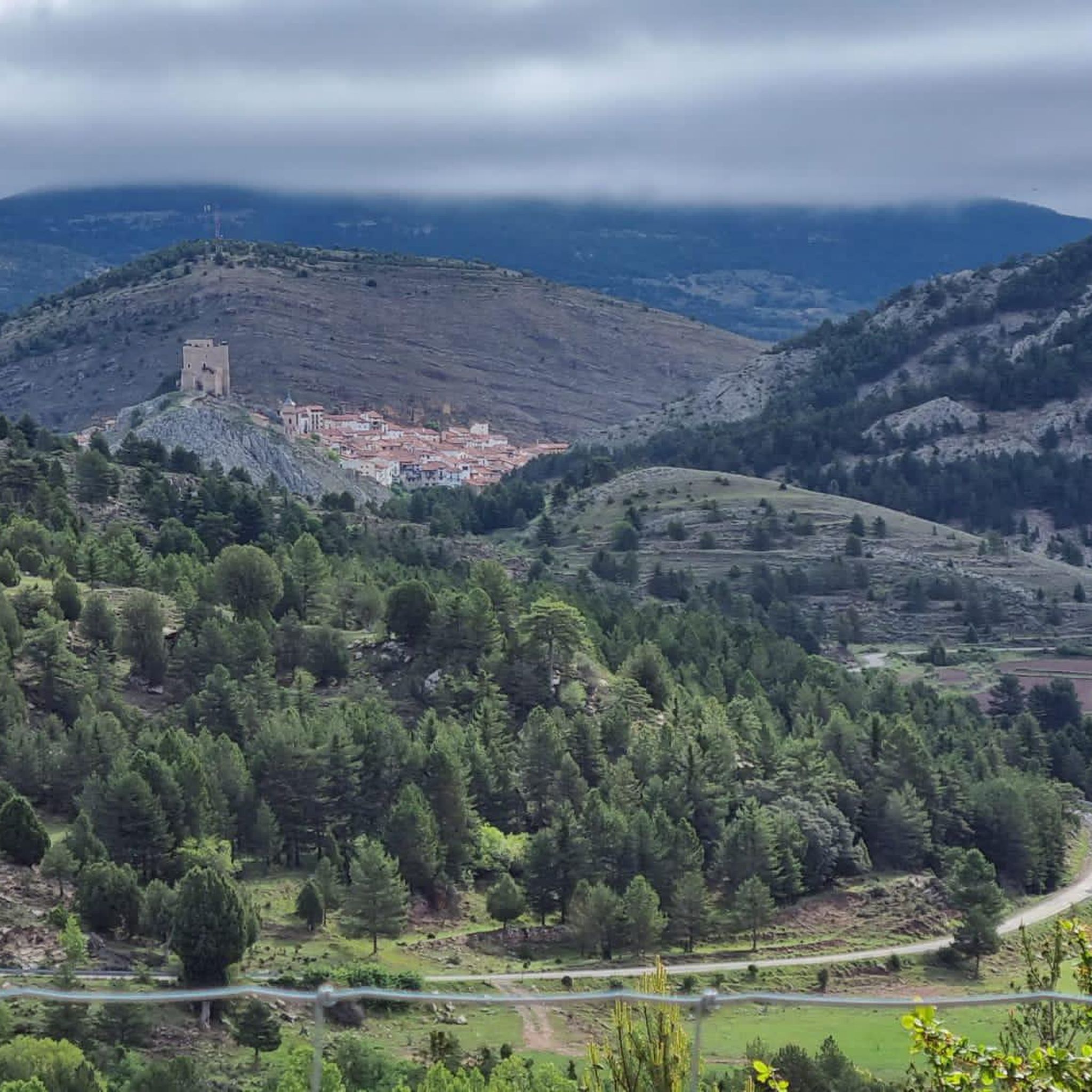
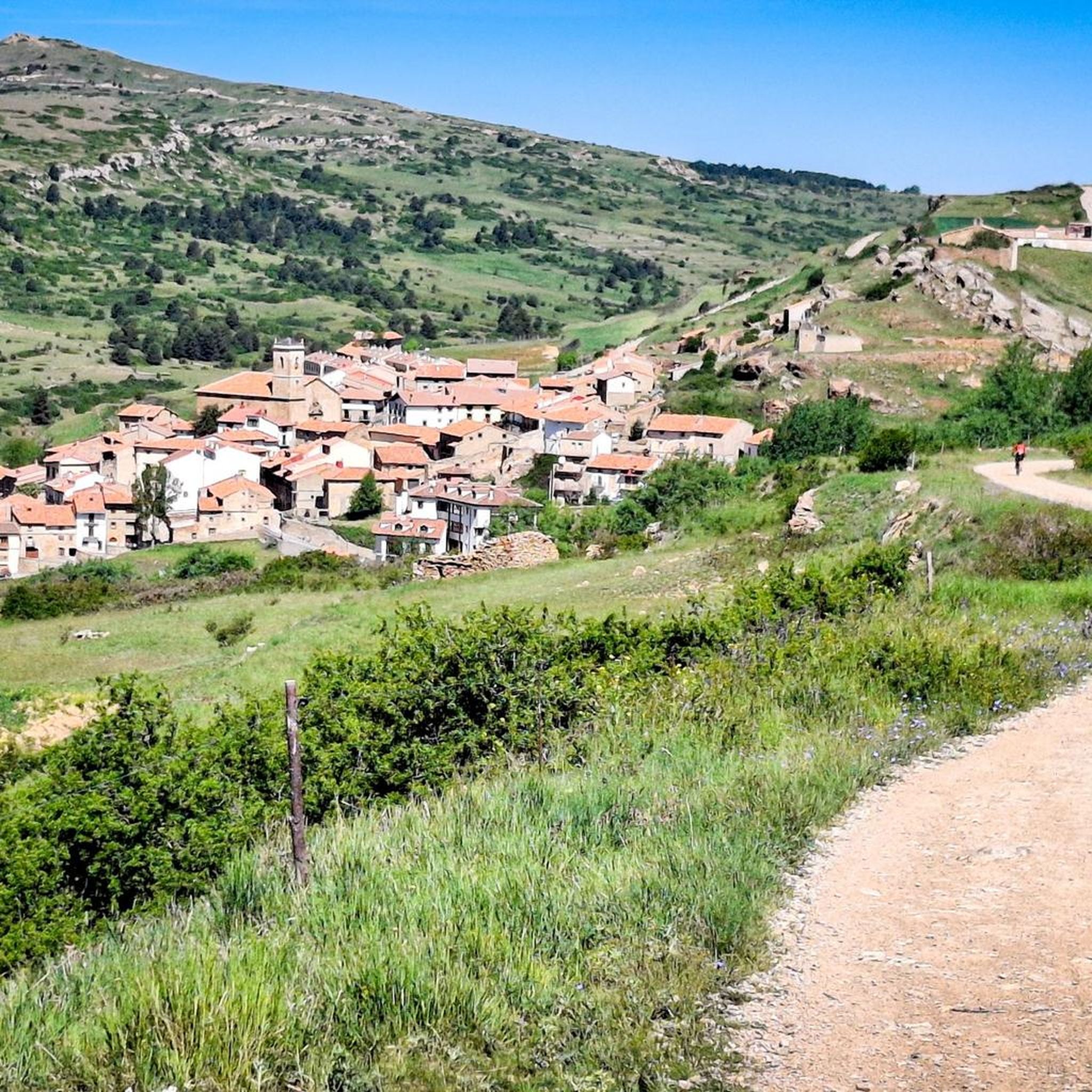
Beautiful little town in the middle of the mountains
0
0

S 3 in both directions, on a half-slope with good handling, the slopes are the most complicated part of this section, good surface, some small rocky steps and tight curves
0
0

Barbecue hut, table and benches, water, and trash cans. A good resting place.
0
0
Good water in abundance at this spring.
1
0

The fortress has surprisingly large dimensions, is very strategically located and has been the center of several wars for centuries. Visit: with admission, see schedules and guided tours or temporary exhibitions on the Mora de Rubielos Castle website.
0
0

The Charles IV Bridge in Olba is a historic structure that crosses the Mijares River. This bridge, built in the 18th century, is known for its stone architecture and its importance in connecting local routes. Originally, it had four arches, but two of them were destroyed during the Civil War. The bridge is a highlight on several hiking trails, such as the one from Olba to Fuente los Pertegaces. This circular route allows you to enjoy the natural beauty of the valley and other points of interest such as the Salud aqueduct.
7
0

The Mora de Rubielos castle or Fernández de Heredia castle is a fortification located on a hill in the Sierra de Gúdar, in the Aragonese town of Mora de Rubielos, 41 kilometers from Teruel, near the provincial border with Castellón. Currently, it is considered a BIC
0
0
Frequently Asked Questions
How many touring cycling routes are available in Maestrazgo?
Maestrazgo offers nearly 100 touring cycling routes, providing a wide range of options for exploring its diverse and rugged landscape. These routes traverse mountainous terrain, deep valleys, and dramatic gorges, with a focus on quiet, low-traffic roads.
What is the best time of year for touring cycling in Maestrazgo?
The ideal seasons for touring cycling in Maestrazgo are typically May, June, September, and October. These months offer pleasant weather conditions, allowing cyclists to avoid the intense heat of summer and the colder, longer winter months, ensuring a more enjoyable experience on the region's tranquil roads.
Are there any easy touring cycling routes in Maestrazgo suitable for beginners or families?
While Maestrazgo is known for its challenging terrain, there are 15 moderate routes available. However, the region currently does not feature any routes specifically classified as 'easy' for touring cyclists. Most routes are rated as difficult, catering to more experienced riders. For a moderate option, consider exploring parts of the Empty Mountains – circular by Valdelinares from Virgen de la Vega via Linares de la Mora, which offers a blend of natural beauty and cultural heritage through depopulated areas.
What kind of natural attractions can I expect to see along the touring cycling routes?
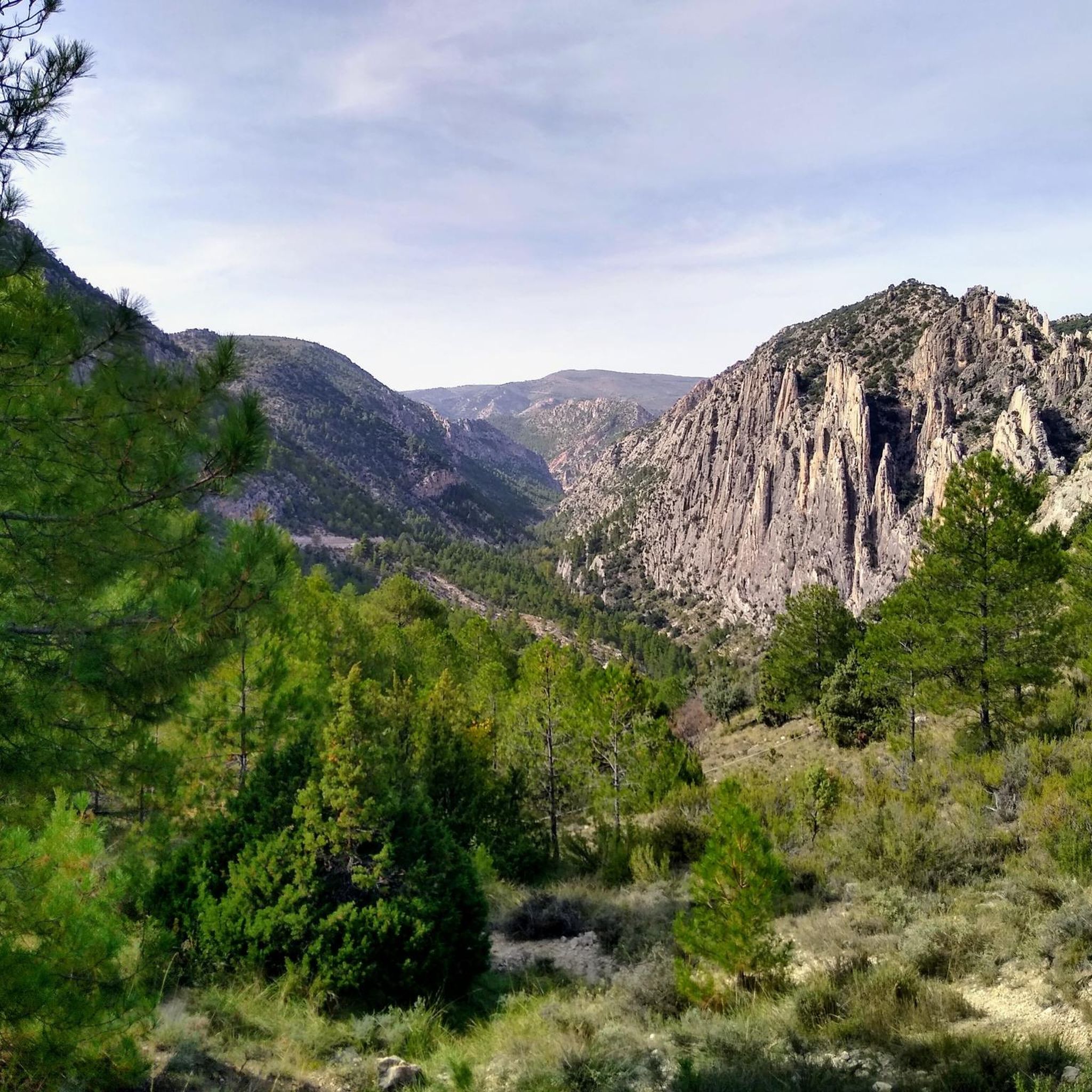
Maestrazgo is rich in natural monuments and unique geological formations. You can encounter impressive limestone spires like the Órganos de Montoro, explore the extensive underground galleries of the Grutas de Cristal de Molinos, or visit the beautiful Source of the Pitarque River. The region also features dramatic gorges, such as those found on the Villarluengo and Guadalope Gorges Loop, and the natural rock bridge of Puente de Fonseca.
Are there any circular touring cycling routes in Maestrazgo?
Yes, Maestrazgo offers several circular touring cycling routes. These loops allow you to start and end in the same location, making logistics easier. An example is the Sierra del Pobo and Camino de los Pilones – circular from Aguilar de Alfambra, a challenging 34.5-mile route offering scenic views. Another option is the Sierra del Señor – circular from Montoro de Mezquita via Aldehuela, which takes you through varied mountain terrain.
What do other touring cyclists say about the routes in Maestrazgo?
The touring cycling routes in Maestrazgo are highly regarded by the komoot community, holding an average rating of 4.8 out of 5 stars from over 10 reviews. Cyclists often praise the region's tranquil, low-traffic roads, the stunning natural beauty, and the opportunity to explore picturesque medieval villages and unique geological formations away from urban noise.
Are there any services or amenities for cyclists in Maestrazgo?
Yes, the Maestrazgo Mountain Bike Center, with reception points in Fortanete and Cuevas de Cañart, provides essential services for cyclists. These include information, bicycle repair and rental, parking, washing points, showers, and toilets. Additionally, many charming villages along the routes, such as Cantavieja and Mirambel, offer opportunities for cafes, restaurants, and accommodation.
Can I find long-distance touring cycling routes in the Maestrazgo region?
Maestrazgo is well-suited for long-distance touring. The region is home to routes like the Maestrazgo Loop, a bikepacking route over 200 kilometers long, designed to connect medieval villages and immerse riders in a wild territory. It can also be linked with the 'Montañas Vacías' (Empty Mountains) network for even longer adventures. For a challenging day ride, consider the Red Plain – View of the "Wild West" loop from Formiche Alto, which spans over 100 kilometers.
What historical sites or charming villages can I visit while cycling in Maestrazgo?
Maestrazgo is dotted with picturesque medieval villages and historical sites. You can cycle through towns like Cantavieja, known for its Templar traces, or Mirambel, famous for its unique architecture. Other notable villages include Villarluengo and La Iglesuela del Cid. Along your ride, you might also encounter historical landmarks such as the Mora de Rubielos Castle, which is part of the Mora de Rubielos Castle – Rubielos de Mora loop from Mora de Rubielos.
Are there specific mountain passes that are popular among touring cyclists in Maestrazgo?
Maestrazgo is a paradise for cycling tourism lovers due to its numerous mountain passes. Notable passes include Cuarto Pelado, Villarroya de los Pinares, and Sollavientos on the A-226, which range from 1,500-1,700 meters in height. More challenging ascents include the San Cristobal pass (between Pitarque and Aliaga) with a maximum gradient of 19%, and the Fortanete pass reaching 17%. You can also find passes like Puertomingalvo Pass and the Los Órganos de Montoro Pass.
What are some challenging routes for experienced touring cyclists in Maestrazgo?
Maestrazgo offers many challenging routes for experienced touring cyclists, with 79 routes classified as difficult. These routes often feature significant elevation gains and rugged terrain. For instance, the Linares de Mora – Virgen de la Vega loop from Bandera is a demanding 61.8 km route with over 1400 meters of elevation gain. Another option is the Port of Cabigordo and Barony of Escriche – circular from Cedrillas, which presents a significant climb.
Is public transportation available to access touring cycling routes in Maestrazgo?
While Maestrazgo is known for its tranquil and somewhat isolated environment, public transportation options are limited. It's generally recommended to travel by car to access the starting points of many touring cycling routes, especially given the region's rugged and expansive nature. The Maestrazgo Mountain Bike Center locations in Fortanete and Cuevas de Cañart offer parking facilities, which can be convenient starting points.
Most popular routes around Maestrazgo
Most popular attractions around Maestrazgo

Get inspired with the komoot mobile app


Didn’t find what you were looking for?
Check out more Cycling routes throughout Maestrazgo below and find the perfect route in your destination.
Explore more
Browse the best Cycling routes in other regions.
