The 7 Most Amazing Peaks around Hoya De Teruel
Best mountain peaks around Hoya De Teruel are found within the larger Teruel province, offering diverse landscapes and panoramic views. Hoya de Teruel, a high plateau, serves as a gateway to the impressive mountain ranges of the Iberian System. These surrounding peaks provide opportunities for challenging hikes and exploration of natural features. The region is characterized by its rugged terrain and varied geological formations.
Best mountain peaks around Hoya De Teruel
- The most popular mountain peaks is Pico Javalambre,…
Last updated: August 31, 2026
Pico Javalambre
Highlight • Summit
Translated by Google •
Tip by

Javalambre Astrophysical Observatory (Pico del Buitre)
Highlight • Monument
Translated by Google •
Tip by

Sign up now to discover places like this
Get recommendations on the best single tracks, peaks, & plenty of other exciting outdoor places.
Sign up for free
Alto de las Barracas or Cerro Calderón 1838m
Highlight • Summit
Translated by Google •
Tip by

Climb to Pico del Buitre from Arcos de las Salinas
Highlight (Segment) • Climb
Translated by Google •
Tip by
View of the Mijares River Valley and Peñagolosa Massif from Morrón de Olba
Highlight • Viewpoint
Tip by

Start today with a free account
Your next adventure awaits.
Login or Signup
Popular around Hoya De Teruel
Sendero Español GR 10 — De este a oeste
Women's Montañas Vacías 2022 — bikepack in rural Spain
MontañasVacías official — bikepacking across the Spanish Lapland
Montañas Vacías — bikepacking the wild and remote 'Empty Mountains'
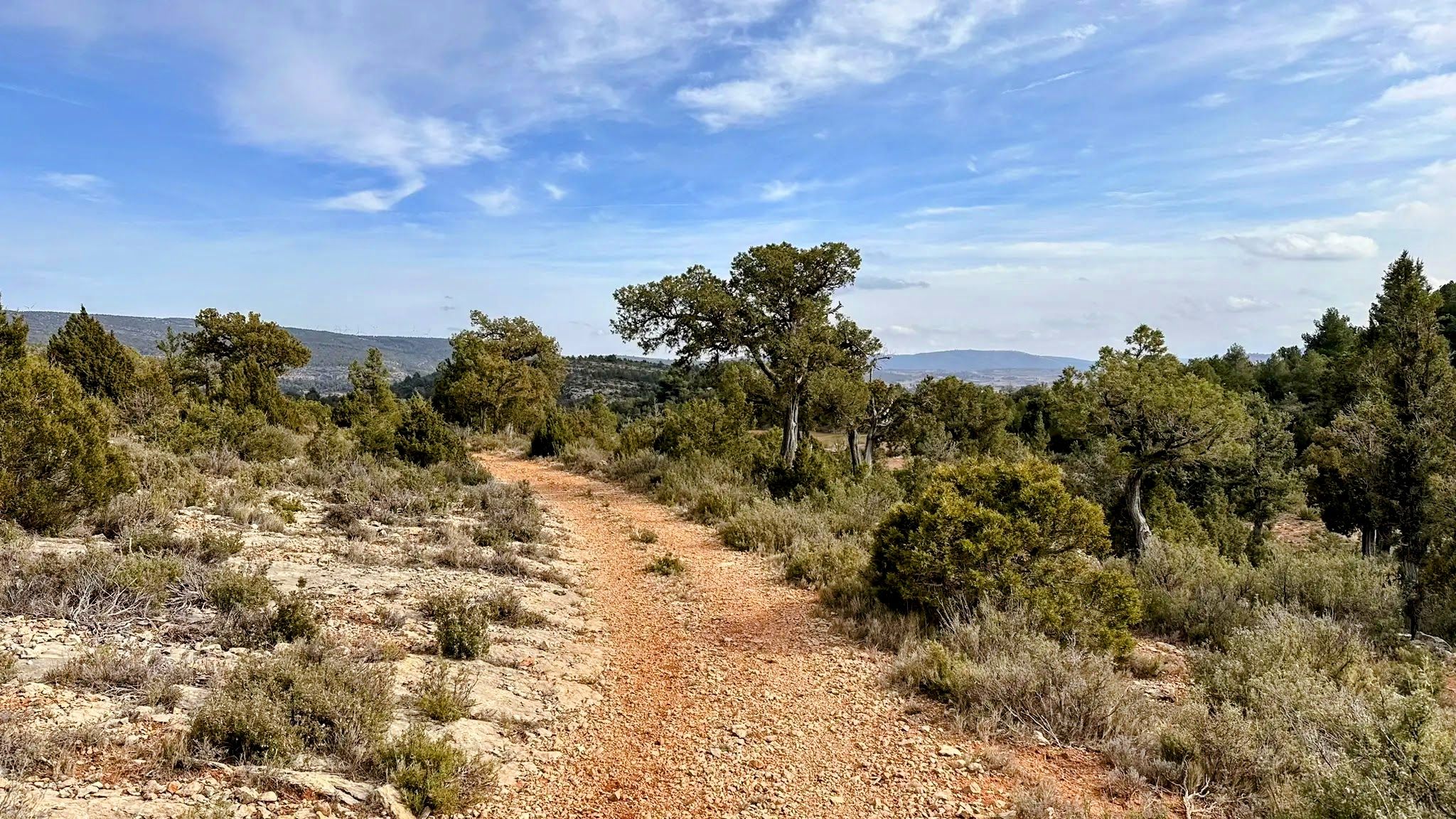
Between junipers and ravines - The Livestock Routes of the Serranía del Turia (GR 37)
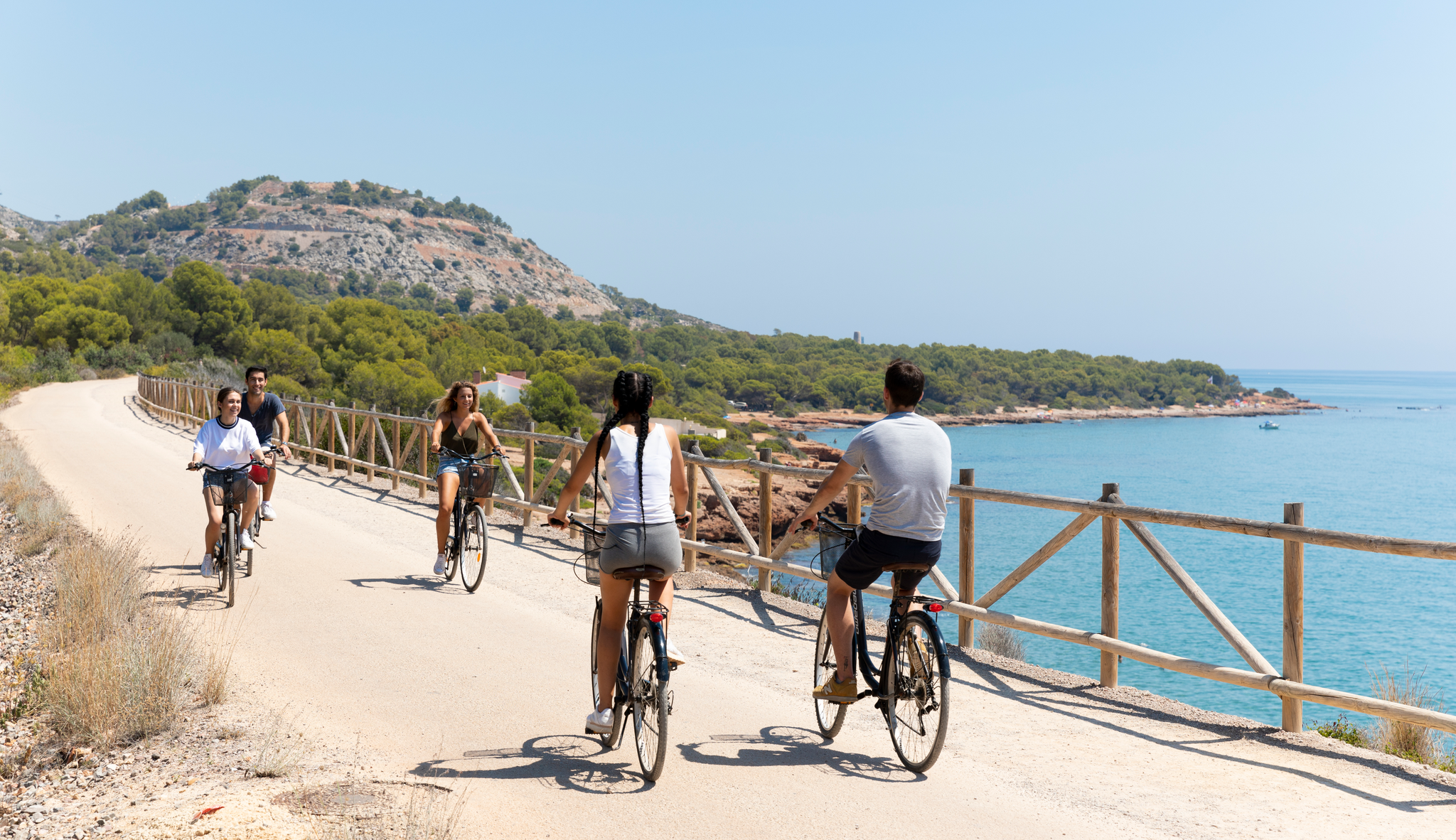
Costa del Azahar and the interior of Castellón by its greenways
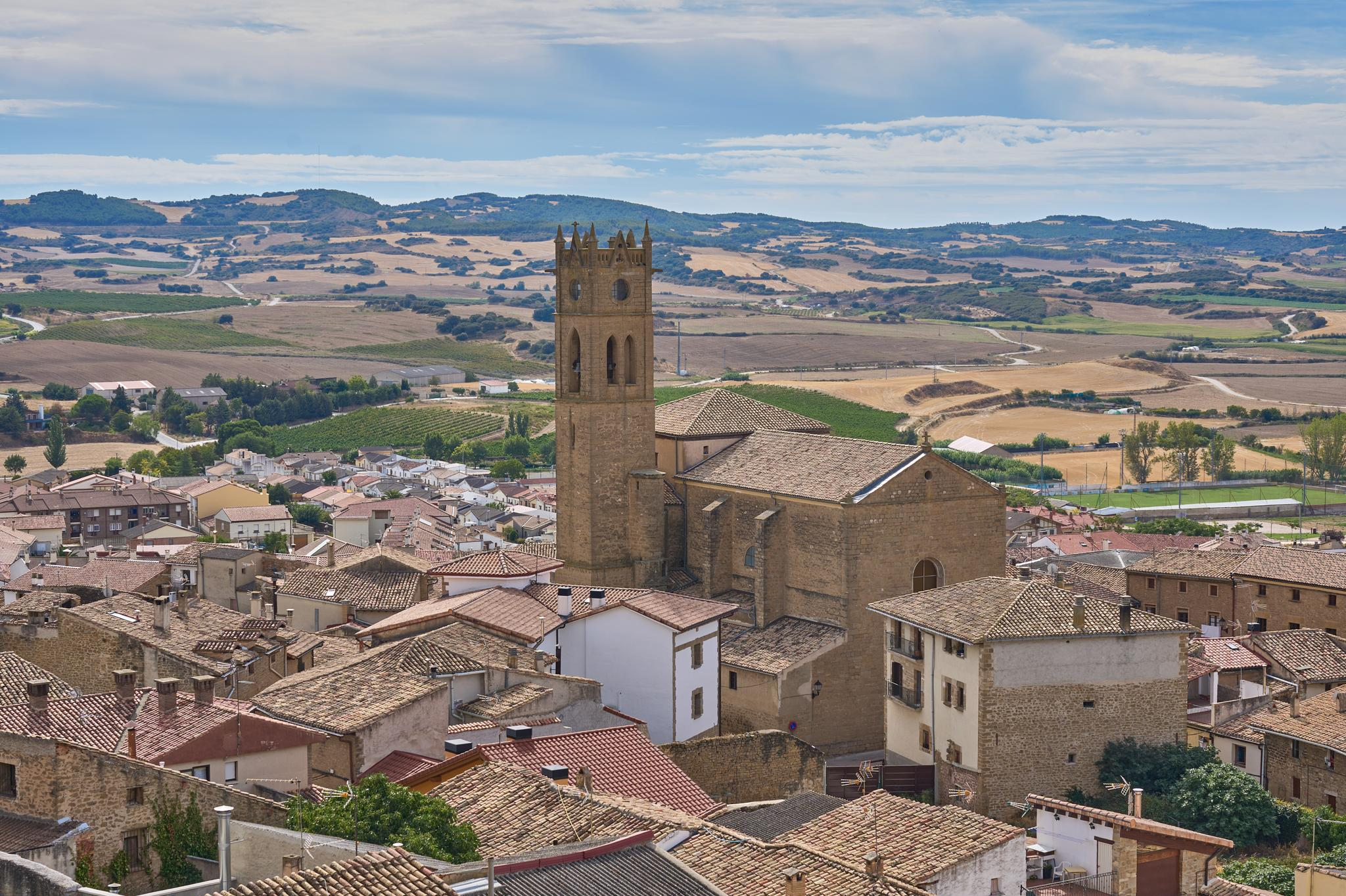
Path of the Templars — Path of the True Cross (GR 250)
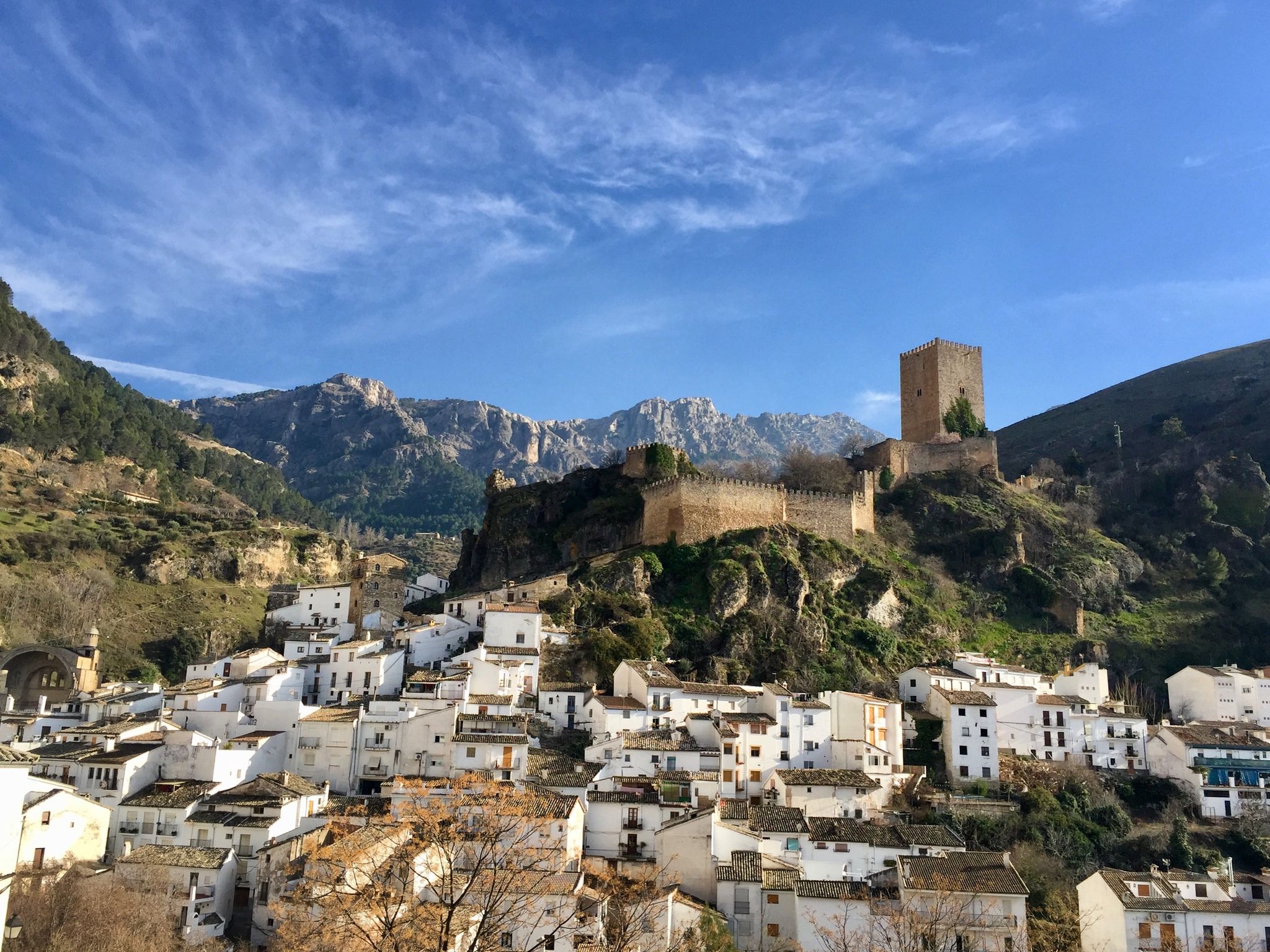
European Divide Trail across the Iberian Peninsula – central
An epic getaway – Santander-Mediterráneo Nature Trail
Nature in its purest form – bikepacking in the Sierra de Albarracín
Other adventures around Hoya De Teruel


Tips from the Community

From this viewpoint you have views of Puebla de Arenoso, the reservoir, Olba and many of the surrounding populated areas. A good place from which to start some of the Enduroland trails that start in the vicinity of this summit.
0
0

The summit is 2019 meters high. The path is demanding, but it is worth the effort. The panoramic views of the surrounding mountains are like something out of a movie.
2
0


The final section of the climb to Alto de las Barracas (1,838 m) is not cyclable but it is easy to climb pushing the bicycle. The trail markings pass through the vertex and continue in the direction of Pino Vicente. White and yellow signs are painted on the limestone rocks and there are also stone milestones marking the way.
0
0

We are at Pico Javalambre at an altitude of 2,019 meters, considered a sacred mountain by many nature lovers and/or Turolenses. It is the highest peak of the mountain range that bears his name, it is considered by the majority of Teruel residents to be the roof of their province, although the true roof of Teruel is the top of Peñarroya. If we have the opportunity to climb here when there is no snow, we will be able to appreciate the so-called "leopard skin" caused by the vegetation on the entire surface of the massif, a work of art of nature!
2
0

The Javalambre Peak at 2,019 m is the highest in the mountain range that bears its name. It is considered by the majority of Teruel residents to be the roof of their province, although the true roof of Teruel is Peñarroya. At the top of Pico Javalambre, in addition to the enormous antenna that helps you orient yourself but destroys the landscape, there are other smaller antennas, apart from a track that reaches the same summit, some ski slopes next to it. All this spoils the beautiful surrounding landscape quite a bit.
1
0

A very privileged site with amazing views on all sides, chosen by many athletes to challenge the demanding climb. The peak of Picón del Buitre is located at 1956 meters above sea level and was chosen to build the Astronomical Observatory given its remote location, altitude and low light pollution.
2
0
For many a sacred mountain and undoubtedly a reference of the province of Teruel. The top of Javalambre at 2019 masl offers very nice views in all directions. A few km away is the Javalmabre ski station, a very popular place in the winter season and from where you can start the ascent to the summit. If you go up here when there is no snow, you will be able to appreciate the curious "leopard skin" caused by the vegetation over the entire large area of the massif, a work of art of nature!
3
0
Frequently Asked Questions
What are some of the most prominent mountain peaks to explore around Hoya de Teruel?
While Hoya de Teruel is a plateau, it's a gateway to several impressive peaks. Notable ones include Pico Javalambre, known for its demanding paths and panoramic views, and Pico Peñarroya, the highest point in Teruel province. Other significant peaks are Penyagalera with its unique rocky silhouette, and Sierra Alta in the Sierra de Albarracín range.
What kind of natural features can I expect to see on these mountain peaks?
The region offers diverse natural features. You'll find extensive pine, oak, and juniper forests, particularly in the Sierra de Albarracín. Unique red sandstone formations are prominent in the Sierra de Albarracín and the striking Red Canyon. Water features like waterfalls (El Salto de San Pedro, Cascada de Calomarde) and lagoons are also present, especially in the Sierra de Albarracín, and the Ulldemó River near Penyagalera offers clear waters for swimming.
Are there any challenging climbs or demanding trails for experienced hikers?
Yes, several peaks offer challenging experiences. The ascent to Pico Peñarroya involves a significant elevation gain of nearly 700 meters, requiring good fitness. Pico Javalambre is known for its demanding paths, and the Climb to Pico del Buitre from Arcos de las Salinas is described as a pretty tough climb. These routes often reward with extraordinary panoramic views.
What is the best time of year to visit the mountain peaks around Hoya de Teruel?
The best time depends on your activity. For hiking and mountain biking, the seasons outside of heavy snow are ideal. Winter offers extraordinary snow-covered views from peaks like Peñarroya, but requires appropriate gear. For climbs like Pico del Buitre, it's advised to avoid the hottest hours in summer due to lack of shade at higher elevations.
Are there any unique natural landmarks or viewpoints worth visiting?
Absolutely. The Red Canyon, just 10 minutes from Teruel city, is a visually spectacular natural wonder with impressive reddish and orange rock formations. From the summit of Pico Peñarroya, you can enjoy enhanced 360-degree panoramic views. Pico Javalambre offers 'movie-like' panoramic views, and Penyagalera provides extraordinary vistas of the northern sector of Les Ports.
What kind of wildlife can be observed in the mountain ranges near Hoya de Teruel?
The diverse ecosystems in the surrounding mountain ranges support various wildlife. In the Sierra de Javalambre, you might spot Spanish ibex and golden eagles. The extensive forests of the Sierra de Albarracín also provide habitat for numerous species, making these areas great for nature observation.
Are there any family-friendly or easier mountain trails in the area?
While many peaks offer challenging routes, the region also has options for less strenuous exploration. The Red Canyon, for instance, offers a circular route of moderate difficulty, which can be a unique and visually engaging experience for families. The Sierra de Albarracín also features various natural enclaves and charming towns that can be explored at a more relaxed pace.
What other outdoor activities can I do near these mountain peaks?
Beyond peak bagging, the region offers a variety of outdoor activities. You can find excellent waterfall hikes, extensive gravel biking routes, and general cycling trails. The Sierra de Javalambre is home to a ski resort, and the Sierra de Albarracín is popular for climbing and kayaking.
Is there an astronomical observatory in the area?
Yes, the Astrophysical Observatory of Javalambre (OAJ) is located at Pico del Buitre (1,957 meters) in the Sierra de Javalambre. This area is recognized for its dark skies and has Starlight Foundation certification, making it a significant astronomy landmark. The observatory site itself offers amazing views during the day.
What are some of the historical or cultural points of interest near the mountain peaks?
The Protected Landscape of Los Pinares del Rodeno in the Sierra de Albarracín features ancient rock art, adding cultural significance to its natural beauty. Additionally, the proximity of the Red Canyon to Teruel city allows for combining a natural adventure with exploring Teruel's rich Mudejar architecture.
Are there any specific tips for hiking to Pico del Buitre?
The climb to Pico del Buitre is quite demanding. It's recommended to bring plenty of water and avoid the hottest hours in summer, as there is little shade at the top. If cycling, consider a light development to manage the hard climb without overloading.
What makes the Sierra de Albarracín unique among the mountain ranges?
The Sierra de Albarracín is characterized by its rugged and wild terrain, featuring extensive pine, oak, and juniper forests, and many exposed red sandstone rock patches. It's also notable as the source of the Tagus River and for its beautiful waterfalls and lagoons. The region's unique geological formations and ancient rock art in Los Pinares del Rodeno make it a distinct destination.
Most popular routes around Hoya De Teruel
Most popular attractions around Hoya De Teruel

Get inspired with the komoot mobile app


Didn’t find what you were looking for?
Discover Hoya De Teruel’s best peaks and summits by region:
Explore more
See even more amazing summits around Hoya De Teruel with these guides:
