Attractions and Places To See around Bajo Cinca - Top 20
Attractions and places to see around Bajo Cinca, also known as Baix Cinca, are found in eastern Aragon, Spain. The region is characterized by the fertile banks of the Cinca, Segre, and Ebro rivers, which contrast with more arid landscapes. It offers a mix of historical landmarks, natural beauty, and cultural sites. The area provides diverse experiences for those interested in history, nature, and outdoor activities.
Best attractions and places to see around Bajo Cinca
- The most popular attractions is…
Last updated: May 28, 2026
Fraga
Highlight • Settlement
Translated by Google •
Tip by

Cinca River
Highlight • River
Translated by Google •
Tip by

Sign up now to discover places like this
Get recommendations on the best single tracks, peaks, & plenty of other exciting outdoor places.
Sign up for free
Ermita de Santa María de Chalamera
Highlight • Religious Site
Translated by Google •
Tip by

Church of the Holy Cross
Highlight • Religious Site
Translated by Google •
Tip by

View of the city of Fraga
Highlight • Viewpoint
Translated by Google •
Tip by

Church of Our Lady of the Assumption
Highlight • Religious Site
Translated by Google •
Tip by
La Maza Hunters' Shelter
Highlight • Mountain Hut
It is managed by the La Maza Hunting Society and is used during the hunting season for coordinating hunts, …
Translated by Google •
Tip by

Candasnos
Highlight • Settlement
Translated by Google •
Tip by
San Martín Church, Chalamera
Highlight • Religious Site
Translated by Google •
Tip by
Hermitage of San Salvador (Torrente de Cinca)
Highlight • Religious Site
Translated by Google •
Tip by
Sign up for free to discover even more attractions around Bajo Cinca.
Sign up for free
Already have an account?
Start today with a free account
Your next adventure awaits.
Login or Signup
Popular around Bajo Cinca



Tips from the Community

The Church of Our Lady of the Assumption in Candasnos combines 13th-century Romanesque remains with Gothic additions and Baroque renovations, making it a very interesting building for a quick visit. Its semicircular stone apse, slender four-tiered tower, and Baroque interior with a single nave and chapels between the buttresses are particularly noteworthy. It is a recommended stop for those crossing the Monegros region who wish to discover a church with several clearly visible construction phases.
1
0
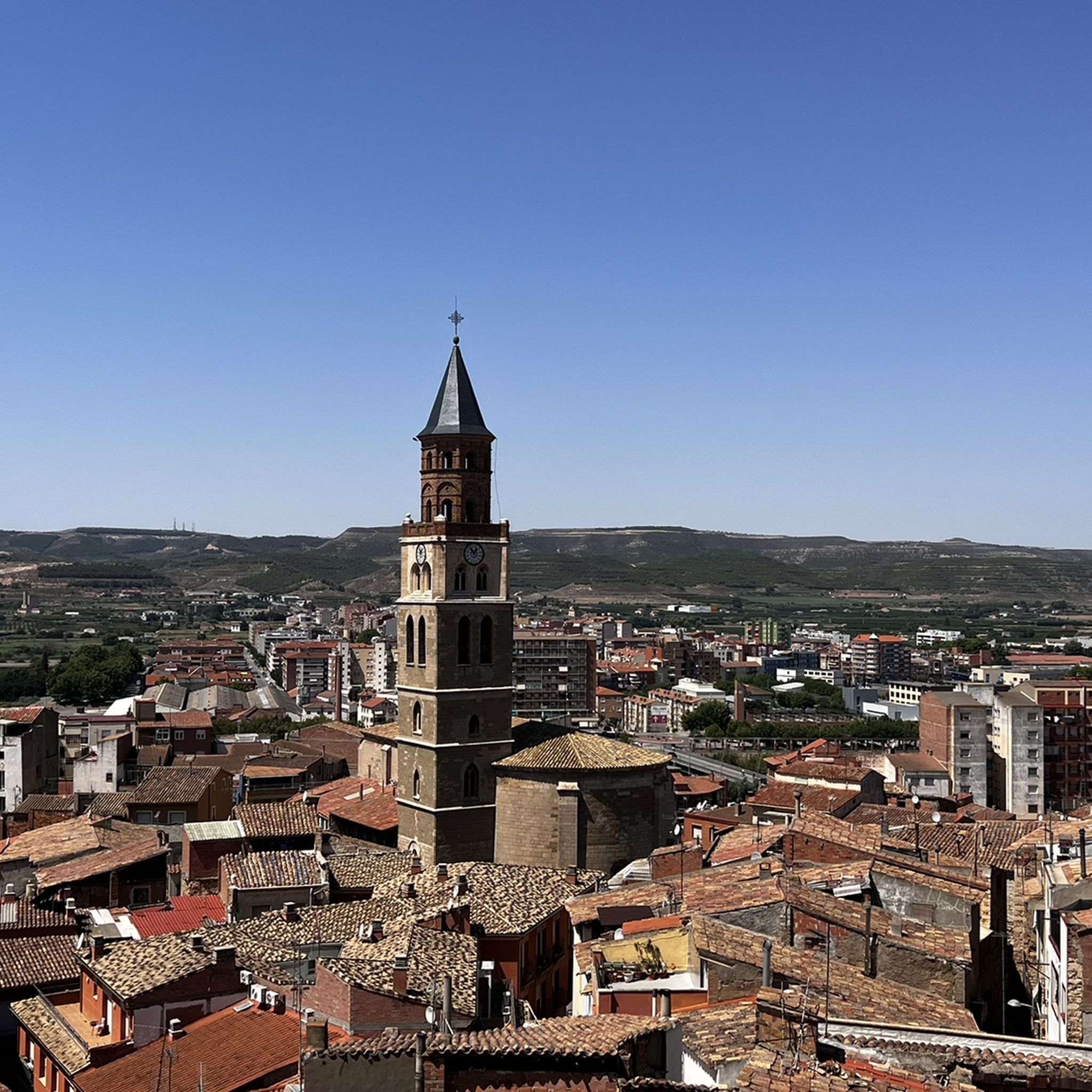
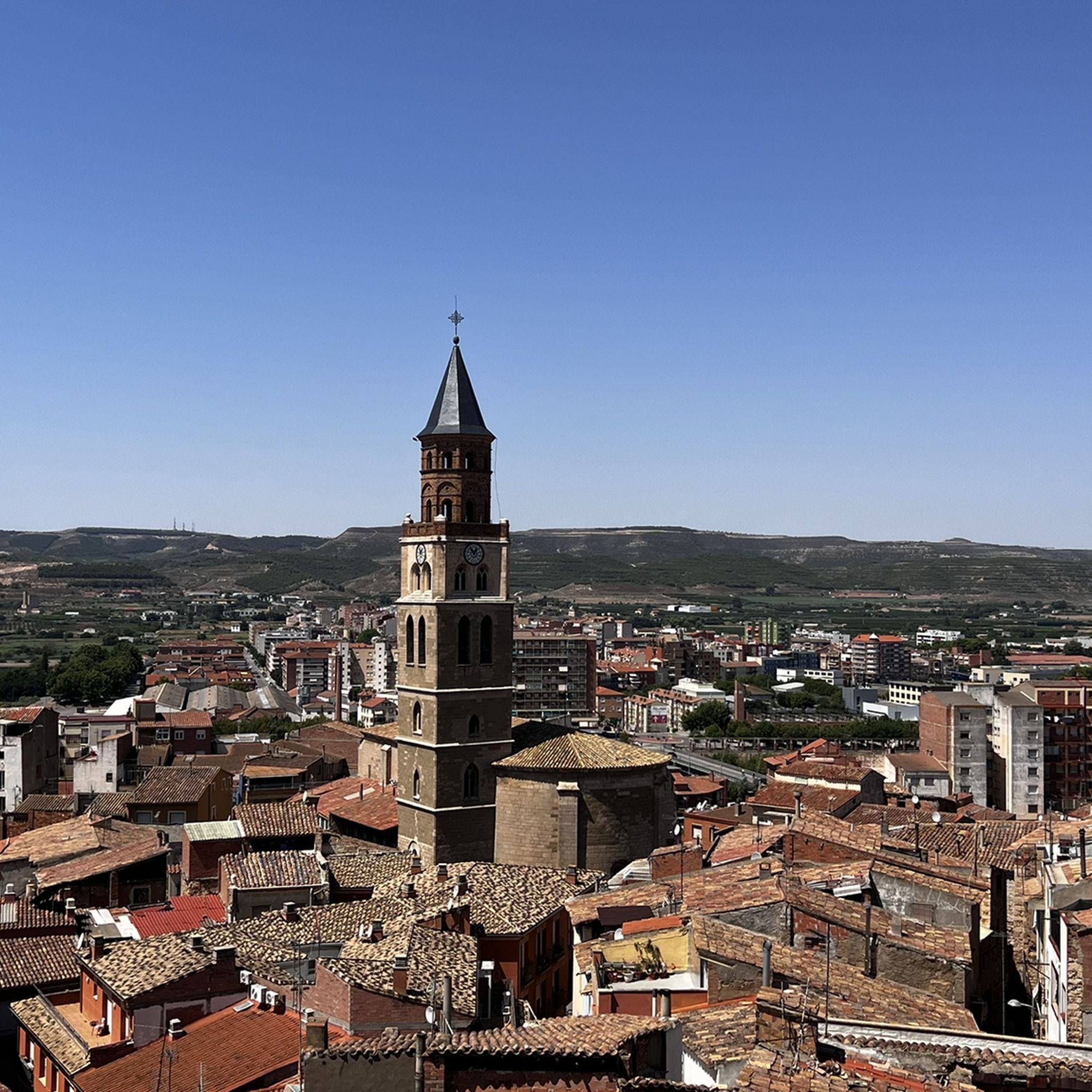
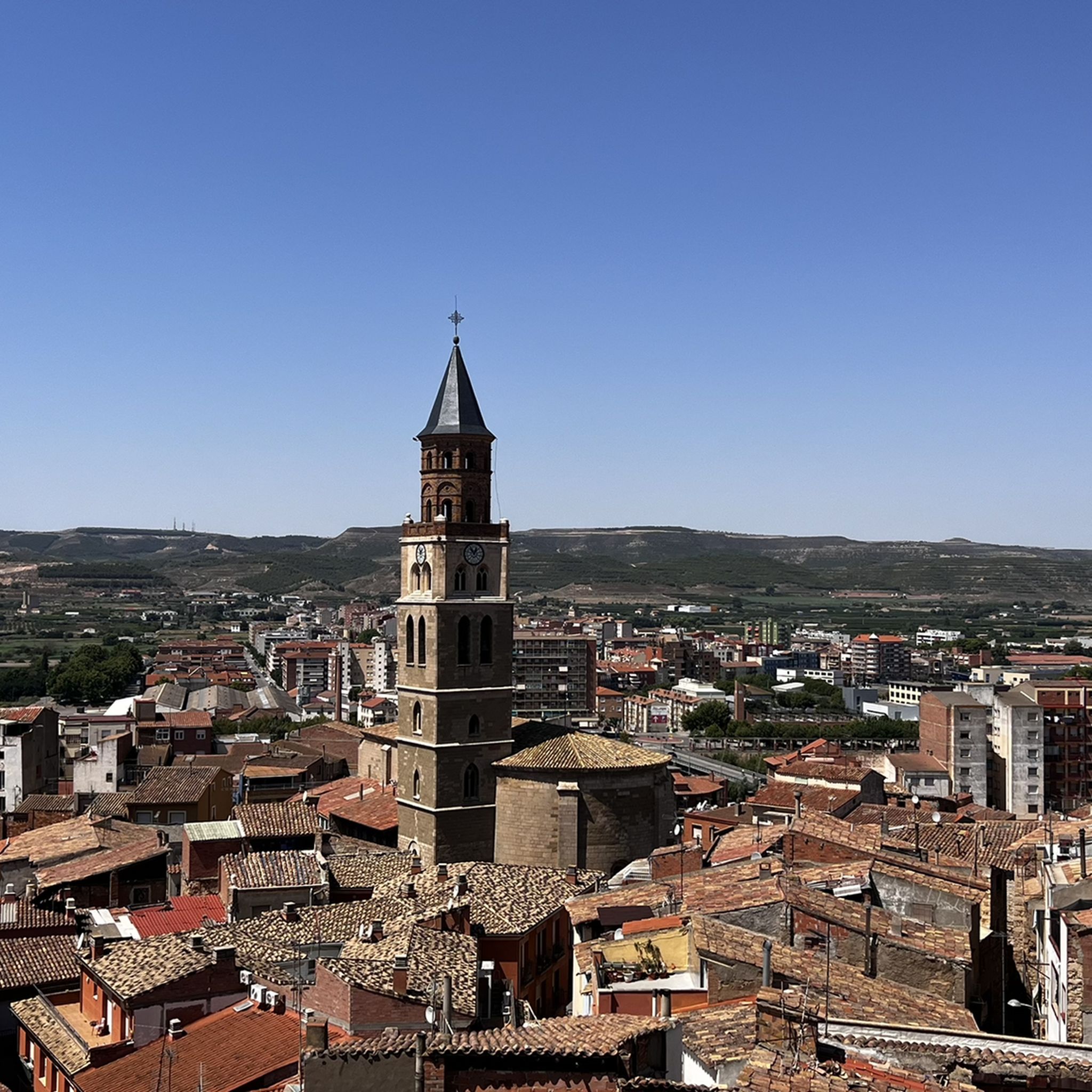
The Church of the Holy Cross, completed in 1691 after the old castle church was abandoned, is notable for its Greek cross floor plan and its wide central nave illuminated by round windows. Its three-tiered tower with a conical spire is visible from various points in the town, and the interior retains geometric and floral decoration that lends it a sober atmosphere. It is an interesting stop for those exploring the area, accessible by a grand staircase and with a comfortable interior to visit.
1
0

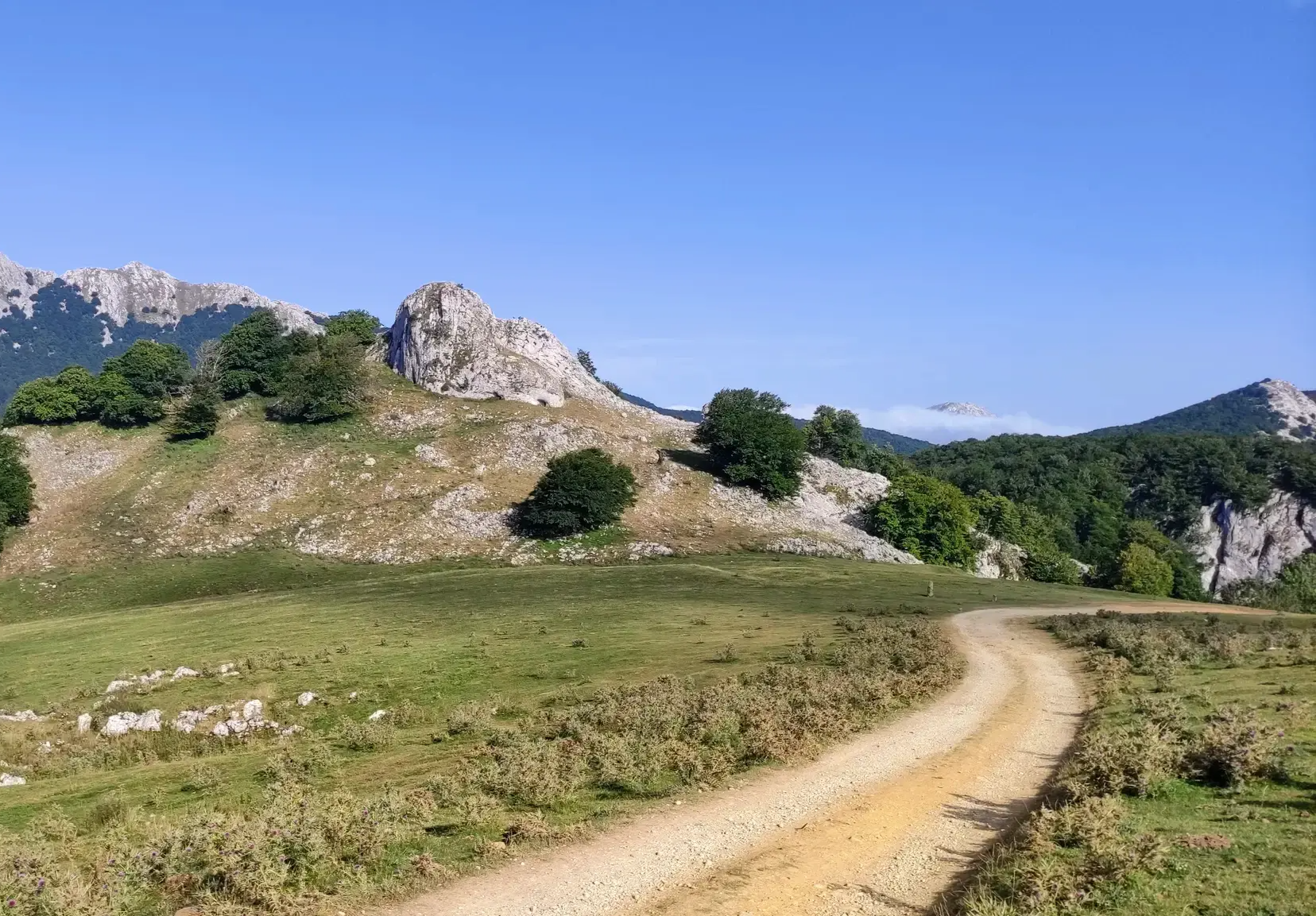
It is an ideal place for deer watching, especially during the rutting season.
0
0

During the Reconquista, this hermitage marked a key crossing point between Christian and Muslim territories. Pilgrims and soldiers used it as a place of rest and prayer. Located on a strategic high point above the Cinca River, this hermitage is an exceptional example of Lombard Romanesque architecture in Aragon, with a history dating back to the 11th century. Built around 1100, it was part of a small Benedictine priory that served both religious and defensive functions right on the border with the Muslim kingdoms.
0
0
Used as a refuge for hunters and a forest ranger checkpoint. It is managed by the La Maza Hunting Society and is used during the hunting season for coordinating hunts, environmental monitoring, and managing the natural environment. The site is easily recognizable by a water pool, a metal windmill, and an identifying sign on the facade.
2
0

With its beautiful church next to the square, this town is a haven of peace
0
0

Candasnos is one of those towns that is always pleasant to find on the way. It preserves a very curious set of popular architecture of houses and narrow streets. This agricultural town is surrounded by cereal fields that thrive thanks to one of the irrigation canals that runs through it. It is an ideal place to make a stop along the way.
1
0
Fraga is the capital of the Bajo Cinca region, which passes through it shortly before flowing into the Ebro. Its historic center is full of history. Above all, the church of San Pedro stands out, which was a Muslim mosque and which preserves the Romanesque capitals. In addition, it has Roman buildings and buildings from other periods. Its municipal area, one of the largest in Spain, is home to fruit and vegetable crops in irrigated areas, and almond trees, olive trees and sunflowers in dryland areas. Thanks to its proximity to the N-II highway and the A-2 highway, in addition to being on the border with Catalonia, it makes it an important logistics center.
0
0
Frequently Asked Questions
What historical landmarks can I explore in Bajo Cinca?
Bajo Cinca is rich in history. You can visit the historic center of Fraga, which features Arab and Jewish influences, including the Church of San Pedro, formerly a mosque. Other notable sites include the medieval Ermita de Santa María de Chalamera, the San Martín Church in Chalamera, and the Church of the Holy Cross. Don't miss the Hermitage of San Salvador in Torrente de Cinca, which offers beautiful views.
Are there any significant Roman archaeological sites in the region?
Yes, the region boasts the significant Roman archaeological site of Villa Fortunatus near Fraga. This site features the remains of a magnificent agricultural villa from the 2nd to 4th centuries, known for its exquisite mosaic decorations and a rare Paleo-Christian basilica. Additionally, the Ermita de San Valero in Velilla de Cinca was built directly over a 1st-century Roman mausoleum.
What natural attractions are there in Bajo Cinca?
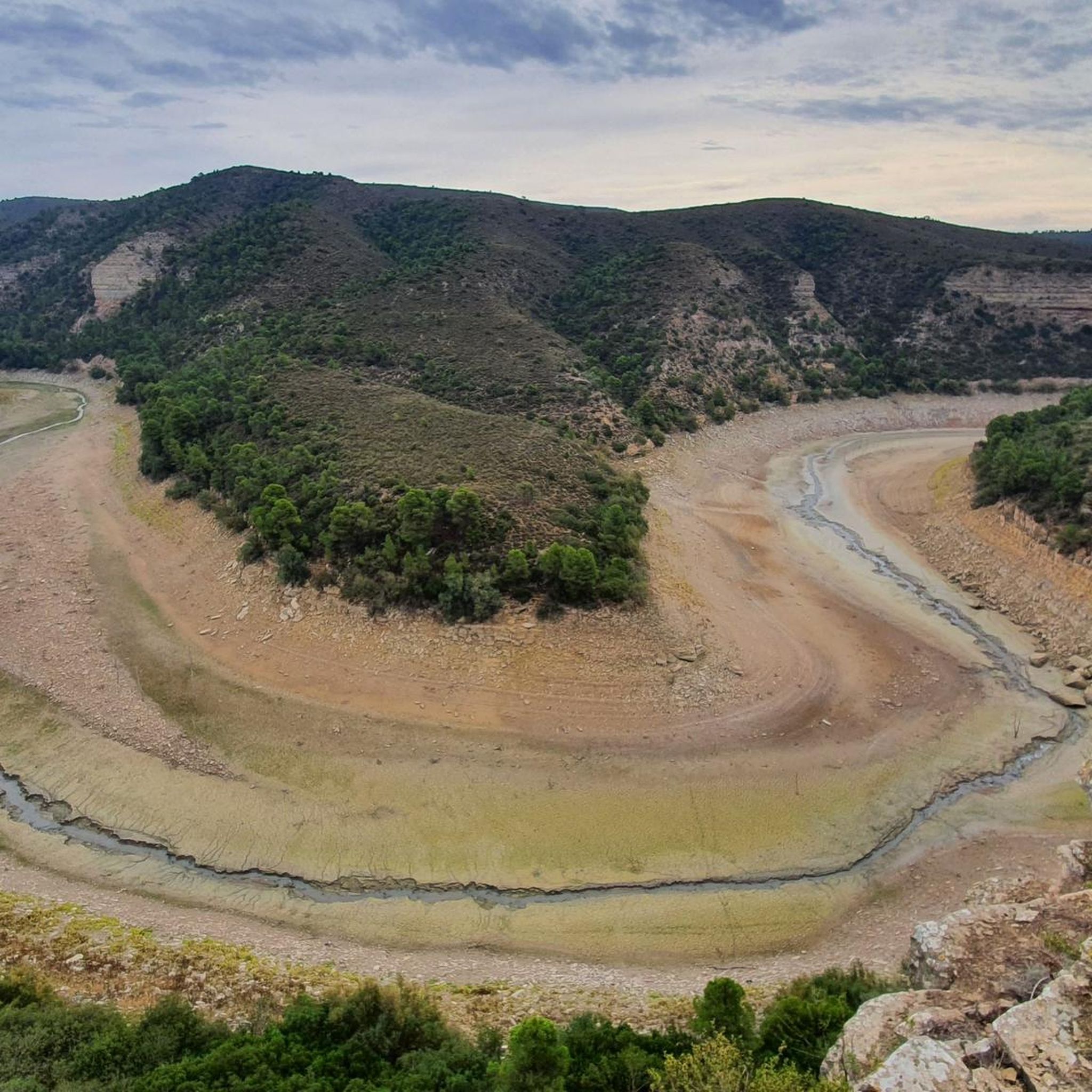
The region is defined by its rivers. The Cinca River is central, offering conditioned paths for walking or cycling. The Embalse de Mequinenza, also known as the Mar de Aragón, is a vast reservoir where the Ebro, Segre, and Cinca rivers converge, popular for water sports and fishing. The Aiguabarreig Ebro-Segre-Cinca is a biological paradise with diverse ecosystems, ideal for nature lovers. You can also visit Las Ripas de Ballobar, elevated vertical rock formations offering spectacular panoramic views.
Where can I find the best panoramic views in Bajo Cinca?
For stunning vistas, head to the View of the city of Fraga, an elevated area offering panoramic views of the entire city and the Cinca River. The Hermitage of San Salvador in Torrente de Cinca also provides very beautiful views of the surrounding area. From the Mirador de San Juan, near the Valonga Winery, you can enjoy panoramic views of the comarca.
Are there opportunities for birdwatching in Bajo Cinca?
Absolutely. The Aiguabarreig Ebro-Segre-Cinca, where the Cinca, Segre, and Ebro rivers meet, is a significant area for birdwatching, featuring diverse ecosystems from Mediterranean steppes to riverside forests. The region also has several Special Protection Areas for Birds, where you might spot species like vultures, partridge eagles, bustards, and royal herons. Various routes along the Cinca, particularly around the Belver de Cinca ponds, are recommended for observing local bird species.
What outdoor activities are available near these attractions?
Bajo Cinca offers a variety of outdoor activities. The Embalse de Mequinenza is popular for sport fishing, especially for large catfish, and offers opportunities for nautical sports. You can find numerous hiking trails, including easy options like the 'Contrasts of Bajo Cinca Trail' or the 'Ermita de San Valero and Río Cinca Loop'. For cycling enthusiasts, there are road cycling routes like 'Fraga – Cinca River loop' and mountain biking trails such as 'Palacio Moncada loop from Fraga'. You can explore more routes in the guides for easy hikes, road cycling, and MTB trails around Bajo Cinca.
Are there easy hiking trails suitable for a relaxed walk?
Yes, Bajo Cinca offers several easy hiking trails perfect for a relaxed walk. Examples include the 'Contrasts of Bajo Cinca Trail' (around 5 km) and the 'Ermita de San Valero and Río Cinca Loop' (around 6.4 km). The 'Ciudad de Fraga — circular' route (around 3.1 km) is also an easy option within the capital. For more details, refer to the easy hikes around Bajo Cinca guide.
Are there family-friendly attractions in Bajo Cinca?
Many attractions in Bajo Cinca are suitable for families. The capital, Fraga, with its historic center, is family-friendly. The Cinca River area, with its bridges and paths, is great for walks. The View of the city of Fraga offers an accessible viewpoint. Settlements like Candasnos also have family-friendly religious buildings. The Valonga Winery, with its animals like emus and peacocks, can also be an interesting visit for families.
Is there a unique local experience, like a winery, to visit?
Yes, the Valonga Winery in Belver de Cinca offers a unique experience. This winery provides guided tours and also features a restaurant, an ermita, and various animals like emus and peacocks, making it a diverse and interesting visit beyond just wine tasting.
What do visitors particularly enjoy about the Cinca River?
Visitors appreciate the Cinca River for its scenic beauty and its role in connecting the city of Fraga via its bridges. It's a central element of the region, offering pleasant paths for walking or cycling, allowing visitors to enjoy the local flora, fauna, and the tranquil fluvial nature.
What cultural experiences does Fraga offer?
Fraga, as the capital, offers a rich cultural experience. Its historic center showcases a blend of Arab and Jewish influences with steep streets and traditional buildings. Key attractions include the Church of San Pedro, which was formerly a Muslim mosque, and the Palacio Montcada, a 17th-century Aragonese Renaissance palace now serving as a cultural center with exhibitions, a library, and a museum dedicated to Fraga's traditions.
Can I visit any medieval castles in Bajo Cinca?
Yes, Bajo Cinca is home to several historical castles. You can visit Mequinenza Castle, a restored fortress dominating the confluence of the Cinca and Ebro rivers. Another significant site is Zaidín Castle, a medieval fortress maintained as a consolidated ruin, offering insights into its strategic importance in controlling the Cinca river valley. The Church of San Miguel (El Castillo) in Fraga is also a Gothic church in ruins, built on the site of a former Arab fortress.
What is the best time of year to visit Bajo Cinca?
The Bajo Cinca region experiences hot, dry summers and mild winters. Spring (April-May) and autumn (September-October) are generally the most pleasant times to visit, offering comfortable temperatures for outdoor activities like hiking, cycling, and exploring historical sites. During these seasons, the natural landscapes are vibrant, and the weather is ideal for enjoying the rivers and viewpoints without the intense summer heat.
Most popular routes around Bajo Cinca

Get inspired with the komoot mobile app


Didn’t find what you were looking for?
Are you keen on exploring more awesome places nearby? Browse our guides:
Explore more
Still not found the Highlight you’re looking for? See guides of the top attractions in other regions:
