Attractions and Places To See around Comarca de la Vega de Granada - Top 20
Best attractions and places to see around Comarca de la Vega de Granada include a diverse landscape of natural features and historical sites in the central part of Granada province, Spain. The region is characterized by its fertile plain, the Vega, traversed by the Genil River and its tributaries. Visitors can explore significant landmarks, natural parks, and cultural points of interest that reflect its rich history and geography. The area offers a variety of experiences, from mountain peaks to ancient…
Last updated: July 6, 2026
Los Cahorros Gorge, Monachil
Highlight • Gorge
Translated by Google •
Tip by

Mulhacén Summit
Highlight • Summit
Translated by Google •
Tip by

Sign up now to discover places like this
Get recommendations on the best single tracks, peaks, & plenty of other exciting outdoor places.
Sign up for free
Hanging Bridge of Los Cahorros
Highlight • Bridge
If you ever have the chance to visit Los Cahorros, be …
Translated by Google •
Tip by
Granada Cathedral
Highlight • Religious Site
Translated by Google •
Tip by
San Nicolás Viewpoint
Highlight • Viewpoint
Translated by Google •
Tip by

Plaza Nueva, Granada
Highlight • Historical Site
Translated by Google •
Tip by
Alhambra
Highlight • Historical Site
Translated by Google •
Tip by
Partal Palace 🏰 Alhambra
Highlight • Historical Site
Translated by Google •
Tip by
Tajo de las Palomas
Highlight • Gorge
Translated by Google •
Tip by
Carrera del Darro
Highlight • Trail
Translated by Google •
Tip by
Sign up for free to discover even more attractions around Comarca de la Vega de Granada.
Sign up for free
Already have an account?
Start today with a free account
Your next adventure awaits.
Login or Signup
Popular around Comarca de la Vega de Granada
Badlands 2024 – extreme experiences and a sense of joy
Mozarabic Way to Santiago – Gravel between two worlds
Badlands 2021 — 750km of gravel in the Spanish deserts
Bikepacking the mountains and deserts of Andalucía
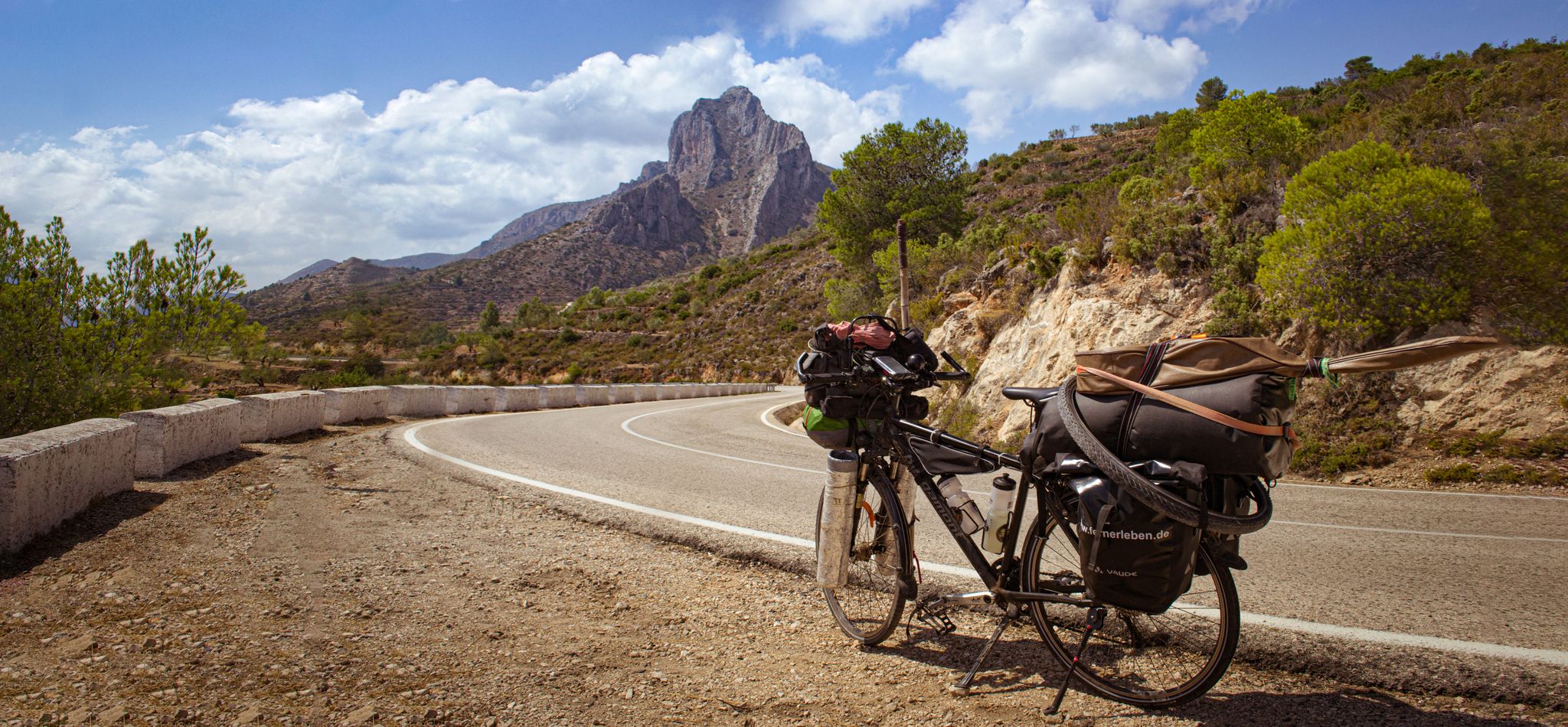
On the road to the sun — bikepacking to southeast Spain
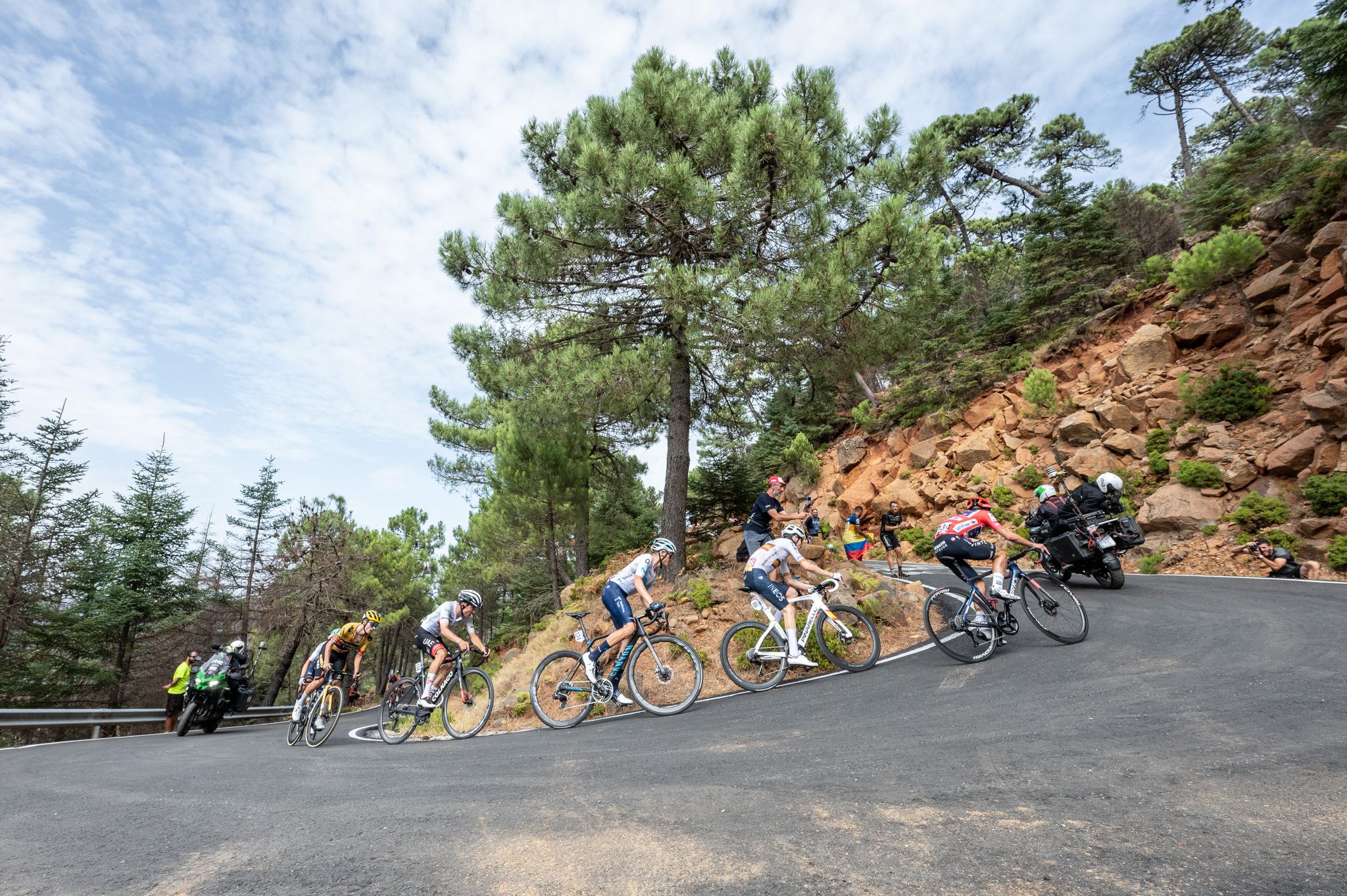
La Vuelta 26 — All Official Stages
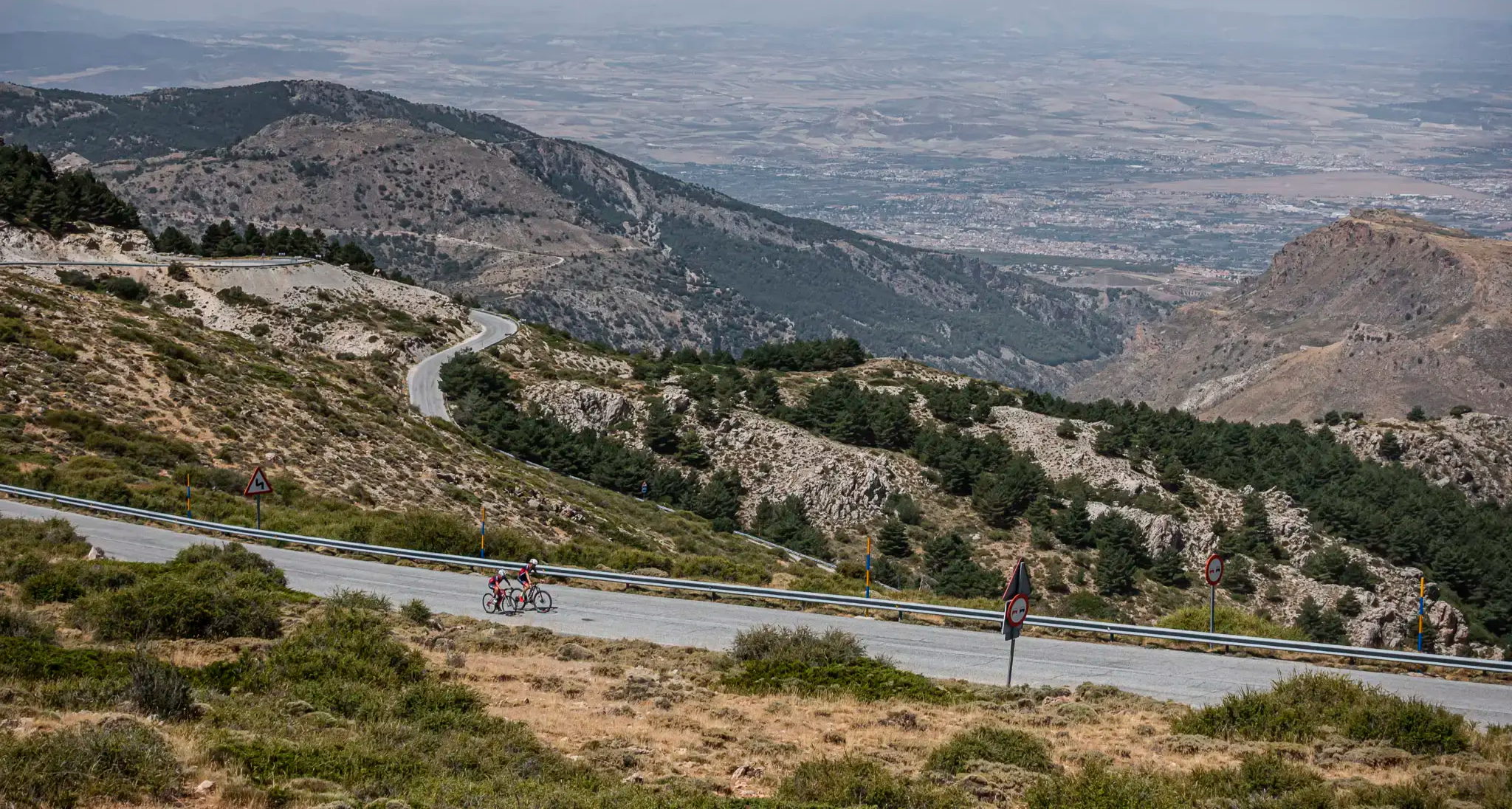
The challenge of the south - Routes through Sierra Nevada
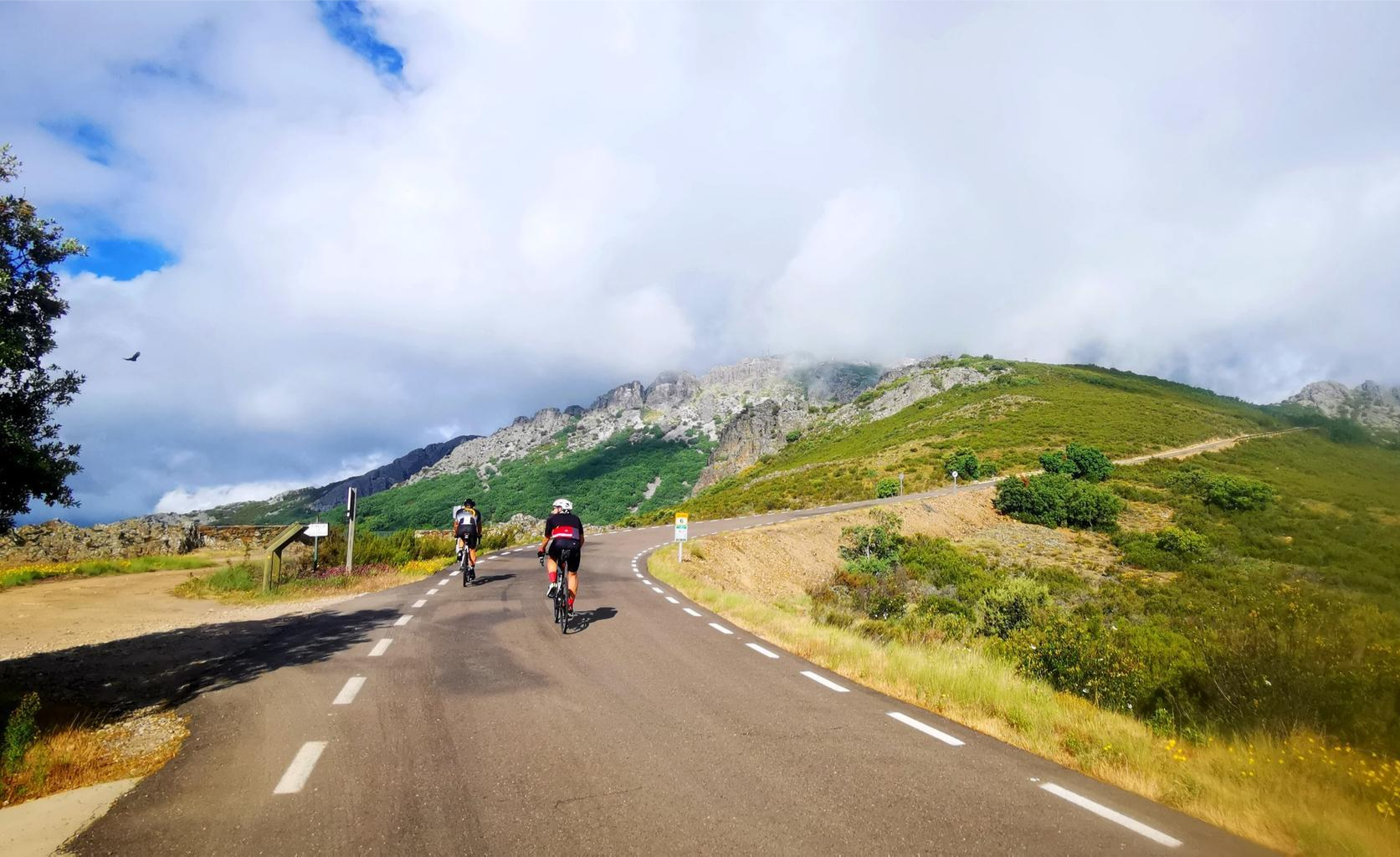
Legendary climbs - Ports of La Vuelta a España
Mountain, Desert and Sea — Andalusian Trilogy
European D̶I̶V̶I̶D̶E̶ Connect Trail Project – a journey across Europe
Other adventures around Comarca de la Vega de Granada


Tips from the Community

Construction of the Cathedral began in 1523 under an initial Gothic design led by Enrique Egas. In 1528, Diego de Siloé took over and transformed the project into a grand Renaissance masterpiece, making it one of the most important cathedrals of the Spanish Renaissance. Construction continued into the 18th century, and its Baroque façade was designed by Alonso Cano in 1667. It is the first great Renaissance cathedral in Spain and a masterpiece of Spanish art.
12
1
Nasrid origin (11th century): it served the old Azitini Mosque and was supplied by the Aynadamar irrigation ditch, a sophisticated Andalusian hydraulic system. Christian reconstruction (17th century): on top of the original Muslim cistern, next to the current Church of San Nicolás. The current structure dates from 1646 according to Henríquez de Jorquera.
9
0
Granada Cathedral is considered a jewel of the Spanish Renaissance and a must-see in the city. Unique architecture: a fusion of Gothic and Renaissance styles, with contributions from Diego de Siloé and Alonso Cano. Highlights include the Porte del Perdón (Forgiveness Portal), the Main Chapel, and the Plateresque choir stalls.
12
1

In August, the water is low, so you can sometimes take refuge at the edge of the riverbed 😉
3
0
Here, people dance in the square on Saturday evenings 🤩. The older students really dressed up. They played everything that works as a couple's dance. There was a slow waltz, a rumba... if you don't want to dance yourself, you can just watch the others. A fantastic experience and a fantastic atmosphere 😍
6
0
All the buses and taxis in the evening are annoying. There are so many people on the road, constantly dodging traffic.
5
0

Great tour. But sturdy shoes and a bit of a thrill are a must!😅😀
1
1

The Plaza Nueva is one of the oldest squares in Granada, despite its name suggesting it is new. It is located in the heart of the city, between the modern shopping malls and the charming Carrera del Darro. The square has a rich history and is surrounded by historic buildings such as the Real Chancillería (now the Highest Courts of Andalusia) and the Casa de los Pisa. The square is also home to the beautiful Pilar del Toro, a 16th-century Renaissance column with a fountain that pours water from the head of a bull.
7
0
Frequently Asked Questions
What natural features can I explore in Comarca de la Vega de Granada?
The region is rich in natural beauty. You can visit the impressive Los Cahorros Gorge, Monachil, known for its hanging bridges and waterfalls within the Sierra Nevada Natural Park. Another notable natural area is the Sierra de Huétor Natural Park, featuring pine-covered hills, ravines, and the "Padro Negro" waterfall. The area also boasts several lakes like Embalse de Cubillas and Embalse de Canales, and thermal springs in Alhama de Granada and Salar.
Are there opportunities for hiking and outdoor activities near these attractions?
Absolutely! The natural parks and villages in the Comarca de la Vega de Granada offer numerous opportunities for outdoor activities. For hiking, you can explore trails in the Sierra Nevada Natural Park, including the area around Monachil. There are also specific waterfall hikes and running trails. For cycling enthusiasts, there are MTB trails, such as the Dehesa del Generalife and Cerro del Sol Loop.
Where can I find scenic viewpoints in the region?
For breathtaking panoramic views, the San Nicolás Viewpoint in Granada's Albaicín district offers iconic vistas of the Alhambra, especially at sunset. Within the natural areas, the Tajo de las Palomas trail provides spectacular views of arid mountains and, on clear days, the city of Granada and the Alhambra. Many villages situated on rocky crags also offer magnificent views over olive groves and cereal fields.
What historical landmarks or cultural sites are there to visit?
Beyond the world-renowned Alhambra, the region offers several significant historical and cultural sites. You can visit the Granada Cathedral, the Royal Monastery of St. Jerome, and the Basilica of Saint John of God, all within Granada city. The village of Santa Fe is historically significant for the "Capitulaciones de Santa Fe." Fuente Vaqueros is the birthplace of poet Federico García Lorca, and his childhood home is a cultural site. Many villages also feature Mudejar Churches and Arabic Watchtowers.
Are there family-friendly attractions in Comarca de la Vega de Granada?
Yes, several attractions are suitable for families. The Hanging Bridge of Los Cahorros offers an adventurous yet accessible experience for all ages, with its wooden walkways and views of waterfalls. Plaza Nueva, Granada, is a central square with cafes and restaurants, perfect for a family stroll. Many of the easier hiking trails in the natural parks are also great for families.
What do visitors particularly enjoy about the attractions in Comarca de la Vega de Granada?
Visitors frequently praise the stunning natural beauty and the rich historical tapestry of the region. The route through Los Cahorros Gorge, Monachil, is often highlighted for its refreshing riverside landscape, hanging bridges, and waterfalls. The panoramic views from spots like the San Nicolás Viewpoint are also highly cherished, especially for their iconic vistas of the Alhambra.
What is the best time of year to visit the attractions in Comarca de la Vega de Granada?
The best time to visit largely depends on your planned activities. For hiking and exploring natural parks, spring (April-May) and autumn (September-October) offer pleasant temperatures. If you plan to visit the Sierra Nevada for skiing or high-altitude hiking, the peaks are often snow-covered from November to July. Summer can be very hot, especially in the lower plains, but is ideal for enjoying water activities or seeking cooler temperatures in the mountains.
Are there any unique historical villages to explore in the Comarca?
Beyond Granada city, several villages offer unique historical insights. Santa Fe is notable for its well-preserved city gates and its historical link to the Catholic Monarchs. Montefrío is recognized for its spectacular setting with two hilltop churches, one on the site of a Moorish fortress. Alhama de Granada, situated on a steep-sided ravine, is famous for its thermal springs and historical charm. Many villages in the area also feature Mudejar Churches and Arabic Watchtowers, reflecting their rich past.
Can I find trails with waterfalls in the area?
Yes, the region offers beautiful trails featuring waterfalls. The Los Cahorros Gorge, Monachil, is famous for its waterfalls and refreshing riverside landscape. Within the Sierra de Huétor Natural Park, you can find the "Padro Negro" waterfall. For dedicated waterfall exploration, consider checking out the waterfall hikes guide, which includes routes like the Dílar River Waterfall loop.
Are there any archaeological sites in Comarca de la Vega de Granada?
Yes, the Comarca de la Vega de Granada has a rich archaeological heritage. Towns such as Vegas del Genil, Cúllar Vega, and Churriana de la Vega have archaeological remains dating from prehistoric to Muslim periods. Zagra is an important archaeological site with findings from the Prehistoric, Neolithic, and Roman eras, and Moraleda de Zafayona has also yielded significant archaeological discoveries.
What is the significance of the 'Vega' in Comarca de la Vega de Granada?
The 'Vega' refers to the fertile plain that characterizes the comarca. This agricultural area is traversed by the Genil River and its tributaries, making it a landscape of vegetable gardens, orchards (choperas), and cultivated fields. It holds significant natural and ethnographic interest, representing the agricultural heritage and traditional way of life in the region, highlighted by features like the Acequia Gorda del Genil, an important irrigation ditch.
Most popular routes around Comarca de la Vega de Granada
Most popular attractions around Comarca de la Vega de Granada

Get inspired with the komoot mobile app


Didn’t find what you were looking for?
Are you keen on exploring more awesome places nearby? Browse our guides:
Explore more
Still not found the Highlight you’re looking for? See guides of the top attractions in other regions:
