Attractions and Places To See around Las Colonias - Top 14
Attractions and places to see around Las Colonias offer a range of outdoor and cultural experiences. The region features 14 points of interest, including trails, historical sites, and recreational facilities. Visitors can explore settlements and natural areas, with options for both active pursuits and historical discovery. The landscape provides opportunities for cycling and hiking, connecting various points of interest.
Best attractions and places to see around Las Colonias
- The most popular attractions is Via Verde de la Campiña, a…
Last updated: July 8, 2026
Guadalcazar Recreation Area
Highlight • Rest Area
Translated by Google •
Tip by

Via Verde de la Campiña
Highlight (Segment) • Cycleway
Translated by Google •
Tip by

Sign up now to discover places like this
Get recommendations on the best single tracks, peaks, & plenty of other exciting outdoor places.
Sign up for free
Water fountain in Guadalcazar.
Highlight • Rest Area
Translated by Google •
Tip by
La Pineda rest area
Highlight • Rest Area
Translated by Google •
Tip by

San Sebastián de los Ballesteros
Highlight • Settlement
Translated by Google •
Tip by
La Carlota Town Hall and Founders Monument
Highlight • Monument
Translated by Google •
Tip by

Avenida Carlos III, La Carlota
Highlight • Settlement
Translated by Google •
Tip by

Mocha Tower of the Palace of the Marquises of Guadalcázar
Highlight • Historical Site
Translated by Google •
Tip by
Virgin of the Tower
Highlight • Historical Site
Translated by Google •
Tip by
Ruta de la Dehesilla Greenway (Vía Verde de la Campiña)
Highlight (Segment) • Cycleway
Translated by Google •
Tip by
Sign up for free to discover even more attractions around Las Colonias.
Sign up for free
Already have an account?
Start today with a free account
Your next adventure awaits.
Login or Signup

Tips from the Community

The municipality was founded under the leadership of the enlightened Pablo de Olavide and, by 1767, had a Central European population. Funded by the state at the request of King Charles III, the colonization was intended to promote agriculture and industry in an uninhabited area threatened by bandits, as well as to increase the security of the royal road connecting Madrid with Cadiz. Initially, the municipality belonged administratively to La Carlota, which, along with other municipalities, was also founded on this occasion.
1
0
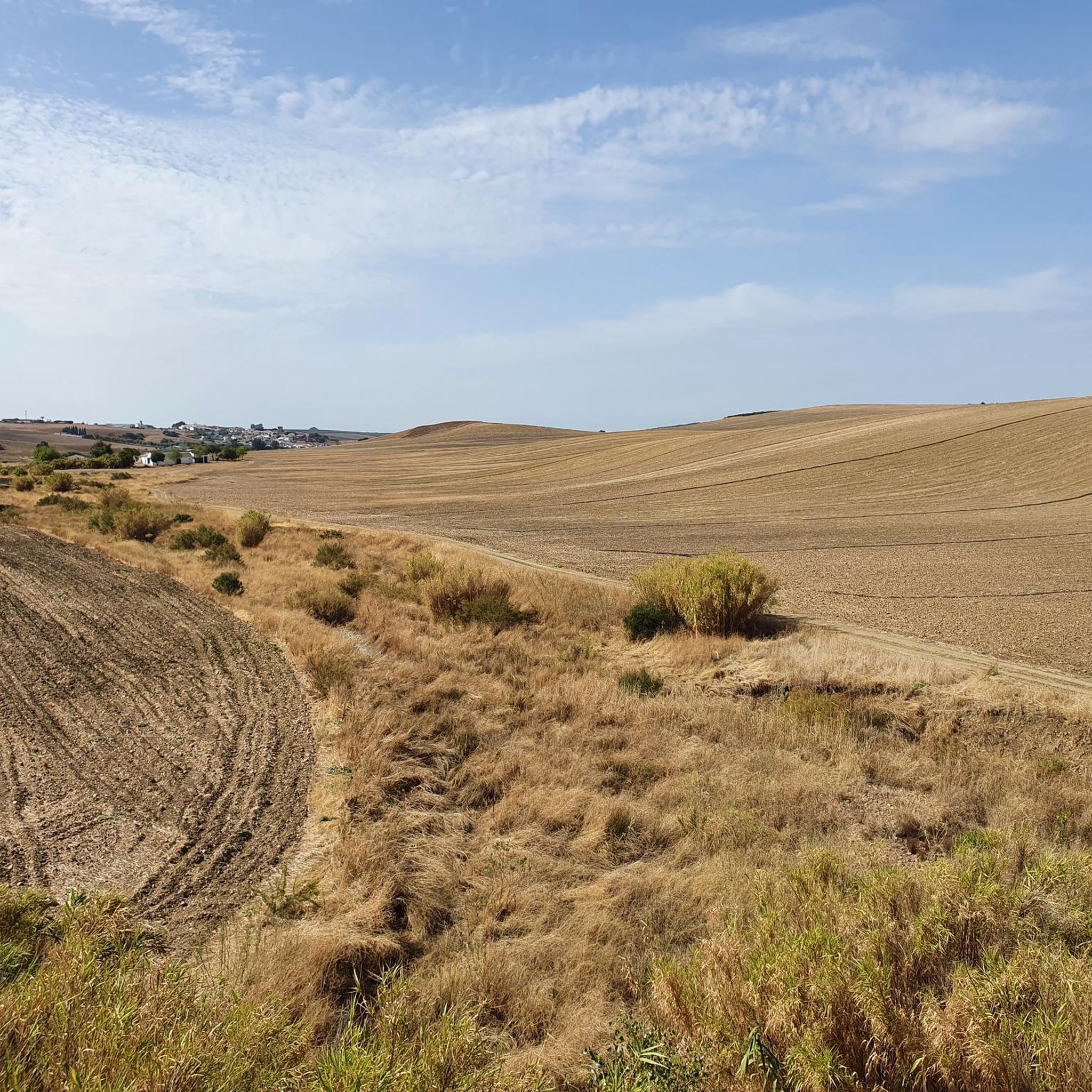
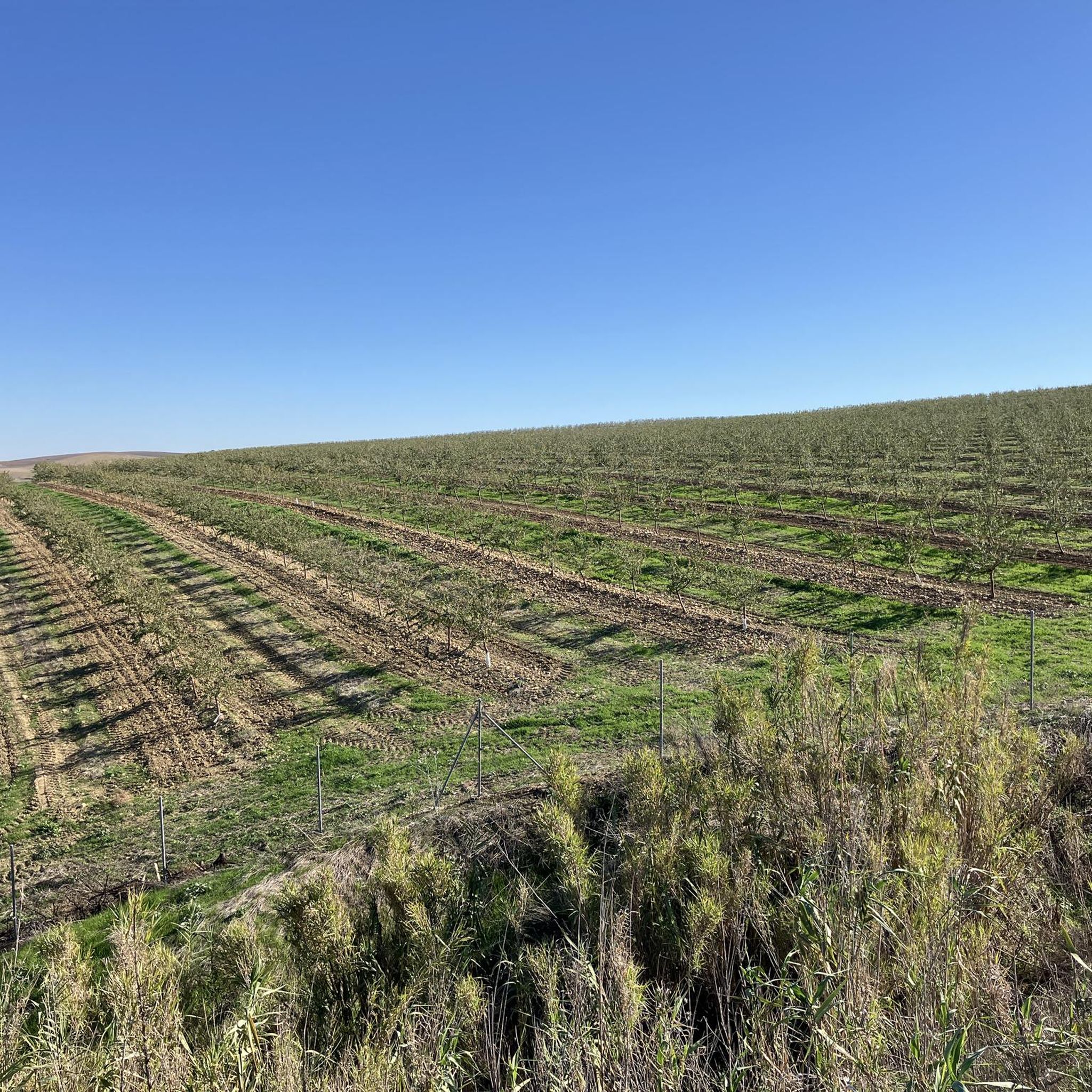
The administrative district is located in the southwest of the province. The landscape consists mainly of grain fields. The village was founded in 1767 when Carlos III implemented his colonization policy. For this reason, the urban structure corresponds to the linear planning of the Enlightenment. Perhaps the most interesting building is the Palacio de la Intendencia (Palace). History It was founded by Carlos III in 1767 (it also received its name from him). Don Pablo de Olavide was commissioned to carry out the project, and Don Fernando de Quintanilla managed the population, which was mainly German colonists. In 1769, the village had a population of 1,088, of whom 84 were Spanish. At the time of its founding, the colonists were allocated land holdings of 28 fanegas each (fanega: Castilian unit of area: 64,596 ares).
0
0
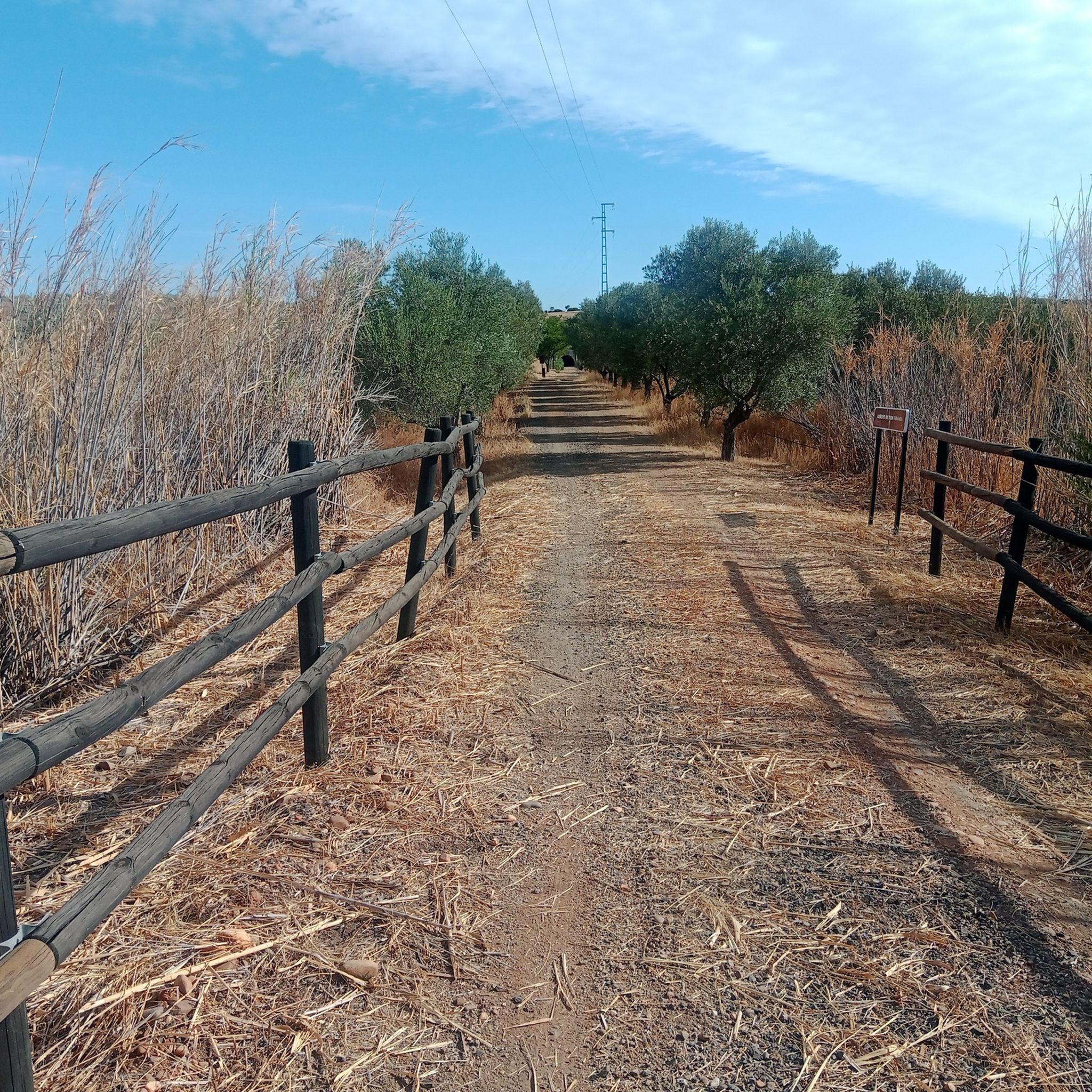
A fantastically beautiful cycling route that was previously a small railway connection from Cordoba to Ecija.
0
0

Dehesa area in the heart of the countryside
0
0

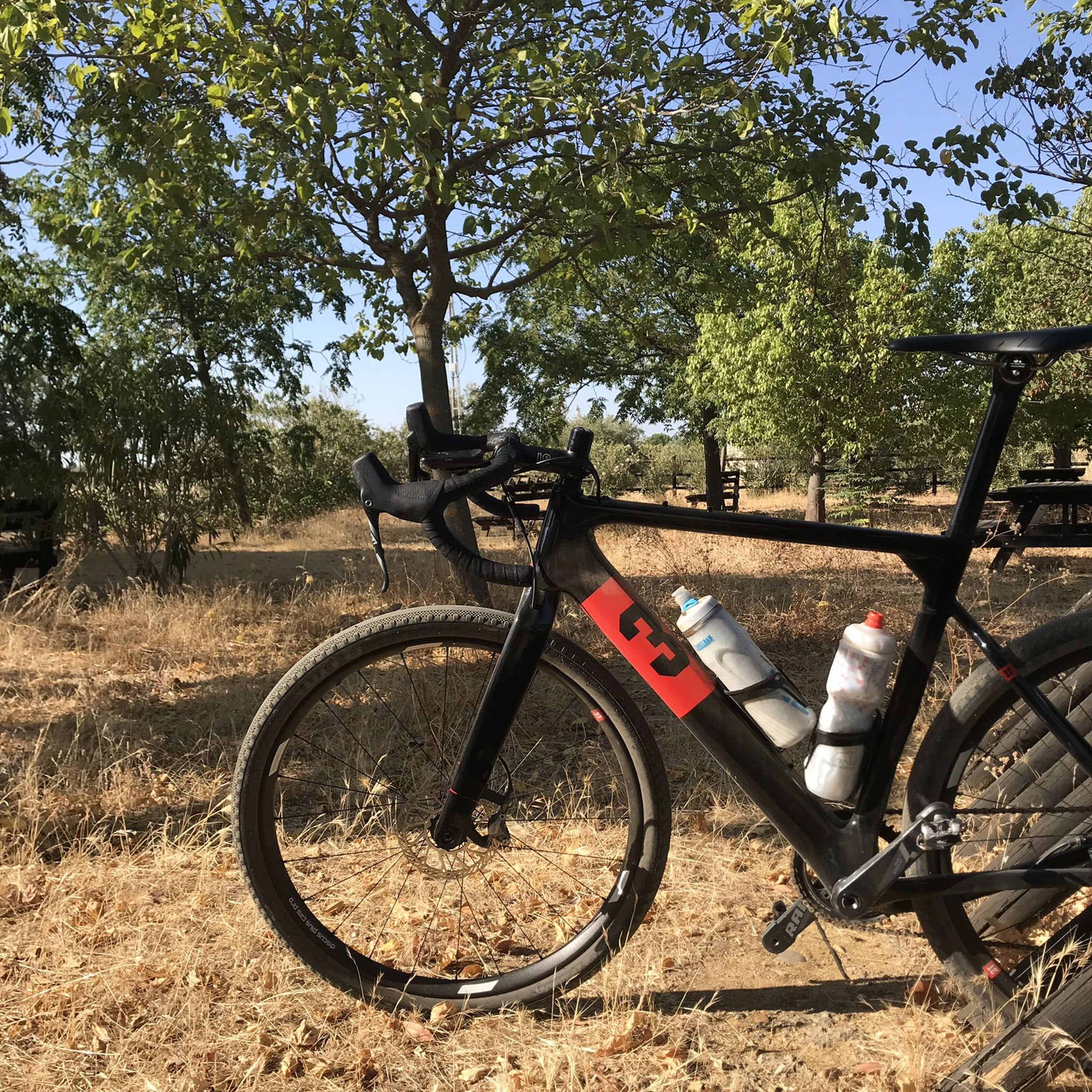
Rest area of the Vía verde de la Campiña. It has picnic tables and several trees for lounging in the shade.
1
0
Municipality founded in 1767 with a Central European population, mainly from Germany, when the 57 families took possession of these lands. Artistic and monumental heritage: the King's mill, the Church of the Immaculate Conception.
1
0
Also called the Tower of Don Lucas, it is a tower of Islamic origin, probably from the 12th century. Declared an Asset of Cultural Interest in 1985. In 1924 it became a place of Marian worship, after putting a chapel of the Virgin in the tower.
1
0
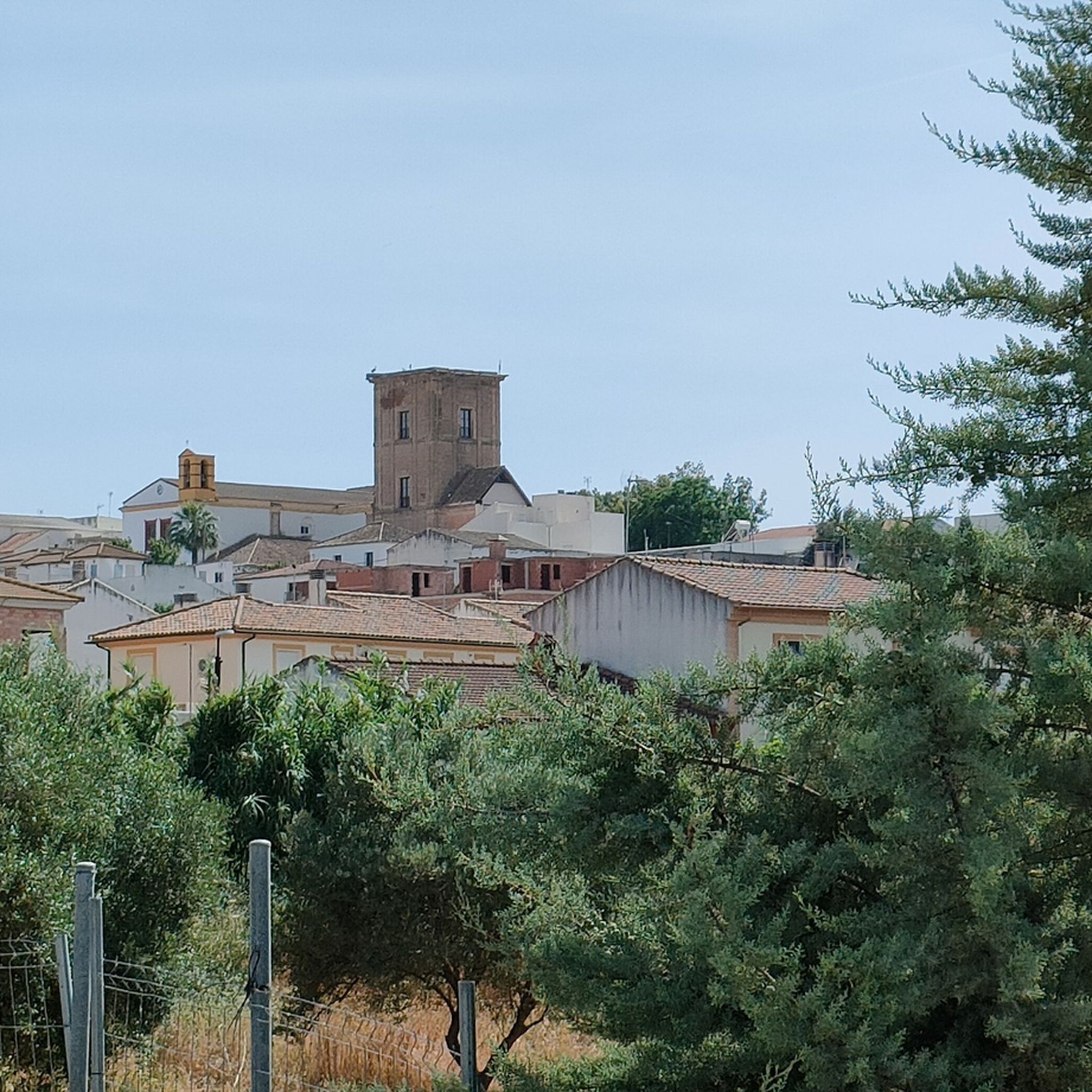
Quiet town in the Valle Medio del Guadalquivir region. Its most characteristic point is the Mocha Tower of the old Palace of the Marquises of Guadalcázar - one of the two towers on the main façade of the 17th century palace, which was used as the residence and main house of the family of Don Diego Fernández de Córdoba and Portocarrero, I Marquis of Guadalcázar.
2
0
Frequently Asked Questions
What kind of outdoor activities can I do around Las Colonias?
Las Colonias offers a variety of outdoor activities, particularly cycling and hiking. You can explore the road cycling routes or discover hiking trails that connect various points of interest in the region.
Are there easy hiking trails suitable for beginners in Las Colonias?
Yes, there are easy hiking options available. Consider the 'Virgin of the Tower Loop' or the 'Carolinas Fountains Trail' for a more relaxed experience. You can find more details on these and other trails in the hiking guide for Las Colonias.
What family-friendly attractions are available in Las Colonias?
Families can enjoy several spots, including the Guadalcazar Recreation Area, which features picnic areas and playgrounds. The Via Verde de la Campiña is also a great option for family cycling or walks, and the La Pineda rest area provides shade and picnic tables.
Where can I find historical sites or monuments in the region?
Las Colonias has a rich history. You can visit the La Carlota Town Hall and Founders Monument, which commemorates the city's 18th-century founding. Another historical point of interest is the Mocha Tower of the Palace of the Marquises of Guadalcázar.
Are there any wheelchair-accessible attractions in Las Colonias?
Yes, some areas are noted for their accessibility. You can explore parts of San Sebastián de los Ballesteros and Avenida Carlos III in La Carlota, which are indicated as wheelchair-accessible.
When is the best time to visit Las Colonias for outdoor activities?
For comfortable outdoor activities, spring and autumn are generally ideal. Summers can be quite warm, so if visiting during this season, remember to bring plenty of water, as some water sources might be dry, as noted for the water fountain in Guadalcazar.
What is the Via Verde de la Campiña and what should I know about it?
The Via Verde de la Campiña is a beautiful gravel cycle way and trail connecting Córdoba with La Carlota. It features a tunnel, so it's advisable to carry a flashlight to illuminate the ground when passing through.
What do visitors enjoy most about the attractions in Las Colonias?
Visitors appreciate the opportunities to take breaks and recharge at facilities like the Guadalcazar Recreation Area, which offers picnic spots and playgrounds. The scenic gravel roads and historical insights, such as those found at the La Carlota Town Hall and Founders Monument, are also highly valued.
Are there any running trails near the attractions?
Yes, there are several running trails in the vicinity. You can find various loops, such as the 'Running loop from La Carlota' or the 'Recreation area loop from La Victoria'. More options are available in the running trails guide for Las Colonias.
Can I find places to rest and refresh along the trails?
Absolutely. The La Pineda rest area on the Vía Verde de la Campiña provides picnic tables and shade. Additionally, the water fountain in Guadalcazar is a convenient spot to refill your water bottles.
What are some notable settlements or towns to visit in Las Colonias?
Beyond La Carlota, you can explore the settlement of San Sebastián de los Ballesteros, known for its historical aspects. The Fuente Palmera Town Center also offers a glimpse into the region's history and community life.
Most popular routes around Las Colonias

Get inspired with the komoot mobile app


Didn’t find what you were looking for?
Are you keen on exploring more awesome places nearby? Browse our guides:
Explore more
Still not found the Highlight you’re looking for? See guides of the top attractions in other regions:
