Attractions and Places To See around Campiña Baja - Top 20
Best attractions and places to see around Campiña Baja, a region within the province of Córdoba, Spain, offers a rich historical and cultural landscape. This area is characterized by its agricultural plains and proximity to the historic city of Córdoba, providing access to significant architectural and cultural landmarks. The region serves as a gateway to exploring centuries of history, from Roman and Moorish influences to Christian heritage.
Best attractions and places to see around Campiña Baja
- The most popular attractions…
Last updated: July 6, 2026
Mosque–Cathedral of Córdoba
Highlight • Religious Site
Translated by Google •
Tip by

Roman Bridge of Córdoba
Highlight • Bridge
Translated by Google •
Tip by

Sign up now to discover places like this
Get recommendations on the best single tracks, peaks, & plenty of other exciting outdoor places.
Sign up for free
Alcázar of the Christian Monarchs (Córdoba)
Highlight • Historical Site
Translated by Google •
Tip by

Calahorra Tower
Highlight • Historical Site
Translated by Google •
Tip by
Tendillas Square
Highlight • Monument
Translated by Google •
Tip by

Puerta del Puente (Triumphal Arch)
Highlight • Monument
Translated by Google •
Tip by
Alley of the Flowers
Highlight • Historical Site
Translated by Google •
Tip by

Corredera Square
Highlight • Historical Site
Translated by Google •
Tip by
Almodóvar Gate
Highlight • Historical Site
Translated by Google •
Tip by
Córdoba Synagogue
Highlight • Religious Site
Translated by Google •
Tip by

Sign up for free to discover even more attractions around Campiña Baja.
Sign up for free
Already have an account?
Start today with a free account
Your next adventure awaits.
Login or Signup
Popular around Campiña Baja
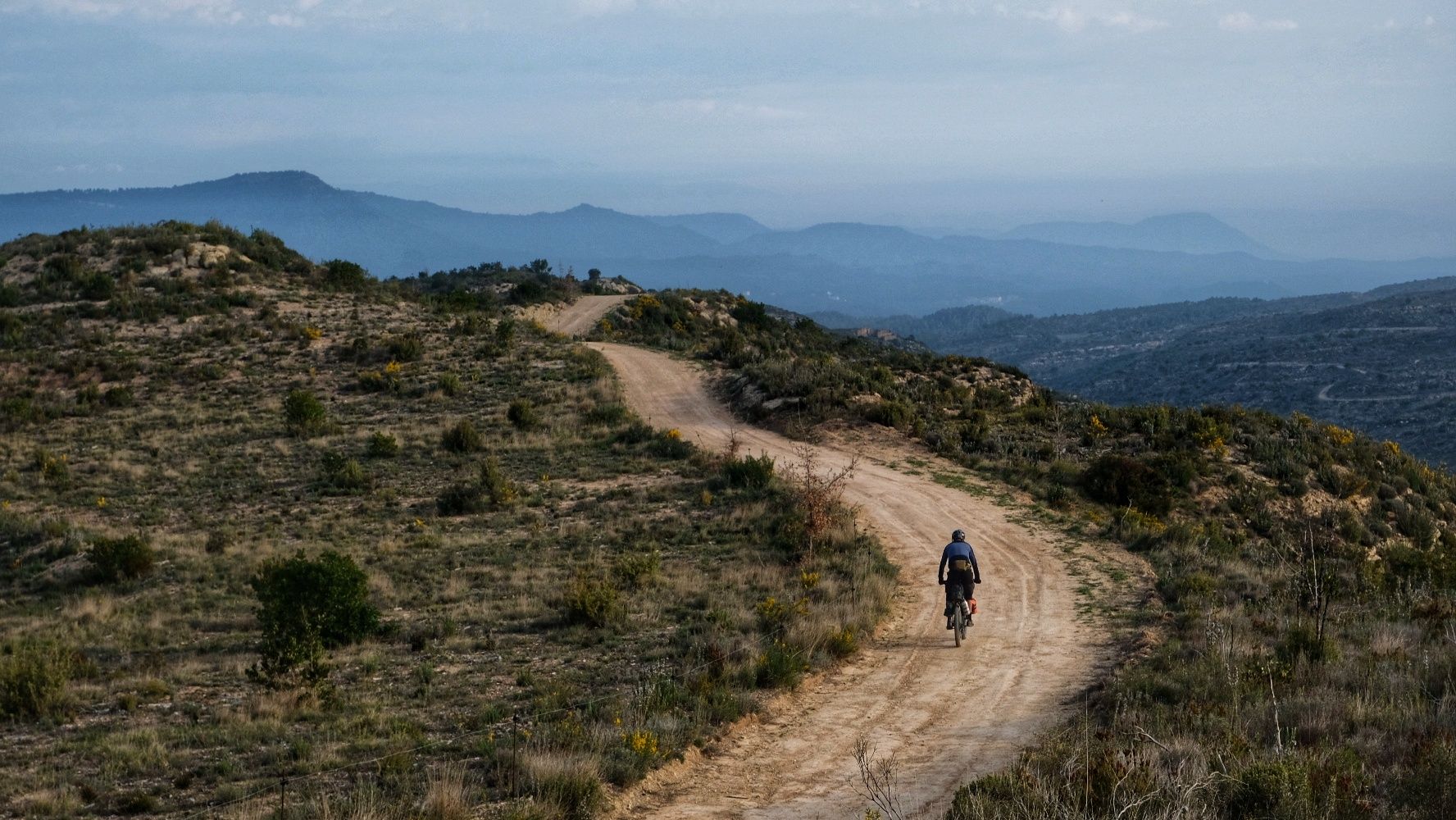
European Divide Trail — 7,600 km across the continent
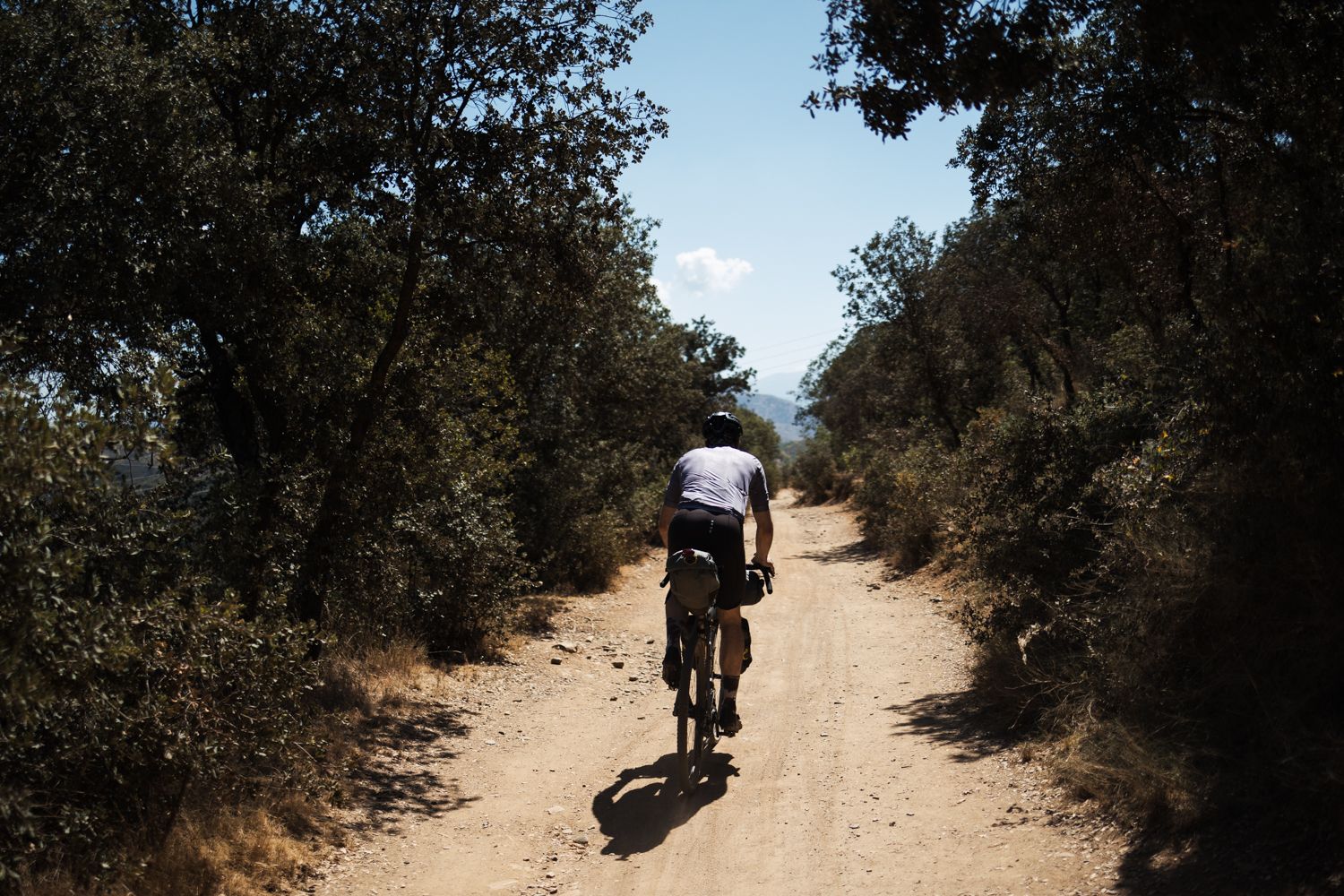
Mozarabic Way to Santiago – Gravel between two worlds
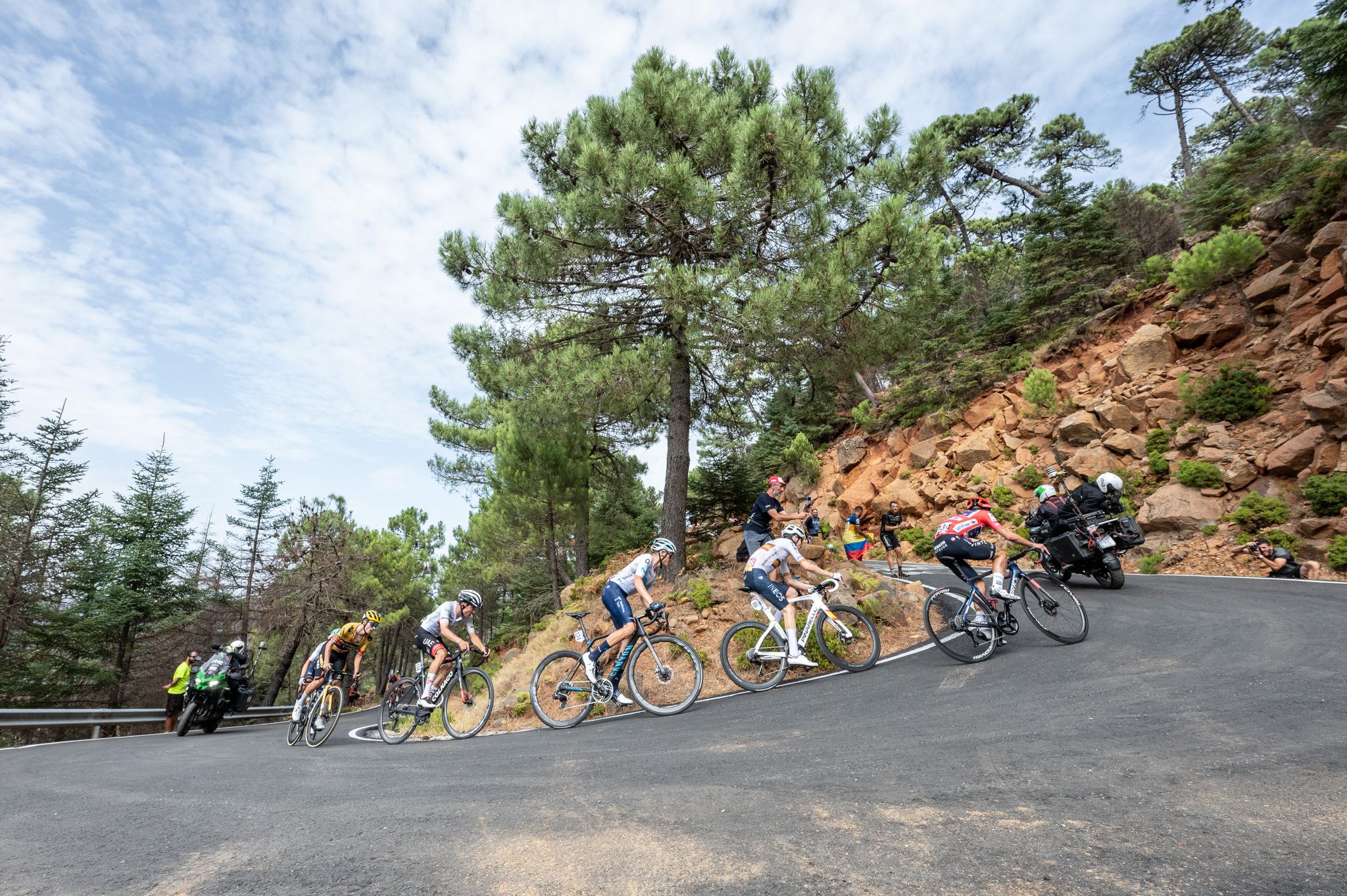
La Vuelta 26 — All Official Stages
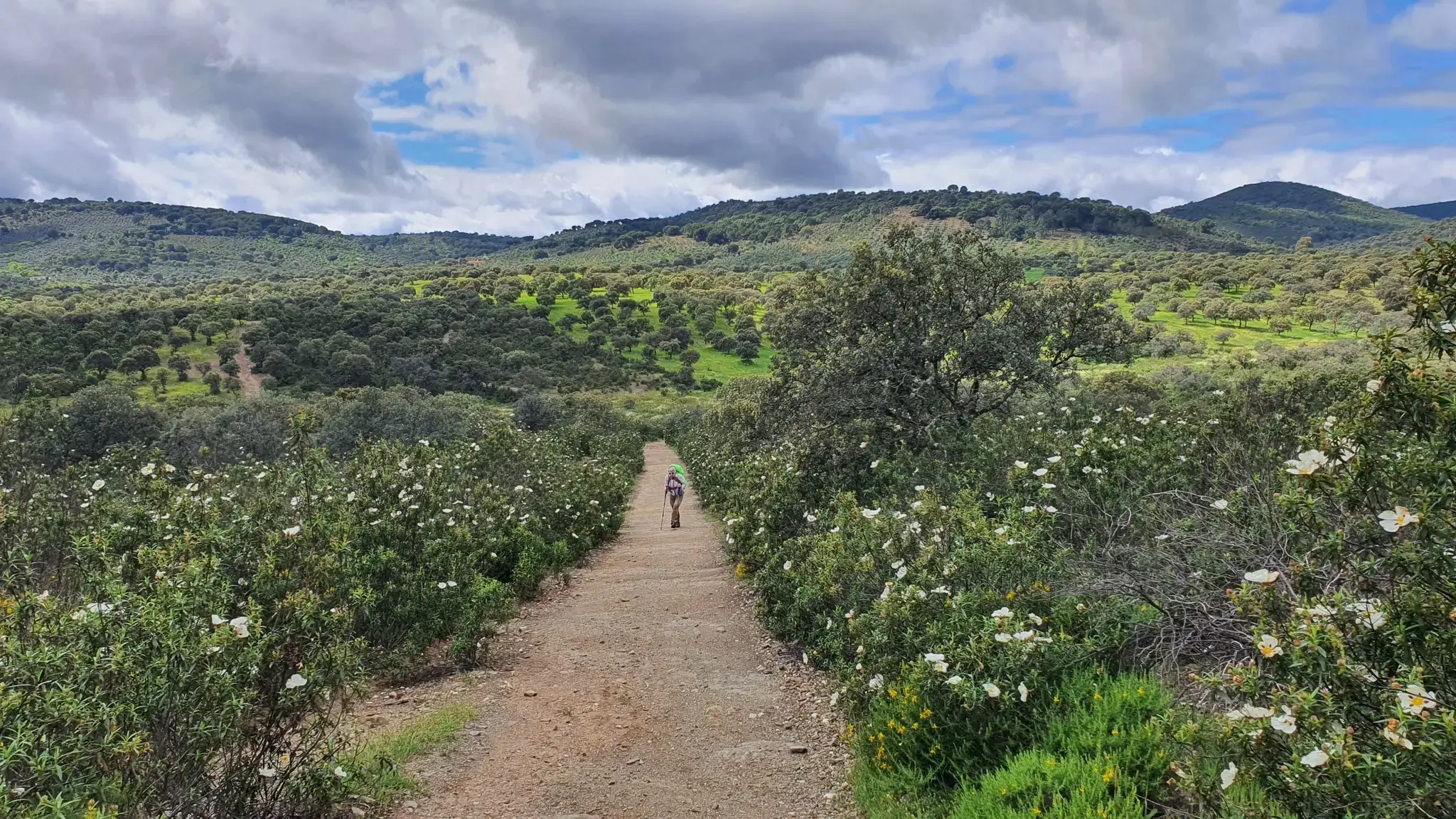
Pastures, Pedroches and farmhouses — Cañada Real Soriana (GR 40)
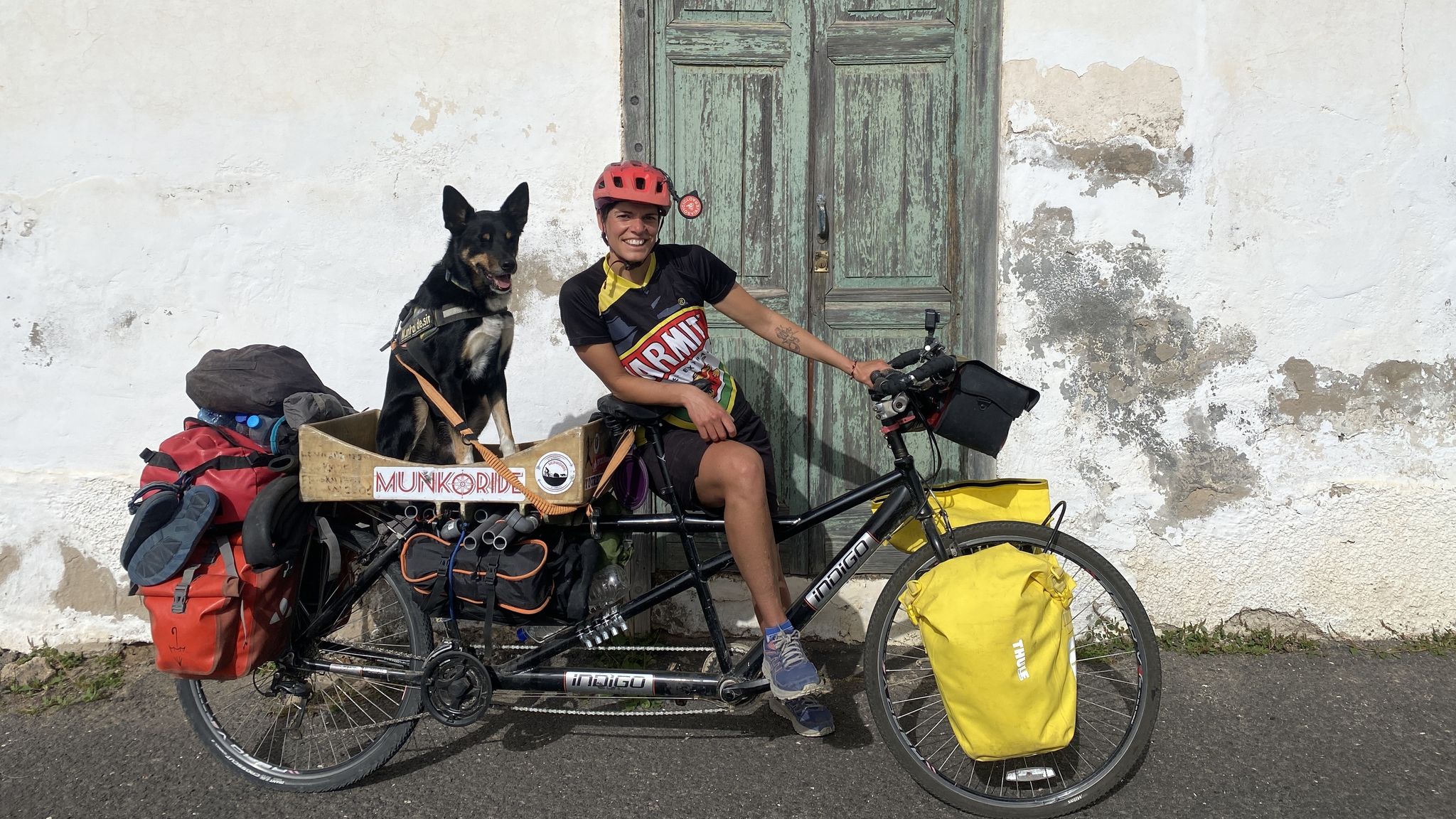
A winter getaway along the greenways of Andalusia in Spain
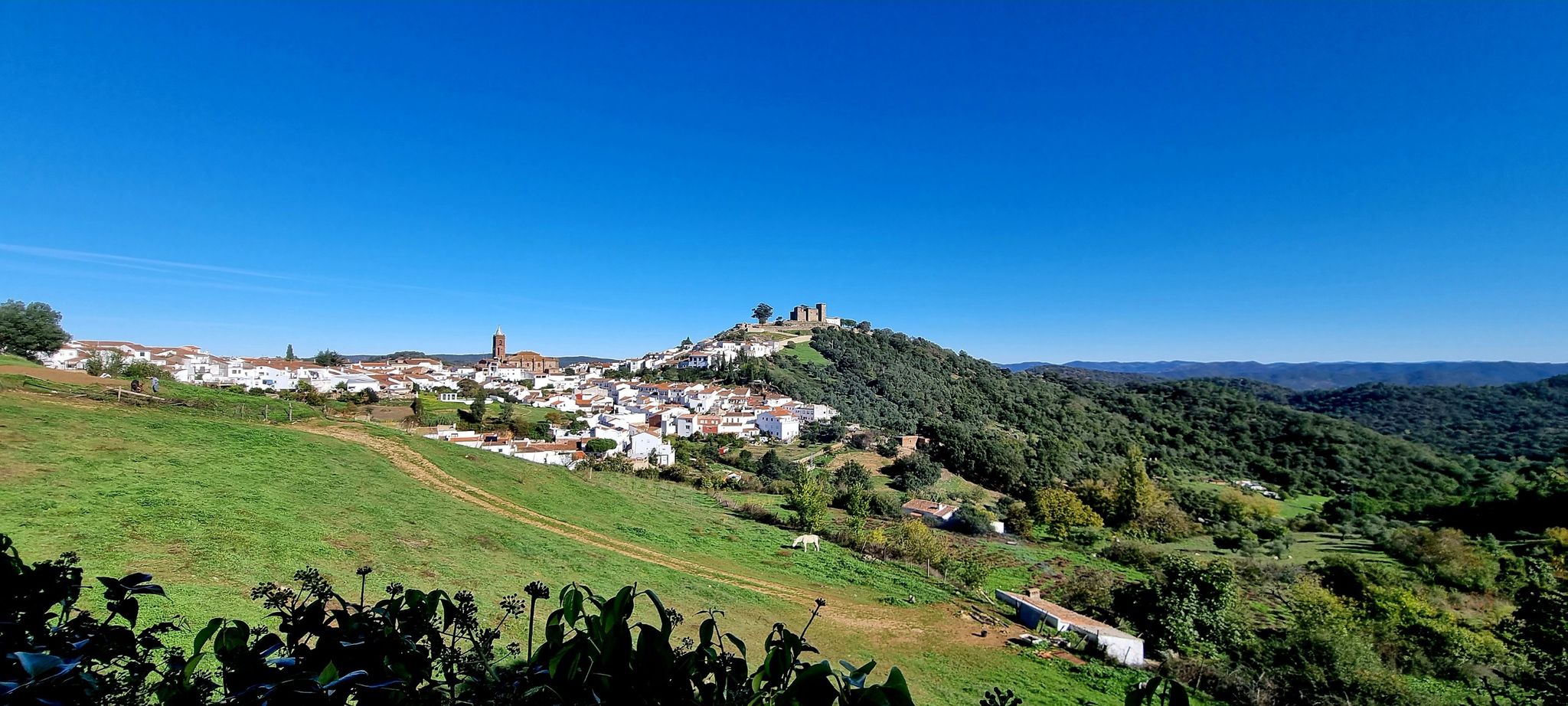
European Divide Trail across the Iberian Peninsula – south
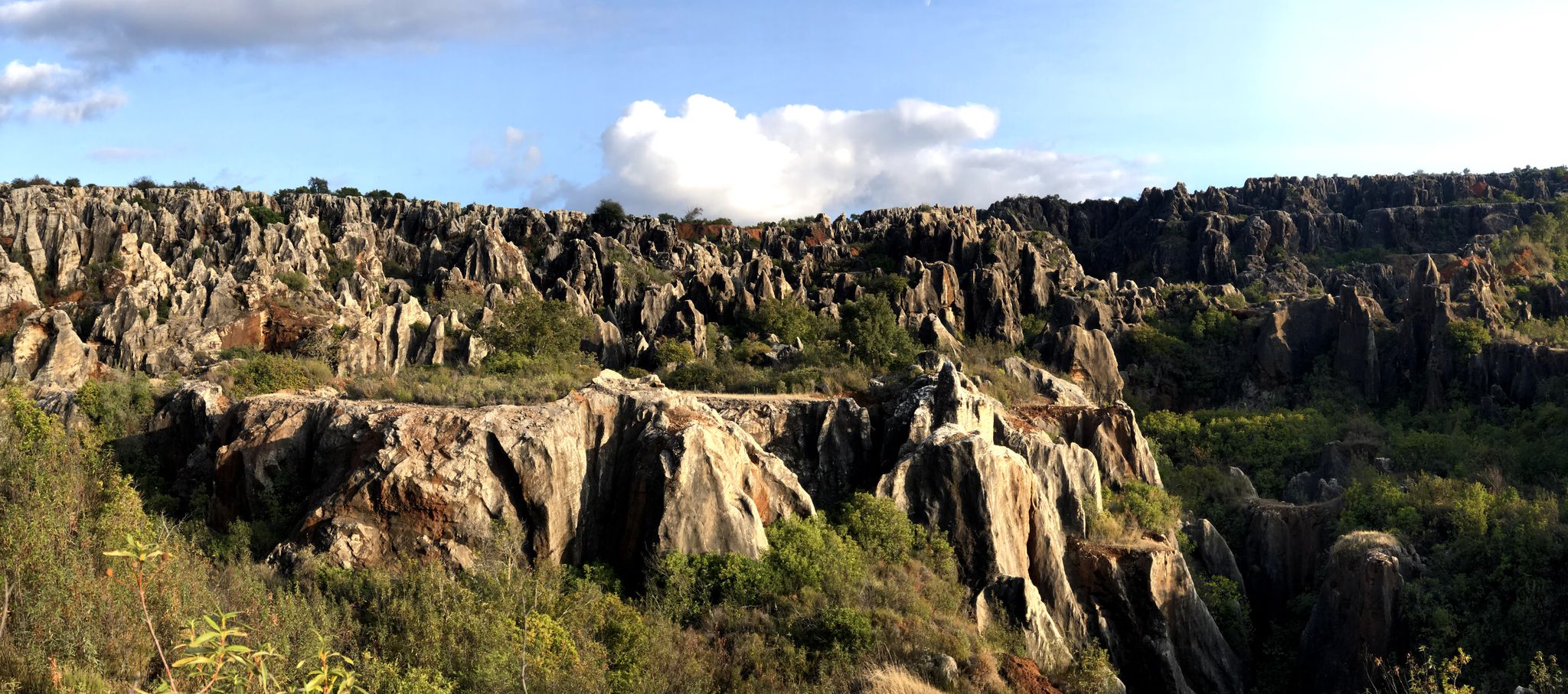
Cycling among the mysterious faults – Sierra Morena (GR 48)
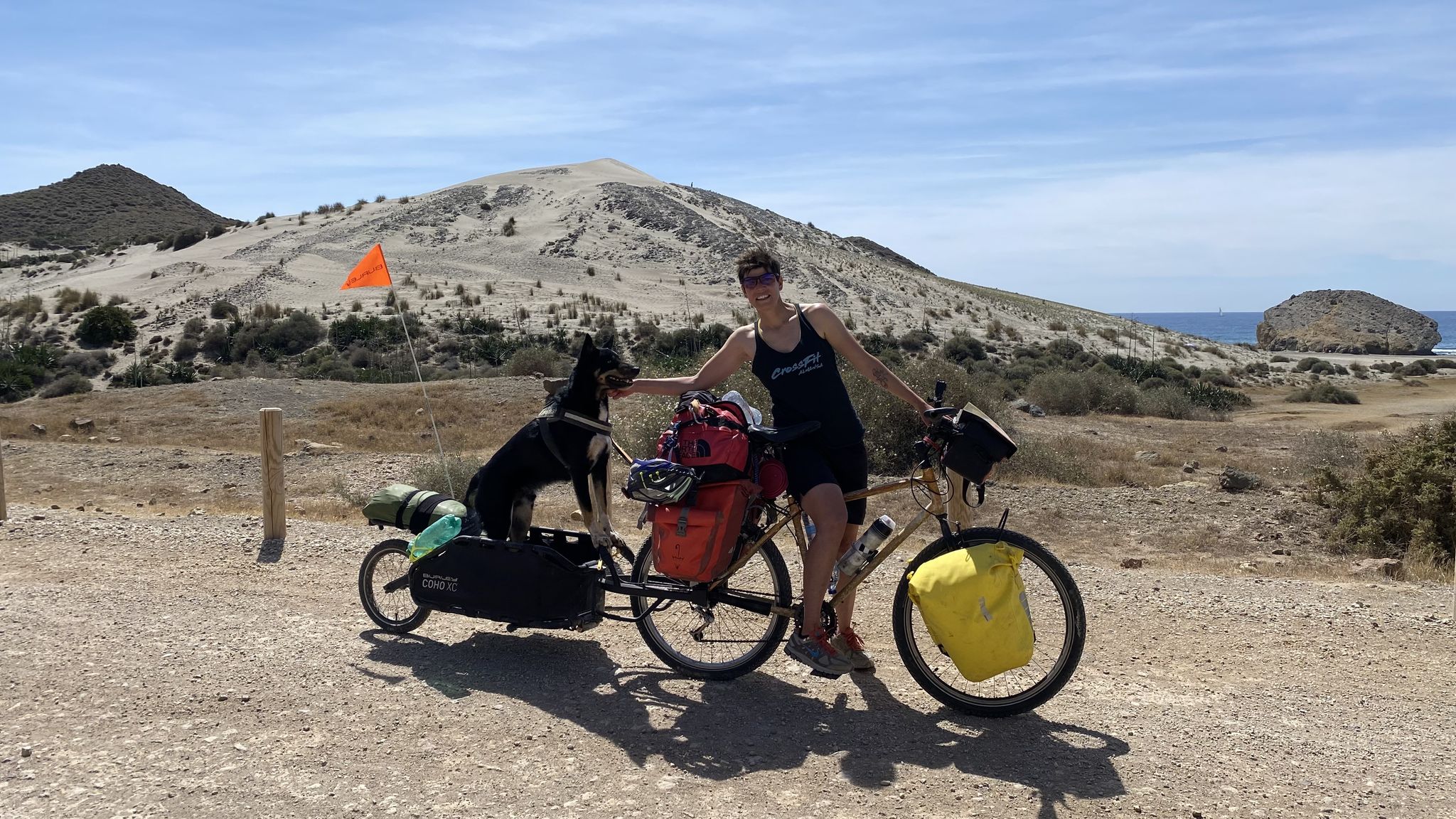
Let’s head south – cycle in Andalusia with me and my dog
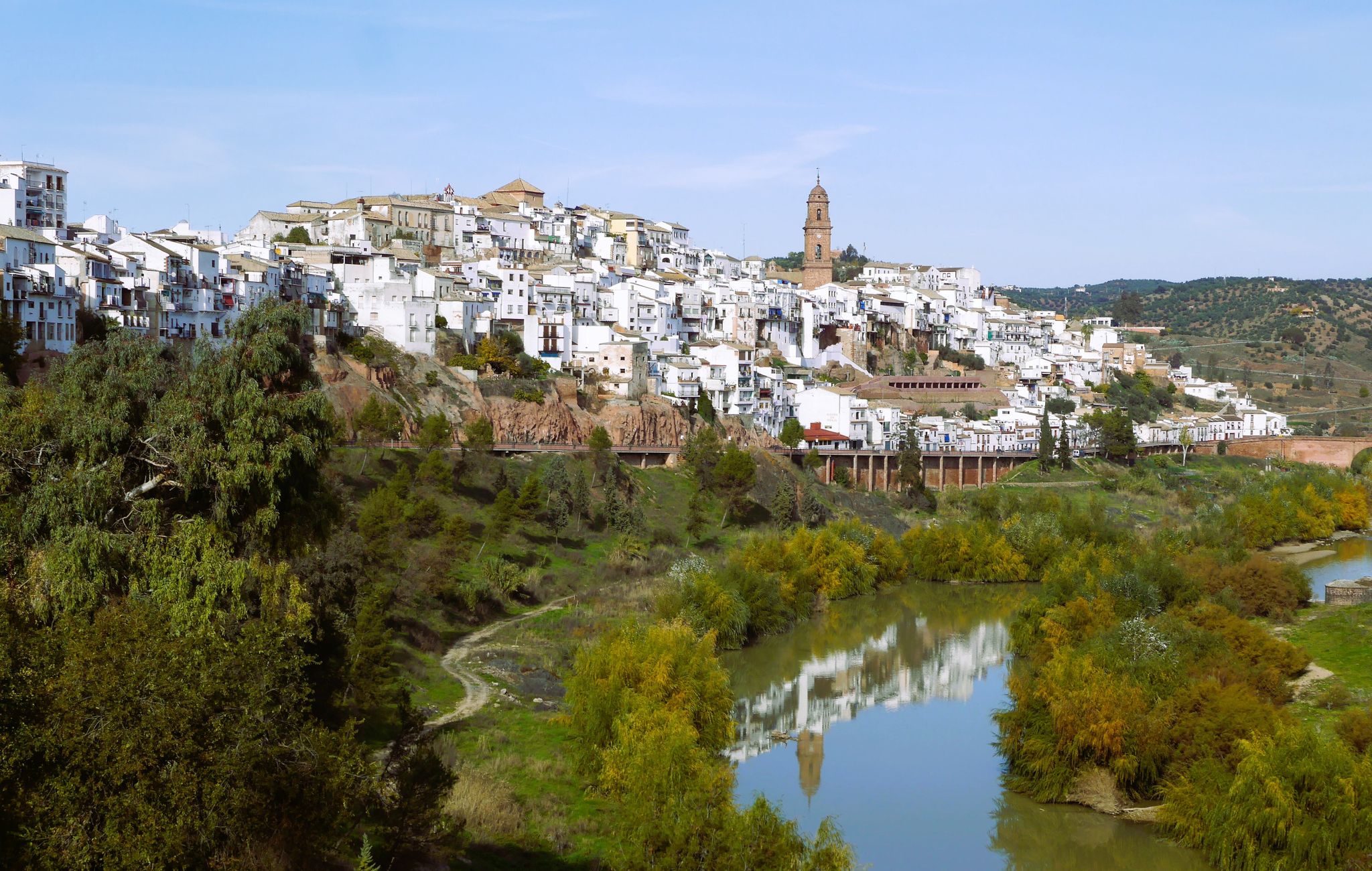
Hike the glorious countryside of Cordoba and Jaen – Sierra Morena (GR 48)
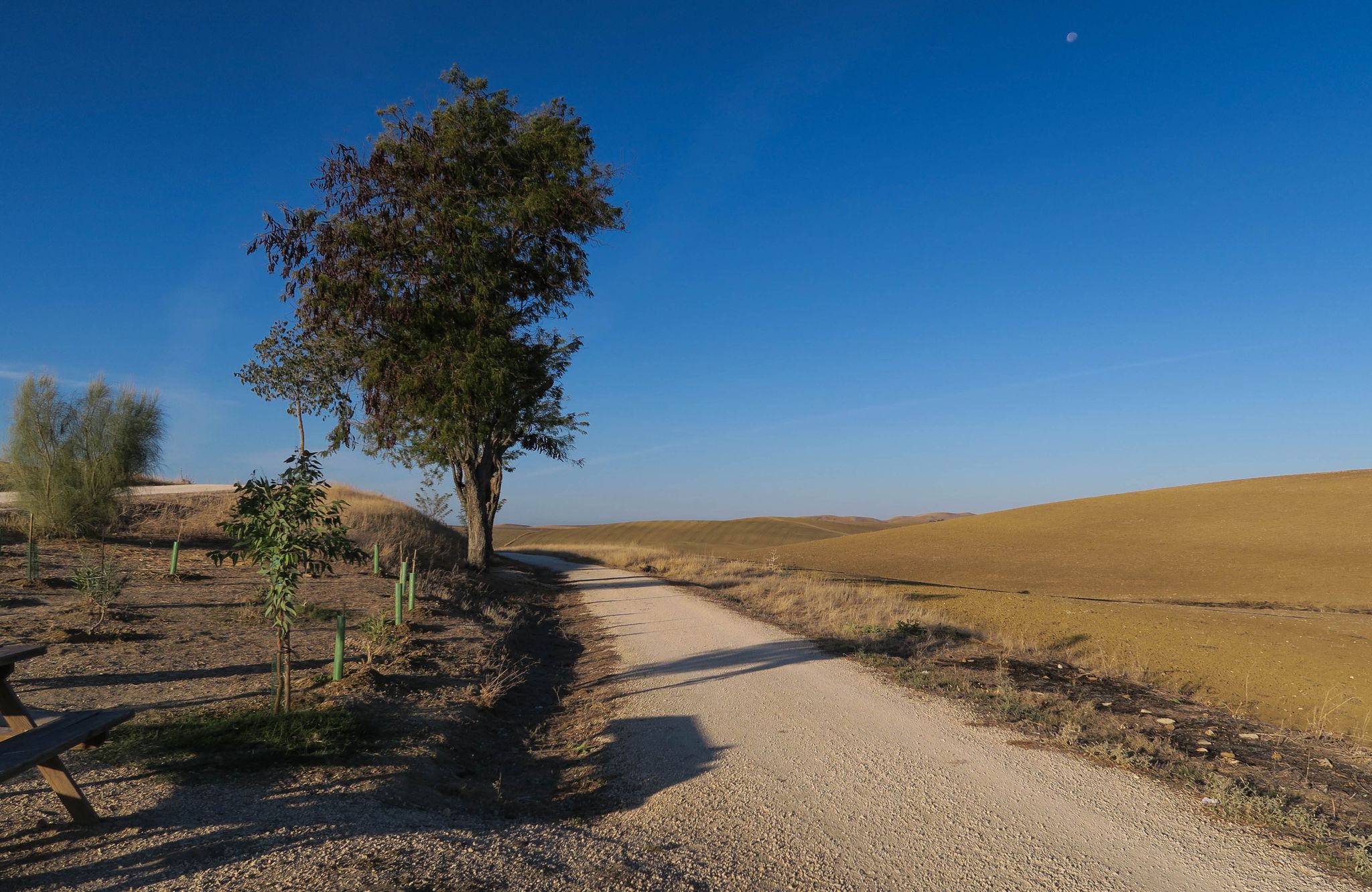
Cycle through the countryside of Spain’s Cordoba – Via Verde de la Campiña
Other adventures around Campiña Baja


Tips from the Community

The Mosque-Cathedral of Córdoba is one of the most impressive monuments in the world, a symbol of Islamic art in the West and a UNESCO World Heritage Site since 1984. It was originally the Visigothic Basilica of San Vicente, shared by Christians and Muslims. In 784, Abd al-Rahman I began construction of the mosque, which was expanded by his successors: Abd al-Rahman II, Abd al-Rahman III, Al-Hakam II, and Almanzor. After the Christian Reconquista in 1236, it was consecrated as the Cathedral of the Assumption of Our Lady, and in 1523 a Renaissance basilica was built inside.
15
0

The Plaza de las Tendillas marks the boundary between Córdoba's historic center and its commercial district. It is a large space surrounded by historic buildings, cafes, and shops, whose quintessential symbol is the equestrian statue of Gonzalo Fernández de Córdoba. The sculpture of this nobleman and knight known as "The Great Captain" is made of bronze, except for the head, which is made of marble.
1
0
The Almodóvar Gate is one of the most emblematic entrances to Córdoba's ancient walled city, and one of the few still standing. Its history and architecture reflect the city's cultural richness throughout the centuries.
3
0
Built in the 1st century BC by the Romans, this bridge has been an important gateway over the Guadalquivir River. Originally, it had 16 arches, although only 14 remain today, and it connects the historic center of Córdoba with the Campo de la Verdad neighborhood. Calahorra Tower: This fortress of Islamic origin was conceived as an entrance and protection for the Roman Bridge. It was declared a Historic-Artistic Site in 1931. The tower has undergone several renovations over the centuries, including the addition of a third tower in the 14th century.
17
1
Cordoba is a wonderful city to visit! Here are some recommendations for visiting: Mezquita-Catedral de Córdoba: A stunning monument that combines Islamic and Christian architecture. It is one of the most iconic places in the city. Alcázar de los Reyes Cristianos: A beautiful palace with spectacular gardens. It offers a fascinating view of the history of Cordoba. Roman Bridge: A historic bridge that crosses the Guadalquivir River. It is a perfect place to walk around and enjoy the views. Judería: A historic neighborhood with narrow, charming streets. Here you will find the Cordoba Synagogue and many flower-filled courtyards. Courtyards of Cordoba: If you visit in May, don't miss the Festival de los Patios, where residents open their flower-decorated courtyards to the public. Plaza de la Corredera: A lively square with many bars and restaurants. It is a good place to try the local cuisine.
14
0

The Plaza de la Corredera is one of the most famous squares in Córdoba and the only rectangular square in the Castilian style in Andalusia. This square is an important historical and social meeting point in the city and is reminiscent of the great main squares such as the Plaza Mayor in Madrid. The Plaza de la Corredera was built in the 17th century under the direction of the architect Antonio Ramós Valdés. Originally it served as a venue for public festivals, bullfights and even executions during the Inquisition. It was an important market and commercial square, surrounded by residential buildings and arcades. Today the Plaza de la Corredera is a popular meeting place for locals and visitors to the city. It has a lively atmosphere and is also home to numerous cafes that invite you to linger. Markets, concerts and cultural events are held here regularly.
13
2
The Puerta de Almodóvar is one of the most impressive remains of the medieval city walls of Córdoba. It is located to the west of the old town and served as the main entrance to the city during the Islamic rule. Its name refers to the road that led from Córdoba towards the village of Almodóvar del Río. The current gate, built in the 14th century over the Arab gate, consists of two prismatic towers.
11
0
The Torre de la Calahorra is a fortified tower of Islamic origin, designed as an entrance and protection of the Roman bridge of Cordoba. The tower, which stands on the left bank of the Guadalquivir, was rebuilt in 1369 by order of Henry II of Trastámara to defend himself against his brother Pedro I of Castile, adding a third tower to the two existing ones. In 1931 it was declared a Historic-Artistic Monument, and today the building houses the Museo Vivo de al-Ándalus.
10
0
Frequently Asked Questions
What kind of historical sites can I explore in Campiña Baja?
Campiña Baja, located in the province of Córdoba, Spain, is rich in historical sites. You can explore significant landmarks such as the iconic Mosque–Cathedral of Córdoba, which showcases centuries of religious and architectural evolution. Another must-see is the Alcázar of the Christian Monarchs (Córdoba), a fortress and palace with Roman, Visigoth, and Arab influences. Don't miss the ancient Roman Bridge of Córdoba, offering impressive views and connecting to historical sites like the Calahorra Tower.
Are there family-friendly attractions in Campiña Baja?
Yes, many attractions in Campiña Baja are suitable for families. Historical sites like the Mosque–Cathedral of Córdoba, the Roman Bridge of Córdoba, and the Alcázar of the Christian Monarchs (Córdoba) are all categorized as family-friendly. Exploring these sites offers an engaging way for all ages to learn about the region's rich history.
What are some notable architectural landmarks to visit?
Beyond the major historical sites, Campiña Baja features several impressive architectural landmarks. The Puerta del Puente (Triumphal Arch) stands as a grand entrance to the city, while the Almodóvar Gate is another significant historical gateway. These structures provide insight into the region's past and offer great photo opportunities.
Where can I experience the local atmosphere and urban life?
For a taste of local urban life, visit Tendillas Square, a lively pedestrian area connecting historic and modern Córdoba, filled with restaurants and cafes. Another vibrant spot is Corredera Square, known for its unique rectangular shape and historical significance, believed to have once been part of a Roman Circus.
Are there any religious buildings of particular interest?
Absolutely. The Mosque–Cathedral of Córdoba is the most prominent religious building, representing a unique blend of Islamic and Christian architecture. Additionally, the Córdoba Synagogue offers a glimpse into the city's Jewish heritage, standing as one of the few remaining medieval synagogues in Spain.
What kind of outdoor activities can I do near Campiña Baja?
The area around Campiña Baja offers diverse outdoor activities. You can find numerous mountain biking trails, including easy routes like the Guadalmellato Canal and La Campiñuela Loop, or more challenging ones such as the Sierra de Córdoba circular route. For more details on these and other MTB trails, visit the MTB Trails around Campiña Baja guide.
Are there good options for gravel biking in the region?
Yes, Campiña Baja is excellent for gravel biking. Routes like the Fuente Redonda de Las Pinedas – Guadalcazar Recreation Area loop offer extensive rides. You can explore moderate options such as the Guadalmellato Canal – Canal loop or the Medina Azahara Complex – Villarrubia Church loop. Find more routes in the Gravel biking around Campiña Baja guide.
Can I find hiking trails with waterfalls near Campiña Baja?
Yes, there are beautiful waterfall hikes available. Consider the Baños de Popea Waterfalls loop, which is an easy 5 km trail, or the Arroyo Bejarano – Elephant Fountain loop for a moderate 13.7 km hike. For more options and detailed information, check out the Waterfall hikes around Campiña Baja guide.
What is the best time to visit Campiña Baja for outdoor activities?
The best time to visit Campiña Baja for outdoor activities is typically during the spring (March to May) and autumn (September to November). During these seasons, the weather is milder and more pleasant for exploring historical sites, hiking, and cycling, avoiding the intense heat of summer.
Are there any particularly picturesque spots or viewpoints?
The Roman Bridge of Córdoba offers impressive views of the Guadalquivir River, especially at sunset when the last sunbeams gild the surfaces. Additionally, the Alley of the Flowers provides a charming and picturesque view, characteristic of Córdoba's historic patios.
Are there any wheelchair accessible places among the attractions?
Yes, several attractions in Campiña Baja offer wheelchair accessibility. The Roman Bridge of Córdoba, Tendillas Square, Puerta del Puente (Triumphal Arch), Alley of the Flowers, and Corredera Square are noted as wheelchair accessible, allowing for broader enjoyment of the region's cultural and historical offerings.
Most popular routes around Campiña Baja
Most popular attractions around Campiña Baja

Get inspired with the komoot mobile app


Didn’t find what you were looking for?
Are you keen on exploring more awesome places nearby? Browse our guides:
Explore more
Still not found the Highlight you’re looking for? See guides of the top attractions in other regions:
