Attractions and Places To See around Campiña de Jerez - Top 20
Best attractions and places to see around Campiña de Jerez include a rich array of historical landmarks, natural beauty, and cultural sites. This region in the province of Cádiz, southern Spain, is characterized by its gently rolling hills, significant historical heritage, and its pivotal role in sherry wine production and equestrian traditions. Visitors can explore ancient architecture, vast vineyards, and experience authentic local culture. The area offers a diverse landscape, from agricultural plains to river valleys, providing a variety of…
Last updated: July 6, 2026
Paths and Bridges in Parque Natural de la Bahía de Cádiz
Highlight • Trail
In addition, it was the traditional use of this territory that generated a whole series of paths that we can enjoy today.
Translated by Google •
Tip by

Old Town of Arcos de la Frontera
Highlight • Settlement
Translated by Google •
Tip by

Sign up now to discover places like this
Get recommendations on the best single tracks, peaks, & plenty of other exciting outdoor places.
Sign up for free
Alcázar of Jerez de la Frontera
Highlight • Castle
Translated by Google •
Tip by

Basilica of Santa María de la Asunción
Highlight • Religious Site
It was built in the 14th or 15th century in Mudéjar style.
Translated by Google •
Tip by
El Camborio Artistic Nativity
Highlight • Structure
Translated by Google •
Tip by
Jerez de la Frontera Cathedral
Highlight • Religious Site
Translated by Google •
Tip by
Royal Andalusian School of Equestrian Art Foundation
Highlight • Historical Site
Translated by Google •
Tip by

Arcos de la Frontera
Highlight • Settlement
Translated by Google •
Tip by

Church of Saint Michael, Jerez
Highlight • Religious Site
Translated by Google •
Tip by
Poblado de las Cumbres Archaeological Site
Highlight (Segment) • Historical Site
Translated by Google •
Tip by

Sign up for free to discover even more attractions around Campiña de Jerez.
Sign up for free
Already have an account?
Start today with a free account
Your next adventure awaits.
Login or Signup
Popular around Campiña de Jerez
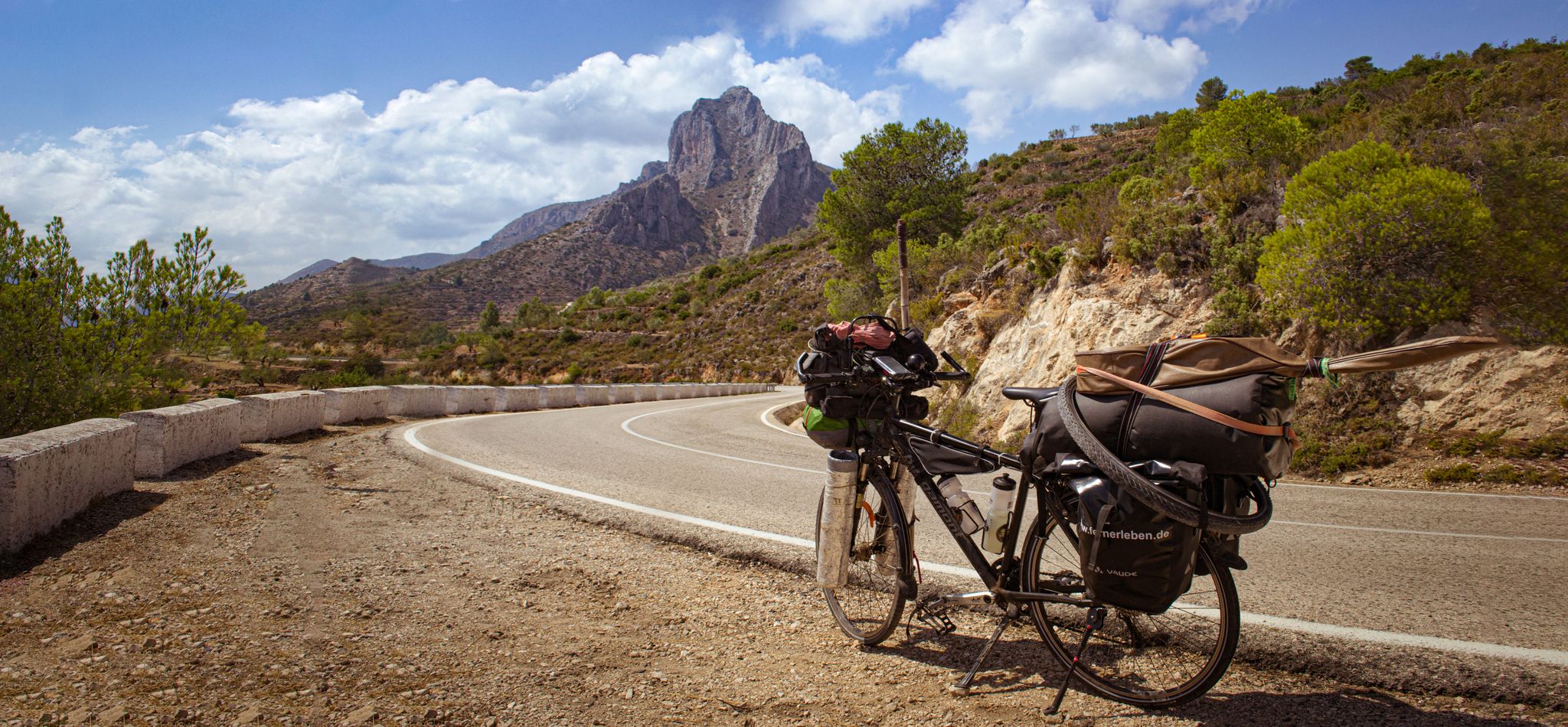
On the road to the sun — bikepacking to southeast Spain
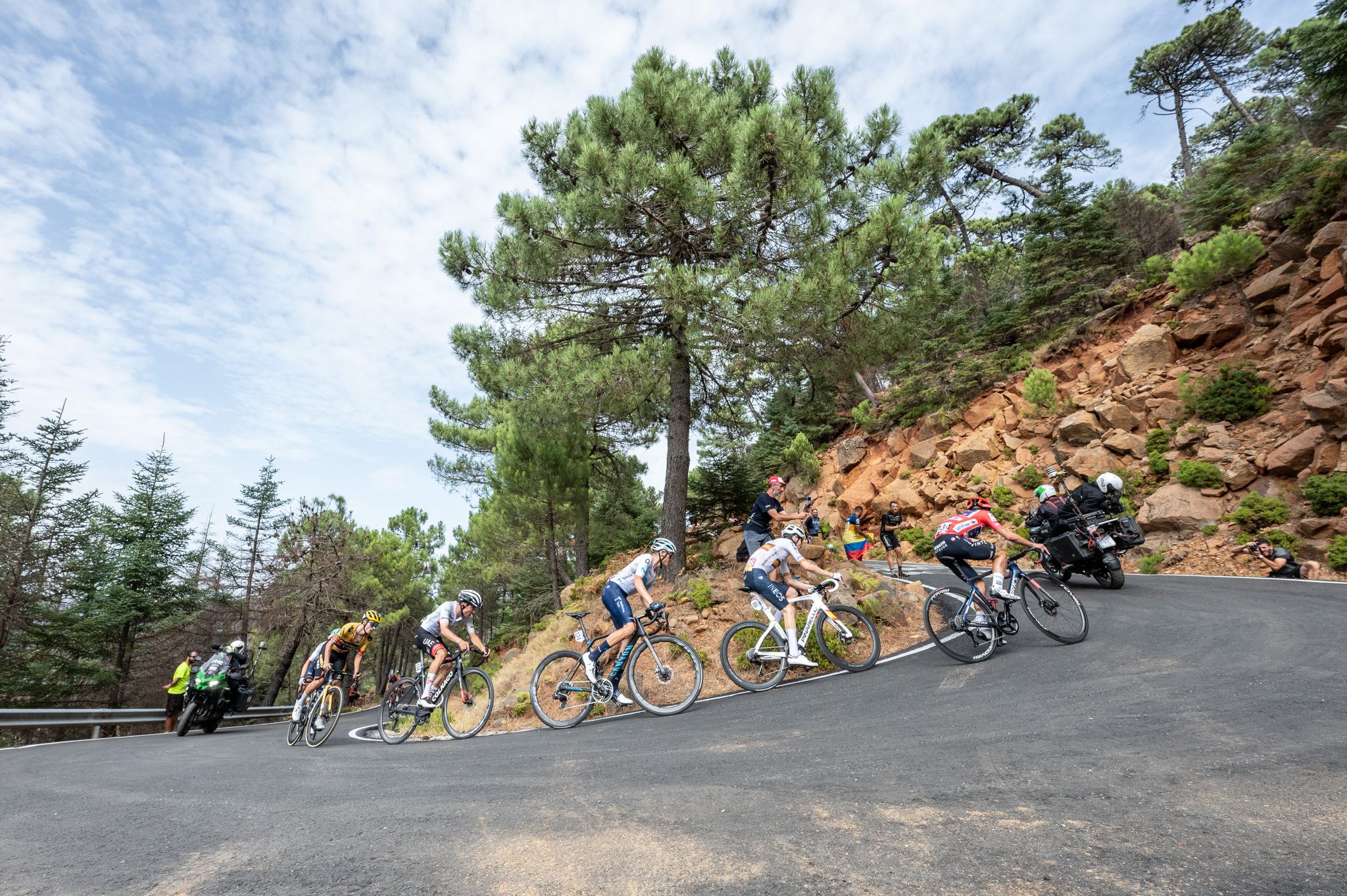
La Vuelta 26 — All Official Stages
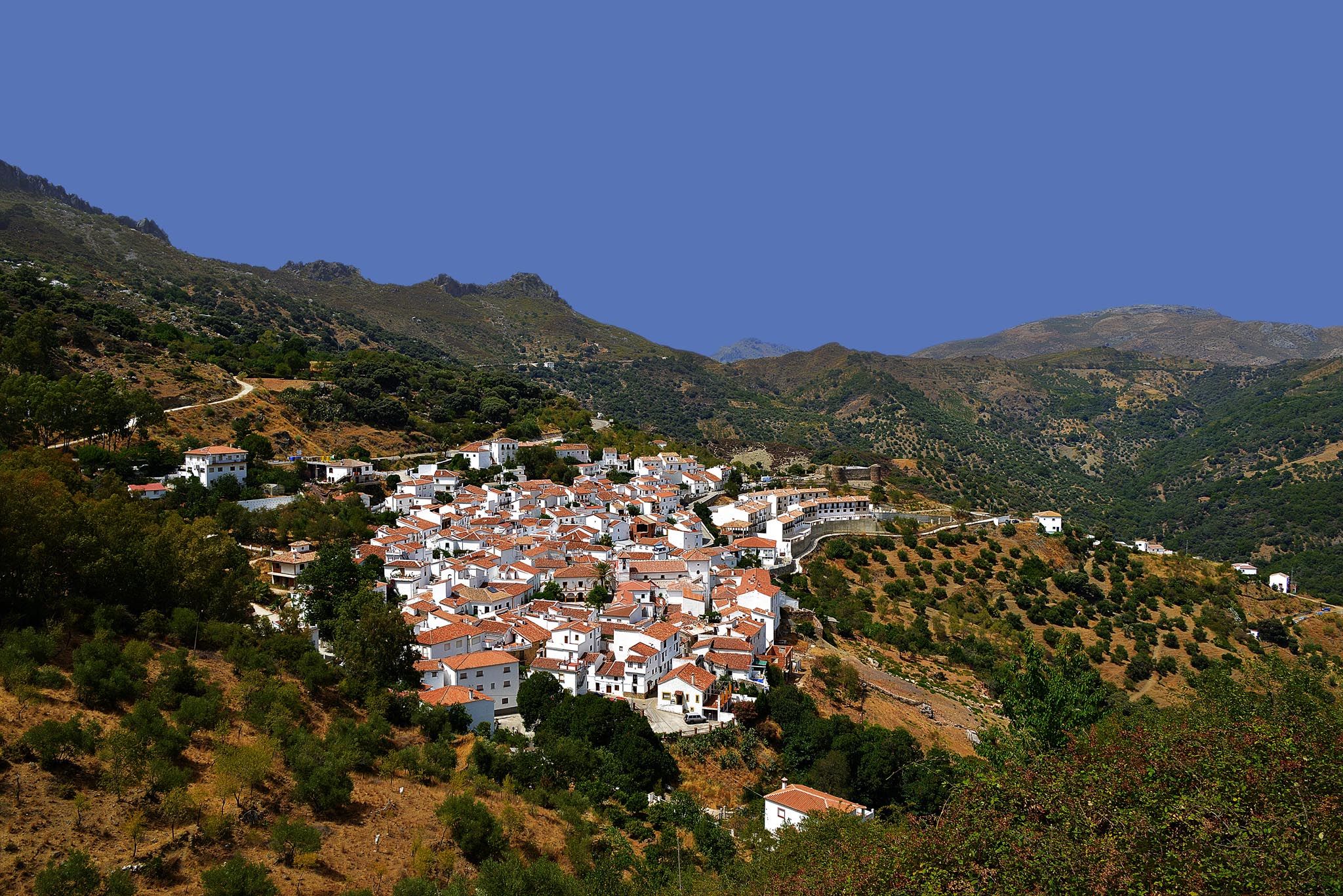
Windows to the past – White Towns of Andalusia
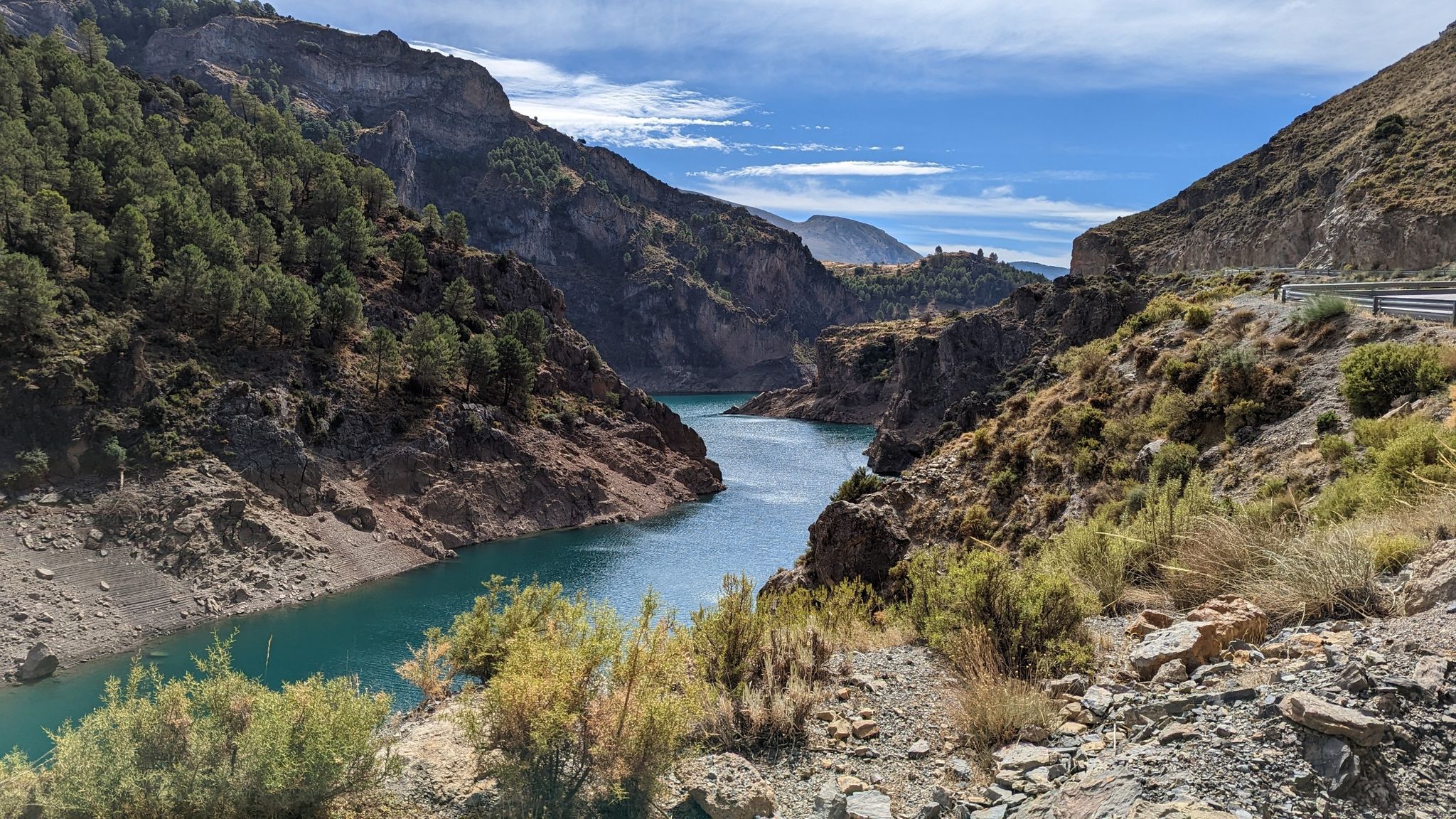
A journey through the Spanish hinterland – cycling across Andalusia
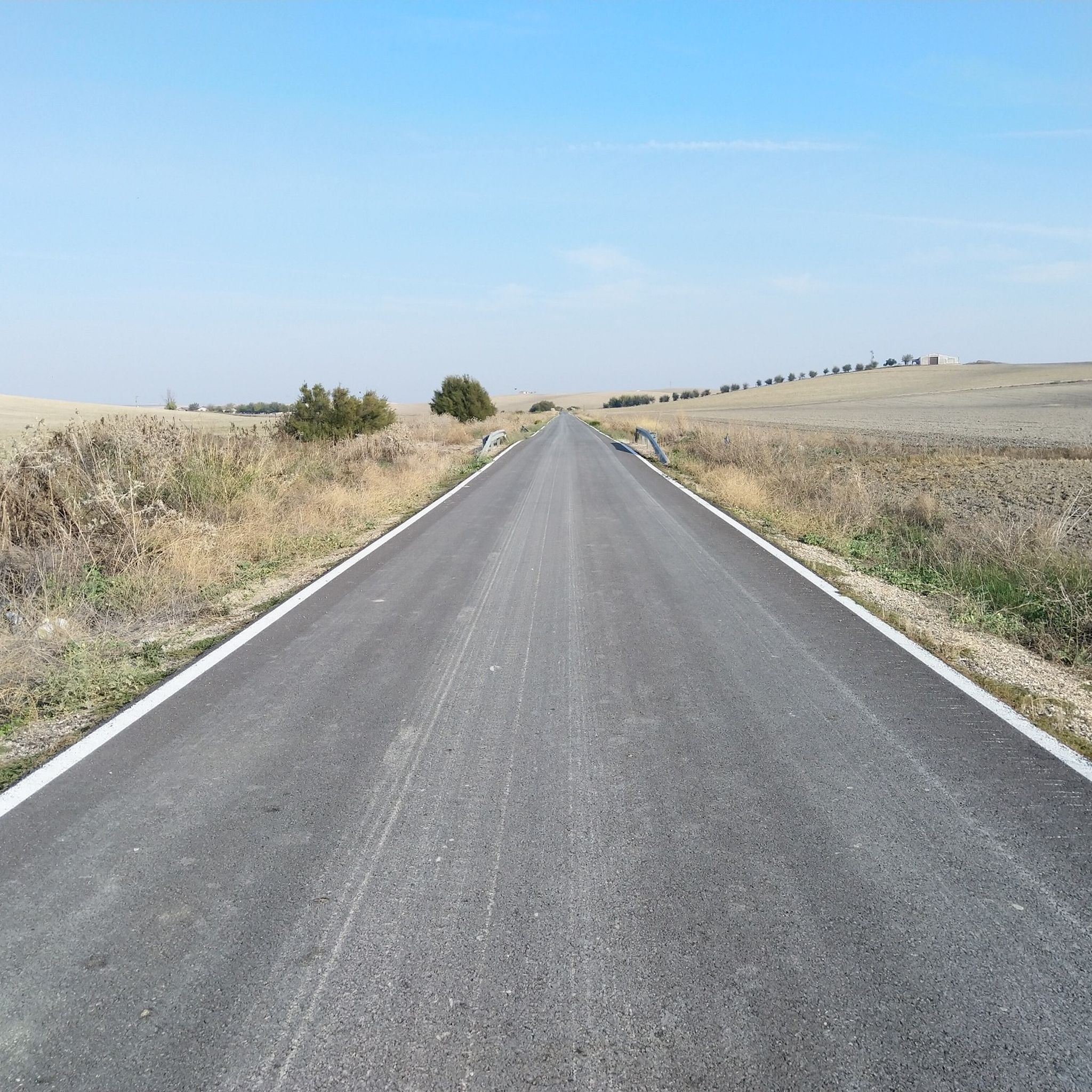
Road Cycling Routes around Campiña de Jerez
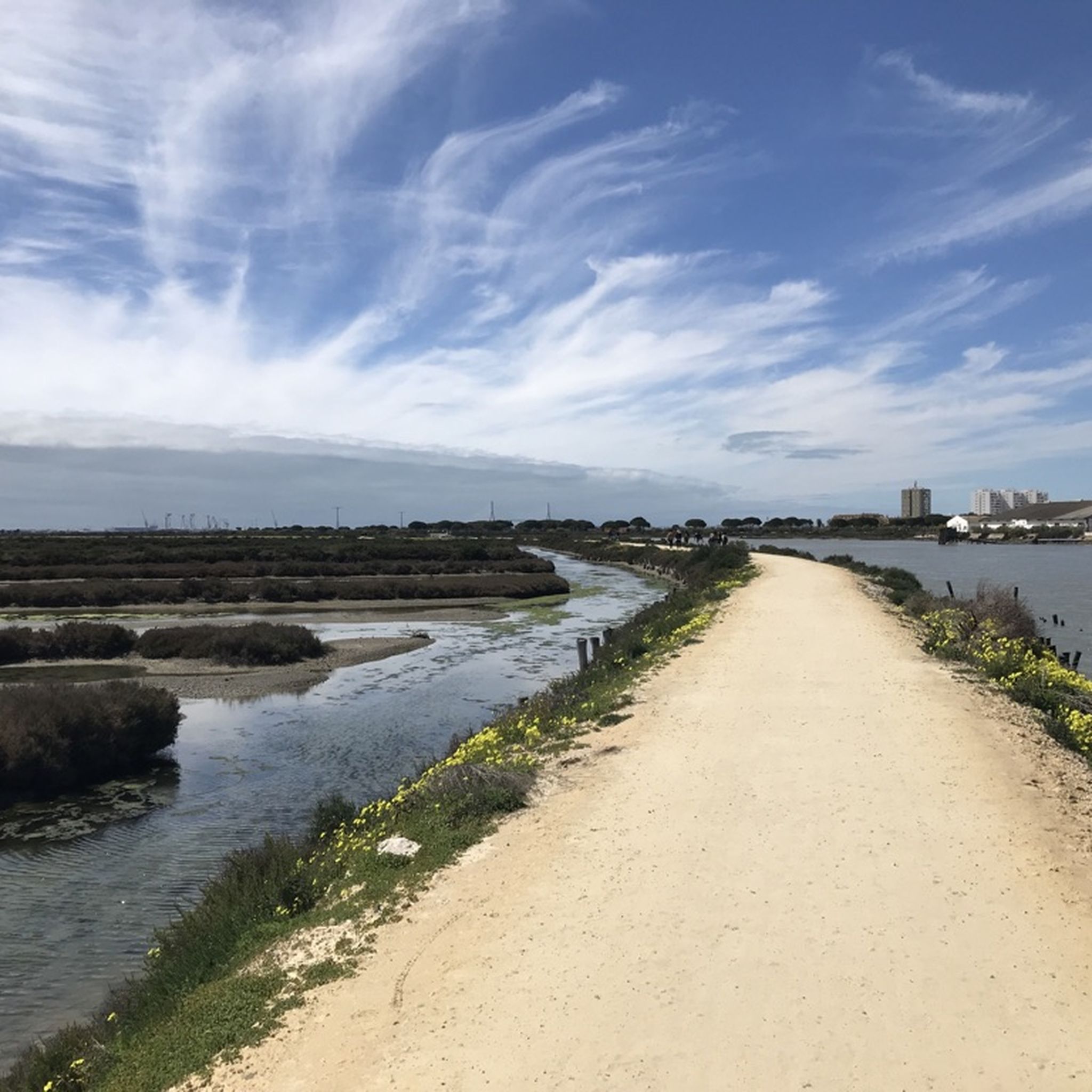
Cycling around Campiña de Jerez
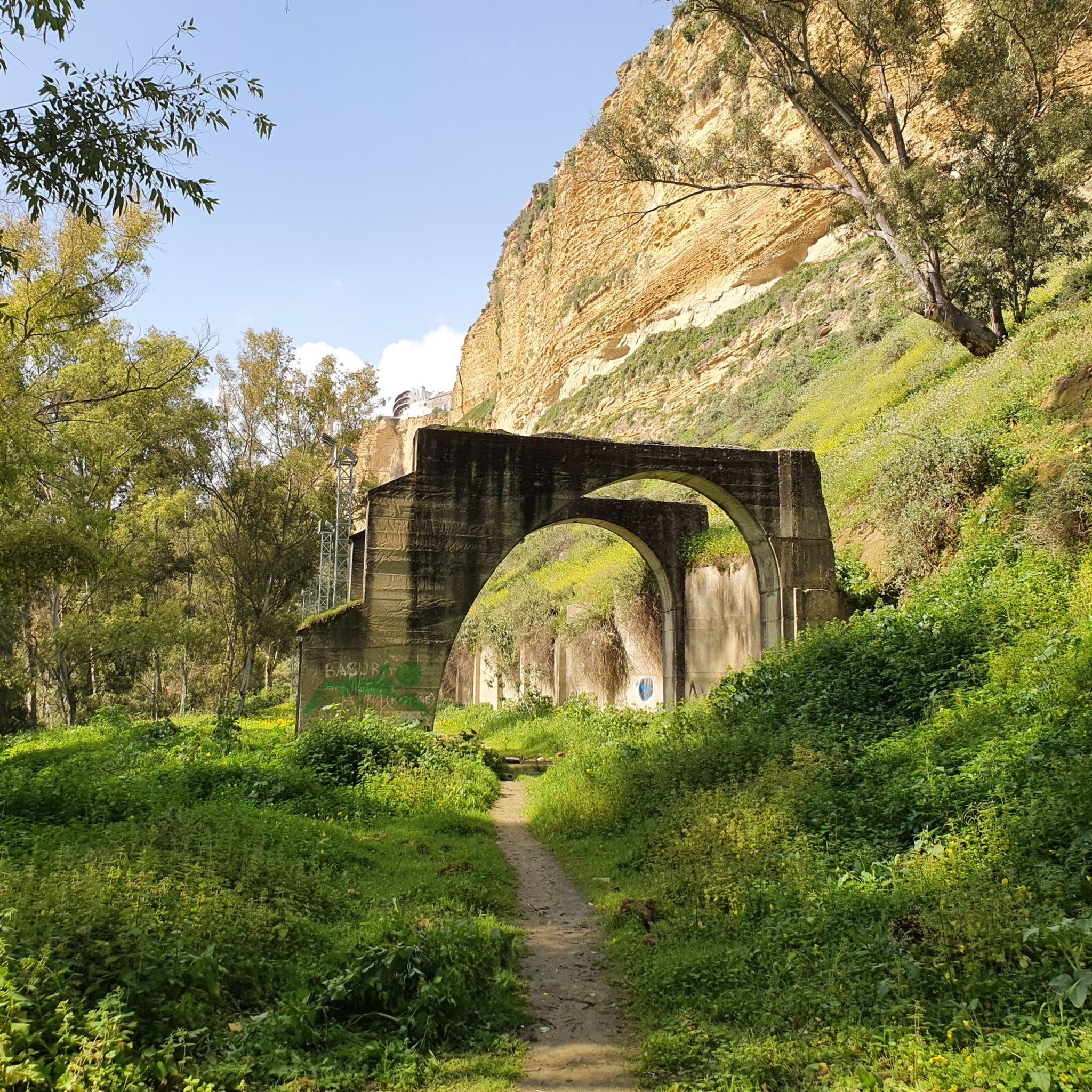
Hiking around Campiña de Jerez
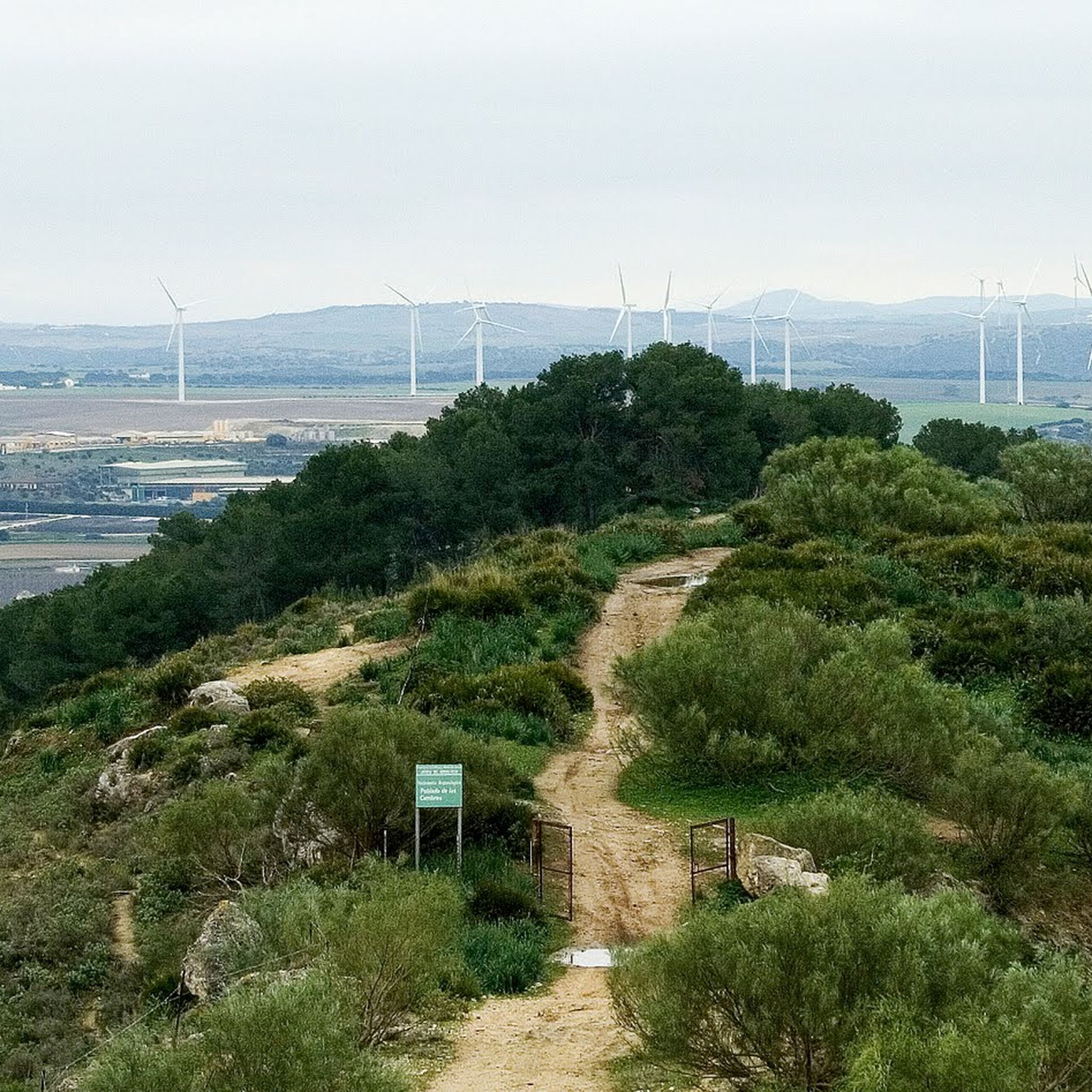
MTB Trails around Campiña de Jerez
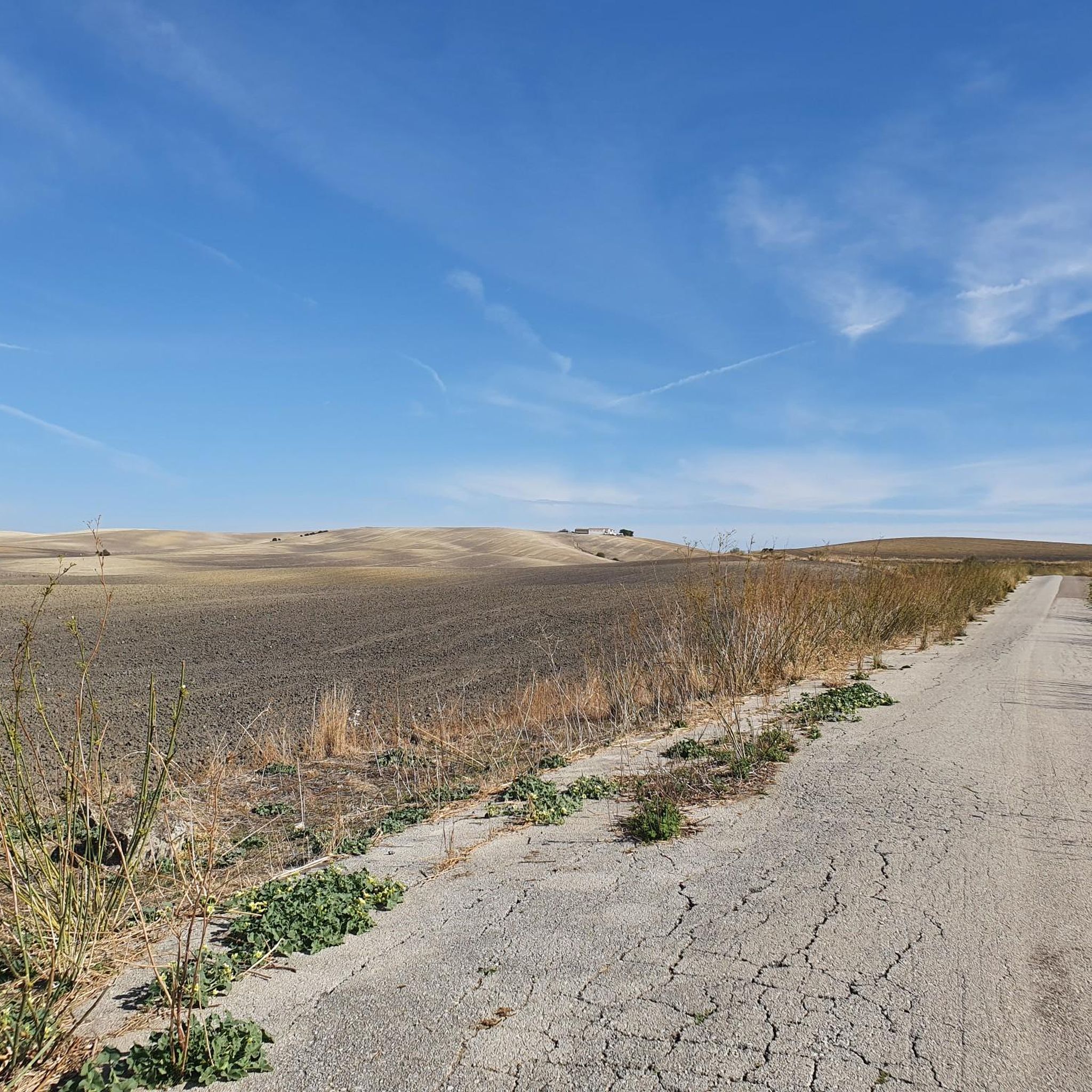
Running Trails around Campiña de Jerez
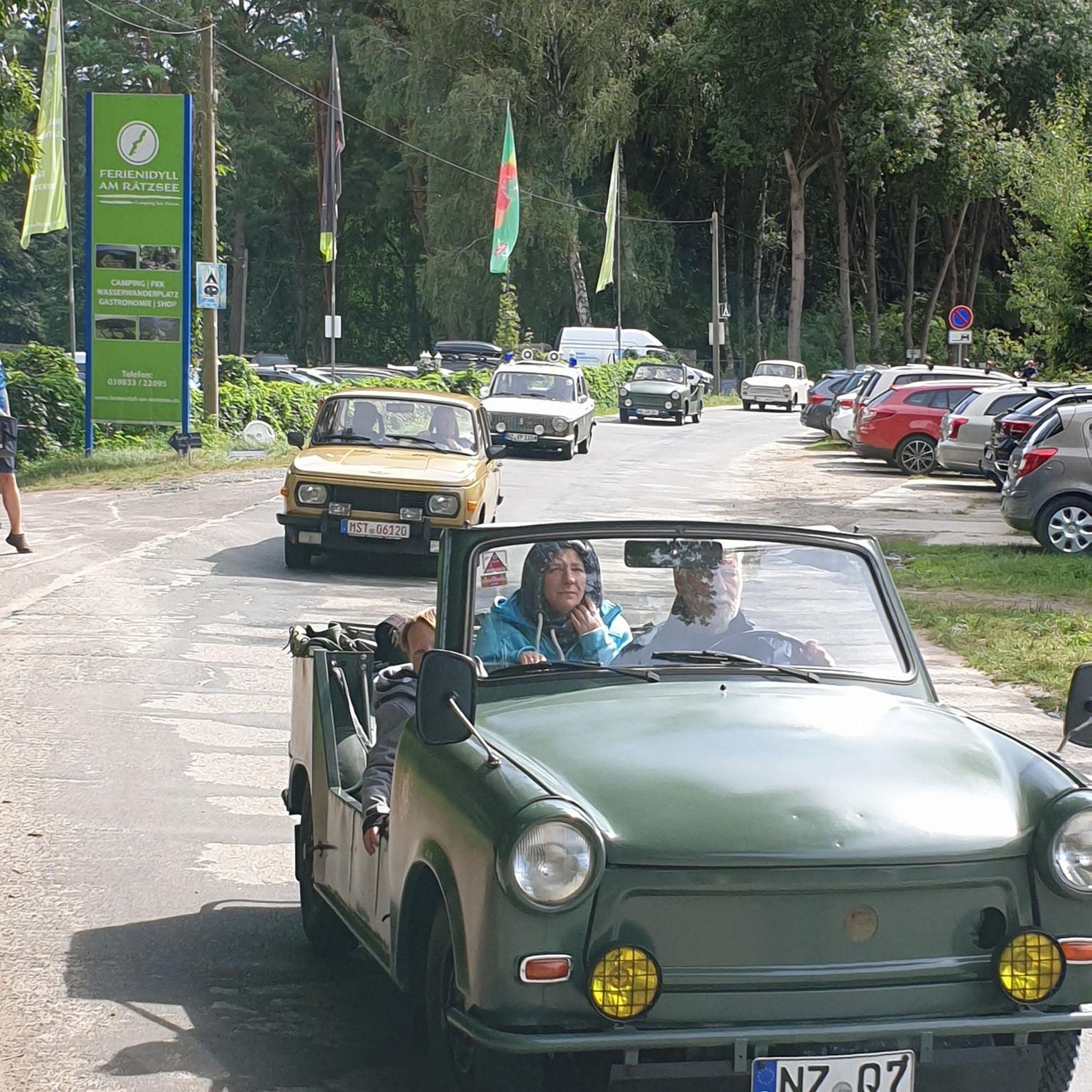
Gravel biking around Campiña de Jerez
Other adventures around Campiña de Jerez


Tips from the Community

A visit to the fortress is worthwhile. Unfortunately, the camera obscura was not available for viewing during our visit.
0
0

You can attend a show (times and tickets available online) or just take a look around. The entrance ticket costs 16 euros and can be purchased at the box office on site. The museum in the basement of the palace is partially interactive and worth a visit. It offers a wealth of information about the horses and their training. In addition to the training courses, the stables can also be visited with a guided tour. Tours are offered in various languages (including German) and are very interesting. The Carriage Museum is also included in the admission. The lady at the exit said it's outside the grounds if I turn right. But I couldn't find it.
0
0
Admission is currently €8. An audio guide (also in German) is included and definitely worth it. There's also a station in the cathedral where you can put on VR headsets and view everything from above. The tower was closed on Sunday, but the lady at the entrance said it's open on Monday. The tour with the audio guide takes at least an hour.
1
0

El Belén artístico El Camborio is a beautiful and impressive creation located in Arcos de la Frontera. It is a small museum that looks like a cave carved into the rock, in which beautiful treasures and scenes from the Gospel are depicted with great detail and craftsmanship. It is a place where the landscape changes from day to night, which makes it even more special.
9
0

Ideal place for a quiet bike ride discovering nature.
0
1
The town, situated on a rocky plateau, invites you to travel through time. From the 11th century it was the capital of a taifa, a small Berber kingdom. The fortified town was finally reconquered in 1264 by Alfonso X, who also took Seville, Jerez and Cádiz during the Reconquista. For two centuries Arcos was an outpost on the border of the kingdom and in the 15th century the village came into the hands of the Ponce de León family, who played a major role in the victory over the kingdom of Granada. During the 19th century, Arcos acquired its current appearance thanks to the rise of olive and grape cultivation and horse breeding.
9
0
El Belén artístico El Camborio is a beautiful and impressive creation located in Arcos de la Frontera, Spain. It is a small museum that looks like a cave carved into the rock, in which beautiful treasures and scenes from the Gospel are depicted with great detail and craftsmanship1. It is a place where the landscape changes from day to night, which makes it even more special.
6
0
The town, situated on a rocky plateau, invites you to travel through time. From the 11th century it was the capital of a taifa, a small Berber kingdom. The fortified town was finally reconquered in 1264 by Alfonso X, who also took Seville, Jerez and Cádiz during the Reconquista. For two centuries Arcos was an outpost on the border of the kingdom and in the 15th century the village came into the hands of the Ponce de León family, who played a major role in the victory over the kingdom of Granada. During the 19th century, Arcos acquired its current appearance thanks to the rise of olive and grape cultivation and horse breeding.
12
0
Frequently Asked Questions
What historical landmarks can I explore in Campiña de Jerez?
The region is rich in history. You can visit the Alcázar of Jerez de la Frontera, a stunning example of Almohad architecture with a mosque, watchtowers, and gardens. Another significant site is the Old Town of Arcos de la Frontera, perched on a cliff with its historic streets and Castillo de Arcos. Don't miss the Basilica of Santa María de la Asunción in Arcos, or the impressive Jerez de la Frontera Cathedral and the Church of Saint Michael in Jerez.
Are there any family-friendly attractions in the Campiña de Jerez region?
Yes, several attractions are suitable for families. The Alcázar of Jerez de la Frontera offers a fascinating historical experience with its gardens and ancient structures. Families can also enjoy walking along the Paths and Bridges in Parque Natural de la Bahía de Cádiz, which provides a pleasant outdoor space. The Royal Andalusian School of Equestrian Art Foundation is also a popular choice, showcasing the region's equestrian traditions.
What natural features or viewpoints can I discover in Campiña de Jerez?
The region is characterized by its gently rolling hills and agricultural landscapes, particularly vineyards. For specific natural features and viewpoints, the Old Town of Arcos de la Frontera offers spectacular views of the Guadalete River valley from its cliffside location. You can also find scenic spots along the Paths and Bridges in Parque Natural de la Bahía de Cádiz, which is a picturesque environment. The Algaida Bridge is another natural monument and viewpoint.
What cultural experiences are unique to Campiña de Jerez?
Campiña de Jerez is renowned for its sherry wine production; many bodegas offer tours and tastings. The region is also a birthplace of flamenco, with authentic shows available in local 'tabancos'. Equestrian traditions are strong, highlighted by the Royal Andalusian School of Equestrian Art Foundation, where you can witness the famous 'How the Andalusian Horses Dance' performances.
Are there hiking trails near the attractions in Campiña de Jerez?
Yes, there are several easy hiking trails available. For example, you can explore the Jerez de la Frontera Historic Center Tour or the Guadalete River Trail. The Parque Natural de la Bahía de Cádiz also offers various itineraries for pleasant walks. For more options, check out the Easy hikes around Campiña de Jerez guide.
What cycling routes are available around Campiña de Jerez?
The region offers diverse cycling opportunities. You can find easy routes like the Natural Park of the Bay of Cadiz - circular from El Puerto de Santa Maria, or moderate options such as the Jerez de la Frontera City and Countryside Loop. For road cycling enthusiasts, there are routes like the Bahía de Cádiz – circular from El Puerto de Santa María. Explore more options in the Cycling around Campiña de Jerez and Road Cycling Routes around Campiña de Jerez guides.
What is the best time of year to visit Campiña de Jerez for outdoor activities?
The Campiña de Jerez region generally enjoys a mild climate, making it suitable for outdoor activities for much of the year. Spring (March to May) and autumn (September to November) are particularly pleasant, with comfortable temperatures ideal for hiking, cycling, and exploring historical sites without the intense summer heat. Winter can also offer mild days for walks.
Can I find archaeological sites in the Campiña de Jerez area?
Yes, the region has a rich archaeological heritage. Notable sites include Mesas de Asta (Hasta Regia), located between Jerez and Trebujena, which showcases Roman municipal foundations and earlier Iberian-Turdetanian settlements. The Guadalete River Valley also holds significant Paleolithic to Neolithic lithic industries, indicating ancient human presence.
What are some lesser-known attractions or 'hidden gems' in Campiña de Jerez?
Beyond the main highlights, consider exploring the traditional 'tabancos' in Jerez for an authentic flamenco and sherry experience. The smaller white villages along the Ruta de los Pueblos Blancos, with Arcos de la Frontera as a gateway, offer charming, less-crowded insights into Andalusian life. The Mercado Central de Abastos in Jerez provides a vibrant glimpse into local daily life and fresh produce.
What do visitors enjoy most about the attractions in Campiña de Jerez?
Visitors frequently appreciate the blend of historical depth, cultural richness, and natural beauty. The intricate architecture of sites like the Alcázar of Jerez de la Frontera and the panoramic views from the Old Town of Arcos de la Frontera are highly praised. Many also enjoy the pleasant walking spaces in areas like the Parque Natural de la Bahía de Cádiz and the vibrant atmosphere of Jerez's city squares.
Is public transport available to reach the main attractions?
Jerez de la Frontera is well-connected by public transport, including train and bus services, making it easy to reach the city's attractions like the Alcázar and Cathedral. For towns like Arcos de la Frontera, bus services connect it to Jerez and other major towns. However, for more rural or natural sites, a car might offer greater flexibility.
Are there opportunities for equestrian tourism in the region?
Absolutely. Jerez has a prestigious tradition of equestrianism. The Royal Andalusian School of Equestrian Art Foundation is a prime example, offering performances and insights into the unique Andalusian horse. Beyond this, the region's pasturelands and countryside provide opportunities for horse riding and equestrian tourism experiences.
Most popular routes around Campiña de Jerez

Get inspired with the komoot mobile app


Didn’t find what you were looking for?
Are you keen on exploring more awesome places nearby? Browse our guides:
Explore more
Still not found the Highlight you’re looking for? See guides of the top attractions in other regions:
