Attractions and Places To See around Rioja Media - Top 20
Best attractions and places to see around Rioja Media include a diverse range of historical landmarks, natural landscapes, and cultural sites. This central sub-region of La Rioja, Spain, is characterized by its significant wine culture and the Ebro River. Logroño, the capital, serves as a hub for gastronomy and historical exploration, while the surrounding areas offer ancient monasteries, castles, and unique geological formations. The region provides opportunities to explore the Camino de Santiago, vineyards, and natural parks.
Best attractions and…
Last updated: July 6, 2026
Logroño Stone Bridge
Highlight • Bridge
Translated by Google •
Tip by

La Grajera Reservoir
Highlight • Lake
Translated by Google •
Tip by

Sign up now to discover places like this
Get recommendations on the best single tracks, peaks, & plenty of other exciting outdoor places.
Sign up for free
Former hospital of San Juan de Acre
Highlight • Historical Site
Translated by Google •
Tip by

Co-Cathedral of Santa María de la Redonda
Highlight • Religious Site
Translated by Google •
Tip by

Church of Nuestra Señora de la Asunción
Highlight • Religious Site
Translated by Google •
Tip by
Osborne Bull
Highlight • Monument
Translated by Google •
Tip by

Clavijo Castle
Highlight • Castle
Translated by Google •
Tip by

Iglesia de Santa María de Palacio
Highlight • Religious Site
Translated by Google •
Tip by

Vineyards Between Logroño and Nájera
Highlight • Natural
Tip by

San Saturnino Pilgrims' Hostel
Highlight • Mountain Hut
Translated by Google •
Tip by

Sign up for free to discover even more attractions around Rioja Media.
Sign up for free
Already have an account?
Start today with a free account
Your next adventure awaits.
Login or Signup
Popular around Rioja Media
Camino Francés and Camino Finisterre – Cycling pilgrimages in Spain
Santiago de Compostela – A journey through northern Spain (10 days)
The Ignatian Way - In the footsteps of Ignatius of Loyola
Legendary climbs - Ports of La Vuelta a España
An Iberian pilgrimage – French Way of Saint James
A river getaway – Ebro Natural Trail (GR 99)
Between valleys and mountains – Mymerak gravel routes
An adventure on quiet roads – MyMerac Rioja
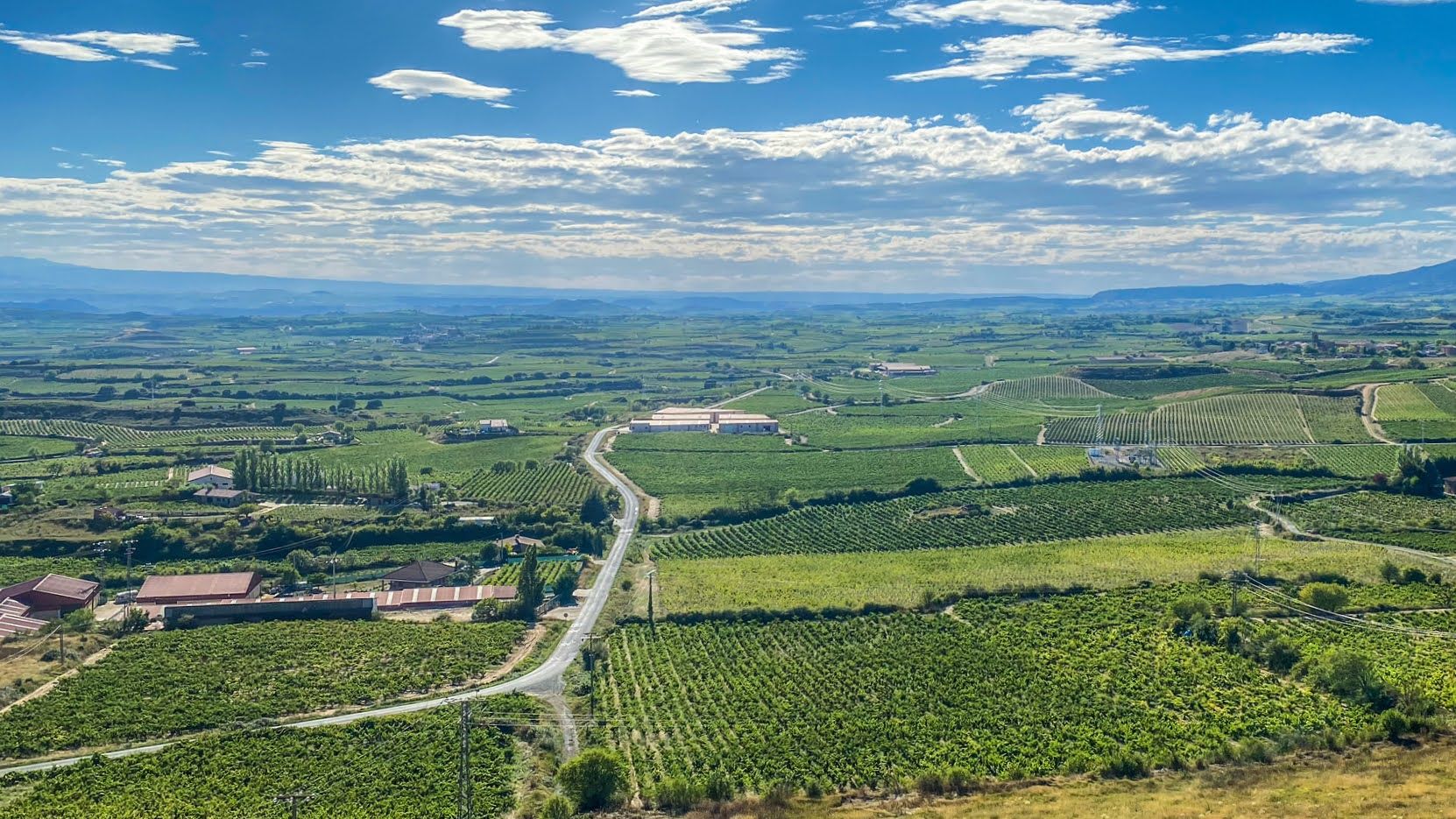
Endless asphalt between La Rioja’s vineyards – Spain’s Ruta del Vino
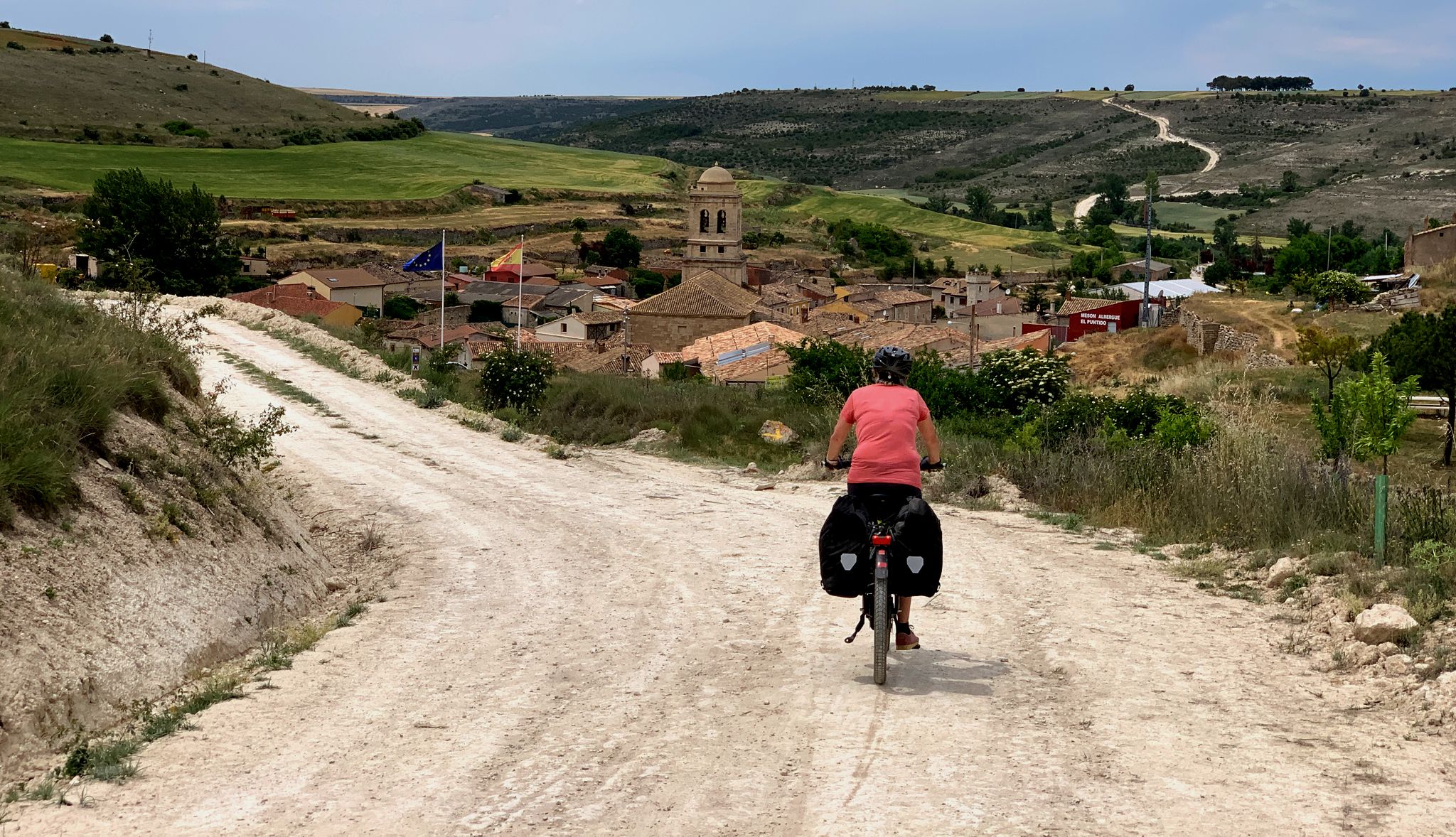
The Pilgrim Route — EuroVelo 3 through Spain
Other adventures around Rioja Media


Tips from the Community

"There remains to be added," writes Sigfried Grän OFM in 'Noah, the Builder of the Ark and Inventor of Viticulture,' "what we omitted above in our summary of the Noah story. Noah not only survives the Flood and, after his rescue, offers a burnt offering to the Creator. He also incidentally becomes the inventor of viticulture. (...) In ancient Israel, the vine was considered the noblest of all plants. To own a vineyard, to enjoy its fruits, and to rest in the peace of its shade was... the epitome of a happy and blessed existence." (Source: "In the Land of the Lord. Franciscan Journal for the Holy Land," Issue 4/2024)
3
2

The Church of Santa María de la Asunción is a parish church in the historic center of the municipality of Navarrete (La Rioja). The Renaissance-style church is located in the highest area of the town. One of the church's notable elements is the Baroque-style main altar. [2] The church has a three-aisled floor plan.
0
0
The Hospital of Saint John of Acre was a medieval pilgrims' hostel in the municipality of Navarrete in La Rioja (Spain). [1] It was founded in 1185 and was a hostel for pilgrims on their way to Santiago de Compostela.
0
0
The Great Black Bull: The story of Spain's most iconic billboards dates back to the founding of a Cadiz brandy and sherry winery by an Englishman named Osborne. The bulls originally stood up to 4 meters tall and bore the Osborne name in red letters. The herd grew to 500 before anti-billboard legislation threatened their existence. Following a public outcry, they were removed from the street, the lettering removed, and rebuilt to a height of 14 meters.
1
0
The reservoir was built over a century ago from a small natural lake to provide irrigation water for agricultural land.
1
0
The Cathedral of Santa María de la Redonda, dedicated to the Virgin Mary, is a church in the city of Logroño in the autonomous community and province of La Rioja in northern Spain. Along with the Cathedral of Calahorra and the Cathedral of Santo Domingo de la Calzada, it is one of three episcopal churches of the Diocese of Calahorra y La Calzada-Logroño. As part of the northern Spanish Way of St. James (Camino Francés), it has been a UNESCO World Heritage Site since 1993.
0
0

A very interesting and majestic bull sitting here on the hill.
1
0

The Co-Cathedral of Santa María de la Redonda is located in the heart of the old town of Logroño, nestled between the streets Portales and Caballerías and the Plaza del Mercado. It stands on the site of a primitive Romanesque church that was elevated to collegiate status in 1435 when it was merged with the church of San Martín de Albelda.
1
0
Frequently Asked Questions
What natural attractions and viewpoints can I explore in Rioja Media?
Rioja Media offers diverse natural beauty. You can visit La Grajera Reservoir, a local recreation area on the outskirts of Logroño, perfect for a peaceful break. For stunning panoramic views, head to Clavijo Castle, which overlooks the Leza river gorge and the Iregua and Ebro river valleys. The region also features the vast forests and waterfalls of Sierra de Cebollera Natural Park, impressive canyons in the Leza Valley, and the unique stalactites and stalagmites of the Caves of Ortigosa.
Are there historical sites related to the Camino de Santiago in Rioja Media?
Yes, the Camino de Santiago significantly influences Rioja Media. Logroño, a key stop, features the historic Logroño Stone Bridge over the Ebro River, a landmark for pilgrims. You can also visit the ruins of the Former hospital of San Juan de Acre, founded in 1185 to provide rest and care for pilgrims. Further along the route, Santo Domingo de la Calzada is home to a unique Cathedral linked to a famous local legend.
What cultural and historical landmarks are there in Logroño?
Logroño, the capital, is rich in history. The Co-Cathedral of Santa María de la Redonda, with its Baroque towers, is a prominent religious monument. The city also boasts the historical Logroño Stone Bridge and the Church of San Bartolomé, its oldest surviving church. For wine enthusiasts, the Rioja Wine Culture Center, housed in a 16th-century palace, showcases the region's winemaking heritage.
Where can I find ancient monasteries and religious buildings in the region?
Rioja Media is home to several significant religious sites. The UNESCO World Heritage Monasteries of Yuso and Suso in San Millán de la Cogolla are considered the birthplace of the Castilian language. In Logroño, you can visit the Co-Cathedral of Santa María de la Redonda and the Iglesia de Santa María de Palacio. The Monastery of Santa María La Real in Nájera also holds significant historical importance.
Are there family-friendly attractions and activities in Rioja Media?
Many attractions in Rioja Media are suitable for families. The La Grajera Reservoir offers a pleasant outdoor space. Historical sites like the Logroño Stone Bridge and the Former hospital of San Juan de Acre provide educational insights. For a unique experience, explore the dinosaur ichnite sites around Enciso, where you can see fossilized dinosaur footprints. Enciso also features El Barranco Perdido, a multi-adventure park with a paleontology theme.
What outdoor activities and trails are available for cycling in Rioja Media?
Rioja Media offers various cycling opportunities. For mountain biking, you can explore routes like the 'Iregua Roman Road and Park Loop' or the 'Moncalvillo BTT Center Loop'. If you prefer gravel biking, consider the 'Gravel tour around Peña Soto' or the 'Nalda Castle – Iregua Roman Road loop from Logroño'. You can find more details and routes on the MTB Trails around Rioja Media and Gravel biking around Rioja Media guide pages.
Where can I experience the famous wine culture of La Rioja in this sub-region?
Rioja Media is at the heart of La Rioja's renowned wine culture. You can explore numerous wineries for guided tours and tastings throughout the region. In Logroño, the Rioja Wine Culture Center provides a deep dive into the history of winemaking. The city's Calle del Laurel, famous for its 'Path of the Elephants,' offers a vibrant atmosphere to sample miniature gastronomy paired with excellent Rioja wines. You can also enjoy the scenic Vineyards Between Logroño and Nájera.
Are there any hiking trails with waterfalls in Rioja Media?
Yes, Rioja Media features beautiful waterfall hikes. You can explore routes such as the 'Cemetery – Viguera Waterfall (Chorrón de Viguera) loop from Viguera' or the shorter 'Viguera Waterfall (Chorrón de Viguera) loop from El Chorrón'. Another option is 'The Island in Soto de Cameros, Fountain of the 3 spouts, Vulture Viewpoint – circular route'. More information on these and other trails can be found on the Waterfall hikes around Rioja Media guide page.
What are some charming traditional villages to visit in Rioja Media?
Beyond Logroño, Rioja Media is dotted with charming traditional villages. Nájera, once the capital of the Kingdom of Nájera, offers rich history and the Monastery of Santa María La Real. Briones and Cornago are other villages known for their well-preserved medieval architecture and local traditions, providing a glimpse into the region's past.
What do visitors enjoy most about the attractions in Rioja Media?
Visitors frequently praise the blend of history, nature, and culture. The Logroño Stone Bridge is admired for its historical significance and evening illumination. The Former hospital of San Juan de Acre is appreciated for its well-preserved ruins and connection to the Camino. Many also enjoy the wide views from Clavijo Castle and the peaceful atmosphere of La Grajera Reservoir, highlighting the region's diverse appeal.
Where can I find impressive geological formations or paleontological sites?
Rioja Media is notable for its unique geological features. The Leza Valley and Cidacos Valley both showcase impressive natural landscapes, including steep canyons. The Cidacos Valley, particularly around Enciso and Igea, is a rich paleontological region famous for its numerous sites with fossilized dinosaur footprints (ichnites), offering a unique experience for those interested in ancient life.
Most popular routes around Rioja Media
Most popular attractions around Rioja Media

Get inspired with the komoot mobile app


Didn’t find what you were looking for?
Are you keen on exploring more awesome places nearby? Browse our guides:
Explore more
Still not found the Highlight you’re looking for? See guides of the top attractions in other regions:
