Attractions and Places To See around Ribera Alta Aragon - Top 20
Best attractions and places to see around Ribera Alta Aragon include a mix of historical landmarks, natural river landscapes, and cultural sites. This region is characterized by the confluence of the Arga and Aragón rivers, offering significant natural beauty and historical depth. Visitors can explore ancient castles, Roman remains, and scenic viewpoints, alongside settlements with rich heritage. The area provides opportunities for outdoor activities such as hiking and cycling along river paths.
Best attractions and places to see around Ribera…
Last updated: July 8, 2026
Marcilla Castle
Highlight • Castle
This 15th-century Gothic fortress …
Translated by Google •
Tip by

San Adrián
Highlight • Settlement
Translated by Google •
Tip by

Sign up now to discover places like this
Get recommendations on the best single tracks, peaks, & plenty of other exciting outdoor places.
Sign up for free
Peñalén Gorge
Highlight • Gorge
The viewpoint offers …
Translated by Google •
Tip by
Funes
Highlight • Settlement
Translated by Google •
Tip by
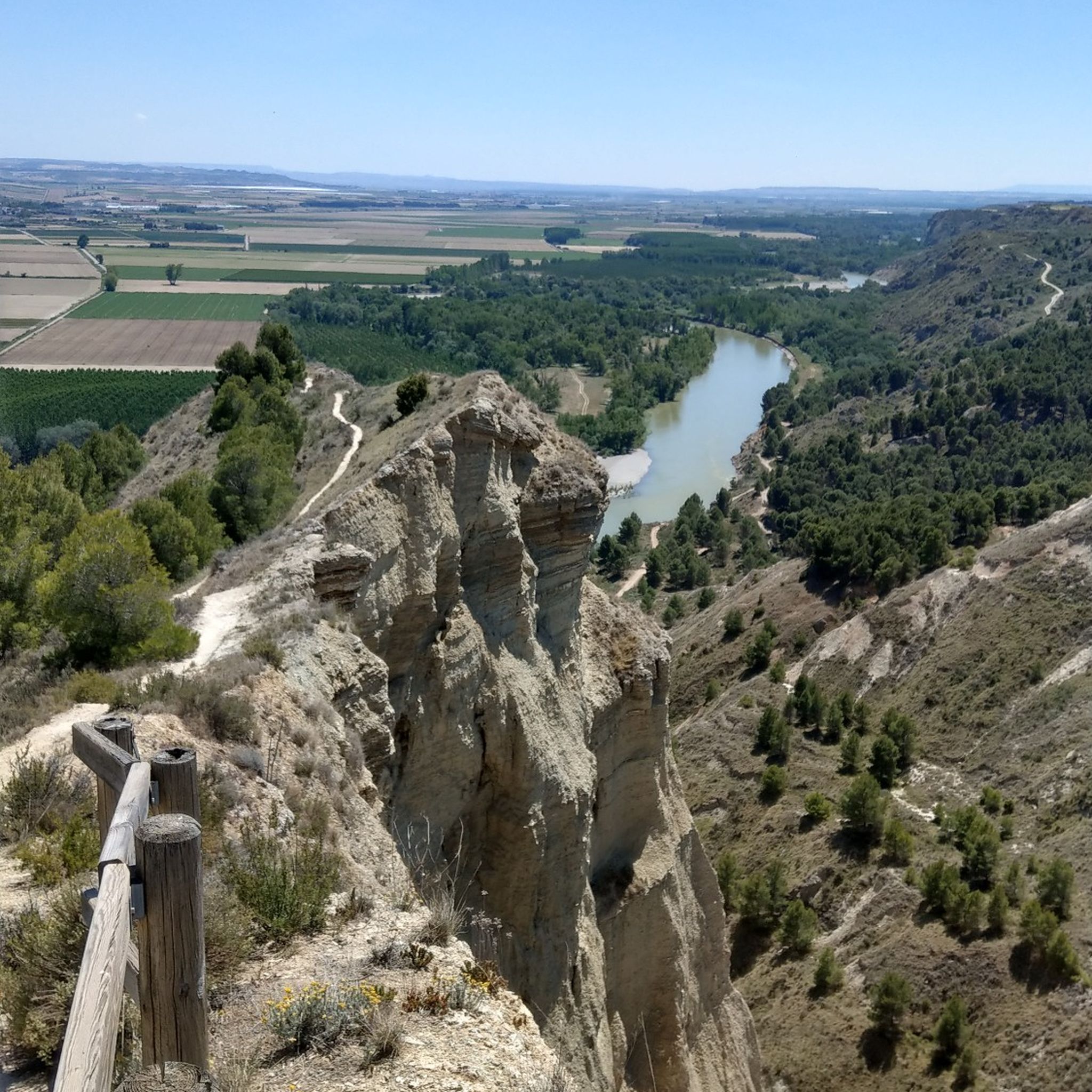
View of Barranco del Rey and the confluence of the Arga and Aragón rivers
Highlight • Viewpoint
With historic background, in 1076 the king of Navarra Sancho Garcés IV of Pamplona was killed when pushed off the cliff by his brother Ramón.
Tip by

Church of Saint Euphemia
Highlight • Religious Site
Showing Translation
Tip by

Roman City of Cara
Highlight • Historical Site
Translated by Google •
Tip by

Mirador de la Peña
Highlight • Viewpoint
Translated by Google •
Tip by

Rest area at the Santa Cruz hermitage
Highlight • Rest Area
Translated by Google •
Tip by

Views of Lerín
Highlight • Viewpoint
Translated by Google •
Tip by
Sign up for free to discover even more attractions around Ribera Alta Aragon.
Sign up for free
Already have an account?
Start today with a free account
Your next adventure awaits.
Login or Signup
Popular around Ribera Alta Aragon
Zazpiak Bat Packing – a cycling adventure in the Basque Country
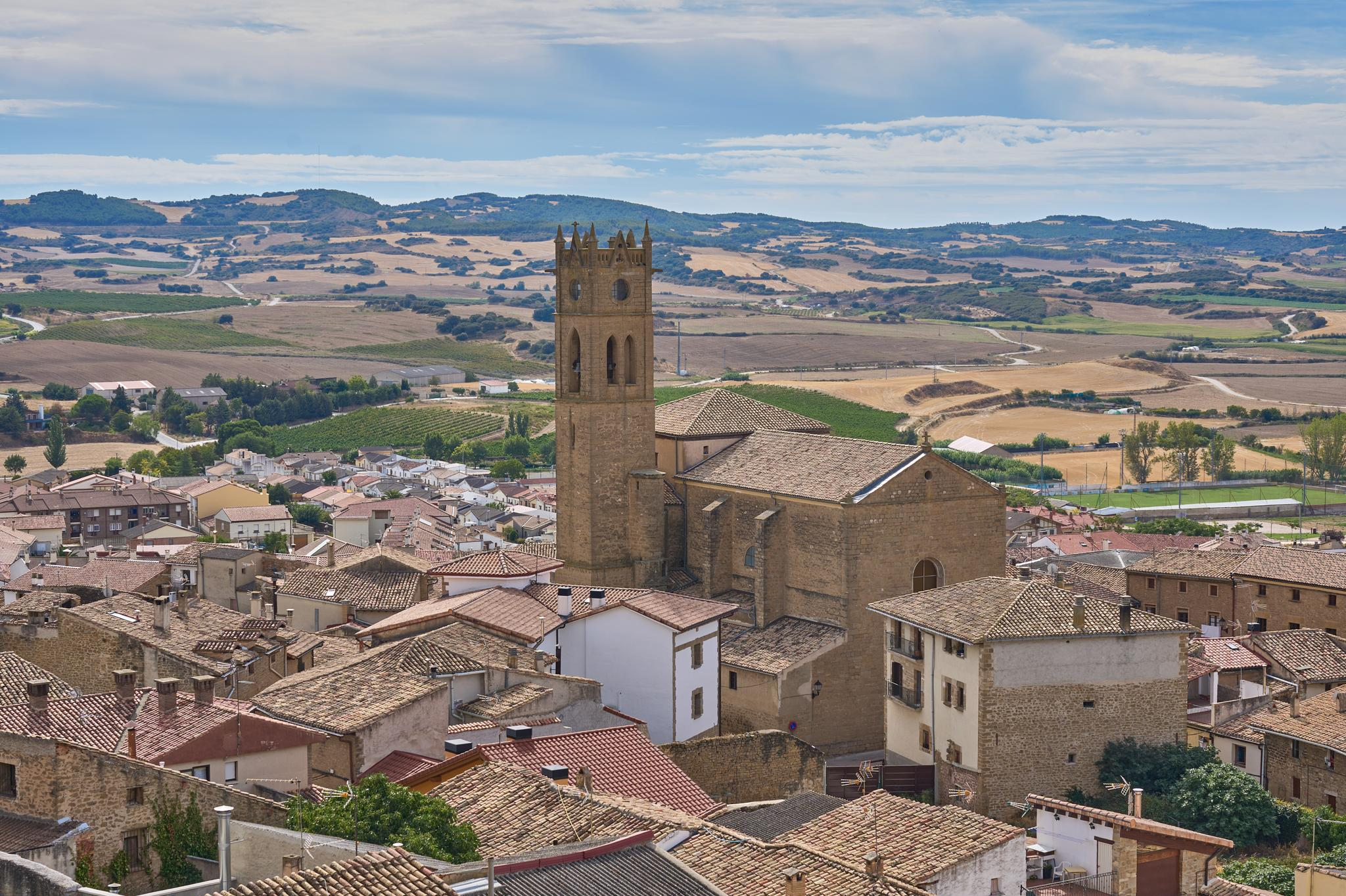
Path of the Templars — Path of the True Cross (GR 250)
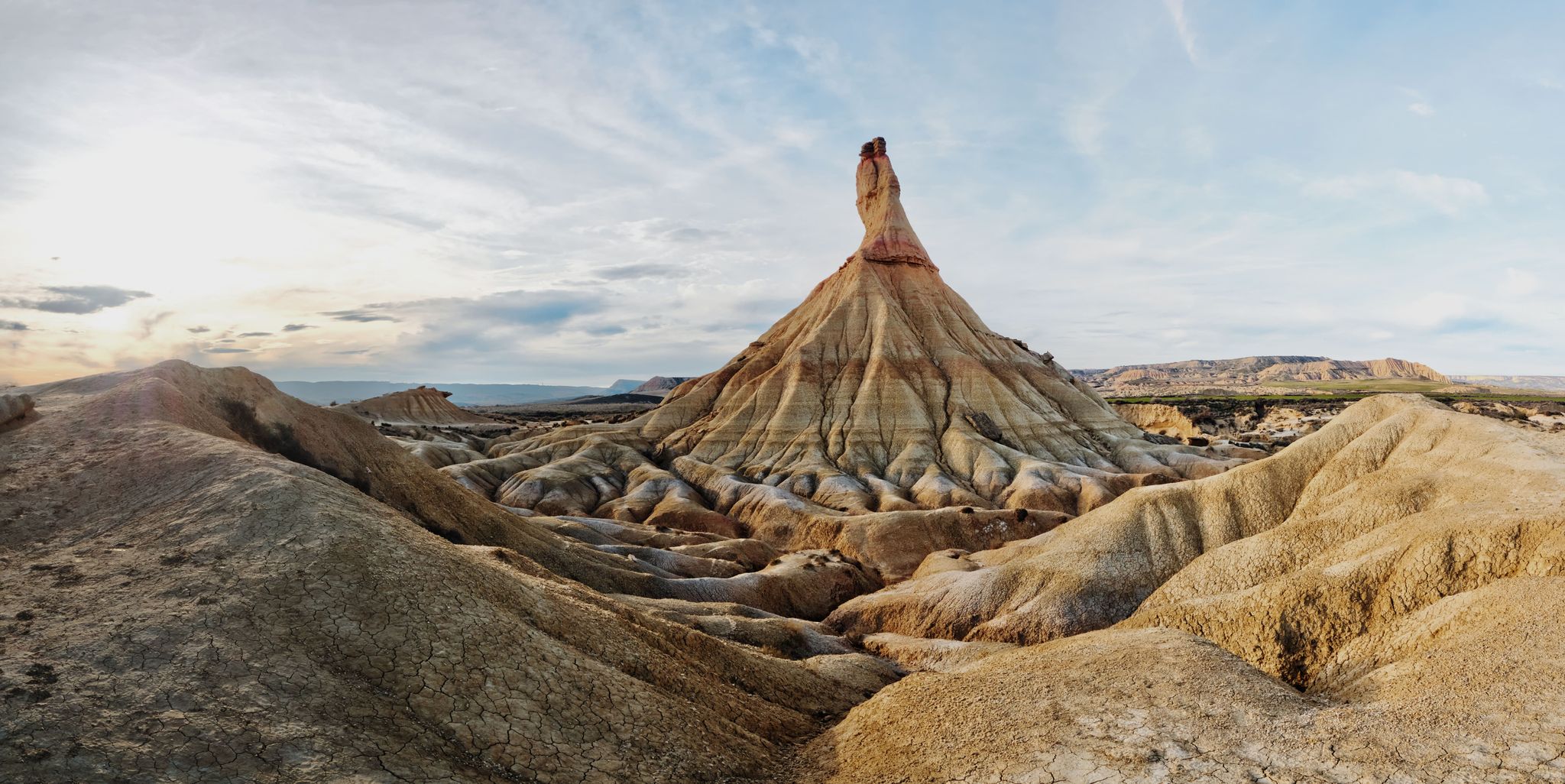
An extraterrestrial journey – Trans Bárdenas Reales
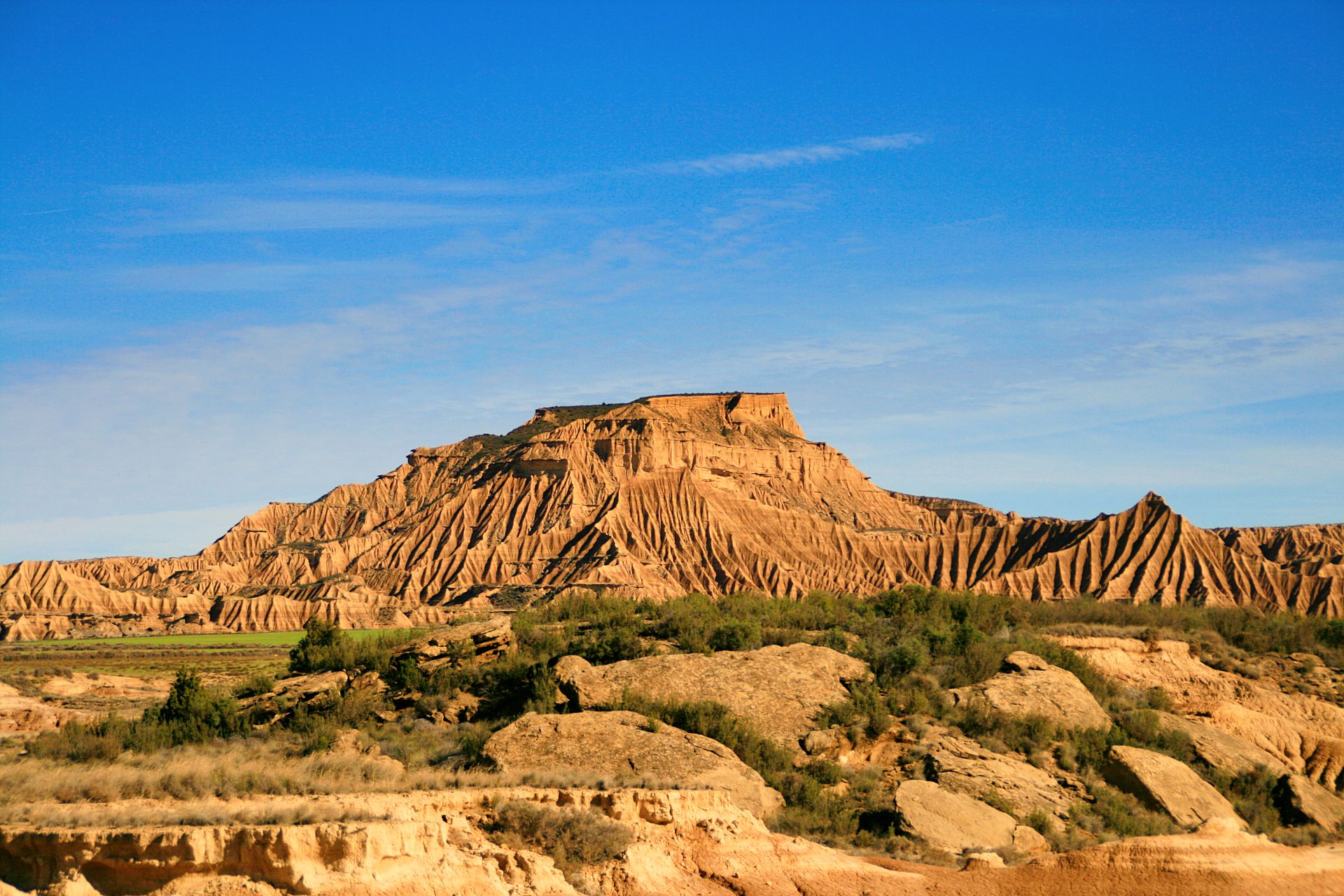
Spain’s Wild West – Sierra de Guara to the Bardenas
Hiking around Ribera Alta Aragon
MTB Trails around Ribera Alta Aragon
Cycling around Ribera Alta Aragon
Road Cycling Routes around Ribera Alta Aragon
Running Trails around Ribera Alta Aragon
Gravel biking around Ribera Alta Aragon
Other adventures around Ribera Alta Aragon


Tips from the Community

The Iglesia de Santa Eufemia in Villafranca (Navarra) is a particularly important example of Baroque church architecture in northern Spain. The church was built in the 18th century and is considered one of the most important Baroque buildings in Navarra. It was built partly on the remains of older (Gothic) predecessor buildings and therefore combines different construction phases. Characteristic is its floor plan in the form of a Latin cross with a single, spacious nave and side chapels. Inside, the baroque vaults with lunettes and a dome on so-called pendentives above the crossing are particularly impressive. La iglesia de Santa Eufemia en Villafranca (Navarra) is a particularly important example of Baroque architecture in northern Spain. Built in the 18th century, the church is considered one of the most important Baroque buildings in Navarra. It was built partly on the remains of earlier (Gothic) buildings, thus combining different construction phases. Its plan is characteristic: a Latin cross with a single, spacious nave and side chapels. Inside, the baroque vaults with lunettes and the dome on pendentives of the transept stand out.
0
0

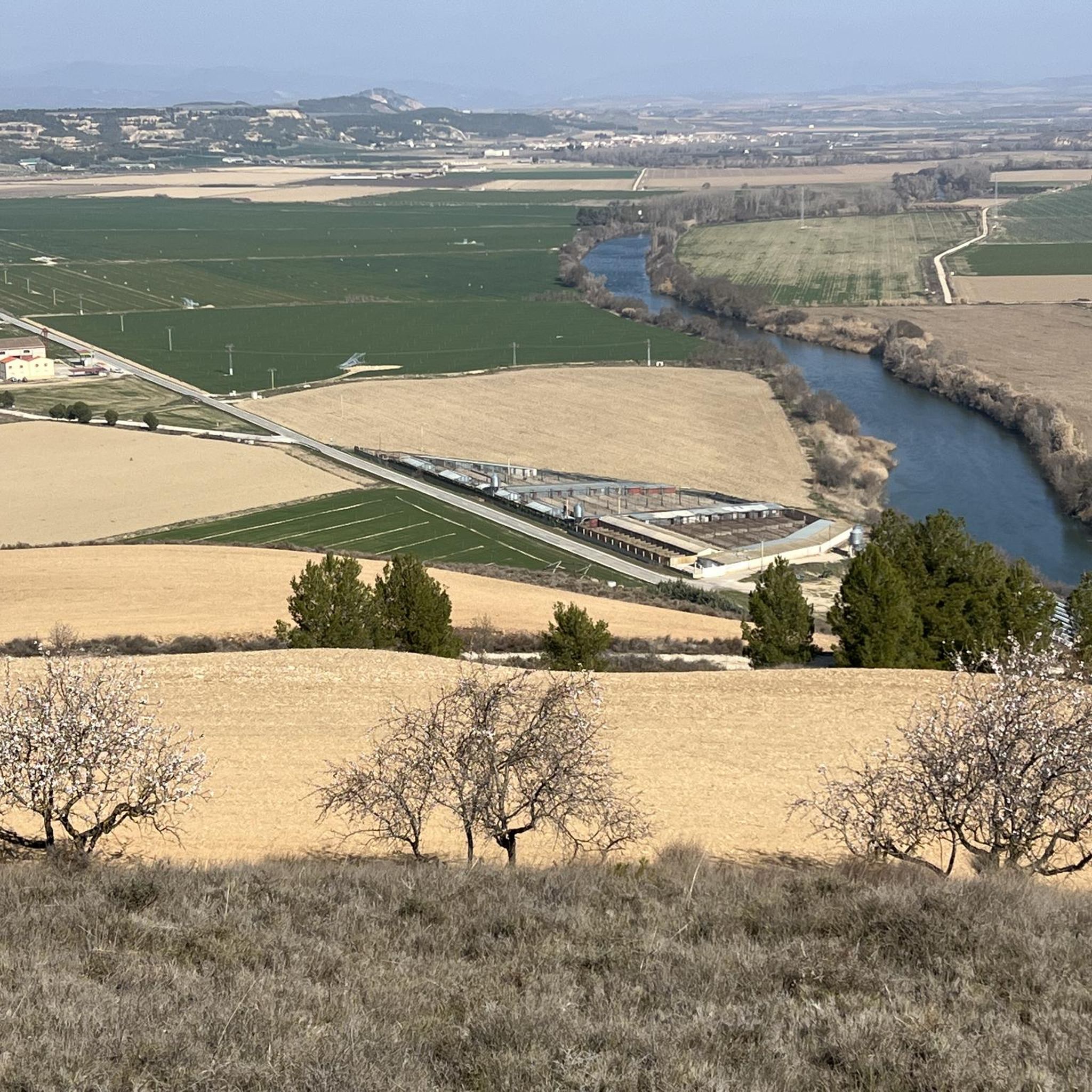
The Peñalén Ravine, also known as the King's Ravine, is a stunning natural spot located about 7 km from Funes, in the Ribera Alta region of Navarre. The viewpoint offers a vertical drop of approximately 392 m, where on clear days you can see the Bardenas Reales, Villafranca, Marcilla, and even the Pyrenees.
3
0
What to see and do Church of St. James the Apostle ("La Giraldilla") A 17th-century Renaissance building with a lookout tower and Baroque altarpieces by Vicente Berdusán. Peñalén Ravine (King's Ravine) A canyon with spectacular natural beauty and historical significance: the site of the death of Sancho IV. It offers circular routes (approximately 13 km), ideal for hiking or mountain biking. Mount Gurugú / Stations of the Cross – Hermitage of Our Lady of Portegado A route for pilgrims to a viewpoint with panoramic views, offering much-loved nighttime vistas. Roman Wineries along the Ebro River An archaeological site dating back to the 1st century BC, with four preserved wine presses, reflecting the region's winemaking tradition.
3
0
Funes is a destination with great diversity in a compact area. It offers history (Roman and medieval), stunning natural beauty (ravines, rivers, viewpoints), a unique winemaking heritage, and excellent hiking and biking trails without the need for long journeys. The contrast between the robust heritage and the serenity of the riverside landscape creates an immersive and authentic experience. Ideal for those seeking a blend of cultural and natural activities, whether as a couple, in a group, or alone.
3
0
It is located at Plaza de la Cava, 1, in the town center of Marcilla (Navarra), easily accessible and surrounded by bars and a children's playground. This 15th-century Gothic fortress was built of brick on a stone foundation by Mosén Pierres de Peralta, with material and financial support from Charles III the Noble. It served both as a defensive stronghold and as a palatial residence for the Marquesses of Falces, descendants of Peralta. In 1516, the Marchioness Ana de Velasco saved the castle from being demolished by order of Cardinal Cisneros.
5
0


It is worth going up to this site for the beautiful view. At the Mirador de la Peña, there is a sign that shows you the points of interest that can be seen from Lerín. Warning: the climb is leg-breaking, it is advisable to ride in low gears.
0
0

Nice town in Navarra, eclipsed by its neighbor Calahorra (from La Rioja).
1
0
Frequently Asked Questions
What historical landmarks can I visit in Ribera Alta Aragon?
The region is rich in history. A prominent landmark is Marcilla Castle, a 15th-century Gothic fortress with a fascinating past. You can also explore the Roman City of Cara, offering insights into ancient settlements. Nearby, the Royal Palace of Olite and Castillo de Marcilla are significant historical sites.
Are there any significant natural viewpoints in the Ribera Alta Aragon area?
Yes, the region offers several stunning viewpoints. The View of Barranco del Rey and the confluence of the Arga and Aragón rivers provides panoramic views and holds historical significance. Another notable spot is the Peñalén Gorge, also known as the King's Ravine, which offers a dramatic vertical drop and views towards the Bardenas Reales and even the Pyrenees on clear days. You can also find the Mirador de la Peña for more scenic vistas.
What kind of outdoor activities are available around Ribera Alta Aragon?
Ribera Alta Aragon is well-suited for outdoor enthusiasts. You can enjoy hiking, cycling, and gravel biking. The Ebro Nature Trail (GR 99) passes through the area, and there are various routes along river paths. Water sports like kitesurfing, canoeing, and kayaking are popular in the broader Ribera Alta del Ebro area, and the Mequinenza Reservoir offers opportunities for skiing, jet skiing, and fishing.
Are there family-friendly attractions in Ribera Alta Aragon?
Many attractions in the region are suitable for families. Settlements like San Adrián and Funes offer pleasant environments for walks. The Marcilla Castle is a great historical site for all ages, and the rest area at the Santa Cruz hermitage provides a nice stop. Nearby, Cidacos Park in Calahorra offers green spaces, and Tierra Rapaz is an attraction that might appeal to children.
Where can I explore Roman history in the region?
You can delve into Roman history at the Roman City of Cara. Additionally, the broader Archaeological Heritage of La Ribera includes various Roman remains, such as those found in l'Énova. The picturesque bridge over the Arga River in Peralta is also believed to date from Roman times.
Can I go cycling or gravel biking in Ribera Alta Aragon?
Absolutely! Ribera Alta Aragon is a great destination for cycling. There are numerous routes for road cycling, gravel biking, and general touring. You can find detailed guides for Road Cycling Routes, Gravel Biking, and Cycling around the region, including routes like the 'Camí de la Taronja' and the Ebro Nature Trail (GR 99).
What cultural sites are there beyond castles and Roman ruins?
Beyond castles and Roman sites, you can visit the La Oliva Monastery (Monasterioa) and the Catedral de Santa Maria in Calahorra, which are significant religious landmarks. The Romanesque Church of San Adrián de Sasabe in the River Aragón valley is also considered an important, lesser-known monument. The region also boasts a rich archaeological heritage with Arab towers, hermitages, and medieval walls, many protected as Assets of Cultural Interest.
What do visitors particularly enjoy about the attractions in Ribera Alta Aragon?
Visitors appreciate the blend of history and natural beauty. The well-preserved Marcilla Castle with its rich history is a highlight. The scenic views from the confluence of the Arga and Aragón rivers are highly praised, offering a beautiful natural setting with historical context. Many also enjoy the peaceful nature walks along the GR99 near settlements like San Adrián.
Are there any specific hiking trails recommended in Ribera Alta Aragon?
Yes, the region is excellent for hiking. The Ebro Nature Trail (GR 99) offers opportunities for nature walks, particularly alongside the river near San Adrián. There's also a signposted 13km circular route to cross the Peñalén Ravine by bike, which can also be explored on foot. The Mirador de Larrate Trail near Presa de Carcastillo provides moderate hiking with panoramic views.
What are some lesser-known or 'hidden gem' attractions in Ribera Alta Aragon?
The Romanesque Church of San Adrián de Sasabe, located in the River Aragón valley, is considered one of the most important, yet lesser-known, monuments in the area. The 'Torres de la Ribera' collection, featuring buildings from the 9th to the 13th century, and the 'Hermitages of La Ribera' also offer unique historical and architectural insights off the main tourist path.
Is it possible to do water sports or wild swimming in the Ribera Alta Aragon region?
While specific wild swimming spots are not detailed, the broader Ribera Alta del Ebro area is known for water sports such as kitesurfing, canoeing, and kayaking. The Mequinenza Reservoir, often called the 'Sea of Aragon,' offers opportunities for jet skiing, canoeing, fishing, and bathing on its beaches, providing options for water-based activities.
What is the best time of year to visit Ribera Alta Aragon for outdoor activities?
The region's climate generally makes spring and autumn ideal for outdoor activities like hiking and cycling, offering pleasant temperatures. Summers can be hot, especially for strenuous activities, while winters are milder but may have cooler temperatures suitable for some outdoor exploration.
Most popular routes around Ribera Alta Aragon

Get inspired with the komoot mobile app


Didn’t find what you were looking for?
Are you keen on exploring more awesome places nearby? Browse our guides:
Explore more
Still not found the Highlight you’re looking for? See guides of the top attractions in other regions:
