Attractions and Places To See around Campiña - Top 20
Attractions and places to see around Campiña encompass a countryside region characterized by its historical sites, traditional settlements, and natural features. This area offers a blend of cultural heritage and outdoor exploration opportunities. It features ancient structures, river crossings, and dedicated trails for various activities. The region provides insights into historical development and access to natural landscapes.
Best attractions and places to see around Campiña
- The most popular attractions is Goyeneche Palace of Nuevo Baztán, a historical site located…
Last updated: July 6, 2026
Goyeneche Palace of Nuevo Baztán
Highlight • Historical Site
Translated by Google •
Tip by

Town Gate of Talamanca de Jarama
Highlight • Historical Site
Translated by Google •
Tip by

Sign up now to discover places like this
Get recommendations on the best single tracks, peaks, & plenty of other exciting outdoor places.
Sign up for free
Ruins of Alcalá la Vieja Fortress
Highlight • Historical Site
Translated by Google •
Tip by

Suspension Bridge Over the Jarama River
Highlight • Bridge
Translated by Google •
Tip by

Cervantes Square
Highlight • Historical Site
Translated by Google •
Tip by
Valmores Fountain
Highlight • Monument
Translated by Google •
Tip by

Plaza de la Constitución, Valdetorres del Jarama
Highlight • Settlement
Translated by Google •
Tip by
Puente Azul
Highlight • Bridge
Translated by Google •
Tip by

Tajuña Greenway Section
Highlight (Segment) • Cycleway
Translated by Google •
Tip by

Fuente Grande de Corpa
Highlight • Natural Monument
Translated by Google •
Tip by

Sign up for free to discover even more attractions around Campiña.
Sign up for free
Already have an account?
Start today with a free account
Your next adventure awaits.
Login or Signup
Popular around Campiña
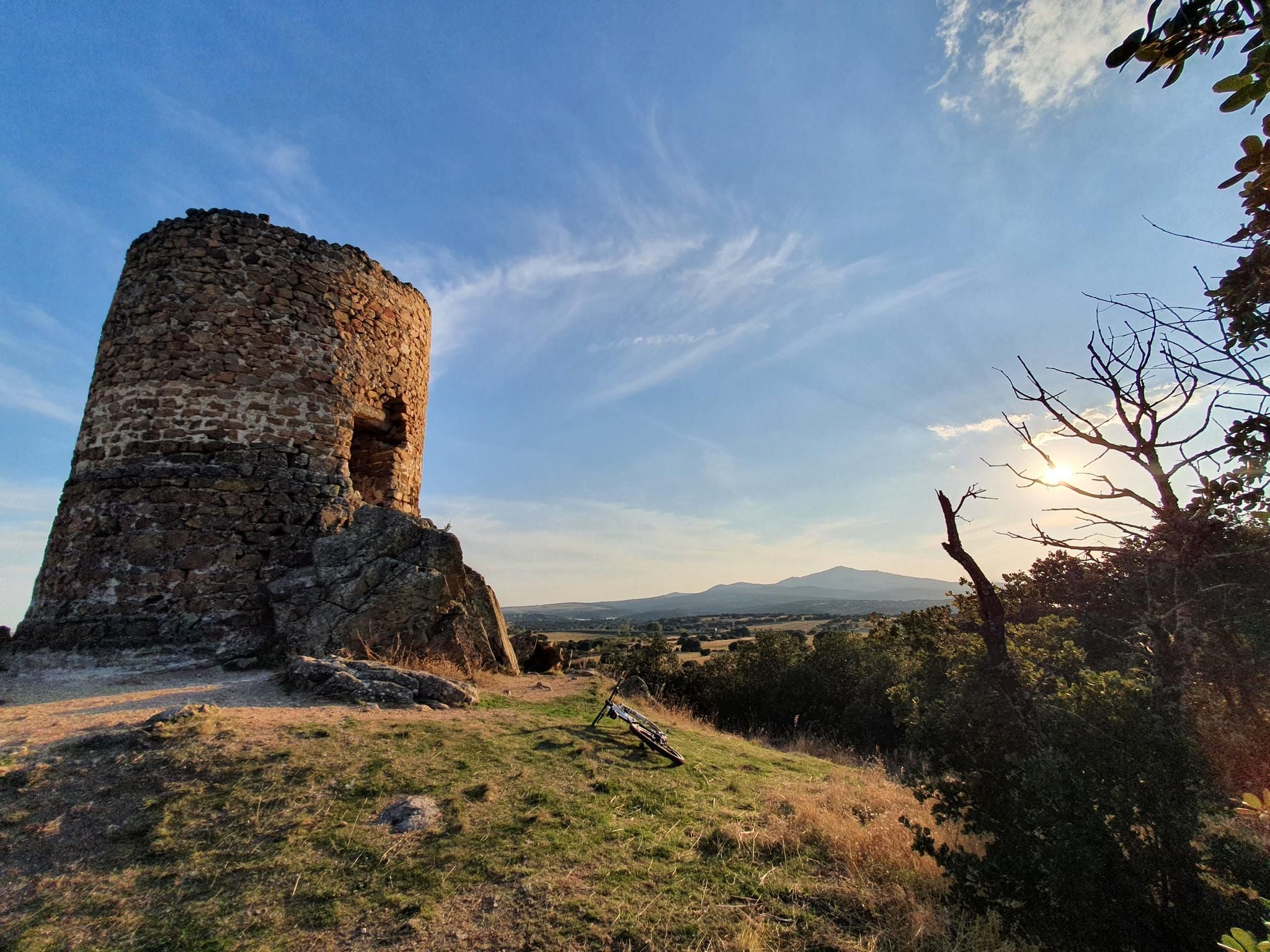
Along the paths of Marca Media — Route of the watchtowers of Madrid
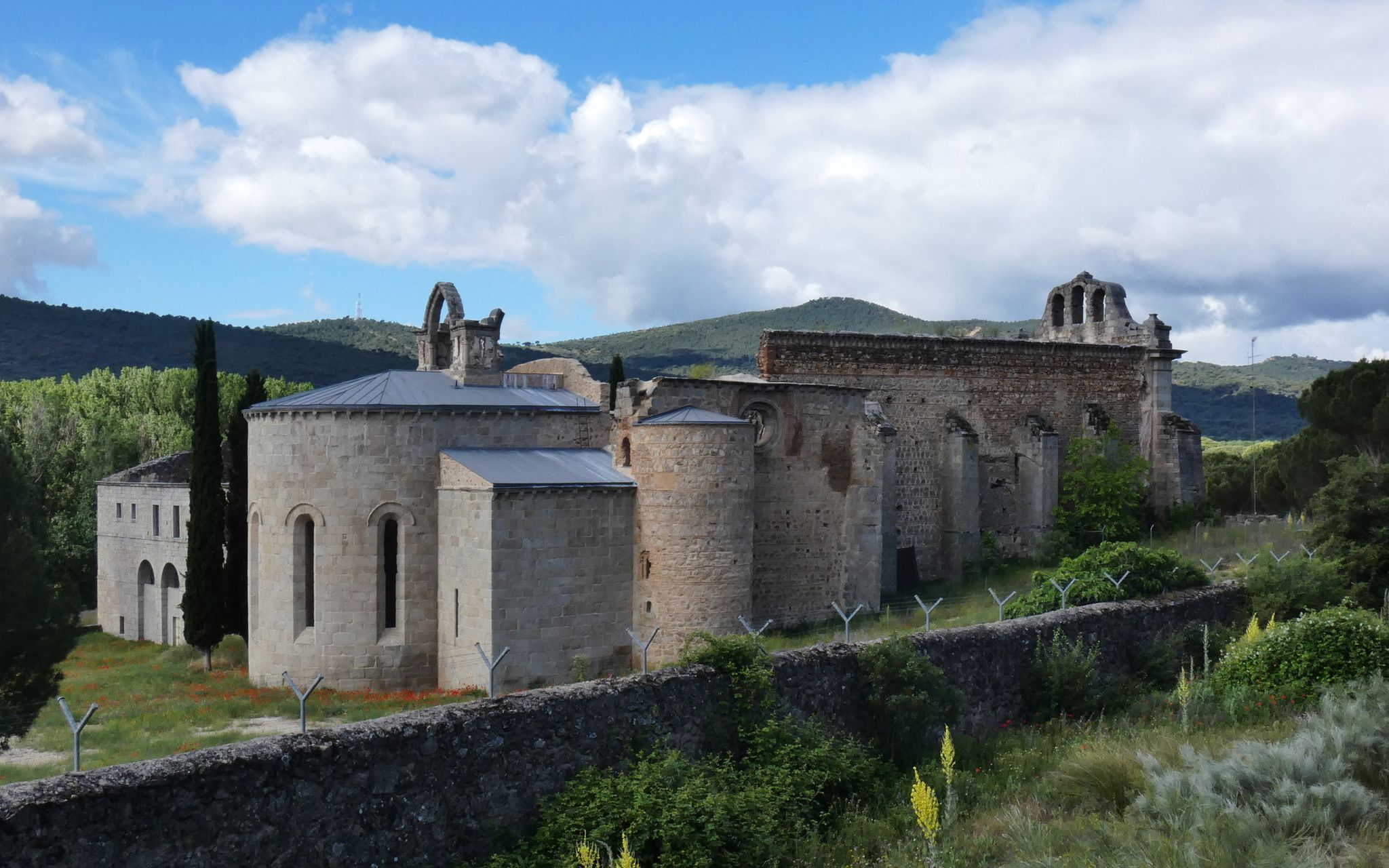
Madrid’s mediaeval castles and hidden gems by gravel bike
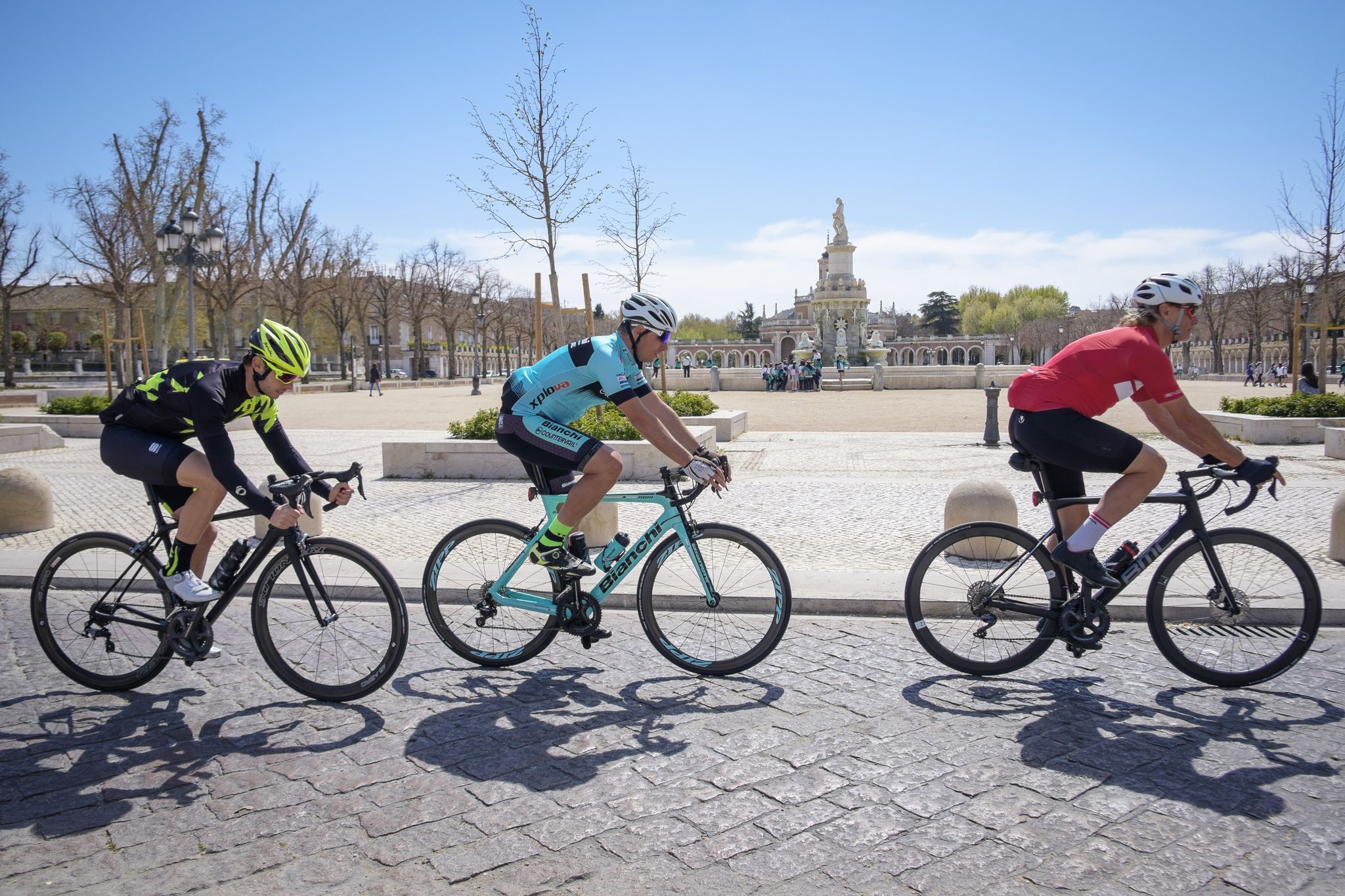
Ports, countryside and rivers – Tour of Madrid by road bike
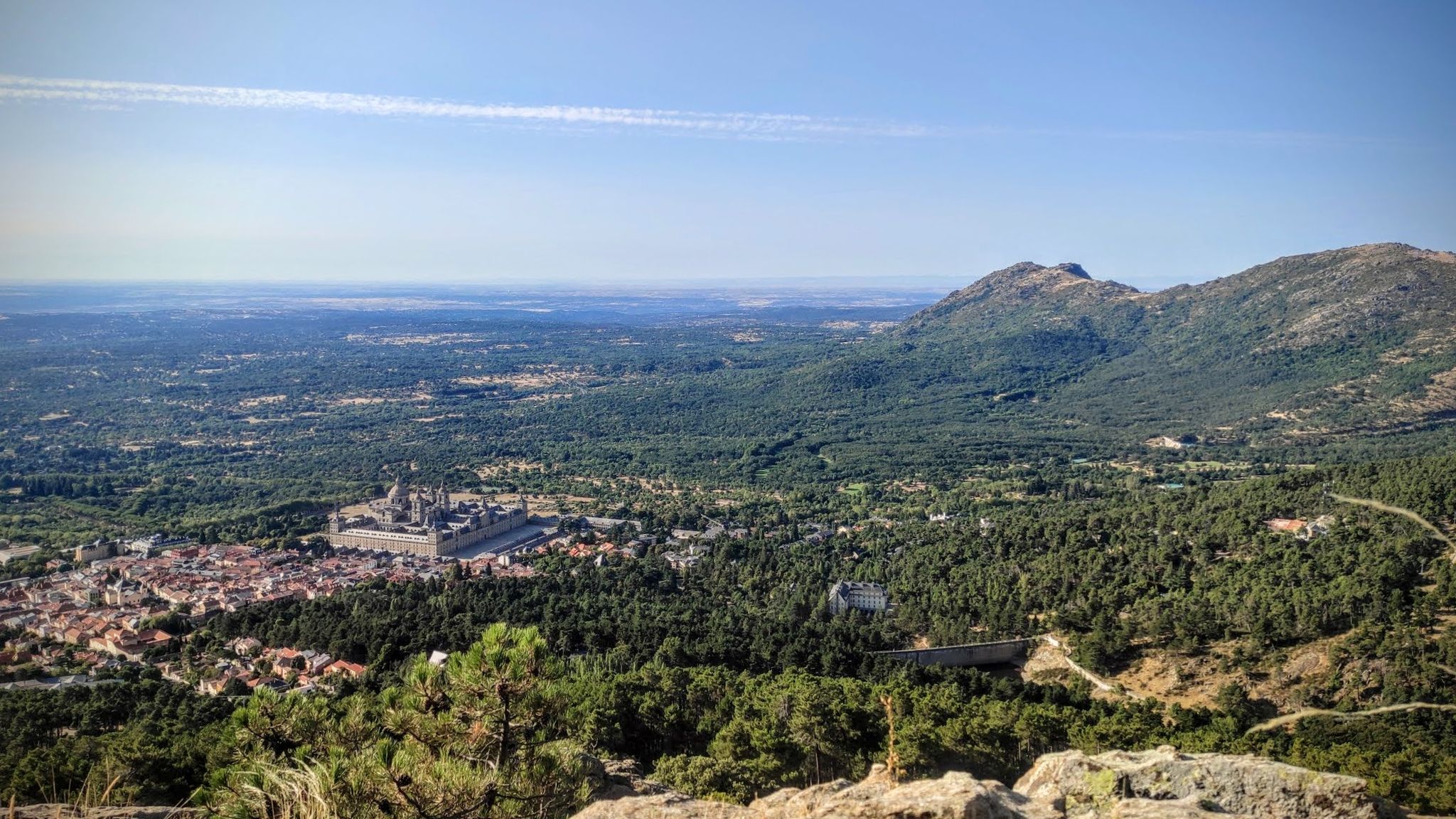
Sierras, countryside, reservoirs and history – Tour of Madrid gravel
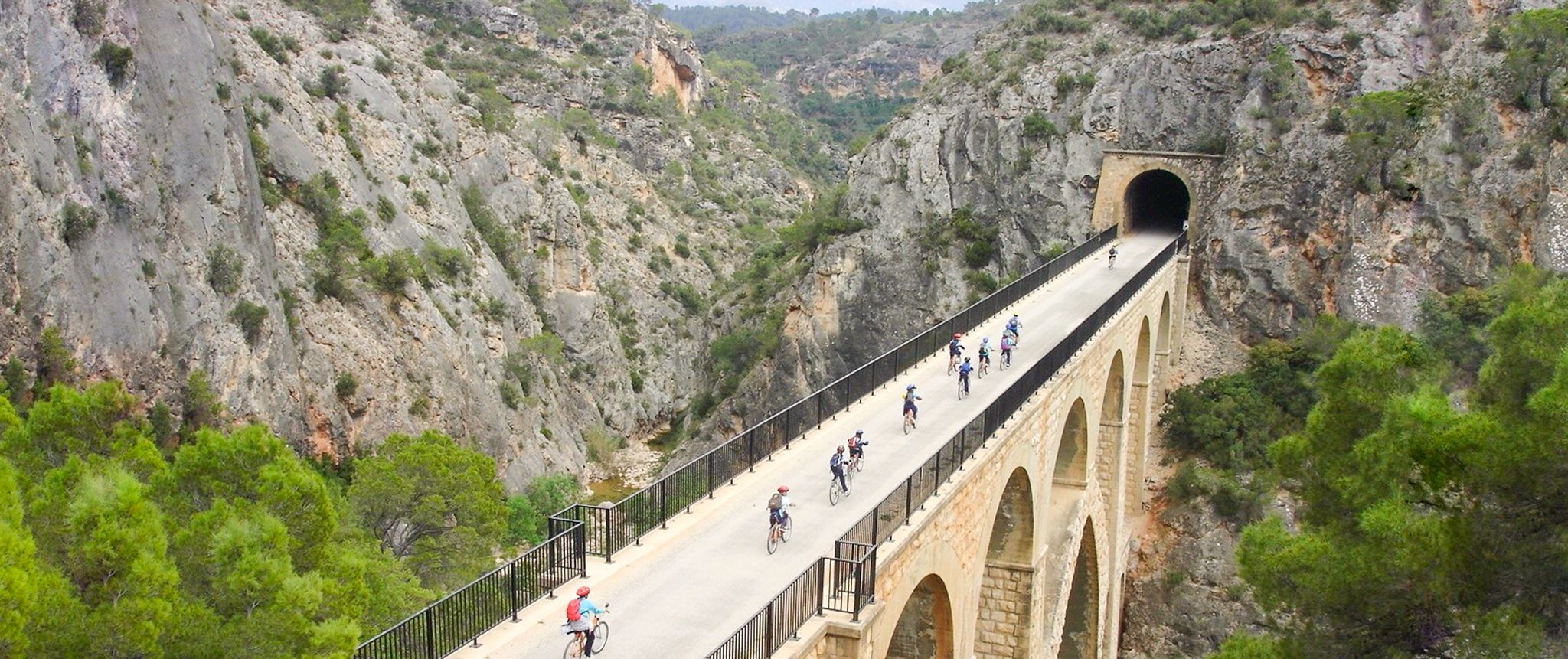
Vías Verdes – traffic-free cycling along railway history in Spain
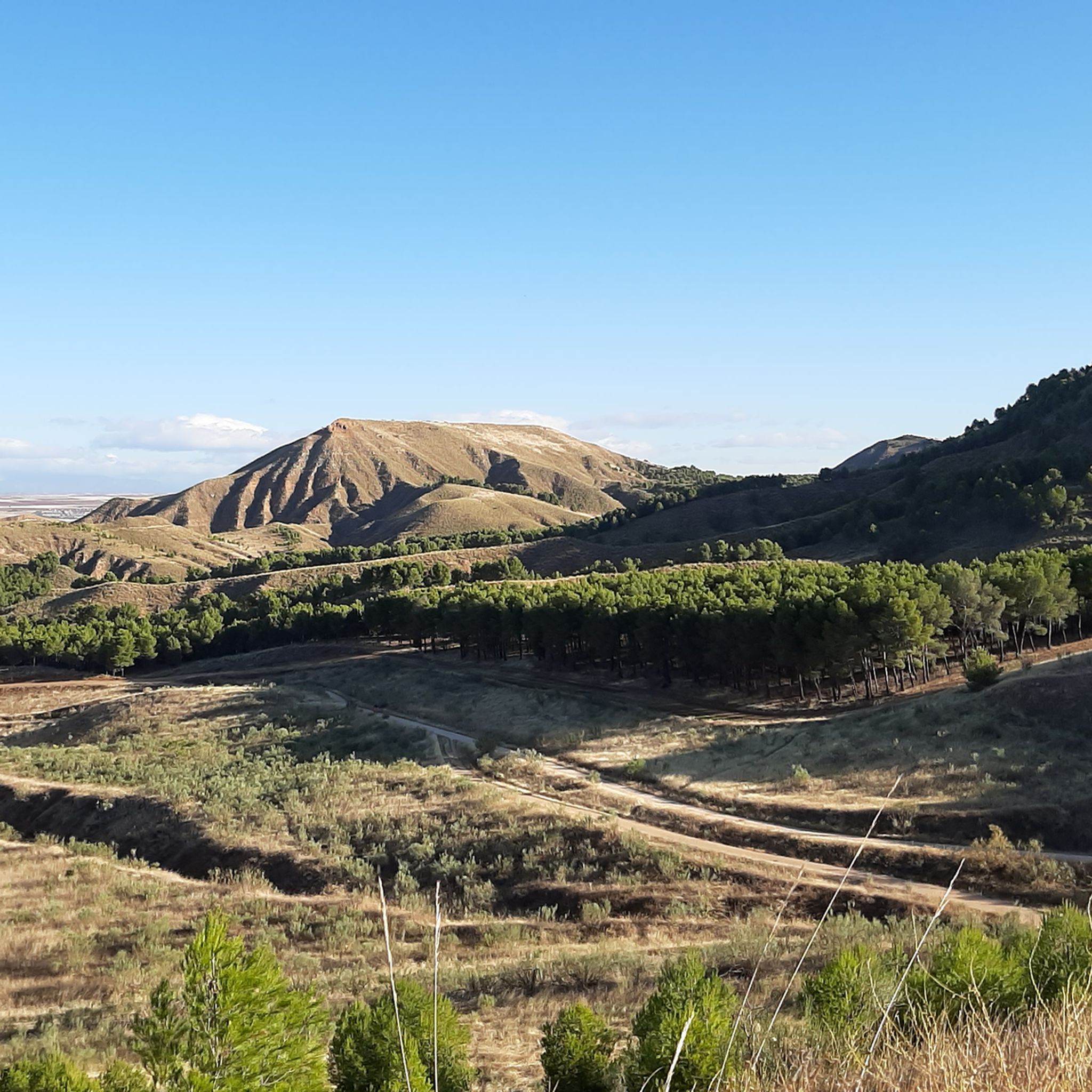
Hiking around Campiña
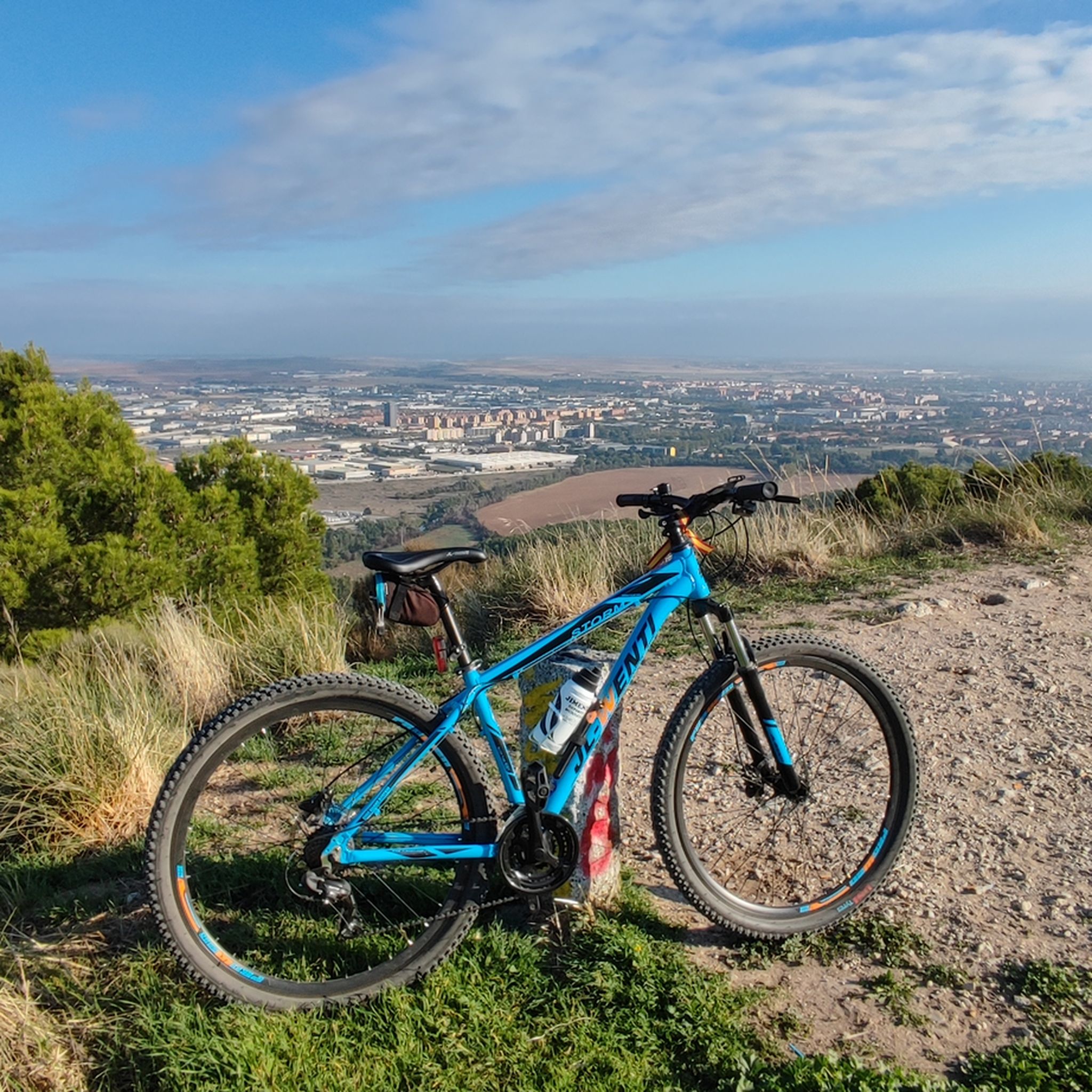
MTB Trails around Campiña
Road Cycling Routes around Campiña
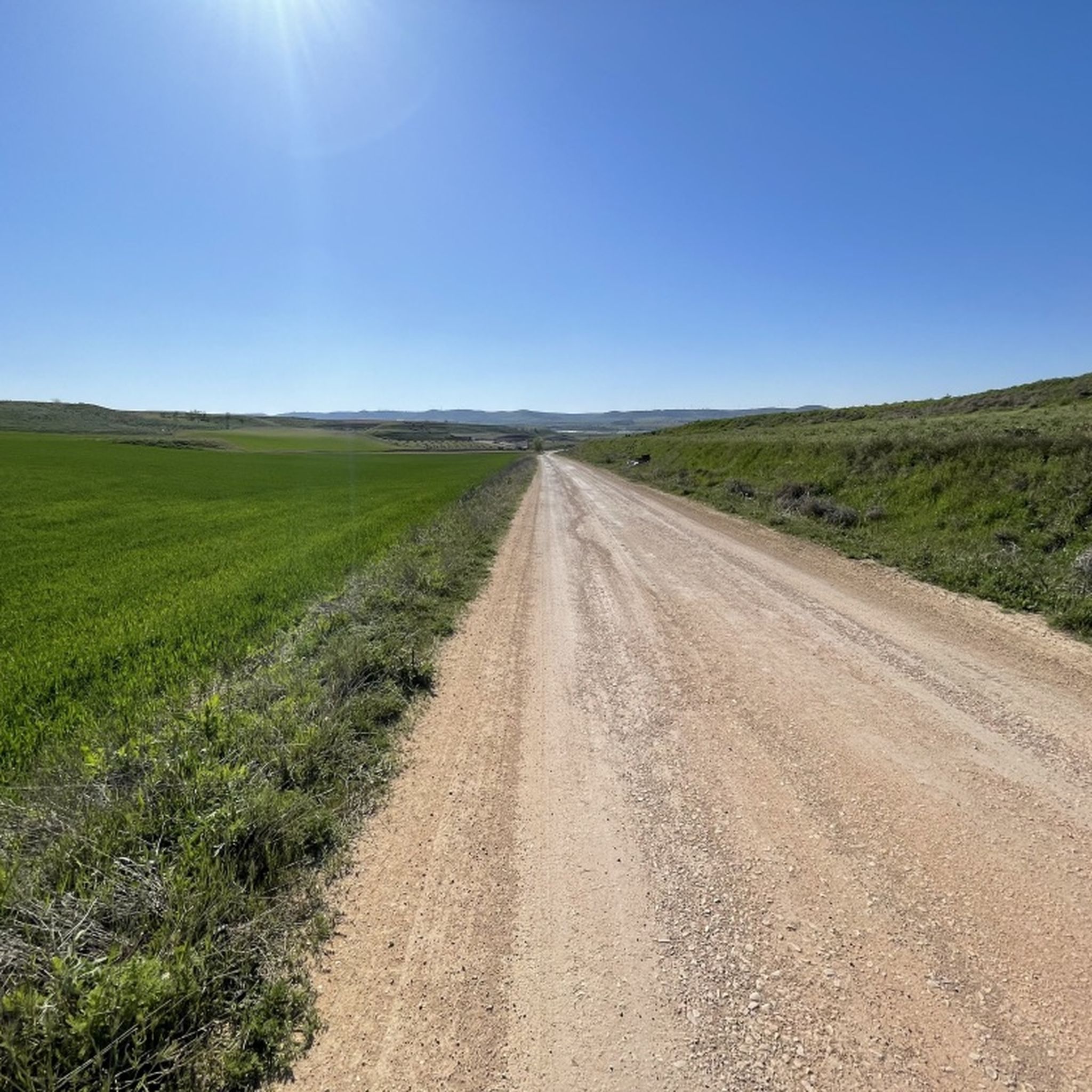
Cycling around Campiña
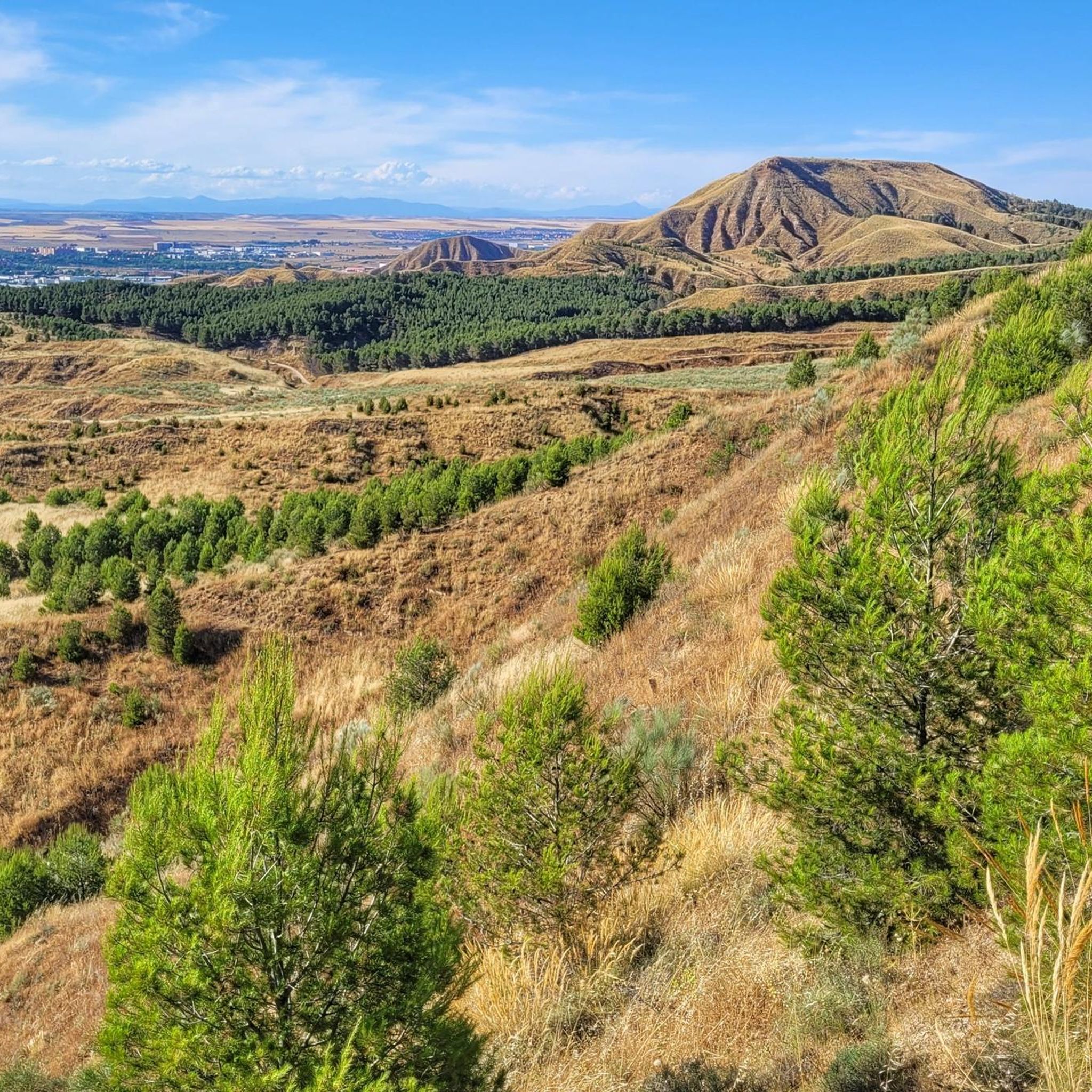
Running Trails around Campiña
Other adventures around Campiña


Tips from the Community

The historic center of Talamanca de Jarama is one of the most interesting medieval ensembles in the Community of Madrid, boasting a rich heritage and a history dating back to the Iron Age. It is associated with the ancient Roman city of Armántica and later became a fortified medina founded by Emir Muhammad I in 852 to protect the Jarama River route. Muslim period: It reached its peak as a military and cultural center, with walls and a Koranic school. Reconquest: In 1085, it fell into Christian hands and became an important commercial center under the Archbishopric of Toledo. Later centuries: It preserves Roman, Visigothic, Arab, and Christian traces, giving it a unique character.
17
0
It forms part of a circular hiking route starting from the center of Talamanca, passing through several historical and natural sites. Features: It is a simple pedestrian suspension bridge that crosses the Jarama River in a natural setting. It is located approximately 6.3 km from the start of the route in the town.
13
0
It is located in the center of the municipality, near the Church of the Nativity of Our Lady, which is the main religious monument of the town.
3
0
The Market Square in Valdetorres de Jarama is one of the most emblematic spaces in the town center, where commercial and social activities have traditionally taken place. Although it is not a large permanent market, its name refers to its historical function as a meeting point for the exchange of agricultural and livestock products, closely linked to the local economy.
3
0

Super cool water to replenish your strength
0
0
The Puerta de la Tostonera, also known as the Puerta de la Villa, is a historic gate located in Talamanca del Jarama, in the Community of Madrid. This gate preserves a relief of the Virgin and Child at its top, as well as another relief that appears to date back to the 14th century. The Puerta de la Tostonera is one of the many points of interest in Talamanca del Jarama, along with the Roman Bridge, the Church of San Juan Bautista, and the Bodega del Arrabal. The town is known for its rich history and its connection to Spanish cinema, having been the setting for numerous films and series.
21
0


The Valmores watering hole was restored in 2022, recovering an essential piece in the ethnographic heritage of Pezuela de las Torres. The first references to the fountain appear in the Topographic Relations of 1578. In 1735, reforms and improvements were made to the original spring, making it essential in the daily life of the countryside. The construction has a functional design to water livestock at a crossroads of the Alcarreño moor with trees and benches to take a break.
0
0
Frequently Asked Questions
What historical sites can I explore in Campiña?
The Campiña region offers a rich historical tapestry. You can visit the Goyeneche Palace of Nuevo Baztán, a 17th-century Renaissance palace in a town recognized as one of "The Most Beautiful Towns in Spain." Another significant site is the Town Gate of Talamanca de Jarama, a 14th-century gate in a town with Roman, Visigothic, Arab, and Christian traces. Don't miss the Ruins of Alcalá la Vieja Fortress, offering insights into ancient history, and Cervantes Square, a historical settlement.
Are there opportunities for cycling or greenways in Campiña?
Yes, Campiña is known for its cycle ways. A popular option is the Tajuña Greenway Section, which follows an old railway line through olive groves and cultivated fields, passing old stations. Another notable spot is Puente Azul, a bridge that is part of a cycle path.
What hiking trails are available around Campiña?
For hiking enthusiasts, Campiña offers several trails. You can explore routes like "Alcalá La Vieja y cima del Ecce-Homo – circular por el Parque Natural Los Cerros" or "Ascent to Ecce Homo — round trip from Alcalá de Henares." There's also the "Ruta de la Puerta Verde — Parque de los Cerros de Alcalá circular." Find more details and routes on the Hiking around Campiña guide.
What family-friendly attractions are there in Campiña?
Many attractions in Campiña are suitable for families. The Goyeneche Palace of Nuevo Baztán and the Town Gate of Talamanca de Jarama are historical sites that can be enjoyed by all ages. The Tajuña Greenway Section is also family-friendly, perfect for leisurely walks or bike rides. Additionally, the Roman bridge and Cervantes Square are great spots for a family outing.
Are there any wheelchair-accessible attractions in Campiña?
Yes, Cervantes Square is noted as wheelchair accessible, offering an inclusive experience for visitors.
What do visitors particularly enjoy about the attractions in Campiña?
Visitors appreciate the blend of cultural heritage and outdoor exploration. The historical sites, such as the Goyeneche Palace, are highly rated for their beauty and historical significance. The greenways, like the Tajuña Greenway, are popular for their comfortable routes and scenic views, especially during the almond blossom season. The community has shared over 30 photos and given more than 70 upvotes, highlighting the region's appeal.
Can I find places for running or gravel biking in Campiña?
Absolutely. For running, you can find trails like "Ecce-Homo Trail" or "Molino Borgoñón loop from Urbanización Santos Niños." Gravel biking routes include "View of Alcalá de Henares – View from Cerro de El Viso loop from Urbanización El Viso" and "Bridge over the Jarama River – Ford of the Jarama River loop from Algete." More routes are available in the Running Trails around Campiña and Gravel biking around Campiña guides.
Are there any scenic bridges or river crossings to see?
Yes, the region features several interesting bridges. The Suspension Bridge Over the Jarama River offers scenic views. You can also visit the Roman bridge, a structure of Roman origin that has been remodeled over time and is part of a recreational area. The Puente Azul is another notable bridge, recently restored and habilitated as a cycle path.
What is the best time of year to visit Campiña for outdoor activities?
While Campiña can be enjoyed year-round, visiting in February is particularly recommended for the Tajuña Greenway Section due to the beautiful flowering of almond trees. Spring and autumn generally offer pleasant temperatures for hiking, cycling, and exploring historical sites.
Where can I find traditional settlements or town squares?
The region is home to several traditional settlements. Nuevo Baztán, with its Goyeneche Palace, is a prime example of an industrial-origin town from the 17th century. Talamanca de Jarama boasts a rich medieval heritage. You can also visit Plaza de la Constitución in Valdetorres del Jarama, a charming town square.
Are there any unique cultural experiences in Campiña?
Campiña offers unique cultural experiences through its historical sites. The Goyeneche Palace of Nuevo Baztán provides a glimpse into 17th-century Renaissance architecture and industrial history. Talamanca de Jarama is particularly rich, preserving Roman, Visigothic, Arab, and Christian traces, and has even served as a location for numerous films and television series, adding a cinematic layer to its historical charm.
Most popular routes around Campiña
Most popular attractions around Campiña

Get inspired with the komoot mobile app


Didn’t find what you were looking for?
Are you keen on exploring more awesome places nearby? Browse our guides:
Explore more
Still not found the Highlight you’re looking for? See guides of the top attractions in other regions:
