The best cycling routes around Badajoz
3.8
(6)
279
riders
50
rides
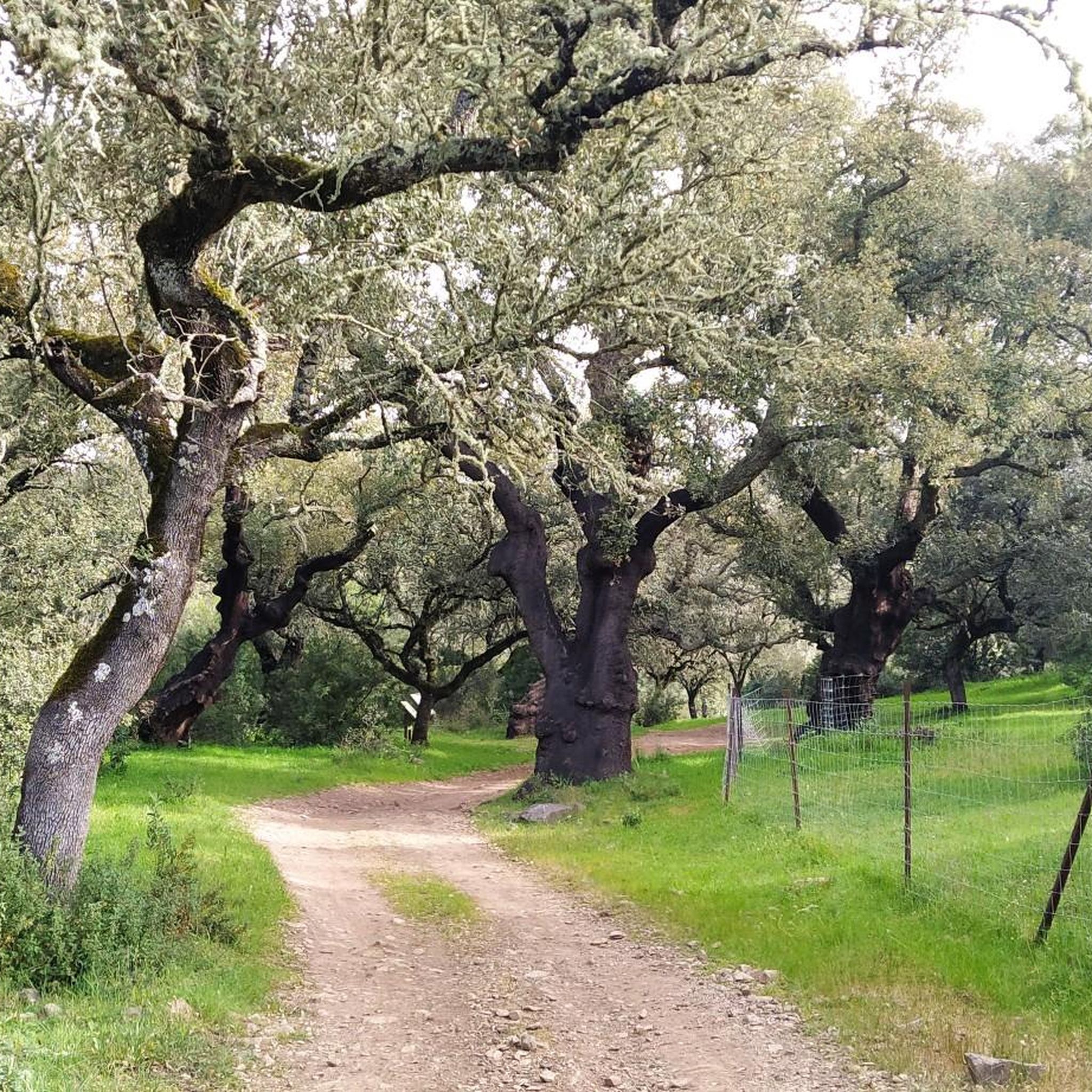
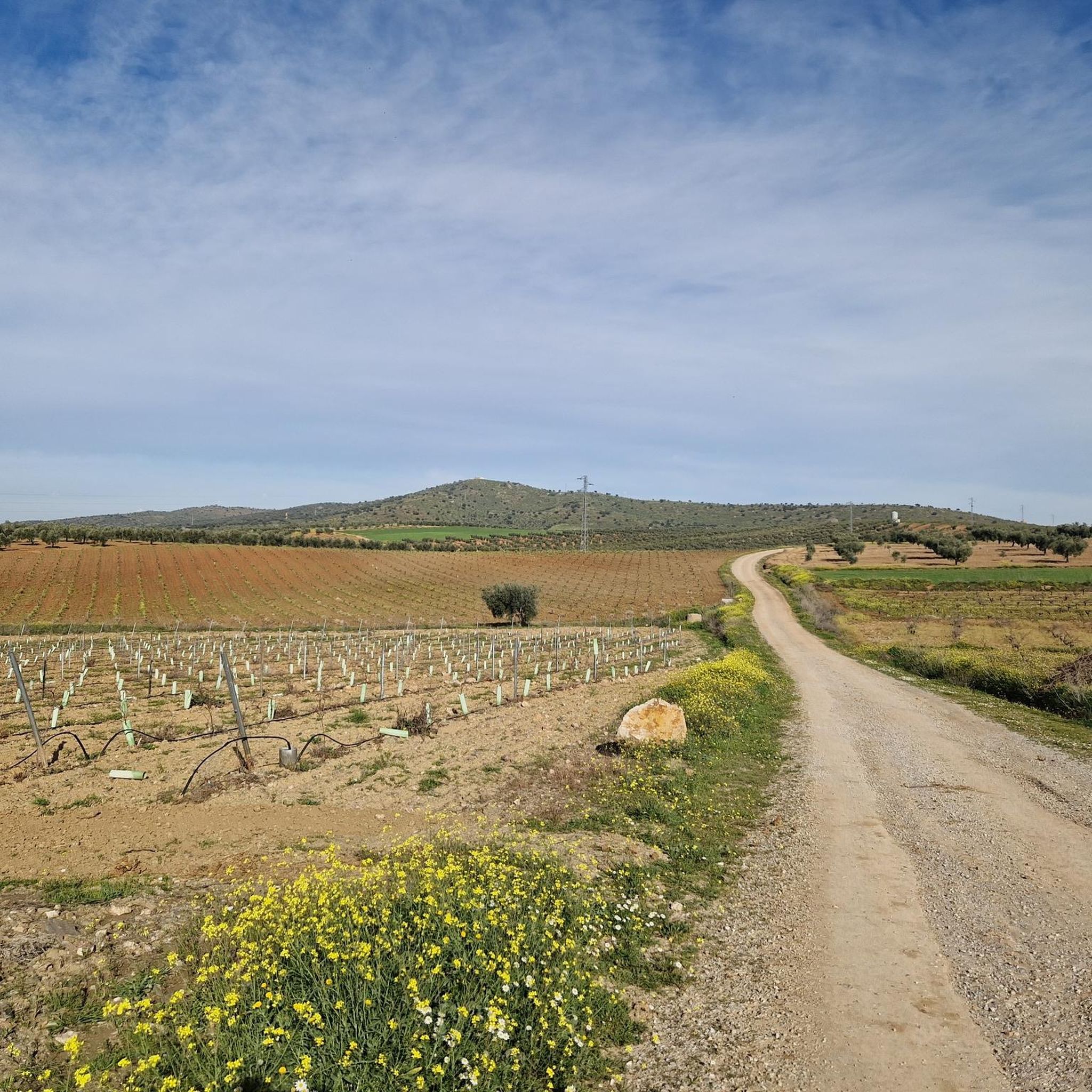
Touring cycling routes around Badajoz traverse a diverse landscape in western Spain, characterized by sprawling plains, rolling hills, and river valleys. The region features extensive *dehesa* woodlands of holm and cork oaks, particularly in areas like Olivenza. The Guadiana and Zújar rivers are central to the natural environment, offering scenic routes alongside water bodies such as the Great Lake of Alqueva. This varied terrain provides options for different cycling preferences, from gentle paths to more challenging ascents.
Best touring cycling…
Last updated: October 28, 2026
5.0
(1)
52
riders
44.7km
03:52
110m
110m
Moderate bike ride. Good fitness required. Mostly paved surfaces.
15
riders
41.5km
02:59
150m
150m
Moderate bike ride. Good fitness required. Mostly paved surfaces.

5
riders
89.8km
05:26
310m
310m
Hard bike ride. Very good fitness required. Mostly paved surfaces.
7
riders
29.2km
02:59
740m
740m
Hard bike ride. Very good fitness required. Mostly paved surfaces.
4
riders
41.0km
03:30
720m
730m
Hard bike ride. Very good fitness required. Mostly paved surfaces.
5
riders
79.2km
05:05
1,080m
1,080m
Hard bike ride. Very good fitness required. Mostly paved surfaces.
3
riders
20.1km
01:45
190m
190m
Moderate bike ride. Good fitness required. Mostly paved surfaces.
7
riders
52.9km
04:06
270m
270m
Moderate bike ride. Good fitness required. Mostly paved surfaces.
5.0
(1)
4
riders
44.2km
03:55
280m
270m
Moderate bike ride. Good fitness required. Mostly paved surfaces.
5
riders
Easy bike ride. Mostly paved surfaces.
Get access to more routes and recommendations from other explorers.
Already have an account?
Our route recommendations are based on thousands of hikes, rides, and runs completed by other people on komoot.





Tips from the Community

The Statue of King Alfonso IX in Badajoz honors Alfonso IX of León, the monarch who captured Badajoz from Muslim rule in 1230 and incorporated it into the Kingdom of León. For this reason, he is often called the founder of Christian Badajoz.
0
0
The Puerta de Palmas is the most iconic monument in Badajoz and served as the main entrance to the fortified city for centuries.
1
0
A beautiful square of medieval origin, renovated between the 17th and 18th centuries.
1
1


If you pass through Badajoz, you shouldn't miss visiting at least its Puerta de Palmas, its Alcazaba, and its cathedral.
1
0

I have done all three. Thanks, colleagues.
1
0

The Parador de Zafra is located in what was once the palace of the Dukes of Feria. The building clearly reflects its long and rich history, which includes the Extremaduran explorer Hernán Cortés, a distinguished guest of the palace. The Parador preserves beautiful coffered ceilings, chests, ironwork, handrails, and decorative elements from the former palace.
6
0
The Palmas Bridge is the oldest bridge in Badajoz, situated over the Guadiana River. It was built in 1596 during the reign of Philip II, although it was built on a previous bridge dating from 1460. This Herrerian-style bridge is 585 metres long and has 32 arches. Over the centuries, the bridge has undergone several repairs due to flooding of the river. At one end of the bridge is the Puerta de Palmas, one of the main entrances to the city in times past, and at the other end, a hornwork built in the 17th century to protect the bridgehead.
7
0
Frequently Asked Questions
How many touring cycling routes are available in Badajoz?
Badajoz offers a wide selection of touring cycling routes, with over 30 options available for exploration. These routes cater to various skill levels, from easy rides to more challenging adventures.
What kind of terrain can I expect when touring cycling in Badajoz?
Touring cycling in Badajoz features a diverse landscape. You'll encounter sprawling plains, rolling hills, and river valleys, particularly along the Guadiana and Zújar rivers. The region is also known for its extensive dehesa woodlands of holm and cork oaks, offering picturesque and tranquil cycling experiences. While much of the province is characterized by plains, there are also mountain ranges like the Sierra de la Cobana that provide more challenging terrain.
Are there routes suitable for beginners or less experienced touring cyclists?
Yes, Badajoz has routes suitable for beginners. There are at least 2 easy touring cycling routes, perfect for those looking for a gentle introduction to the region's landscapes. Many moderate routes also offer accessible options for cyclists with some experience.
What natural features will I encounter on touring cycling routes in Badajoz?
You'll discover a variety of natural features, including the scenic Guadiana and Zújar rivers, and impressive reservoirs like the Great Lake of Alqueva and the Orellana Reservoir. The region is also famous for its dehesa landscapes, characterized by open woodlands of holm and cork oaks. For example, the Puerta de Palmas – Old Stone Well loop from Novelda del Guadiana offers a moderate ride through local countryside, showcasing these natural elements.
Are there any historical landmarks or points of interest along the touring cycling routes?
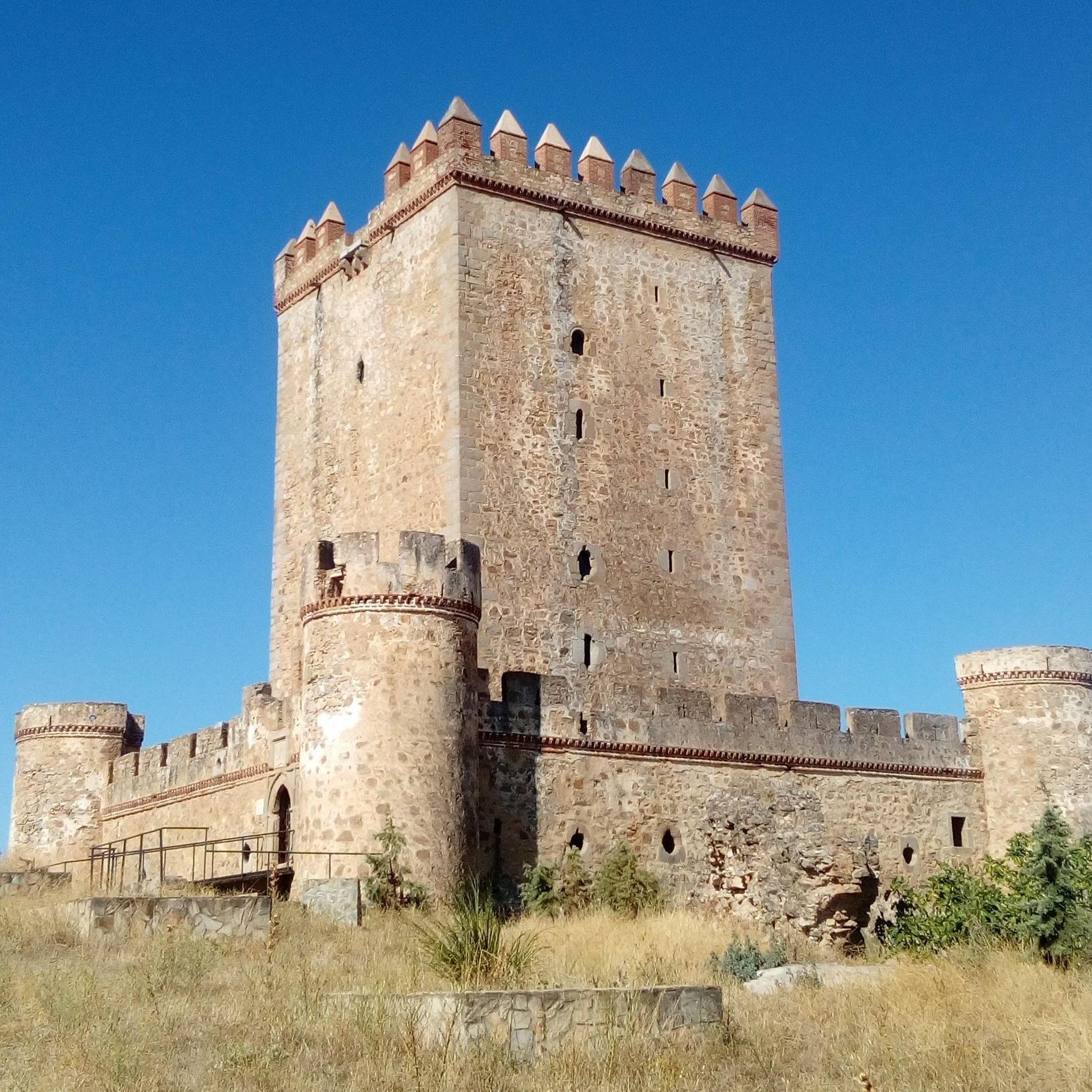
Absolutely. Badajoz is rich in history. You can cycle past ancient Roman heritage, medieval towns, and impressive castles. Notable landmarks include Nogales Castle, which you can see on the Nogales Castle – Trail of the Twelve Apostles loop from Nogales. The Baden Bridge is another significant point of interest, featured on the Puerta de Palmas – Baden Bridge loop from Guadiana. Many routes also follow former railway lines converted into Greenways, offering traffic-free paths through historical landscapes.
Are there challenging touring cycling routes in Badajoz for experienced riders?
Yes, for experienced touring cyclists seeking a challenge, Badajoz offers 13 difficult routes. These often feature greater elevation gains and longer distances. An example is the Valle de Matamoros – Valle de Santa Ana loop from Salvaleón, which includes significant ascents through the region's more undulating terrain.
What do other touring cyclists enjoy most about cycling in Badajoz?
The touring cycling routes in Badajoz are highly rated by the komoot community, with an average score of 5.0 stars from 4 reviews. Cyclists often praise the diverse terrain, from tranquil dehesa woodlands to scenic river basins, and the opportunity to explore historical sites. Over 200 touring cyclists have used komoot to discover the varied landscapes of Badajoz.
Are there any circular touring cycling routes in Badajoz?
Yes, many touring cycling routes in Badajoz are designed as loops, allowing you to start and end at the same point. For instance, the popular Cañada Real de Badajoz – Talavera La Real loop from Talavera la Real is a moderate circular path that follows ancient routes through open plains. Another option is the Cabezo Redondo loop from Barcarrota, offering a moderate ride with varied scenery.
Can I find routes that pass through agricultural areas or traditional Spanish landscapes?
Absolutely. Many routes in Badajoz traverse traditional agricultural landscapes, including olive groves and pasturelands. The dehesa areas, with their holm and cork oaks, are a quintessential part of the region's scenery. The Cañada Real de Badajoz – Picnic Area in Balboa loop from Aeropuerto de Badajoz is a great example, leading you through these characteristic Spanish vistas.
Are there any routes that offer views of reservoirs or large bodies of water?
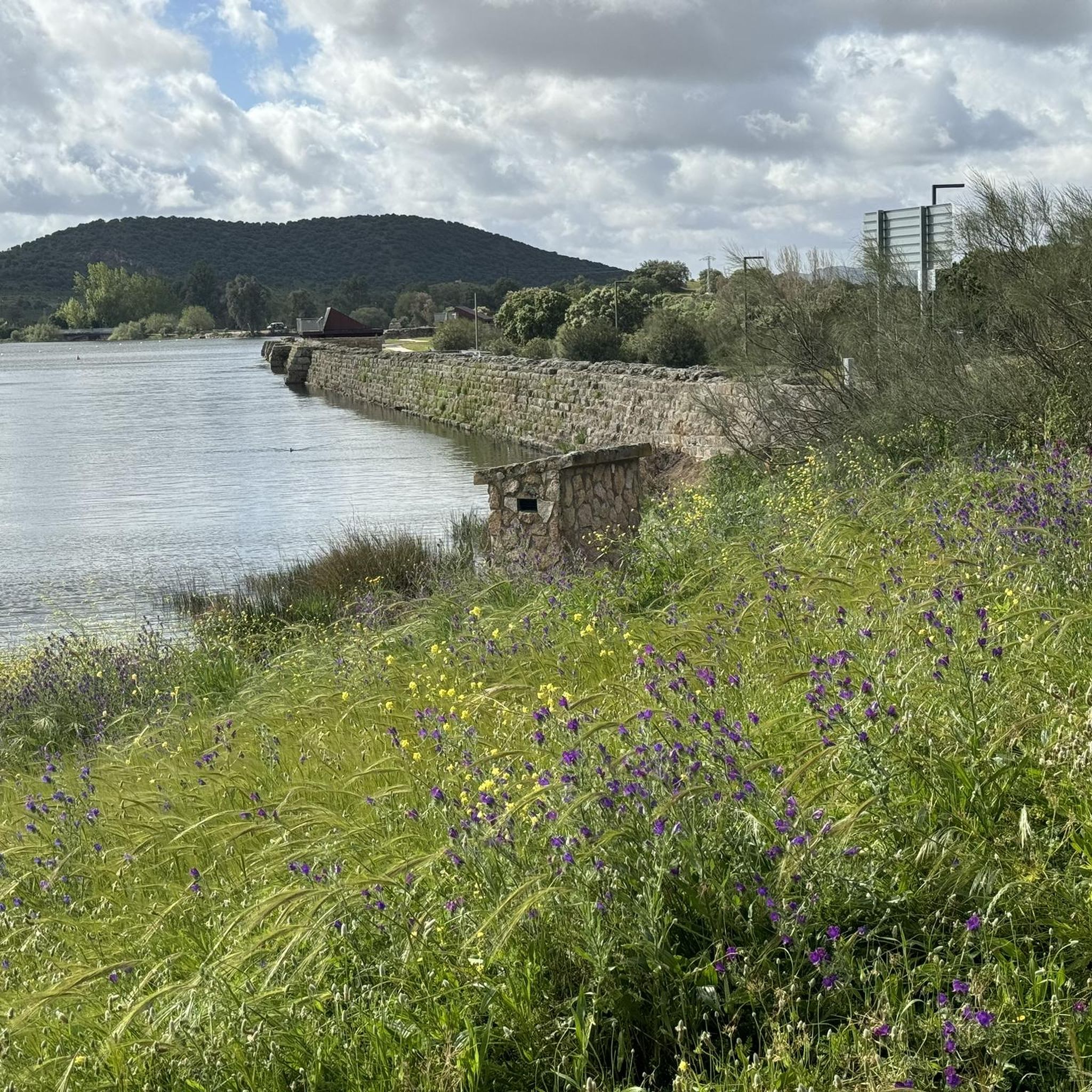
Yes, several routes provide stunning views of the region's reservoirs. The Great Lake of Alqueva, Western Europe's largest artificial lake, is a prominent feature in the Olivenza region. While not directly on a featured route here, the Aguijón Reservoir – Granite quarry loop from Barcarrota offers a moderate ride that includes views of the Aguijón Reservoir, providing a refreshing waterside cycling experience.
What is the best time of year for touring cycling in Badajoz?
Badajoz offers pleasant cycling conditions for much of the year. Spring (March to May) and autumn (September to November) are generally ideal, with mild temperatures and beautiful landscapes. Summers can be hot, especially in July and August, but early mornings or late afternoons can still be suitable. Winters are typically mild, making cycling possible year-round, though some days might be cooler.
Are there any routes that pass through settlements or offer opportunities to explore towns?
Yes, some routes connect or pass near charming settlements and towns, allowing for cultural stops. For example, the Corte de Peleas – Nogales Castle loop from Corte de Peleas starts and ends near Corte de Peleas, offering a chance to experience local life. Towns like Olivenza, with its unique blend of Castilian and Portuguese traditions, are also accessible by bike and provide cultural interest.
Most popular routes around Badajoz
Most popular attractions around Badajoz

Get inspired with the komoot mobile app


Didn’t find what you were looking for?
Check out more Cycling routes throughout Badajoz below and find the perfect route in your destination.
Explore more
Browse the best Cycling routes in other regions.
