Attractions and Places To See around Cervera - Top 20
Best attractions and places to see around Cervera, specifically Cervera de Pisuerga in Palencia, offer a diverse range of natural and historical sites. This region, situated in the Cantabrian Mountains, is known for its rugged landscapes, significant peaks, and unique geological formations. Visitors can explore a variety of natural monuments, historical settlements, and scenic viewpoints. The area provides opportunities to experience both the cultural heritage and the natural beauty of the Palencia Mountain.
Best attractions and places to see around…
Last updated: October 10, 2026
Tres Mares Peak
Highlight • Summit
Translated by Google •
Tip by

Piedrasluengas Viewpoint
Highlight • Viewpoint
Translated by Google •
Tip by

Sign up now to discover places like this
Get recommendations on the best single tracks, peaks, & plenty of other exciting outdoor places.
Cervera de Pisuerga
Highlight • Settlement
Translated by Google •
Tip by

Curavacas (2524m)
Highlight • Summit
Translated by Google •
Tip by

Peña Labra
Highlight • Summit
Translated by Google •
Tip by
Tejeda de Tosande Yew Forest Trail
Highlight (Segment) • Forest
Translated by Google •
Tip by

Pisuerga River Source (Cueva del Cobre)
Highlight • Cave
Translated by Google •
Tip by
Start of the Senda del Oso in Cervera de Pisuerga
Highlight • Trail
Translated by Google •
Tip by
Roblón de Estalaya
Highlight • Natural Monument
Translated by Google •
Tip by
Cervera de Pisuerga Town Hall and Historic Center
Highlight • Settlement
Translated by Google •
Tip by

Sign up for free to discover even more attractions around Cervera.
Already have an account?
Start today with a free account
Your next adventure awaits.
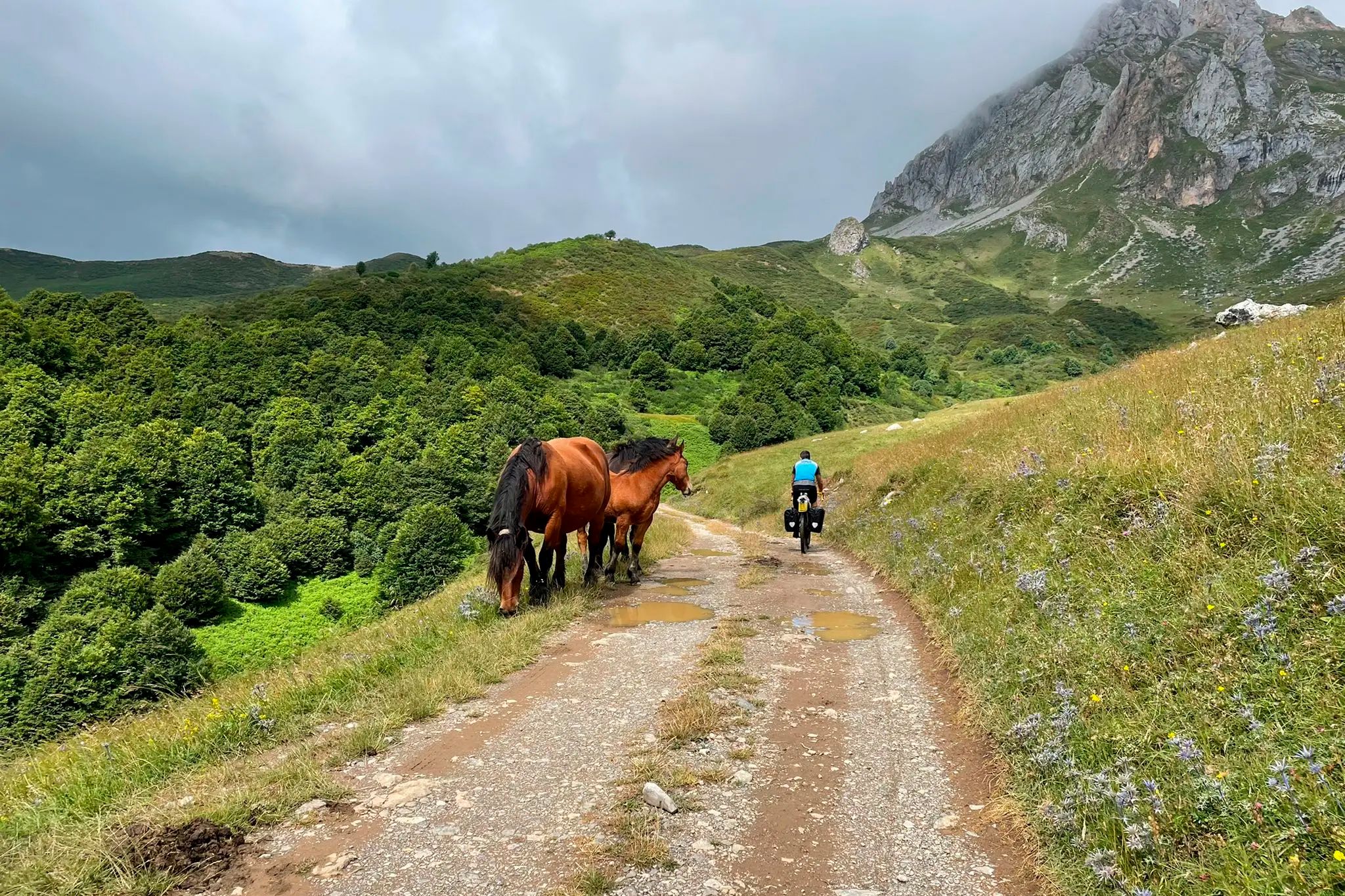
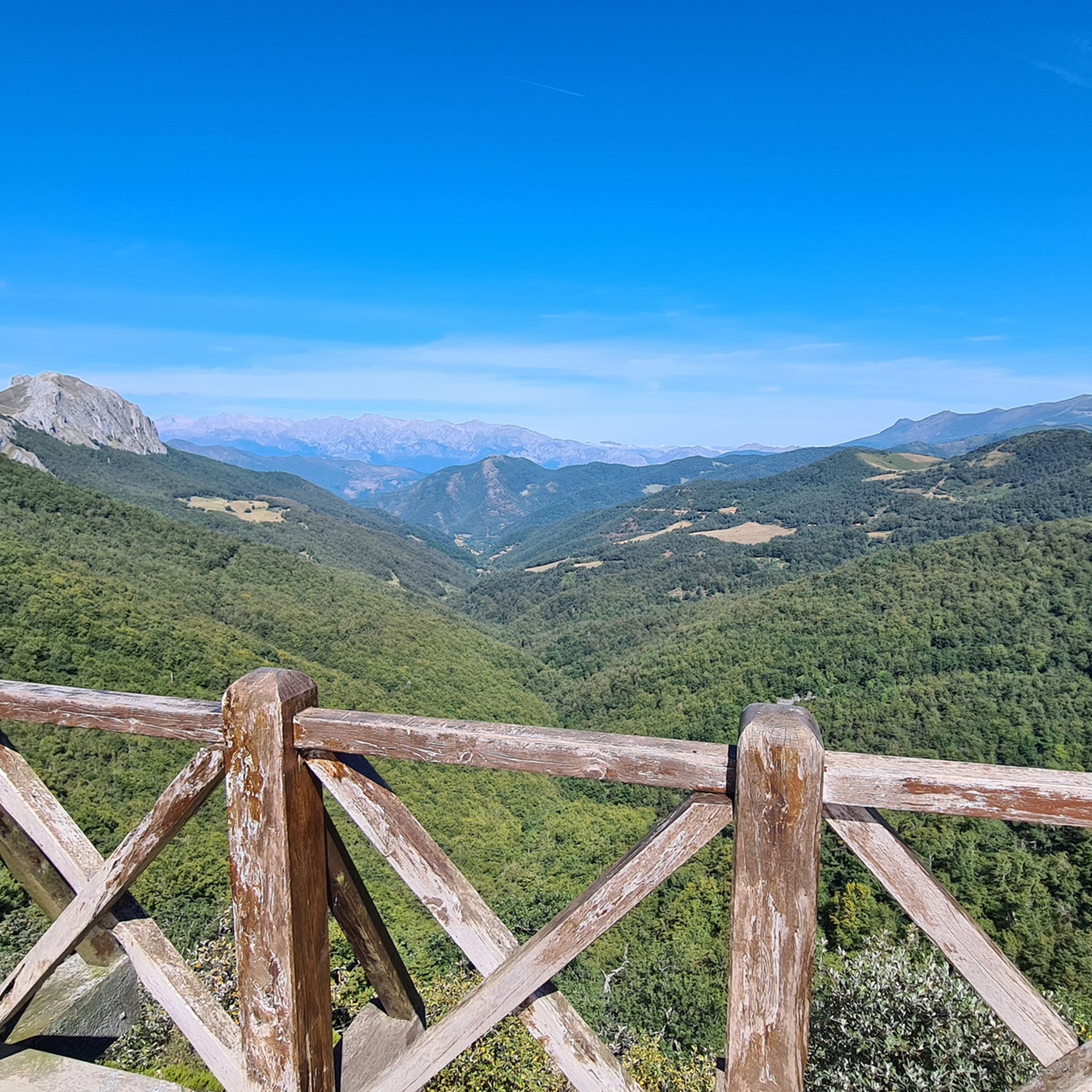
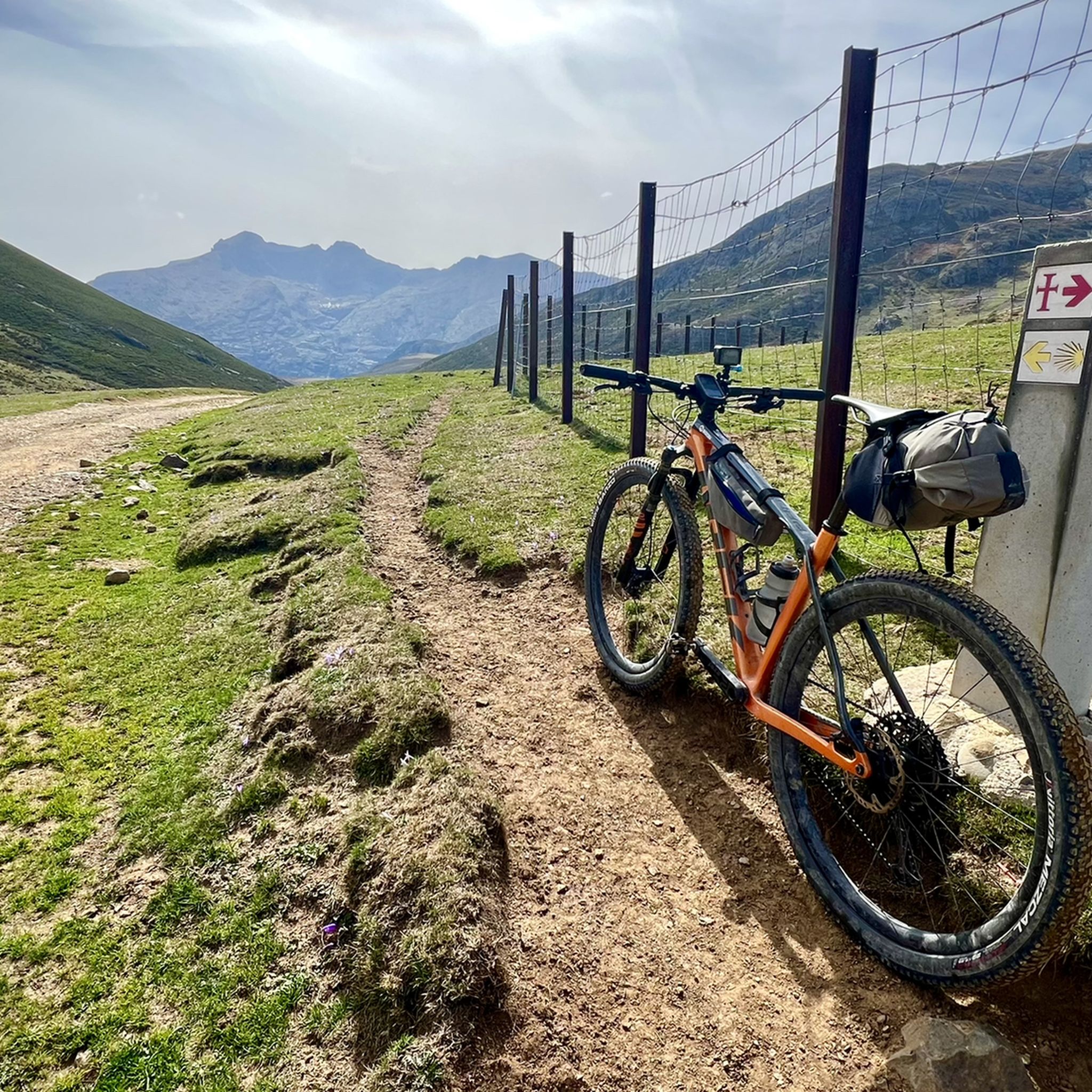
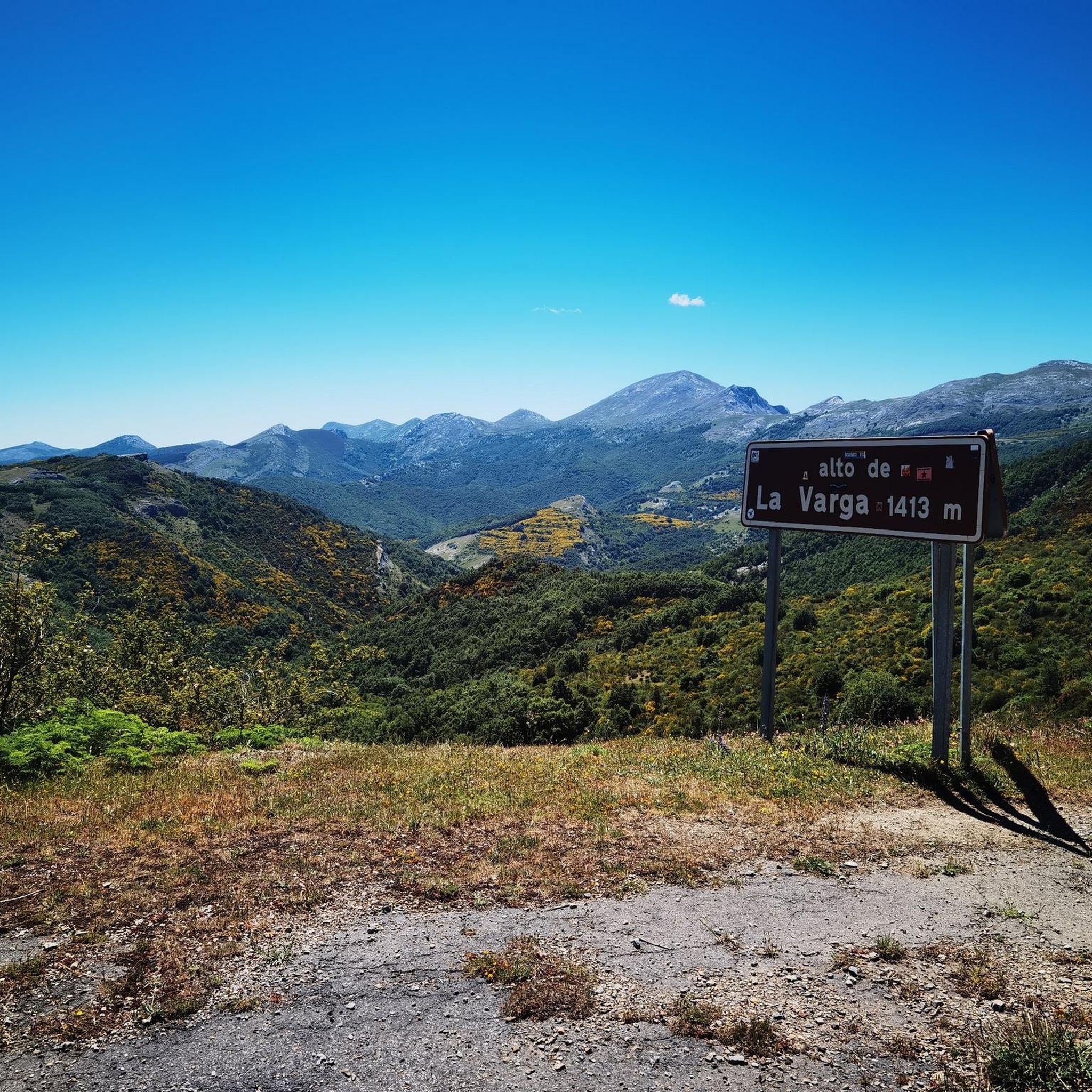

Other adventures around Cervera

Tips from the Community

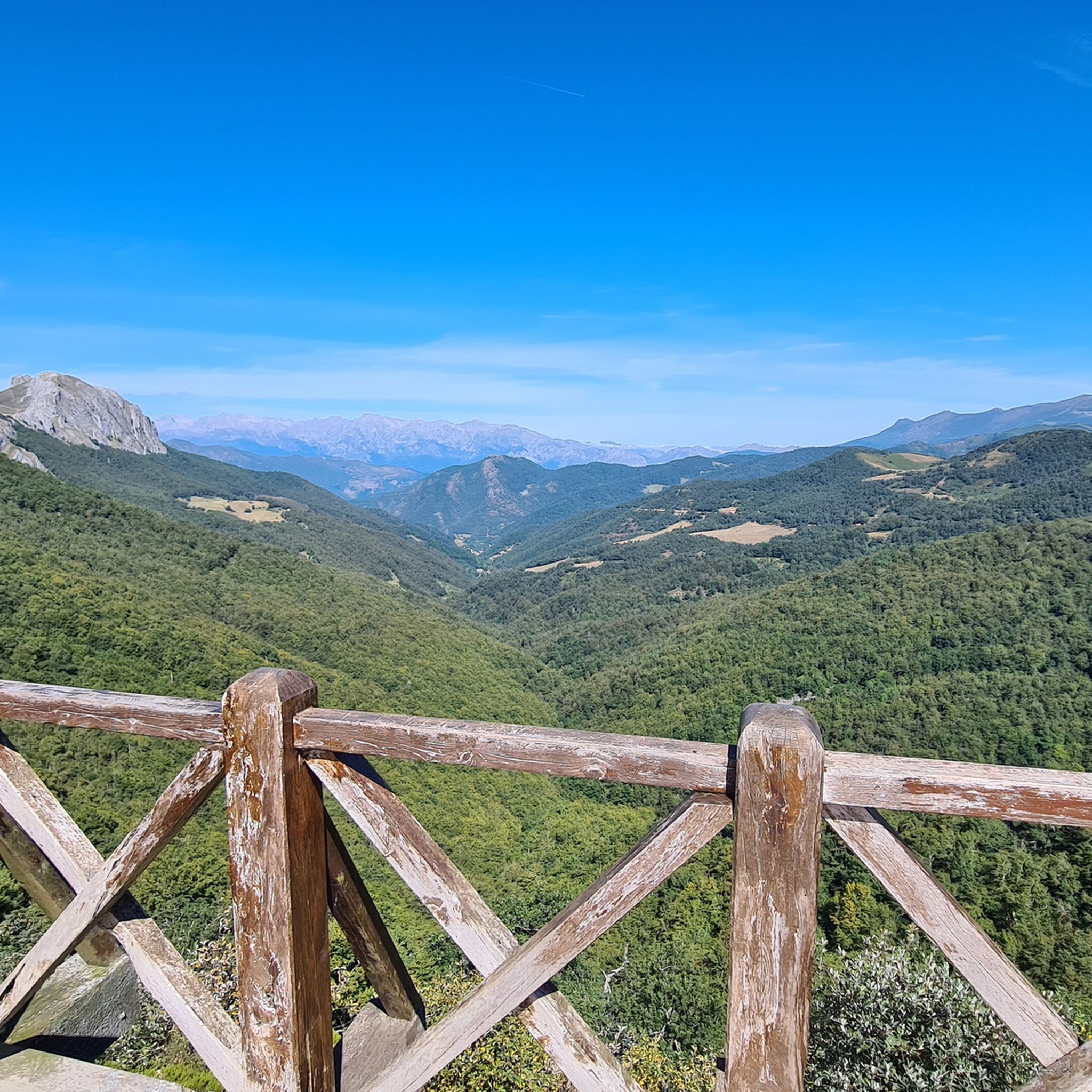
The Pico Tres Mares offers a great view of the surrounding peaks and valleys. The three valleys, each separated by mountain ridges, drain via their respective river systems into the Mediterranean Sea (Rio Hijar / Ebro), the Cantabrian Sea (Rio Nansa), and the Atlantic Ocean (Rio Pisuerga), from which the summit gets its name. From up here, you can also clearly see the beginning of the path to Peña Labra, which essentially runs along or near the ridge to the west - and with reasonably good visibility, the Picos de Europa are clearly visible to the northwest, standing out distinctly from the surrounding mountains of the Cordillera Cantabrica, even if some are not that much lower. There is a viewing platform at the summit - not pretty, but it allows even visitors without mountain experience to look around safely.
0
0

Town with all services at the gates of the Palencia mountains. Much to see and enjoy culturally and in nature
0
0
Spectacular viewpoint, great reward after the long and pleasant climb!
0
0

Impressive oak tree over 600 years old, easy walk, well signposted and very pleasant.
0
0


The Bear Trail in Cervera de Pisuerga is a circular hiking route of approximately 11 kilometres. It begins at the San Roque bridge and follows the right bank of the Pisuerga River, passing through the village of Arbejal and reaching the Requejada reservoir.
5
0
Climbing Curavacas is an exciting experience for mountain lovers. There are several routes available, such as Callejo Grande and Senda del Notario, which offer different levels of difficulty. In addition, in the area you can find glacial lagoons, such as Pozo Curavacas and Pozos del Ves, which add a special touch to the landscape.
5
0

Spectacular views of the eastern massif of Picos de Europa
0
0
Frequently Asked Questions
What are the main natural attractions around Cervera de Pisuerga?
The Cervera de Pisuerga area, situated in the Cantabrian Mountains, is rich in natural beauty. You can explore the Pisuerga River Source (Cueva del Cobre), an 8.5 km long rocky cavity where the river originates. Another must-see is the Tejeda de Tosande Yew Forest Trail, which leads through one of the most important yew forests on the Iberian Peninsula. The region is also home to the National Park of Fuentes Carrionas and the Ruesga Reservoir.
Are there any historical sites to visit in Cervera de Pisuerga?
Yes, Cervera de Pisuerga offers several historical sites. The town's Town Hall and Historic Center feature a central Plaza Mayor with 16th and 17th-century stone columns. You can also visit the 16th-century Gothic Church of Santa Maria del Castillo, which is a National Monument, and the ancient Hermitage of San Vicente cave.
What kind of outdoor activities can I do in the Cervera de Pisuerga area?
The Cervera de Pisuerga region is ideal for outdoor enthusiasts. You can enjoy hiking, mountain biking, and running through the stunning landscapes of the Cantabrian Mountains. The National Park of Fuentes Carrionas is a popular spot for these activities. For specific routes, check out the nearby guides for easy hikes, road cycling, and running trails.
Are there family-friendly attractions or activities in Cervera de Pisuerga?
Absolutely! Many attractions in Cervera de Pisuerga are suitable for families. The Piedrasluengas Viewpoint offers accessible views. The Start of the Senda del Oso in Cervera de Pisuerga is a family-friendly trail, and the Roblón de Estalaya, a monumental oak tree, is also a great family destination. The Ruesga Reservoir allows for pedal boat rentals and swimming in a sandy area.
Where can I find scenic viewpoints in the Cervera de Pisuerga region?
For breathtaking views, head to the Piedrasluengas Viewpoint, located over 1,300 meters above sea level, offering panoramas of the Picos de Europa and the Liébana Valley. Other summits like Tres Mares Peak and Peña Labra also provide spectacular vistas of the Cantabrian interior and the Montaña Palentina Natural Park.
Can I go hiking around Cervera de Pisuerga?
Yes, hiking is a popular activity in the Cervera de Pisuerga area. You can explore trails like the Tejeda de Tosande Yew Forest Trail or the Senda del Oso. The region offers a variety of routes, from easy walks to more challenging summit ascents. For more options, refer to the easy hikes around Cervera guide.
Are there cycling routes available near Cervera de Pisuerga?
Cervera de Pisuerga is an excellent base for cycling. The region's mountainous terrain and scenic roads are perfect for road cycling. You can find various routes, including those that pass through the Cantabrian Mountains and offer stunning views. Explore options in the Road Cycling Routes around Cervera guide.
What is the best time of year to visit Cervera de Pisuerga for outdoor activities?
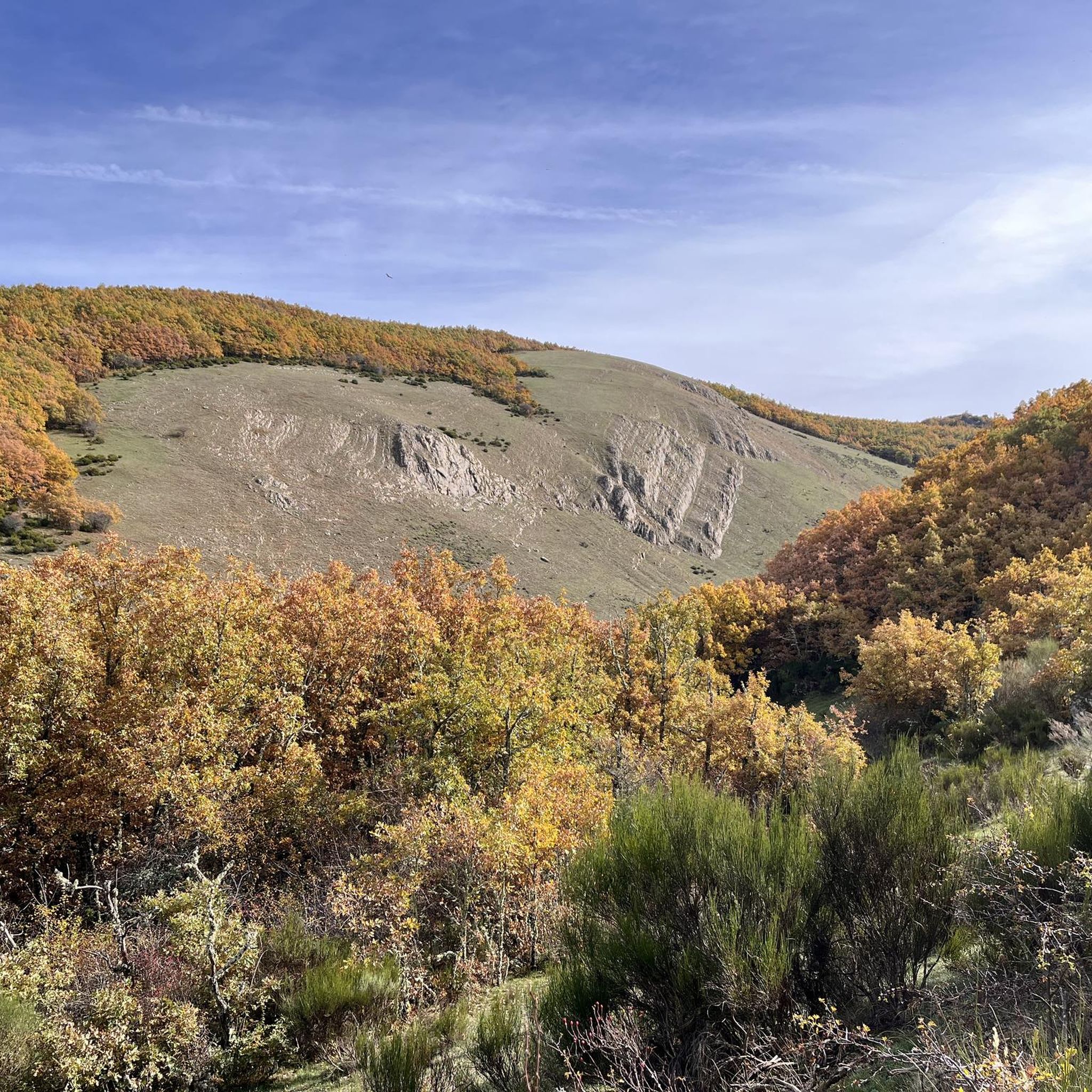
The best time to visit Cervera de Pisuerga for outdoor activities generally depends on the specific activity. Spring and autumn offer pleasant temperatures for hiking and cycling, with lush landscapes or vibrant fall colors. Summer is also popular, especially for enjoying the Ruesga Reservoir, though some mountain trails can be quite warm. Winter provides opportunities for snow activities in higher elevations.
What makes the Tejeda de Tosande Yew Forest special?
The Tejeda de Tosande Yew Forest is special because it's one of the most significant yew forests on the Iberian Peninsula. The trail leads into a valley containing around 700 yew trees, some of which are ancient and gnarled, creating a unique and impressive natural landscape. It's an autochthonous species, meaning it's native to the region.
Where does the Pisuerga River originate?
The Pisuerga River originates in the province of Palencia, specifically in the Cueva del Cobre. This rocky cavity, located in the Covarrés glacial basin between the Valdecebollas peak and the Sierra de Híjar, is the source of this important river.
Are there any ancient trees to see in the Cervera de Pisuerga area?
Yes, the area boasts impressive ancient trees. One notable example is the Roblón de Estalaya, which is the largest oak tree in the mountains. Estimated to be 800 years old, it stands 12 feet high and measures 10 meters in diameter, making it a significant natural monument.
What is Cervera de Pisuerga like as a town?
Cervera de Pisuerga is a charming mountain town in the heart of the Palencia Mountain range. It retains a rural and traditional character, stemming from its ancient livestock, commercial, and artisan traditions. It serves as a central hub for exploring the surrounding natural and historical sites, offering a good place to stop and refuel.
What are some easy hiking options around Cervera de Pisuerga?
For easy hiking, consider the "El Roblón de Estalaya" (PRC-P 4) circular path, which is about 4.5 km long. Another option is the "Senda del Bosque Fósil desde Verdeña" (PRC-P 9), a circular route of approximately 3.7 km. Both are part of the Montaña Palentina Natural Park and are rated as easy. You can find more details in the Easy hikes around Cervera guide.
Most popular routes around Cervera
Most popular attractions around Cervera

Get inspired with the komoot mobile app


Didn’t find what you were looking for?
Are you keen on exploring more awesome places nearby? Browse our guides:
Explore more
Still not found the Highlight you’re looking for? See guides of the top attractions in other regions:
