The best walks and hikes around Astorga
4.5
(157)
1,049
hikers
69
hikes
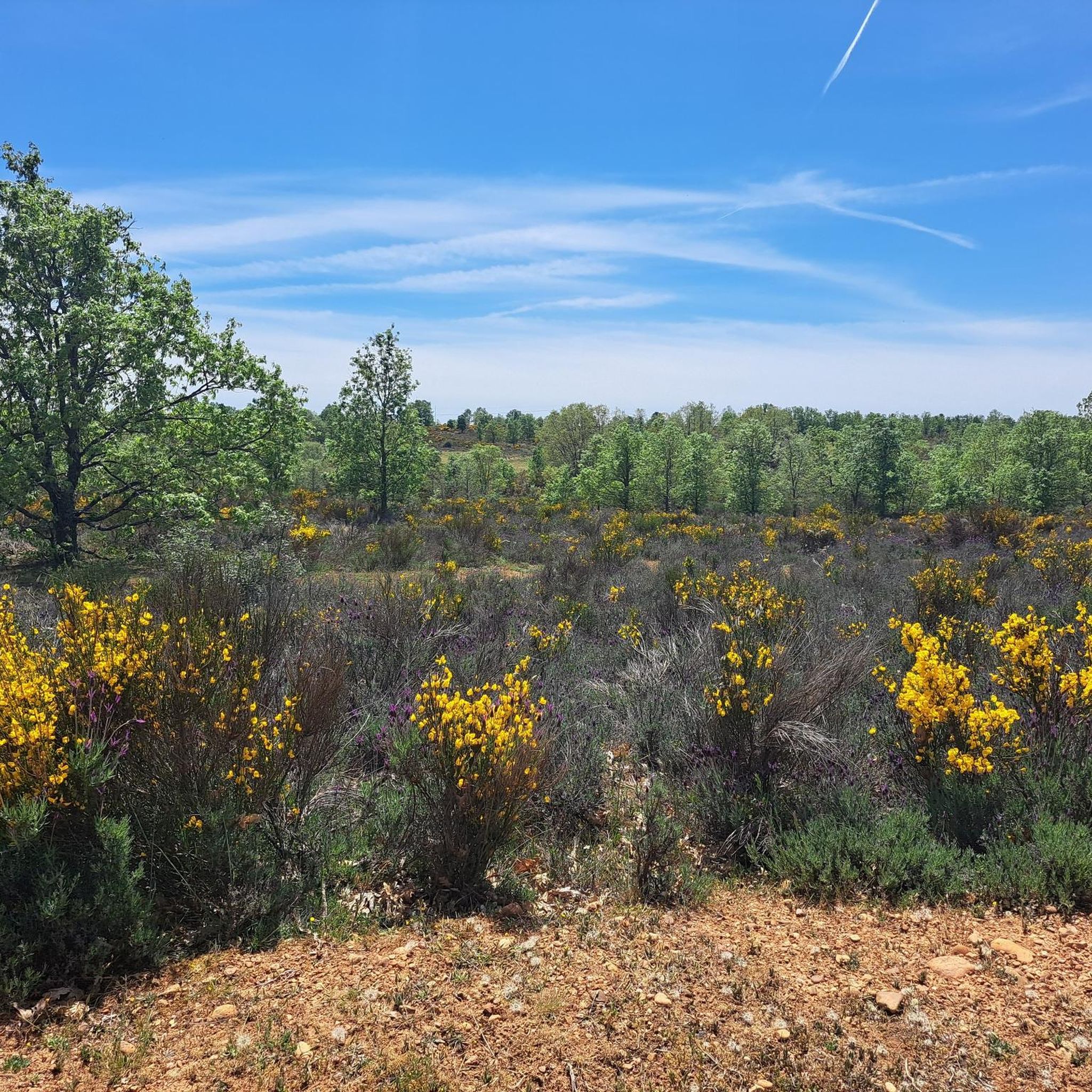
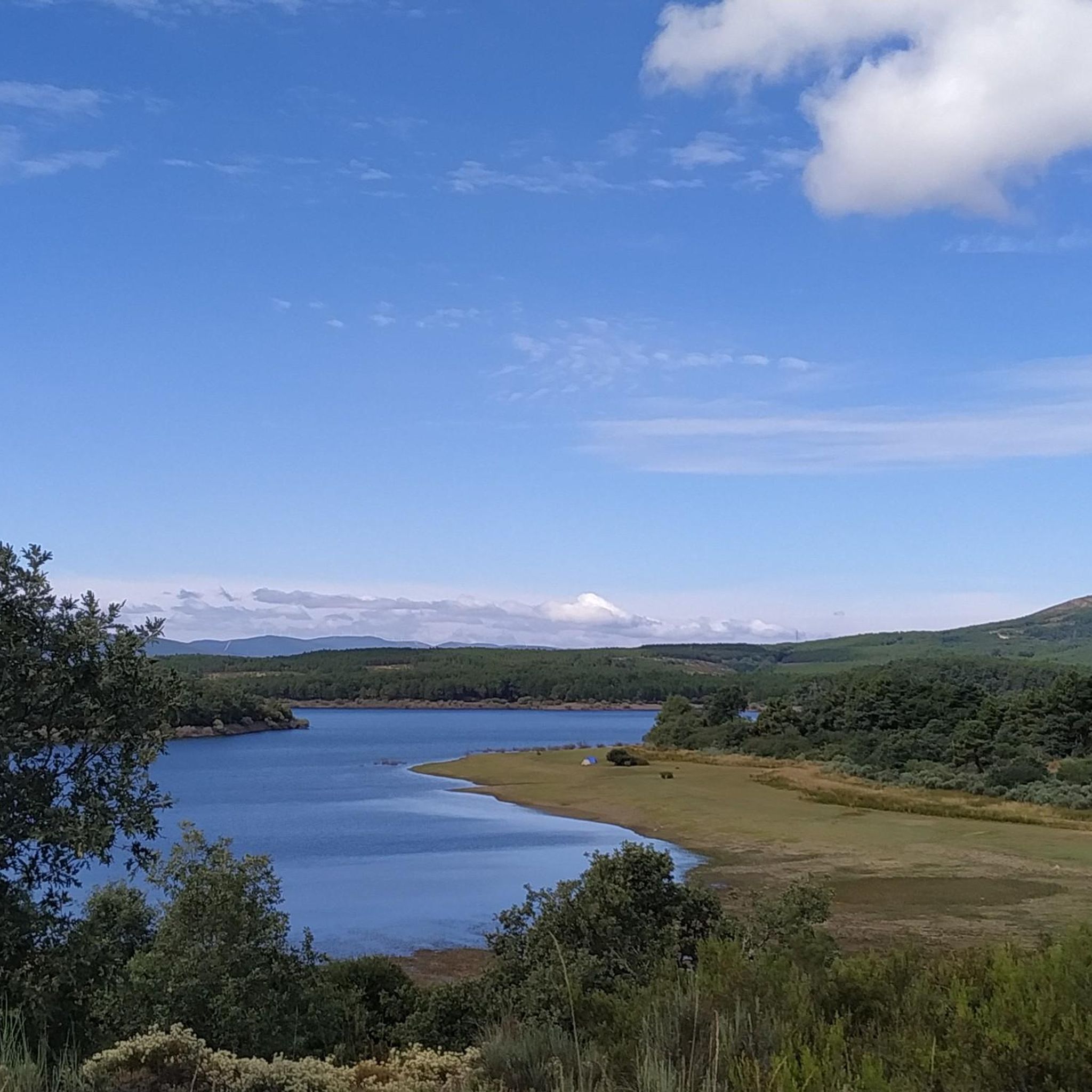
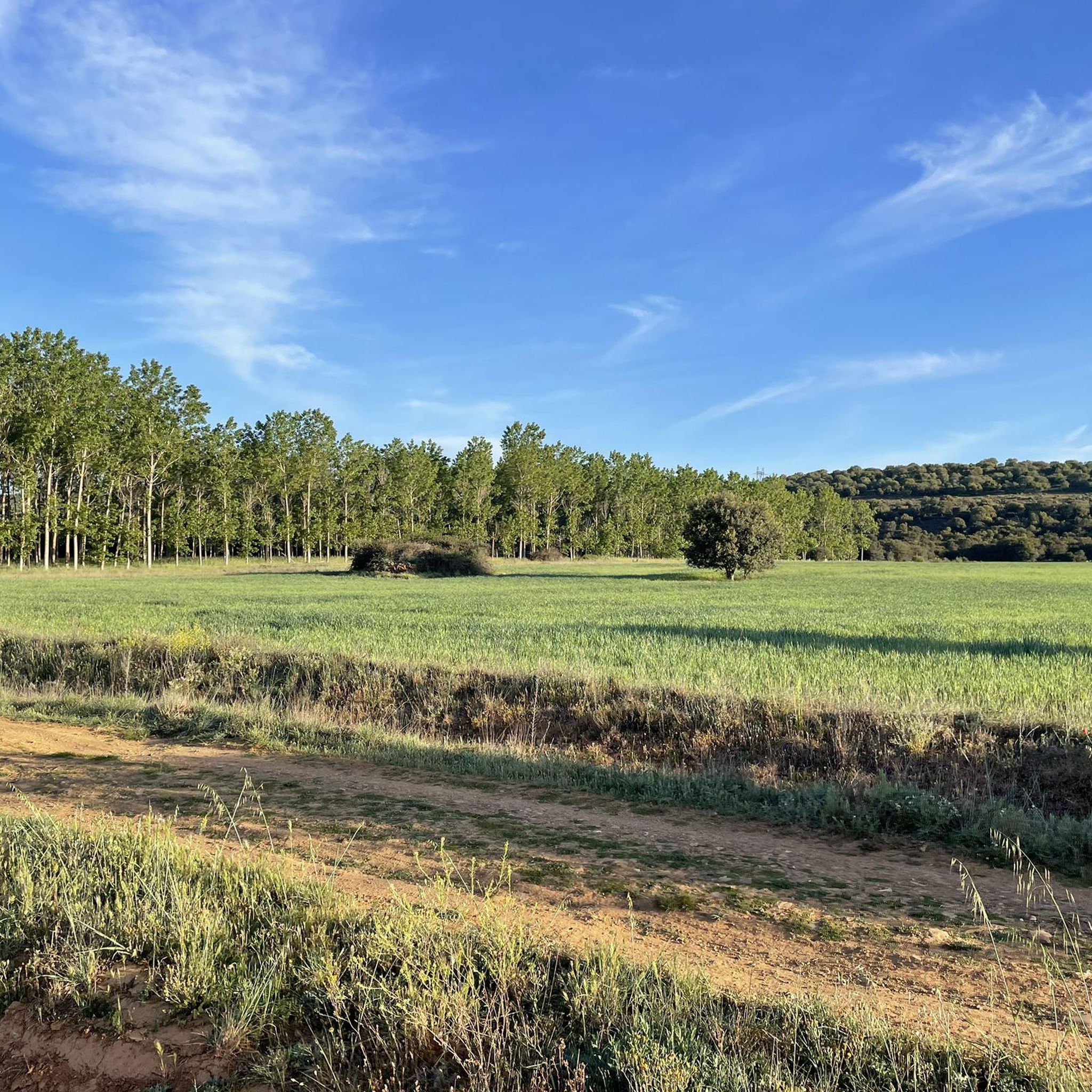
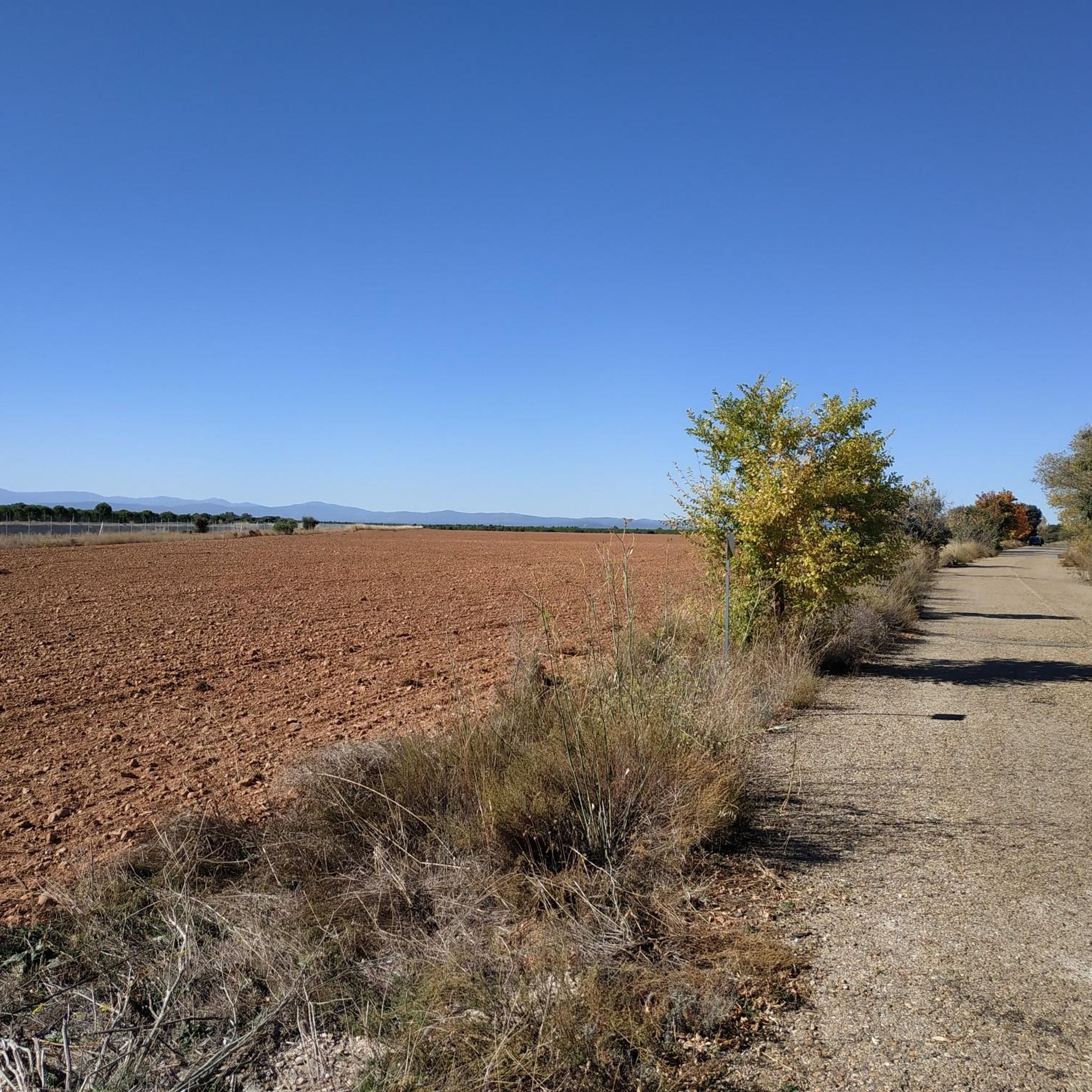
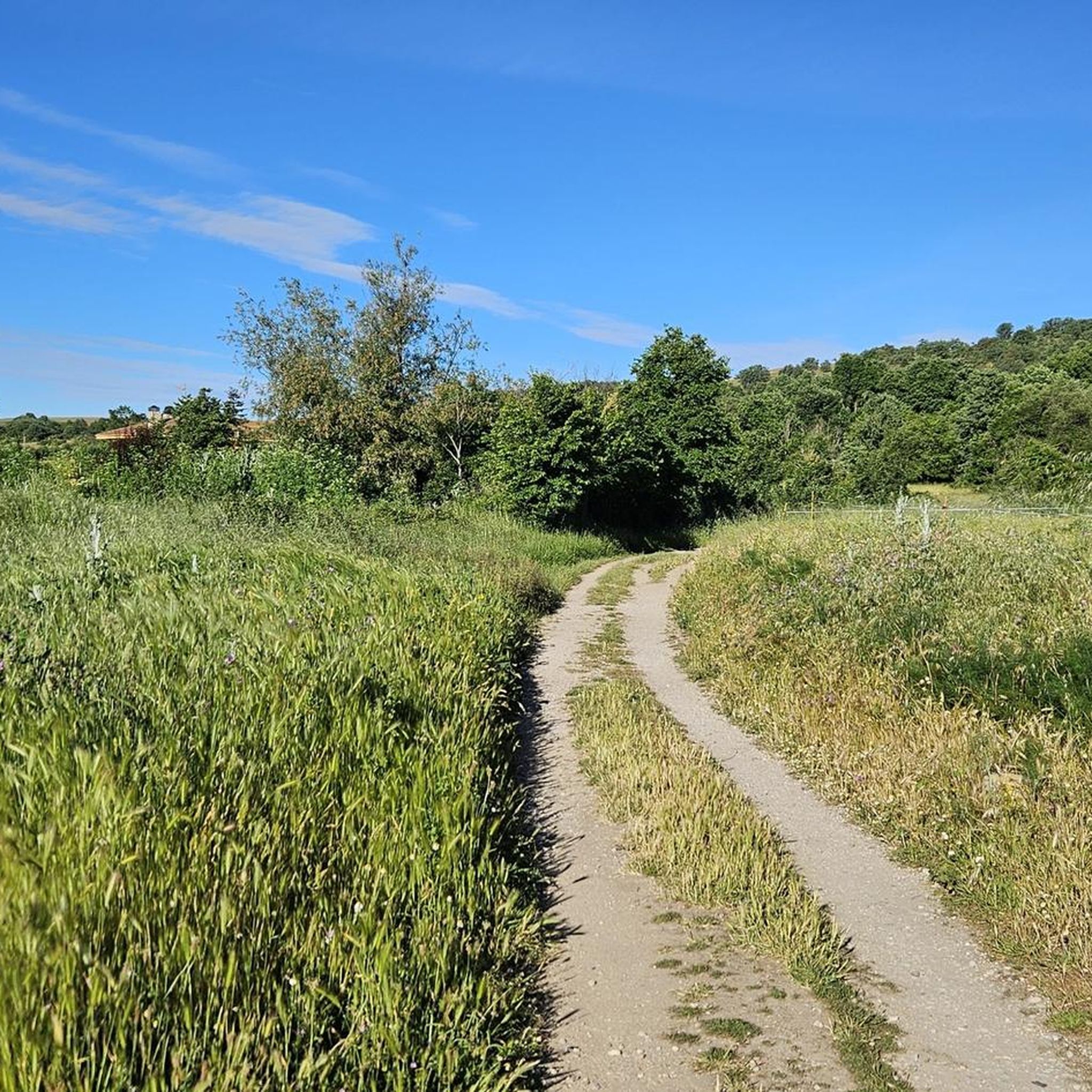
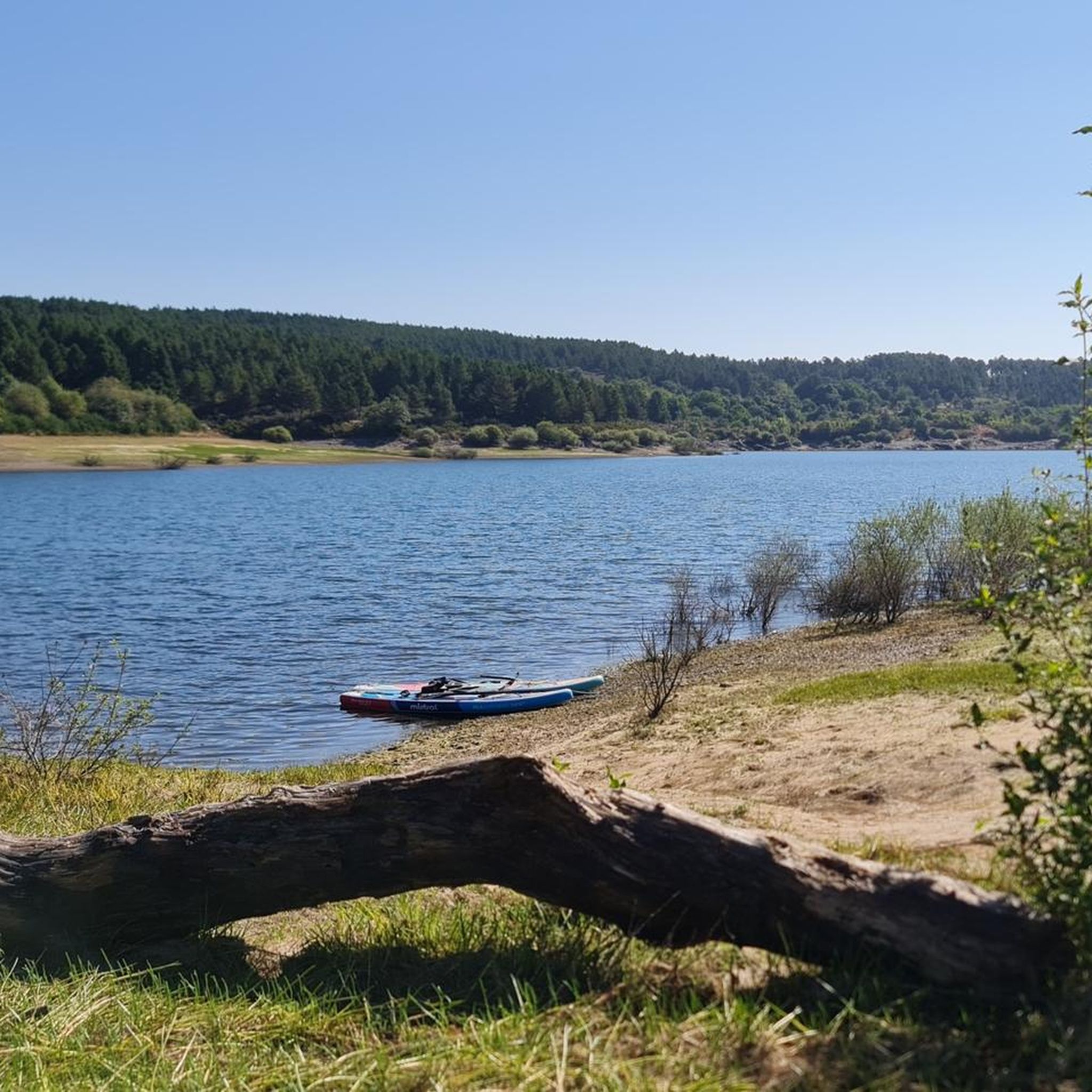
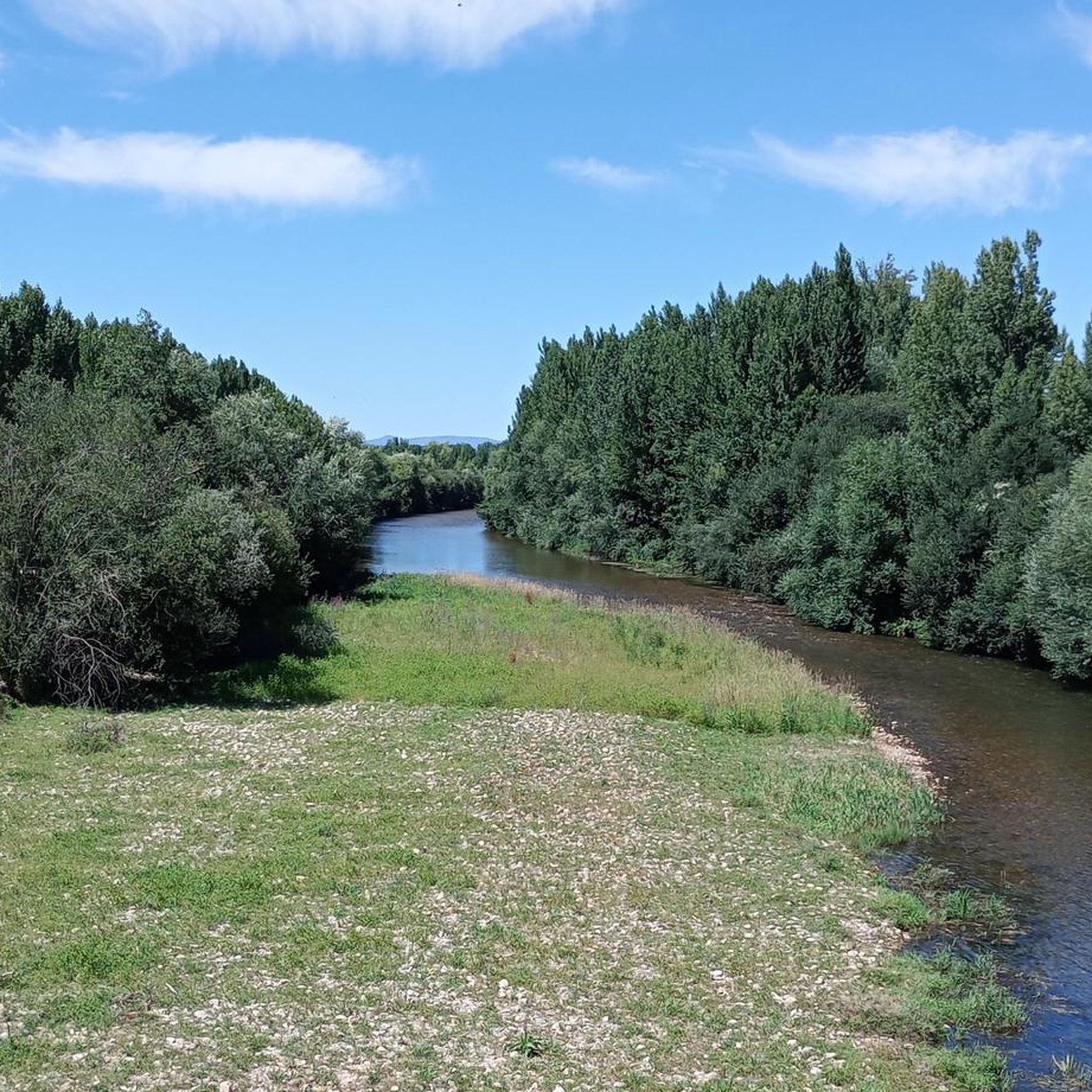
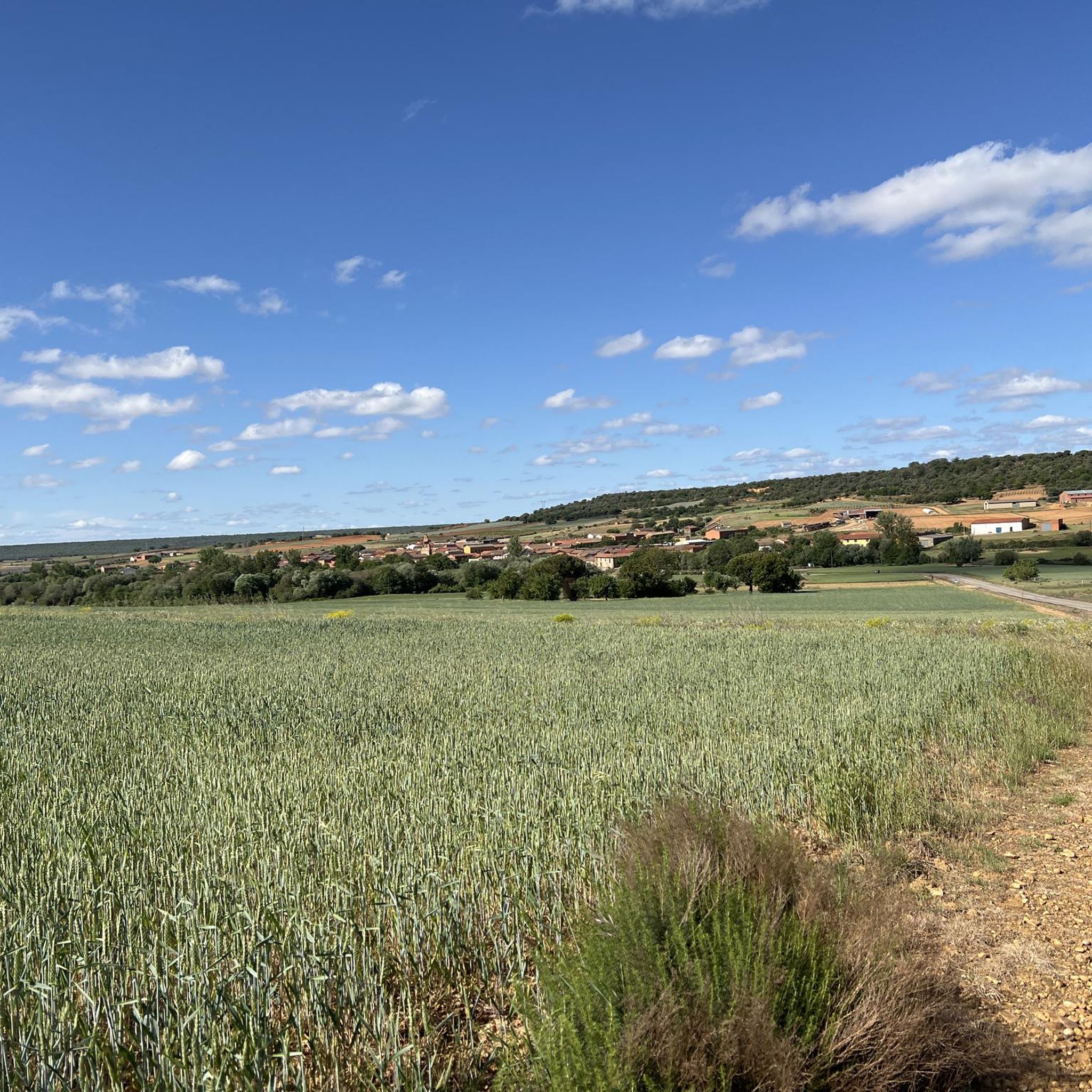
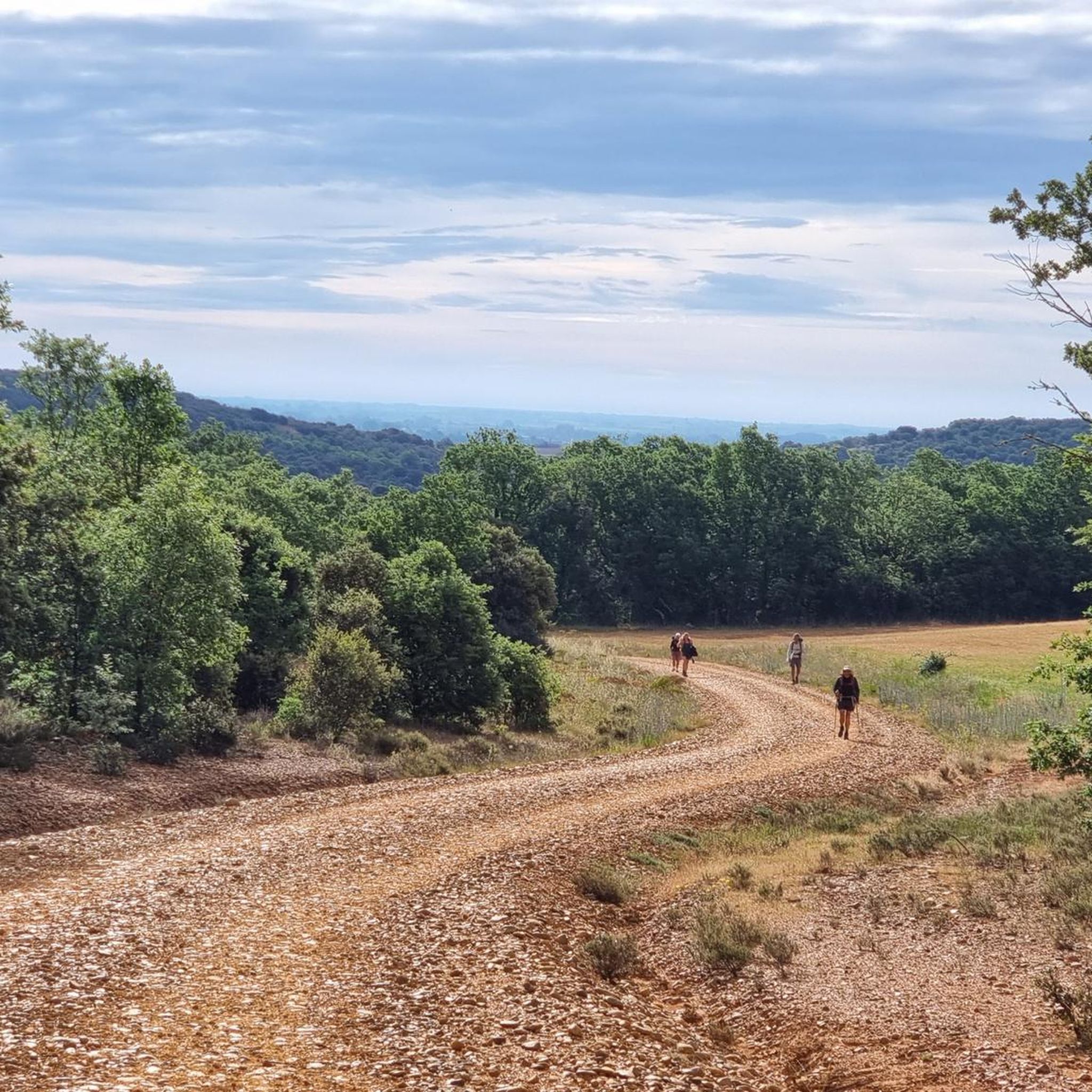
Hiking around Astorga offers a diverse landscape at the crossroads of the Camino de Santiago and Vía de la Plata. The region transitions from the flat plains of the Leonese Páramo to the more mountainous Montes de León, featuring oak forests and valleys. Unique geological formations and the ancient Roman gold mining site of Las Médulas provide varied terrain for exploration. This area provides a network of well-established trails for different skill levels.
Best hiking trails around Astorga
- The most…
Last updated: June 23, 2026
4.5
(2)
7
hikers
5.84km
01:45
170m
170m
Easy hike. Great for any fitness level. Easily-accessible paths. Suitable for all skill levels.
4.0
(1)
5
hikers
12.7km
03:27
180m
180m
Moderate hike. Good fitness required. Easily-accessible paths. Suitable for all skill levels.

Sign up for free
3.0
(1)
3
hikers
5.19km
01:32
150m
150m
Easy hike. Great for any fitness level. Easily-accessible paths. Suitable for all skill levels.
1
hikers
11.1km
02:54
80m
80m
Moderate hike. Good fitness required. Easily-accessible paths. Suitable for all skill levels.
Moderate hike. Good fitness required. Easily-accessible paths. Suitable for all skill levels.
2
hikers
5.18km
01:24
70m
70m
Easy hike. Great for any fitness level. Easily-accessible paths. Suitable for all skill levels.
1
hikers
11.1km
02:52
60m
60m
Moderate hike. Good fitness required. Easily-accessible paths. Suitable for all skill levels.
24.3km
06:17
140m
140m
Hard hike. Very good fitness required. Easily-accessible paths. Suitable for all skill levels.
12.4km
03:09
30m
30m
Moderate hike. Good fitness required. Easily-accessible paths. Suitable for all skill levels.
4.3
(23)
156
hikers
Hard hike. Very good fitness required. Mostly accessible paths. Sure-footedness required.
Get access to more routes and recommendations from other explorers.
Sign up for free
Already have an account?
Our route recommendations are based on thousands of hikes, rides, and runs completed by other people on komoot.
Start today with a free account
Your next adventure awaits.
Login or Signup
Popular around Astorga
Other adventures around Astorga


Tips from the Community

Watch out for the climb they call "of the 100 beers" oof, to die for. The rest is fine.
0
0

This shrine was not dedicated to a person venerated as holy, but rather the church and the place were placed under the protection of the incarnate Son of God. However, the patronage of "ECCE HOMO" does not focus on the almighty God—as Creator of heaven and earth, for example—but rather on the suffering God. For precisely because Jesus Christ bore the pain of suffering and death, we Christians are redeemed for all time. In the traditional Stations of the Cross, we pray at the third station: "He was pierced for our transgressions, he was crushed for our iniquities. He had no form or comeliness, a man of sorrows, acquainted with infirmity," an apt description of "Ecce Homo."
2
0
This sanctuary was not dedicated to a person venerated as holy, but rather this place of a miracle (see the post by @Willem VS) was placed under the protection of the incarnate Son of God. However, the patronage of "ECCE HOMO" does not focus on the almighty God—for example, as the Creator of heaven and earth—but rather on the suffering God. For it is precisely because Jesus Christ bore the pain of suffering and death that we Christians are redeemed for all time. In the traditional Stations of the Cross, we pray at the third station: "He was pierced for our transgressions, he was crushed for our iniquities. He had no form or comeliness, a man of sorrows, acquainted with infirmity." This is an apt description of "Ecce Homo."
3
0

The uniquely beautiful plateau up to Foncebadon makes the strenuous climb worthwhile!
0
1
A small chapel not far from Astorga on the Camino towards "El Ganso." An elderly lady sits here, waiting for pilgrims to give them a stamp.
2
0
The Bishop's Palace of Astorga is one of only three buildings that Antoni Gaudí built outside Catalonia.
3
0

Small and suggestive hermitage located directly along the Camino
5
0

It's a great vantage point to pause and enjoy the view after the descent. A small picnic is a must, whether you stay in El Acebo or continue on to Ponferrada.
2
1
Frequently Asked Questions
How many hiking trails are available around Astorga?
Astorga offers a wide variety of hiking routes, with over 70 trails available for exploration. These routes cater to different skill levels, from easy strolls to more challenging treks.
What kind of landscapes and natural features can I expect to see while hiking near Astorga?
The region around Astorga is a fascinating transition zone, moving from the flat plains of the Leonese Páramo into the more mountainous Montes de León. Hikers can expect to traverse diverse landscapes including serene oak forests, picturesque valleys like the Porcos valley, and open heathland. The area is also characterized by its ancient geology and offers views of the impressive Mount Teleno. Additionally, the historic paths of the Camino de Santiago and Vía de la Plata weave through the area, adding a cultural dimension to the natural scenery.
Are there any family-friendly hiking options around Astorga?
Yes, Astorga has several easy routes suitable for families. For instance, the Santo Toribio Cross and French Way Loop is an easy 3.2-mile circular trail that offers views of Astorga and passes a historic cross. Another accessible option is the Las Miédolas – circular from Las Omañas, which is also an easy hike.
Can I bring my dog on the trails near Astorga?
Many trails in the Astorga region are suitable for dogs, especially those in natural, less populated areas. While specific regulations can vary, generally, dogs are welcome on hiking paths if kept under control. Always ensure your dog is on a leash and that you clean up after them to preserve the natural environment for everyone.
Are there circular hiking routes available in Astorga?
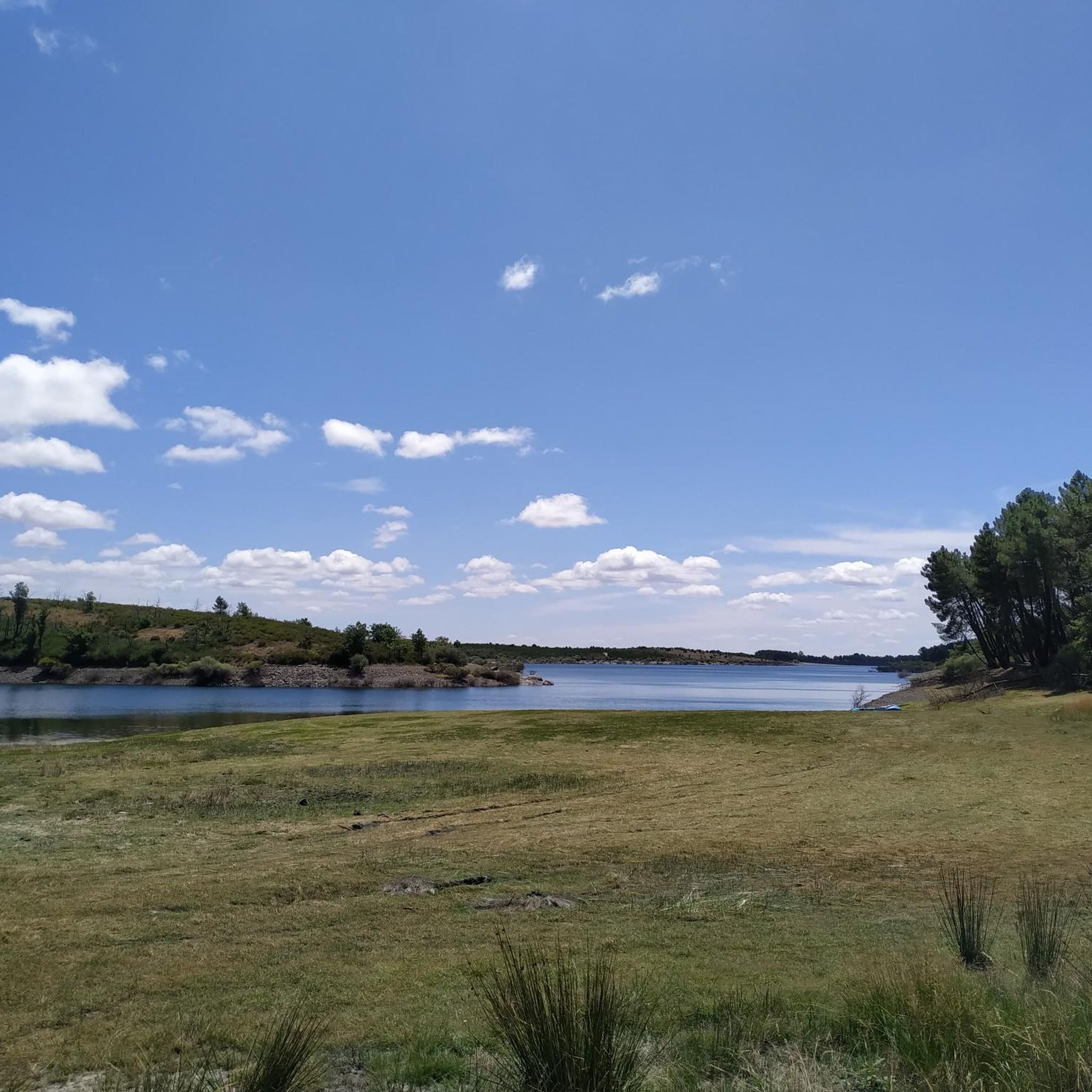
Yes, many of the trails around Astorga are circular, offering convenient starting and ending points. A popular moderate circular route is the El Celemín Route, which is 7.9 miles long and winds through oak forests and past reservoirs. For a shorter, easy option, consider the Santo Toribio Cross and French Way Loop.
What historical or natural landmarks can I explore on hikes near Astorga?
Astorga's rich history and unique geography mean there are many points of interest. You can visit the impressive Cathedral of Saint Mary of Astorga or the Episcopal Palace of Astorga (Gaudí Palace) within the city itself. Further afield, the ancient Roman gold mining site of Las Médulas, a UNESCO World Heritage site, offers unique reddish landscapes for exploration. On the Camino de Santiago, you might encounter landmarks like the Cruz de Ferro (Iron Cross).
Where can I find parking for trailheads around Astorga?
Parking availability varies by trailhead. For routes starting directly in Astorga, such as the Astorga City Tour, public parking within the city is generally available. For trails in smaller villages or more remote areas, like the El Celemín Route, you can often find roadside parking or small village car parks near the starting points. It's advisable to check specific route details for the most accurate parking information.
Is it possible to access trailheads using public transport?
Astorga is well-connected by public transport, particularly as a key stop on the Camino de Santiago. Buses and trains serve Astorga, making it possible to reach the city and then access some local trailheads on foot. For routes starting in smaller surrounding villages, local bus services might be available, though less frequent. The Camino de Santiago routes, such as sections of the Camino Francés, are inherently designed for walking between towns, offering direct access to trails from public transport hubs.
Are there any challenging hikes for experienced trekkers in the Astorga region?
Yes, for those seeking a more demanding experience, Astorga offers challenging routes. The Riego de la Vega from Valderrey is a difficult circular route, covering over 15 miles. Another challenging option is the View of the Montes de León – Cruz de Ferro (Iron Cross) loop from Cruz de Ferro, which features significant elevation gain as it explores the Montes de León.
What do other hikers enjoy most about the trails in Astorga?
The hiking trails around Astorga are highly rated by the komoot community, with an average score of 4.5 stars. Hikers frequently praise the diverse landscapes, the historical significance of the Camino de Santiago paths, and the variety of routes available for all fitness levels. Many appreciate the blend of cultural heritage and natural beauty found in the region.
What is the best time of year for hiking near Astorga?
The best time for hiking around Astorga is generally during the spring (April to June) and autumn (September to October). During these seasons, the weather is typically mild and pleasant, with comfortable temperatures for walking. Summer can be quite hot, especially in July and August, while winters can be cold, particularly in the higher elevations of the Montes de León.
Can I find places to eat or stay near the hiking trails?
Astorga, being a significant stop on the Camino de Santiago, has ample facilities including cafes, restaurants, and various accommodation options like hotels and albergues (pilgrim hostels). Many of the smaller towns and villages along the Camino routes, such as Rabanal del Camino, also offer services for hikers. For example, you can find places like Rabanal del Camino — Village and Church which provides amenities for travelers.
Are there any easy routes for beginners or those looking for a short walk?
Absolutely. For beginners or those preferring a shorter, less strenuous walk, the Cañones del Górgora Trail is an excellent choice. It's an easy 3.6-mile trail that takes about 1 hour 45 minutes to complete, exploring natural gorges with a moderate elevation gain. Another easy option is the Las Miédolas – circular from Las Omañas.
Most popular routes around Astorga
Most popular attractions around Astorga

Get inspired with the komoot mobile app


Didn’t find what you were looking for?
Check out more Hikes throughout Astorga below and find the perfect route in your destination.
Explore more
Browse the best Hikes in other regions.
