Top 20 Mountain Passes around La Montaña De Riaño
Mountain passes around La Montaña De Riaño are located within the Cantabrian Mountains in Spain. This region features diverse landscapes, including high peaks and dense forests. It is known for its rich biodiversity and offers opportunities for various outdoor activities. The area provides access to natural environments, including parts of the Picos de Europa National Park.
Best mountain passes around La Montaña De Riaño
- The most popular mountain pass is San Glorio Pass, a mountain pass with a road…
Last updated: August 20, 2026
Trail from Fuente Dé to Portilla de la Reina
Highlight (Segment) • Trail
Translated by Google •
Tip by

Tarna Pass
Highlight • Mountain Pass
Translated by Google •
Tip by

Sign up now to discover places like this
Get recommendations on the best single tracks, peaks, & plenty of other exciting outdoor places.
Sign up for free
Panderrueda Pass
Highlight • Mountain Pass
Translated by Google •
Tip by

Pandetrave Viewpoint
Highlight • Viewpoint
Translated by Google •
Tip by

San Glorio Pass
Highlight • Mountain Pass
Translated by Google •
Tip by

Horcada de Valcavao and Caben de Remoña
Highlight • Mountain Pass
Translated by Google •
Tip by
Collado Cimero Ridge Singletrack
Highlight • Trail
Translated by Google •
Tip by

Las Colladinas
Highlight • Mountain Pass
Translated by Google •
Tip by

Picos de Europa National Park
Highlight • Natural Monument
Translated by Google •
Tip by

Puerto de las Señales
Highlight • Mountain Pass
Translated by Google •
Tip by

Sign up for free to discover even more mountain passes around La Montaña De Riaño.
Sign up for free
Already have an account?
Start today with a free account
Your next adventure awaits.
Login or Signup
Popular around La Montaña De Riaño
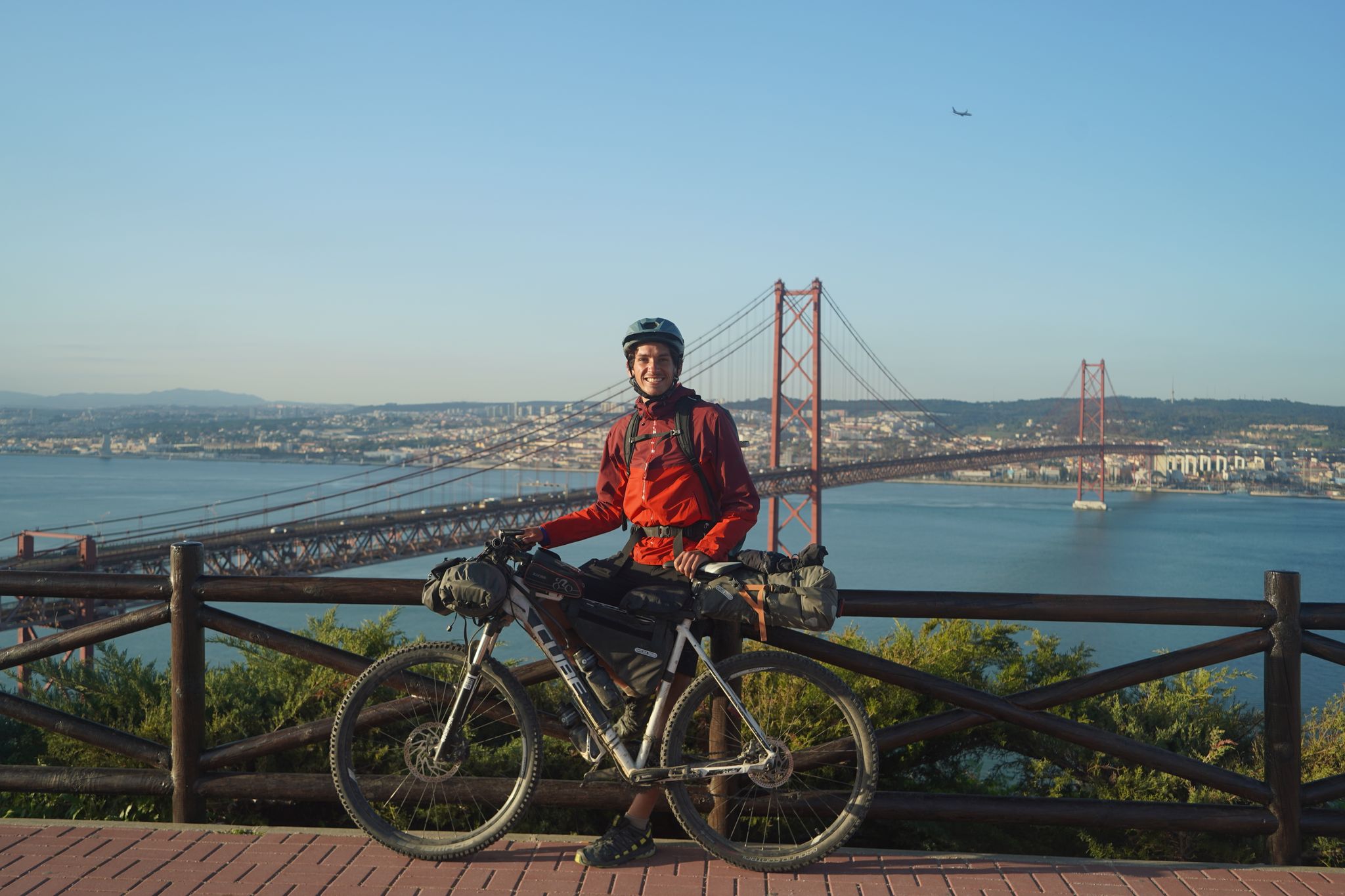
Road to Lisbon – bikepacking the Alps, Pyrenees and Picos de Europa
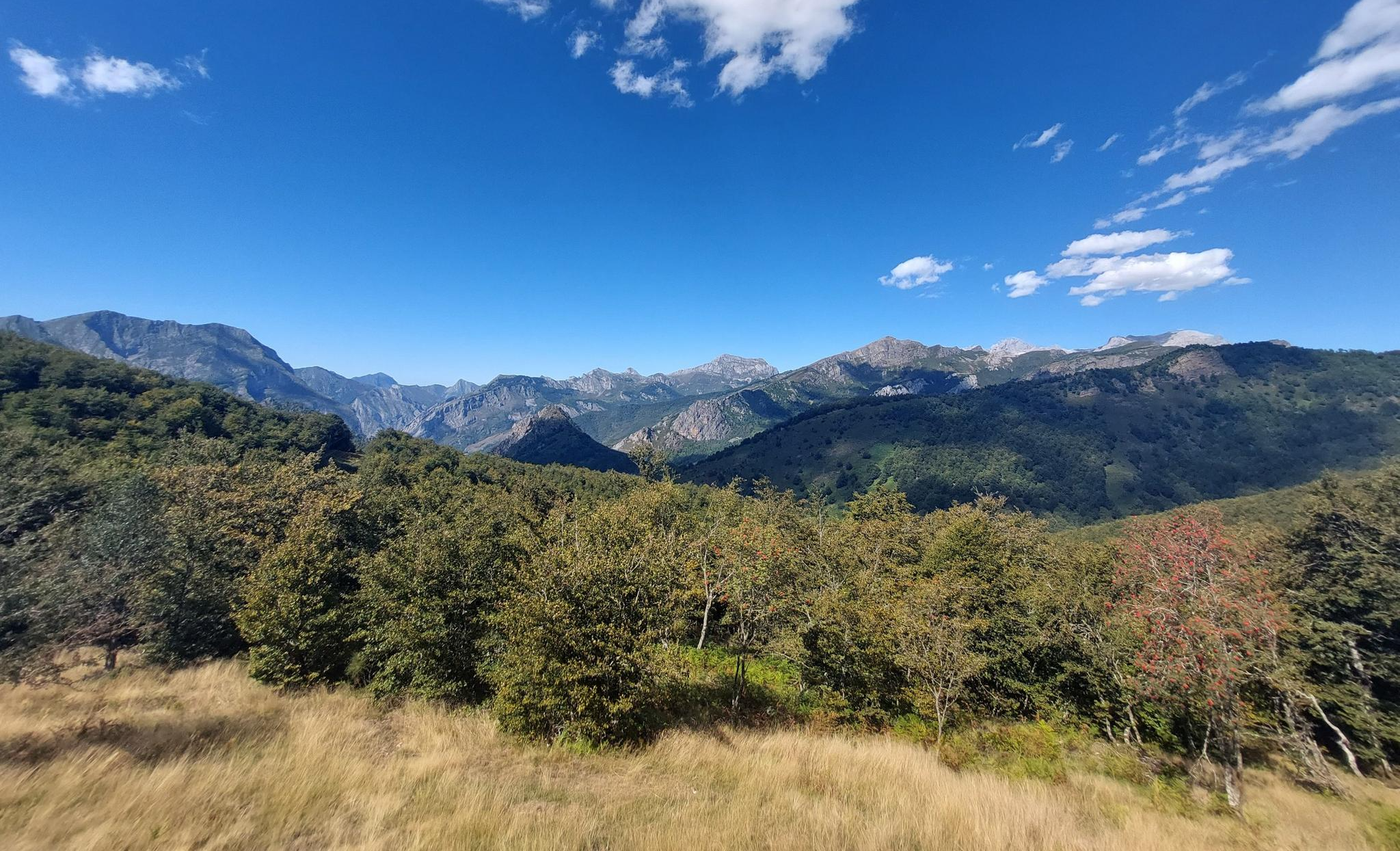
Senda del Arcediano (GR 210) - A historical hike through the Picos del Picos
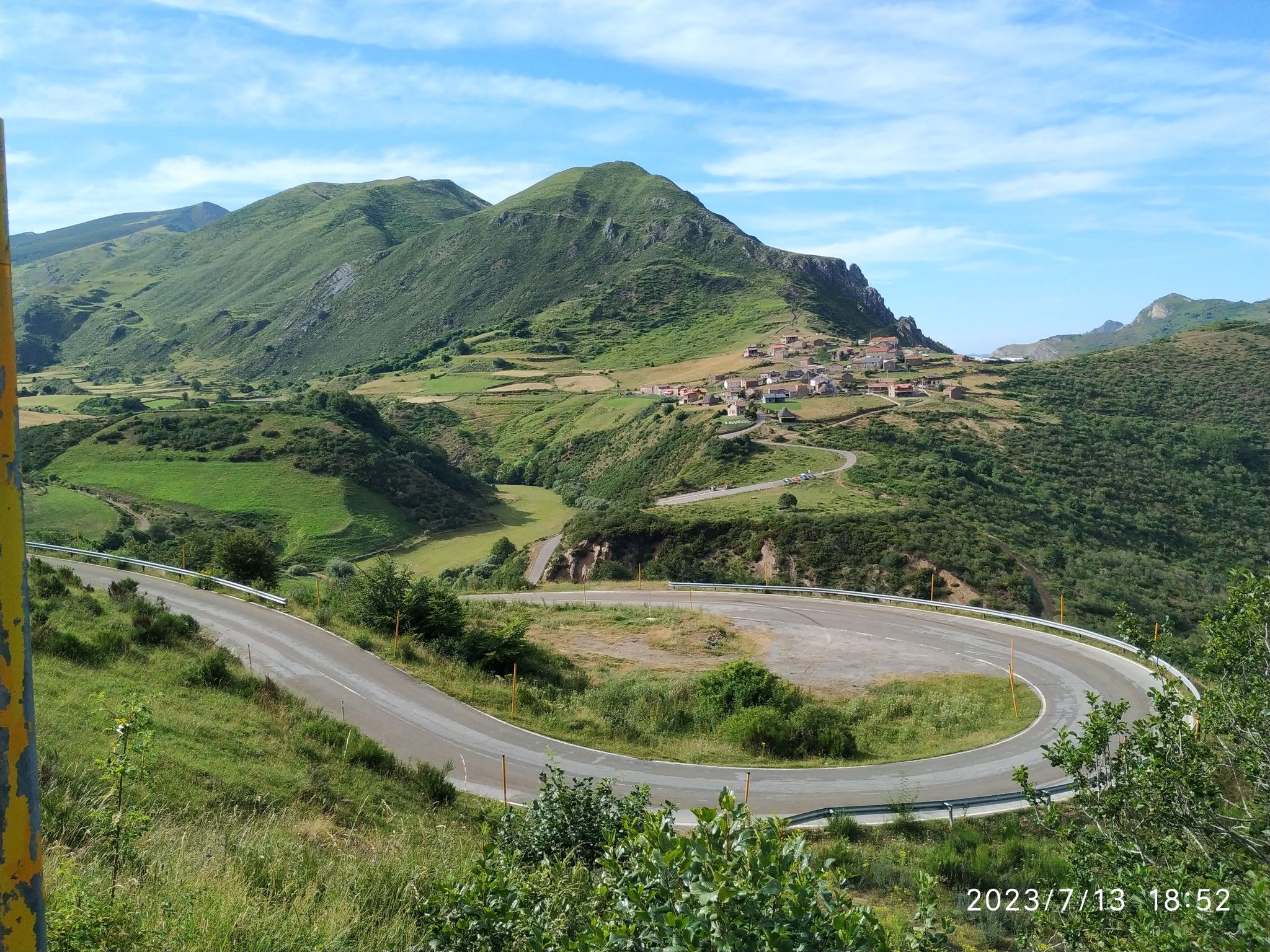
Height Challenges — Ports in Castilla y León
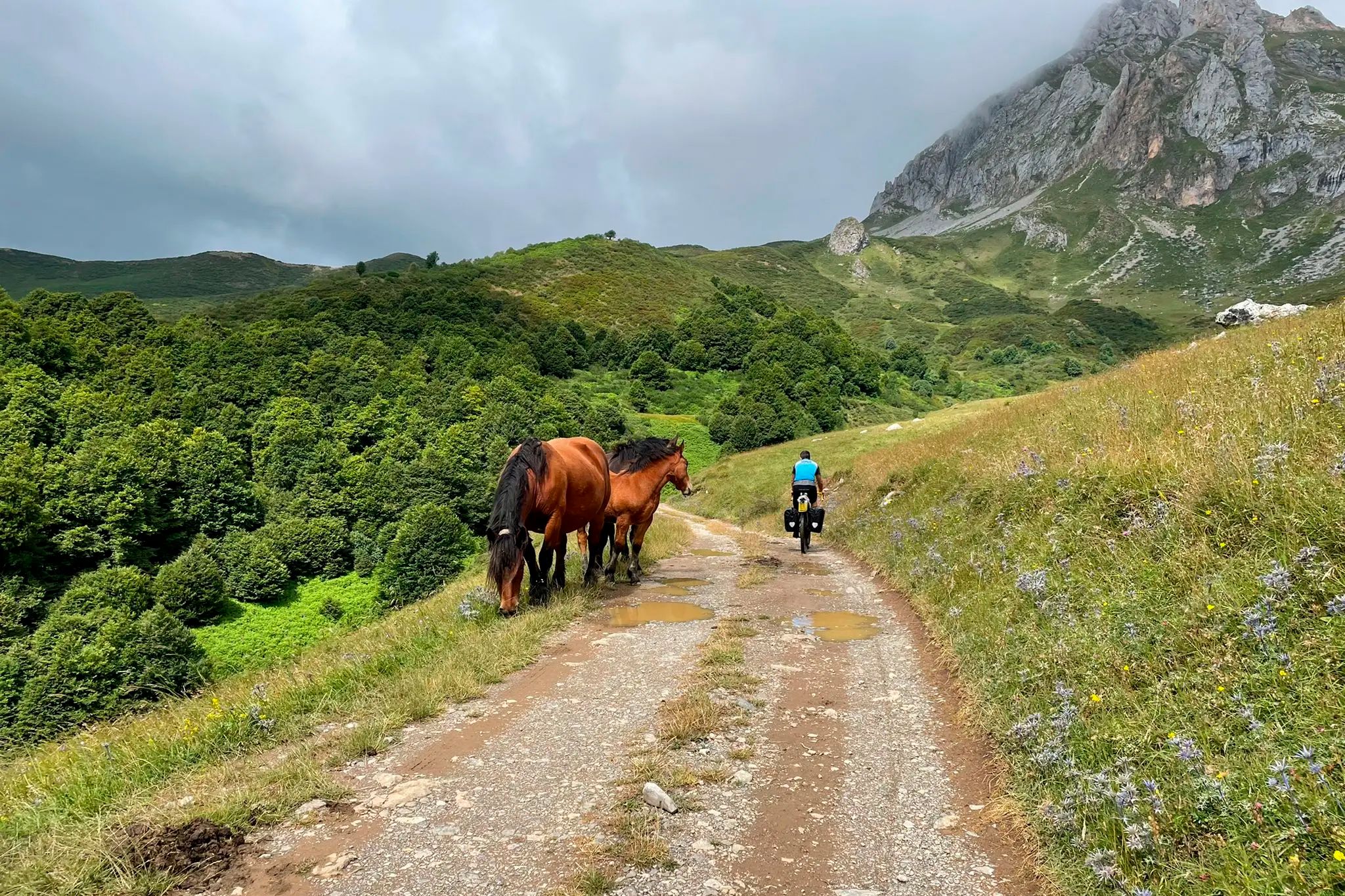
TransCantabrica – Extreme mountain biking in northern Spain
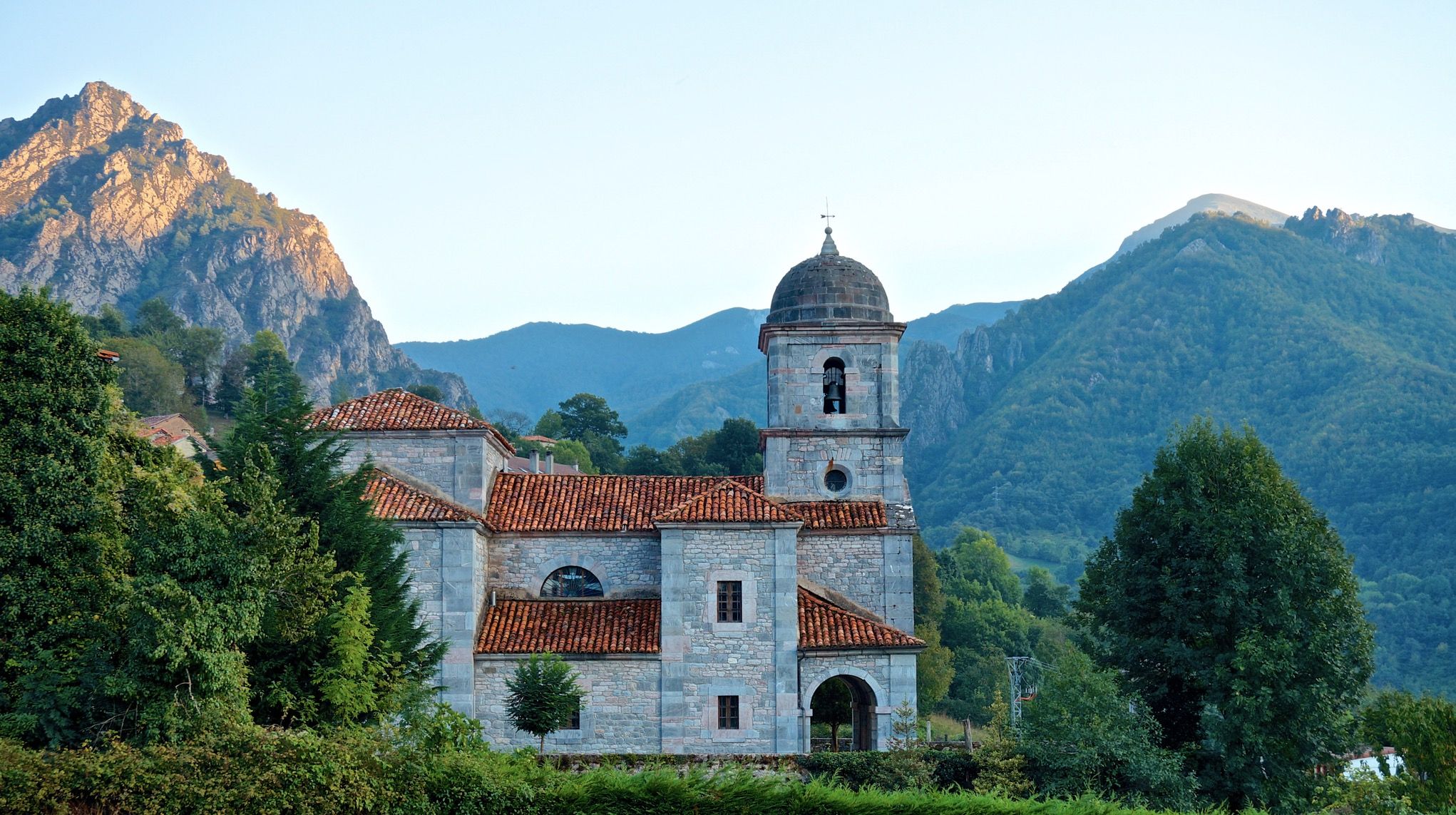
A trip through the mountains – Pedales de León MTB
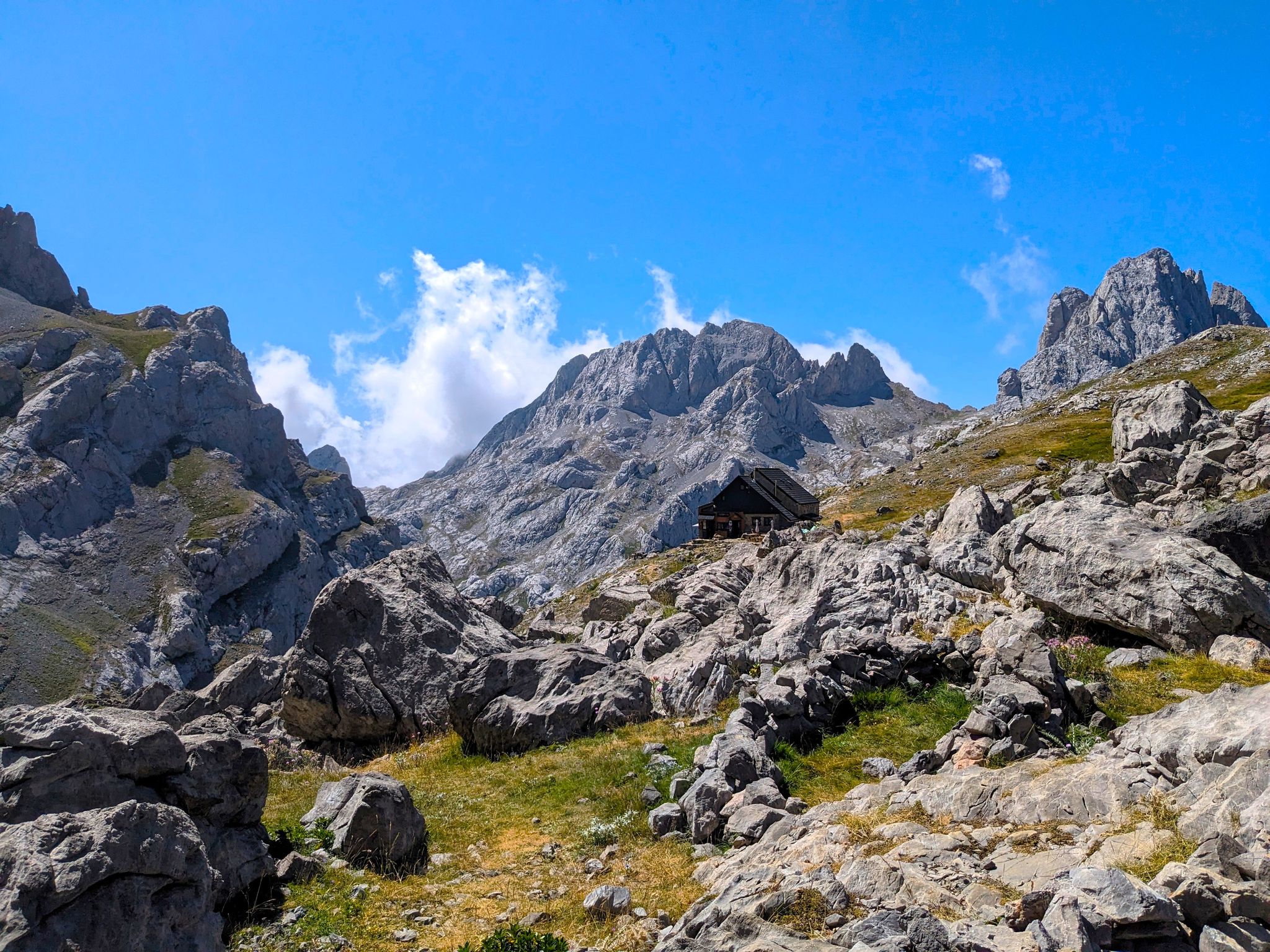
The untamed Collado Jermoso – Picos de Europa
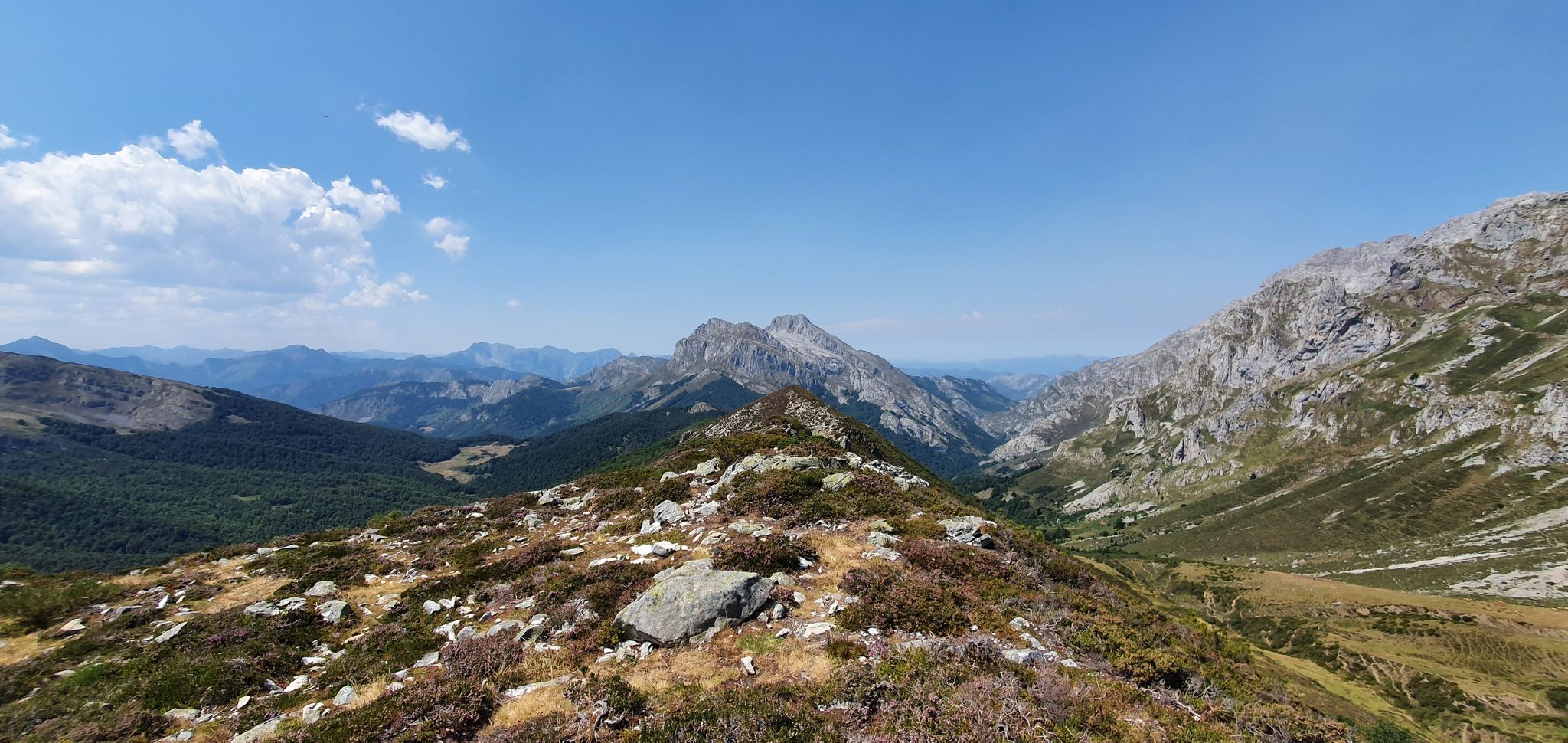
Four days hiking in Spain’s Picos de Europa – Anillo Vindio
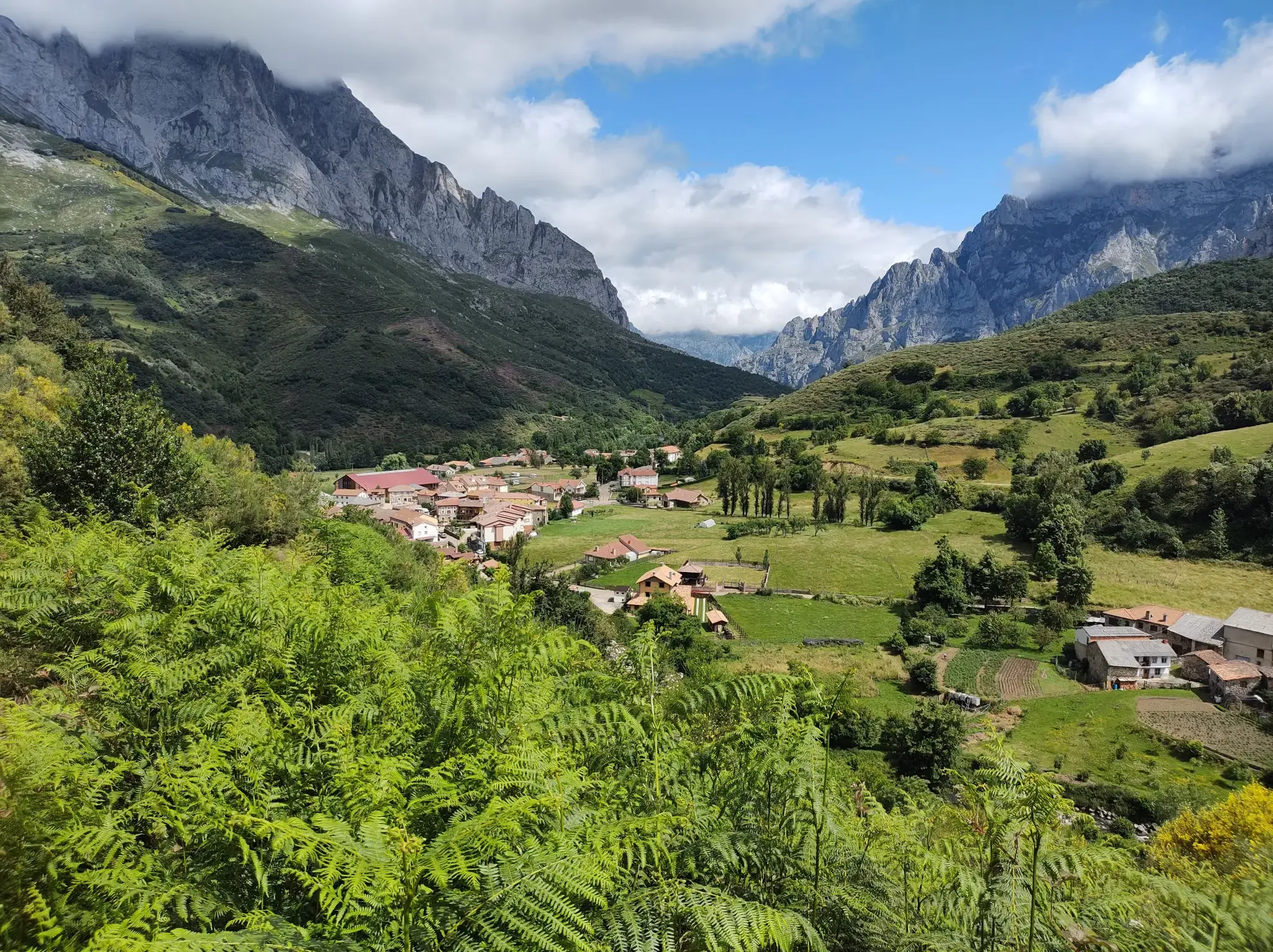
Hike Spain’s Picos de Europa – Ring of Peaks, Three Massifs
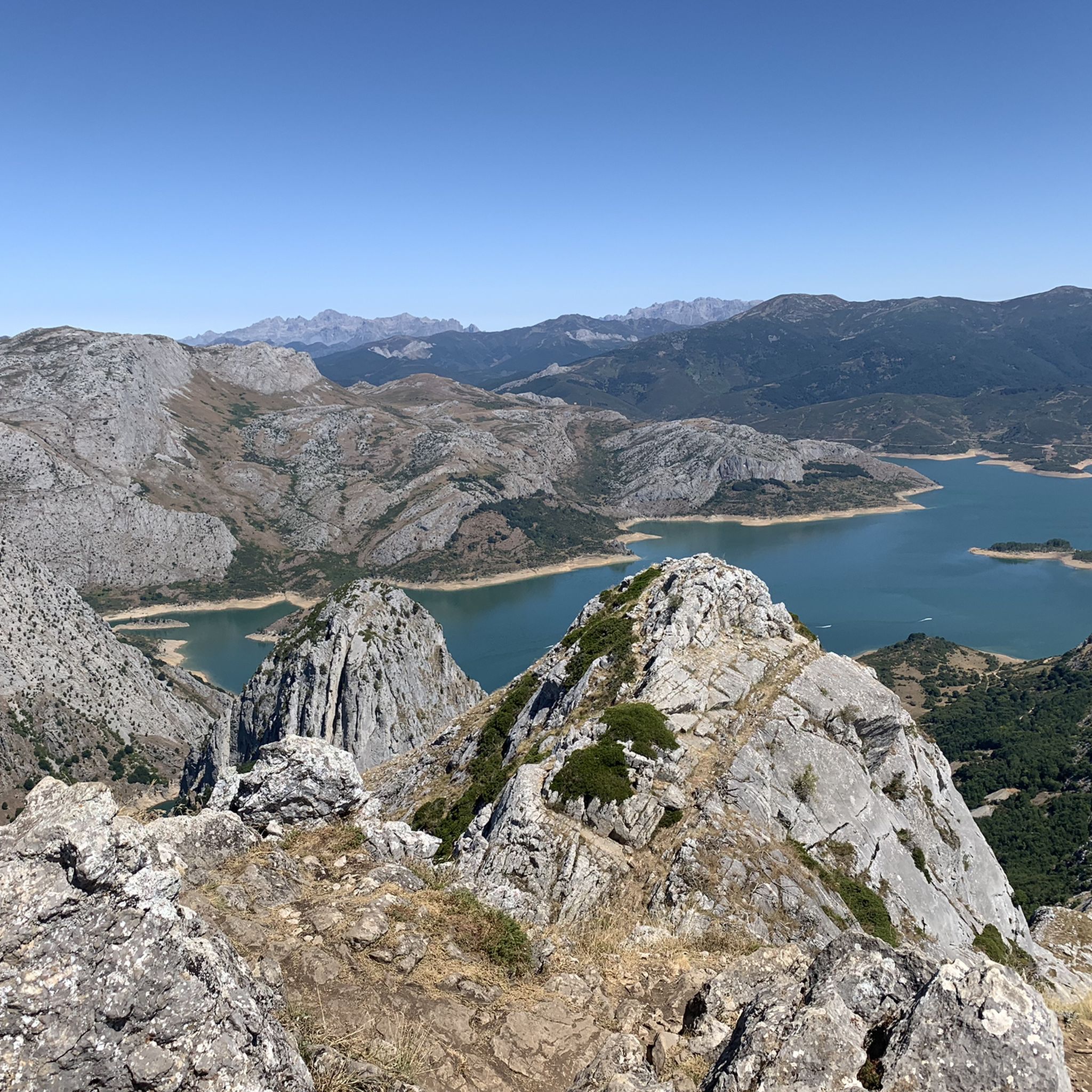
Hiking around La Montaña De Riaño
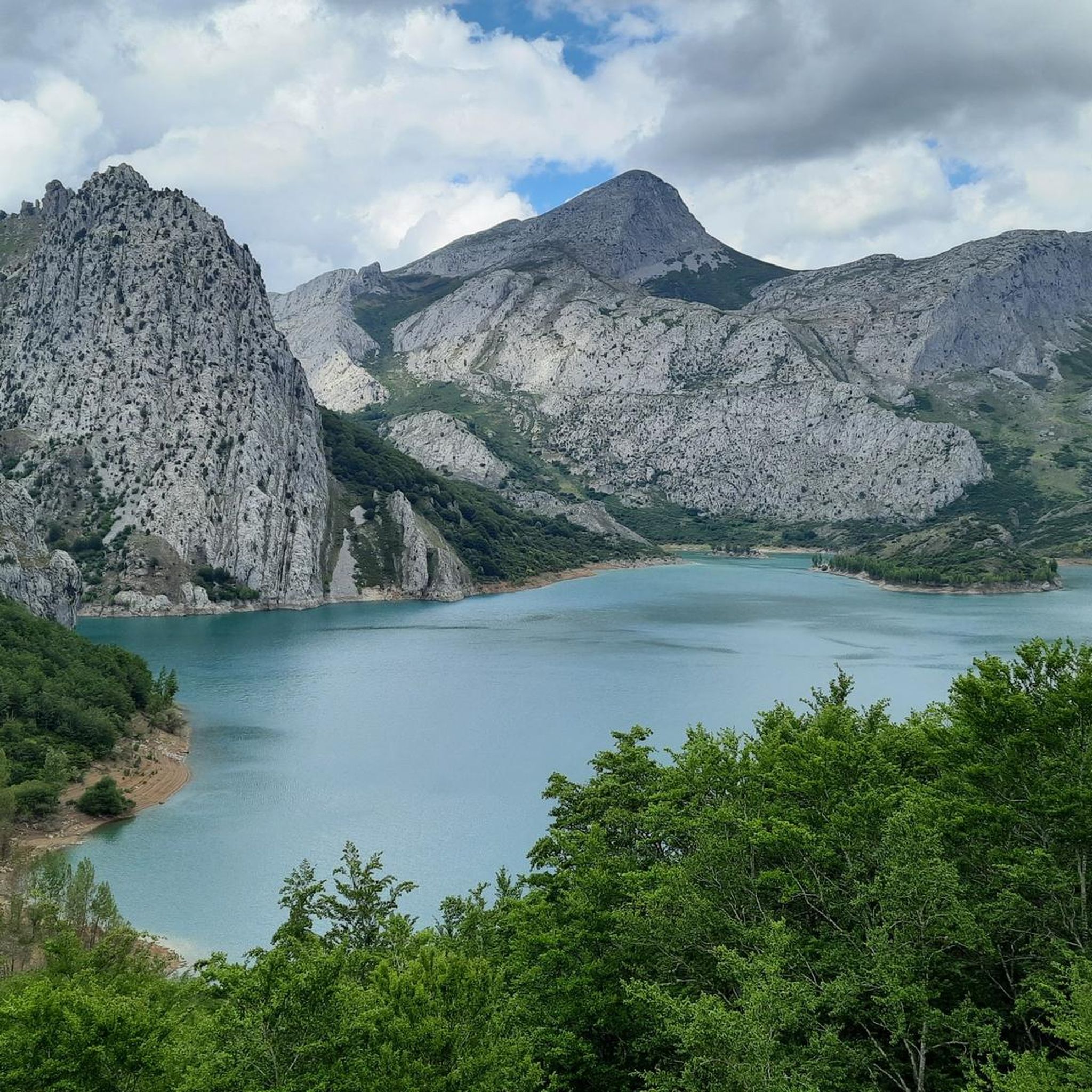
Running Trails around La Montaña De Riaño
Other adventures around La Montaña De Riaño


Tips from the Community

Simply wonderful. There's no other way to describe it. The view combined with these beautiful paths, simply indescribable
0
0

After rain the downhill (opposite dierction) can be somewhat challenging with steep rocky and muddy sections. I rode it on a gravel bike with 50 mm tires. Not too technical, but you need to watch out.
1
0

The Tarna Pass seems hidden from tourism and constant traffic. It's located on one of the least-traveled and most beautiful passes between Asturias and León. The scenery at the top is spectacular.
1
0

The Puerto de La Tarna, from Riaño, is a challenging road climb offering steady gradients and spectacular views of the Riaño Mountains. From the summit, you can enjoy panoramic views of the surrounding valleys, reservoirs, and peaks.
0
0

A great, exciting and spectacular landscape.
1
1

Nice and quiet port for cycling. Be careful with the fog at altitude.
0
0

Course with only a few delicate passages, otherwise smooth and fun. The views are exceptional.
1
0

The climb is long, fairly steep, with some tough sections. The views are spectacular from both sides.
1
1
Frequently Asked Questions
What are some of the most scenic mountain passes in La Montaña de Riaño?
La Montaña de Riaño offers several mountain passes with breathtaking views. For instance, Panderrueda Pass provides impressive panoramas of the western and central massifs of the Picos de Europa. Another excellent choice is Tarna Pass, known for its spectacular scenery, especially from its summit. Additionally, San Glorio Pass features the magnificent Lliesba Viewpoint.
Are there opportunities for cycling on these mountain passes?
Yes, the mountain passes in La Montaña de Riaño are popular among cyclists. Puerto de Las Señales is considered one of the most challenging and spectacular passes in Spain, having been featured in the Vuelta Ciclista a España. The route from Puebla de Lillo is particularly appreciated for its sublime scenery and consistent gradient. San Glorio Pass also offers a well-maintained road and is a nice, quiet option for cycling. For more cycling routes, you can explore the Road Cycling Routes around La Montaña De Riaño guide.
What kind of wildlife can I expect to see around the mountain passes?
The region around the mountain passes is rich in biodiversity. Near Puerto de Tarna, which is within the Redes Natural Park, you might spot brown bears, capercaillie, roe deer, red deer, wild boar, squirrels, foxes, and wolves. Birdlife includes griffon vultures, golden eagles, and partridges. The area around Puerto de Panderrueda is also recognized for its pristine natural environment and characteristic Cantabrian fauna.
Are there any protected natural areas near the mountain passes?
Absolutely. Puerto de Tarna is located on the Asturian side within the protected Redes Natural Park. Puerto de Las Señales is situated next to the protected area of the Picos de Europa National Park. Puerto de Panderrueda also serves as a gateway to the central massif of the Picos de Europa, an area known for its wild and preserved nature.
What hiking trails can I find near the mountain passes?
Many mountain passes serve as excellent starting points for hikes. Near Puerto de Panderrueda, you can access routes like the 'Camino Viejo de Valdeón,' which descends through dense beech forests. Puerto de Las Señales offers trails like the PR-LE 19, leading to 'Alto de Las Señales' with stunning panoramas. For a comprehensive list of trails, check out the Hiking around La Montaña De Riaño guide.
Are there any challenging mountain passes for experienced adventurers?
Yes, the region offers several challenging options. Puerto de Las Señales is renowned for its demanding climbs, especially popular with cycle tourists. Tarna Pass also features a long, fairly steep climb with tough sections. For hikers, the 'Trail from Fuente Dé to Portilla de la Reina' includes hard ramps and variable terrain, making it a challenging experience.
Are there any historical aspects to these mountain passes?
Yes, some passes hold historical significance. Puerto de Tarna is a historic mountain pass that even served as a small ski resort from the 1970s to the 1990s. Nearby, you can find the Fuente de La Nalona, the source of the Nalón River, accessible by an easy path.
Where can I find impressive viewpoints along the mountain passes?
Many passes offer spectacular viewpoints. The Pandetrave Viewpoint provides impressive views of the Picos de Europa and the Valley of Santa Marina de Valdeón, with interpretive panels and parking. Near Puerto de Panderrueda, the Mirador de Piedrashitas offers exceptional views towards the central massif of the Picos de Europa. From the summit of Puerto de Las Señales, you can admire a 360-degree mountain panorama.
What is the best time of year to visit the mountain passes in La Montaña de Riaño?
The best time to visit generally depends on your activity. For hiking and cycling, late spring (May-June) and early autumn (September-October) offer pleasant temperatures and vibrant landscapes. Summer (July-August) is also popular, though some areas might be busier. Winter can bring snow, making some passes suitable for winter sports or requiring specific gear for hiking, but also offering unique snowy vistas.
Can I find parking at the mountain passes?
Yes, parking is available at several key locations. For example, the Pandetrave Viewpoint has a dedicated car park, which also serves as a starting point for various routes. While specific parking details for every pass might vary, main passes usually have designated areas for vehicles.
Are there any family-friendly options among the mountain passes?
While many passes involve significant climbs, some areas offer more accessible experiences. The Pandetrave Viewpoint is considered family-friendly, offering impressive views and a starting point for easier routes. When planning a family outing, look for trails described as 'easy' or 'intermediate' in difficulty, and always check the specific route details.
Are there any circular routes available for exploring the mountain passes?
Yes, the region offers various circular routes for different activities. For instance, road cyclists can find routes like 'Parque Nacional de Los Picos de Europa – circular from Riaño' or 'Riaño from Cistierna – circular through Riaño Mountain Regional Park and Mampodre' in the Road Cycling Routes around La Montaña De Riaño guide. Hikers can also find circular options, such as the 'Pico Gilbo Loop Trail' in the Hiking around La Montaña De Riaño guide.
Most popular routes around La Montaña De Riaño
Most popular attractions around La Montaña De Riaño

Get inspired with the komoot mobile app


Didn’t find what you were looking for?
Find even more amazing mountain passes around La Montaña De Riaño organized by region:
Explore more
See even more epic mountain passes by checking out these guides around La Montaña De Riaño:
