Top 7 Castles around Sagra-Toledo
Best castles around Sagra-Toledo are found in a historical region of central Spain, situated between Madrid and Toledo. This area, encompassing parts of the Toledo province, is characterized by its strategic location and rich past. The terrain features extensive cereal fields and olive groves, with historical towns and monuments scattered throughout. The region's history is reflected in its numerous castles, which served various defensive and residential purposes over centuries.
Best castles around Sagra-Toledo
- The most popular castles is Palacio de…
Last updated: June 24, 2026
Palacio de Galiana
Highlight • Historical Site
Translated by Google •
Tip by

Puñoenrostro Castle
Highlight • Castle
Built …
Translated by Google •
Tip by

Sign up now to discover places like this
Get recommendations on the best single tracks, peaks, & plenty of other exciting outdoor places.
Sign up for free
San Servando Castle
Highlight • Castle
Translated by Google •
Tip by
Casarrubios del Monte Historical Center
Highlight • Historical Site
Translated by Google •
Tip by

View of the Puente de Alcántara and the Alcázar of Toledo
Highlight • Viewpoint
Translated by Google •
Tip by

The Queen’s Towers
Highlight • Castle
Translated by Google •
Tip by
Guadamur Castle
Highlight • Castle
Translated by Google •
Tip by
Polán Castle
Highlight • Castle
Translated by Google •
Tip by
Climbing rock
Highlight • Climb
Translated by Google •
Tip by
Start today with a free account
Your next adventure awaits.
Login or Signup
Popular around Sagra-Toledo
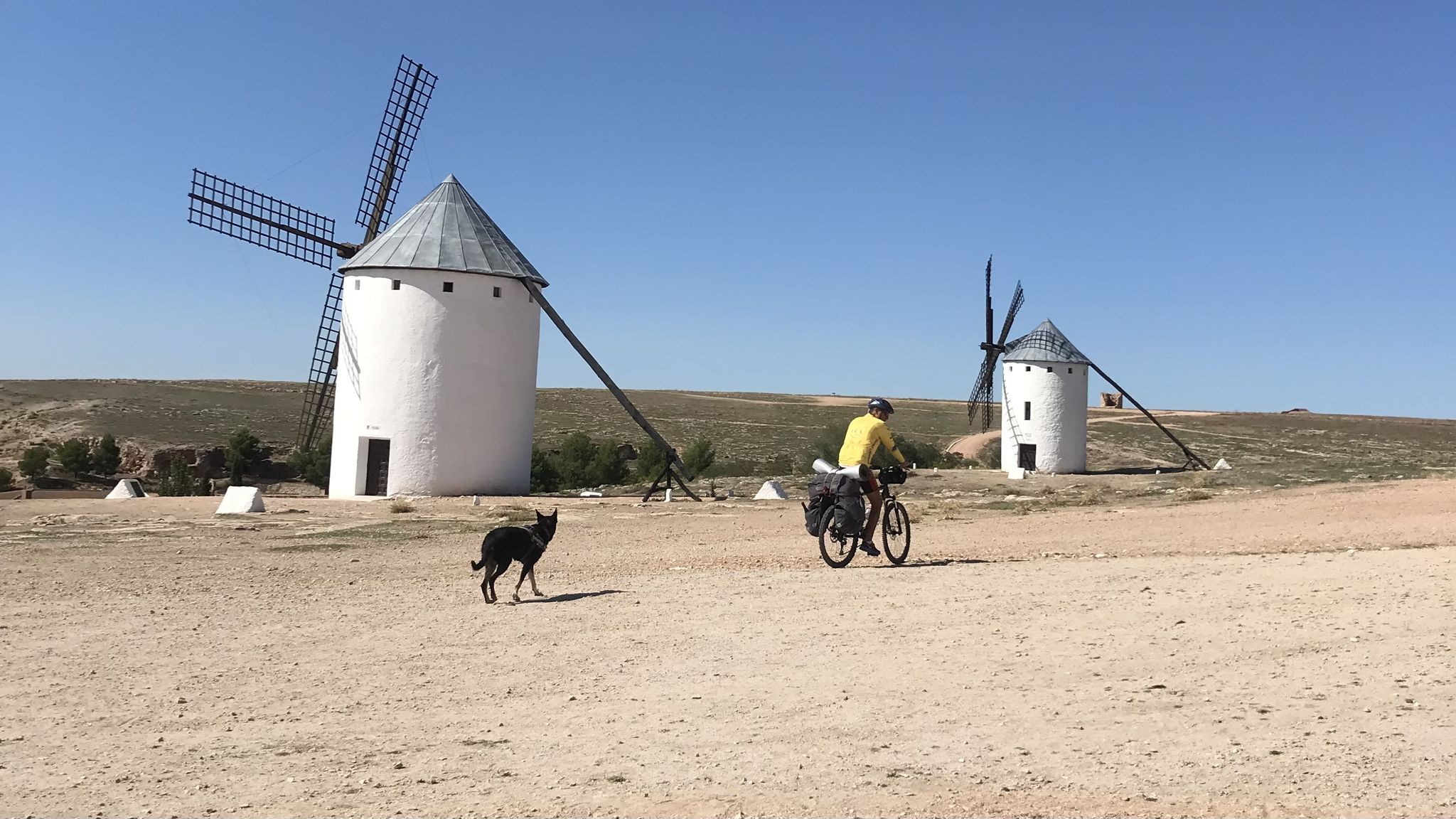
Don Quixote's route – The knight of the sorry face

Around the World in 80 Days
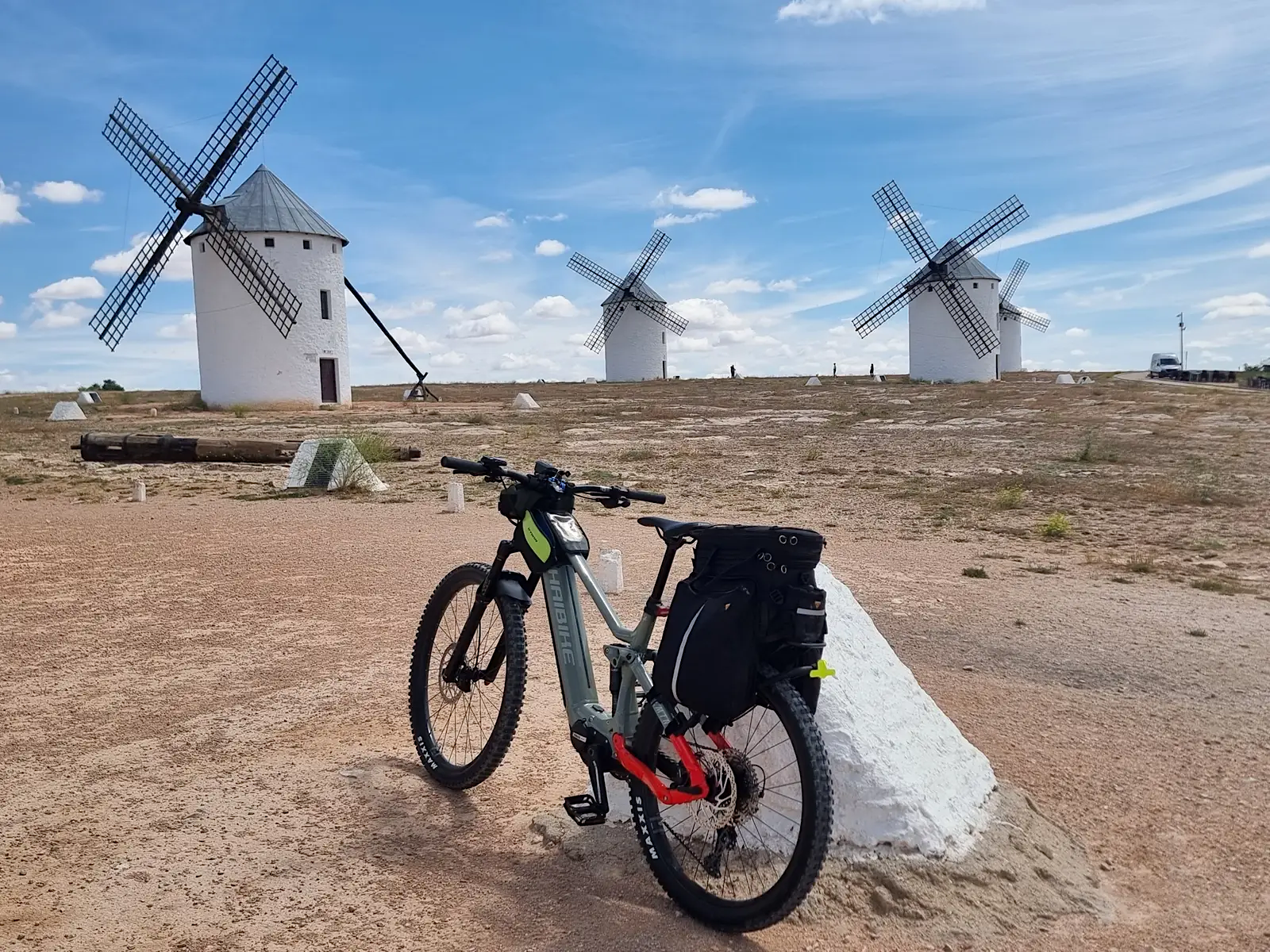
Route of Don Quixote – cycling between rivers, lagoons and hills
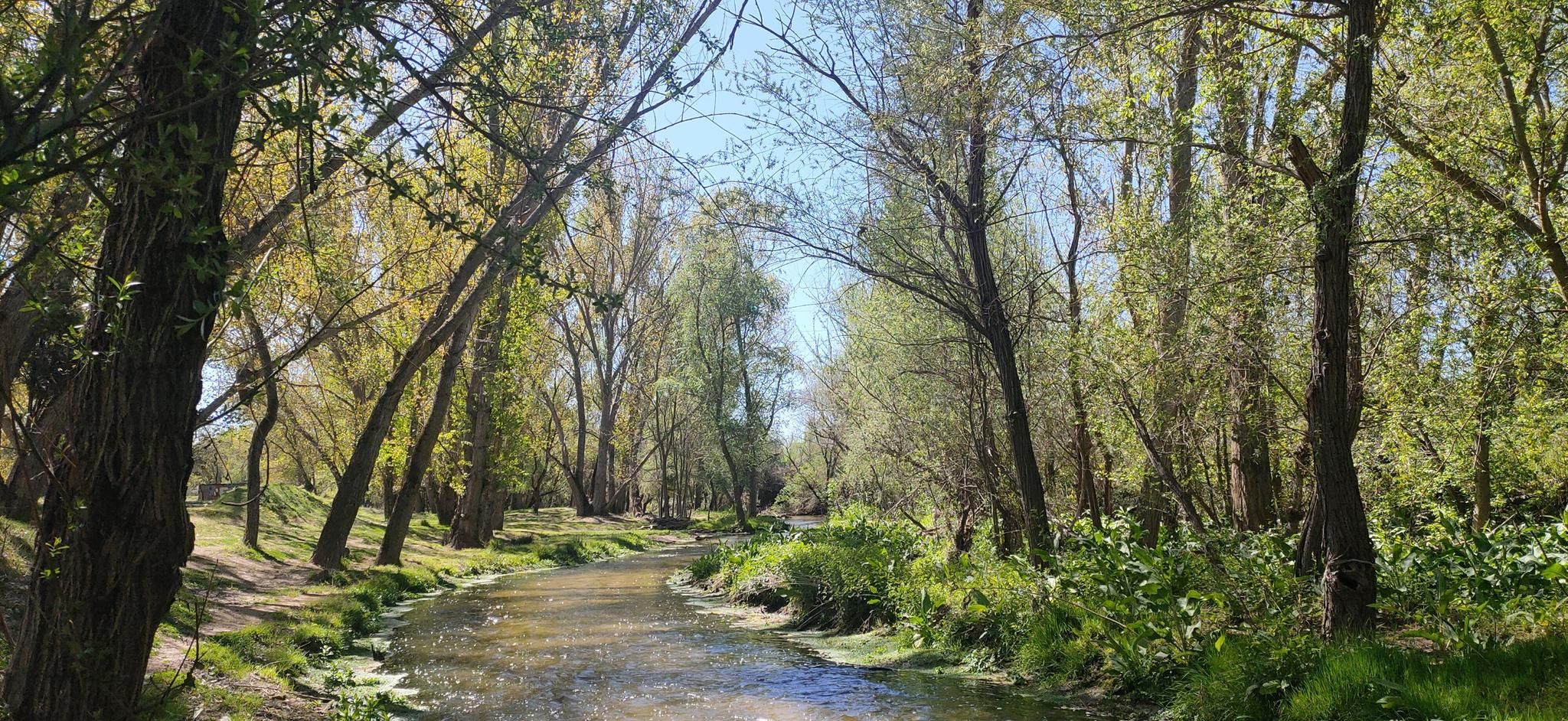
Hidden treasures in the river – hike along Spain’s Guadarrama River
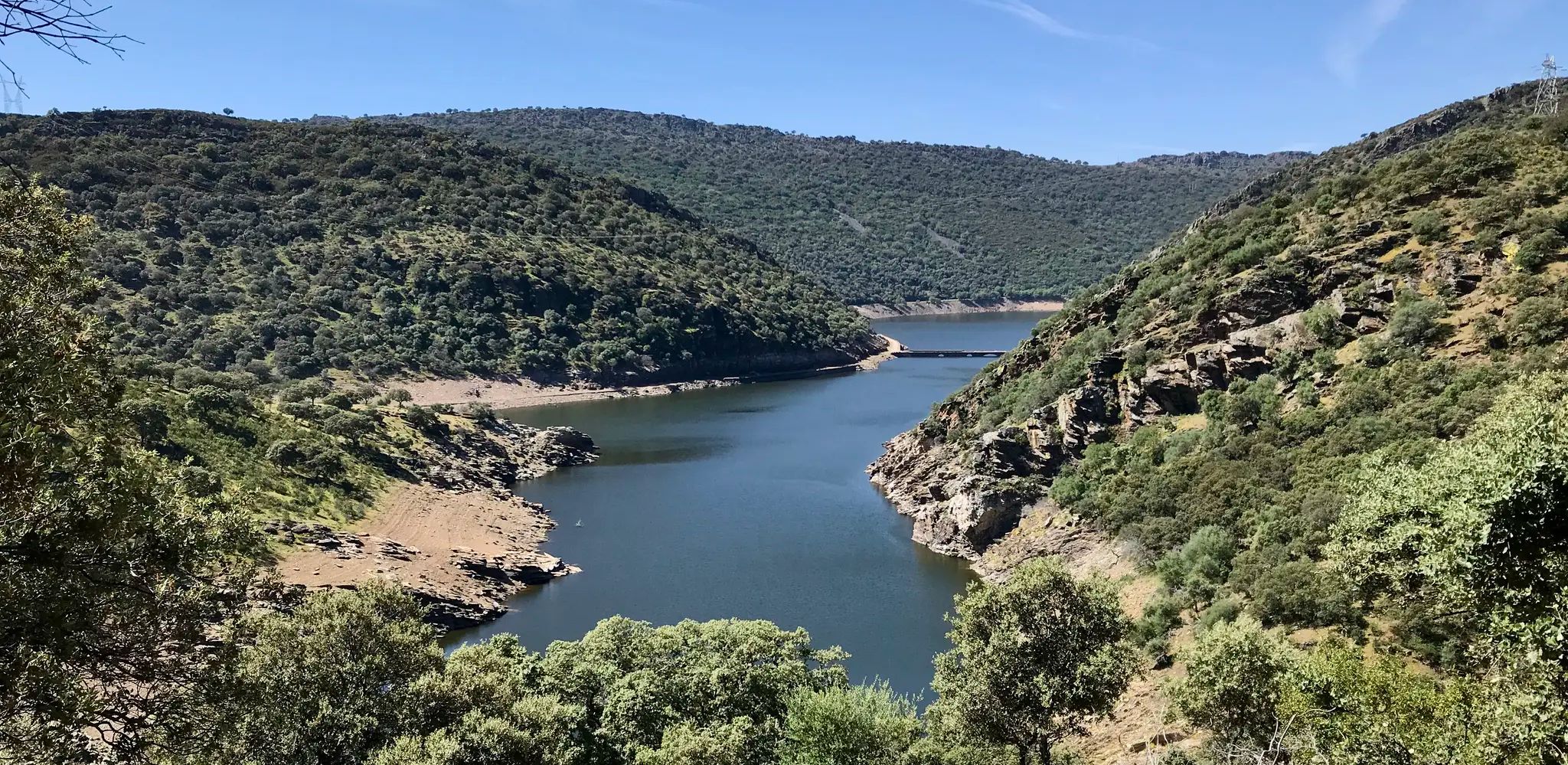
Toledo to Cedillo – Camino Natural del Tajo West
A gravel pilgrimage – Toledo to Guadalupe (GR 166)
A journey on the Iberian Peninsula – Tagus Nature Trail
A journey to the interior of the Iberian Peninsula – Levante Way (GR 239)
A Spanish pilgrimage by bicycle — the royal road to Guadalupe
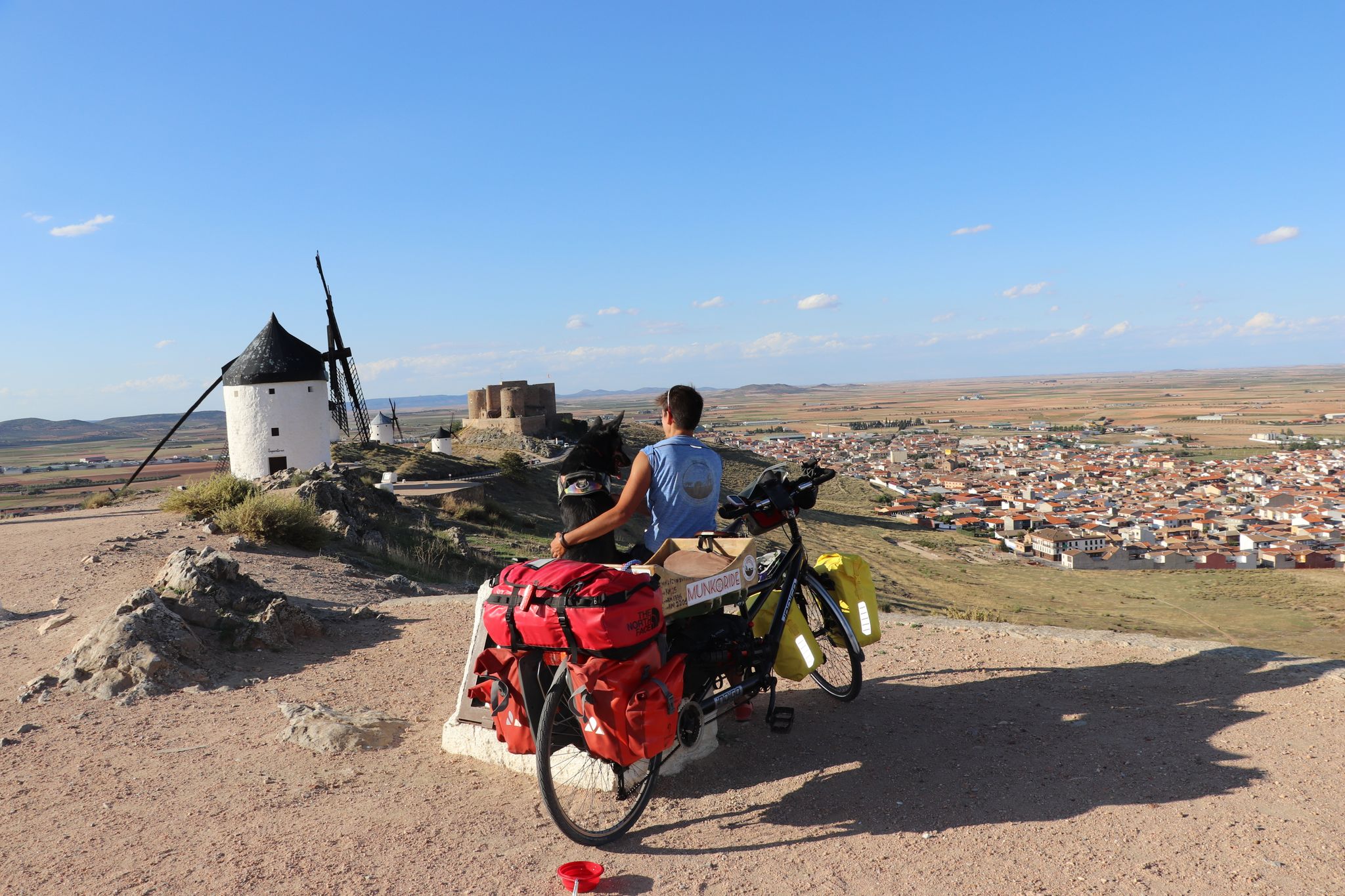
Cycle among the Giants of La Mancha in Spain – Route of Don Quixote
Other adventures around Sagra-Toledo


Tips from the Community

The Castle of Puñoenrostro (also known as the Castle of Seseña) is an imposing 14th-century fortress located in Seseña, in the province of Toledo (Spain). Declared a protected asset since 1949, it is famous for its massive Torre del Homenaje (keep) and is currently privately owned, not visitable inside.
1
0

The Legend With Toledo almost undefended, the Almoravids besieged the city. Berenguela, only 23 years old, climbed the wall at what is now the Queen's Tower to verbally confront the Muslim leaders. According to tradition, her stern rebuke caused the besiegers to withdraw in shame.
12
0
The Queen's Towers are a monumental section of Toledo's medieval city wall, located on Calle Carrera, between the Bisagra Gate and the Almofala Tower. They form part of the old urban defensive system. This section of the wall is visible from outside the Bisagra Gate, extending eastward. The name "Queen's Towers" comes from Berenguela of Barcelona, wife of Alfonso VII, who defended Toledo in 1139 while the king besieged the Muslim fortress of Oreja (near Aranjuez).
14
0
The Alcántara Bridge is one of Toledo's most important historical gateways and a key engineering feat dating back to Roman times. Originally built by the Romans as part of the roads crossing the Tagus River towards the city of Toletum, it was rebuilt in several stages due to damage and flooding of the Tagus. Notable phases include: 10th century: renovation under Islamic rule (the horseshoe arch was added). 13th century: reconstruction under Alfonso X, from which the western tower originates. 1721: replacement of the eastern tower with a Baroque triumphal arch. One of the Alcántara Bridge's greatest attractions is that it offers one of the best panoramic views of the Alcázar of Toledo, thanks to its low position next to the Tagus River.
1
0
A beautiful walk along the Tagus River.
3
0
Puñoenrostro Castle is an impressive medieval fortress located in Seseña (Toledo), although it is also associated with Torrejón de Velasco (Madrid) due to its proximity and recent restoration projects. Built in the 14th century, it was granted by Henry IV to Diego Arias de Ávila, his accountant and secretary. His descendants were named Counts of Puñoenrostro under Charles I. In 1862, the castle was sold along with its pastureland.
15
0
The Castle of San Servando is an impressive medieval fortress located in Toledo, next to the Tagus River and very close to the Alcántara Bridge. It is one of the city's most notable monuments due to its history, architecture, and strategic location. Built in 1024 as a monastery during the reign of Alfonso VI.
11
0
Guadamur Castle, located in the Toledo town of the same name, is one of the best-preserved fortresses in Castilla-La Mancha and an outstanding example of 15th-century stately architecture.
5
0
Frequently Asked Questions
What are some of the most historically significant castles in the Sagra-Toledo region?
The region is rich in history. Notable castles include the iconic Alcázar of Toledo, which houses the Army Museum and showcases diverse architectural styles from Roman to Renaissance. San Servando Castle, a former monastery and Templar fortress next to the Tagus River, is another significant monument. You can also explore Palacio de Galiana, an 11th-century palace on the banks of the Tagus, and the 14th-century Mudejar-style castle at Casarrubios del Monte Historical Center. Puñoenrostro Castle, a 14th-century medieval fortress, also offers a glimpse into the region's past.
Are there any castles in the Sagra-Toledo region that are particularly family-friendly?
Yes, several castles offer a great experience for families. The Casarrubios del Monte Historical Center, with its unique Mudejar-style castle, is noted as being 'great to go with the children.' Guadamur Castle and The Queen’s Towers are also categorized as family-friendly, offering engaging historical exploration for all ages.
What kind of outdoor activities can I do near the castles in Sagra-Toledo?
The Sagra-Toledo region offers various outdoor activities. You can find numerous cycling routes, such as the 'Toledo and Tajo Nature Trail Loop' or 'La Sagra Villages Loop,' which are part of the Cycling around Sagra-Toledo guide. For hikers, there are trails like the 'Toledo Historic Quarter Loop' and the 'Route of the Three Castles (PR-TO 38),' detailed in the Hiking around Sagra-Toledo guide. Road cycling enthusiasts can explore routes like 'Between Toledo and Madrid – circular from Valmojado to Navalcarnero' from the Road Cycling Routes around Sagra-Toledo guide.
What is the best time of year to visit the castles in Sagra-Toledo?
The Sagra-Toledo region experiences hot summers. For a more comfortable visit, especially if you plan to explore the castles' exteriors or engage in outdoor activities, spring (April-May) and autumn (September-October) are generally ideal. The weather is milder, making it pleasant for walking and sightseeing.
Can I visit the interior of all castles in the Sagra-Toledo region?
Access varies by castle. For instance, the Alcázar of Toledo houses the Army Museum, which is open to visitors. San Servando Castle offers tours and also functions as a hostel. However, some castles like Puñoenrostro Castle are private property, and access to their surroundings or interior might be restricted. Guadamur Castle is still inhabited, so only its exterior can be visited.
Are there any lesser-known or 'hidden gem' castles worth exploring in the area?
While the Alcázar and San Servando are prominent, you might enjoy exploring Polán Castle, a historical site that offers a different perspective. Almonacid Castle, with its imposing silhouette guarding the Camino de La Mancha, is another example of a 14th-century military outpost that provides insight into medieval defense strategies.
What are the architectural styles I can expect to see among the castles?
The castles in the Sagra-Toledo region showcase a rich tapestry of architectural styles, reflecting centuries of diverse cultural influences. You'll find Roman, Visigothic, Moorish, and Renaissance elements in the Alcázar of Toledo. Casarrubios del Monte Historical Center features a unique 14th-century Mudejar-style castle, distinct in Toledo. Many fortresses, like Puñoenrostro Castle, are prime examples of medieval military architecture.
How long should I allocate to explore a castle in the Sagra-Toledo region?
The time needed varies greatly depending on the castle. For a major site like the Alcázar of Toledo, which houses the Army Museum, you could easily spend 2-4 hours. Smaller castles or those with only exterior access, such as Guadamur Castle, might only require 1-2 hours. If you plan to combine a castle visit with nearby hiking or cycling, allocate a full day for the area.
Are there any castles that offer panoramic views of the surrounding landscape?
Yes, many castles in the region were strategically built on high points, offering excellent views. The Alcázar of Toledo, situated on the highest point of Toledo, provides commanding views of the city and the Tagus River. Palacio de Galiana, located on the banks of the Tagus, also offers privileged views of Toledo. San Servando Castle, elevated on the left bank of the Tagus, provides imposing views of the city.
What are some of the unique features of <a href="https://en.wikipedia.org/wiki/Castle_of_San_Servando" target="_blank" rel="noopener">San Servando Castle</a>?
San Servando Castle is an impressive medieval fortress with a rich history. Initially built as a monastery in 1024, it was later converted into a Templar stronghold to protect the Puente de Alcántara. Its foundations reveal evidence of Roman, Visigothic, and Muslim structures, highlighting its continuous strategic importance. It was declared a national monument in 1874 and was even depicted in El Greco's 'View of Toledo.' Today, it also functions as a hostel.
What makes <a href="https://www.komoot.com/highlight/3929073" target="_blank" rel="noopener">Casarrubios del Monte Historical Center</a> a unique destination?
Casarrubios del Monte Historical Center is notable for its 14th-century Mudejar-style castle, which is unique in its style within the province of Toledo. The town also features a 'roll of justice,' a historical monument signifying the mayor's jurisdiction to judge. It serves as an entrance to the La Sagra region from Madrid and is surrounded by extensive cereal fields and olive groves, offering a glimpse into the region's historical and agricultural importance.
Are there any cafes or restaurants near the castles in the Sagra-Toledo region?
Yes, when visiting castles, especially those located within or near towns like Toledo or Casarrubios del Monte, you will find various cafes, restaurants, and pubs. Toledo, in particular, offers a wide range of dining options to suit different tastes. For specific recommendations, it's best to check local listings for the town nearest the castle you plan to visit.
Most popular routes around Sagra-Toledo
Most popular attractions around Sagra-Toledo

Get inspired with the komoot mobile app


Didn’t find what you were looking for?
Explore Sagra-Toledo’s best castles region by region:
Explore more
Looking for the best castles somewhere else? Discover other guides around Sagra-Toledo:
