Attractions and Places To See around Pastos - Top 20
Attractions and places to see around Pastos include a variety of natural and historical sites. The region features waterfalls, ancient rock art, and volcanic landscapes. It is known for its mining heritage and historical buildings. This area offers opportunities to explore natural monuments and significant cultural sites.
Best attractions and places to see around Pastos
- The most popular attractions is Batanera Waterfall, a waterfall that features a beautiful waterfall and shelters with cave paintings. It is located in the…
Last updated: August 16, 2026
Puertollano
Highlight • Settlement
Translated by Google •
Tip by

Batanera Waterfall
Highlight • Waterfall
Translated by Google •
Tip by
Sign up now to discover places like this
Get recommendations on the best single tracks, peaks, & plenty of other exciting outdoor places.
Sign up for free
La Batanera Rock Art Site
Highlight • Historical Site
Translated by Google •
Tip by
Peñaescrita Cave Paintings
Highlight • Historical Site
Translated by Google •
Tip by
Las Lastras
Highlight • Waterfall
Translated by Google •
Tip by
Almodóvar del Campo
Highlight • Settlement
Translated by Google •
Tip by
San Bernardo Convent
Highlight • Religious Site
Translated by Google •
Tip by
Laguna de Almodóvar
Highlight • Lake
Translated by Google •
Tip by
Maar and Strombolian volcano of Almodóvar del Campo
Highlight • Volcano
Translated by Google •
Tip by
Paseo de San Gregorio
Highlight • Rest Area
Translated by Google •
Tip by
Sign up for free to discover even more attractions around Pastos.
Sign up for free
Already have an account?
Start today with a free account
Your next adventure awaits.
Login or Signup

Tips from the Community

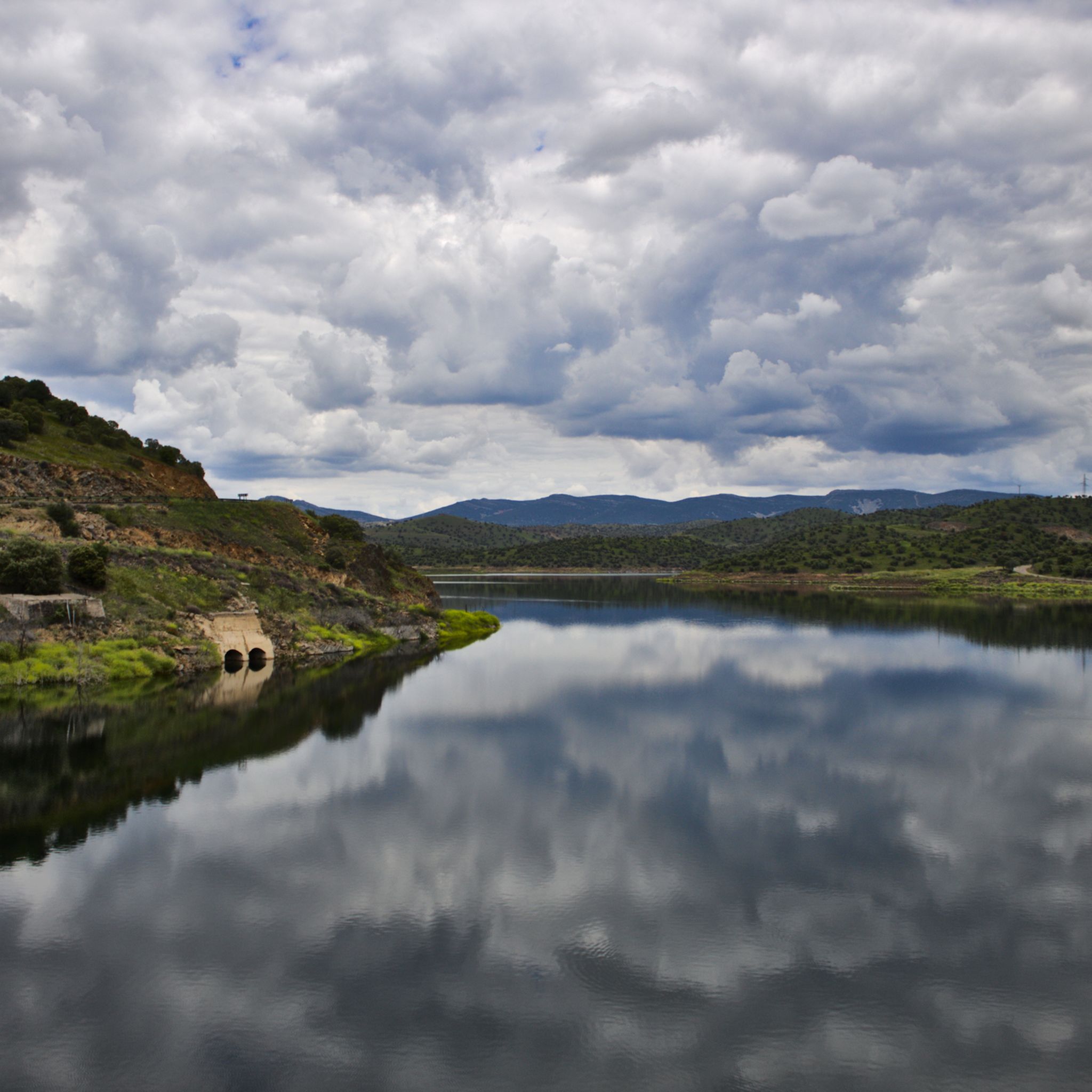
The Almodóvar del Campo Lagoon is a unique natural and geological feature located in the province of Ciudad Real, within the Campo de Calatrava region, famous for its volcanic landscapes. It is a lagoon formed in the crater of a volcano after a phreatomagmatic eruption (interaction between magma and groundwater). This type of lagoon is called a maar.
4
0
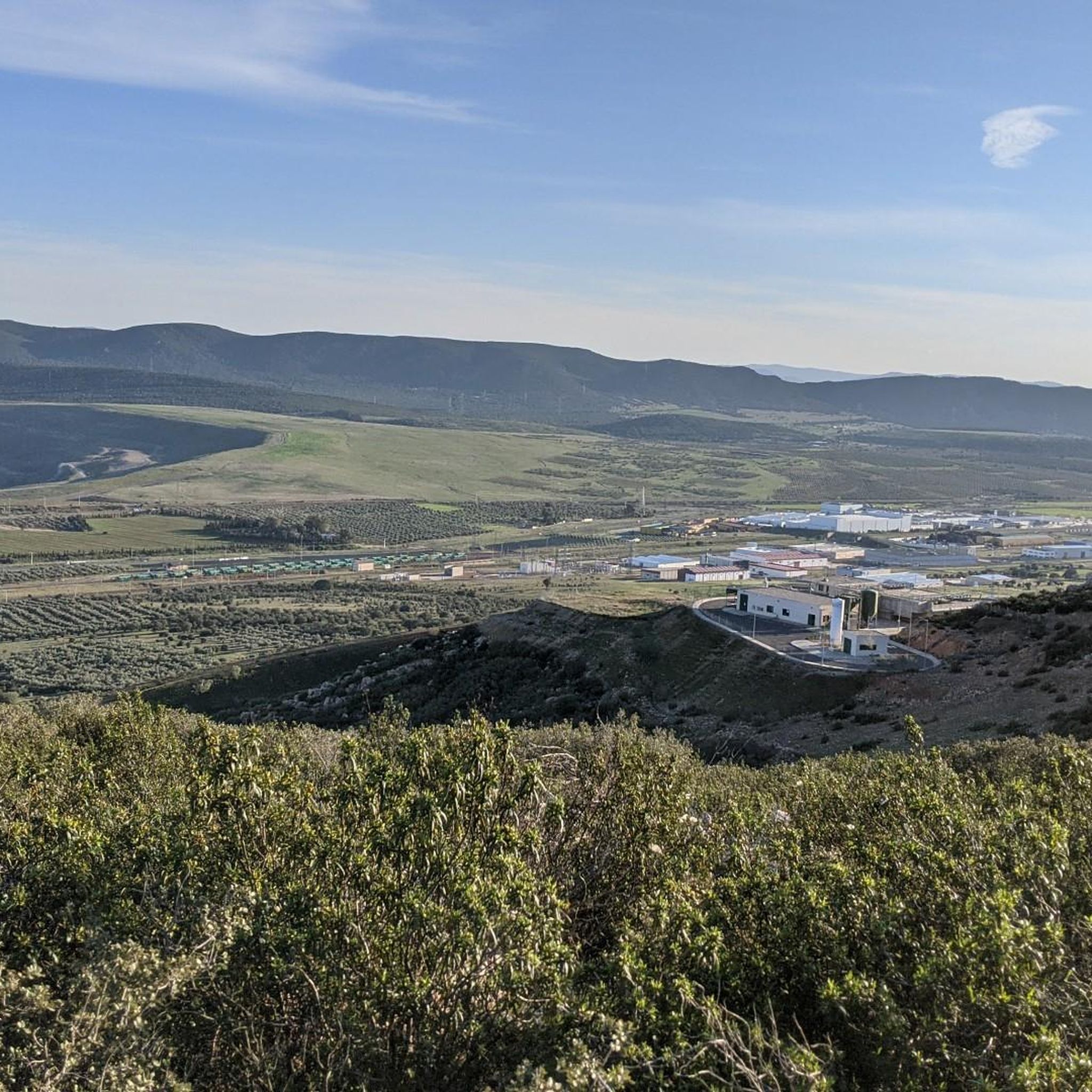
The Paseo de San Gregorio is one of the most iconic spots in Puertollano. This promenade is a large landscaped space that runs the length of the town and is a popular meeting point for residents and visitors. The promenade features beautiful gardens and several fountains, including the famous Fuente Agria.
23
0
In addition to the Palace of the Marqués de Santa Cruz, which is a Renaissance jewel built between 1564 and 1586 by the Spanish sailor Álvaro de Bazán, Viso del Marqués is home to other places of interest: Church of Our Lady of the Assumption: This Gothic-Renaissance style church has a central nave offset from the presbytery, built on the remains of a previous church. On its walls, you will find the curious “Lagarto del Viso”, a stuffed crocodile brought from the Nile by the Marquis during one of his expeditions. Plaza del Pradillo: The center of the town is surrounded by the Marqués Palace, the Church of Our Lady of the Assumption and the Tower of the old convent. AVAN Natural Sciences Museum: An interesting place to explore nature and biodiversity. Hermitage of San Andrés and forest park of the Valle de los Perales: A natural environment where you can enjoy the beauty of the Sierra de Viso del Marqués Viso del Marqués is a destination full of history and charm! 🏰🌿
8
0
The monuments and centers of cultural interest are spread throughout its streets: the Palermo Museum, the Casa-Convent of La Merced, current home of the Hieronymite nuns, in a modernist style and dating back to the 19th century. Continuing the visit you can visit the Cervantina Library, inside which countless editions of Don Quixote are collected, in various languages, formats and periods, as well as canvases and drawings related to the Cervantine character. From here you can also see the Municipal Theater, built in 1845 on the site of the old Carmelite Convent.
19
0
In the Alcudia Valley, we find the municipality of Almodóvar del Campo built on the side of a volcano, so present in Campo de Calatrava, and whose crater is now a lagoon. The Arab footprint is the most emblematic of the city, leaving behind the memory of the Castle and above all the unique Parish of Our Lady of the Assumption. There you can see the first videomapping in Spain permanently installed in a closed space, under the theme of the life and work of San Juan de Ávila.
29
0
It is formed by a Strombolian volcanic cone of pyroclasts, and due to the quarry in it, its internal structure is exposed. Attached to the foot of this volcano is the Almodóvar maar, which is a phreatomagmatic explosion crater that erupted at the edge of the Paleozoic series, cutting a substrate of hard lithology and destroying part of the previous volcano. The maar crater is funnel-type (hard-type substrate) and houses an ephemeral lagoon inside. In its southern and eastern contour the maar has a ring of tuffs, with pyroclastic facies. The phreatomagmatic deposits of the maar ring are located on a Cenozoic red colluvium. The main interest is of a volcanological (petrological) type and as a secondary interest the geomorphological interest stands out.
2
0
It is formed by a Strombolian volcanic cone of pyroclasts, and due to the quarry in it, its internal structure is exposed. Attached to the foot of this volcano is the Almodóvar maar, which is a phreatomagmatic explosion crater that erupted at the edge of the Paleozoic series, cutting a substrate of hard lithology and destroying part of the previous volcano. The maar crater is funnel-type (hard-type substrate) and houses an ephemeral lagoon inside. In its southern and eastern contour the maar has a ring of tuffs, with pyroclastic facies. The phreatomagmatic deposits of the maar ring are located on a Cenozoic red colluvium. The main interest is of a volcanological (petrological) type and as a secondary interest the geomorphological interest stands out.
28
0
It is a volcanic formation made up of a crater and the Cerro de los Molinos. The crater gives rise to the lagoon and the hill is composed of solid lava. It is located near Almodóvar del Campo, in an easterly direction and, according to historians, it gave origin and name to the settlement of the population.
1
0
Frequently Asked Questions
What are the most popular attractions around Pastos?
Visitors frequently enjoy the natural beauty of Batanera Waterfall, known for its beautiful cascade and nearby cave paintings. Another highly appreciated site is La Batanera Rock Art Site, which features one of the largest and best-preserved collections of schematic cave paintings on the Iberian Peninsula.
Are there historical sites or ancient art to explore near Pastos?
Yes, the region is rich in history. You can visit La Batanera Rock Art Site, which showcases ancient art in quartzite rock shelters. Additionally, Peñaescrita Cave Paintings offer a glimpse into prehistoric times with their unique zigzag triangular signs and human figures made with ocher and black colors.
What natural features can I explore around Pastos?
Beyond the historical sites, Pastos offers stunning natural landscapes. The Batanera Waterfall is a beautiful spot to enjoy nature. You can also explore the volcanic area of Campo de Calatrava, which includes features like the Maar and Strombolian volcano of Almodóvar del Campo.
Are there family-friendly attractions around Pastos?
Yes, several attractions are suitable for families. The town of Puertollano offers a mining museum and historical buildings. The Paseo de San Gregorio is also listed as family-friendly, providing a pleasant area for a stroll.
What outdoor activities can I do near these attractions?
The area around Pastos is great for outdoor enthusiasts. You can find various hiking and mountain biking trails. For hiking, consider routes like 'Las Lastras and La Batanera Trail' or 'Valle Hermoso Loop from Solana del Pino'. For mountain biking, options include 'Los Embalses de Tablillas, Montoro I y Montoro II – circular desde Puertollano'. You can find more details on these and other routes in the hiking guide and MTB trails guide.
Are there easy hiking trails near Pastos?
Yes, there are several easy hiking options. You can try the 'La Batanera Rock Art Site – Batanera Waterfall loop from Plaza de toros' or the 'Fuente Agria – Paseo de San Gregorio loop from Puertollano'. These routes are generally shorter and less challenging. More easy hikes are available in the easy hikes guide around Pastos.
What is there to see in the town of Puertollano?
Puertollano, located at the foot of the Monument to the Miner, offers insights into the city's mining history with its Mining Museum. You can also see the Castillete de Santa María and the Monument to the Miner on Cerro de Santa Ana for panoramic views. Its cultural heritage includes religious buildings like the church of Nuestra Señora de la Soledad and the church of the Virgen de Gracia.
Can I find viewpoints with scenic views around Pastos?
Absolutely. From the Cerro de Santa Ana in Puertollano, you can get a fantastic panoramic view of the city and its surroundings. Natural spots like Batanera Waterfall also offer picturesque settings within the Sierra Madrona Natural Park.
Are there any religious or architectural landmarks to visit?
Yes, the region has notable religious architecture. In Puertollano, you can visit the church of Nuestra Señora de la Soledad (14th century) and the church of the Virgen de Gracia (15th century). Additionally, the San Bernardo Convent is another historical religious building worth exploring.
What unique geological features are near Pastos?
The area is known for its volcanic landscape. A significant geological feature is the Maar and Strombolian volcano of Almodóvar del Campo, which is part of the volcanic area of Campo de Calatrava. This offers a unique insight into the region's geological past.
What do visitors enjoy most about the attractions around Pastos?
Visitors particularly appreciate the blend of natural beauty and historical significance. The stunning Batanera Waterfall and the ancient La Batanera Rock Art Site are frequently highlighted for their unique charm and the opportunity to connect with both nature and history. The overall experience of exploring the Sierra Madrona and Alcudia Valley is highly valued.
Most popular routes around Pastos
Most popular attractions around Pastos

Get inspired with the komoot mobile app


Didn’t find what you were looking for?
Are you keen on exploring more awesome places nearby? Browse our guides:
Explore more
Still not found the Highlight you’re looking for? See guides of the top attractions in other regions:
