The best walks and hikes around Barrage Du Crescent
4.3
(205)
882
hikers
95
hikes
Hiking around Barrage Du Crescent offers diverse landscapes within the Morvan Regional Natural Park in France. The region is characterized by mystical forests, undulating green hills, and the man-made Lac du Crescent, fed by rivers such as the Cure and Chalaux. The area provides a network of trails suitable for various skill levels, with elevations generally moderate. This environment supports a rich diversity of flora and fauna, making it a notable destination for outdoor activities.
Best hiking trails around Barrage…
Last updated: May 12, 2026
3.6
(5)
26
hikers
14.1km
04:00
320m
320m
Moderate hike. Good fitness required. Easily-accessible paths. Suitable for all skill levels.
4.0
(5)
11
hikers
6.01km
01:39
90m
100m
Easy hike. Great for any fitness level. Easily-accessible paths. Suitable for all skill levels.

Sign up for free
5.0
(1)
11
hikers
11.8km
03:19
250m
240m
Moderate hike. Good fitness required. Easily-accessible paths. Suitable for all skill levels.
4.0
(5)
11
hikers
6.14km
01:40
90m
90m
Easy hike. Great for any fitness level. Easily-accessible paths. Suitable for all skill levels.
3.0
(1)
5
hikers
7.68km
02:06
120m
110m
Moderate hike. Good fitness required. Easily-accessible paths. Suitable for all skill levels.
Get access to more routes and recommendations from other explorers.
Sign up for free
Already have an account?
Our route recommendations are based on thousands of hikes, rides, and runs completed by other people on komoot.
Start today with a free account
Your next adventure awaits.
Login or Signup

Tips from the Community

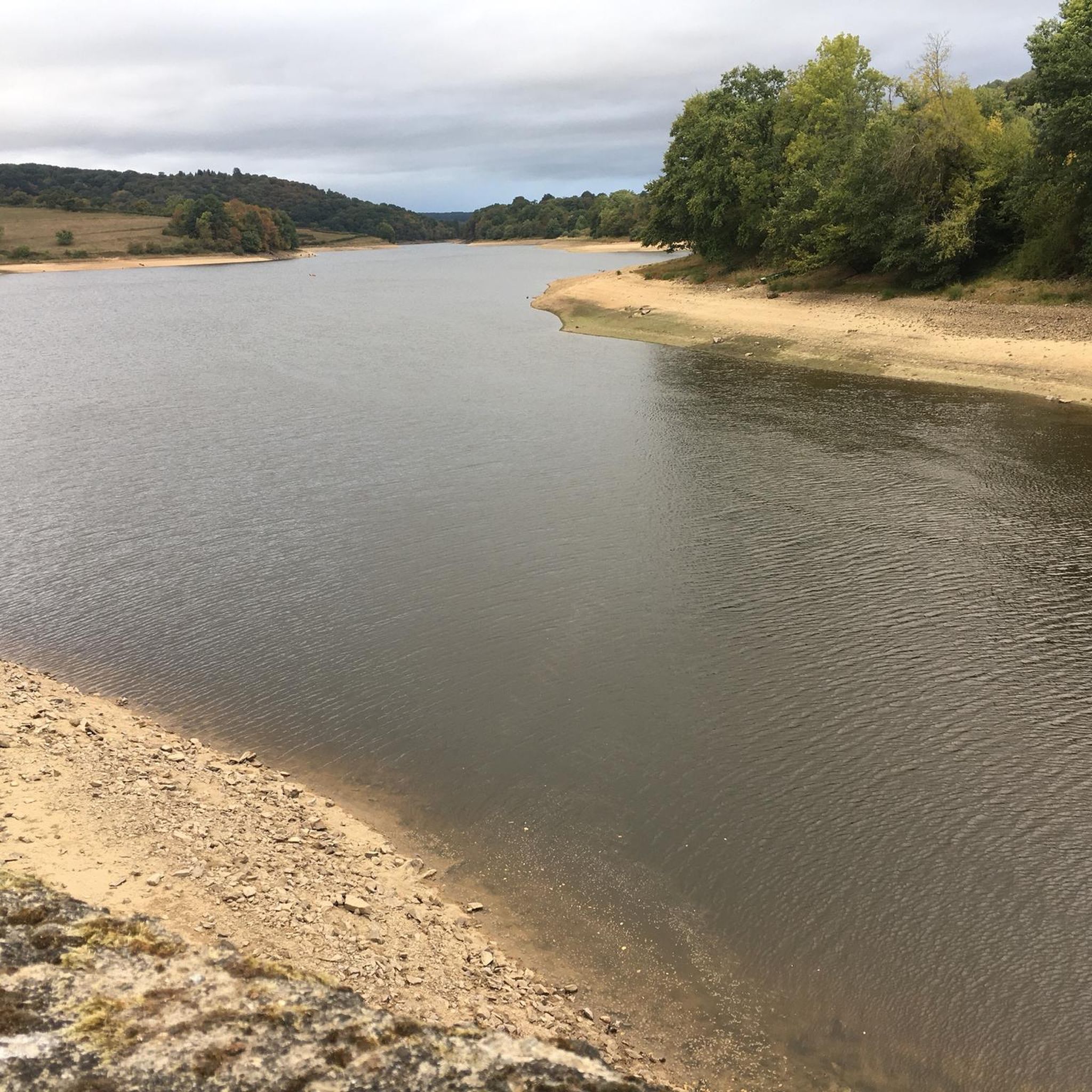
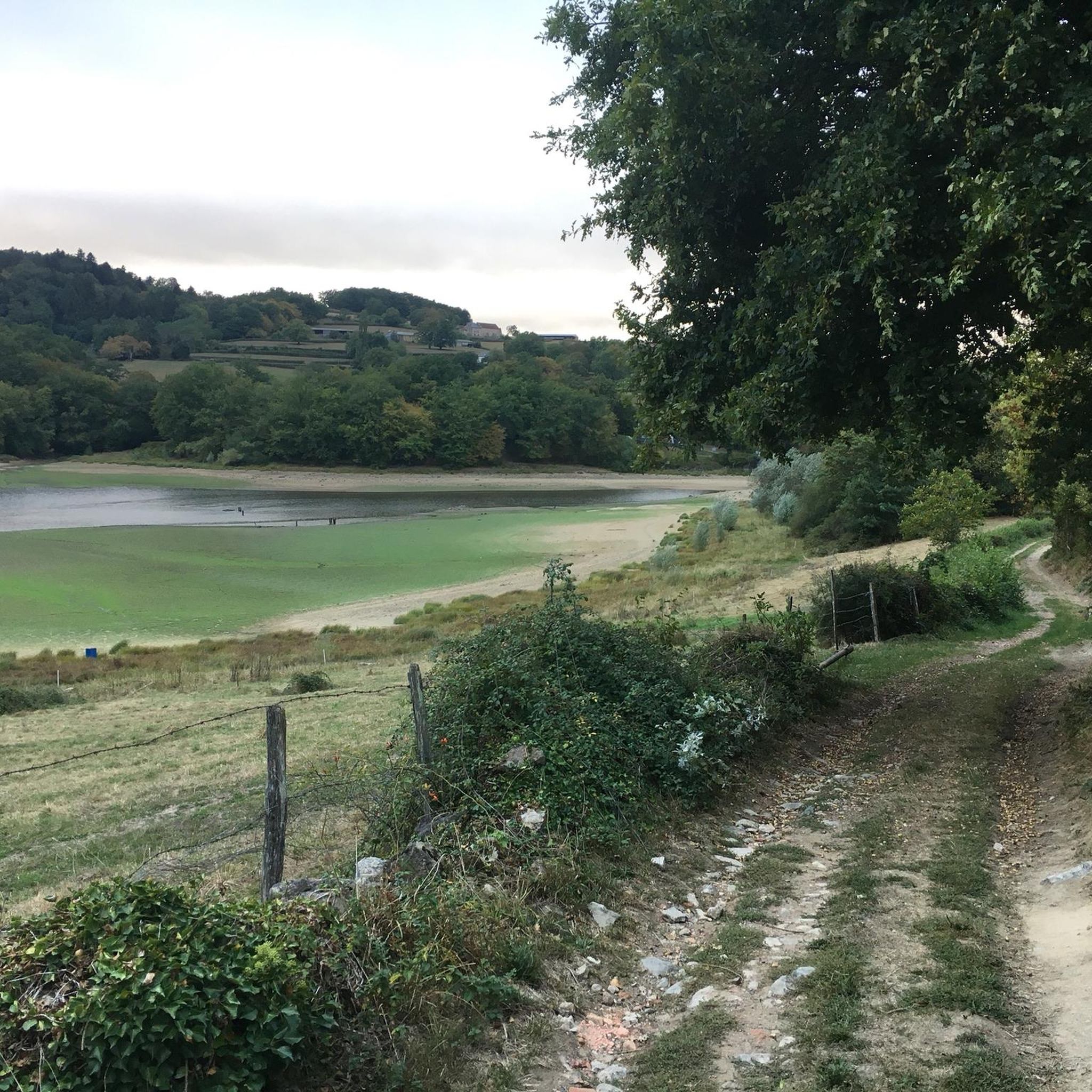
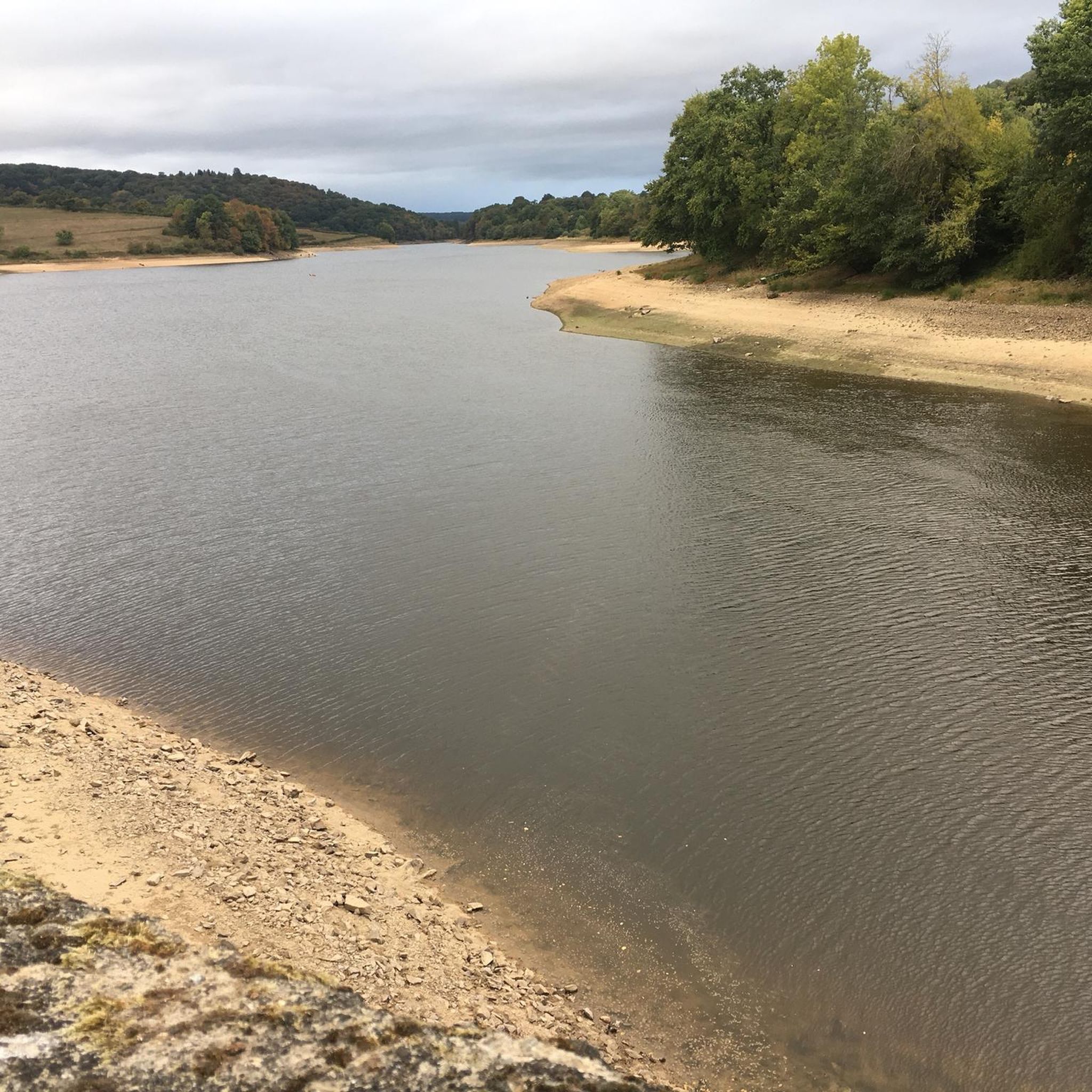
Crescent Lake is one of the six large lakes of the Morvan. It owes its name to its crescent shape and offers a magnificent natural setting.
0
0

Crescent Lake owes its name to its crescent shape. It is popular with local fishermen and also with swimmers who can visit its beach to cool off. Camping is also permitted. This lake, with its exceptionally bucolic setting, was chosen as the location in 2015 by Michel Gondry for filming his movie Microbe and Gazoil.
0
0

There is no possibility of touring the lake by mountain bike along the banks, but rather by taking the road. However, check that the road that passes over the dam is open (temporarily closed until June 25, 2025 for us!).
0
0

In the village, the parish church, dedicated to Saint Germain, is a building from the end of the 12th century, remodeled in the 16th and 19th centuries. According to Abbot Tissier, a chapel, undated, predated the parish church. The first mention of a priest in Saint Germain des Champs dates from 1147. The oldest parts of the church were the nave and the bell tower. The “vaulted with prismatic ribs” choir dates from the 16th century.
0
0

Very dedicated owner who is restoring the old mill on a voluntary basis and at the same time uses it as a place to stroll and relax.
0
0

The Crescent Dam was built between 1929 and 1932. A gravity dam, it is 330 meters long and 37 meters high. Its width at the base is 24 meters and at the crest 3.5 meters. It was built on the initiative of SA Compagnie HydroElectrique de la Cure and was owned by the City of Paris until 1946. The dam was built to regulate the waters of the Yonne and Seine rivers and thus prevent flooding in Paris, while also producing electricity. More than 165 hectares of cultivated land, hamlets, mills, and paths were flooded to allow the creation of the reservoir (maximum depth of 40 meters). It occupies four municipalities and two departments, and is fed by the Cure and Chalaux rivers. The structure was partly financed by war reparations owed by Germany to France after the First World War. This is why much of the dam's mechanisms are German-made. The road across it is narrow and only allows passage for one vehicle. Fortunately, there is very little traffic.
1
0
Straddling the departments of Nièvre and Yonne, with an area of 138 ha, Lac du Crescent owes its name to its "crescent" shape. This lake is formed by a hydroelectric dam built in 1930 and financed as German war damage linked to the 1st World War. The dam is 330 m long, 37 m high and the capacity of the lake is 14 million m3. The Crescent reservoir is fed by the most famous trout rivers in the Morvan: the Cure and the Chalaux. It is therefore a good fishing spot, like all the neighboring lakes of the Morvan, but a swimming area has also been set up on the side of the Yonne in the town of Chastellux sur Cure.
0
0

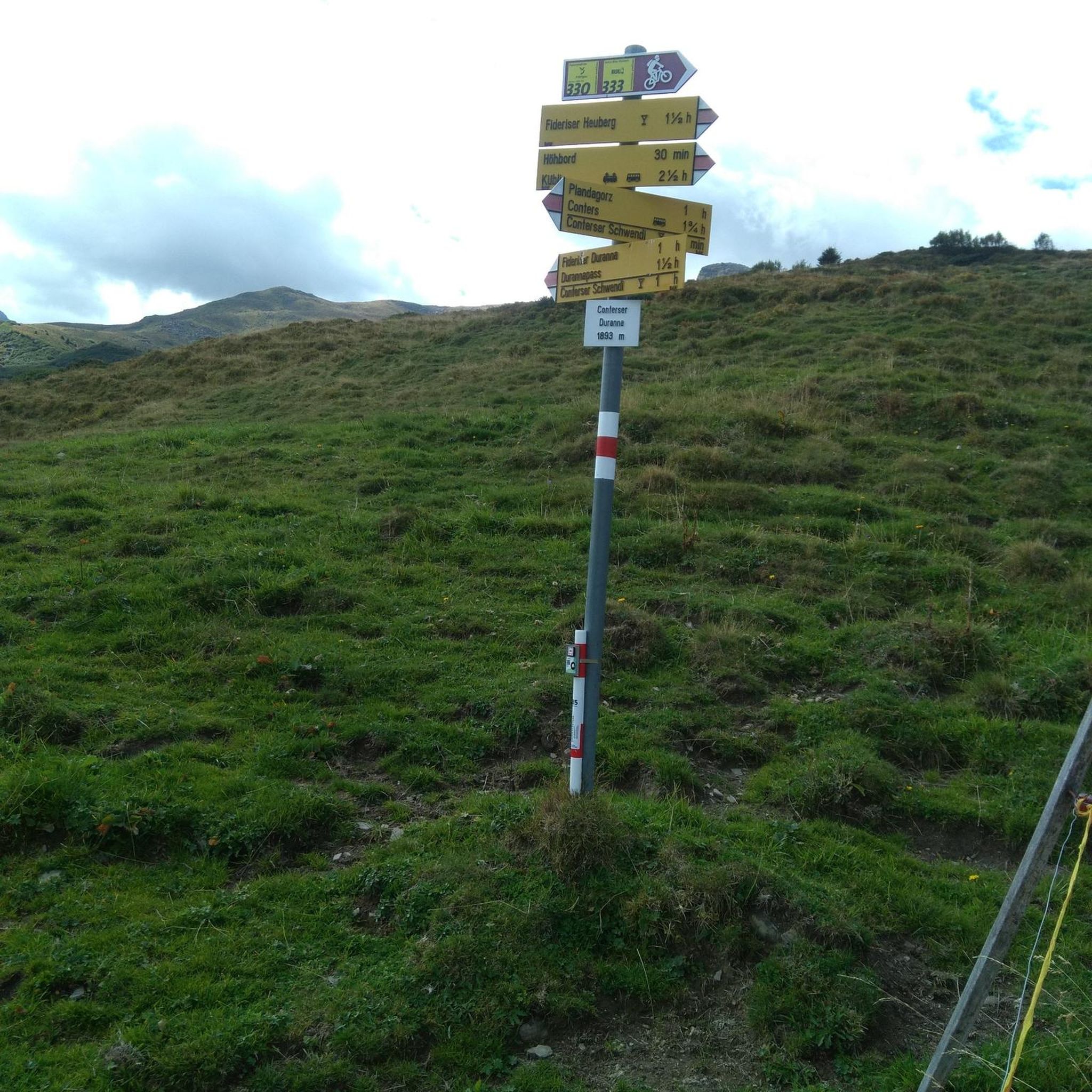
A mountain pass has the distinction of being located in the commune of Marigny-l'église. It offers beautiful panoramic views of the verdant Morvan countryside.
0
0
Frequently Asked Questions
What kind of terrain can I expect on hikes around Barrage Du Crescent?
The terrain around Barrage Du Crescent is characterized by mystical forests and undulating green hills within the Morvan Regional Natural Park. You'll find a mix of paths, from easy strolls to more challenging routes, with elevations generally moderate. The area features diverse landscapes, including the shores of Lac du Crescent and trails along rivers like the Cure and Chalaux.
Are there family-friendly hiking options near Barrage Du Crescent?
Yes, Barrage Du Crescent offers several family-friendly hiking options. For an easier outing, consider the Lake Crescent – Lac du Crescent loop from Lac du Crescent, which is about 6 km and takes under two hours. The region also provides two landscaped sites near the dam and by the road to Chézelles, equipped with picnic tables and children's play areas, perfect for a family day out.
Can I bring my dog on the hiking trails around Barrage Du Crescent?
The Morvan Regional Natural Park, where Barrage Du Crescent is located, is generally dog-friendly. While specific leash policies can vary, it's always recommended to keep your dog on a leash to protect local wildlife and ensure a pleasant experience for all hikers. Many trails, including the scenic loops around the lake, are suitable for walks with your canine companion.
What are the best viewpoints or natural features to look out for?
The primary natural feature is the crescent-shaped Lac du Crescent itself, formed by the impressive Barrage du Crescent. The dam, built between 1929 and 1932, is 330 meters long and 37 meters high, offering a significant landmark. You'll also encounter mystical forests, green hills, and crystal-clear rivers like the Cure and Chalaux. The Lake Crescent – Crescent Dam loop from Lac du Crescent provides excellent views of both the lake and the historic dam structure.
Are there circular hiking routes available?
Yes, the area around Barrage Du Crescent is well-suited for circular hikes. Popular options include the Lake Crescent – Crescent Dam loop from Lac du Crescent (14.1 km), the easier Lake Crescent – Lac du Crescent loop from Lac du Crescent (6 km), and the Lake Crescent – Col de Marigny loop from Lac du Crescent (11.8 km). There's also an 11 km loop trail from Marigny-l'Église known as the Queue du lac du Crescent, which you can find more information about on burgundy-tourism.com.
How many hiking trails are there in Barrage Du Crescent?
There are over 80 hiking trails around Barrage Du Crescent, catering to various skill levels. This includes 36 easy routes, 43 moderate routes, and 9 more challenging options, ensuring there's something for everyone.
What is the best time of year to go hiking in Barrage Du Crescent?
The region is beautiful throughout the warmer months, typically from spring to autumn. During these seasons, the weather is generally pleasant for hiking, allowing you to fully enjoy the mystical forests, green hills, and the serene Lac du Crescent. Spring brings fresh greenery, while autumn offers vibrant colors.
What do other hikers enjoy most about hiking in Barrage Du Crescent?
The area is highly rated by the komoot community, with an average score of 4.4 stars from over 190 reviews. Hikers often praise the tranquil and unspoiled environment, the diverse landscapes, and the picturesque views of Lac du Crescent. The variety of trails, from easy lakeside strolls to more extensive loops, is also frequently highlighted.
Are there any cafes or accommodation options near the hiking trails?
While the region is known for its tranquil and unspoiled environment, there are amenities available. Two landscaped sites near the dam and by the road to Chézelles offer picnic tables. For cafes, pubs, and accommodation, you would typically find options in nearby villages and towns surrounding the Morvan Regional Natural Park, such as Montigny or Marigny-l'Église.
Is public transport available to reach the Barrage Du Crescent hiking areas?
Information on direct public transport to specific trailheads around Barrage Du Crescent is limited. The Morvan Regional Natural Park is best explored by car, which allows for greater flexibility in accessing various starting points. Parking is generally available near popular trailheads and attractions like the dam.
What is the typical duration of hikes in this area?
Hikes around Barrage Du Crescent vary in duration to suit different preferences. You can find shorter, easier walks like the Lake Crescent – Lac du Crescent loop from Chalaux, which is about 6 km and takes around 1 hour and 40 minutes. Longer, moderate routes, such as the Hiking loop from Montigny (7.68 km), can take over 2 hours, while the Lake Crescent – Crescent Dam loop (14.1 km) typically requires about 4 hours.
Most popular routes around Barrage Du Crescent

Get inspired with the komoot mobile app


Explore more
Browse the best Hikes in other regions.
