The best walks and hikes around Peel En Maas
4.4
(898)
4,598
hikers
360
hikes
Hiking around Peel En Maas offers diverse landscapes, from the unique raised bogs and wetlands of De Groote Peel National Park to expansive heathlands and dense forests. The region is characterized by its flat terrain, with minimal elevation changes, making it accessible for various hiking abilities. The serene River Maas Valley to the east provides picturesque scenery along its banks, complementing the natural reserves and woodlands found throughout the municipality.
Best hiking trails around Peel En Maas
- The most popular…
Last updated: July 11, 2026
4.6
(25)
55
hikers
6.90km
01:44
10m
10m
Easy hike. Great for any fitness level. Easily-accessible paths. Suitable for all skill levels.
4.2
(5)
32
hikers
15.3km
03:52
20m
20m
Moderate hike. Good fitness required. Mostly accessible paths. Sure-footedness required.

Sign up for free
4.7
(46)
199
hikers
Moderate hike. Good fitness required. Easily-accessible paths. Suitable for all skill levels.
4.5
(28)
141
hikers
Moderate hike. Good fitness required. Easily-accessible paths. Suitable for all skill levels.
4.5
(33)
141
hikers
14.6km
03:40
20m
20m
Moderate hike. Good fitness required. Easily-accessible paths. Suitable for all skill levels.
Get access to more routes and recommendations from other explorers.
Sign up for free
Already have an account?
Our route recommendations are based on thousands of hikes, rides, and runs completed by other people on komoot.
Start today with a free account
Your next adventure awaits.
Login or Signup
Popular around Peel En Maas
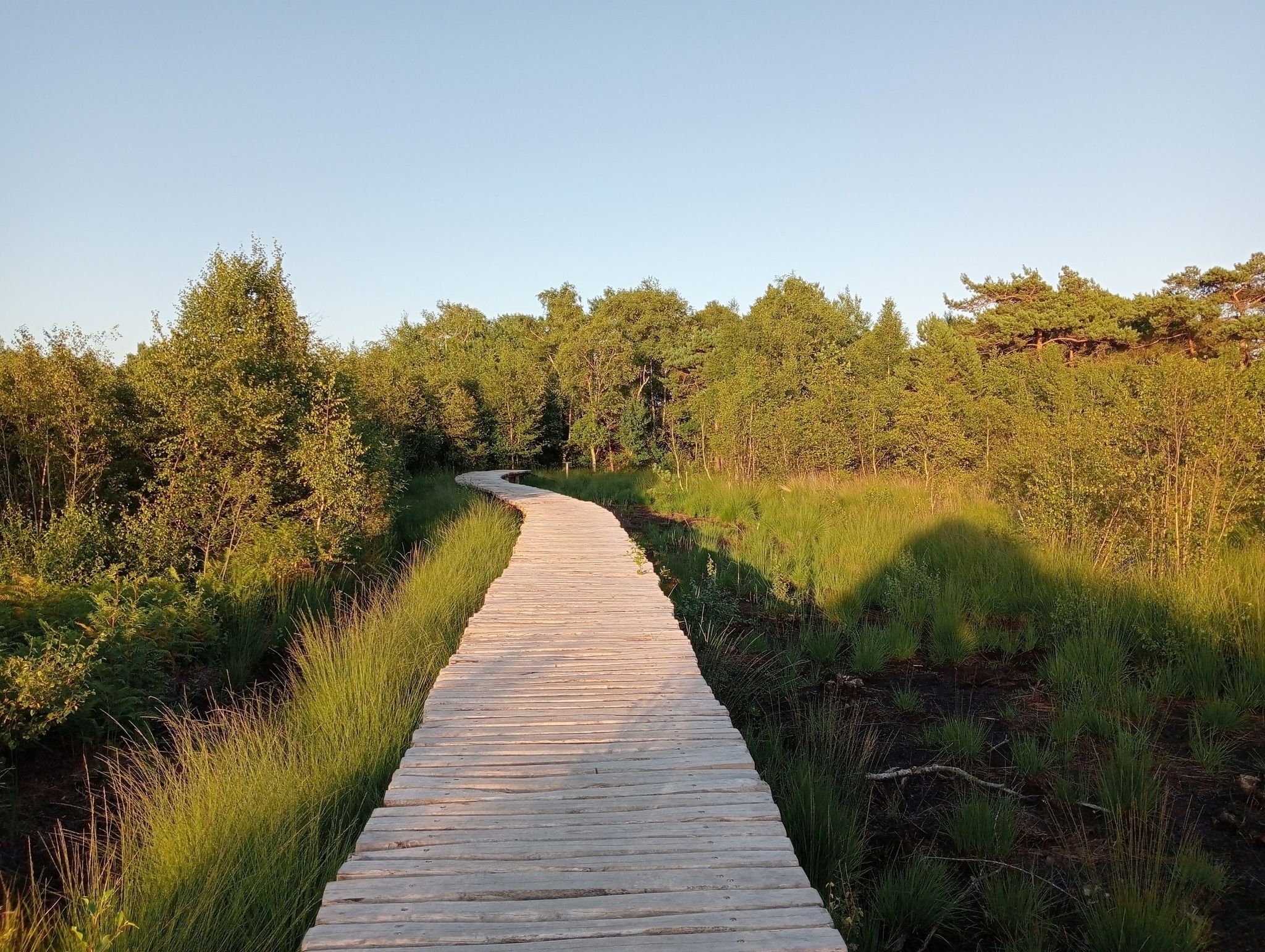
The surprising heart of Brabant and Limburg - The Peelland path
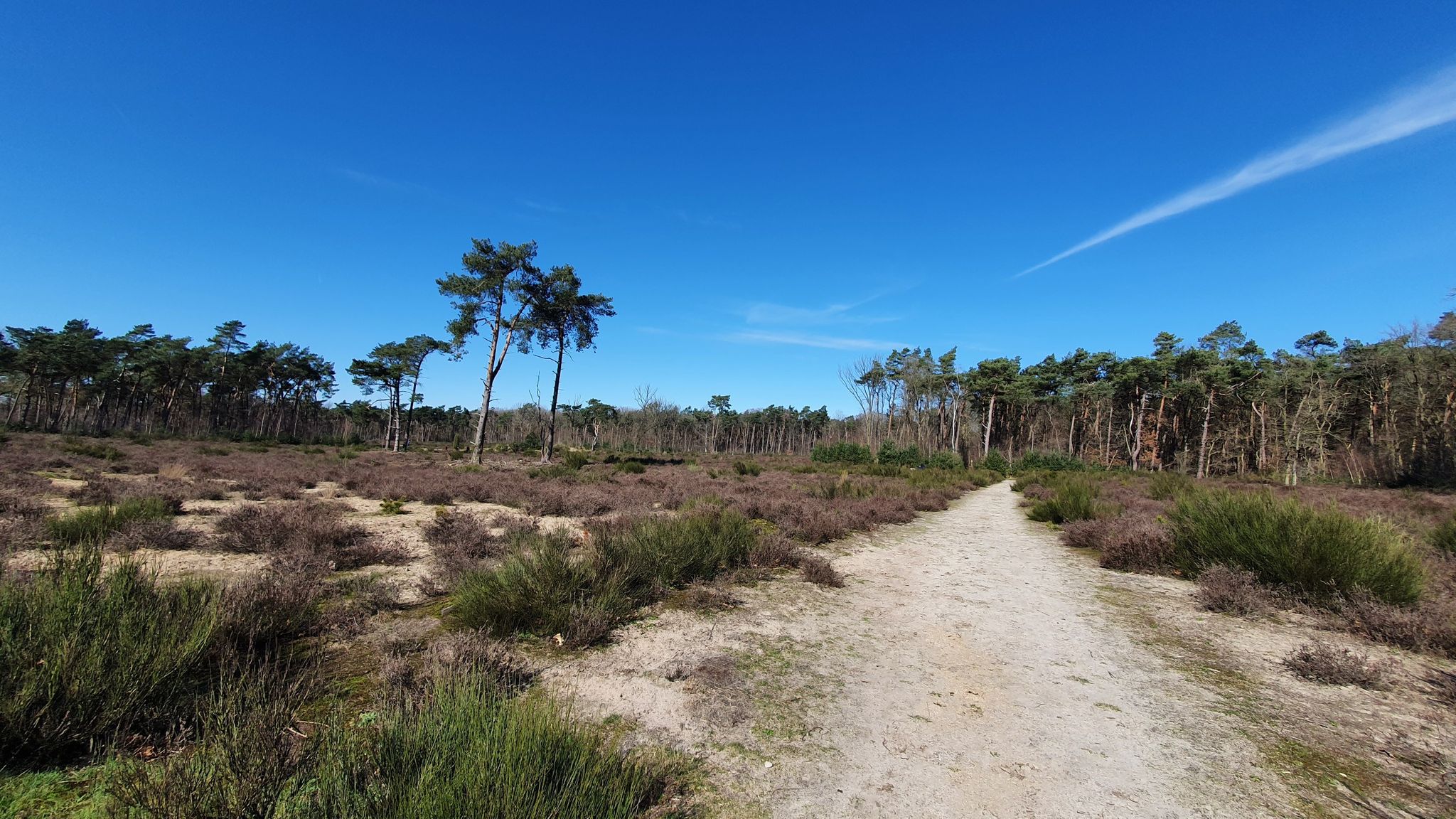
The varied landscapes of the Netherlands – the Hertogenpad
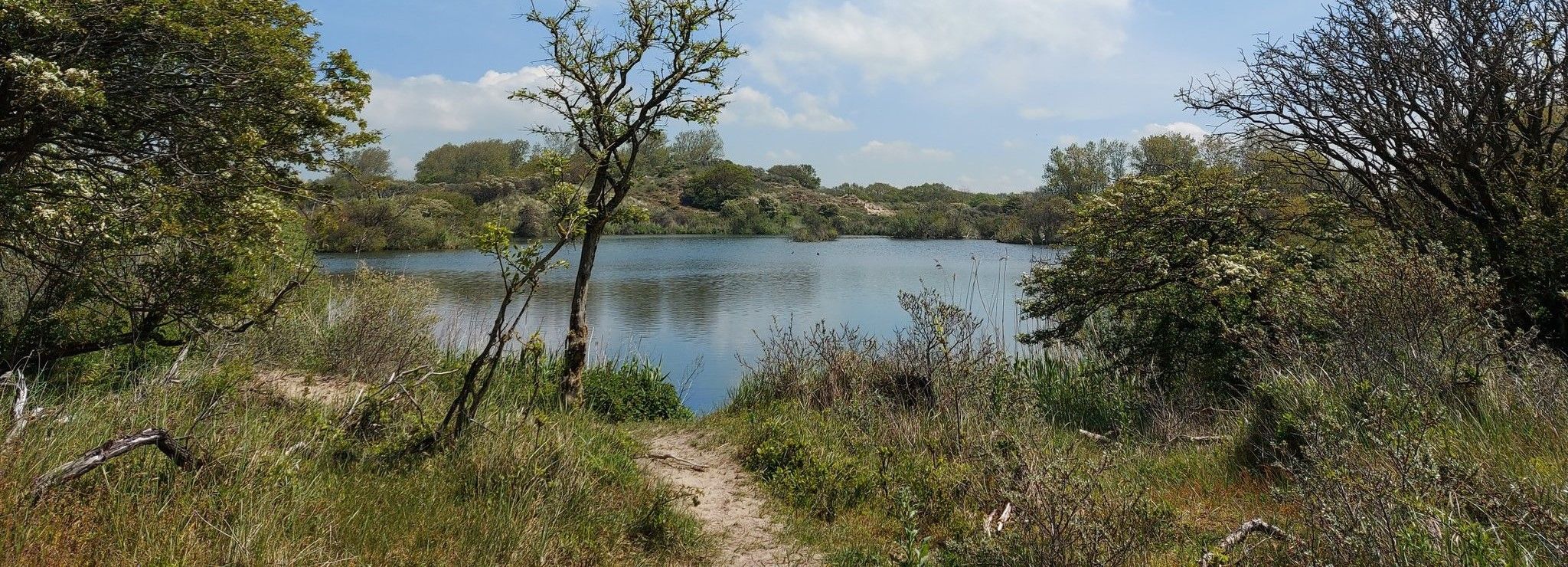
Strolling and feasting – the best pancake hikes in the Netherlands
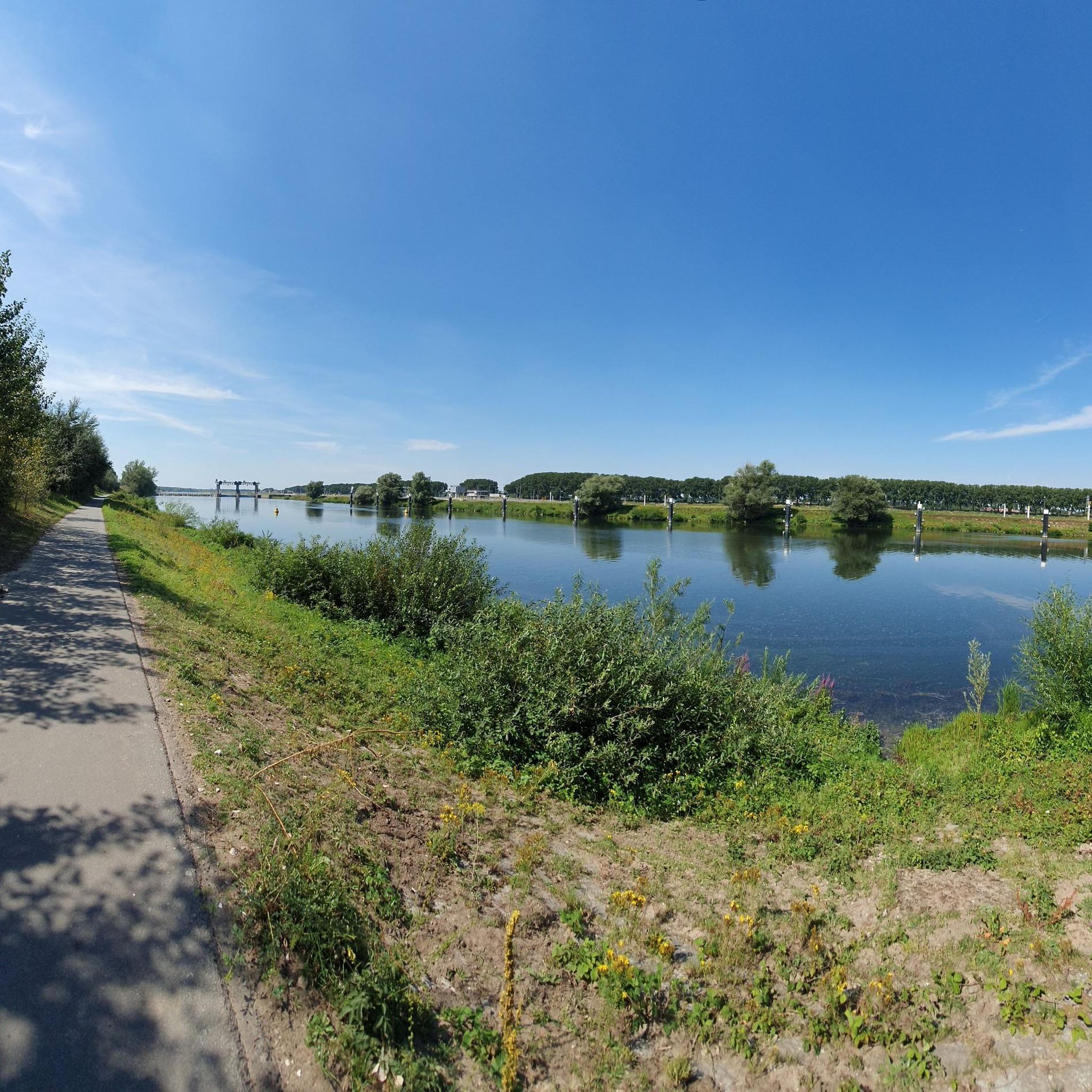
MTB Trails around Peel En Maas
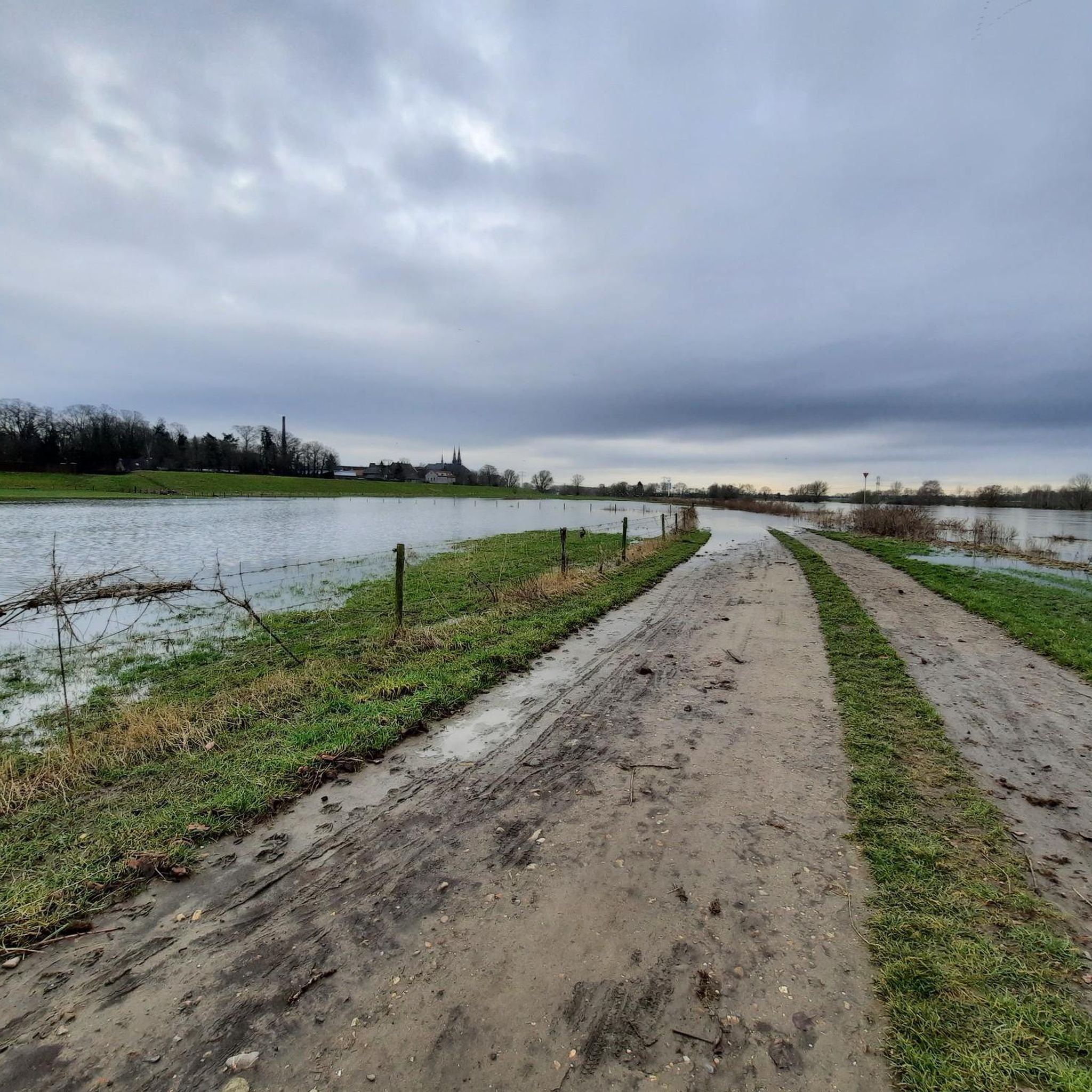
Cycling around Peel En Maas
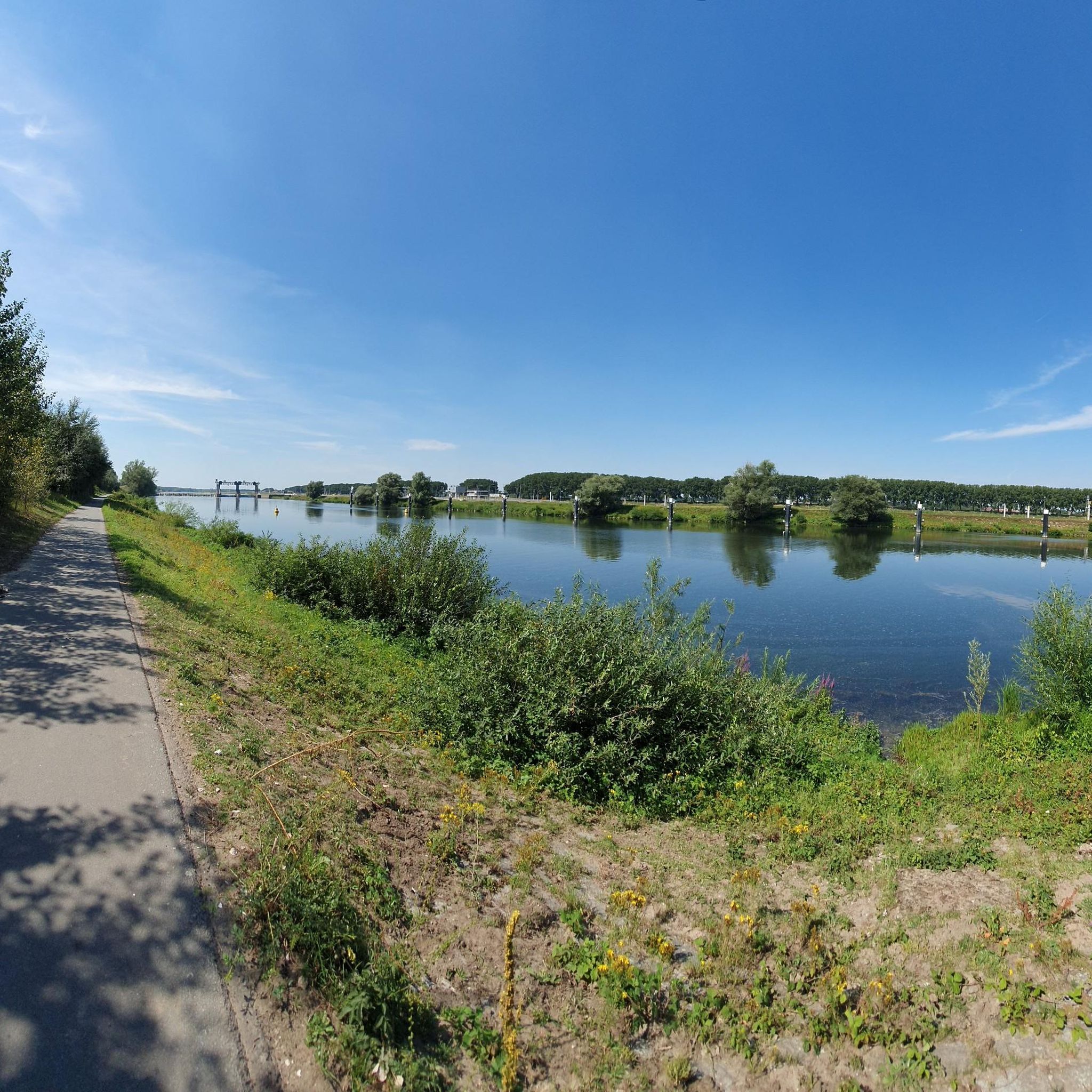
Road Cycling Routes around Peel En Maas
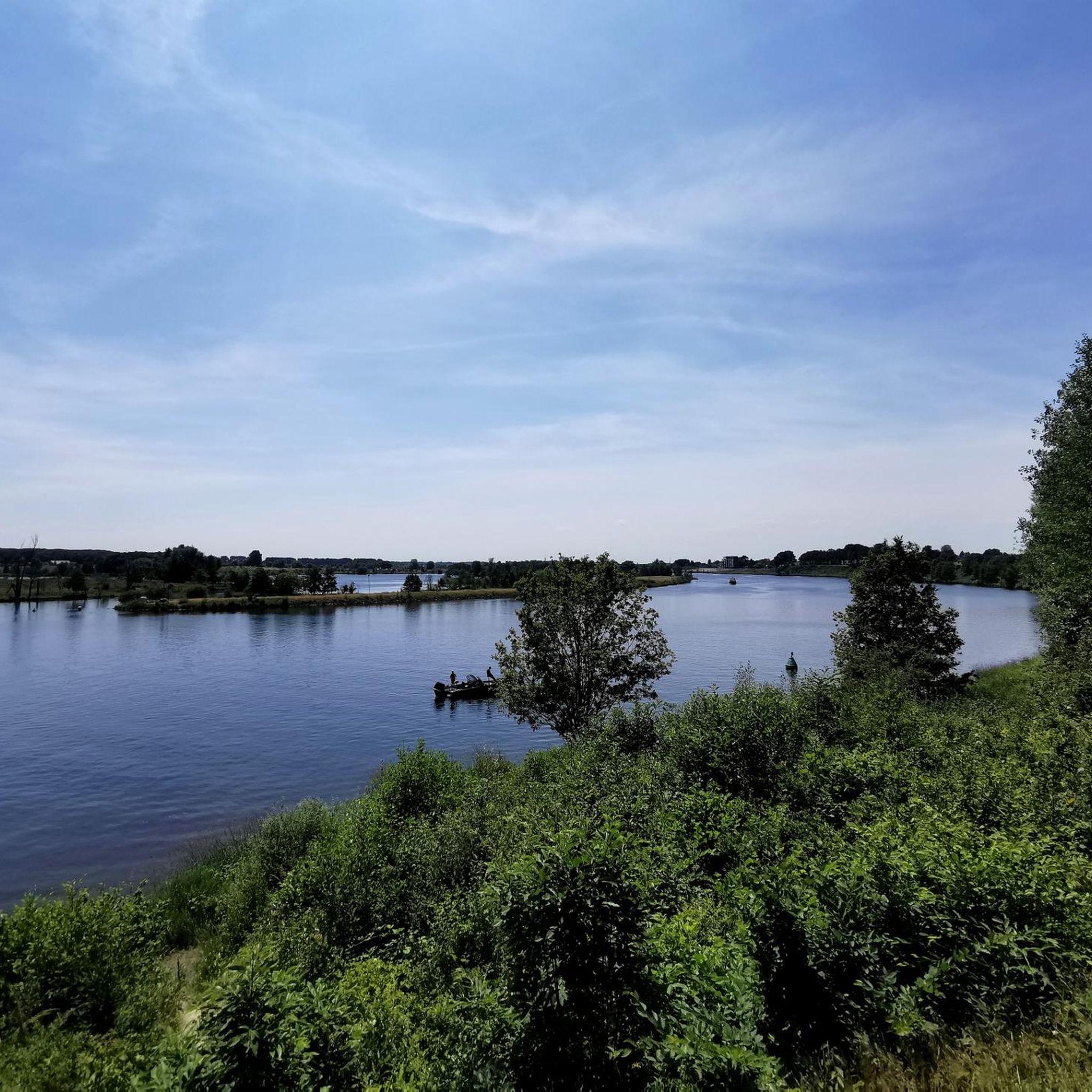
Running Trails around Peel En Maas
Gravel biking around Peel En Maas
Other adventures around Peel En Maas


Tips from the Community

Beautiful area. Once also mentioned by the ANWB. The forest with 1000 hills. You can cycle and hike wonderfully here.
1
0

An insect hotel is an artificial shelter and nesting place for various insect species. It is usually made from natural materials such as wood, bamboo, reeds, and pine cones, with small openings where insects can settle. Insect hotels are often placed in gardens, parks, and nature reserves to help insects find a suitable habitat. Insects play an important role in nature. Bees and bumblebees, in particular, are essential for the pollination of flowers and plants. Without these pollinators, many plants would not be able to reproduce. Other insects, such as ladybugs and lacewings, help control harmful insects by, for example, eating aphids. In this way, insects contribute to a healthy ecosystem. In recent years, the number of insects has declined in many places. This is due to factors such as urbanization, the use of pesticides, and the loss of natural habitats. As a result, insects have fewer and fewer places to nest and overwinter. Insect hotels offer a solution to this by creating additional shelters in areas where they are no longer present. An insect hotel consists of different compartments, each suitable for different insect species. For example, hollow bamboo tubes are used by solitary bees to lay their eggs in. Pine cones and straw provide shelter for other insects. This variety allows multiple insect species to use the same hotel.
2
0

https://belfortvossenberg.nl/ Belfort Vossenberg | Stroll through time
0
0

De Groote Peel National Park is one of the last remaining raised bog remnants of the immense peatland that once covered large parts of Brabant and Limburg. The landscape consists of a vast mosaic of open peat plains, wet lowlands, large pools created by peat extraction, long, straight peat strips, birch thickets, reed beds, and bare swamp areas that constantly change in shape and water level. The combination of openness, water, and rugged peat vegetation makes the area unique in the Netherlands and gives an impression of what the raised bog landscape must have looked like before exploitation. De Peel has always been difficult to access due to its damp and impassable nature, which has ensured that large parts of the landscape have been spared from complete exploitation. However, traces of historical peat cutting are visible everywhere: peat pits, straight canals, small dikes, and old working paths still form the structure of the current landscape. The rugged and wet terrain has fostered a rich natural environment, with abundant peat moss, heath-like vegetation, open water, mudflats, and transition zones that change with the seasons. The area is known as one of the most bird-rich wetlands in Western Europe. The open ponds and reed beds attract countless waterfowl, while the vast plain forms an important resting area for migrating cranes during migration periods. The tranquility and openness are characteristic: large parts of the Peel have virtually no development or disturbance, allowing the landscape to retain its character of vast emptiness and expansiveness. The Peel is regularly closed off to protect vulnerable natural areas or to bridge wet periods, as part of the management efforts aimed at restoring and preserving the raised bog environment.
0
0

The hiking trail begins here. There's also a large sign here with the route and some information about the area. Nearby, in the meadow, goats graze the grass.
0
0
A shelter and a few large information boards about the events of the Second World War. With a unique story
0
0
A war memorial in the woods. There's a logbook there that's perfect for writing things down.
0
0
There are several bridges over the Helenavaart canal. Right next to it is another canal, the Deurne Canal.
0
0
Frequently Asked Questions
How many hiking trails are available in Peel en Maas?
Peel en Maas offers a wide variety of hiking opportunities, with over 350 routes available on komoot. These range from easy strolls to more challenging day hikes, ensuring there's something for every fitness level.
What kind of terrain can I expect on hikes in Peel en Maas?
The region is characterized by its diverse and tranquil natural landscapes. You'll find unique raised bogs and wetlands in areas like De Groote Peel National Park, expansive heathlands such as Strabrechtse Heide, dense forests like the Heldense Bossen, and serene river valleys along the Maas. The terrain is generally flat with minimal elevation changes, making it accessible for most hikers.
Are there any family-friendly hiking routes in Peel en Maas?
Yes, many trails in Peel en Maas are suitable for families. The generally flat terrain and well-maintained paths make it easy for all ages. For example, the Heather and peat cutters - National Park De Groote Peel route is an easy 4.3-mile trail that offers boardwalks and observation towers, perfect for engaging younger hikers.
Can I bring my dog on the hiking trails in Peel en Maas?
Many areas in Peel en Maas are dog-friendly, but it's always best to check specific trail regulations, especially within nature reserves like De Groote Peel National Park, where dogs might need to be on a leash or restricted in certain zones to protect wildlife. Generally, forest and rural paths are suitable for walks with your dog.
What are some notable natural features or landmarks to look out for while hiking?
Peel en Maas boasts several unique natural features. De Groote Peel National Park offers a rare raised bog landscape with visible scars from historical peat extraction. Along the Maas river, you'll find picturesque scenery and historical villages. The Strabrechtse Heide features expansive heather fields and the largest mere in the Netherlands, where you might even spot Scottish Highlanders. For specific points of interest, consider exploring highlights like the Sand Pit in Galgenvenn or the Jammerdal in Wandelpark Tegelen.
Are there any circular hiking routes in the region?
Yes, Peel en Maas offers numerous circular routes. Many trails are designed as loops, allowing you to start and end at the same point. An example is the De Keverberg Castle – Kessel–Beesel ferry service loop from Kessel, which combines natural beauty with historical sites along the Maas river valley.
What is the best time of year to go hiking in Peel en Maas?
The region is beautiful year-round, but each season offers a different experience. Spring brings blooming flora, while summer is ideal for long days on the trails. August is particularly stunning when the heather fields, such as those in Strabrechtse Heide, are in full bloom. Autumn offers vibrant colors in the forests, and even winter walks can be peaceful, especially in areas like De Groote Peel.
Are there opportunities for birdwatching during hikes?
Absolutely. Peel en Maas, especially De Groote Peel National Park, is a renowned hotspot for birdwatchers. The park's unique wetland environment attracts numerous breeding and migratory birds, including cranes, bluethroats, and marsh harriers. There are observation towers and bird hideouts along many trails, such as the Birdwatching Hide Blankersplas – Helenavaart loop from Grashoek.
What do other hikers enjoy most about hiking in Peel en Maas?
The area is highly rated by the komoot community, with an average score of 4.3 stars from over 800 reviews. Reviewers often praise the tranquility, the diverse natural landscapes ranging from bogs to forests, and the well-maintained paths that make the region accessible for various hiking abilities. The opportunities for wildlife spotting and the blend of nature with historical elements are also frequently highlighted.
Are there any historical sites or castles I can visit while hiking?
Yes, Peel en Maas integrates history with its natural beauty. You can find historical castles like Kasteel De Keverberg and D'Erp Castle in Baarlo, which can be incorporated into your hiking excursions. The De Keverberg Castle – Kessel–Beesel ferry service loop from Kessel is a great example of a route that passes by such historical landmarks.
How accessible are the hiking trails by public transport?
While some areas are more easily reached by car, certain locations like De Groote Peel National Park have public transport connections. It's advisable to check local bus schedules and routes in advance, especially when planning to access specific trailheads or nature reserves. For detailed information on public transport options, you may need to consult local transport authority websites.
Are there any long-distance or multi-day hiking options in Peel en Maas?
While many routes are designed for day hikes, the extensive network of trails allows for longer excursions by combining different sections. The region's flat terrain makes it suitable for covering longer distances. For example, the Grashoek – pancake hikes in the Netherlands is a moderate 9.5-mile path, and by linking similar routes, you can create a more extended hiking experience.
Most popular routes around Peel En Maas
Most popular attractions around Peel En Maas

Get inspired with the komoot mobile app


Explore more
Browse the best Hikes in other regions.
