The best MTB trails around Maasgouw
4.3
(70)
441
riders
33
rides
Mountain biking around Maasgouw offers diverse landscapes along the Meuse river in Limburg, Netherlands. The region is characterized by the Maasplassen, a large water sports area formed by gravel extraction, alongside nature reserves featuring forests, heaths, and meadows. Mountain bike routes often follow the river banks, providing generally flat terrain. While Maasgouw itself has modest elevation changes, its varied natural settings offer accessible routes for different skill levels.
Best mountain bike trails around Maasgouw
- The most popular mountain bike trail…
Last updated: October 9, 2026
4.5
(22)
110
riders
44.0km
02:22
110m
110m
Moderate mountain bike ride. Good fitness required. Suitable for all skill levels.
3.9
(10)
82
riders
23.0km
01:13
50m
50m
Easy mountain bike ride. Great for any fitness level. Suitable for all skill levels.

4.8
(8)
58
riders
61.5km
03:18
130m
130m
Moderate mountain bike ride. Good fitness required. Advanced riding skills necessary.
4.7
(9)
36
riders
21.5km
01:06
50m
50m
Easy mountain bike ride. Great for any fitness level. Suitable for all skill levels.
5.0
(3)
16
riders
19.5km
01:19
30m
30m
Moderate mountain bike ride. Great for any fitness level. Advanced riding skills necessary.
Get access to more routes and recommendations from other explorers.
Already have an account?
Our route recommendations are based on thousands of hikes, rides, and runs completed by other people on komoot.
Start today with a free account
Your next adventure awaits.
Popular around Maasgouw
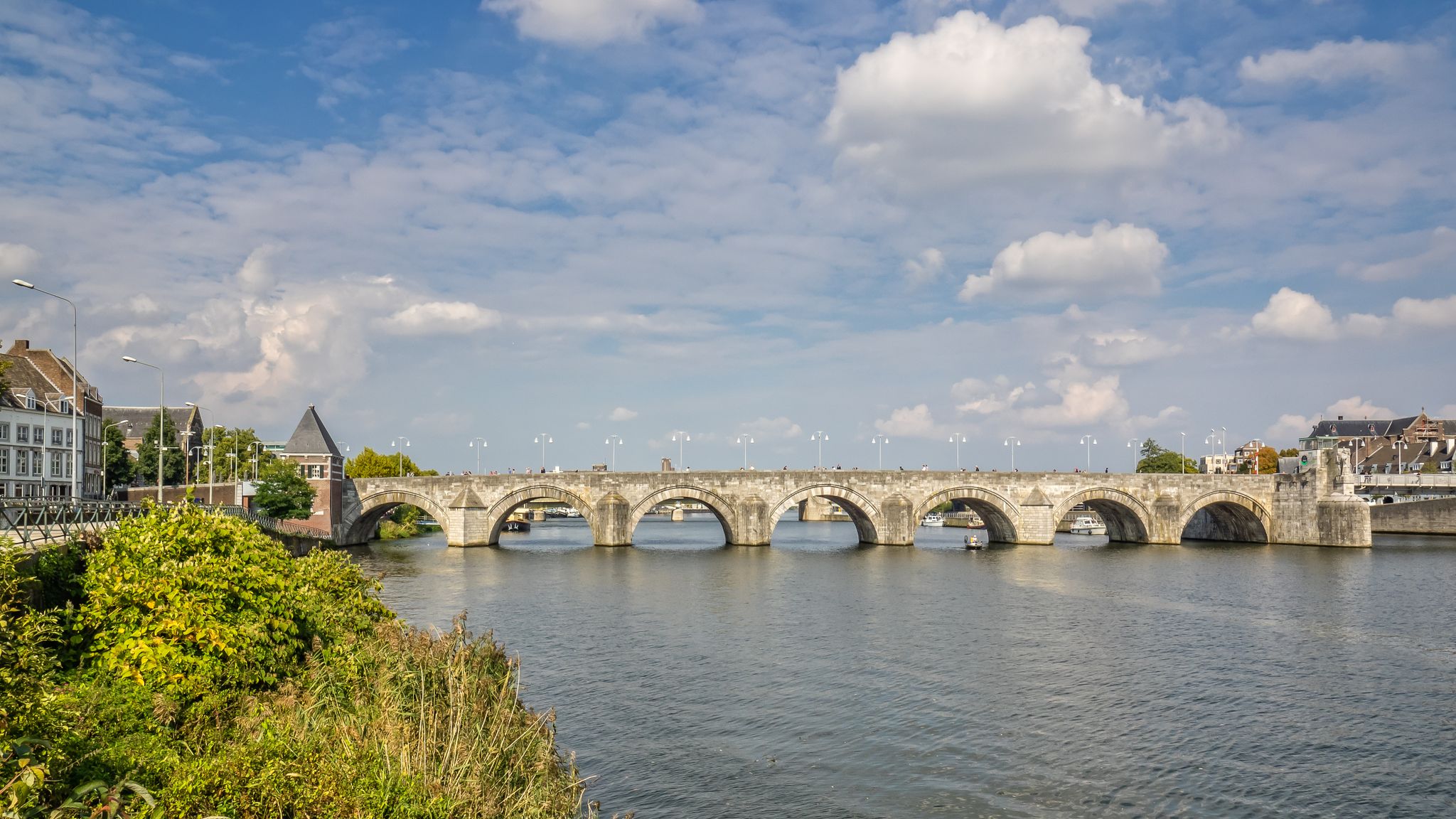
LF Maasroute – From Maastricht to Rotterdam along the Meuse River
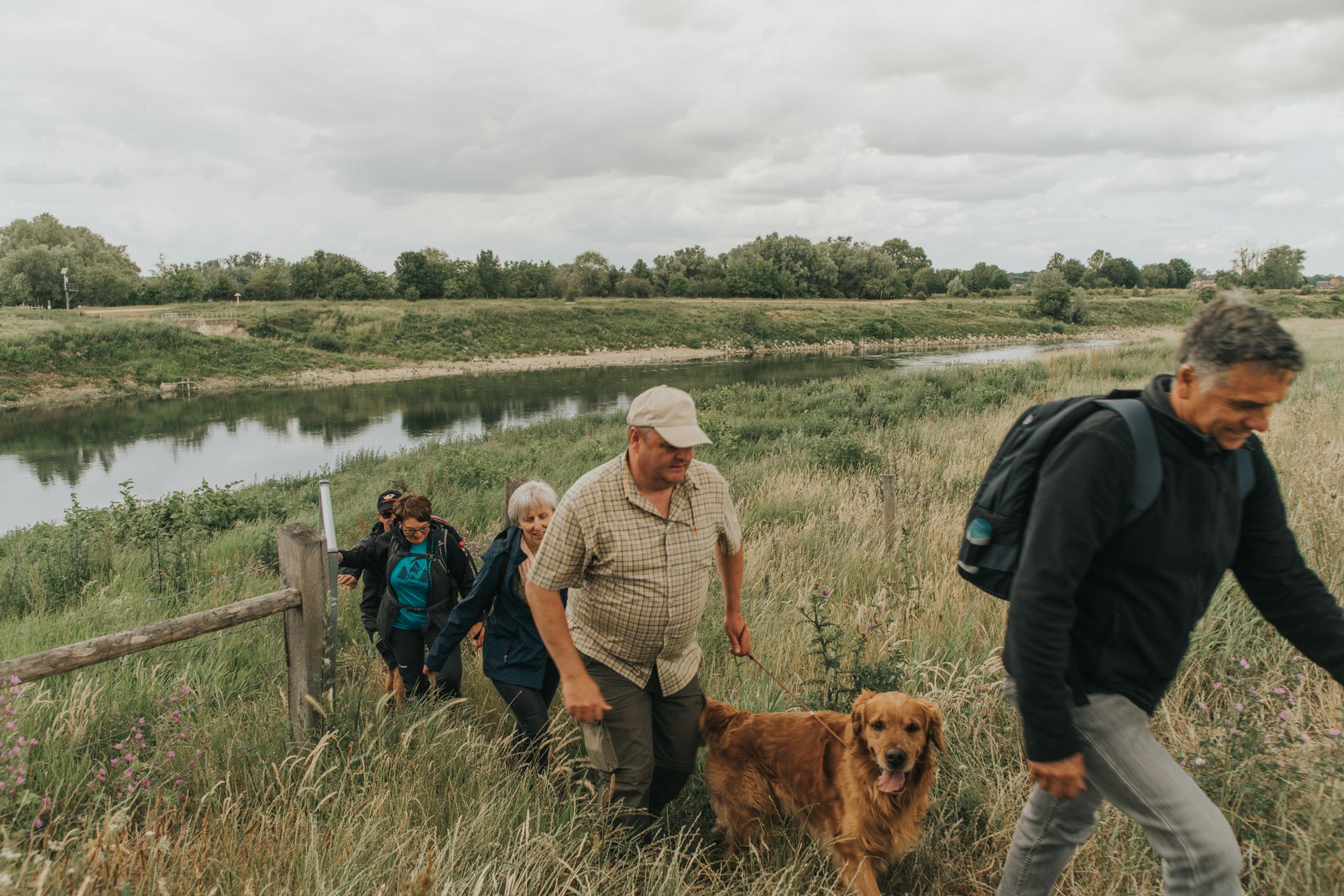
Discover the wild river - 6 hiking days in RivierPark Maasvallei (LAW)
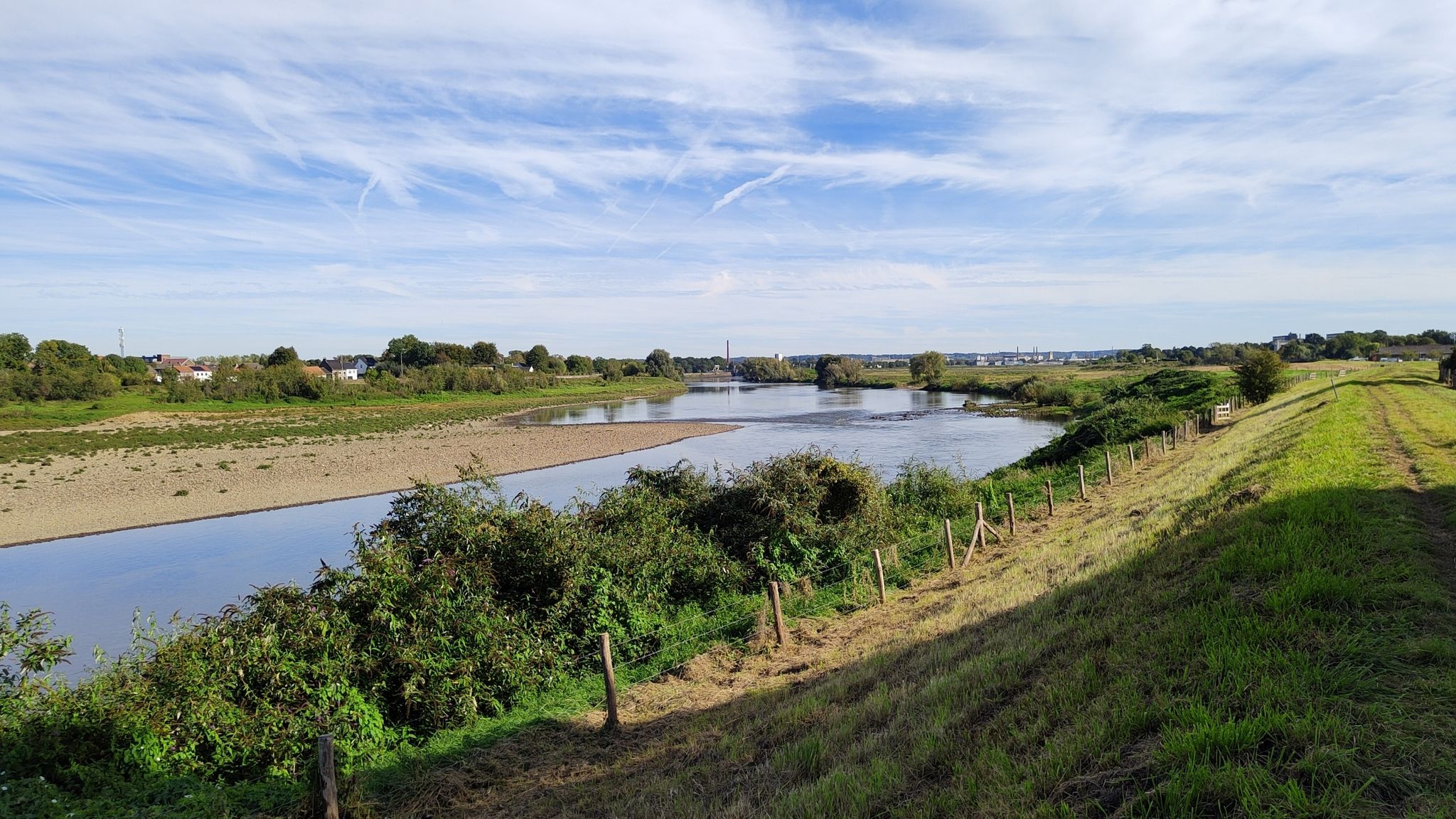
Discover the river nature – 6 hikes in RivierPark Maasvallei (LAW)
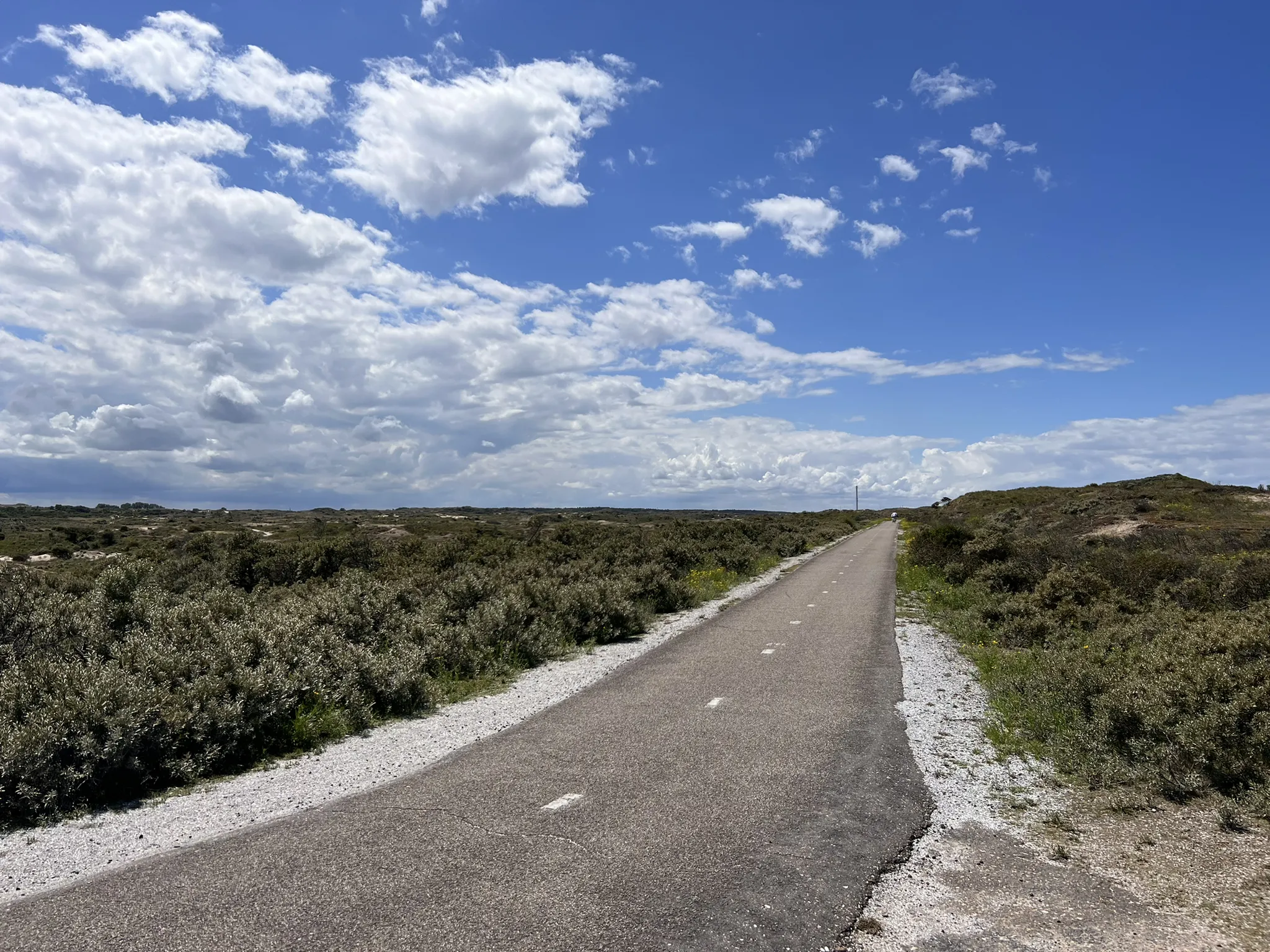
The Tour of the Netherlands – The ultimate cycling route in 21 stages
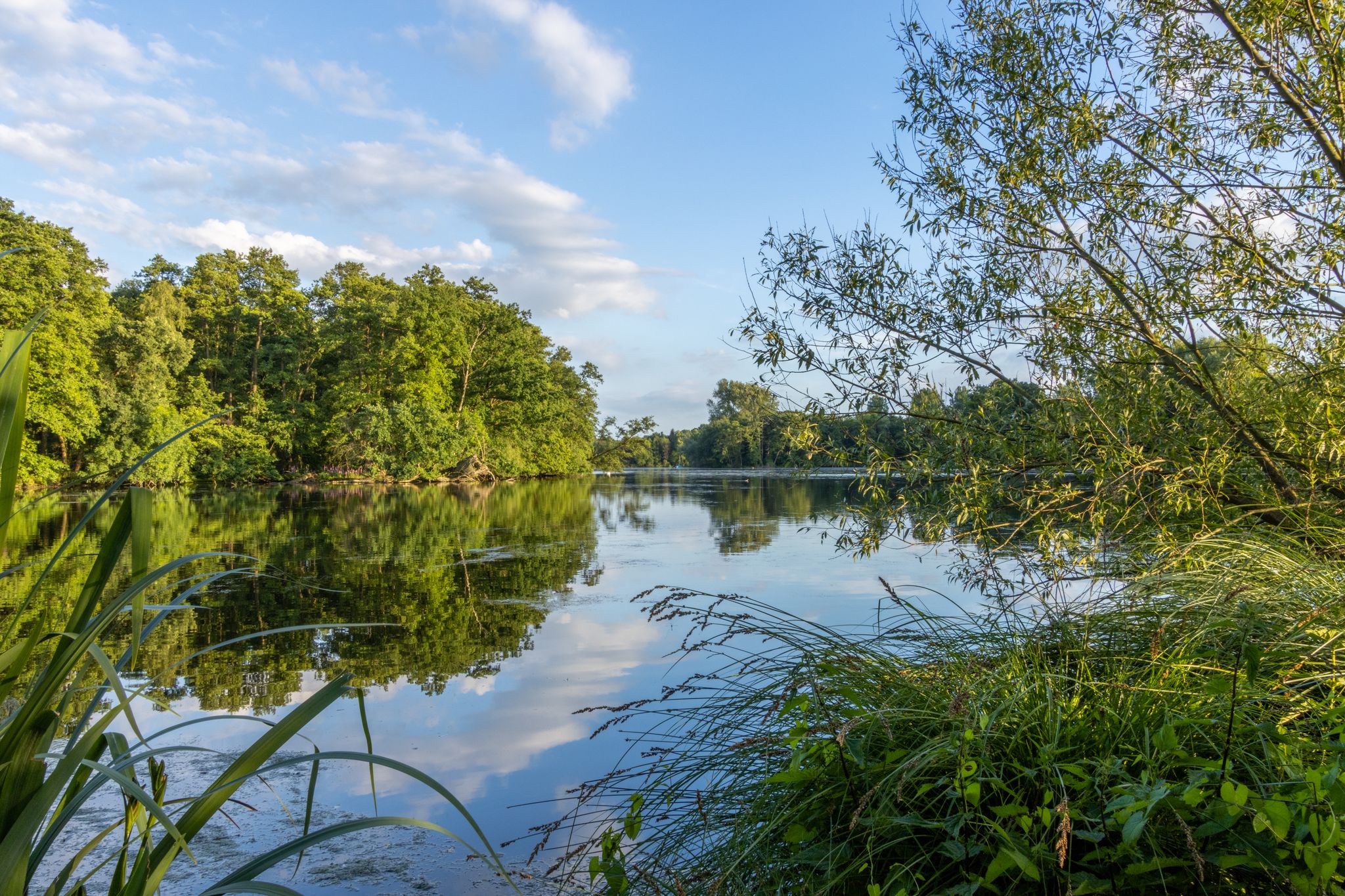
Water.Hike.World. - Premium Hiking Trails
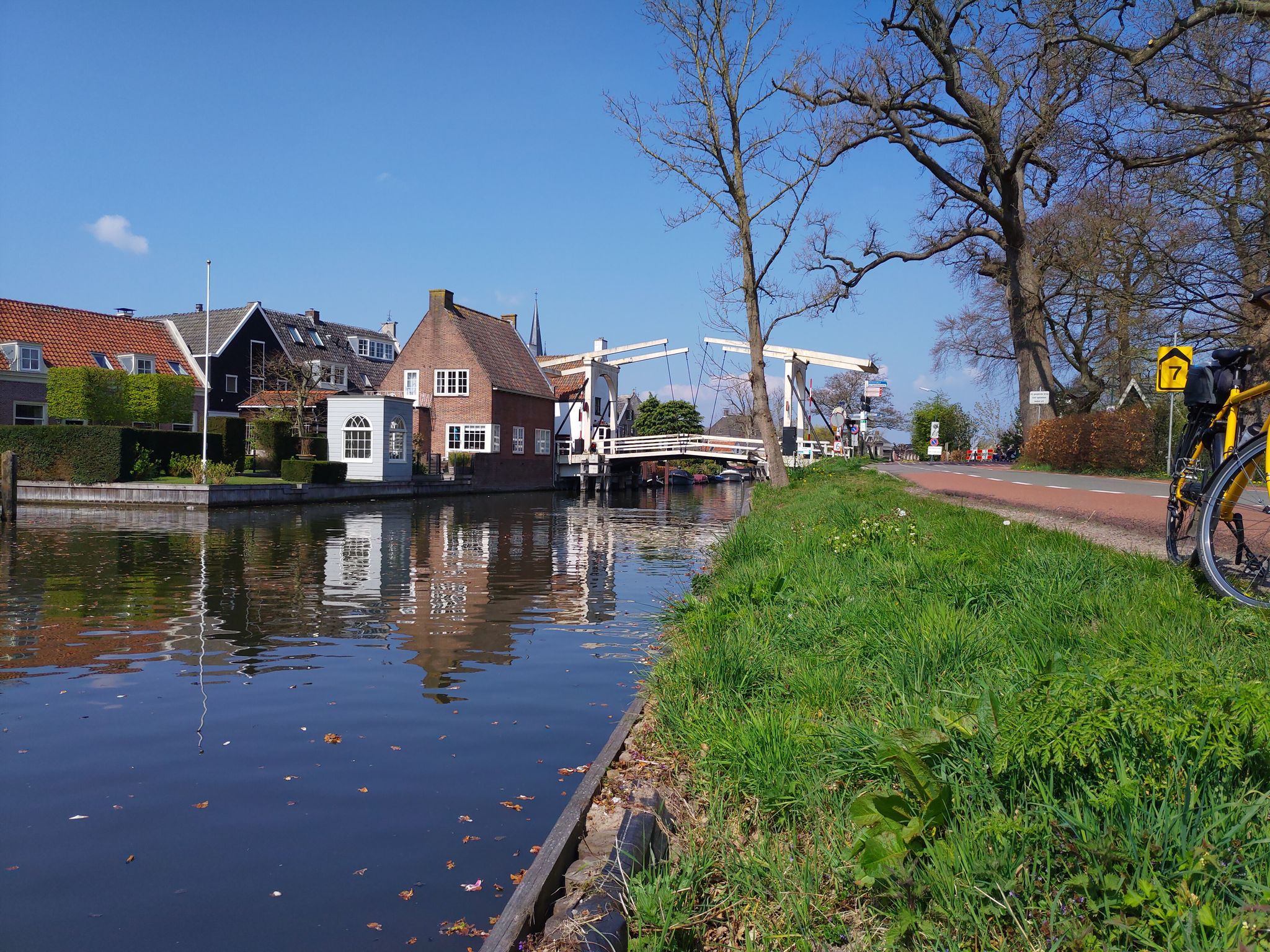
Fantastic cycling along Dutch waterways — LF7 Overland
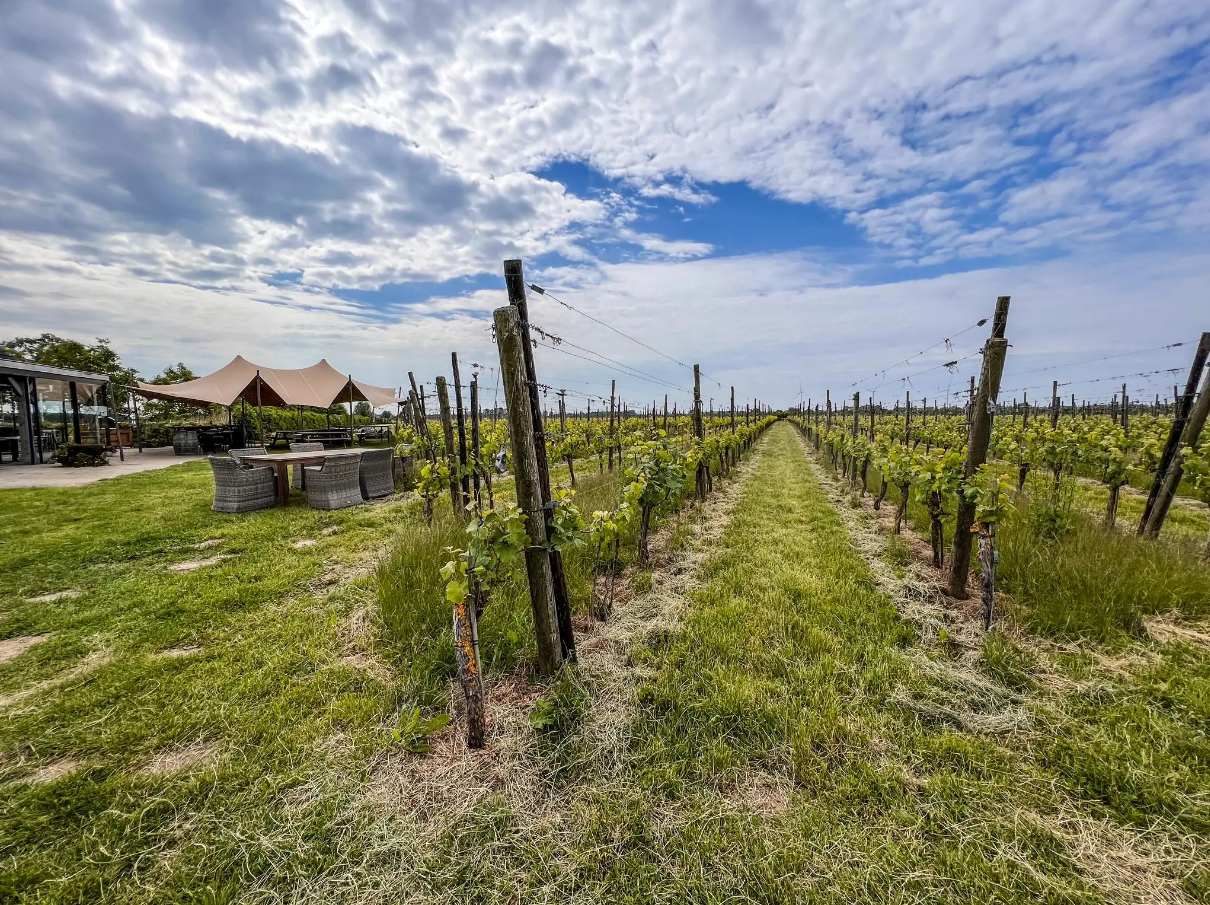
Hike and wine – walking through vineyards in the Netherlands
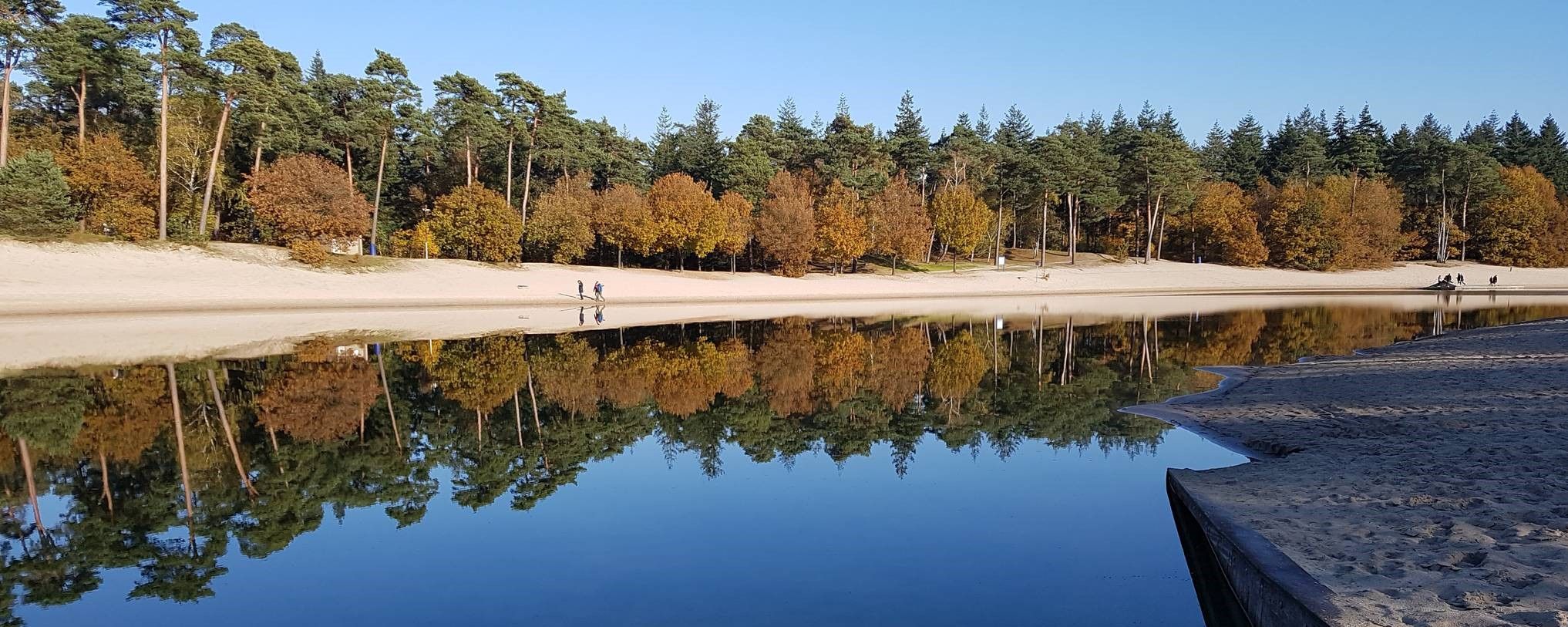
Hiking and swimming - Paths with a refreshing end
Hiking around Maasgouw
Cycling around Maasgouw
Other adventures around Maasgouw


Tips from the Community

It's always interesting to watch the ships pass through the lock.
0
0

Very beautiful city on the Meuse with a lot of water around, great cityscape, I liked it very much.
0
0

The Sint Annakapel was built in 1896 according to a design by the Roermond architect Nicolaas van der Schuit. The small neo-Gothic chapel is dedicated to Saint Anne, the mother of Mary, and was built as a replacement for an older chapel. Inside, there is a stone altar retable designed by Van der Schuit, original wooden church pews, and a barrel vault with a decorative stucco molding. The furnishings are in the tradition of the workshop of Pierre Cuypers, with whom Van der Schuit worked as a student and collaborator.
31
0
The tower windmill, protected as a Rijksmonument, was built in 1722 on behalf of Count Reinier Vincent van Hompesch. The eight-story Stellingmolen originally served as a grain and oil mill and reaches a height of about 37 meters to the tip of the sails. It is considered the tallest windmill in the Dutch province of Limburg.
11
0

Wide path without car traffic
0
0
A great experience to observe the free-roaming horses on the banks of the Main up close.
1
0

Along the banks of the Meuse River in Roermond, traces of the city's industrial past still lie. One of these is an old industrial jetty, a robust, functional structure that once played a vital role in the transshipment of raw materials and goods via the river. Although such jetties often no longer serve an active function, they still tell the story of a time when the Meuse was the economic lifeblood of the region. Roermond developed significantly from the 19th century onwards thanks to the improved navigability of the Meuse. With the canalization of the river and the construction of locks and weirs, shipping became more reliable and intensive. Industrial companies established themselves along the water to make optimal use of ship transport. A jetty was essential in this regard, and cargo ships moored here to load and unload coal, gravel, sand, building materials, or agricultural products. The typical industrial jetty consisted of a combination of heavy steel or concrete structures, bollards for mooring ships, and sometimes rails or cranes for moving goods directly from the quay. In some cases, a narrow-gauge or industrial railway line extended all the way to the water, allowing freight to be efficiently transported to factories or warehouses further inland. The Meuse served as a transport corridor to cities like Venlo, Maastricht, and beyond to Belgium. With the rise of road freight transport and the expansion of modern inland ports, smaller industrial jetties gradually lost their function. What remains is often a weathered steel and concrete structure, sometimes partially overgrown, sometimes still clearly recognizable as a quay or mooring. These sites now have an almost nostalgic feel and serve as a tangible reminder of Roermond's industrial era and the economic dynamism along the river.
0
0
The Vismarkt (Fish Market) in Roermond is one of the oldest and most characteristic places in the historic city center. As the name suggests, this square was traditionally the center of the fish trade, a logical consequence of Roermond's location on the Roer and Meuse rivers. The Vismarkt is therefore a direct reminder of a time when water and trade were inextricably linked. The square is located a short distance from the river and was part of the city's economic heart. Here, fishermen, traders, and residents gathered to trade fresh fish, but also to exchange news and socialize. The proximity of the water ensured that fish could be delivered quickly, making the Vismarkt a vibrant and important hub in daily city life. Over the centuries, the Vismarkt's function changed, but the square retained its central role. Today, it is an atmospheric urban space with historic buildings, restaurants, and terraces. Its original commercial function has given way to a place for meeting and relaxing, but its name and location continue to evoke the past.
0
2
Frequently Asked Questions
How many mountain bike trails are available in Maasgouw?
Maasgouw offers a good selection of mountain bike routes, with over 25 trails available. These routes cater to various skill levels, including 14 easy and 15 moderate options, ensuring there's something for everyone.
What kind of terrain can I expect on mountain bike trails in Maasgouw?
The mountain bike trails in Maasgouw feature a diverse landscape. You'll encounter routes along the Meuse river banks, through the expansive Maasplassen water sports area, and within nature reserves that include forests, heaths, and meadows. While generally flat, routes can include singletracks, gravel roads, paved paths, and some sandy sections, offering varied riding experiences.
Are there mountain bike trails suitable for beginners in Maasgouw?
Yes, Maasgouw is very welcoming for beginners. Many routes are rated as easy, offering gentle terrain and scenic views. For example, the Sluisweg Lock and Windmill – Munster Square, Roermond loop from Linne is an easy 14.3-mile (23.0 km) trail that follows the Meuse river, perfect for those new to mountain biking.
Are there challenging mountain bike trails in Maasgouw for experienced riders?
While Maasgouw itself is known for its generally flat terrain, offering mostly easy to moderate routes, more challenging options are accessible nearby. For instance, the Welkom Trail Cycle Path – Steep Descent loop from Maasbracht is a moderate trail that includes some varied sections. For significant elevation changes and technical features, the nearby Hoge Kempen National Park in Belgium offers extensive trails with tough climbs and descents, and Bike Park Maaseik provides technically challenging environments with obstacles.
What interesting landmarks or natural features can I see along the mountain bike trails in Maasgouw?
Maasgouw's trails often pass by charming villages and natural highlights. You can explore the picturesque 'white town' of Thorn, the fortified town of Stevensweert, or the bustling inland port of Maasbracht. Natural features include the vast Maasplassen water area and various nature reserves. Specific highlights you might encounter include Birdwatching spot on the Maas or historical sites like Historic Center of Stevensweert.
Are there family-friendly mountain bike routes in Maasgouw?
Absolutely. Many of Maasgouw's mountain bike routes are suitable for families, particularly the easy-rated trails. These routes often follow quiet paths along the river or through nature reserves, providing a safe and enjoyable experience for all ages. The generally flat terrain makes them accessible for children and less experienced riders.
Can I bring my dog on the mountain bike trails in Maasgouw?
While specific regulations for dogs on mountain bike trails in Maasgouw can vary, it's generally advisable to keep dogs on a leash, especially in nature reserves, to protect wildlife and ensure the safety of other trail users. Always check local signage for any specific restrictions in the areas you plan to ride.
Are there circular mountain bike routes in Maasgouw?
Yes, many of the mountain bike trails in Maasgouw are designed as circular routes, allowing you to start and end at the same point. This is convenient for planning your ride and returning to your starting location. An example is the Flow trail in the forest – The Gold Treasure of 't Sleeltje loop from Linne, which offers a pleasant loop through forested sections.
Where can I find parking near the mountain bike trailheads in Maasgouw?
Parking is generally available in and around the villages and towns that serve as starting points for mountain bike trails in Maasgouw. Look for designated parking areas in places like Linne, Thorn, Maasbracht, or Stevensweert. Many routes, being circular, often start near accessible parking facilities.
What do other mountain bikers enjoy most about mountain biking in Maasgouw?
The mountain biking experience in Maasgouw is highly rated by the komoot community, with an average score of 4.1 stars from over 30 reviews. Riders often praise the scenic views along the Meuse river, the diverse natural settings including forests and the Maasplassen, and the accessibility of routes for various skill levels. The charming villages and historical sites encountered along the way also add to the appeal.
Are there any castles I can visit while mountain biking in Maasgouw?
Yes, Maasgouw is home to several historical castles and sites that can be integrated into your mountain bike tours. You might pass by or near impressive structures such as Hillenraad Castle, Daelenbroeck Castle, or the ruins of Montfort Castle. These offer a glimpse into the region's rich cultural heritage amidst your ride.
What is the best time of year for mountain biking in Maasgouw?
Maasgouw offers pleasant mountain biking conditions for much of the year. Spring and autumn generally provide mild temperatures and beautiful scenery, making them ideal. Summer can also be great, especially along the Maasplassen where you can combine your ride with water activities. Winters are typically mild, but some trails might be muddy after rain, so checking weather conditions is always recommended.
Most popular attractions around Maasgouw

Get inspired with the komoot mobile app


Explore more
Browse the best MTB trails in other regions.
