The best walks and hikes around Gübsensee
4.6
(3407)
20,246
hikers
848
hikes
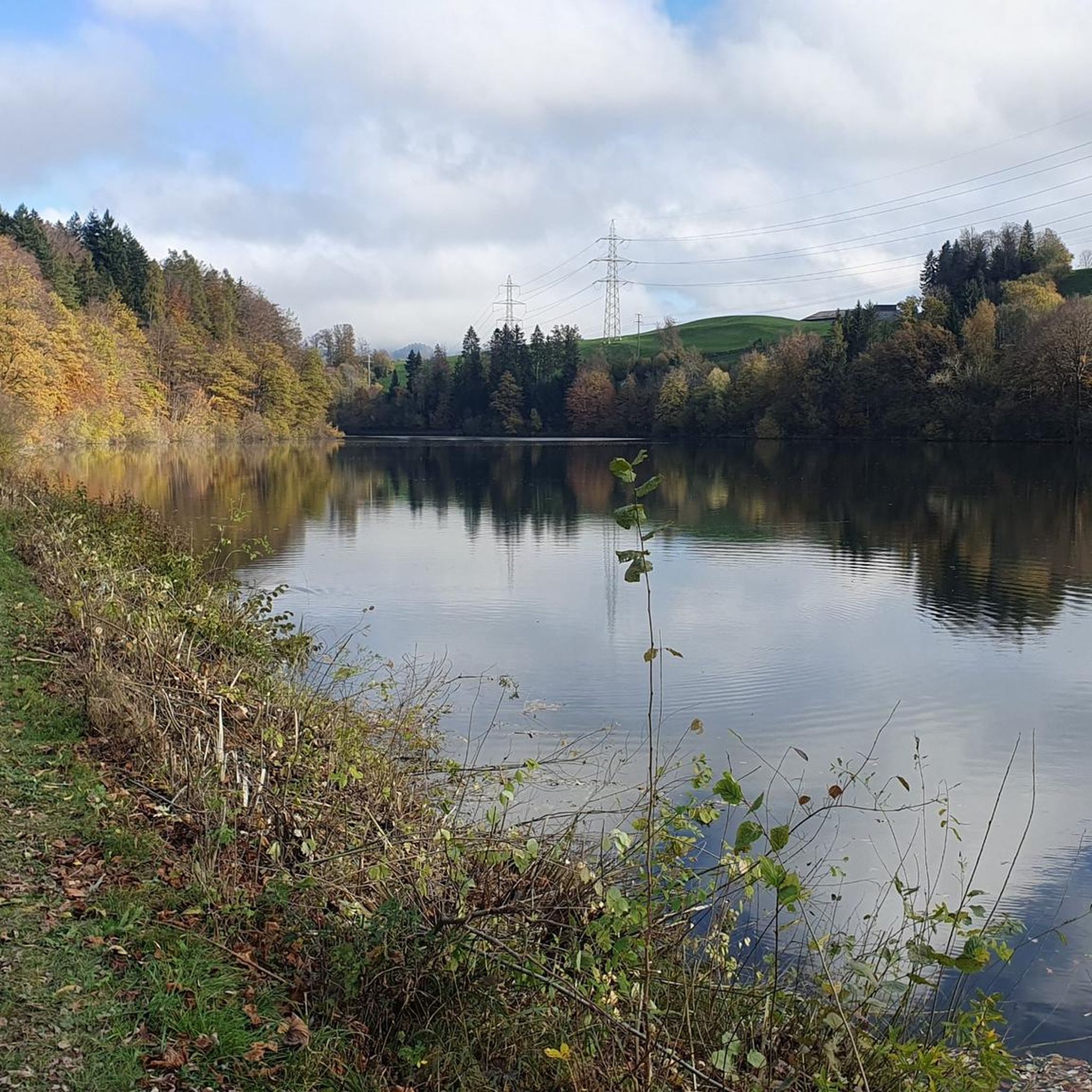
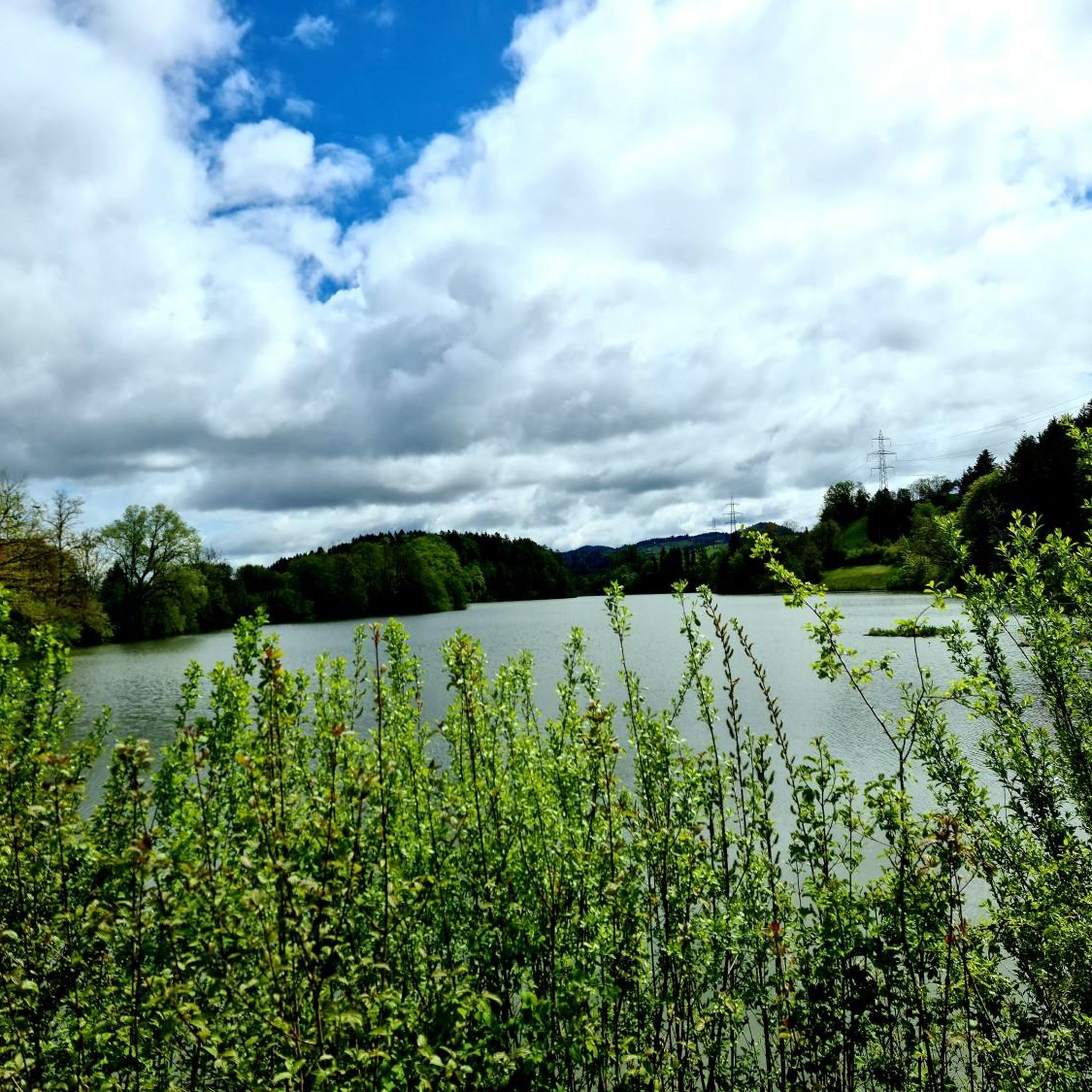
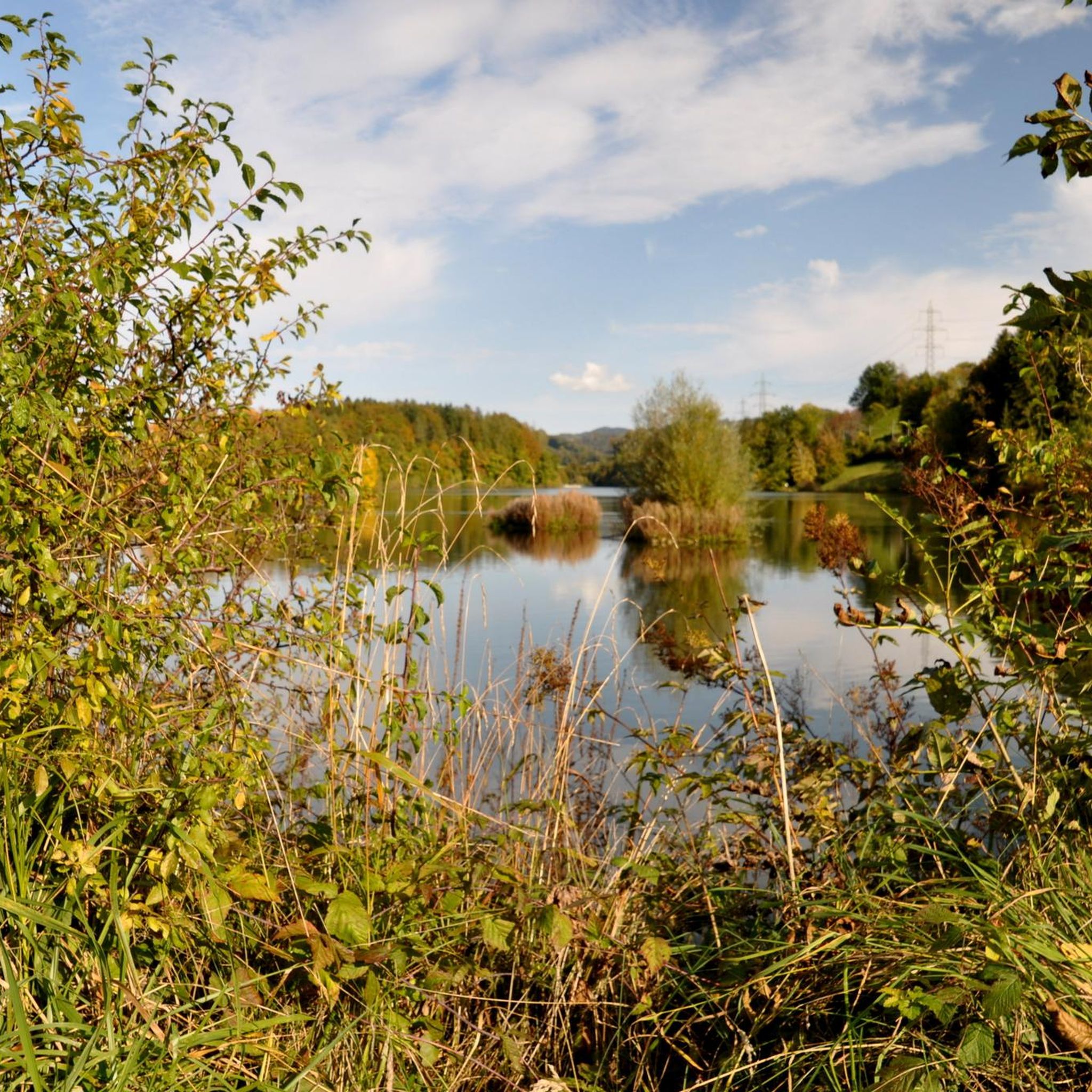
Hiking around Gübsensee offers a diverse landscape centered on a picturesque reservoir at the western edge of St. Gallen, Switzerland. The area features a serene lake, historic dams, and views of impressive railway viaducts, all nestled at the foot of the pre-Alps. It is designated as a nature reserve, providing varied terrain from flat lakeside paths to trails with significant elevation gain. The region is characterized by its blend of natural beauty and historical structures, making it suitable for various…
Last updated: May 16, 2026
4.5
(11)
37
hikers
Moderate hike. Good fitness required. Easily-accessible paths. Suitable for all skill levels.
4.5
(55)
388
hikers
5.44km
01:28
70m
70m
Easy hike. Great for any fitness level. Easily-accessible paths. Suitable for all skill levels.

Sign up for free
11
hikers
7.23km
01:53
50m
50m
Easy hike. Great for any fitness level. Easily-accessible paths. Suitable for all skill levels.
4.0
(1)
18
hikers
3.28km
00:54
50m
50m
Easy hike. Great for any fitness level. Easily-accessible paths. Suitable for all skill levels.
11.4km
03:12
230m
220m
Moderate hike. Good fitness required. Easily-accessible paths. Suitable for all skill levels.
Get access to more routes and recommendations from other explorers.
Sign up for free
Already have an account?
Our route recommendations are based on thousands of hikes, rides, and runs completed by other people on komoot.
Start today with a free account
Your next adventure awaits.
Login or Signup


Tips from the Community

The concert hall "Tonhalle St. Gallen" was opened in 1909 and replaced the library hall of the Kantonsschulgebäude, which had become too small and had previously been used for concerts. The Tonhalle hosts the concerts of the St. Gallen Symphony Orchestra, which also serves as the orchestra for the theater opposite. In addition, guest concerts and various other events take place in the Tonhalle. The design by architect Julius Kunkler, who had been the first violin in the orchestra for eleven years, combined the neo-Baroque style typical of concert halls of the time with elements of Art Nouveau. The construction method was revolutionary for concert halls: an reinforced concrete skeleton by the innovative civil engineer Robert Maillart served as the supporting structure, and the outer cladding consisted of plastered brick.
10
0
Since 1983, the Collegiate Church and Cathedral of St. Gallen (actually Collegiate Church of St. Gallus and Otmar) and the entire Abbey District have been part of the UNESCO World Heritage Site. The baroque new building of the Benedictine monastery church, built between 1755 and 1766, stands where Saint Gallus is said to be buried. From 720 onwards, Abbot Otmar organised the construction work around the crypt, and his successor Gozbert began the construction of the new monastery church from 820 onwards. The construction of the Collegiate Church in its present form - it is one of the last monumental sacred buildings of the late Baroque period - was planned by Gabriel Loser and Johann Caspar Bagnato. Its two 68-metre-high towers tower above the old town of St. Gallen.
8
0


A small covered wooden bridge – it stands almost directly under the very high SOB railway bridge and close to power plant buildings. As a result, it doesn't really stand out.
0
0

Cathedral, St. Gallen Several earlier structures preceded the monumental church. Originally, the chapel of Saint Gallus stood on this site, where the saint was buried around 640. Later buildings incorporated Gallus's tomb. Around 720 (the founding of the monastery), a stone church was built. By the 9th century, the church had already reached its present length. In the 15th century, a new choir in the Gothic style was constructed. In 1756, the monks embarked on the final phase of the church's reconstruction, which was completed in 1766. The renowned architect Johann Kaspar Bagnato played a significant role in the design, while Johann Michael Beer oversaw the construction. The patrons were Abbots Cölestin Gugger von Staudach and Beda Angehrn. After the dissolution of the monastery, the church became a cathedral (bishop's church) in 1824. The church underwent interior renovations from 1961 to 1967 and exterior renovations from 2000 to 2003. The church has an elongated, rectangular floor plan. Within this plan, a rotunda (round structure) is inserted, resembling a transept. On the eastern end, the striking twin-tower facade rises as a dominant feature, the emblem of the Diocese, City, and Canton of St. Gallen. The facade's sculptural decoration includes figures of Saints Maurice and Desiderius and a relief depicting the Coronation of the Virgin Mary by the Holy Trinity. The interior of the church is a three-aisled, free-pillared structure with a central dome (rotunda). High-quality stucco work, vault paintings, altars, and the choir stalls are among the highlights of the interior. The concept of harmoniously coordinated art forms is the work of Christian Wentzinger, sculptor and painter. Text / Source: City of St. Gallen, Town Hall, 9001 St. Gallen https://www.stadt.sg.ch/home/freizeit-tourismus/stgallen-entdecken/stiftsbezirk-unesco-weltkulturerbe.html
16
1

Beautiful barbecue area, including restrooms and access to the lake. Swimming is permitted in this area.
1
0

Very good for an incline interval training that is not so steep. 👍
0
0

Good information boards for background knowledge about the small reservoir.
0
0
Frequently Asked Questions
How many hiking trails are available around Gübsensee?
There are over 850 hiking trails in the Gübsensee area, offering a wide variety of options for all skill levels. Nearly 20,000 hikers have explored these routes using komoot.
What types of hiking trails can I expect around Gübsensee?
The trails around Gübsensee range from easy, flat lakeside paths to more challenging routes with significant elevation gain. You'll find over 440 easy trails, 380 moderate trails, and 30 difficult trails, catering to everything from leisurely walks to demanding excursions requiring good fitness and sure-footedness.
Are there any easy, flat walks suitable for families or leisurely strolls?
Yes, the circular path around Gübsensee is notably flat and ideal for leisurely walks, jogging, and families. An excellent option is the Gübsensee West Dam – Gübsensee East loop from kybunpark, an easy 3.5-mile (5.6 km) path that offers tranquil scenery around the reservoir and passes by historic dams.
What are some notable landmarks or natural features to see while hiking around Gübsensee?
Gübsensee is rich in both natural beauty and historical structures. You can see one of Switzerland's oldest gravity dams on the eastern side and an earthfill dam on the west. Hikers can also enjoy views of the impressive SBB Sitter Viaduct and the SOB Sitter Viaduct, the latter being the highest railway bridge in Switzerland. The lake itself is a nature reserve, home to approximately 50 different bird species. You can also explore the Gübsensee East area and the Gübsensee West Dam.
Are there any circular hiking routes around Gübsensee?
Yes, circular routes are very popular here. Besides the main path around the lake, you can try the Bildweiher – Kybunpark Stadium loop from kybunpark, a 4.5-mile (7.2 km) trail through varied terrain, or the shorter Gübsensee East – Lake Gübsensee loop from kybunpark, which is an easy 2-mile (3.2 km) option.
What do other hikers say about the trails around Gübsensee?
The trails around Gübsensee are highly rated by the komoot community, with an average score of 4.6 stars from over 3,200 reviews. Hikers often praise the serene reservoir, the historic dams, and the impressive viaduct views, as well as the diverse network of paths suitable for different ability levels.
Is Gübsensee a good destination for birdwatching?
Absolutely. Gübsensee is a designated nature reserve and a vital habitat for a diverse array of wildlife, particularly birds. Approximately 50 different bird species, including tufted ducks, mallards, common pochards, coots, and various gulls, can be observed. In winter, wild geese and even swan geese congregate, especially in the eastern part of the lake which rarely freezes completely.
Are dogs allowed on the hiking trails around Gübsensee?
While the region is generally dog-friendly, specific leash rules may apply, especially within the nature reserve areas to protect wildlife. It's always best to keep your dog on a leash and ensure they do not disturb the local fauna or other hikers.
Are there picnic areas or fireplaces available along the trails?
Yes, the circular path around Gübsensee features secluded picnic spots and a well-maintained fireplace. These are perfect for taking a relaxing break and enjoying the tranquil scenery.
How can I get to Gübsensee by public transport?
Gübsensee is located on the western edge of St. Gallen, Switzerland. Public transport options are available to reach the general area, often connecting to trailheads near the lake. For specific routes and schedules, it's recommended to check local public transport providers for connections to St. Gallen and nearby stops.
Is there parking available for hikers at Gübsensee?
Yes, parking facilities are available near Gübsensee, particularly around popular starting points like kybunpark. These parking areas provide convenient access to the various hiking trails around the reservoir.
What is a good moderate hike that offers scenic views?
For a moderate hike with excellent views, consider the View of the Sitter Viaduct – Haggen Bridge (Ganggelibrugg) loop from kybunpark. This 4.8-mile (7.7 km) trail takes about 2 hours and 17 minutes to complete and offers impressive vistas of the Sitter Viaduct and Haggen Bridge.
What is the best time of year to hike around Gübsensee?
Gübsensee offers hiking opportunities year-round. The eastern part of the lake rarely freezes completely, making it suitable for winter birdwatching. In warmer months, the varied terrain and extensive network of trails are perfect for enjoying the natural beauty. Always check local weather conditions before heading out.
Most popular routes around Gübsensee
Most popular attractions around Gübsensee

Get inspired with the komoot mobile app


Explore more
Browse the best Hikes in other regions.
