The best cycling routes around Embalse de Orellana
36
riders
7
rides
Touring cycling around Embalse de Orellana features diverse landscapes characterized by the expansive waters of the reservoir, Mediterranean forests, and dehesas. The terrain includes varied profiles, from smoother sections along service roads and irrigation canals to routes with significant elevation gain. This region, often referred to as Extremadura's "inland sea," offers a mix of natural beauty and developed infrastructure for active tourism.
Best touring cycling routes around Embalse de Orellana
- The most popular touring cycling route is Zona de Interés…
Last updated: July 8, 2026
4
riders
Hard bike ride. Very good fitness required. Mostly paved surfaces. Suitable for all skill levels.
5
riders
49.1km
04:56
940m
940m
Hard bike ride. Very good fitness required. Mostly paved surfaces. Suitable for all skill levels.

Sign up for free
5
riders
43.5km
02:46
350m
350m
Cycle the moderate 27.0-mile Guadiana Natural Trail: Orellana Reservoir Loop, enjoying diverse terrain and reservoir views.
Hard bike ride. Very good fitness required. Mostly paved surfaces. Suitable for all skill levels.
11
riders
Hard bike ride. Very good fitness required. Mostly paved surfaces. Suitable for all skill levels.
Get access to more routes and recommendations from other explorers.
Sign up for free
Already have an account?
Our route recommendations are based on thousands of hikes, rides, and runs completed by other people on komoot.
Start today with a free account
Your next adventure awaits.
Login or Signup
Popular around Embalse de Orellana
Tips from the Community

The Camino de las Tres Cruces in Navalvillar de Pela is a very attractive hiking route within the La Siberia Extremeña region, ideal for enjoying natural landscapes, panoramic views and local heritage.
2
0
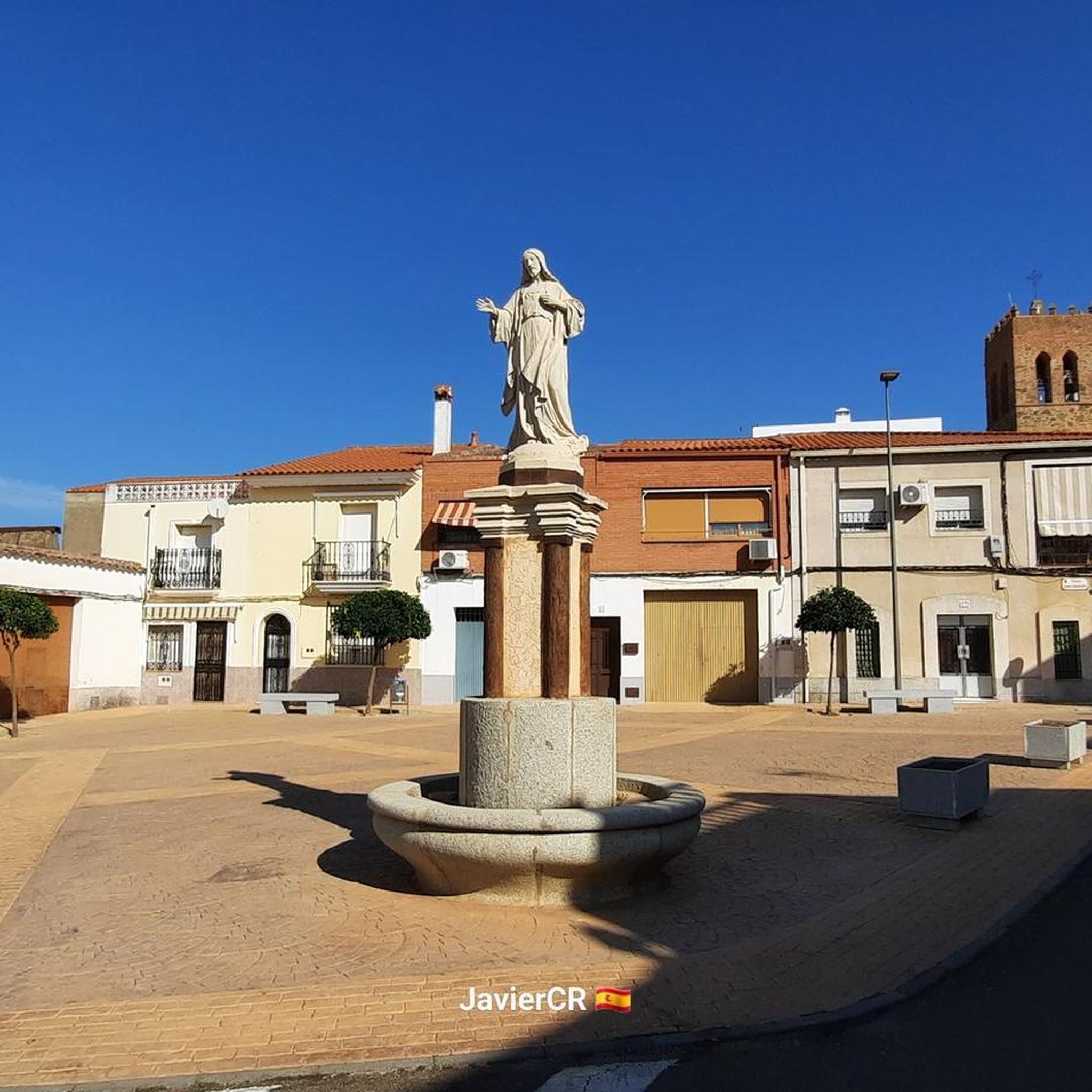
Casas de Don Pedro is a municipality located in the La Siberia Extremeña region, in the northeast of the province of Badajoz, on the banks of the Guadiana River and near the Orellana reservoir. What to see Church of San Pedro Apóstol: Gothic (14th century), with a Mudejar tower and a single nave. Plaza Mayor and Town Hall: Porticoed, historic center of the town. Plaza del Sagrado Corazón: Religious area. Sculpture "Aid to the Fallen" by Juan de Ávalos. Among many other interesting sites.
12
0
The García de Sola Reservoir, also known as Puerto Peña, is located on the Guadiana River, in the La Siberia Extremeña region (Badajoz). It was built in 1962 as part of the Badajoz Plan and has a capacity of 554 hm³. It is an emblematic site for its natural, scenic, and recreational value.
5
0
The Guadiana Riverside Trail in Siberia Extremadura is not an official name, but it refers to routes that run alongside the Guadiana River and its reservoirs in the La Siberia region (Badajoz), declared a Biosphere Reserve by UNESCO in 2019. This area combines landscapes of pastureland, mountains and large bodies of water (Cíjara, García de Sola and Orellana reservoirs), ideal for hiking, cycling and wildlife watching.
5
0
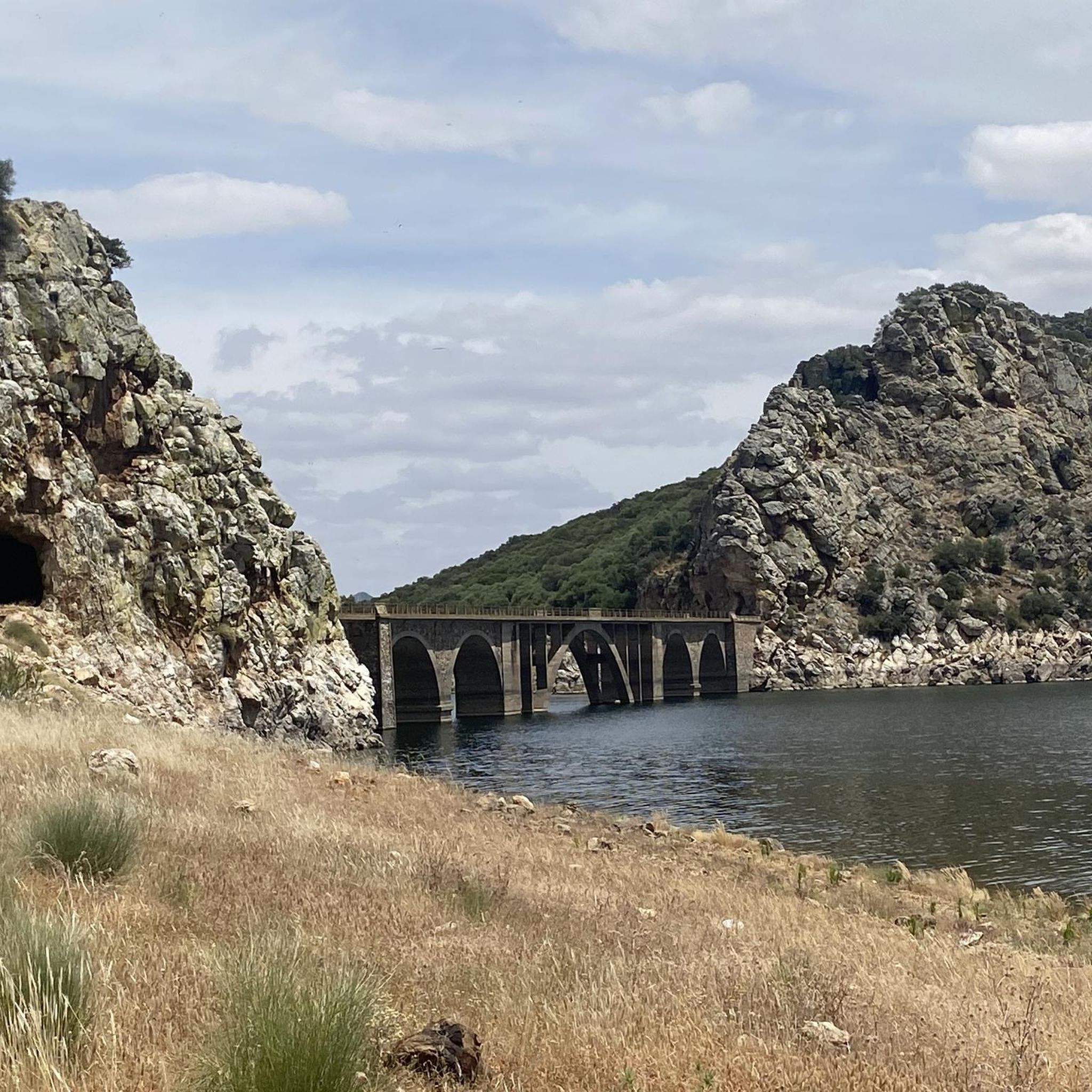
It's a historic bridge located over the Guadiana River, near the pre-Roman ruins of Lacimurga. It's part of the Senda de los Embalses (Reservoirs Path), a popular hiking and nature trail.
5
0
Playa de los Calicantos, located in Casas de Don Pedro (Badajoz), is an inland beach at the tail end of the Orellana Reservoir, within the La Siberia Extremeña region. It's an ideal place to enjoy the summer surrounded by nature, with excellent services and a peaceful setting.
10
0
Casas de Don Pedro is a charming town located in the La Siberia region, northeast of Badajoz province, Extremadura. Surrounded by nature and bathed by the Orellana Reservoir, it is an ideal destination for those seeking tranquility, history, and outdoor activities.
11
0
Cerro Masatrigo is a hill located in the municipality of Esparragosa de Lares. This hill is known for its almost perfect conical shape, which has earned it the nickname "the magic mountain." It rises 501 meters above sea level and 161 meters above the surrounding terrain. After the construction of the La Serena Dam, Cerro Masatrigo became a peninsula surrounded by the waters of the reservoir.
6
0
Frequently Asked Questions
What is the general difficulty level of touring cycling routes around Embalse de Orellana?
The touring cycling routes around Embalse de Orellana offer a mix of challenges. You'll find moderate paths, often following sections of the Guadiana Natural Path, as well as more difficult routes with significant elevation gain, such as those offering views of the Sierra de Pela.
When is the best time of year for touring cycling around Embalse de Orellana?
Spring and autumn are considered ideal for touring cycling around Embalse de Orellana due to the pleasant temperatures. These seasons offer comfortable conditions to explore the diverse landscapes without the extreme heat of summer.
What historical sites or landmarks can I see while cycling around Embalse de Orellana?
The region is rich in history. You can encounter the historic Puente de Cogolludo over the Guadiana River, and the impressive Castle of Puebla de Alcocer, which offers panoramic views of the reservoir. The town of Orellana la Vieja also features historical sites like the Orellana Palace Castle and the Church of the Immaculate Conception.
Are there any notable natural features or viewpoints along the cycling routes?
Absolutely. The Embalse de Orellana itself is a major natural draw, often called Extremadura's 'inland sea.' You can enjoy views of the vast waters, Mediterranean forests, and dehesas. The nearby Garcia de Sola Reservoir also features impressive rock formations. For birdwatching enthusiasts, the area is a Special Protection Area for Birds (SPA), offering chances to spot species like griffon vultures and black storks.
Are there family-friendly touring cycling routes in the Embalse de Orellana area?
While many routes have moderate to difficult ratings, some sections of the Guadiana Natural Path offer smoother profiles, utilizing service roads along irrigation canals and old roads, which can be more suitable for families. For example, the Bike loop from Esparragosa de Lares is a moderate option with less elevation.
Can I bring my dog on touring cycling routes around Embalse de Orellana?
While the region is known for its natural beauty and outdoor activities, specific regulations regarding dogs on cycling routes are not universally posted. It's generally advisable to keep dogs on a leash, especially in protected areas like the Natura 2000 Network, and to ensure they are well-behaved and do not disturb wildlife or other visitors.
Are there circular touring cycling routes available around Embalse de Orellana?
Yes, many of the touring cycling routes in the area are circular, allowing you to start and end in the same location. Examples include the Zona de Interés Regional Embalse de Orellana y Sierra de Pela — circular desde Orellana la Vieja and the Embalse de la Serena and Castillo de Puebla de Alcocer — circular from la Puebla de Alcocer.
What kind of elevation gain can I expect on touring cycling routes here?
Elevation gain varies significantly across routes. While some paths are relatively flat, others, particularly the more difficult ones, can involve substantial climbing. For instance, the Orellana de la Sierra loop from Navalvillar de Pela has over 800 meters of elevation gain, offering challenging ascents and rewarding views.
Where can I find parking for touring cycling routes around Embalse de Orellana?
The Embalse de Orellana region is developing its infrastructure for active tourism. While specific parking areas for each route are not always marked, you can typically find parking in the towns and villages near the start points of the routes, such as Orellana la Vieja or Puebla de Alcocer.
Do I need any special permits to cycle around Embalse de Orellana?
Generally, no special permits are required for touring cycling on established routes around Embalse de Orellana. However, as the area is part of the Natura 2000 Network and a Special Protection Area for Birds, it's important to stay on marked paths and respect the natural environment to protect its rich biodiversity.
Are there places to eat or stay overnight near the cycling routes?
Yes, towns like Orellana la Vieja and Puebla de Alcocer, which serve as common starting points or pass-throughs for many routes, offer amenities including places to eat and accommodation options. These towns are well-equipped to cater to visitors exploring the region.
Can I go wild swimming or visit beaches near the cycling routes?
Absolutely! The Embalse de Orellana is famous for its inland beaches. Playa de Orellana, also known as 'Costa Dulce,' was the first inland beach in Spain to receive a Blue Flag award. Another tranquil option is Playa de los Calicantos. These spots are perfect for a refreshing dip after a ride.
Most popular routes around Embalse de Orellana
Most popular attractions around Embalse de Orellana

Get inspired with the komoot mobile app


Explore more
Browse the best Cycling routes in other regions.
