Waresley-Cum-Tetworth
Waresley-Cum-Tetworth
Attractions and Places To See around Waresley-Cum-Tetworth - Top 20
Best attractions and places to see around Waresley-Cum-Tetworth include a mix of historical sites, natural features, and outdoor routes. This historic parish in Cambridgeshire is characterized by ancient woodlands, significant heathland, and visible ridge and furrow marks. The area offers diverse landscapes for exploration, from nature reserves to cycling paths.
Best attractions and places to see around Waresley-Cum-Tetworth
- The most popular attractions is Wimpole's Folly, a historical site that features an impressive gothic tower. Built in the mid-1770s, it…
Last updated: August 25, 2026
Wimpole Hall and Gardens
Highlight • Historical Site
Tip by

Wimpole's Folly
Highlight • Historical Site
Tip by
Sign up now to discover places like this
Get recommendations on the best single tracks, peaks, & plenty of other exciting outdoor places.
Sign up for free
The Lodge RSPB Nature Reserve
Highlight • Natural
Tip by

Wimpole Estate
Highlight • Historical Site
Tip by

National Cycle Route 51: Bedford to Sandy
Highlight • Cycleway
Tip by

Sign up for free to discover even more attractions around Waresley-Cum-Tetworth.
Sign up for free
Already have an account?
Start today with a free account
Your next adventure awaits.
Login or Signup




Tips from the Community

A nice loop track around the estate must be around six miles, todays section was 5.5 miles
0
0

A great ride through the RSPB area but be aware there is only one main route north/south that bikes are permitted. Brilliant area with cafe for a coffee and cake recharge!
0
0

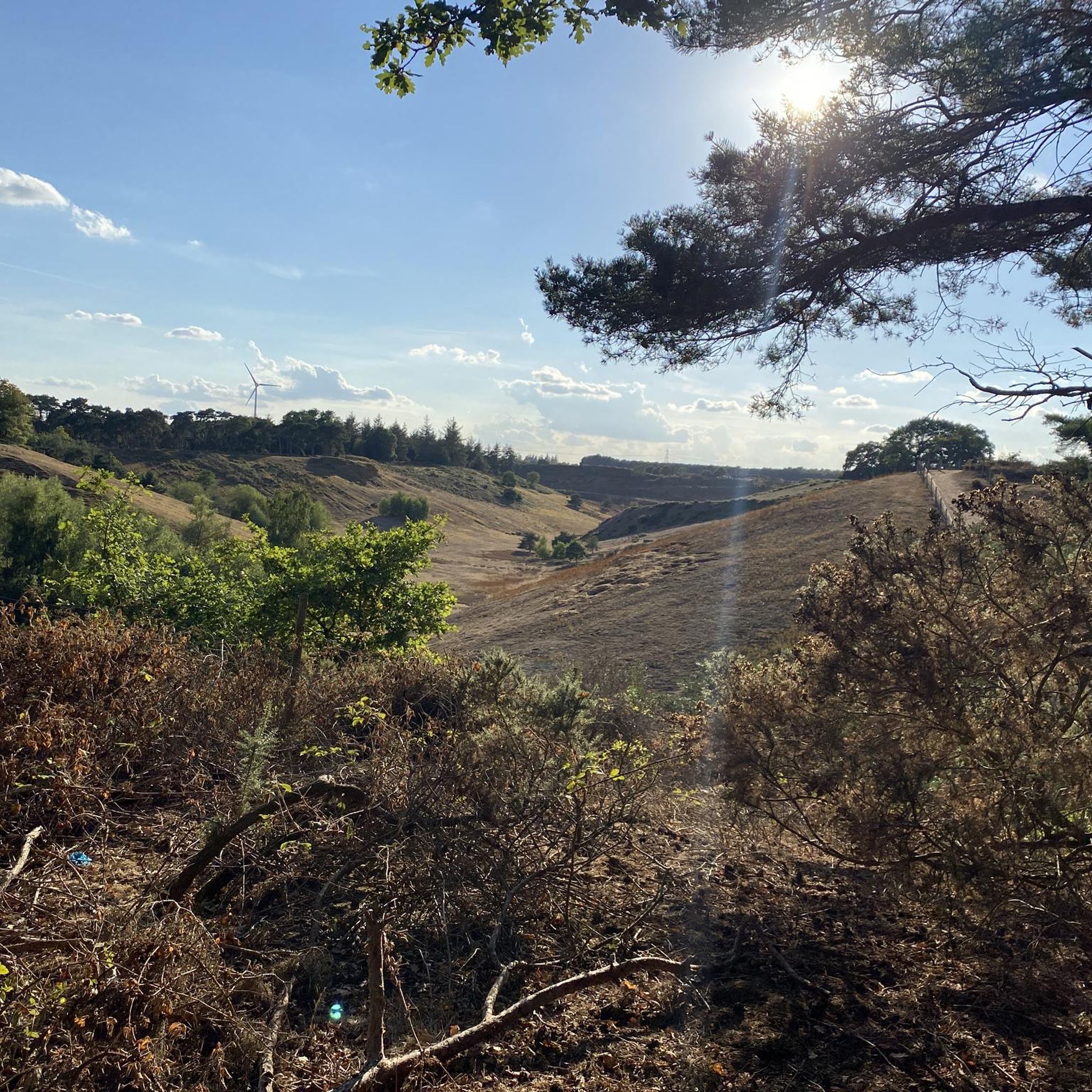
The Lodge is a nature reserve managed by the RSPB. It's the largest stretch of heathland in Bedfordshire. Important species that can be seen here include Hobbies, Nightjars, Ravens, Common Lizards and Natterjack Toads. There are also areas of grassland and woods, important habitat for other species. There is a visitor centre, shop and cafe.
1
0

In the winter months guided tours of 45 mins only going every 30 mins (selected times only) and only the ground floor is a accessible.
0
0

The estate's cycle loop on compacted gravel was truly enjoyable and (in clockwise orientation) includes a short & punchy >10% climb, great views, and even a woodland section. On a Saturday morning around 10:00, it wasn't too crowded, with some walkers, runners, and other cyclists using the path.
1
0

Easy walk from the National Trust owned Hall and Stable buildings. Great views looking back towards the Hall, and on a good day, back towards Royston
1
0

** "Folly (literally "foolishness"), plural follies, is an English term in garden design and architecture for an unusual ornamental building, [...] primarily related to landscape gardens in England. The bizarre conspicuousness of the building is intentional, the provocative uselessness of the system is programmatic. [...]" (https://de.wikipedia.org/wiki/Folly_(Garden Art)) Over the extensive pasture slopes we climb to the western ridges of the park at oddly grown, ancient willows. The visual axis of the Lindenallee leads the view over to the picturesque Folly in the northern part. Between the "Serpentine Lakes" the "Japanese Bridge" connects the areas of the park. Behind it we climb up to the artificial ruins of the Folly and enjoy the view for a while before the early dawn drives us down the slope back to the entrance.
1
0
"Wimpole Estate" is therefore on the schedule for today, which is cloudy at first and remains cloudy from a weather point of view. The only travel day without sun in the sky leads us first through the premises of Wimpole Hall. (https://artuk.org/visit/venues/national-trust-wimpole-hall-6723) I don't want to dwell on the whole powerful aristocratic fuss here; after all, the British have a much more relaxed relationship with the aristocratic upper class, which has always lovingly enslaved the population. We are not alone in visiting the spacious rooms of the Hall.
2
0
Frequently Asked Questions
What historical landmarks can I explore in Waresley-Cum-Tetworth?
The area is rich in history. You can visit Wimpole's Folly, an impressive gothic tower built in the 1770s. Also, explore Wimpole Hall and Gardens with its extensive grounds. Other notable sites include St. James' Church with its distinctive shingled spire and the attached Duncombe Mausoleum, which often hosts exhibitions. Don't miss the unique Samson Slaying the Philistine Statue.
Where can I experience nature and spot wildlife in the region?
For nature enthusiasts, The Lodge RSPB Nature Reserve is a must-visit, offering the largest stretch of heathland in Bedfordshire. It's home to diverse species like Hobbies, Nightjars, Ravens, Common Lizards, and Natterjack Toads. Waresley Woods are ancient woodlands known for wildflowers, especially bluebells and violets in spring, and a wide array of breeding birds, plus over 500 species of moths and butterflies.
Are there good walking opportunities around Waresley-Cum-Tetworth?
Yes, there are many walking opportunities. You can explore the ancient Waresley Woods, known for their seasonal wildflowers. The Ouse Valley Way offers picturesque riverside strolls. For structured routes, check out the various hiking trails available, such as the 'Woodland Path – View of the Field loop from Waresley' or 'Hail Lane loop from Abbotsley'. You can find more details on these routes in the Hiking around Waresley-Cum-Tetworth guide.
What cycling routes are available in the area?
The National Cycle Route 51 offers an excellent off-road cycling experience. This section, part of the disused Varsity railway line between Oxford and Cambridge, is relatively flat and easy, making it suitable for various skill levels. You can find more information about this route at National Cycle Route 51: Bedford to Sandy.
Are there family-friendly attractions in Waresley-Cum-Tetworth?
Absolutely. Many attractions are suitable for families. Wimpole Hall and Gardens offers extensive parkland for exploration, and its farm is a hit with younger visitors. The Lodge RSPB Nature Reserve provides an engaging outdoor experience with wildlife spotting and a visitor centre. Even historical sites like Wimpole's Folly and the Samson Slaying the Philistine Statue are considered family-friendly.
What is the best time of year to visit Waresley-Cum-Tetworth for outdoor activities?
Spring is particularly beautiful, especially in Waresley Woods when bluebells and violets are in bloom. The weather during spring and summer is generally ideal for walking and cycling. Autumn also offers scenic views with changing foliage, making it a pleasant time for outdoor exploration.
Where can I find easy walks around Waresley-Cum-Tetworth?
Several easy walks are available for those looking for a relaxed outdoor experience. Routes like the 'Woodland Path – Wood Farm loop from Great Gransden' and 'Bluebell Woods – Woodland Path loop from Great Gransden' are considered easy. You can discover more options in the Easy hikes around Waresley-Cum-Tetworth guide.
Are there places to eat or relax after exploring the attractions?
Yes, you'll find welcoming spots to refuel. The Duncombe Arms Pub offers a family-friendly atmosphere with food, ales, wines, and spirits. The Waresley Park Garden Centre has a modern cafe with outdoor seating, and The Lodge RSPB Nature Reserve also features a cafe and shop.
What are some unique historical features or 'hidden gems' in the landscape?
Beyond the main landmarks, keep an eye out for visible ridge and furrow marks in various fields, notably on the cricket pitch, which hint at historical agricultural practices. Traces of a moat around Vicarage Farm also offer a glimpse into the area's past. The Millenium Standing Stone is another point of interest.
What do visitors enjoy most about the attractions in Waresley-Cum-Tetworth?
Visitors frequently praise the diverse landscapes, from the historical grandeur of Wimpole Hall and Gardens to the tranquil beauty of The Lodge RSPB Nature Reserve. The opportunity for peaceful walks and cycling on routes like the National Cycle Route 51 is also highly valued. The blend of history, nature, and outdoor activities caters to a wide range of interests.
Are there any specific places for birdwatching or seeing unique flora?
Yes, The Lodge RSPB Nature Reserve is excellent for birdwatching, with species like Hobbies, Nightjars, and Ravens. It's also the largest stretch of heathland in Bedfordshire, offering unique flora. Waresley Woods are particularly noted for their abundance of wildflowers, including bluebells and violets, especially vibrant in the spring.
Can I find running trails near the attractions?
Yes, there are several running trails in the vicinity. You can explore routes like the 'Wood Farm loop from Great Gransden' or 'Jackson's Grove loop from Waresley'. These trails offer moderate difficulty and a chance to enjoy the local scenery while running. More options can be found in the Running Trails around Waresley-Cum-Tetworth guide.
Most popular routes around Waresley-Cum-Tetworth
Most popular attractions around Waresley-Cum-Tetworth

Get inspired with the komoot mobile app


Explore more
Still not found the Highlight you’re looking for? See guides of the top attractions in other regions:
