Routes

Planner

Features

Updates

App

Login or Signup

Get the App

Login or Signup

Login or Signup

Routes
Road cycling routes
United Kingdom
England
West Midlands Region
Warwickshire
Warwick

Offchurch

The best road cycling routes around Offchurch

4.4

(309)

9,243

riders

434

rides

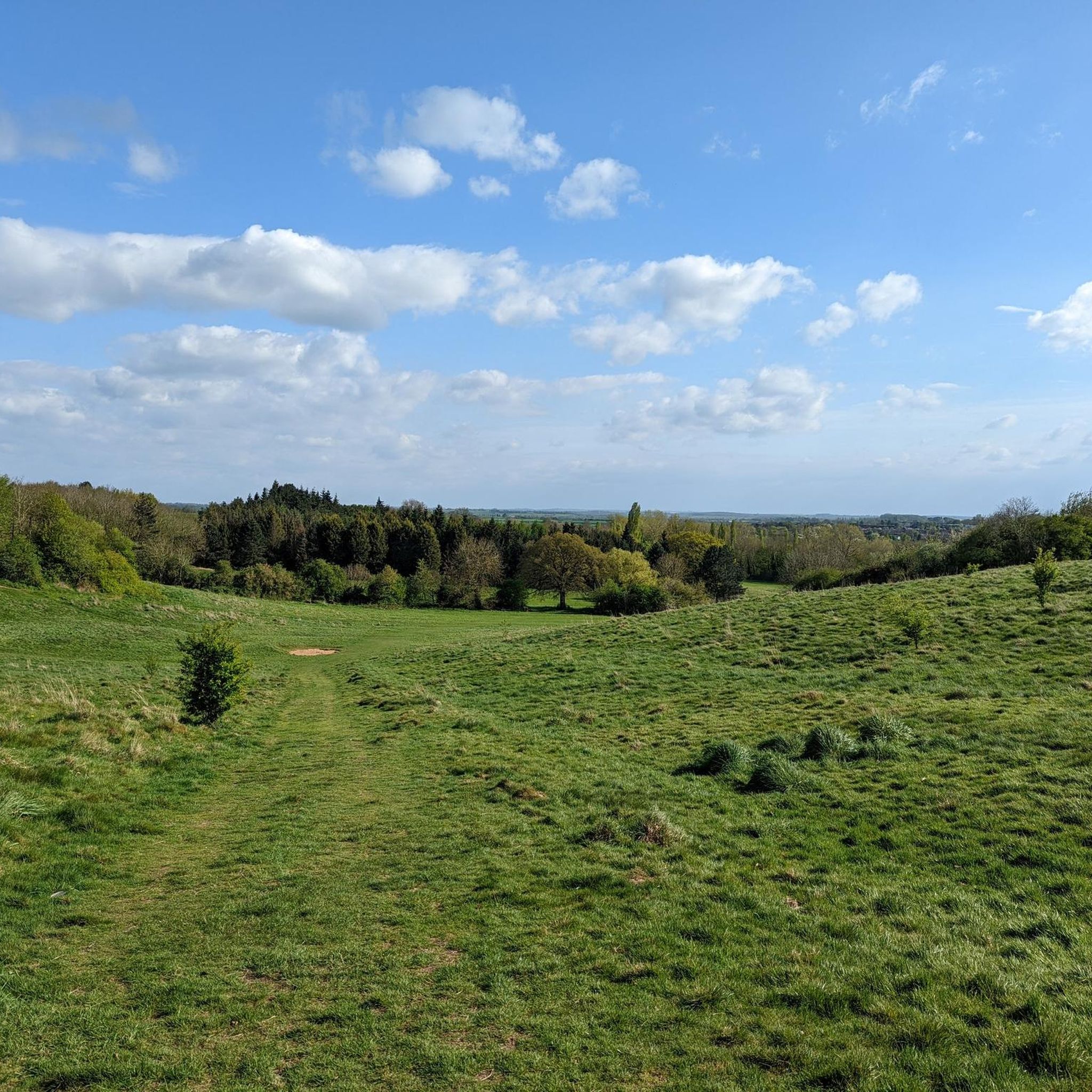
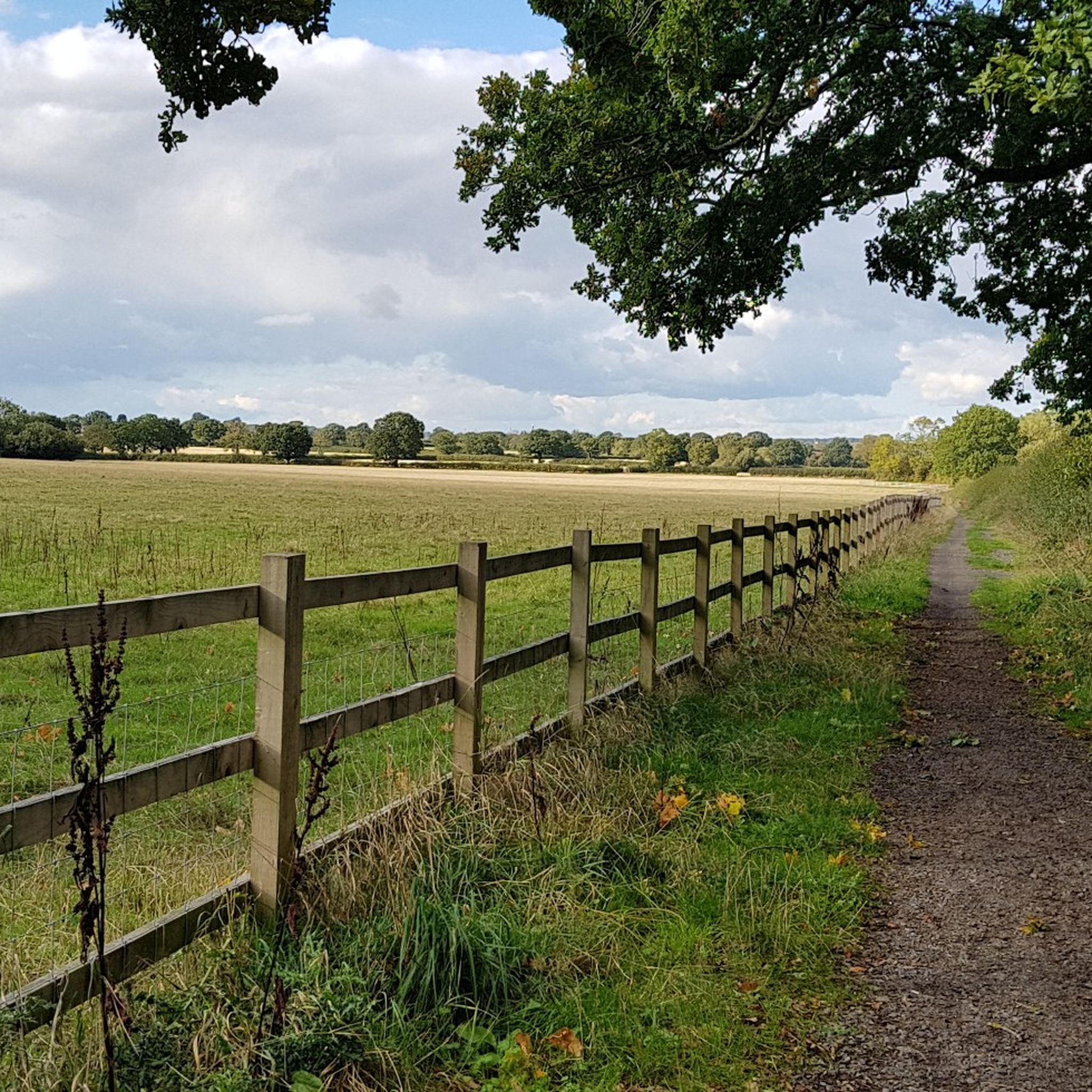
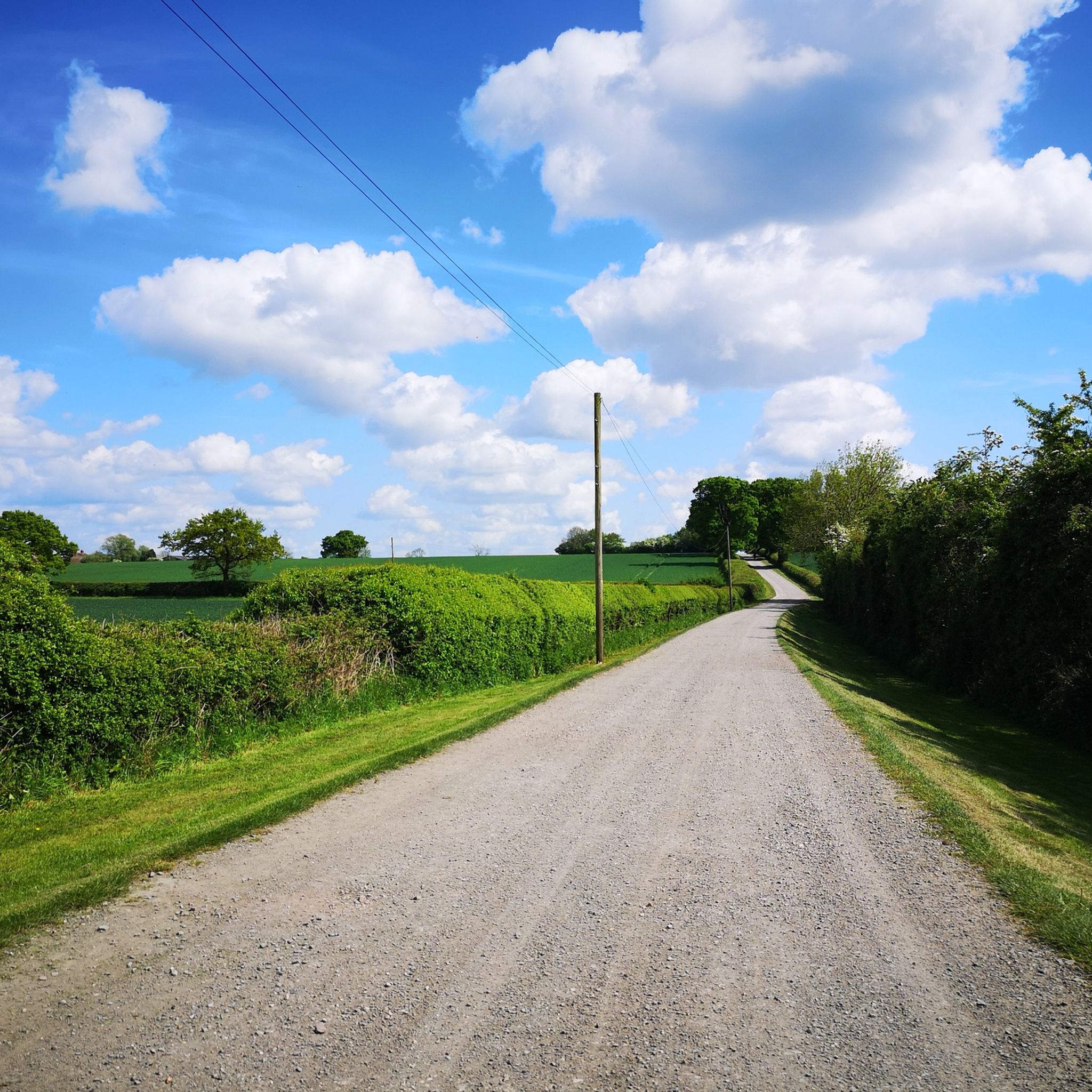
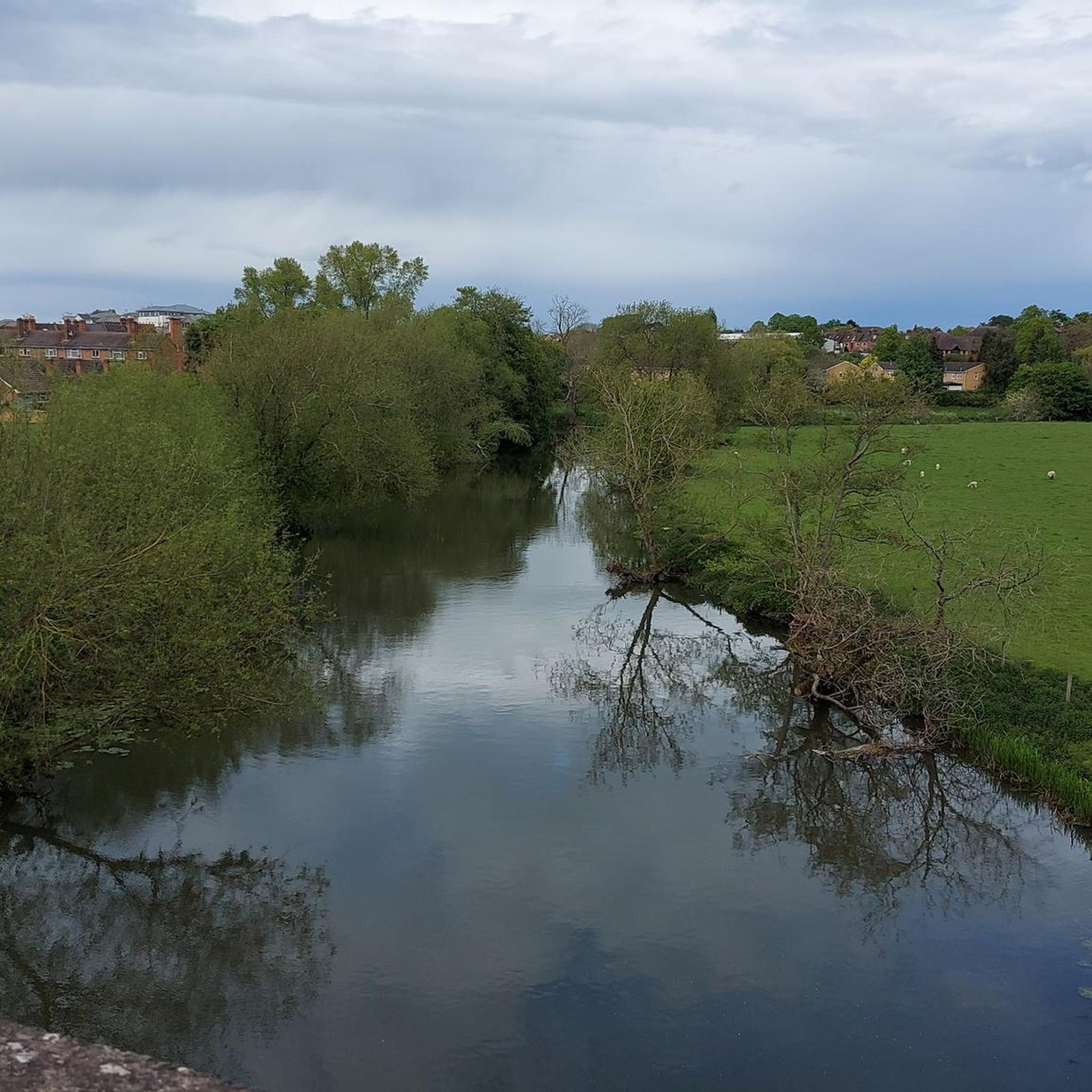
Road cycling routes around Offchurch offer varied landscapes across South Warwickshire, characterized by green open spaces and long views into the open countryside. The area features mostly well-paved surfaces, with some routes incorporating unpaved segments for mixed terrain. The River Leam is a key natural feature, contributing to the scenic beauty of the region. These routes provide options for different fitness levels, ranging from easy to moderate rides.

Best road cycling routes around Offchurch

  • The most popular road cycling route…

Last updated: May 1, 2026

4.0

(2)

102

riders

#1.

The Red Lion, Hunningham – Stratford-on-Avon Welcome Sign loop from Hunningham

55.9km

02:35

400m

400m

Moderate road ride. Good fitness required. Some segments of this route may be unpaved and difficult to ride.

Navigate with device

Send to Phone

Save

Moderate

Moderate road ride. Good fitness required. Mostly well-paved surfaces and easy to ride.

Moderate
guide_signup
Let us show you the way with the komoot mobile app
With a free komoot account, you can easily find, customize, and navigate endless outdoor adventures.

Sign up for free

Moderate road ride. Great for any fitness level. Some segments of this route may be unpaved and difficult to ride.

Moderate

Easy road ride. Great for any fitness level. Mostly well-paved surfaces and easy to ride.

Easy

Easy road ride. Great for any fitness level. Mostly well-paved surfaces and easy to ride.

Easy
Sign up for free to see 430 more rides around Offchurch.

Get access to more routes and recommendations from other explorers.

Sign up for free

Already have an account?

Our route recommendations are based on thousands of hikes, rides, and runs completed by other people on komoot.

Start today with a free account

Your next adventure awaits.
Login or Signup

Popular around Offchurch

Running Trails around Offchurch

MTB Trails around Offchurch

Hiking around Offchurch

Cycling around Offchurch

Gravel biking around Offchurch

Tips from the Community

Mark
August 13, 2025, Lunt Roman Fort

Might stop one day and have a proper look at the fort

0

0

The reign of Offa, the King of Mercia, lasted from 757 until his death in July 796, and it is believed that he established the church at Offchurch, since he had a hunting lodge or fortified residence nearby this area.

1

0

St. Michael's Church, originating from the Medieval era, underwent modifications during the 16th century, and a newer vestry has been added in recent times. There is an available drawing of the church dating back to 1820.

1

0

A fine example of a Warwickshire town. Lovely old town centre with plenty of options for refreshments.

1

0

The church of ST. MICHAEL lies on the north side of the Leamington-Rugby road, 3½ miles north-east of Leamington. It stands on a bank above the road and has a small inclosed churchyard. The church consists of chancel, north chapel, nave, north aisle, west tower, vestry, and south porch. There is evidence of a 12th-century church in the north and south walls of the chancel, consisting of the eastern halves of two semicircularheaded blocked windows. Early in the 13th century the church was almost entirely rebuilt; the tower was built early in the 14th century, except the top stage, added late in the 14th century; a north chapel was built in the 16th century, and in modern times a vestry and south porch. The church is built of red sandstone ashlar and the roofs covered with tiles finishing on a coved eavescourse. There is a roof-line on the tower, 3 ft. above the present modern roof, which has a slightly lower pitch; it was re-roofed in 1867. The east gable wall of the chancel has been entirely refaced with a lightcoloured sandstone, the upper part rebuilt and angle buttresses added. The window, dating from the 13th century, is of three pointed lights with plain tracery and pointed arch without a label. On the south side is a 13th-century window of two pointed lights, having a pointed arch and hood-moulding stopped on grotesque heads; and to the west a two-light square-headed window, probably inserted in the 17th century. Between them is a narrow pointed doorway with a hollowsplayed edge. This wall has been refaced and two brick buttresses added. A 16th-century chapel has been built against the north wall in a light-coloured sandstone with a low-pitched gable to the east wall, which has been rebuilt with modern brickwork. The east window has three cinquefoil lights with a four-centred arch, and on the north side are two two-light cinquefoil windows with square heads, all contemporary with the chapel. At the north-east corner is an angle buttress; there is a small central one, and a modern brick one at each end. The south wall of the nave has a plinth of two splays, a coved eaves-course, and four buttresses in two weathered stages, that at the west end having a gabled top. There are three windows; the one to the west is of early-14th-century date, the other two, of somewhat similar design, are modern. The original has two trefoil lights with moulded tracery, pointed arch, and hoodmoulding with mask stops. The two modern windows have plain tracery of two splayed orders. The doorway has a pointed arch with a wave-moulding continued down the jambs, its hood-moulding has been hacked away and the arch restored. In front of the door is a modern porch of red sandstone, with two stone seats, which has a tiled roof. The north aisle wall has three buttresses, with angle buttresses at the west end, finished with 13th-century gabled heads, and a plinth of two splays which continues round the buttresses. A modern vestry has been built at the western end embracing the original north door. It has a low-pitched gable on the north side and is lighted by two windows of two cinquefoil lights with square heads on the north and west. The aisle is lighted by three small lancet windows, two in the north wall and one in the west, and above these the wall was raised in the latter part of the 14th century in a lighter-coloured sandstone, a low-pitched leadcovered roof substituted for the original, which had a steep pitch, and two windows of two trefoil lights with plain tracery and four-centred heads provided. In the west wall there is a straight joint showing the pitch of the original aisle roof. The tower is in three stages undivided by stringcourses, but the upper two are diminished from the lower by splayed offsets. It is finished by an embattled parapet with crocketed pinnacles at each corner. The buttresses rise to the coved string-course at the base of the parapet; those on the west side are of massive character, two at each corner, those to the south enclosing the tower staircase. The buttress to the north is diminished in width by three splayed offsets; the one to the south is wider and diminished at the lower stage only; the internal angles are splayed, finishing at the top as an octagonal turret. These splays have recessed foliated stops at their bases to allow the tower plinth to continue. The tower has single lancet windows in each of the west and south walls of the lowest stage, and in the second stage a cross-shaped loop light. On the east side of the belfry is a window of three trefoil lights with plain tracery under a four-centred arch; and there is a similar one of two lights in each of the other faces. On the south side in the second stage is a small trefoiled light, and a loop-light with a pointed head in the lowest stage of the buttress. The chancel (31 ft. by 14 ft.) has a modern collarbeam roof, plastered between the rafters. Most of the north wall has been demolished and the roof is now carried on a modern traceried timber screen of three arched bays with stout square posts. The south wall and the remains of the north wall are built of roughly coursed red sandstone rubble, and each has half a blocked 12th-century window with semicircular head directly opposite each other. The south wall has been much repaired with both rubble and ashlar masonry. On the south side the tracery window recess has splayed reveals with a stop-chamfered pointed arch; the narrow door has square jambs with a flat oak lintel; and the later window splayed reveals with a flat oak lintel. Between this and the doorway is a late-14th-century piscina with a four-centred head, having chamfered edges finished on splayed stops, and a quatrefoil basin, while farther east is another piscina in a very mutilated condition, which appears to have been enriched by flanking pillars. The east window recess has a chamfered pointed arch and stop-chamfered reveals, and from its springing level the gable wall is reduced in thickness 12 in. There are two steps to the altar space paved with black and white marble, the rest of the chancel being paved with stone. The altar table and rails are modern. The north chapel (23 ft. by 11 ft.) has a roof similar to that of the chancel and has a floor of stone paving. All the window recesses have flat moulded heads and jambs stopping on splayed sills. On the east wall is a marble monument,  dated 1573, to Sir Edward Saunders and Agnes (Hussey), his (second) wife; it is in three diminishing tiers, the lower one containing a Latin inscription, flanked with the figures of a man and woman, each kneeling at a prie-dieu; above this is a group of figures representing the Resurrection, and the upper tier has a representation of the Ascension. There are six shields of Saunders and alliances, all named. Also on this wall is a stone slab set in a moulded frame with a brass inscription in the centre and matrices for small figures at each corner, to Margery (first) wife of Sir Edward Saunders, died 1563; above the inscription are four coats: (1) Saunders, (2) Englefield, (3) Throckmorton, (4) Danvers. On the north wall is a well-designed decorated mural tablet of alabaster to Margaret and Mary Morgan, died 1584; above are two identical coats placed side by side. The western end of the chapel is occupied by the organ. The nave (40 ft. by 18 ft. 6 in.) has a modern collarbeam roof with curved brackets and is plastered between the rafters. The south door recess has a pointed segmental stop-chamfered arch, the recess being higher than the external pointed arch, and the windows have splayed recesses with stop-chamfered pointed arches. The chancel arch, which dates from the 13th century, is pointed, of two splayed orders resting on responds of similar section with very short moulded capitals and square bases. The splay of the outer order is wider than that of the responds, the change being made with a splayed stop at springing level. The arcade has three bays with pointed arches of two splayed orders supported upon octagonal pillars and responds with moulded capitals and bases. The capitals of the responds repeat the upper moulding of the capitals only, and the springers are 6 in. lower than on the pillars. This arcade dates from the early 13th century; the mouldings are typical of the period and differ slightly in detail. The tower arch is a segmental pointed arch of two orders with wave-mouldings on the nave side and splays on the other, the outer order terminating on plain splays and the inner resting on half-octagon responds without capitals, but with moulded bases on a square plinth. The nave and north aisle are paved with modern red tiles. The north aisle (40 ft. by 6 ft. 6 in.) has a lowpitched roof with beaded-edge beams and purlins, probably 16th-century, but the other members of the roof are modern. At the east end there is the pointed arch and jambs of a late-13th-century tracery window of two moulded orders, with pieces of tracery attached, which was converted into an entrance to the north chapel, the wall below the sill being removed and replaced with a moulded oak screen rebated for a halfdoor with a four-centred arch and carved spandrels, all contemporary with the chapel. The three lancet windows have wide splayed recesses with pointed stopchamfered arches and the later windows, above, slightly splayed recesses with four-centred arches. Below the two lancet windows is an empty tomb recess with a wide segmental pointed arch richly moulded, and has a label moulding with returned ends. The outer moulding continues down the jambs and the inner order is supported on short engaged shafts with moulded capitals and bases. The north doorway now leads into a modern vestry; it has a pointed arch with a hollow splay and splayed hood-moulding outside, but the internal arch has been reduced in width by building up the west splay to allow for a window when the north wall was raised; it no longer coincides with the external arch. In the vestry (14 ft. 6 in. by 12 ft.) there is an early-17th-century oak chest on legs formed by trefoil cusps at the ends. The tower (10 ft. 8 in. by 10 ft. 3 in.) windows have deep splayed recesses with segmental pointed arches with stopped hollow splays, and the doorway to the tower staircase has a shouldered head and hollowsplayed jambs. The cross-shaped loop-light in the second stage has a very wide splayed recess and the doorway to the ringing-chamber a shouldered arch. The belfry floor rests on an offset and the window heads are as on the outside. The roof is a low-pitched pyramid covered with tiles. The church is fitted with varnished benches re-using a number of late-16th-century traceried panels in the bench ends; other panels have been used in the chancel screen. The font, standing at the west end of the nave, is of unusual form and has eight sides, those towards the cardinal points being concave and the others plain. At the bottom of the latter there are head corbels on three sides; the fourth is missing. The stem has the same shape as the basin and its sides die out on a deep splay to a low square pedestal. Internally the basin, which is lined with lead, follows the shape of the outside and is curved at the bottom. It probably dates from the early 14th century, one of the head corbels being of a knight with the coiffe de mailles. It has a modern oak cover and step. The pulpit placed on the south side of the chancel arch is modern. On the south wall of the chancel are set two brass inscriptions: (i) Joyce Tomer, died 1566; (ii) Anne, wife of Gerard Danet and daughter and co-heir of John Hugford, died 1497.  The communion plate includes a silver-gilt chalice, of which the hall-mark is illegible. There are four bells:  the 1st and 4th are by Hugh Watts, dated respectively 1624 and 1592; the 2nd and 3rd by Geoffrey Giles, 1583, 1585, the latter bearing the coats of arms of Saunders and Morgan. The registers begin for baptisms in 1660, for burials 1695, and for marriages 1700.

1

0

The Church of ST. MARGARET is situated on the east bank of the river Itchen, north of the village. It is a small church consisting of chancel, nave, north aisle, vestry, south porch, and a timber bell-cote on the west gable. It dates from the latter part of the 13th century, when it consisted of a nave and chancel, and appears to have been repaired at the end of the 14th century, and re-roofed at the end of the 16th century; in modern times a north aisle, vestry, and south porch were added and the whole church drastically restored. All the roofs are covered with tiles. The chancel, except parts of the north and south walls adjoining the nave, has been entirely rebuilt with a light-coloured sandstone ashlar, the old portions being red sandstone coursed rubble. The east end has angle buttresses and is lighted by a plain tracery window of two pointed lights with a pointed arch. On the south side at the west end is a rectangular low-side window of two splayed orders, and a modern central buttress dividing the old walling from the modern. On the north side a modern vestry has been built, which incloses a blocked low-side window corresponding with the one on the south. The south wall of the nave has three windows of two trefoil lights with tracery under square heads, all modern but perhaps copies of the previously existing 14th-century windows. Between the last two is a four-centred doorway, with a single splay, covered by a modern timber porch. The west gable of the nave is the most interesting and unaltered part of the building and is built of red sandstone rubble with ashlar dressings. In the centre there is a buttresslike projection which reaches to the apex of the gable, where it is weathered off. It contains a long chamfered lancet window with a simple label moulding. On the top of the gable is a small square weather-boarded bell-cote for two bells, with a pyramid roof terminating in a weather vane representing a cock. Between this and the angle buttress at the south-west angle there is a massive buttress in four weathered stages built of lightcoloured sandstone with a moulded plinth, probably part of the 14th-century repairs. In the west gable of the modern north aisle are two lancet windows of one splay with a hood-moulding continued over both, and on the north side, which has three shallow buttresses, are three windows with trefoil heads, one a single light, one of two, and the other of three lights. Built into this wall is a round-headed 13th-century doorway, now blocked with masonry, taken from the north wall of the nave when it was destroyed. At the eastern end is the modern vestry, with a single-light window on the north and a doorway in the east with a chamfered pointed arch. The aisle and vestry are built of hammerdressed ashlar. The chancel (18 ft. 8 in. by 12 ft.) has a modern tiled floor, plastered walls, two steps up from the nave and one to the modern altar. The roof, which is of the queen-post type, is modern, but constructed with old timbers, probably members of the earlier roof, re-used. In the south wall the low-side window has a splayed recess with a flat head; the corresponding one on the north is plastered over and is only visible inside the vestry. On this wall there is a marble monument to James Enyon, died 1623, and Constance his wife, died 1610; also on an oak board is a small brass representing seven figures, with an inscription, 'This brass, circa 1485, was found in the churchyard in 1906 and fixed in the church in 1946'. The figures appear to be gazing upwards and may have formed part of an Assumption group. The nave (33 ft. 6 in. by 16 ft. 10 in.) has a modern tiled floor and plastered walls. On the south side the window recesses are square with flat heads, and that in the west has deeply splayed jambs. The chancel arch has been destroyed and its jambs cut away and a plain modern segmental arch inserted, which carries the modern gable above and stops abruptly on the walls at both ends. The late-16th-century roof is a form of queen-post truss, with carved central bosses on the undersides of the stop-chamfered tie-beams, and plastered between the rafters. The modern north arcade is in three bays with pointed arches of two splayed orders which continue uninterrupted down to moulded stops forming square bases. Opposite the south door is a late-14th-century font of white sandstone, which has a circular basin with eight round shafts projecting from its face, dividing it into as many panels, which are decorated with foliated designs of different patterns, the rim moulding being carried round the shafts to form capitals. The underside of the basin is moulded, the stem circular on a base of three graduated splays. It stands on an octagonal step with a square one on the west side. The pulpit placed on the south side of the chancel arch is modern; also the seating. The north aisle (33 ft. 6 in. by 16 ft. 3 in.) has a modern tiled floor, ashlar walls, and an open roof of king-post type with curved brackets and plastered between the rafters. The window recesses are splayed, with pointed arches. Standing against the west wall there is the deep basin of a plain font with part of its rim broken away. Of the two bells, (fn. 97) one is medieval, of c. 1350, the other was probably cast by Thomas Bullisdon of London, c. 1510. The registers begin in 1718.

0

0

Blackdown Mill, a watermill for which there are documentary records from the Medieval period. It was in use until the 1920s and the waterwheel and some of the machinery survive. It is on the south side of Hill Wootton Road. A mill, probably this site, is recorded in 1086. Later it became the property of Coombe Abbey. Information on ownership exists for the 16th to 20th centuries. The mill operated until the mid 1920s. The buildings are now the premises of an antiques dealer. The mill is a mixture of 18th and 19th century buildings. The older part is a three-storey brick structure with a large wooden extension housing the waterwheel. The appearance of this building has been considerably altered this century. The waterwheel is in place, but most of the machinery has been removed. In the yard behind the mill are traces of a steam engine which was installed in the mid 19th century.

0

0

Radford, lock 23, is the first of twenty locks that lift the canal 146’ to join the Oxford Canal at Napton. Back pumps were installed here in 1942 to return water from the bottom level.

0

0

Frequently Asked Questions

How many road cycling routes are available around Offchurch?

There are over 440 road cycling routes around Offchurch listed on komoot, offering a wide variety of options for different preferences and fitness levels.

Are there easy road cycling routes suitable for beginners in Offchurch?

Yes, Offchurch offers a good selection of routes suitable for beginners. Over 160 routes are classified as easy, providing a gentle introduction to road cycling in the area. A great option for a leisurely ride is the St Mary's Church, Cubbington – St Gregory's Church, Offchurch loop from Radford Semele, which is rated easy.

What are the typical road conditions like for cycling in Offchurch?

The road cycling routes around Offchurch generally feature mostly well-paved surfaces, ensuring a pleasant cycling experience. Some routes might include short unpaved segments, adding a bit of variety for those comfortable with mixed terrain.

Are there any circular road cycling routes in Offchurch?

Many of the road cycling routes in Offchurch are designed as loops, allowing you to start and finish in the same location. For example, the popular The Red Lion, Hunningham loop from Hunningham is a circular route offering expansive views across the rural Warwickshire landscape.

What natural features can I expect to see along the cycling routes?

The routes often showcase the region's natural beauty, including green open spaces and long views into the open countryside. The River Leam is a key natural feature, and you might pass through areas like the Leam Valley Local Nature Reserve, known for its wildlife.

Are there historical landmarks or attractions along the road cycling routes?

Yes, the area around Offchurch is rich in history. You can cycle past sites like Offchurch Bury, believed to be an Anglo-Saxon royal site, and the historic St. Gregory's Church in Offchurch. Further afield, Kenilworth Castle is also viewable from some routes.

Are there family-friendly road cycling options in Offchurch?

For a relaxed family ride, the Offchurch Greenway is an excellent choice. This flat, surfaced footpath and cycleway is part of the Sustrans National Cycleway Route 41 and offers scenic views over South Warwickshire, making it ideal for leisurely rides with children.

What do other road cyclists enjoy most about the routes in Offchurch?

The road cycling routes in Offchurch are highly rated by the komoot community, with an average score of 4.3 stars from over 270 reviews. Cyclists often praise the varied landscapes, the peaceful green open spaces, and the expansive countryside views.

Are there routes that avoid significant hills?

While many routes have some elevation gain, the area offers options for those preferring flatter rides. The Offchurch Greenway is notably flat. For routes with moderate elevation, consider options like the The Red Lion, Hunningham – Lunt Roman Fort loop from Royal Leamington Spa, which has a manageable elevation gain of around 210 meters over 29.8 km.

Are there places to stop for refreshments along the cycling routes?

Yes, Offchurch village itself has "The Stag at Offchurch" public house, which can be a convenient stop. Many routes are designed to pass through or near villages with pubs and cafes, such as the View of Welsh Road – The Red Lion, Hunningham loop from Hunningham, which includes a pub stop.

What is the best time of year to go road cycling in Offchurch?

Spring and summer generally offer the most pleasant conditions for road cycling in Offchurch, with milder weather and the countryside in full bloom. Autumn can also be beautiful with changing foliage, though cooler temperatures and potentially wetter conditions should be considered.

Are there any routes for more advanced road cyclists?

While the majority of routes are easy to moderate, there are some more challenging options. The region has 16 routes classified as difficult, providing a greater test of endurance and skill for experienced riders. These routes typically feature longer distances and more significant elevation changes.

Most popular routes around Offchurch

Easy hikes around Offchurch

Most popular attractions around Offchurch

Places to see

Store rating

Get inspired with the komoot mobile app

With a free komoot account, you can easily find, customize, and navigate endless outdoor adventures.

or

Join komoot Now

Store rating

Explore more

Browse the best Road cycling routes in other regions.

Old MilvertonWhitnashRadford SemeleRoyal Leamington SpaBishops TachbrookAshowKenilworthNorton LindseyLeek Wootton And Guy'S CliffeBeausale, Haseley, Honiley And WroxallLapworthBurton GreenShrewleyHattonBudbrookeBushwoodEathorpeCubbingtonWappenburyHunninghamWaspertonWeston Under WetherleyBlackdownStoneleighBagintonRowingtonSherbourneBarfordBubbenhallBaddesley Clinton

Nearby adventure guides

Things to Do around Hunningham

background

Get ready to conquer new peaks

Sign up for Free

Explore
RoutesRoute plannerFeaturesHikesMTB TrailsRoad cycling routesBikepackingSitemap
Download the app
Follow Us on Socials

© komoot GmbH

Privacy Policy