The best walks and hikes around Lake de Carucedo
4.4
(423)
2,250
hikers
29
hikes
Hiking around Lake de Carucedo features a landscape shaped by ancient Roman gold mining, notably the reddish, eroded earth pinnacles of Las Médulas, a UNESCO World Heritage site. The region is characterized by diverse vegetation, including ancient cork oaks and chestnut trees, creating varied woodland environments. The lake itself, formed by Roman operations, offers a central point for trails that explore both its perimeter and the surrounding historical mining area. This terrain provides a mix of gentle paths around the…
Last updated: July 4, 2026
5.0
(2)
7
hikers
6.70km
02:00
210m
210m
Easy hike. Great for any fitness level. Easily-accessible paths. Suitable for all skill levels.
4.7
(11)
101
hikers
Easy hike. Great for any fitness level. Easily-accessible paths. Suitable for all skill levels.

Sign up for free
4.8
(87)
439
hikers
10.2km
03:28
350m
350m
Hike the moderate 6.3-mile La Mirada Circular Nature Trail in Las Médulas, offering stunning viewpoints and diverse landscapes.
3.7
(3)
35
hikers
3.79km
00:59
20m
20m
Hike an easy 2.4-mile loop in Las Médulas, featuring panoramic views from Mirador de Chao de Maseiros and unique Roman gold mine landscapes.
4.8
(73)
430
hikers
6.97km
02:18
240m
240m
Moderate hike. Good fitness required. Mostly accessible paths. Sure-footedness required.
Get access to more routes and recommendations from other explorers.
Sign up for free
Already have an account?
Our route recommendations are based on thousands of hikes, rides, and runs completed by other people on komoot.
Start today with a free account
Your next adventure awaits.
Login or Signup
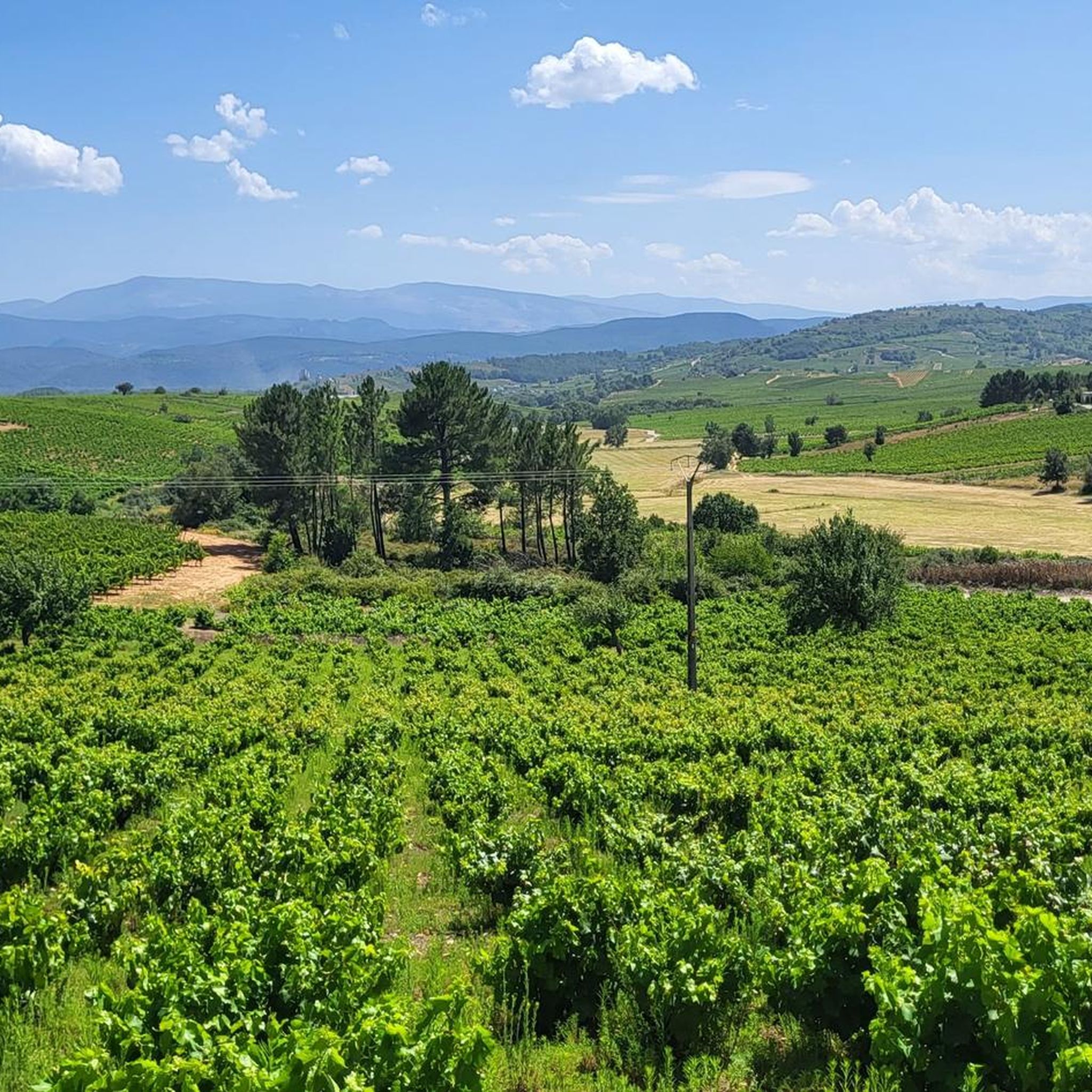
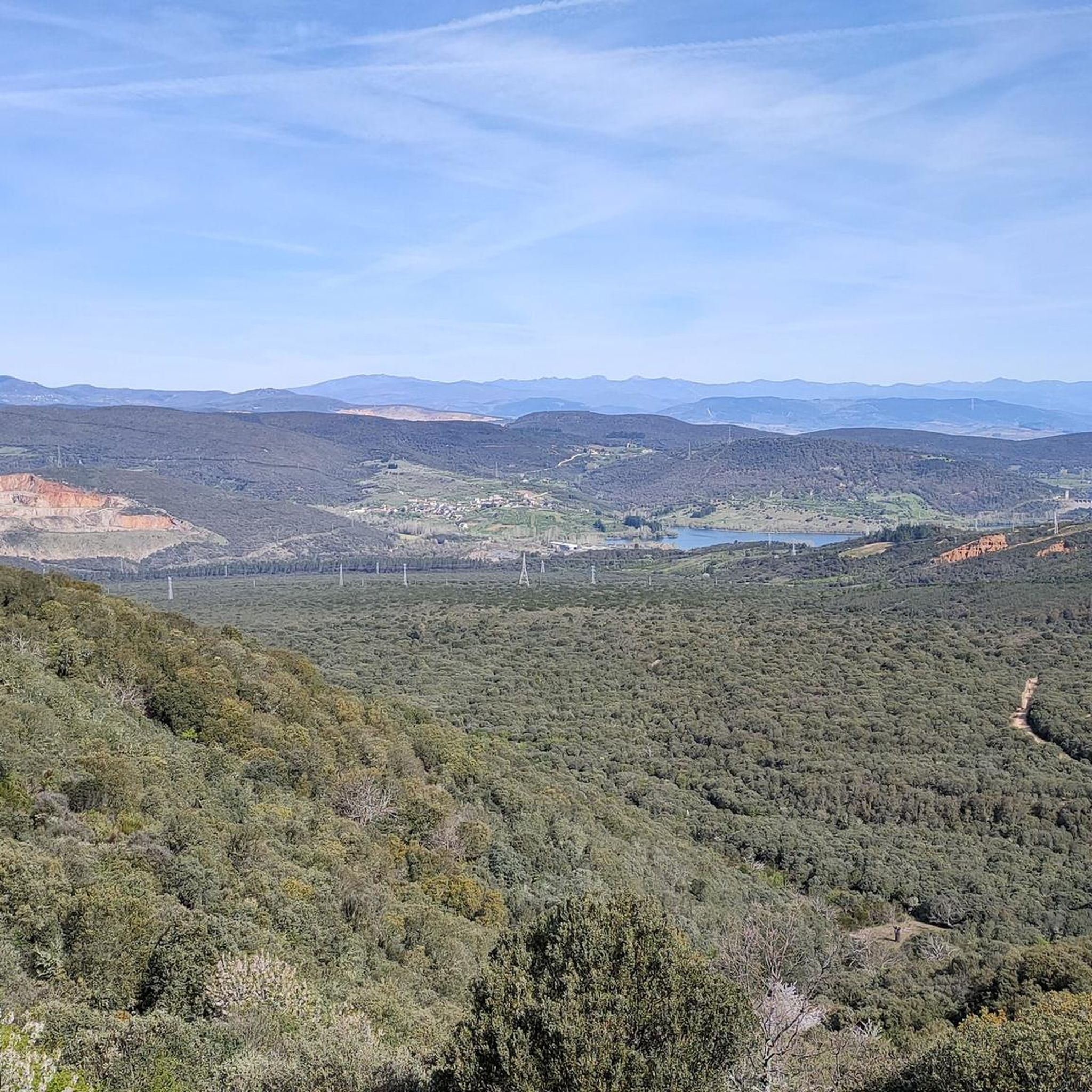
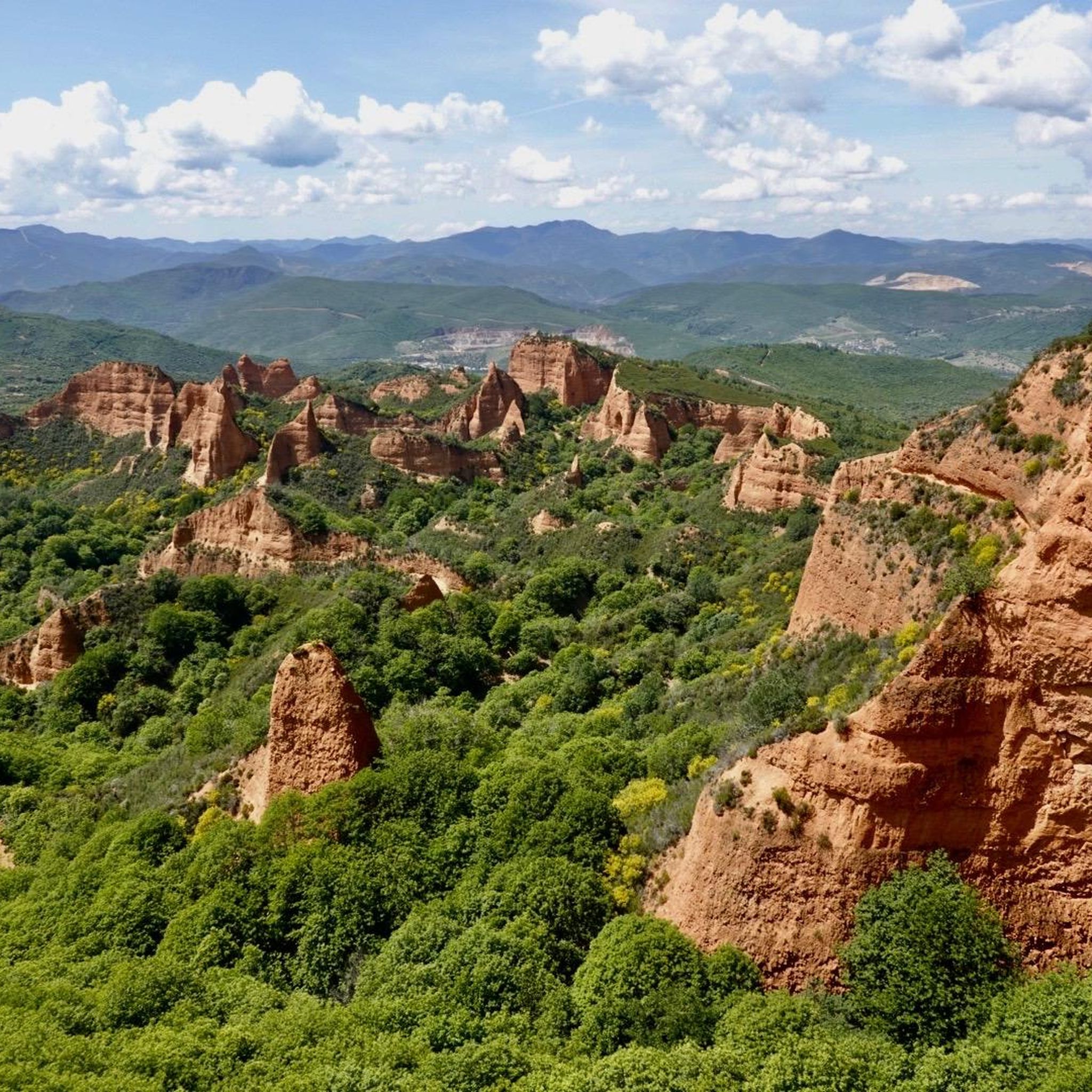
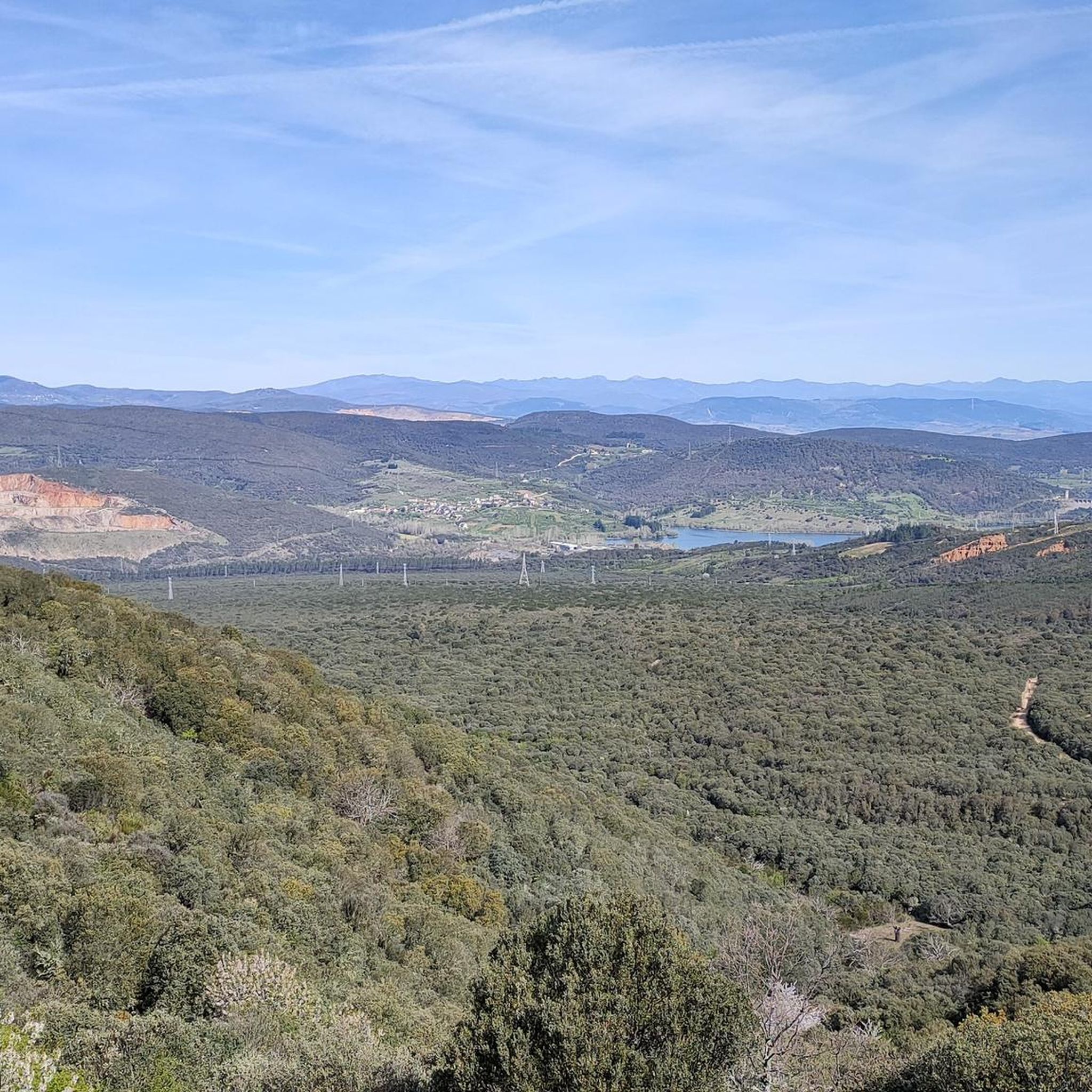
Tips from the Community

The Mirador de Orellán is a spectacular observation point located in the town of Orellán, in the municipality of Borrenes, León. This viewpoint offers stunning panoramic views of the cultural landscape of Las Médulas, an ancient Roman gold mining complex declared a World Heritage Site by UNESCO. Near the viewpoint, you can visit the underground galleries that were part of the Roman gold mining system. Entry costs €3 and a helmet with headlamp is provided for the visit.
7
0

When looking at the rock formations of LAS MEDULAS, one must remember that this landscape is not natural, but rather the (sad) remains of a mountain massif that was ruthlessly exploited for its gold ore as early as the Roman Empire. Nevertheless, this landscape of ruins is a UNESCO World Heritage Site. A 15-minute film documentary about this (in German) is available in the ARD media library as part of the highly recommended series “Treasures of the World - Heritage of Humanity”: https://www.zdf.de/swr/schaetze-der-welt/page-video-ard-las-mdulas-und-seine-goldminen-spanien-100.html
4
0
The Bar Tapería O Camiño Real is a charming place in Las Médulas, it is a recommended place to enjoy good food and a pleasant atmosphere. If you are nearby, don't hesitate to visit it! 😊
29
0
Las Médulas, located in Bierzo, northwest of the Montes Aquilanos and along the valley of the Sil River, is a fantastic landscape resulting from Roman gold mining. This place has been declared a World Heritage Site by UNESCO. Although no one would say that the steep cliffs hide, beneath their bowels, the gold of the Romans, the mining exploitation silenced for centuries has become a beautiful landscape of great tourist attraction.
26
0

This landscape was created over 250 years by an estimated 60,000 slaves to supply the Roman Empire with around 1,650 tons of gold. A UNESCO World Heritage Site
8
0
La Cuevona and La Encantada are two impressive places in Las Médulas, an area with a rich mining history and a unique landscape. The Cave: It is a gallery dug into the mountain, part of the ancient network of tunnels and galleries used in Roman mining exploitation. It has the highest height of all the existing galleries in Las Médulas. It is an important reference point for those exploring the Las Valiñas path. As you pass in front of La Cuevona, you will climb a small slope protected by a railing of wooden logs. The enchanted: It is also part of the old mining network. Upon arriving at La Encantada, you will be surprised by its unusual luminosity due to the entry of light from a hole at the top. There are two tunnels that branch off to the left and right, and from inside, you can see a beautiful landscape. Both caves are witnesses of Roman mining activity and offer a unique experience for visitors. I hope you enjoy exploring La Cuevona and La Encantada! 🏞️🚶♂️
9
0
La Cuevona: It is a gallery excavated in the mountain, part of the ancient network of tunnels and galleries used in Roman mining exploitation. It has the highest height of all the existing galleries in Las Médulas. It is an important reference point for those exploring the Las Valiñas path. As you pass in front of La Cuevona, you will climb a small slope protected by a railing of wooden logs. I hope you enjoy exploring La Cuevona! 🏞️🚶♂️
7
0
It is located near Las Médulas, an ancient Roman gold mine. You can get to the viewpoint through the Perimeter Path. It begins in the town of Las Médulas and follows the Senda de las Valiñas until you reach the Mirador de las Pedrices. From the viewpoint, you will enjoy impressive views of Las Médulas and the remains of the peaks. You will also be able to see the Campañana Reservoir and the town of Lago. I hope you have the opportunity to visit this beautiful place! 😊
9
0
Frequently Asked Questions
How many hiking trails are available around Lake de Carucedo?
There are over 30 hiking trails around Lake de Carucedo, offering a variety of experiences. You'll find 13 easy routes, 14 moderate routes, and 3 more challenging options, catering to different skill levels.
Are there easy or family-friendly hiking options near Lake de Carucedo?
Yes, the area is well-suited for families and those seeking easier walks. Many trails are well-marked and relatively flat, particularly those around the lake's perimeter. An accessible 0.6 km circular path around Lake de Carucedo is ideal for a very low-difficulty stroll. For a slightly longer, easy route, consider the Zufreiros of Frade – round trip from Lake Carucedo, which is 6.7 km and takes about 2 hours.
What unique natural features can I expect to see on hikes around Lake de Carucedo?
The landscape is defined by the dramatic, reddish formations of Las Médulas, a UNESCO World Heritage site, resulting from ancient Roman gold mining. You'll also encounter lush vegetation, including magnificent centuries-old cork oaks, known as Zufreiros de Frade, some over 400 years old. Paths are often sheltered by a diverse mix of cork oaks, holm oaks, arbutus, and chestnut trees, creating a 'vegetable tunnel' effect in some sections. You can explore these on routes like the Zufreiros of Frade – round trip from Lake Carucedo.
Can I explore the ancient Roman gold mines of Las Médulas while hiking from Lake de Carucedo?
Absolutely. Many hiking routes connect Lake de Carucedo to the heart of Las Médulas. These trails allow you to witness the unique, transformed landscape created by Roman hydraulic mining. A popular easy option is the Las Médulas Roman Gold Mines – La Cuevona (Las Médulas) loop from Las Médulas, a 5.6 km path that explores the mining remnants.
Are there any circular hiking routes available in the area?
Yes, circular routes are a great way to experience the diverse scenery. The La Mirada Circular Nature Trail is a 10.2 km moderate loop that takes you through varied natural terrain. Additionally, the Zufreiros of Frade – round trip from Lake Carucedo is another popular circular option.
What are the best viewpoints to experience the landscape of Las Médulas?
The Orellán viewpoint offers spectacular panoramic vistas of the transformed Roman mining landscape of Las Médulas. Many routes lead to this and other viewpoints, such as Chao de Maseiros, providing extraordinary views of the reddish pinnacles and ancient forests. You can reach the Orellán viewpoint via paths like the partially asphalted and dirt 'Path of the Valiñas'.
Is Lake de Carucedo suitable for activities other than hiking?
Yes, Lake de Carucedo offers more than just hiking. Its calm, clear waters are popular for swimming, paddle surfing, and kayaking, making it a well-rounded outdoor destination. The lake itself was formed as a result of the Roman mining operations, adding to its unique character.
Are dogs allowed on the hiking trails around Lake de Carucedo?
Generally, dogs are welcome on trails in natural areas like Lake de Carucedo and Las Médulas, but it's always recommended to keep them on a leash to protect local wildlife and ensure the comfort of other hikers. Please be mindful of any specific signage regarding pet regulations in certain protected zones.
What is the best time of year to go hiking in the Lake de Carucedo area?
The Lake de Carucedo area is beautiful year-round, but spring and autumn offer the most pleasant hiking conditions with milder temperatures and vibrant colors. Spring brings lush greenery, while autumn showcases the rich hues of the chestnut and oak forests. Summers can be warm, making early morning or late afternoon hikes preferable, and winters are generally mild, allowing for hiking, though some paths might be damp.
How can I get to the hiking trails around Lake de Carucedo by public transport or car?
Lake de Carucedo is located in the western part of the El Bierzo region in León, Spain. While public transport options directly to trailheads might be limited, the area is accessible by car. There is parking available near Lake de Carucedo and in the villages surrounding Las Médulas, such as Las Médulas village itself, which serves as a starting point for many trails. For specific public transport schedules, it's best to check local bus services to nearby towns like Ponferrada and then arrange local transport.
What do other hikers say about the trails in Lake de Carucedo?
The hiking routes in Lake de Carucedo are highly rated by the komoot community, with an average score of 4.5 stars from over 300 reviews. Hikers often praise the unique, dramatic landscapes of Las Médulas, the tranquility of the ancient forests, and the well-maintained paths that offer a mix of easy lakeside strolls and moderate trails exploring the historical mining area.
Are there any specific historical sites or caves to explore on the trails?
Yes, the area is rich in historical remnants of Roman mining. The 'Path of the Valiñas' leads to impressive caves like La Cuevona and La Encantada, which are direct results of the Roman gold extraction. You can also explore the Orellán Gallery, allowing visitors to delve into the interior of the ancient mine. The La Cuevona (Las Médulas) – Orellán Galleries loop from Las Médulas is a moderate 6.9 km route that includes these sites.
What is the general terrain like for hiking around Lake de Carucedo?
The terrain around Lake de Carucedo is diverse, ranging from relatively flat paths around the lake's perimeter to routes with moderate elevation changes as you venture into the former mining landscape of Las Médulas. You'll encounter reddish, eroded earth pinnacles, dense woodlands with ancient cork and chestnut trees, and some paths that are partially asphalted or dirt. The trails are generally well-defined, offering a mix of natural surfaces.
Most popular routes around Lake de Carucedo

Get inspired with the komoot mobile app


Explore more
Browse the best Hikes in other regions.
