Attractions and Places To See around Carrickcloghan - Top 20
Best attractions and places to see around Carrickcloghan include a variety of natural features, historical sites, and cultural points of interest within County Armagh, Ireland. The region is part of the scenic Ring of Gullion, known for its unique geological landform and rich archaeological heritage. Visitors can explore an extinct volcano, ancient cairns, and picturesque lakes. The area offers opportunities to experience both natural landscapes and significant historical monuments.
Best attractions and places to see around Carrickcloghan
- The most popular…
Last updated: July 6, 2026
Slieve Gullion Summit
Highlight • Volcano
Translated by Google •
Tip by

Newry Canal Towpath
Highlight • Historical Site
Showing Translation
Tip by

Sign up now to discover places like this
Get recommendations on the best single tracks, peaks, & plenty of other exciting outdoor places.
Sign up for free
North Cairn of Slieve Gullion and Calliagh Beara's Lough
Highlight • Summit
Translated by Google •
Tip by
Giant's Lair
Highlight • Structure
Tip by

Lock Keeper's Cottage Ruins
Highlight • Structure
Showing Translation
Tip by
Sign up for free to discover even more attractions around Carrickcloghan.
Sign up for free
Already have an account?
Start today with a free account
Your next adventure awaits.
Login or Signup


Tips from the Community

Between the rustling trees along the Newry Canal Towpath, you'll encounter the tranquil ruin of a lock keeper's cottage. Once, this was the proud and bustling heart of the waterway, where the lock keeper stood ready day and night to operate the heavy wooden canal gates for passing barges. Today, only the robust stone walls remain, slowly being reclaimed by nature.
6
0
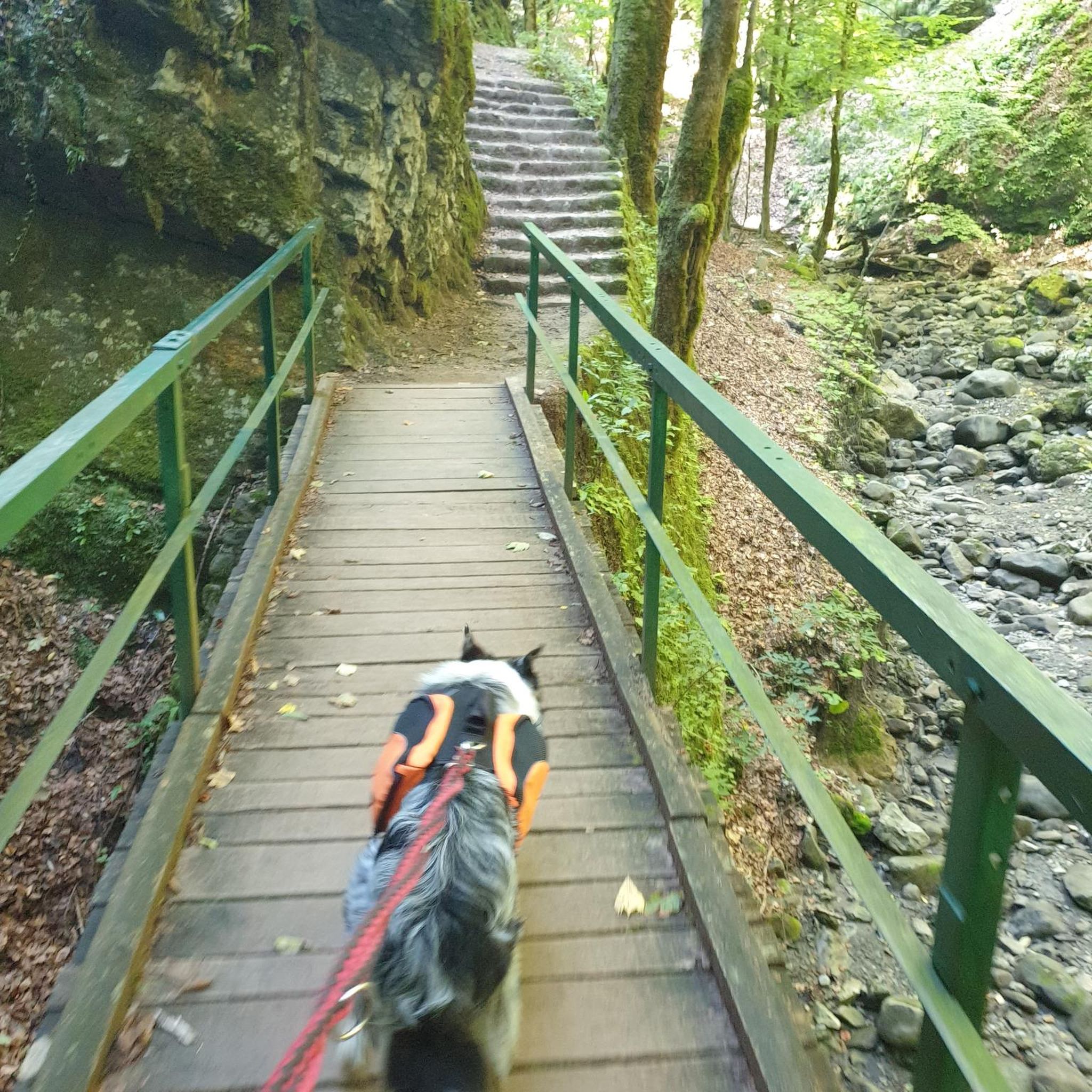
Quiet canal section south of Poyntzpass, where the towpath runs tightly along the narrow water. The bank is lightly overgrown with low trees and hedges, giving the stretch an intimate, green impression. The water is mostly still, forming a straight line through the open agricultural landscape. An even, traffic-free segment ideal for quiet miles on the towpath.
5
0

There is something enchanted about this old, dilapidated stone hut - as if it were whispering stories of times gone by, when the canal was still full of life and the lock keepers worked here day and night. The walls, overgrown with greenery and moss, show how nature is slowly reclaiming its place. The building itself is only a ruin, but that is precisely what makes it somehow interesting. The mixture of broken brickwork and wild growth has something melancholic about it that fits perfectly into the tranquility of the surroundings. Right next to it there is a small rest area with a bench - ideal for stopping for a moment and taking in the atmosphere.
1
0
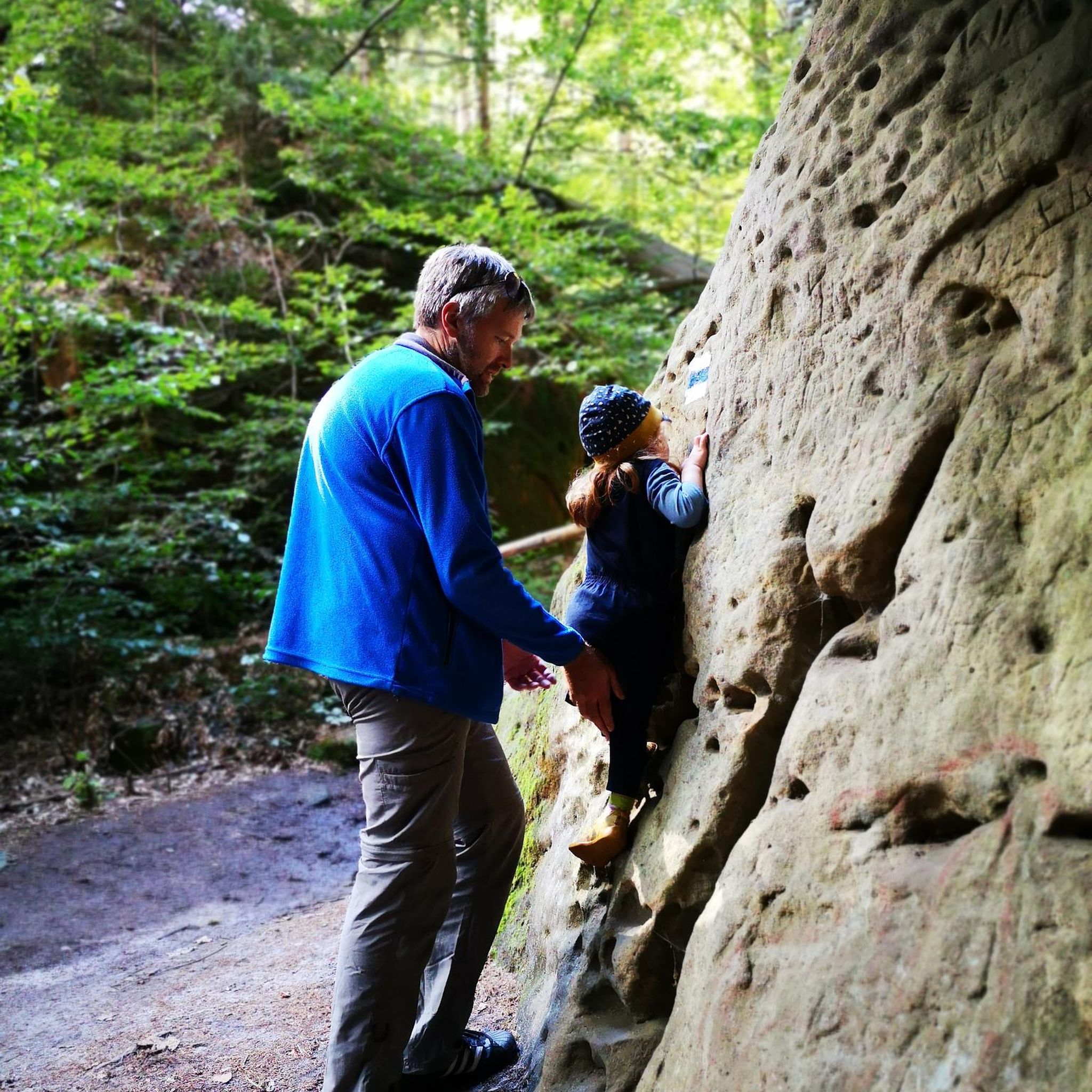
On the way through the Giant's Lair you will be immersed in Irish legends. As soon as you pass under the artistically carved archway, a magical world opens up in which the story of Finn McCool comes to life. The path leads you and the whole family through four chapters that bring the world of legend to life with lovingly designed stations. For the little ones it is an exciting treasure hunt - at every bend there are new clues waiting for them, which they eagerly discover. While they run ahead to find the next adventure, there is enough time for you to enjoy the lush nature. The dense trees, the mosses and the ancient carvings make you forget everyday life. You are in the middle of a story that unfolds further with every step.
1
0
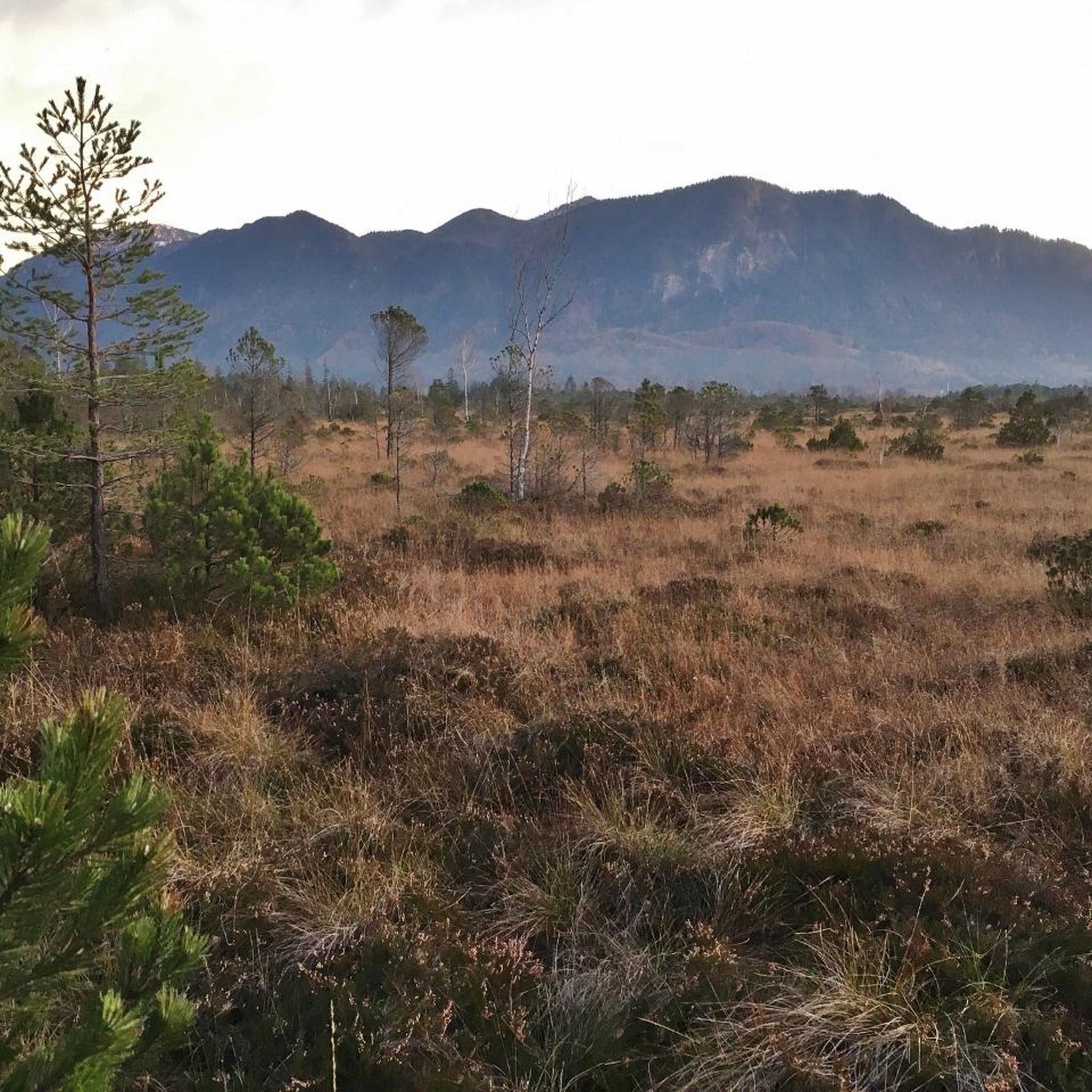
As soon as you cross the gentle ridge of Slieve Gullion, the North Cairn stretches out before you - a slightly smaller hill than its southern neighbour, but no less impressive. The stones that gather here seem like silent sentinels, witnesses of the distant Bronze Age. Two ancient stone boxes were once found here during excavations, which lay hidden in the depths of history. The North Cairn, with its diameter of around 18 metres, invites you to pause for a moment and enjoy the peace. But it is not just the Cairn that is fascinating. Right next to it lies "Calliagh Beara's Lough", a quiet mountain lake that, according to legend, is the home of the witch Beara. On a clear day, the sky is reflected in the calm waters and you can almost feel the ancient magic of this place coming to life. The road here may be rocky, but the landscape rewards with sweeping views and a touch of mysticism that makes Slieve Gullion something special.
1
0


At the heart of the Ring of Gullion AONB, you'll find this beautiful mountain, which represents the highest point in the county with an elevation of 573 meters (1,880 ft). Right next to it there is a burial cairn.
1
0
Slieve Gullion, whose name sounds as poetic in English as "Sliabh gCuillinn" in Irish, rises majestically in the "Ó Fiaich Country" in the south of County Armagh in Northern Ireland. At 573 meters high, it not only hides a geological wonder in the form of an extinct volcano, but also the highest Passage Tomb in the British Isles. This passage tomb is particularly mysterious because its entrance is aligned exactly towards the point where the sun sets on the winter solstice. The best place to start your hike is from the Slieve Gullion viewing platform, where there is not only plenty of parking, but also space to stay overnight in a motorhome. From there a clearly marked path, demarcated by a staircase of large rocks, leads to the South Cairn. The transition between the South Cairn and the North Cairn is soft and wet, making the path a true nature experience. However, it should be noted that the descent from the North Cairn back to the viewing platform is rather steep and not always clear. From the summit, hikers are treated to a breathtaking panorama. The view sweeps over the landscape all around and you quickly understand why this area has been classified as an "Area of Outstanding Natural Beauty". The "Slieve Gullion Forest Park" landscape protection area extends over large heath areas on the sunlit mountain slopes. For those who want to experience the full spectrum of this stunning area, there is the 57km long waymarked Ring of Gullion Way. A 13 km long section of this circular hiking trail, the “Slieve Gullion Walk”, leads from the car park at Meigh directly to the summit and back again.
2
0
Frequently Asked Questions
What natural features can I explore in the Carrickcloghan area?
The region is rich in natural beauty, centered around the Slieve Gullion Summit, an extinct volcano offering panoramic views. You can also discover the unique geological landform of the Ring of Gullion, which is the world's first geologically mapped ring dyke. Camlough Lake provides a peaceful setting for observing nature.
Are there historical sites or ancient monuments to visit near Carrickcloghan?
Yes, the area is steeped in history. The Slieve Gullion Summit houses the highest Passage Tomb in the British Isles. Nearby, the North Cairn of Slieve Gullion is an 18-meter diameter Bronze Age site. Other significant historical sites in County Armagh include the Slieve Gullion South Cairn, Killevy Churches, Moyry Castle, Ballymacdermot Cairn, and Clonlum North Cairn.
What family-friendly attractions are available around Carrickcloghan?
For families, the Giant's Lair offers an interactive hike that tells the story of Finn McCool through various artistic installations. You can also discover whimsical sculptures like The Witch Sculpture within the enchanting forest. Gosford Forest Park, located near Markethill, is another excellent option with dense forests, open parkland, and a deer enclosure.
Are there hiking opportunities around Carrickcloghan?
Absolutely! The Ring of Gullion and Slieve Gullion offer numerous hiking trails. You can find routes like the 'Camlough Mountain & Lake loop' or the 'Slieve Gullion Summit – Calliagh Beara Lough loop'. For more detailed information and route options, visit our dedicated guide to Hiking around Carrickcloghan.
Can I go cycling around Carrickcloghan?
Yes, the area provides various cycling routes suitable for different levels. Options include road cycling routes like the 'Gosford Park loop from Newry' or touring bicycle routes such as 'Newry to 'The Old Oak' Kilbroney Park loop'. Explore more routes in our guides for Road Cycling Routes around Carrickcloghan and Cycling around Carrickcloghan.
What is the best time of year to visit Carrickcloghan for outdoor activities?
The spring and summer months (April to September) generally offer the most pleasant weather for outdoor activities, with longer daylight hours and milder temperatures. However, the natural beauty of the Ring of Gullion can be appreciated year-round, with autumn bringing vibrant foliage and winter offering a stark, dramatic landscape, especially around Slieve Gullion.
Are there any notable architectural landmarks in the vicinity?
Yes, the Craigmore Viaduct is an impeccably preserved Victorian architectural marvel, built in 1852, and remains the highest structure of its kind in Northern Ireland. Additionally, St. Patrick's Cathedral (Roman Catholic) in Armagh, completed in 1904, is notable for its twin spires and blend of architectural styles.
What is the Ring of Gullion and why is it significant?
The Ring of Gullion is an Area of Outstanding Natural Beauty and a unique geological landform, recognized as the world's first geologically mapped ring dyke. It forms a natural rampart around Slieve Gullion mountain and is rich in archaeological heritage and local legends, making it a fascinating area for exploration.
Are there any attractions related to astronomy or science?
Yes, the Armagh Observatory and Planetarium, founded in 1789, offers a glimpse into over 200 years of astronomical research. The planetarium, opened in 1968, allows visitors to explore early astronomical instruments and learn about the cosmos.
Are there any dog-friendly trails or attractions near Carrickcloghan?
Many of the outdoor trails within the Ring of Gullion and areas like Gosford Forest Park are dog-friendly, provided dogs are kept on a lead and owners clean up after them. Always check specific park regulations before visiting, but generally, the natural landscapes offer great opportunities for walks with your canine companion.
What are some less-known outdoor spots or 'hidden gems' in the area?
Beyond the main highlights, consider exploring the tranquil 'Calliagh Beara's Lough' adjacent to the North Cairn of Slieve Gullion, steeped in local legend. The various smaller cairns like Ballymacdermot Cairn and Clonlum North Cairn also offer a quieter, more reflective experience of the region's ancient past.
Most popular attractions around Carrickcloghan

Get inspired with the komoot mobile app


Explore more
Still not found the Highlight you’re looking for? See guides of the top attractions in other regions:
